CE-Ready 4K Visualizer and Smart Classroom Products
Eight product lines that support visualizer-led classrooms, hybrid lecture halls, conference rooms and campus-wide AV rollouts. Product links and images are retained from the original catalogue for direct sourcing.
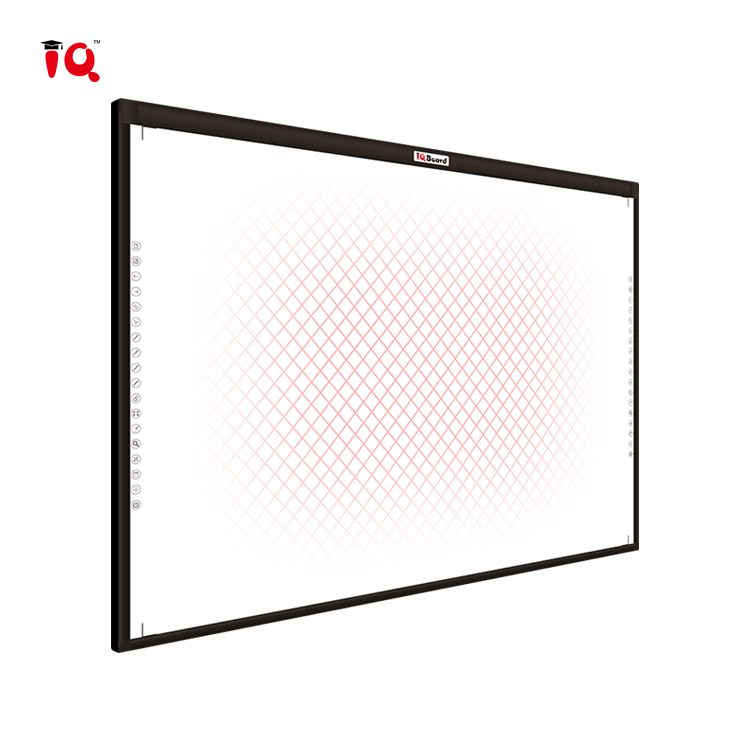 Portable Smart Board
IQ Board No Projector Portable Smart Board China Interactive Whiteboard
View product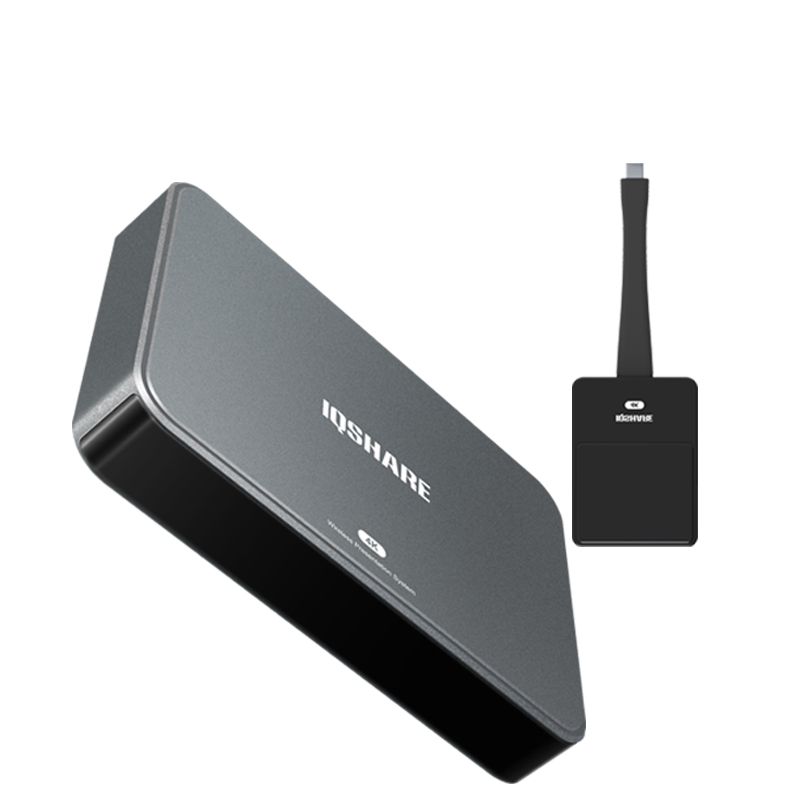 Wireless 4K Sharing
Hdm1 Wireless Transmitter Receiver 1 to 4 Anycast Wireless Screen Sharing Wireless Presentation System
View product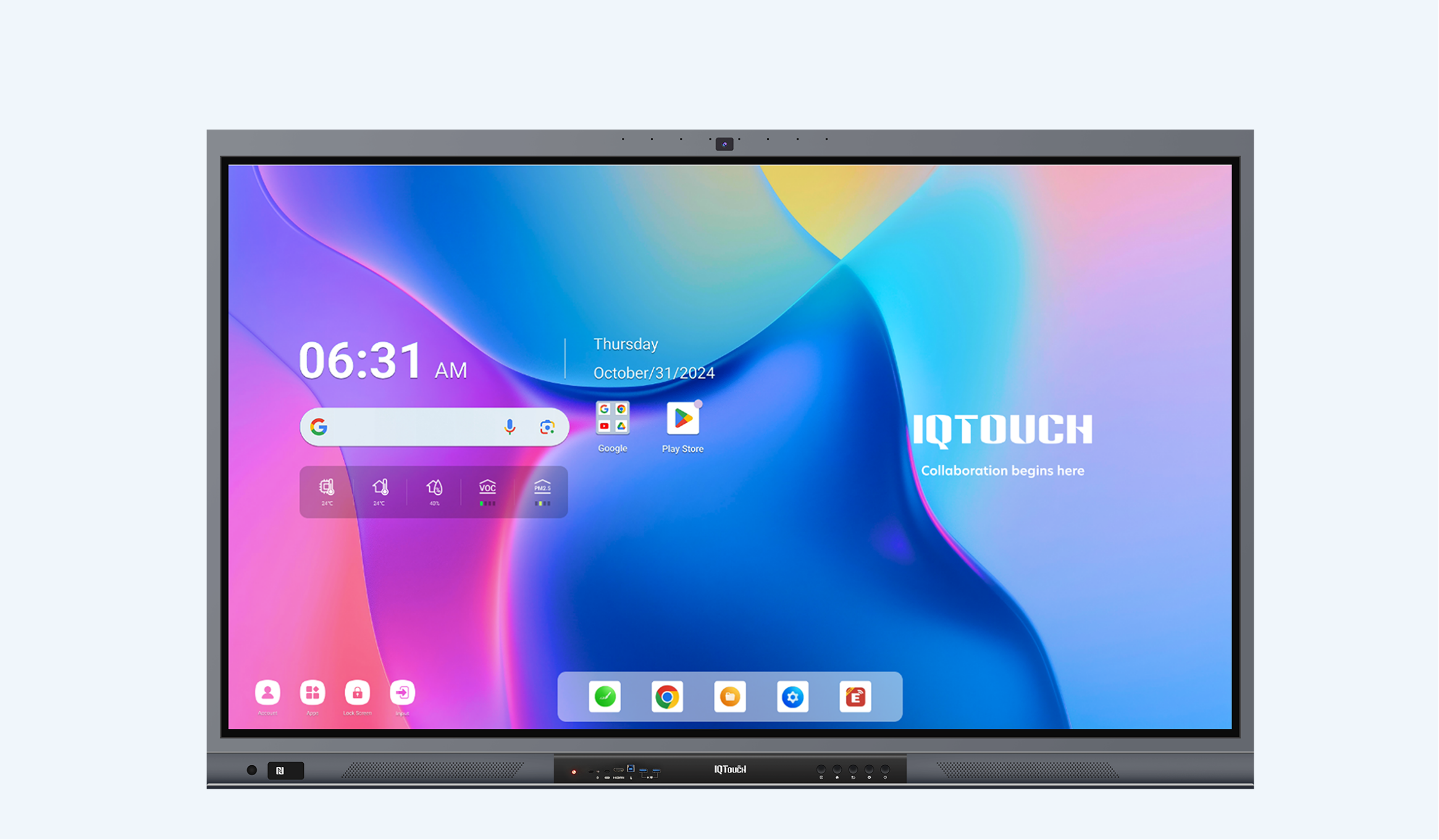 Interactive Display
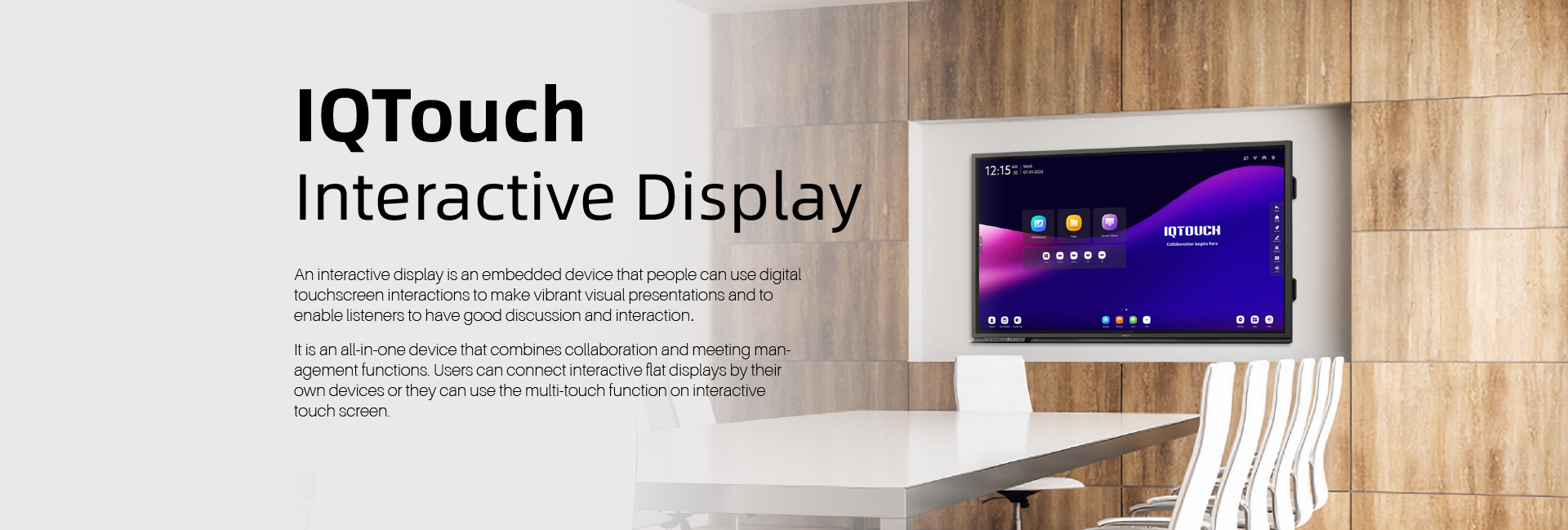
75 86 Inch Interactive Touch All in One Pc Electronic Interactive Whiteboard Smart Board Digital Price for Conference
View product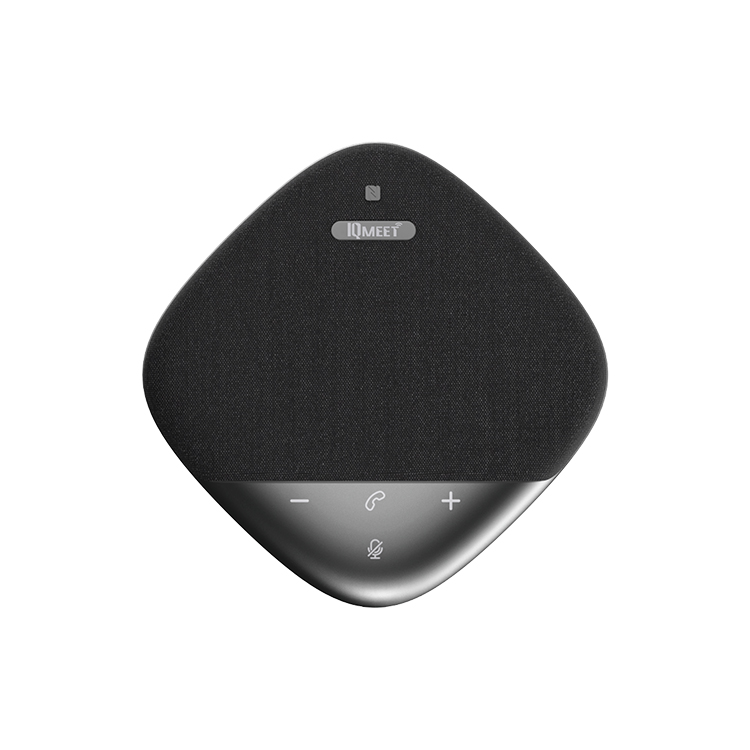 Conference Audio
China Factory NFC Features AI Noise Reduction Built-in Dual Speakers Conference Speakerphone for Mobile Phone USB
View product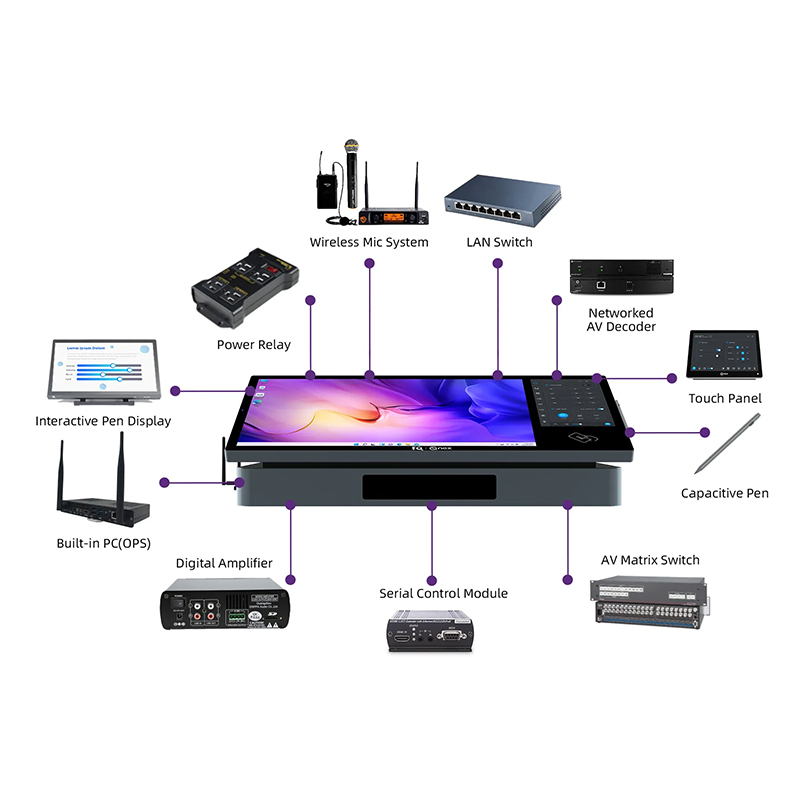 Digital Podium
Android System Education Classroom Control Smart Digital Lectern Desktop Digital Podium
View product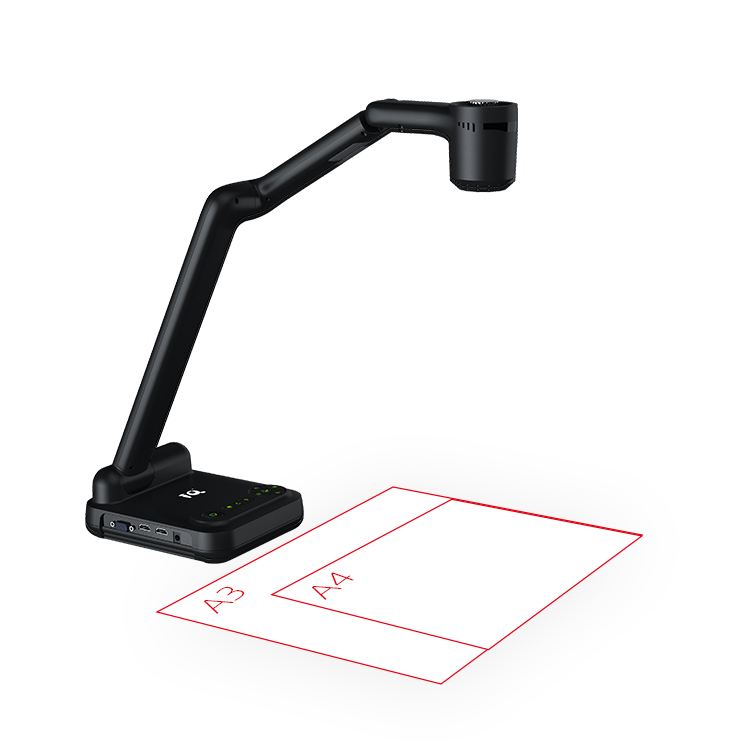 8MP Visualizer
Portable Classroom Scanner Machine HD 8 Megapixel A4 Document Camera Scanner Visual Presenter with LED Fill-in Light
View product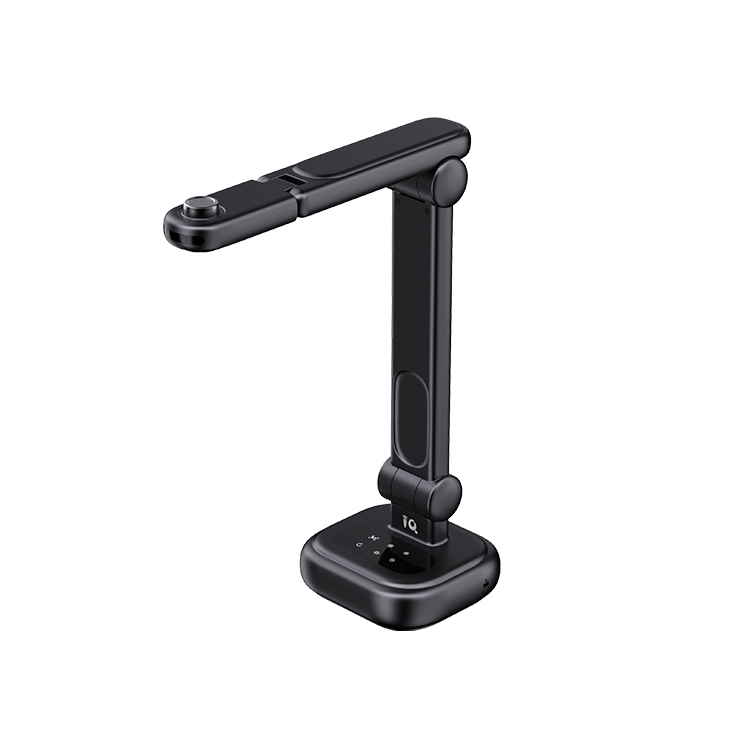 4K Visualizer
4K Video Output and Real-time Annotation Capabilities Document Camera Portable Visualizer with Auto Focus
View product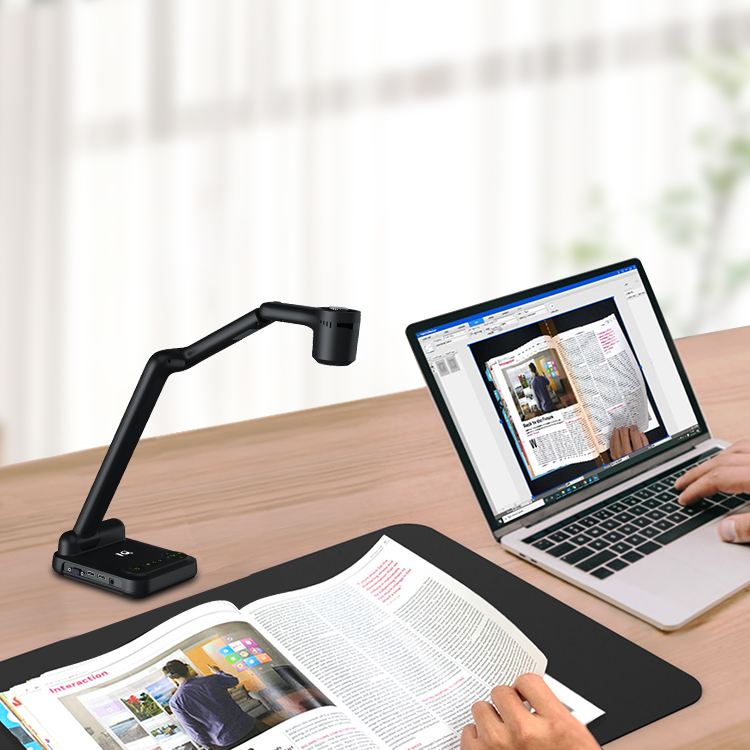 10x Optical Zoom
Wholesale 10x Optical Zoom Portable High Definition Live Image Document Camera Ceiling for School
View productCE-Certified 4K Visualizer Sourcing: What the Specification Really Means
A 4K visualizer is no longer a peripheral that sits beside a projector. In modern classrooms, lecture halls and corporate training rooms, it is the primary object-capture device that turns printed textbooks, laboratory samples, engineering parts and handwritten notes into large-format visual content. For importers and tender buyers, the phrase CE certified 4K visualizer therefore represents a procurement standard, not a decorative logo.
CE marking indicates that the responsible manufacturer has followed the applicable conformity assessment route and can provide a Declaration of Conformity, technical file and test evidence for the configuration supplied. In practical sourcing, buyers should request CE documentation that matches the exact model, power adapter, cable set and wireless module being ordered. A generic certificate covering a different model is not enough for a serious education or government project.
Technical evaluation should go beyond “4K” on a catalogue page. Ask for the native sensor resolution, output resolution and frame rate, autofocus behaviour, optical zoom range, minimum focus distance, LED fill-light control, colour accuracy, annotation latency and connectivity. A visualizer may output 4K UHD, but if the image pipeline, lens and focus system are weak, teachers will still see soft text and delayed movement. For classrooms, stable autofocus, low latency and clean USB/HDMI interoperability matter more than a single headline resolution number.
Total cost of ownership is equally important. A low-cost document camera can become expensive if it fails to work with the school’s interactive flat panel, lecture capture platform or video conferencing software. Buyers should validate UVC/UAC compatibility, EDID handling, cable length, mounting, firmware update policy, spare-part availability and warranty workflow. The most reliable suppliers are manufacturers that control SMT, PCB, assembly and testing, because they can trace quality issues back to the process instead of blaming a trading intermediary.
- Match CE documentation to the exact model, adapter and wireless configuration.
- Verify native 4K UHD capture, optical zoom and real-time annotation performance with a sample.
- Confirm compatibility with interactive displays, lecture capture and video conferencing tools.
- Review reliability test reports, packaging tests and after-sales support before mass production.
Product Recommendations by Teaching and Meeting Scenario
The right 4K visualizer specification depends on room size, viewing distance, subject matter, software ecosystem and the level of IT support available after installation.
K–12 Classrooms
Combine a 75-inch or 86-inch interactive flat panel with an 8MP portable A4 document camera and a 1-to-4 wireless screen-sharing system. This setup keeps lesson preparation simple while allowing teachers to switch between textbook pages, student work and digital content without cable confusion.
University Lecture Halls
Specify a 4K visualizer with real-time annotation, a 90-inch to 100-inch interactive display, lecture capture and a networked digital podium. The visualizer should support clear object capture from a lectern while the capture system records the board, presenter and presentation simultaneously.
Corporate Training Rooms
Pair a portable 4K visualizer with a conference speakerphone, wireless HDMI presentation kit and digital lectern. This configuration supports product training, design reviews and hybrid meetings where documents, components and slides must be shared instantly with remote participants.
Science, Health and Engineering Labs
Use a 10x optical zoom visualizer or ceiling document camera for demonstrations of small parts, specimens and technical samples. Optical zoom, LED fill light and stable focus are essential when the subject is detailed and the audience must see texture, colour and structure accurately.
Future Procurement Trends for CE-Certified 4K Visualizers
Education buyers and systems integrators are reshaping visualizer procurement around compliance, lifecycle cost and interoperability rather than unit price alone.
Compliance-First Sourcing
Public tenders increasingly require CE documentation, RoHS evidence, EMC test reports and traceable component lists. Exporters that can supply a complete technical file will win more projects than those offering only a certificate image.
Hybrid-Ready Interoperability
UVC/UAC plug-and-play support, HDMI output, wireless 4K presentation and compatibility with common video conferencing platforms are becoming baseline requirements for classroom and corporate visualizers.
Total Cost of Ownership
Buyers now compare installation time, teacher training, firmware maintenance, spare-part availability and warranty response. A visualizer is evaluated as part of a room system, not as an isolated accessory.
Multi-Room Standardisation
Campus rollouts favour one repeatable visualizer architecture across classrooms, lecture halls and training rooms. Standardised mounting, cabling, software and control interfaces reduce support burden and simplify future expansion.
Trend implication: the winning exporter will be the one that can document compliance, ship a complete room solution and support multi-year service requirements.
How 4K Visualizer Technology Is Evolving
The next generation of document cameras is becoming more intelligent, more networked and more closely integrated with interactive displays and lecture capture ecosystems.
AI-Assisted Imaging
Auto-focus, auto-crop, noise reduction, text enhancement and intelligent exposure adjustment help teachers present clear images with less manual setup.
Higher Resolution, Lower Latency
4K UHD is becoming standard, while wireless presentation moves toward low-latency, high-frame-rate transmission for natural handwriting and object movement.
Modular and Repairable Design
Replaceable camera modules, LED boards and power boards support longer product life and lower maintenance cost, aligning with public-sector sustainability requirements.
Software-Defined Classroom Workflows
Annotation, recording, screen sharing and device control are converging into one teacher-facing interface managed by campus IT teams.
Why Work With an SGS-Verified 4K Visualizer Manufacturer
E-E-A-T in education technology sourcing is built on verifiable manufacturing experience: real factory processes, documented quality control and transparent evidence.
SGS Onsite Verification
Ruyden has been onsite-verified by SGS Group. Buyers can review the supplier assessment report, credit overview, trade capacity and transaction records independently before placing an order.
19 Years in the Industry
Nearly two decades of education AV experience, with a verified team of 82 professionals covering engineering, production, quality control and export service.
Design-Based Customisation
Verified OEM/ODM capability allows buyers to customise logo, boot screen, housing colour, packaging, software pre-installation, language settings and hardware configuration.
In-House Reliability Lab
Incoming materials and finished products are checked through high/low temperature, drop, simulated transportation, salt spray, button life, insertion force, static, earth continuity and withstand voltage testing.



This manufacturing depth matters for CE-oriented visualizer programmes because compliance, image quality and long-term reliability are process outcomes. An exporter that controls SMT, PCB, auto-insertion, final assembly and testing can protect custom designs, respond to engineering changes and maintain batch consistency. For distributors, that translates into fewer field failures; for integrators, it means a supplier who can support tenders, documentation requests and multi-room standardisation; for schools and universities, it means a classroom technology partner who understands daily teaching realities.
Numbers Buyers Can Check During Due Diligence
Transparent figures help procurement teams compare suppliers objectively and reduce risk before a pilot order or tender award.
What to Verify Before Approving a 4K Visualizer Supplier
Use this comparison framework to separate true manufacturers and CE-ready exporters from catalogue resellers.
| Evaluation Area | Evidence to Request | Why It Matters |
|---|---|---|
| CE Documentation | Declaration of Conformity, test reports, technical file summary, label artwork | Confirms the exact exported configuration is supported for EU market access. |
| 4K Image Pipeline | Native sensor specification, UHD output, frame rate, autofocus and latency test | Prevents soft text, delayed motion and poor demonstration quality in classrooms. |
| Optical System | Lens type, zoom range, minimum focus distance, LED fill-light control | Determines whether books, samples and small components can be captured clearly. |
| Interoperability | UVC/UAC, HDMI, wireless presentation, display and lecture capture compatibility | Reduces installation risk and support tickets after room deployment. |
| Quality Control | Incoming inspection, in-line tests, reliability lab reports, final inspection records | Shows whether the supplier controls batch consistency rather than relying on luck. |
| OEM/ODM Capability | Logo, boot screen, packaging, software, language and hardware customisation samples | Protects distributor branding and tender differentiation. |
| Export Experience | Trade history, project references, packaging standards and documentation workflow | Demonstrates ability to deliver overseas orders without avoidable delays. |
| After-Sales Support | Warranty terms, spare-part list, firmware policy, technical training materials | Protects total cost of ownership across a multi-year deployment. |
Frequently Asked Questions About CE-Certified 4K Visualizers
Direct answers for importers, distributors, system integrators and education procurement teams evaluating a 4K visualizer programme.
What does “CE certified 4K visualizer” mean in practice?
It means the responsible manufacturer can support CE marking for the exact visualizer configuration being supplied. For serious procurement, request the Declaration of Conformity, applicable EMC and safety test reports, product label artwork, power adapter details and a traceable bill of materials. The documentation should match the model, wireless module and accessories you intend to import, not merely a similar product in a catalogue.
Which 4K visualizer specifications should buyers compare first?
Compare native sensor resolution, 4K UHD output, frame rate, autofocus behaviour, optical zoom, minimum focus distance, LED fill-light control, annotation latency and connectivity. For teaching, a stable autofocus system and clean HDMI/USB output are often more important than a high number on a specification sheet. Always test with real textbooks, handwritten notes and physical objects that reflect the intended use case.
Can a 4K visualizer work with an interactive flat panel and lecture capture system?
Yes, when the signal chain is designed correctly. A visualizer can feed an interactive display through HDMI while simultaneously providing USB video to a lecture capture or video conferencing platform. Buyers should confirm EDID handling, HDCP requirements, cable length limits and UVC compatibility. For campus projects, it is better to validate the full room configuration with a sample rather than approving each device separately.
Do you support OEM and ODM customisation for visualizer and classroom products?
Yes. Ruyden supports design-based customisation that has been verified through independent third-party inspection. Common options include logo and boot screen, housing colour, packaging, pre-installed software, language settings and hardware configuration. For tender projects, early discussion helps align CE documentation, product labelling, accessories and packaging before mass production begins.
How is product quality controlled before shipment?
Production runs through in-house SMT, auto-insertion, PCB and assembly lines, followed by testing in our reliability lab. Typical checks include high and low temperature, drop, simulated transportation, salt spray, button life, insertion force, static, earth continuity and withstand voltage testing. Final inspection before packing helps protect the shipment and reduces the risk of installation delays at the destination.
Are you a manufacturer or a trading company?
Ruyden Interactive Technology Group Co., Ltd. is an SGS onsite-verified manufacturer and exporter based in Fuzhou, Fujian, China. Our team covers engineering, production, quality control and export service. Buyers can review our assessment report, credit overview, trade capacity, transaction level and trade history through public verification links before starting a project.
How do overseas buyers start a 4K visualizer project?
Send your room types, quantity forecast, target market, preferred visualizer resolution, display size, connectivity requirements and any certification or tender documentation needs. Our export team can propose a configuration, sample plan and packaging approach. For projects that combine visualizers, interactive displays, wireless presentation and digital podiums, a single supplier reduces compatibility risk and simplifies after-sales coordination.
Build a CE-Ready 4K Visualizer Programme With a Verified Manufacturer
Share your room size, quantity, market and certification requirements. Our team will respond with a practical 4K visualizer configuration, OEM/ODM options and a factory-direct quotation for your project.
