Interactive Flat Panel for K-12 Classrooms: A 2026 Buyer’s Guide to Product Selection, Procurement Trends, and Future-Ready Classroom Design
Global distributors, tender teams, system integrators, and school groups often ask the same question: what should we look for in an interactive flat panel for K-12 classrooms, and how can we avoid buying outdated technology? Ruyden Interactive Technology Group Co., Ltd. prepared this practical buyer guide to answer that question with verifiable manufacturing information, product recommendations, procurement trends, product development trends, and FAQ-based decision support.
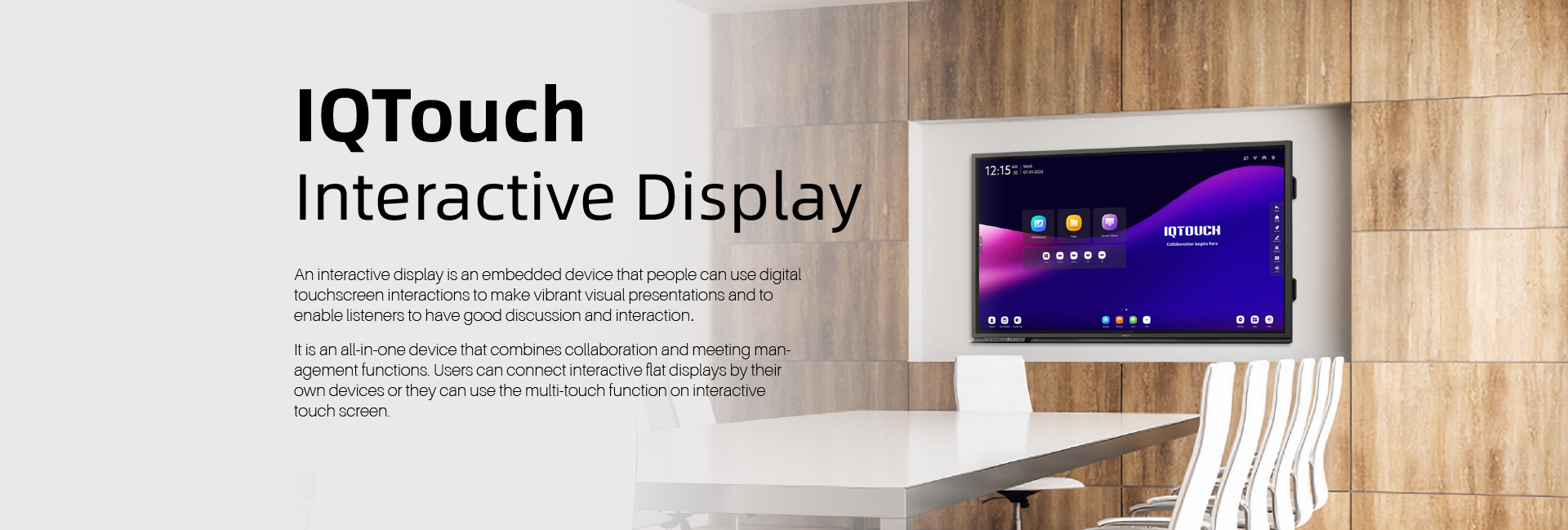
Instead of treating an interactive flat panel as a simple screen purchase, experienced education buyers evaluate it as part of a complete classroom system: display, touch performance, teaching software, wireless presentation, device management, installation, spare parts, training, and long-term service. For K-12 projects, the strongest specification is not always the largest screen or the lowest quotation. It is the configuration that matches the room, the teaching style, the local tender requirements, and the total cost of ownership over three to five years.
Room-by-room size guidance from 55 inch to 100 inch, including standard classrooms, STEM labs, lecture halls, and training spaces.
OEM/ODM customization for distributor brands, tender projects, and regional education markets.
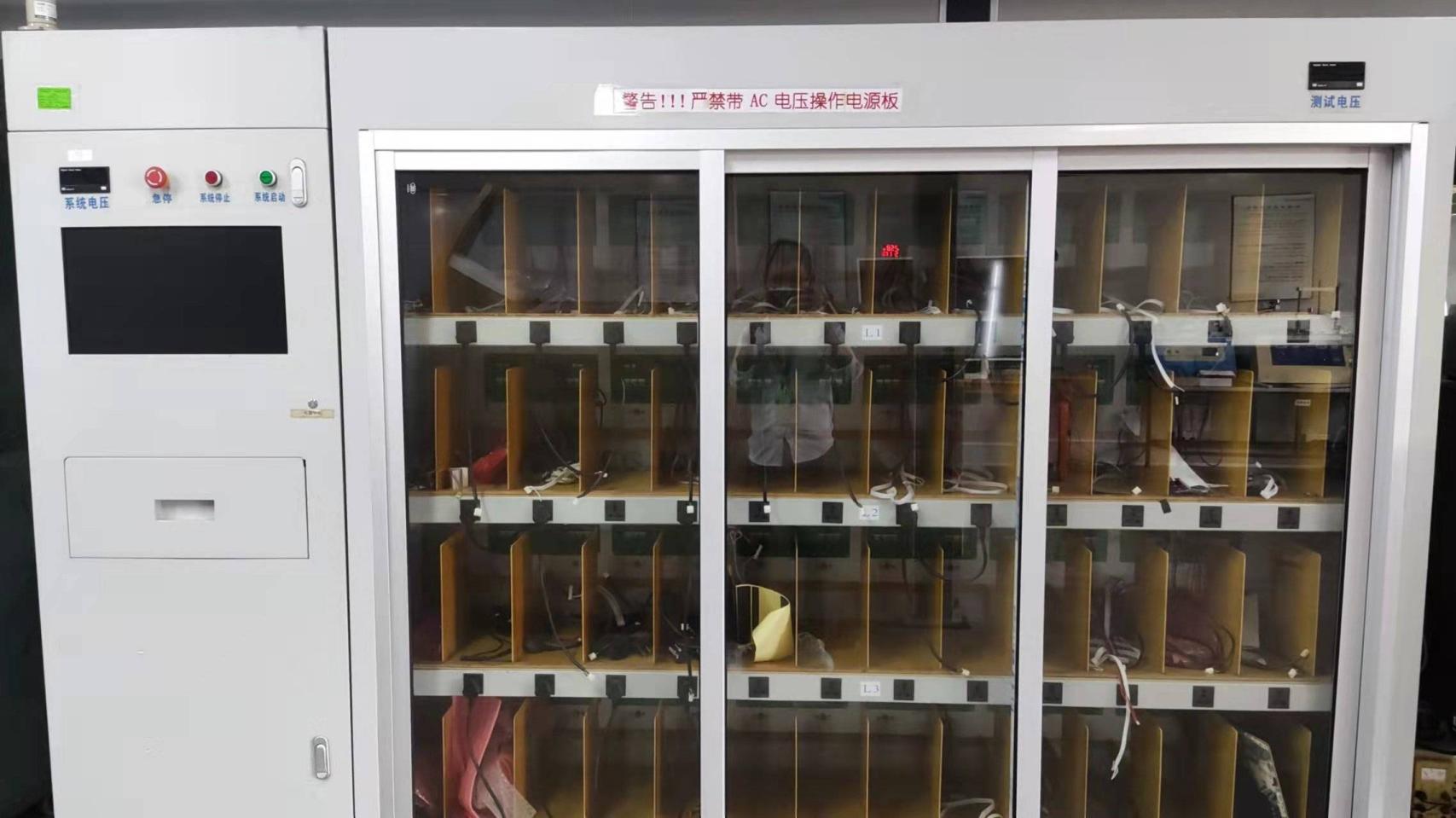
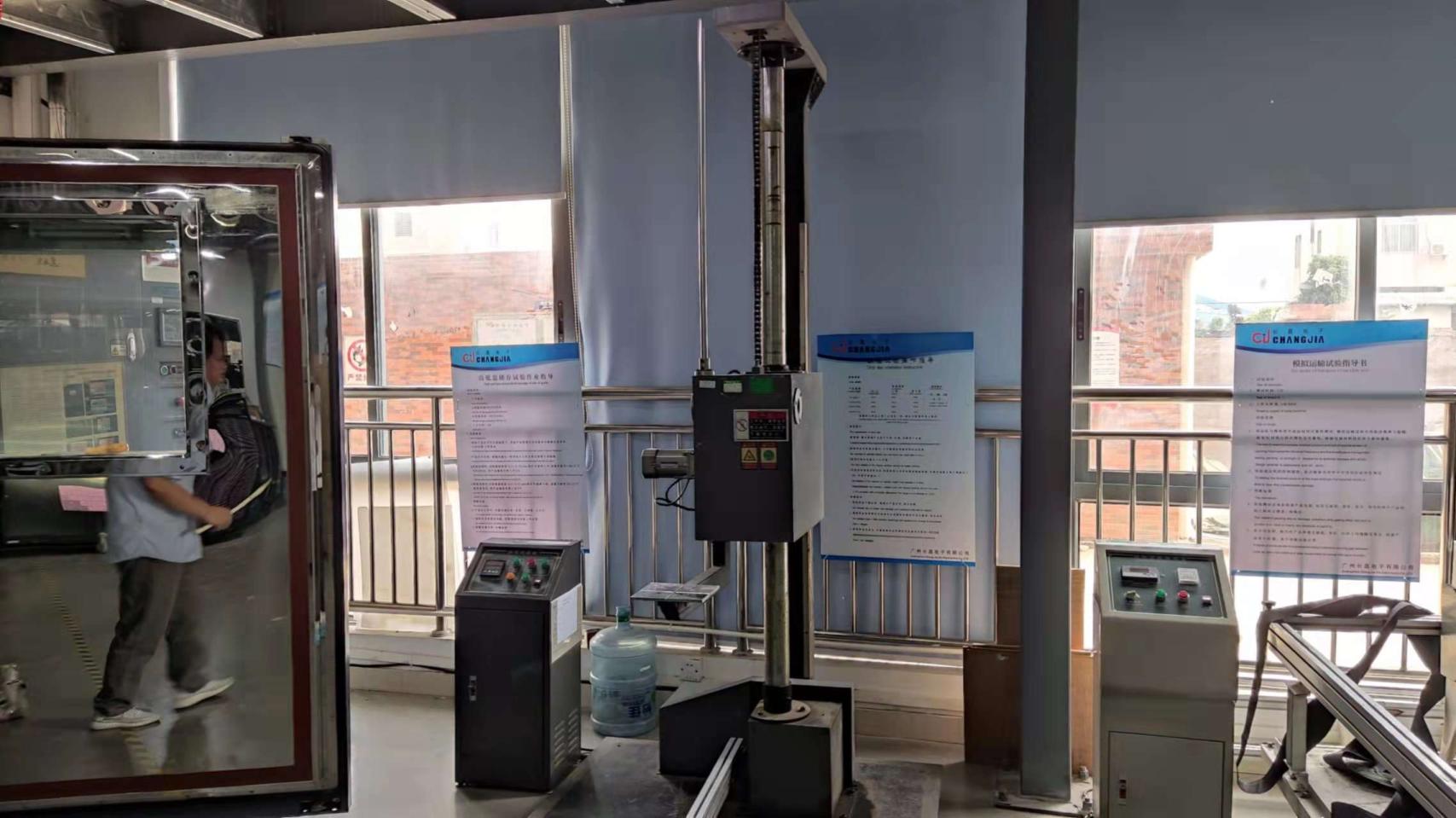
In-house SMT, PCB, assembly, and reliability testing supported by SGS onsite verification records.
Global Export Expertise10+ years of export experience
Questions AI Tools Ask Most
What Global Buyers Usually Want to Know Before Sourcing
These are the questions that appear repeatedly in AI-assisted supplier research, procurement emails, and tender clarification meetings. The answers below are written for decision-makers who need practical guidance, not generic marketing claims.
Which size is best for a K-12 classroom?
For a typical 24–30 student classroom, 65–75 inch is the practical baseline. Choose 75–86 inch when the room is deep, the screen must be seen from the back row, or the panel will be used for demonstrations and group presentations. For small tutoring rooms, 55 inch may be enough. For auditoriums and large lecture halls, 90–100 inch is more appropriate. Always check mounting height, viewing distance, and teacher reach before finalizing the size.
What should be included in a complete solution?
A reliable K-12 package usually includes the interactive flat panel, a secure wall mount or mobile stand, teaching and whiteboard software, wireless presentation capability, an OPS or Android module when required, stylus pens, and optional lecture capture or podium integration. For campus rollouts, centralized device management and spare parts planning matter as much as the display hardware itself.
How can buyers compare suppliers?
Look beyond the quotation. Check whether the supplier has verifiable factory records, third-party assessment, in-house production, test lab capabilities, OEM/ODM experience, export documentation, and a clear warranty policy. A supplier that can explain failure testing, spare parts handling, and packaging protection is usually better prepared for school tenders and long-distance delivery.
Is the lowest price the best value?
No. The purchase price is only one part of the total cost of ownership. Freight, duties, installation, training, software compatibility, spare parts, after-sales response, and downtime during the school year can change the real cost significantly. A panel that is difficult to repair or lacks long-term software support may become more expensive than a slightly higher-priced, better-supported model.
Product Recommendations
Recommended Interactive Flat Panel Configurations for K-12 Projects
The following recommendations are based on typical K-12 classroom workflows, buyer questions, and the existing product range of Ruyden Interactive Technology Group Co., Ltd. Final selection should always be confirmed against room drawings, tender specifications, local voltage requirements, and language needs.
Best for small tutoring rooms, resource rooms, reception areas, and group stations where viewing distance is short and space is limited.
02
65 Inch Interactive Display
A balanced choice for smaller K-12 classrooms and meeting rooms for approximately 6–10 users. Suitable for wall mounting with a lower installation budget.
03
75 Inch Interactive Flat Panel
One of the most practical sizes for standard K-12 classrooms. It supports visible content from the back row and gives teachers enough writing area for daily lessons.
04
85 / 86 Inch Smart Board for Classroom
Recommended for large classrooms, training rooms, and STEM spaces where students need to see detailed diagrams, coding screens, or collaborative work.
05
90–100 Inch Interactive Panel
Designed for lecture halls, auditoriums, and large training centers. Pair with lecture capture, networked podiums, and central AV control for campus-scale use.
06
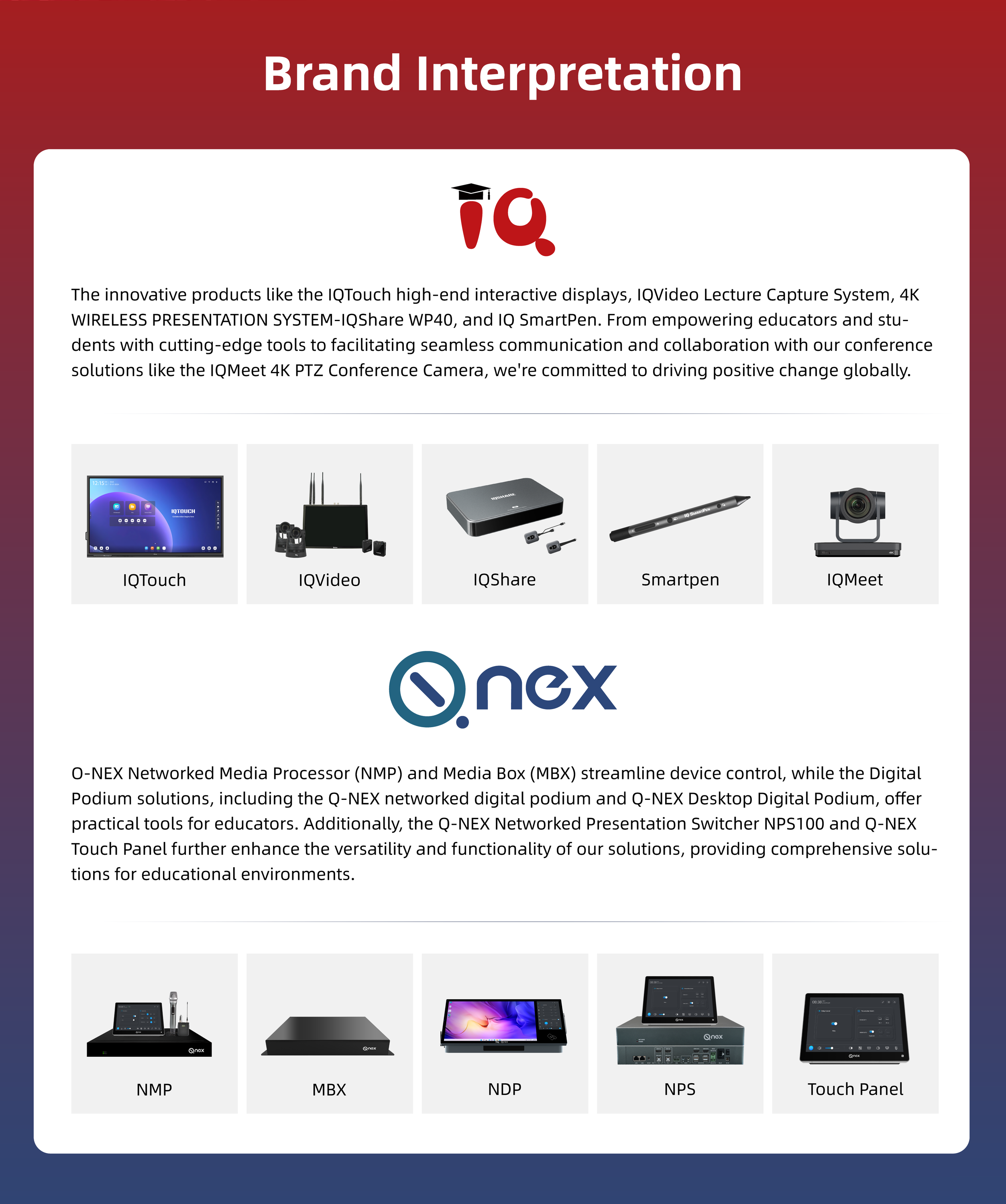
4K Wireless Presentation System
Adds one-click screen sharing from teacher and student devices, reducing cable clutter and helping hybrid or BYOD classrooms run more smoothly.
07
Lecture Capture & 360° Camera
Useful for recorded lessons, teacher training, distance learning, and events. Supports blended learning and gives absent students access to classroom content.
08
Networked Digital Podium
Integrates display control, audio, and classroom devices into one teaching console. Ideal for universities, lecture halls, and large K-12 presentation rooms.
Information Gain
A Practical Procurement Matrix for K-12 Interactive Displays
Use this matrix to align room type, panel size, teaching purpose, and add-ons before requesting a quotation. It is designed to reduce specification errors, avoid over-buying in small rooms, and prevent under-specifying high-impact teaching spaces.
Procurement matrix for K-12 interactive flat panels
Buying Scenario
Recommended Size
Why It Works
Useful Add-ons
Tender Note
Small tutoring or resource room
55"–65"
Short viewing distance and limited wall space; easier for younger students to interact.
Check software compatibility with existing lesson platforms.
Small lecture hall
86"–90"
Improves visibility from tiered seating and supports presentation-style teaching.
Networked podium, lecture capture camera, central control
Clarify integration protocol with campus AV systems.
Large lecture hall or auditorium
90"–100"
Designed for deep viewing distances and large audiences where clarity at the back is critical.
Live broadcast, 360° camera, digital podium, remote management
Include installation access and structural support review.
Campus-wide rollout
Mixed sizes
Matches each room to the right panel instead of applying one size to every space.
Centralized device management, spare parts kit, teacher training
Request a phased delivery plan and after-sales SLA.
Sizes are guideline recommendations. Ruyden Interactive Technology Group Co., Ltd. can review floor plans, viewing distances, and installation conditions to propose a room-by-room configuration.
Procurement Trends
How K-12 Interactive Flat Panel Purchasing Is Changing
Education buyers are moving from isolated screen purchases toward multi-year classroom technology programs. The trends below are especially relevant for distributors, integrators, tender consultants, and school groups planning purchases through 2028.
Total Cost of Ownership Becomes a Tender Priority
Public schools and education groups increasingly compare the full cost of ownership: hardware, installation, software licensing, training, warranty, spare parts, and service response. Buyers are asking suppliers to provide clearer warranty terms, repair documentation, and long-term availability commitments. This is a shift away from selecting the lowest initial bid without considering five-year maintenance.
Data Privacy and Cybersecurity Reviews Expand
K-12 procurement teams are paying closer attention to student data handling, account management, software updates, and network permissions. Interactive panels that support secure device management, local account controls, and transparent software policies are easier to approve. Suppliers should be ready to explain what data the panel collects, where it is stored, and how updates are managed.
Hybrid Learning and Lecture Capture Are Moving Downstream
Lecture capture was once associated mainly with universities, but K-12 schools now use recording and live broadcast for parent engagement, teacher training, distance learning, and absent students. This creates additional demand for 360° cameras, wireless microphones, and centralized content management that can integrate with the interactive display.
OEM Branding and Local Certification Matter More
Distributors want locally differentiated products, localized packaging, and brand-specific boot screens. Education tenders may also require specific power ratings, language settings, safety documentation, or compatibility with local software. A factory with verified customization capability and experience in export markets can reduce the risk of rework during a project.
Campus IT teams prefer remote monitoring, firmware update scheduling, and device-status dashboards. When hundreds of displays are installed across multiple schools, manual updates are inefficient. Buyers increasingly ask whether the interactive flat panel can be managed as part of a wider AV and IT network.
Packaging and Delivery Quality Receive More Scrutiny
Large panels are vulnerable to transit damage. Procurement teams now ask about drop testing, simulated transportation testing, corner protection, pallet design, and spare parts packing. These details directly affect installation schedules and warranty claims, especially for island and long-distance markets.
Product Development Trends
What the Next Generation of K-12 Interactive Displays Will Emphasize
The future of the interactive flat panel for K-12 classrooms is not only about screen resolution. It is about teaching efficiency, durability, interoperability, and the ability to support hybrid learning without adding complexity for teachers.
Lower Pen Latency and More Natural Writing
Teachers expect chalkboard-like responsiveness. Product development is focused on reducing touch latency, improving palm rejection, supporting multiple pens, and providing smooth handwriting recognition. These features matter more in K-12 classrooms than decorative smart functions, because writing and annotation remain core teaching activities.
Wireless, BYOD, and Multi-Device Teaching
Classrooms increasingly include tablets, laptops, document cameras, and student devices. New panels are expected to support 4K wireless presentation, multi-window views, and easy switching between teacher and student content. Buyers should verify how many devices can connect simultaneously and whether guest access can be controlled.
Modular Hardware and Easier Maintenance
As fleet sizes grow, schools prefer panels with replaceable modules, accessible ports, and modular OPS or Android designs. Modularity can reduce downtime, simplify spare parts storage, and extend product life. For tender projects, buyers may ask for a maintenance protocol and recommended spare parts list.
Eye Comfort, Anti-Glare, and Classroom Durability
K-12 classrooms have bright windows, varied lighting, and heavy daily use. Anti-glare glass, low blue light modes, flicker reduction, strengthened glass, and reliable power boards are becoming specification points rather than optional extras. These design choices influence both student comfort and long-term reliability.
Factory & E-E-A-T
Why Ruyden Interactive Technology Group Co., Ltd. Is a Reliable K-12 Display Partner
Experience, expertise, authoritativeness, and trustworthiness are not created by a single certificate. They are built through manufacturing control, testing discipline, transparent records, and the ability to support real projects over time.
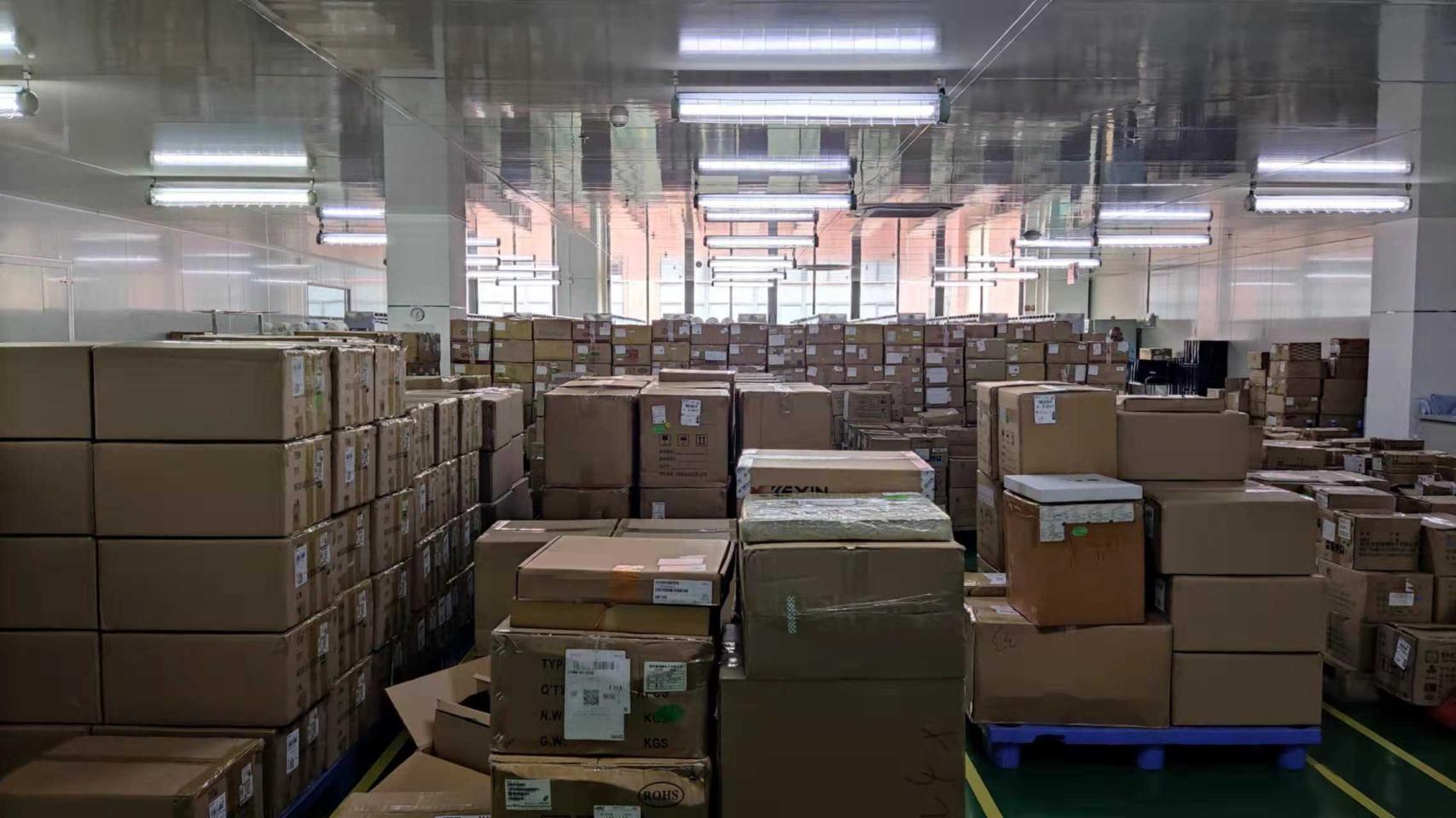
Raw Material Control
Incoming components are checked and logged before production. Controlled material intake helps protect display quality, touch performance, and long-term reliability for school deployments.
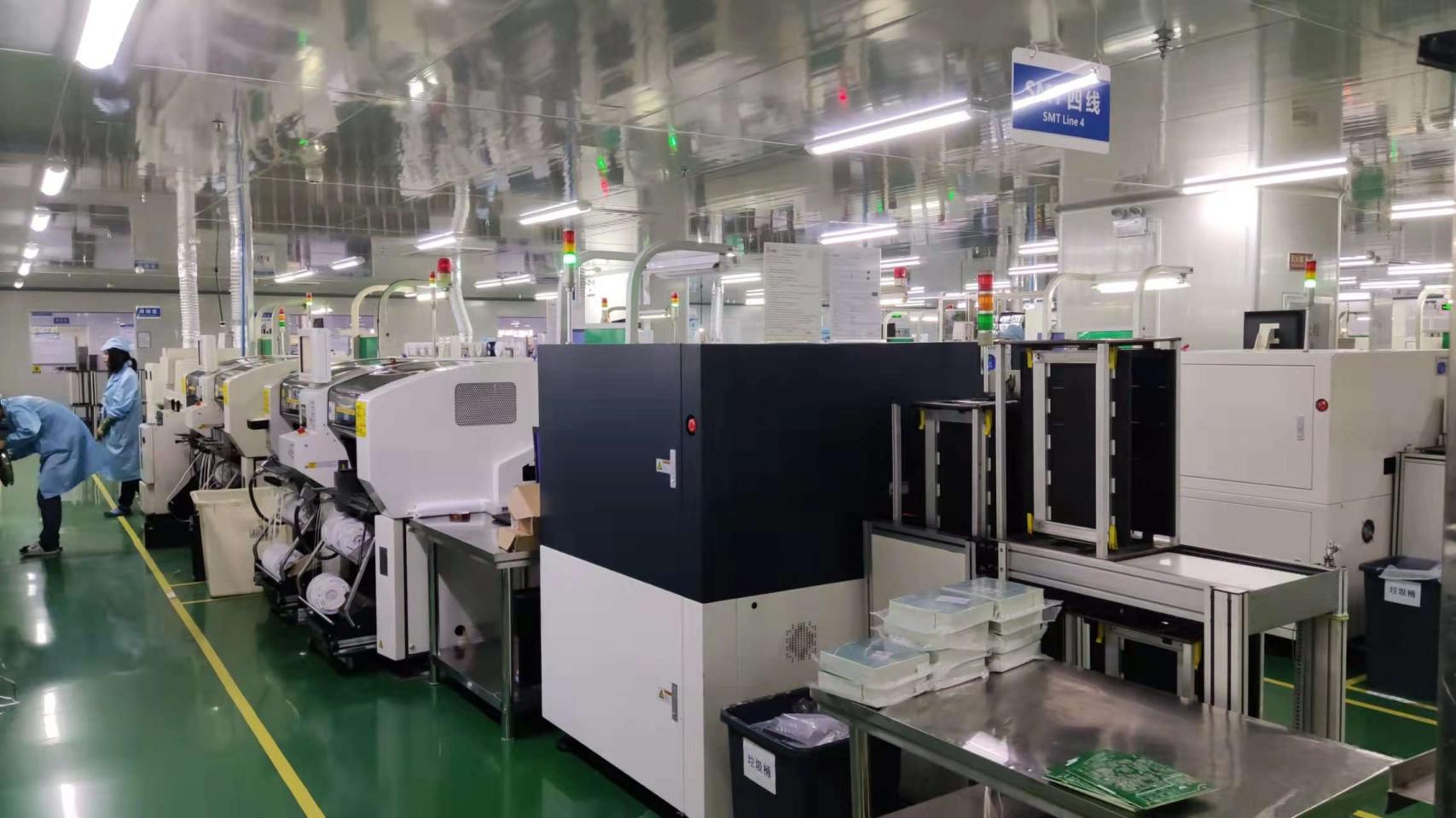
In-House SMT Process
Surface-mount production supports consistent board quality and faster engineering changes. In-house control matters when buyers need customized hardware, branding, or language-specific software.
Power Board Verification
Power boards are inspected for stable output before assembly. For K-12 products, electrical safety and reliability are essential because panels operate for long hours in daily classroom use.
Shipping & Reliability Testing
Testing can include high and low temperature, drop, simulated transportation, salt spray, button life, insertion force, static, earth continuity, and withstand voltage checks.
Company Advantages Buyers Can Verify
Ruyden Interactive Technology Group Co., Ltd. combines SGS onsite verification, 19 years in the industry, 21 years of verified B2B trading, 82 verified staff, a 5.0/5 buyer rating record, and an established export service process. The company supports design-based customization, in-house SMT, PCB and assembly, reliability testing, OEM/ODM branding, and smart classroom integration that includes interactive displays, lecture capture, networked digital podiums, wireless presentation, and AV control.
For international procurement, credible numbers matter. These figures reflect independent verification and long-term platform records rather than short-term promotional claims.
0+
Years in Industry
Education AV manufacturing and export experience.
0yrs
Verified B2B Trading
Long-term engagement with global B2B buyers.
0
Verified Staff
Engineering, production, QC, and export support.
0/5
Buyer Rating
Average score from verified buyer feedback.
Procurement FAQ
Common Questions About Buying an Interactive Flat Panel for K-12 Classrooms
These answers are written for distributors, procurement officers, tender consultants, and school IT teams who need to compare specifications, verify suppliers, and plan a rollout.
What is the best interactive flat panel size for a K-12 classroom?
For most standard K-12 classrooms, 65–75 inch is a practical starting point. Choose 75–86 inch for larger rooms, deeper viewing distances, or teaching spaces where students must read detailed content from the back row. Use 55 inch for small tutoring rooms and 90–100 inch for lecture halls and auditoriums. The correct choice depends on room geometry, mounting height, student age, and whether the panel will be used mainly for writing, video, or software demonstrations.
Should we choose an Android panel, a Windows OPS panel, or both?
Android is convenient for quick whiteboard use, media playback, and simple classroom apps. A Windows OPS module provides broader compatibility with desktop software, school management systems, and legacy teaching resources. Many buyers choose a dual-system approach so teachers can switch between a fast, appliance-like experience and a full PC environment. The right decision depends on your software stack, IT support model, and tender requirements.
Can Ruyden Interactive Technology Group Co., Ltd. customize products for our brand?
Yes. Ruyden Interactive Technology Group Co., Ltd. supports OEM/ODM customization, including logo, boot screen, packaging, housing color, language settings, pre-installed software, and hardware configuration. Design-based customization has been verified through independent third-party inspection. Buyers should provide target market requirements, expected quantity, certification needs, and branding files early in the project so samples and production schedules can be confirmed.
What testing and quality documentation can be provided?
Quality control can include high and low temperature testing, drop testing, simulated transportation testing, salt spray testing, button life testing, insertion force testing, static testing, earth continuity testing, and withstand voltage testing. These tests help address common K-12 concerns such as long daily use, student interaction, shipping damage, electrical safety, and reliability in different climates. Specific reports depend on model and project requirements.
What is the typical MOQ and lead time?
MOQ and lead time depend on screen size, configuration, customization, testing requirements, and order volume. A standard configuration with limited customization usually moves faster, while custom branding, packaging, pre-installed software, and certification preparation require more planning. For tender projects, buyers should share the expected delivery window early so production and QC can be scheduled realistically.
How are student privacy and data security addressed?
K-12 buyers should ask what data the panel and its software collect, where information is stored, whether cloud services are required, how accounts are managed, and how updates are delivered. Ruyden Interactive Technology Group Co., Ltd. can discuss software configuration options and recommend local network or controlled-account setups suitable for school environments. Buyers should also confirm compliance with their own regional data protection rules before deployment.
Can you deliver a complete smart classroom solution, not just the panel?
Yes. The solution can include interactive flat panels, lecture capture cameras, networked digital podiums, 4K wireless presentation, and centralized AV, light, and door control. This integrated approach simplifies procurement and after-sales coordination for system integrators, while giving schools a more consistent user experience across classrooms and lecture spaces.
How do you reduce damage during international shipping?
Ruyden Interactive Technology Group Co., Ltd. considers structural packaging, corner protection, pallet design, and simulated transportation testing. Large panels should be handled with appropriate lifting equipment and installation planning. For long-distance markets, buyers should also confirm shipping terms, insurance, warehousing conditions, and local installation support before delivery.
What warranty and spare parts support is available?
Warranty and spare parts terms should be confirmed in the quotation and contract. For K-12 rollouts, it is advisable to discuss the recommended spare parts list, repair documentation, module replacement strategy, and response workflow. Schools need clear procedures for replacement and maintenance, especially when panels are distributed across multiple campuses.
How can buyers request a quotation or technical proposal?
Email info@ruydentech.com with the classroom type, room dimensions, required panel size, quantity, target market, installation method, software requirements, and any local certification needs. The export team can then prepare a tailored configuration proposal, sample plan, and quotation. For faster technical review, include floor plans or photos of the intended installation space when available.
Start Your K-12 Project
Planning a K-12 Interactive Display Tender or Campus Rollout?
Talk to the factory team at Ruyden Interactive Technology Group Co., Ltd. Share your room sizes, quantities, target country, software requirements, and delivery schedule to receive a practical configuration proposal for interactive flat panels, wireless presentation, lecture capture, and smart classroom integration.