Education AV Procurement Guide · 2025–2026 Projects

Live Broadcast Lecture Recording System: The Complete Buyer’s Guide for Global Education Projects

How universities, K-12 groups, corporate academies and system integrators can specify a reliable live broadcast and lecture recording system without over-buying hardware, creating compatibility risk or adding unnecessary workload for teachers.

This guide is published by the education AV engineering and export team at Ruyden Interactive Technology Group Co., Ltd. It answers the questions global buyers most often ask during supplier discovery, tender preparation, pilot testing and campus rollout: what the system should include, which configurations fit which rooms, how to compare suppliers, what future procurement trends will affect budgets, and how to verify a manufacturer before placing an order.

  • Written for education buyers, distributors, integrators and OEM/ODM brand owners
  • Based on Ruyden’s in-house SMT, PCB, assembly, reliability testing and export experience
  • Includes product recommendations, procurement trends, development trends, FAQ and supplier verification checklist

Author: Ruyden Interactive Technology Group Co., Ltd. — Education AV Engineering & Export Team. Contact: info@ruydentech.com

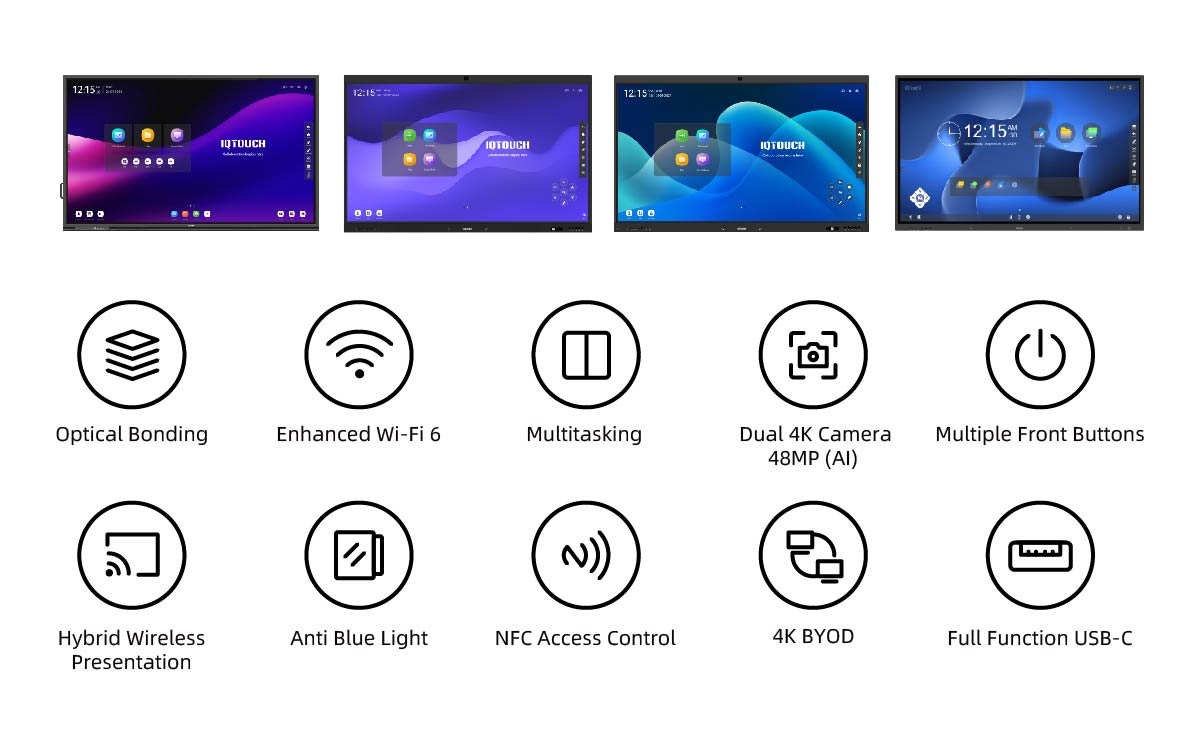
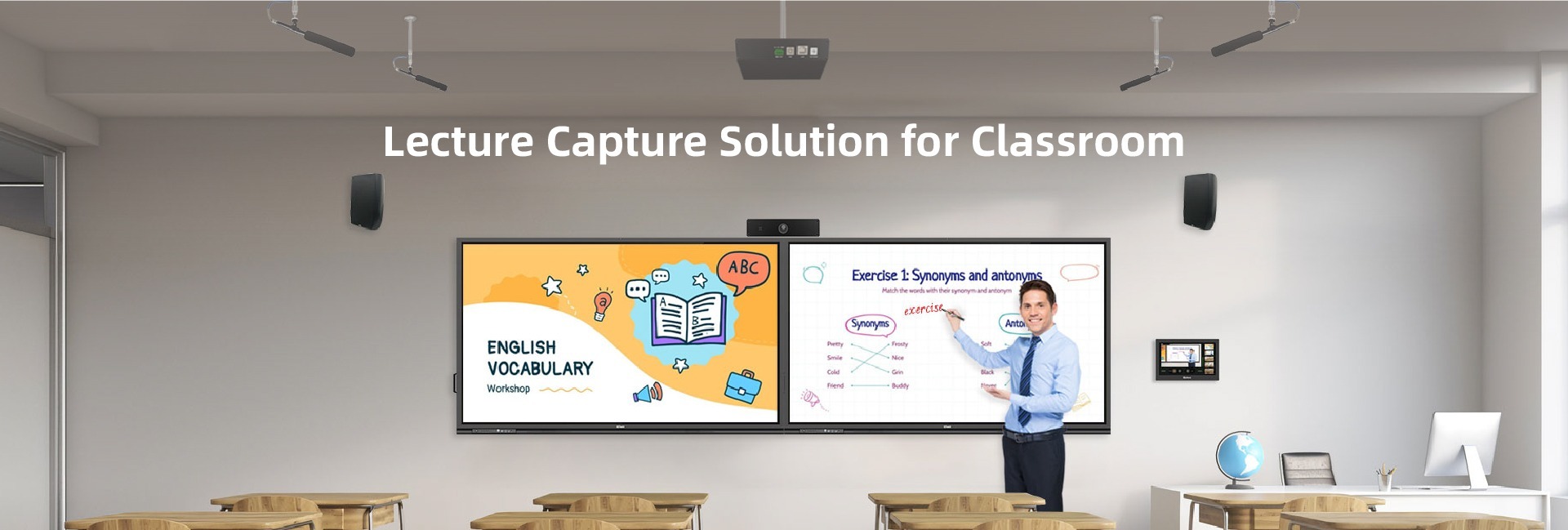
Live broadcast lecture recording system with lecture capture camera and interactive classroom display by Ruyden
A live broadcast lecture recording system combines capture, audio, recording, streaming, display and control into one repeatable classroom workflow.
SGS Onsite-VerifiedIndependent third-party audit
19 Years in IndustryEducation AV specialist
Design-Based CustomizationVerified OEM / ODM capability
Global Export Expertise10+ years of export experience
Search Intent Answered

What Is a Live Broadcast Lecture Recording System?

A live broadcast lecture recording system is not just a camera in the back of a classroom. It is an integrated workflow that captures the teacher, the presentation or board, the room audio and sometimes student questions; it then encodes the signal, records the lesson, streams it live and archives it for later viewing.

For procurement teams, the important question is not “How many megapixels does the camera have?” but “Which combination of camera, microphone, encoder, display, podium and software will let our teachers record and stream consistently without adding work to their day?” That is the practical meaning of a well-designed lecture capture system. A system may look impressive in a brochure, but it only succeeds when a teacher can walk into the room, press one button and teach.

Global buyers searching for a “live broadcast lecture recording system” usually have mixed intent. Some need a single lecture hall solution for a university. Some need a repeatable classroom standard for a K-12 group or training network. Others are distributors or integrators who need an OEM/ODM manufacturer that can support their brand, certification requirements, packaging and after-sales model. This guide addresses all three groups.

At minimum, a complete system should include a capture camera or cameras, a microphone and audio processing pathway, an encoder or recorder, network connectivity, storage and publishing software. In many projects it also includes an interactive flat panel for teaching, a networked digital podium for control, a wireless presentation system for BYOD sharing, and a management layer for centralized device monitoring. The best configuration depends on room size, teaching style, IT policy, viewer count and budget.

What Buyers Should Confirm Before Shortlisting

  • Can the system record and live stream at the same time?
  • How are teacher and student voices captured across the room?
  • Where are recordings stored, and who can access them?
  • Does the workflow support your LMS, portal or video platform?
  • Can the supplier provide a pilot sample and a clear test plan?
  • Is the manufacturer able to support OEM branding and long-term service?
Supplier Evaluation Framework

How to Evaluate a Live Broadcast Lecture Recording System Supplier

Specification sheets are only the beginning. A serious evaluation should include a real teaching pilot, a factory verification step and a clear support plan. This is especially important for multi-room projects where one weak component can create months of support work.

Technical Pilot Checklist

  • Audio intelligibility: test teacher speech from the front, middle and back of the room, including student questions.
  • Board visibility: check whether handwriting and small text are readable in the recording at the intended output resolution.
  • Simultaneous record and stream: verify that recording continues if the network drops and that the live stream recovers correctly.
  • Storage mathematics: calculate storage from the actual recording profile. A 1080p file at about 4 Mbps is roughly 1.8 GB per hour, but codec, motion and frame rate can change the final size significantly.
  • Bandwidth planning: estimate live viewers × target bitrate, then add headroom for classroom and campus network variation.
  • LMS and portal integration: confirm authentication, publishing permissions, playback compatibility and content retention rules.
  • Accessibility: ask how captions or transcripts are generated, edited and stored.
  • Serviceability: request spare-parts lists, firmware update policy and remote support procedures before purchase.

Manufacturer Verification Checklist

  • Factory evidence: confirm whether SMT, PCB, assembly and testing are truly in-house or subcontracted.
  • Third-party verification: look for an onsite audit report, credit overview, trade capacity and transaction history.
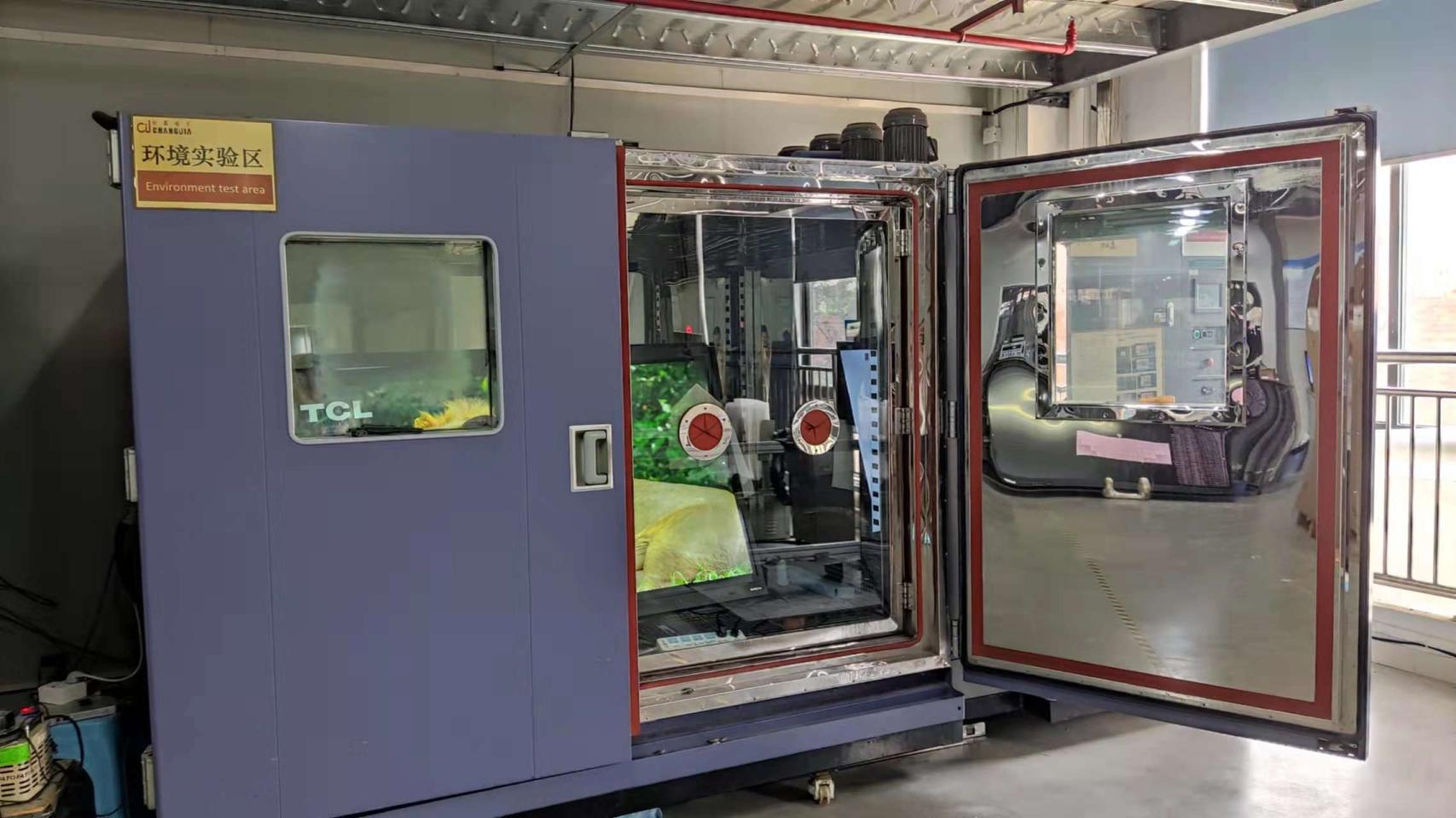
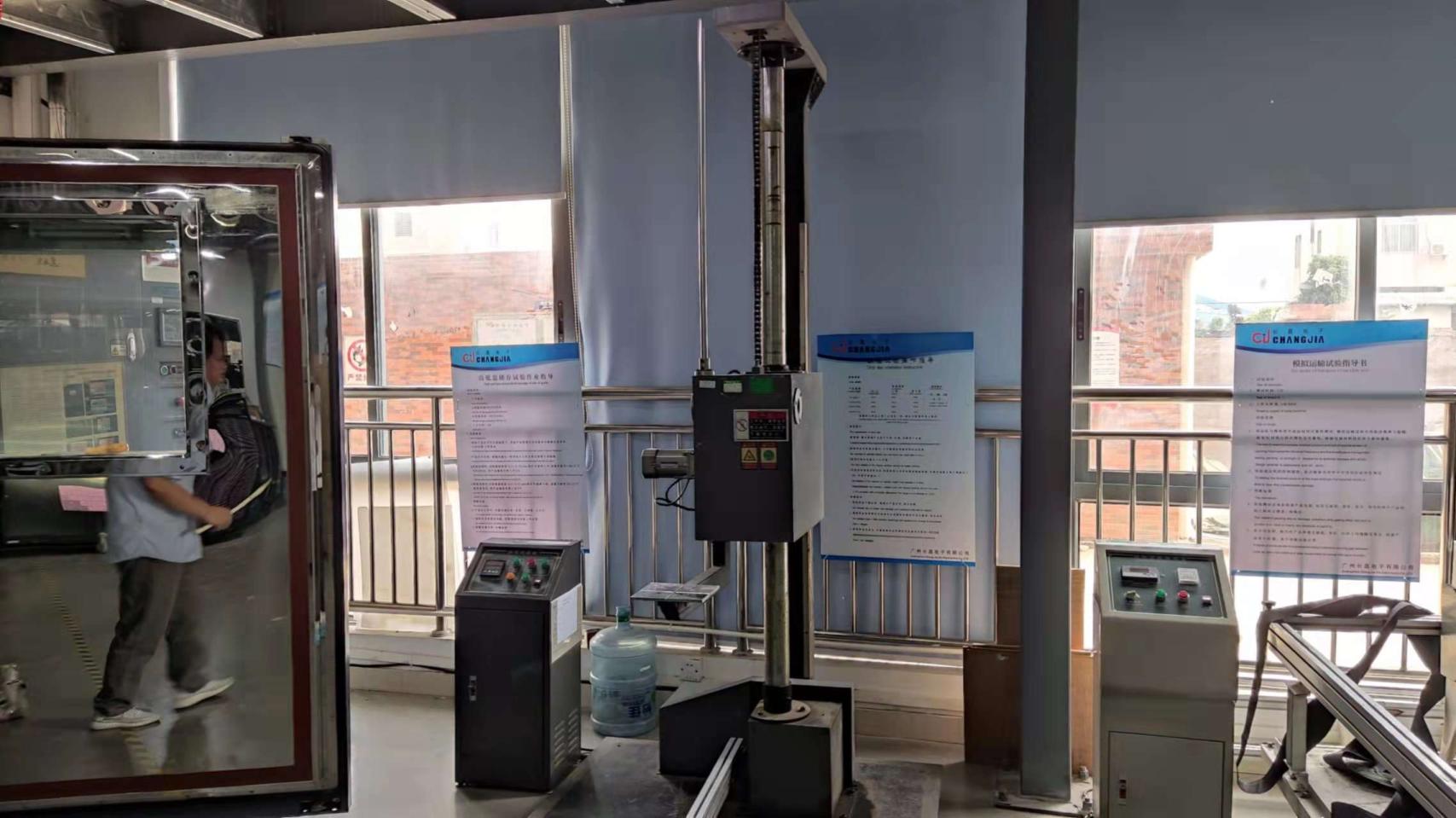
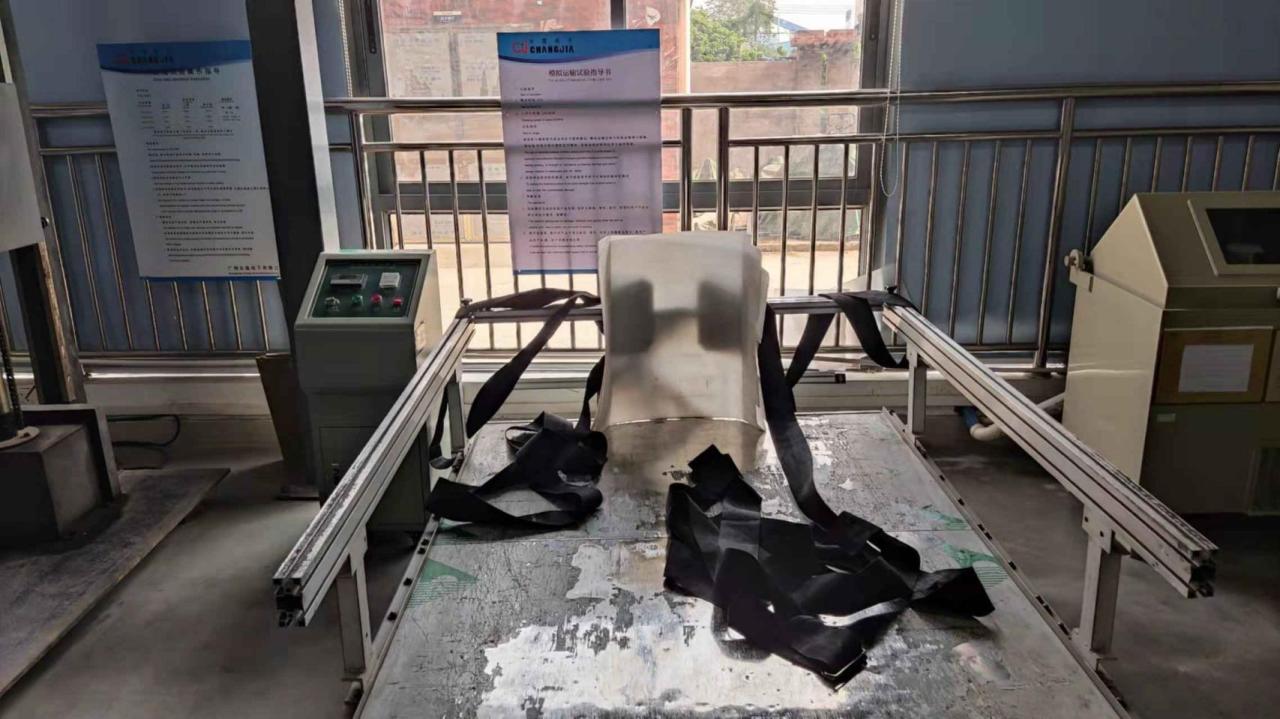
  • Reliability testing: ask for evidence of high and low temperature, drop, simulated transportation, salt spray, button life, insertion force, static, earth continuity and withstand voltage testing.
  • Customization capability: verify documentable OEM/ODM options such as logo, boot screen, packaging, language and hardware configuration.
  • Export experience: check whether the supplier has supported overseas education projects and can provide export packing and documentation.
  • Sample process: require a pre-production sample approval step before mass production.
  • After-sales plan: agree on response channels, spare parts, firmware support and partner training.
  • Data protection: clarify access control, consent signage, local recording policy and who owns recorded content.
Information gain for tender writers: ask bidders to submit a room-by-room capture plan, a bandwidth and storage calculation sheet, a sample lesson recording, an LMS integration note and a spare-parts list. These five documents often reveal more than a long feature brochure, because they show whether the supplier can execute a real education project rather than simply ship hardware.
Factory Evidence · E-E-A-T

Enterprise Advantages Behind Ruyden Lecture Capture Projects

Ruyden Interactive Technology Group Co., Ltd. is an SGS onsite-verified manufacturer and exporter of interactive flat panels, interactive whiteboards, live broadcast lecture recording systems, networked digital podiums and smart classroom AV integration solutions. The company’s production model is designed for buyers who need documented quality control, customization and long-term supply.

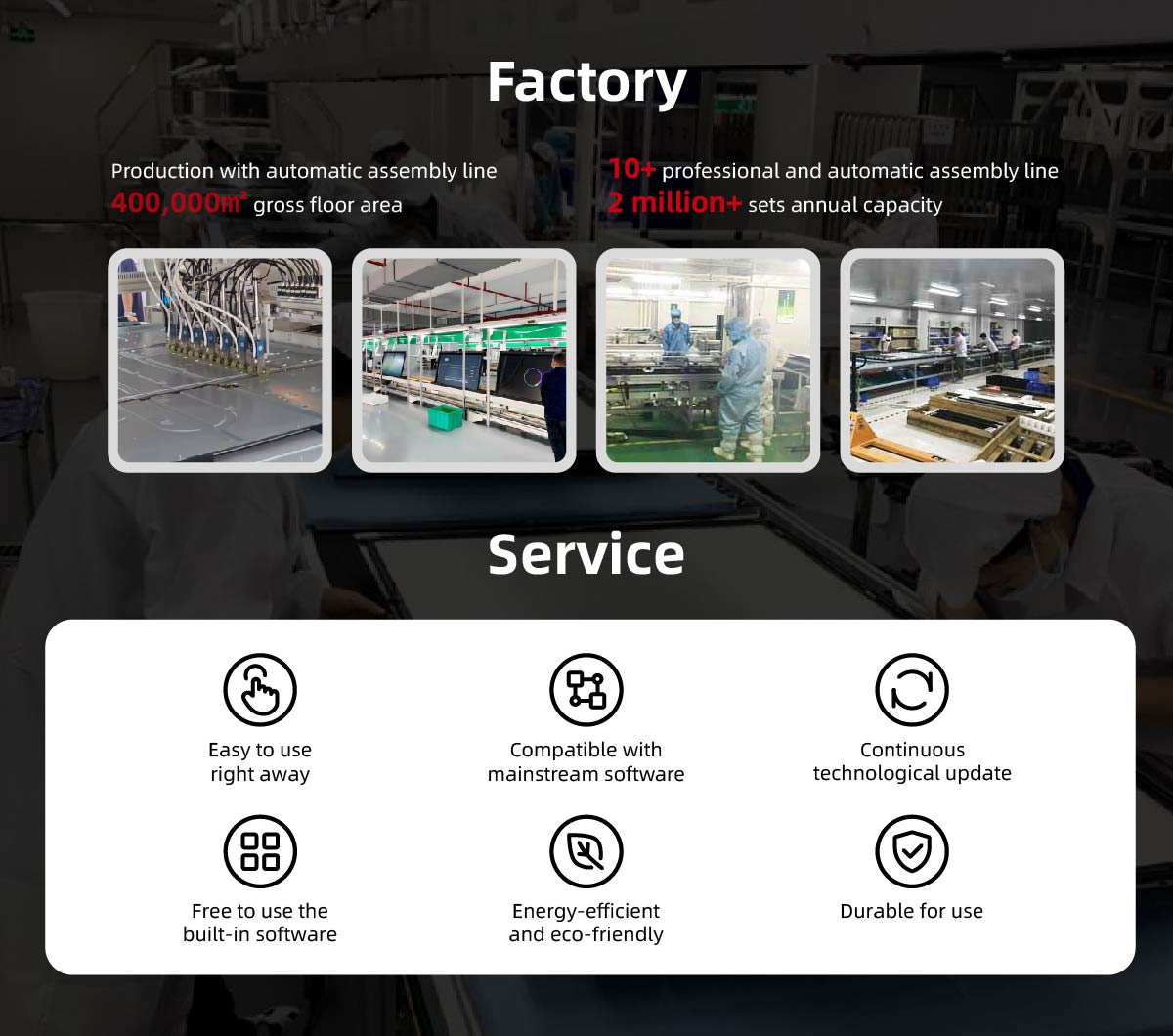
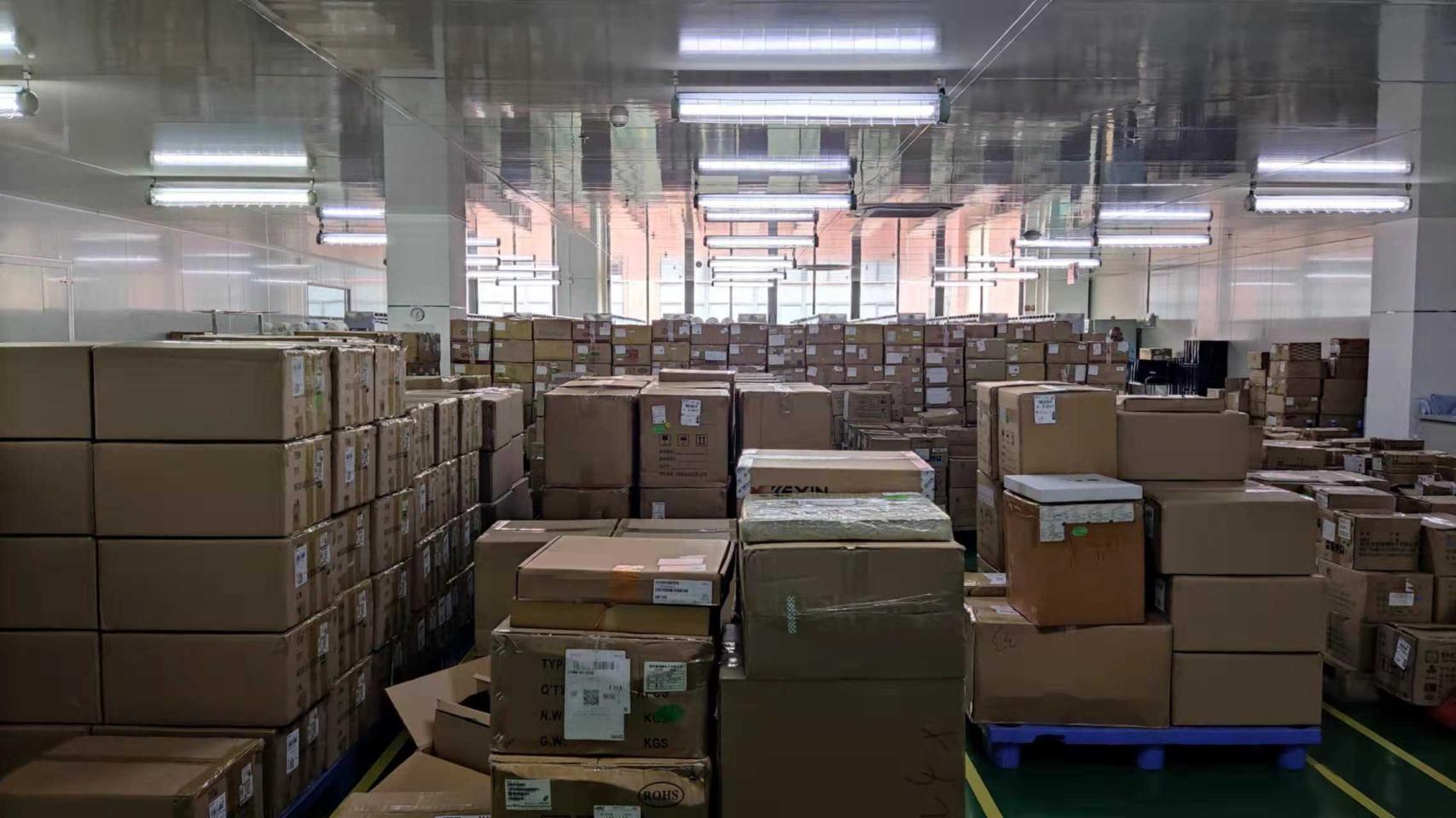
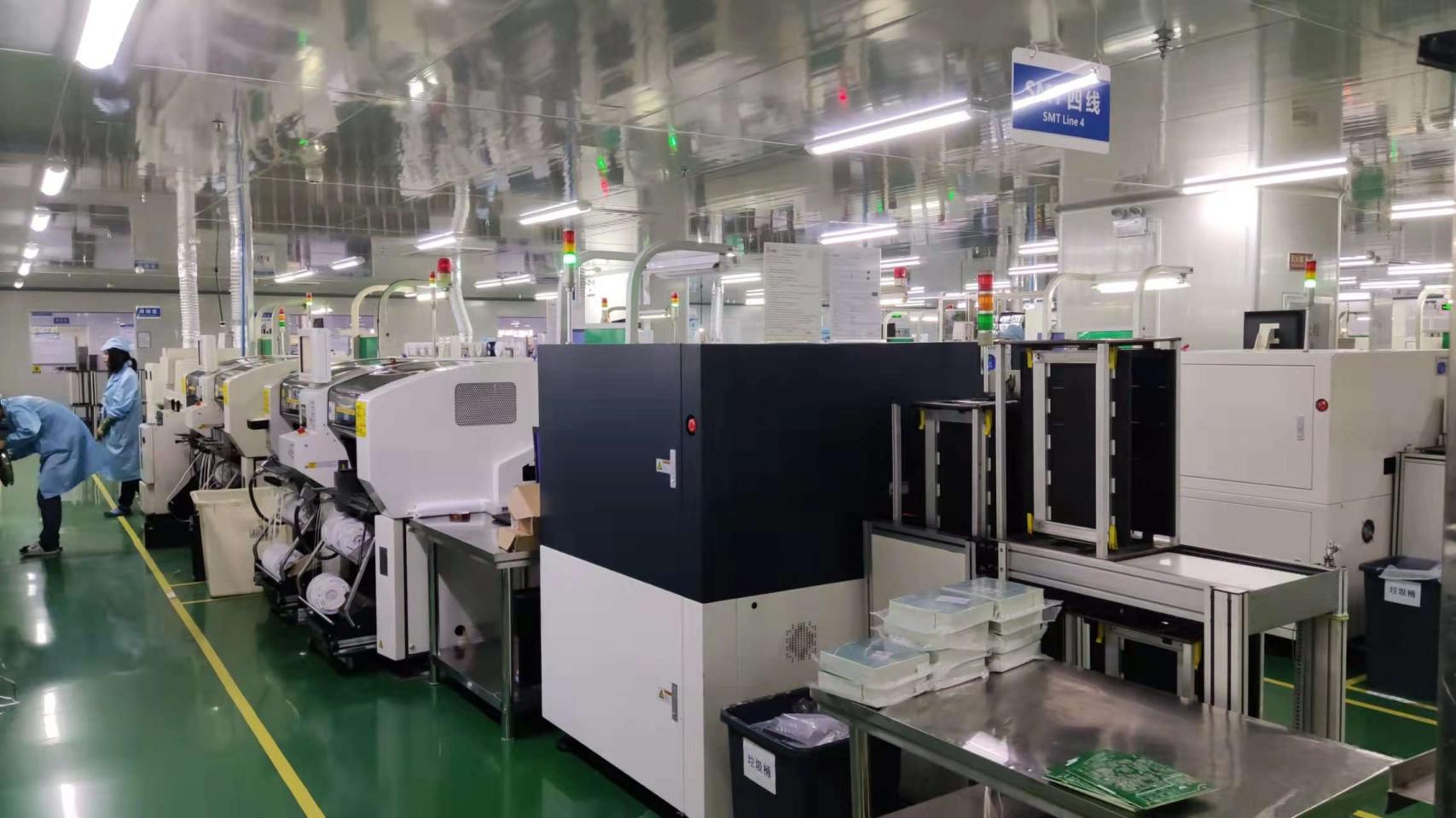
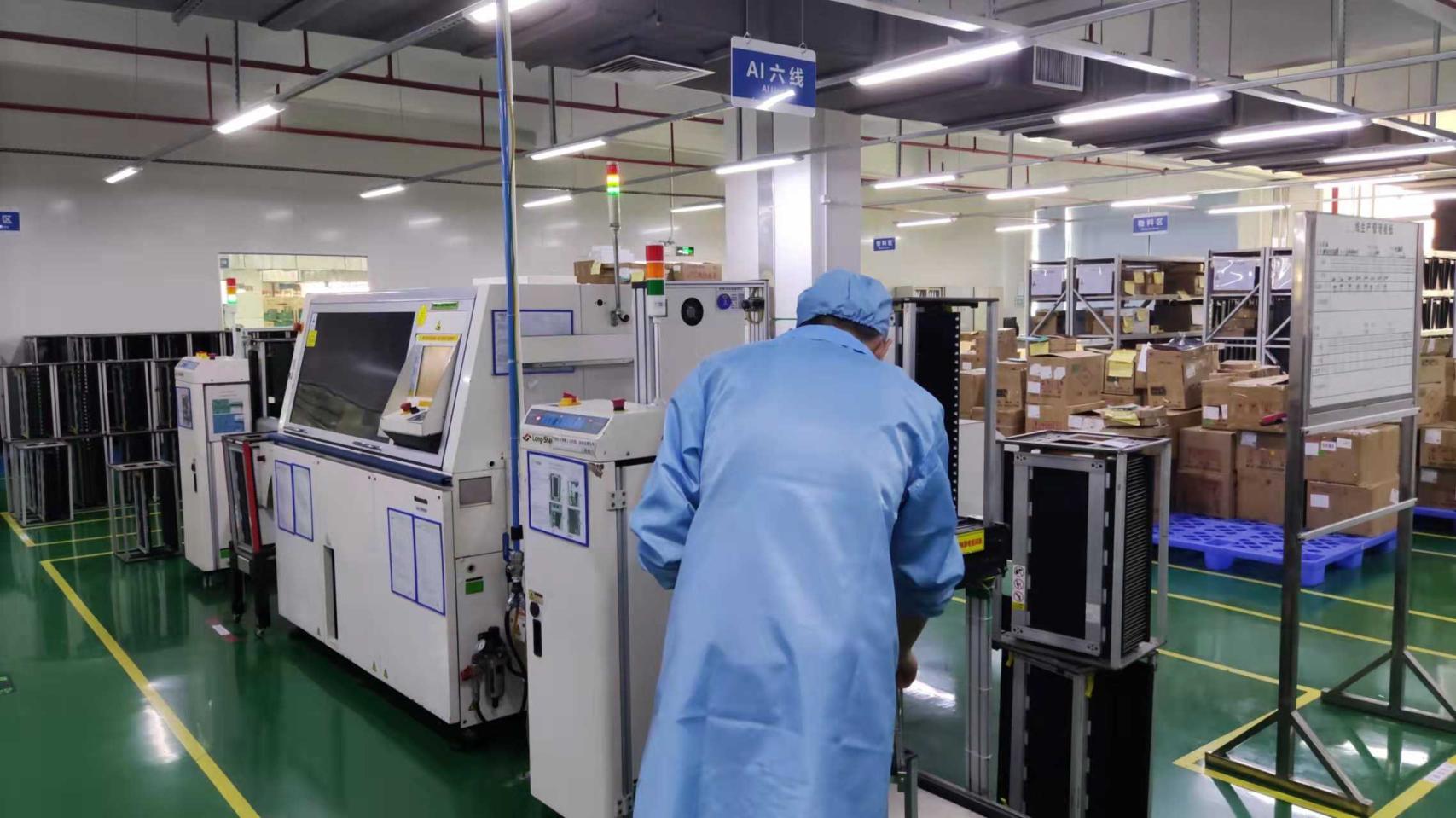
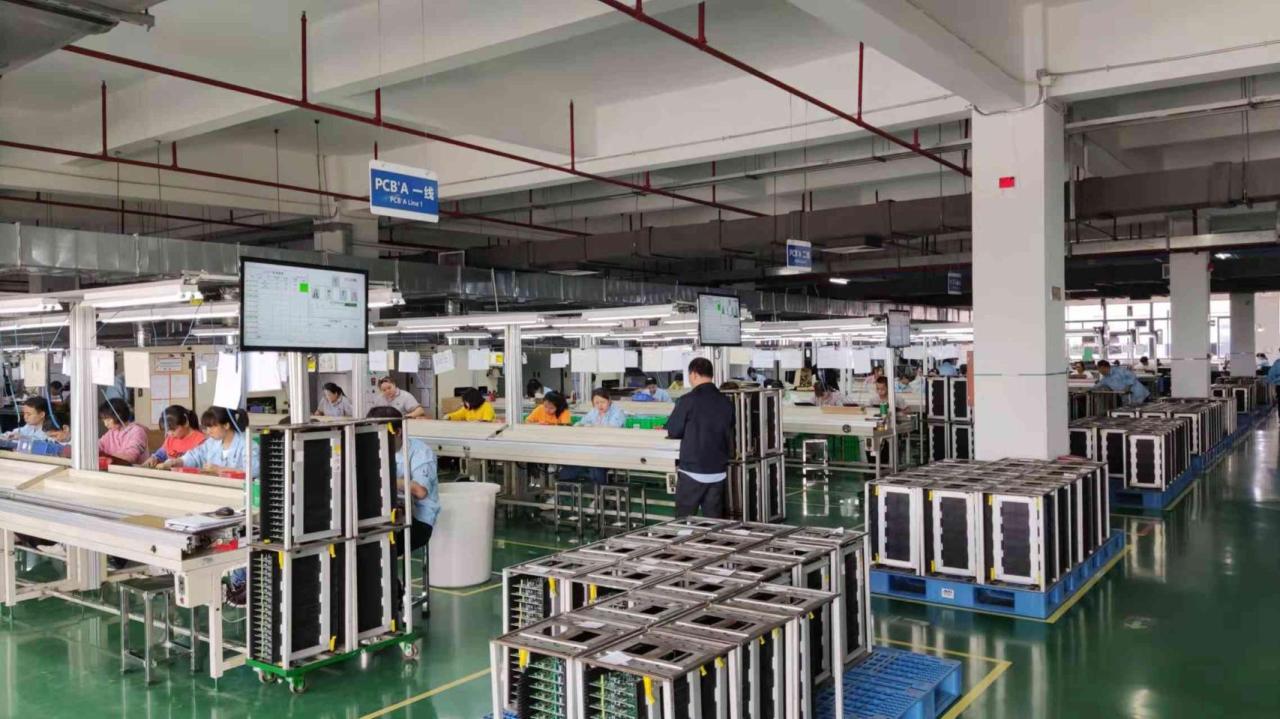
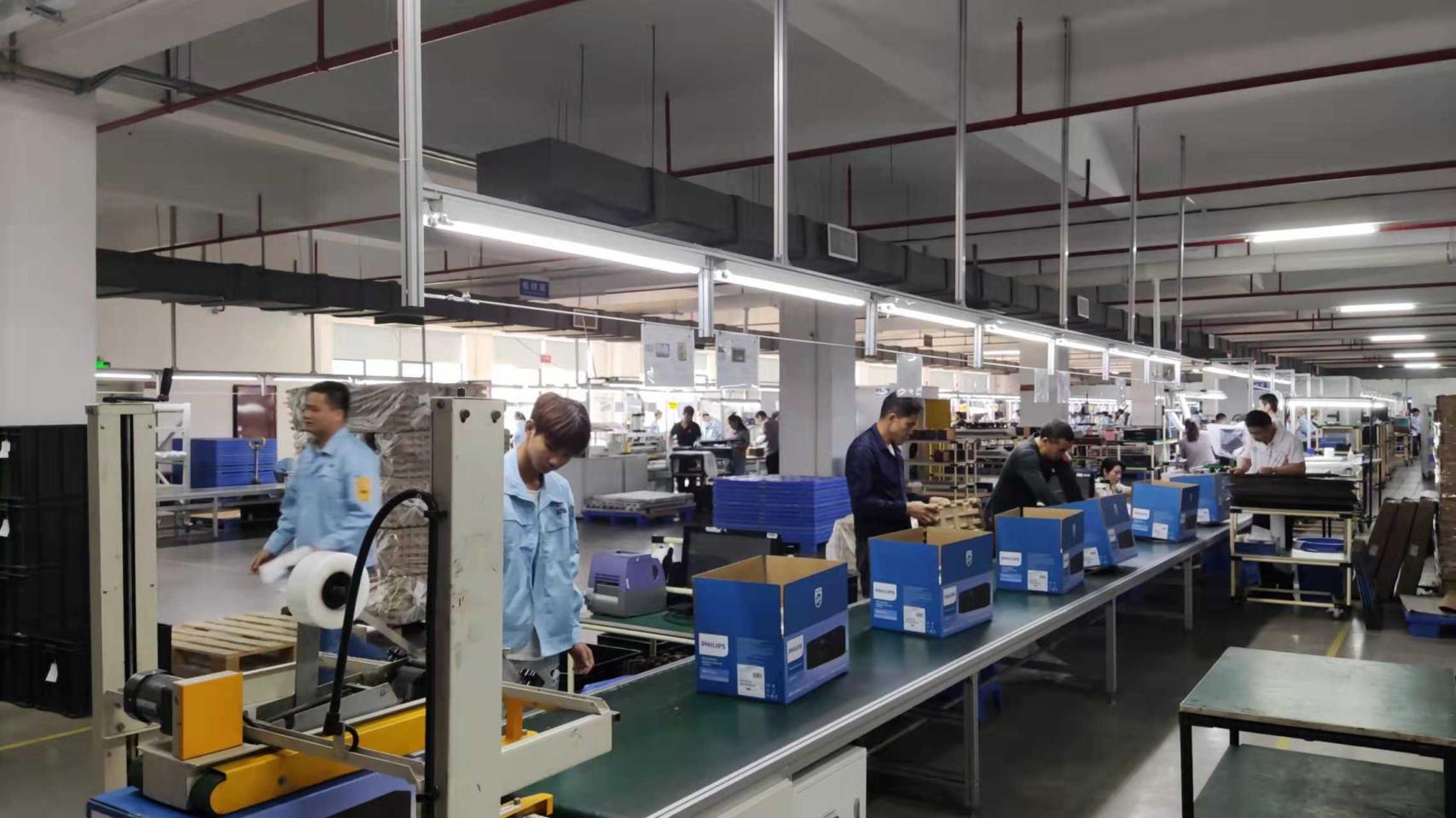
Headquartered in the Fuzhou High-tech Zone, Fujian, China, Ruyden Interactive Technology Group Co., Ltd. controls key production steps in-house. Raw materials are checked and logged before production; surface-mount placement supports main boards and touch boards; AI auto-insertion improves through-hole consistency; PCB processing and pre-testing protect custom hardware designs; and final assembly teams complete functional and visual checks before packing. This matters for a live broadcast lecture recording system because the product is not used occasionally. It may run for many hours each day across classrooms, lecture halls and training rooms where downtime disrupts teaching.

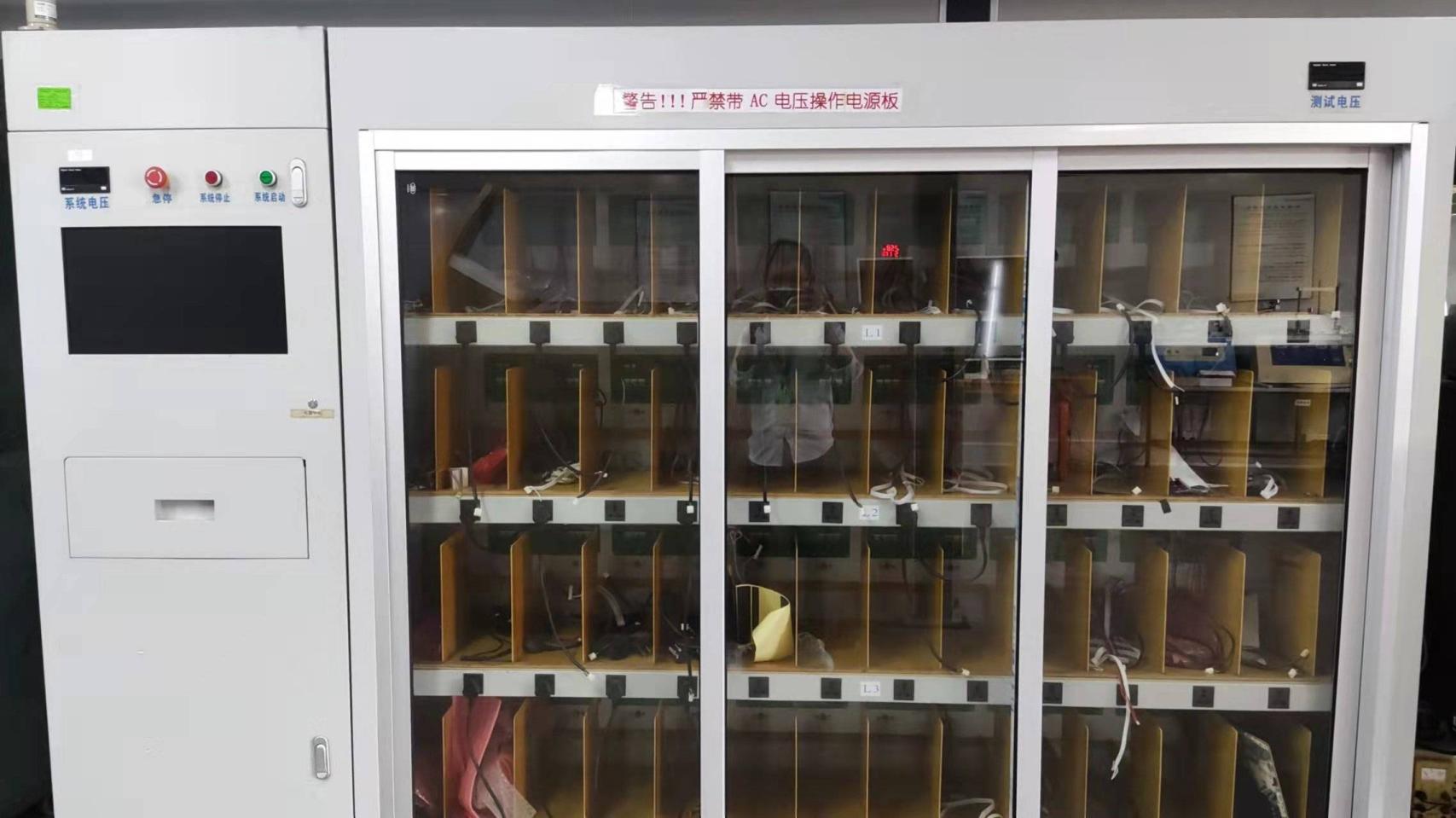
The company’s reliability test lab includes power board inspection, high and low temperature testing, drop testing, simulated transportation testing, salt spray testing, button life testing, insertion force testing, static testing, multimeter measurement, earth continuity testing and withstand voltage testing. These tests help protect export buyers against common failure risks: unstable power, harsh transport, humidity and corrosion, repeated connector use, electrostatic discharge and insulation safety. For education projects, this testing discipline supports tender documentation and reduces after-sales risk after installation.

Ruyden has 19 years in the industry, 82 verified staff, 21 years of verified B2B trading and a 5.0 / 5 buyer rating from verified transactions. The company has taken part in international trade shows four times and has more than 10 years of export experience. Design-based customization capability has been verified by an independent third-party inspection. Buyers can discuss logo and boot screen, housing color, packaging, pre-installed software, language settings and hardware configuration for OEM/ODM projects. For projects that need a complete smart classroom, Ruyden can integrate interactive displays, capture cameras, digital podiums, wireless presentation and centralized AV, light and door control into one solution.

These enterprise advantages are not only factory statistics. They directly affect procurement outcomes: fewer compatibility problems, clearer customization control, better documentation for tenders and a more reliable path from sample approval to mass production and after-sales support. For overseas buyers, the practical next step is to share room types, seat counts, target market, quantity and certification requirements with the export team at info@ruydentech.com or request the catalog through the CTA on this page.
Verified Company Snapshot

  • SGS onsite-verified manufacturer and exporter
  • 19 years in the education AV industry
  • In-house SMT, AI auto-insertion, PCB and assembly lines
  • Design-based customization verified by third-party inspection
  • 21 years of verified B2B trading and 5.0 / 5 buyer rating
  • 10+ years of export experience and international trade-show participation
  • Export contact: info@ruydentech.com

Transparent verification is part of the offer. Buyers can review the SGS assessment report, credit overview, trade capacity, transaction level, trade history and buyer reviews before placing an order. This evidence-based approach supports distributor onboarding and education tender reviews.

Ruyden factory building for education AV manufacturing
Factory and production facility
Ruyden interactive display production workshop
Production workshop
Ruyden manufacturing team and operations
Manufacturing operations
Raw materials incoming inspection
Raw Materials
SMT process for lecture capture and interactive display boards
SMT Process
AI auto-insertion line
AI Auto-Insertion
PCB processing for education AV products
PCB Processing
Product assembly line
Assembly
Power board inspection
Power Board Inspection
High and low temperature tester
High & Low Temperature Tester
Drop tester for export packaging protection
Drop Tester
Simulated transportation tester
Simulated Transportation Tester
FAQ

Frequently Asked Questions About Live Broadcast Lecture Recording Systems

These are the questions global buyers most often ask during early-stage supplier discussions. Final specifications should always be confirmed against the room schedule, IT policy, budget and pilot test results.

What does a live broadcast lecture recording system include?

A complete system usually includes one or more capture cameras, microphones and audio processing, an encoder or recorder, network connectivity, storage, playback or publishing software and a control interface such as a podium or touch panel. Many education projects also include an interactive flat panel, a wireless presentation system and centralized AV control.

Can the system record and live stream at the same time?

Yes. A well-designed lecture capture workflow can record to local storage while simultaneously publishing a live stream to an LMS, video platform or campus portal. Buyers should confirm the exact encoding formats, streaming protocols and platform permissions with the supplier during a pilot test.

Should we choose cloud storage or on-premises storage?

Many institutions use a hybrid approach: local recording at the classroom edge for reliability, with scheduled upload or backup to campus or cloud storage. The right choice depends on privacy policy, network capacity, retention rules, budget and how much control the institution wants over recordings.

How much bandwidth and storage should a lecture recording project plan?

Estimate live streaming bandwidth by multiplying the target bitrate by the number of simultaneous viewers, then add headroom for network variation. For storage, multiply the recording bitrate by the lesson duration. A 1080p recording at about 4 Mbps is roughly 1.8 GB per hour, but actual file size depends on codec, resolution, frame rate and motion. Ask the supplier to calculate based on the agreed recording profile.

Can the system integrate with our existing LMS or website?

Integration depends on the platform, authentication method and publishing workflow. Ruyden can discuss recording formats, publishing methods and the role of the campus platform during project review. For projects with strict LMS requirements, include the expected integration scenario in the pilot test plan before mass production.

Is a lecture capture system suitable for existing classrooms?

Yes, but the room should be reviewed for camera position, lighting, acoustic conditions, microphone placement, network availability and control location. Retrofitting is common. A practical pilot in one representative room is the best way to confirm the final bill of materials before scaling to other rooms.

Can Ruyden customize the system for our brand or tender?

Yes. Ruyden supports OEM and ODM customization for education AV projects. Typical customization includes logo and boot screen, housing color, packaging, pre-installed software, language settings and hardware configuration. Design-based customization capability has been verified by an independent third-party inspection.

How do you protect privacy and manage recording consent?

Privacy is a project-level decision. Buyers should define where recordings are stored, who can access them, how long they are retained and how participants are informed. Local recording, role-based access and scheduled deletion can reduce risk. The final policy should align with the institution’s rules and applicable local regulations.

What is the typical delivery process for an international project?

A structured process normally starts with a requirement review, followed by solution design, sample approval, mass production, QC and reliability testing, export packing and shipping coordination. Exact lead time depends on configuration, order volume, customization scope and sample approval timing.

How can we get a catalog or project proposal?

Use the Get Catalog button on this page or email info@ruydentech.com with room types, seat counts, target market, quantity and certification requirements. The Ruyden export team will respond with a tailored configuration proposal, sample plan and next steps.

Start Your Lecture Capture Project

Planning a Live Broadcast or Lecture Recording Rollout?

Share your room types, viewer requirements, storage policy and target market with the team at Ruyden Interactive Technology Group Co., Ltd. We will help you turn a general idea into a documented, testable and scalable solution for your classrooms, lecture halls or training centers.

Get Catalog Contact Our Team