Recommended Overhead Document Camera & Classroom AV Products
These eight export-ready product families support visualizer-led teaching, hybrid classrooms, lecture spaces, information kiosks and conference collaboration. Product URLs and images are retained from the original catalogue for straightforward specification and inquiry.
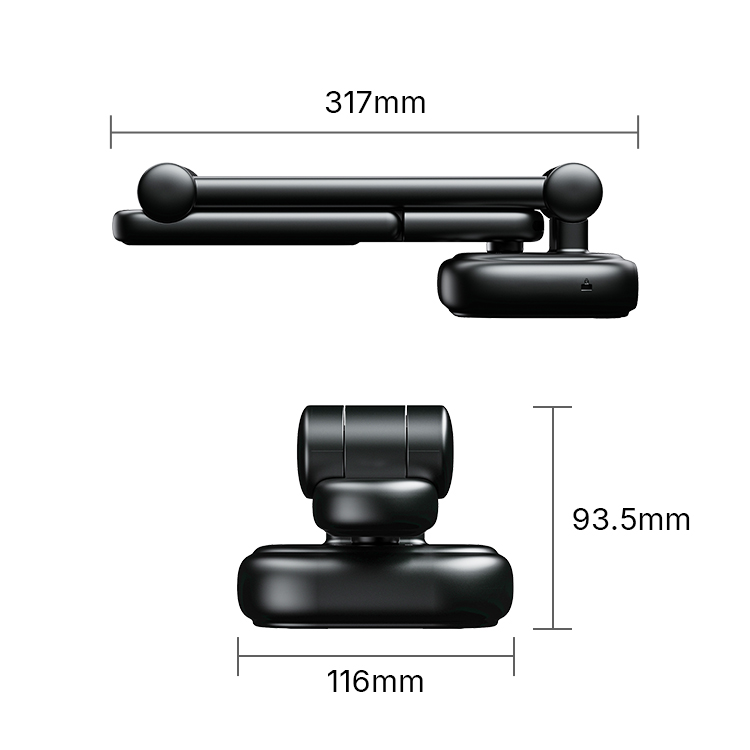
55x Digital Zoom Built in Mic Real-time Annotation Capabilities Document Cameras or Visualizers with High Capture
Close-up demonstration camera with 55x digital zoom, built-in microphone and live annotation for science, maths, art and hybrid teaching.
View product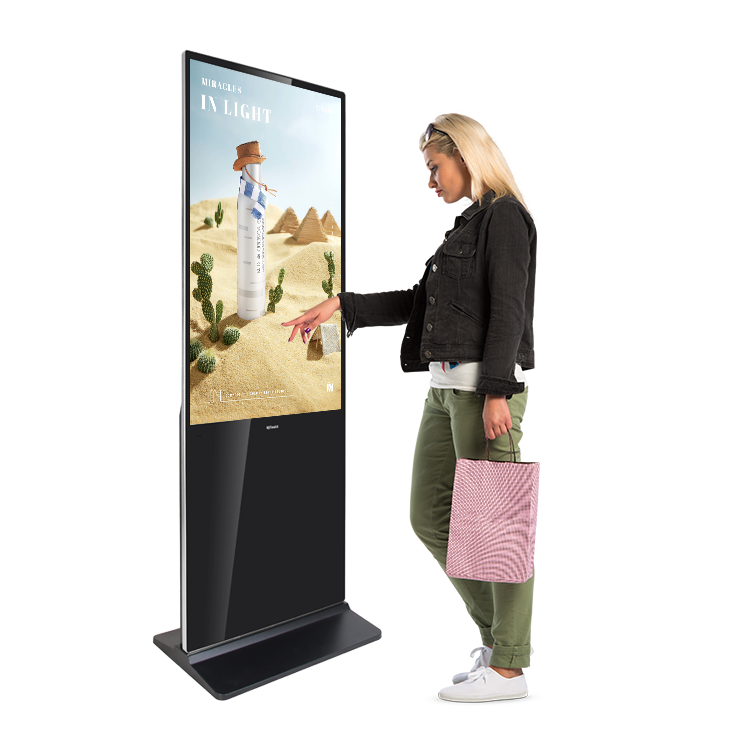
Android and Windows System Standing Floor Stand Information Kiosk Touch Screen for Shopping Mall
Freestanding touch kiosk for wayfinding, campus information, public service and session schedules in high-traffic spaces.
View product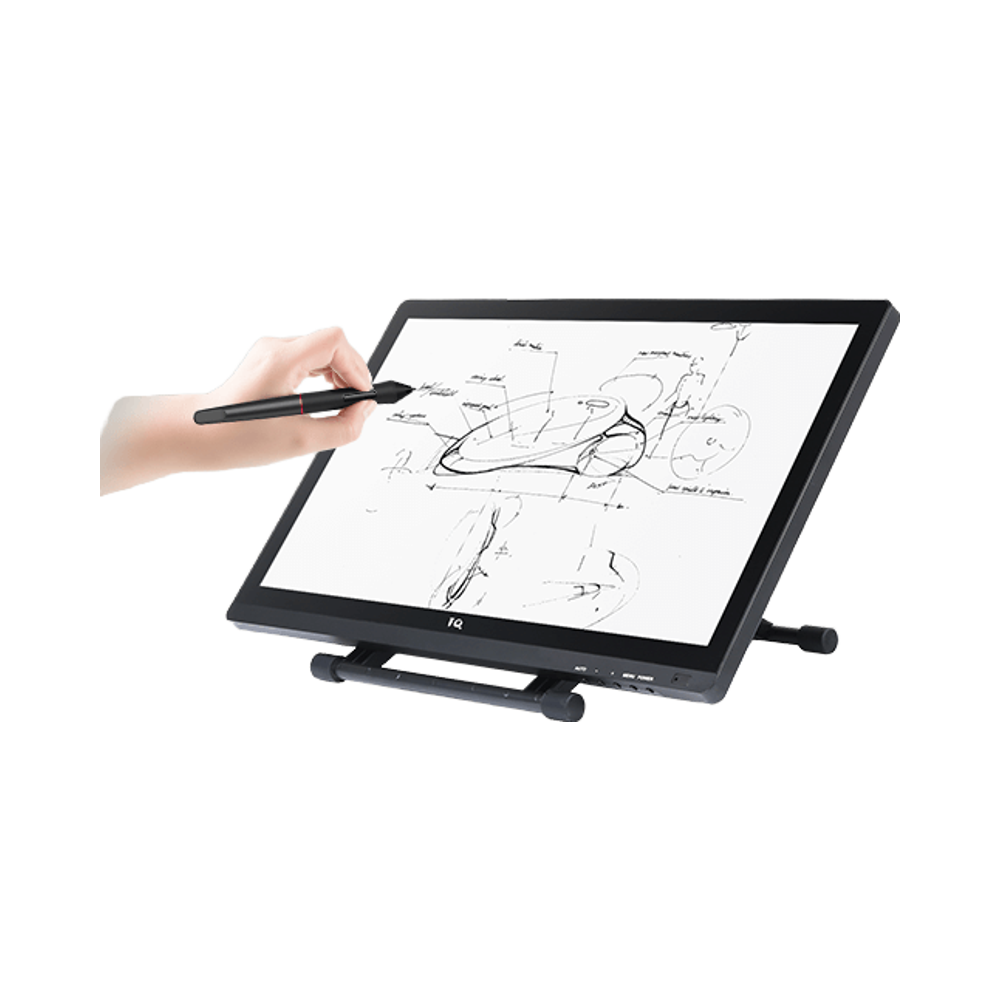
22" Touch Screen Digital Smart Podium with Wireless Microphone for Sale
Lectern workstation for teachers and presenters who need display, annotation, audio and control from one teaching position.
View product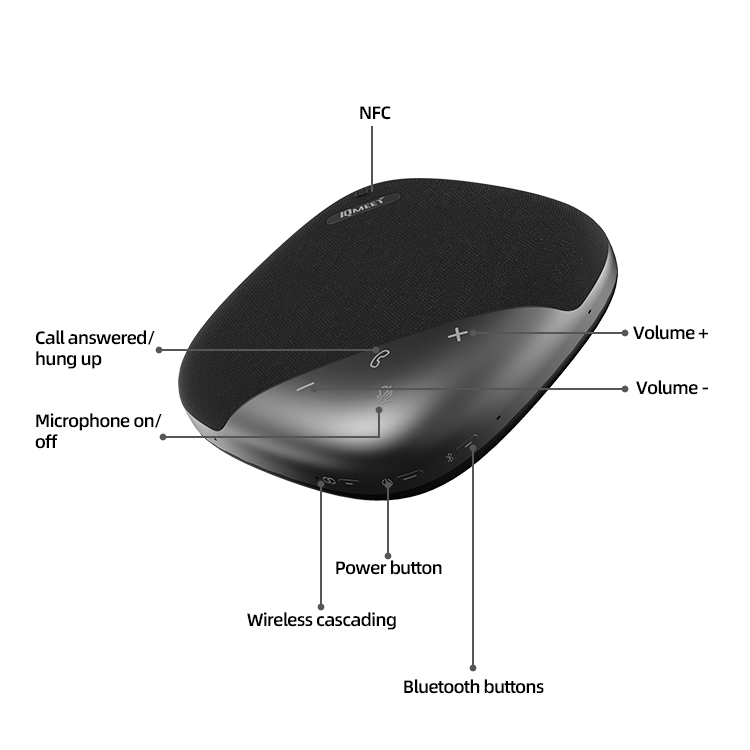
Home Theatre Omnidirectional USB Wireless Amplified Speakerphone Conference Powerful Sound Suitable for School and Conference
Room audio for hybrid lessons, remote observation and conference discussion where clear voice pickup matters.
View product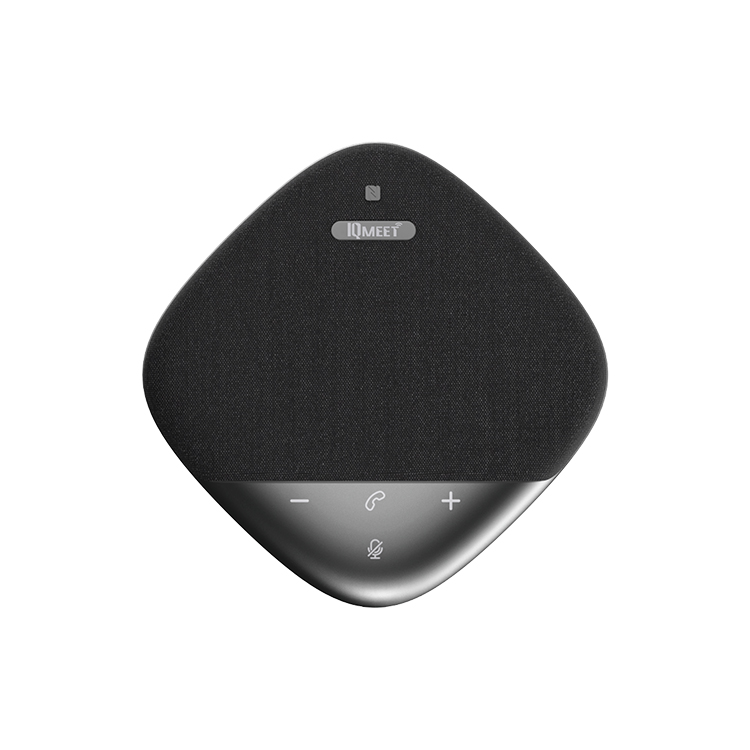
China Factory NFC Features AI Noise Reduction Built-in Dual Speakers Conference Speakerphone for Mobile Phone USB
NFC and AI noise reduction speakerphone for training rooms, meeting spaces and recorded classroom demonstrations.
View product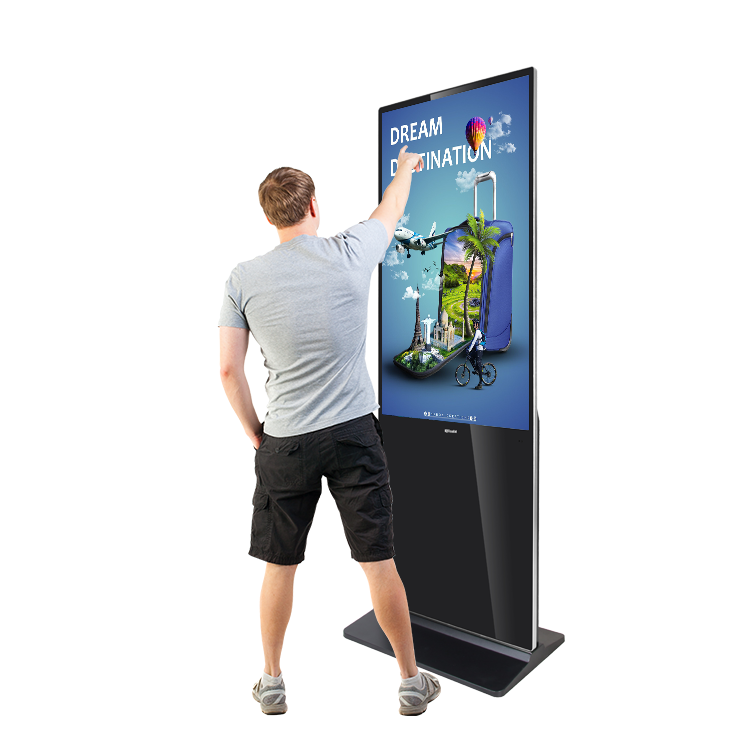
Wholesale 43inch Android Tablet Floor Standing Touch Kiosk for Hotel Bank School
Compact Android touch kiosk for reception, self-service information, building directories and education campus notices.
View product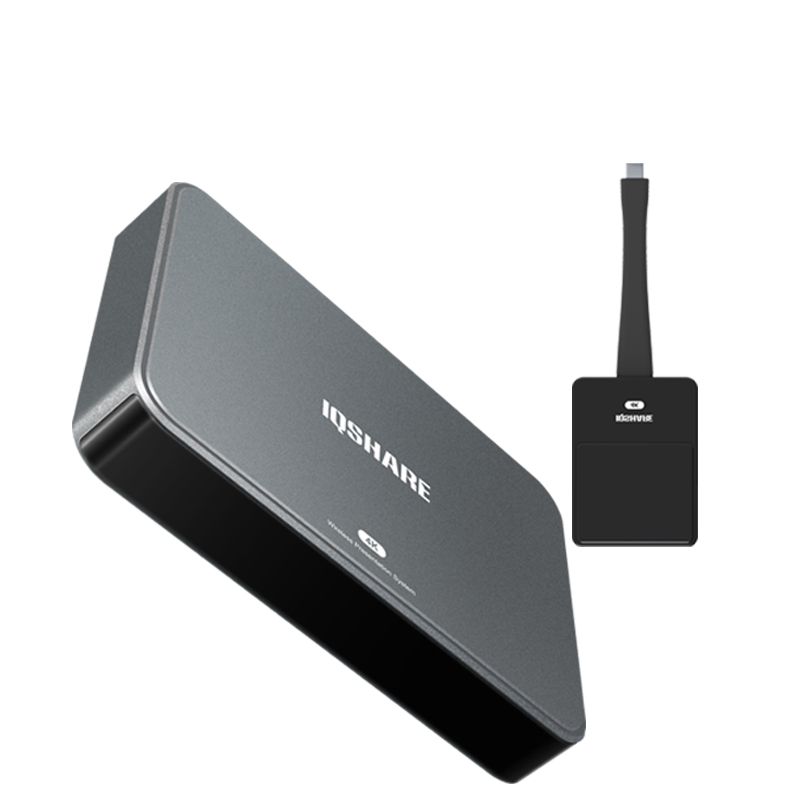
Hdm1 Wireless Transmitter Receiver 1 to 4 Anycast Wireless Screen Sharing Wireless Presentation System
One-to-four wireless HDMI sharing for collaborative rooms where student or presenter devices must join the main display.
View product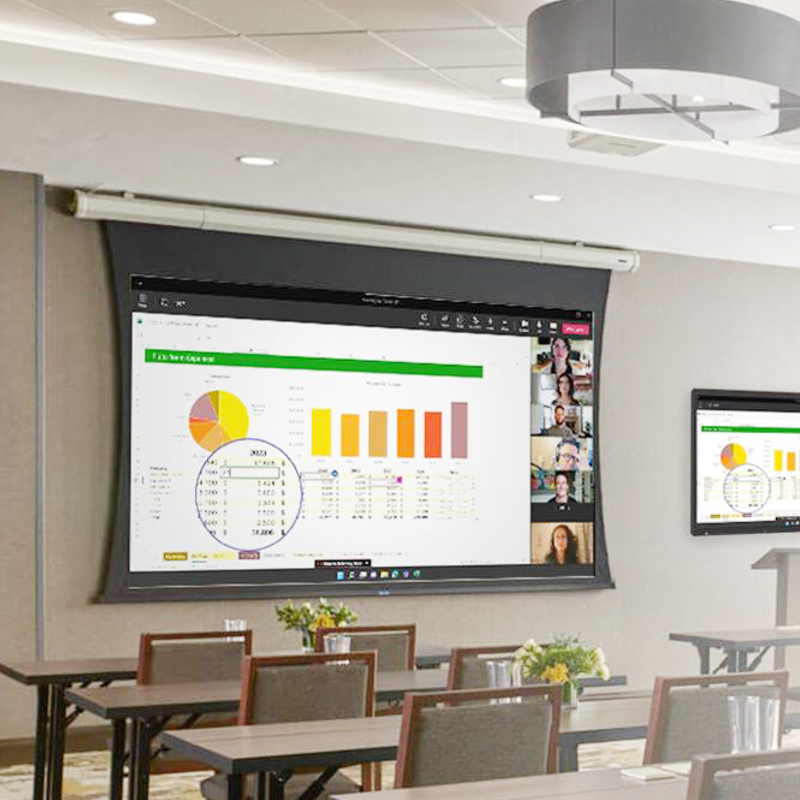
Multi-functional Teaching Android and Windows OPS System Interactive Flat Panel Smart Board Price for School Teaching
Android and Windows OPS teaching display that pairs with document cameras for annotation, lesson capture and front-of-class collaboration.
View productWhy Overhead Document Cameras Still Matter in CE-Regulated Procurement
An overhead document camera, also called a document visualizer or classroom visualizer, is not an overhead projector. It is a live capture device that turns books, components, experiments and handwriting into a high-visibility teaching signal for the room and for remote learners.
In education tenders, the strongest visualizer brief is rarely written around zoom alone. Serious buyers compare the complete classroom outcome: whether the teacher can demonstrate a small object without moving the class, whether annotation appears with acceptable latency, whether the microphone captures the instructor clearly, whether the output matches the existing display infrastructure, and whether the supplier can provide the correct CE marking documentation, packaging, labelling and after-sales support for the destination market. That is the practical difference between a low-cost camera listing and a repeatable classroom deployment.
Ruyden approaches overhead document cameras as part of a connected classroom system rather than a standalone accessory. A visualizer can be specified with an interactive flat panel, wireless presentation, lecture capture, smart podium, speakerphone and central control so that procurement teams reduce compatibility risk. For distributors and systems integrators, this system-level view also improves spare-parts planning, training and multi-room standardization. The intent is not to add complexity; it is to make the visualizer easier to install, operate and support after the tender is awarded.
This guide adds procurement information that typical product pages omit: a room-fit evaluation model, a CE and export evidence checklist, a total-cost-of-ownership scoring model and questions that clarify supplier capability before samples are approved. These additions are designed for semantic search and genuine buyer due diligence, not for repeating the same zoom specification in different words.
How Overhead Document Camera Buying Will Change Through 2030
Procurement teams are moving from isolated device purchases toward documented, serviceable and integrated classroom capture systems. The six shifts below are already visible in education tenders and distributor requirements.
Compliance-First Sourcing
Buyers increasingly ask for the exact CE directive scope, Declaration of Conformity, test reports, label artwork and power-supply documentation before samples are approved. A supplier that treats compliance as a post-order task creates tender risk.
System-Level Procurement
Document cameras are increasingly specified with displays, speakerphones, podiums and wireless sharing. Room-level compatibility and one support path often matter more than a marginal hardware price difference.
Hybrid Capture as Standard
Remote observation and recorded lessons now require the visualizer feed, teacher voice and classroom display content to work together. Procurement briefs increasingly include microphone, latency and output requirements.
AI, USB-C and 4K Readiness
AI noise reduction, auto-framing, clearer annotation and higher-resolution sensors are becoming differentiators. USB-C, UVC-style plug-and-play and flexible HDMI outputs reduce installation friction in mixed-device classrooms.
Campus Standardization
Districts and universities prefer repeatable SKUs with the same mounting, control logic and software experience. Standardization lowers training time, spare-parts inventory and integration mistakes across buildings.
Lifecycle and Service Value
Freight protection, packaging quality, spare-parts availability, firmware guidance and technical training now influence award decisions. Total cost of ownership is replacing the lowest unit price as the comparison metric.
From Simple Visualizer to Connected Classroom Capture Endpoint
The next generation of overhead document cameras is being designed around teaching workflow, not just optics. These four engineering directions are central to future product planning.
Lower Teaching Latency
Fast focus and low visual delay keep live demonstrations natural. Buyers should test writing, hand movement and object rotation under real classroom lighting.
Integrated Annotation
On-camera annotation, snapshot and comparison workflows shorten lesson preparation and help teachers keep attention on the class rather than the software.
Flexible Connectivity
HDMI, USB, wireless sharing and network integration allow the visualizer to serve in-room display, lecture capture and remote conferencing from the same device.
Podium and Mount Integration
Visualizers are increasingly mounted on teaching podiums or mobile stands. Cable routing, lockable mounting and presenter ergonomics are becoming part of the product brief.
Numbers Buyers Can Verify Before Choosing a Supplier
Ruyden's public records and factory controls are designed to make due diligence easier for overseas distributors, tender teams and education integrators.
Long-term experience in interactive education technology and AV integration.
Continuous supplier participation and transaction records for international buyers.
Engineering, production, quality control and export service professionals.
Average rating from verified buyer feedback and completed transactions.
Why Ruyden Is a Practical Overhead Document Camera Manufacturing Partner
Ruyden Interactive Technology Group Co., Ltd. is headquartered in the Fuzhou High-tech Zone, Fujian, China. The company combines in-house production with an export-focused service model for education and enterprise buyers.
SGS Onsite Verification
Ruyden has been onsite-verified by SGS Group, with assessment, trade capacity, transaction level and buyer feedback records available for independent review.
In-House Production Control
Dedicated SMT, AI automatic insertion, PCB and final assembly lines help protect custom designs and maintain consistency across volume orders.
OEM / ODM Customization
Design-based customization covers logo, boot screen, housing colour, packaging, software pre-installation, language settings and hardware configuration.
Global Export Experience
More than ten years of export experience, four international trade-show participations and service support for distributors and project integrators.
 Factory presence
 Production workshop
 Engineering team
Every production batch can be validated through an in-house reliability test laboratory. Depending on the product and order scope, testing includes high- and low-temperature operation, drop, simulated transportation, salt spray, button life, insertion force, static, earth continuity and withstand voltage checks. For education buyers, these tests matter because a visualizer may be moved, stored, cleaned and used daily by different teachers. Packaging and handling quality have a direct effect on arrival condition and total project cost.
Ruyden also supports wider smart-classroom integration: interactive flat panels, interactive whiteboards, lecture capture systems, networked digital podiums, 4K wireless presentation, AV/light/door control and school management systems. This means a document camera procurement can be aligned with a longer-term campus plan, while the immediate classroom keeps a familiar teaching workflow.
CE Certification and Export Compliance: What Serious Buyers Verify
CE marking is not a decorative logo on a brochure. It is a model-specific compliance declaration supported by technical documentation. For overhead document cameras, the exact scope depends on power supply, wireless modules, interfaces and applicable directives.
| Procurement Checkpoint | Why It Matters for Overhead Document Cameras | Evidence to Request |
|---|---|---|
| CE / EMC / LVD scope | Confirms the electrical and electromagnetic design is documented for the destination market. | Declaration of Conformity, test reports, label artwork and model list. |
| Zoom and capture area | Determines whether a full textbook page, experiment or small component can be shown clearly. | Live sample demonstration under classroom lighting. |
| Output and latency | Affects annotation, hybrid teaching and lecture capture workflow quality. | HDMI/USB/wireless output test; measure delay during writing and movement. |
| Microphone and annotation | Reduces dependence on separate audio and software tools during demonstrations. | Recorded sample lesson; verify microphone pickup and annotation response. |
| Mounting and cable plan | Poor mounting or cable routing can make a visualizer difficult to use daily. | Podium/stand compatibility, lockable mount options and cable-routing drawings. |
| Packaging and service | Protects arrival condition and long-term usability across multi-room rollouts. | Drop/transport test evidence, spare-parts plan, warranty terms and training materials. |
Use this comparison model to score quotations consistently. Weighting can be adjusted for tender rules, but the principle should remain: compliance evidence and classroom usability come before unit price.
FAQ: Buying CE Certified Overhead Document Cameras for Export
These are the questions most frequently raised by distributors, tender teams and system integrators during early project review.
Do you provide CE certification support for overhead document cameras?
CE marking is model-specific and depends on the exact product configuration, power supply, wireless module and applicable EU directives. Ruyden supports CE documentation packages for eligible overhead document camera configurations, including model-level compliance review before quotation. For due diligence, request the Declaration of Conformity, applicable test reports and label artwork for the exact SKU.
What makes a 55x digital zoom document camera suitable for classrooms?
A 55x digital zoom visualizer lets teachers show small objects, handwriting, textbook detail or experimental steps on the main display without moving the class. The practical evaluation should include focus speed, image stability, lighting behaviour, annotation response and microphone clarity, not only the zoom number.
Can Ruyden supply a complete classroom system, not only a camera?
Yes. Ruyden integrates interactive flat panels, interactive whiteboards, document cameras, lecture capture, digital podiums, wireless presentation, speakerphones and central AV control. This helps integrators reduce compatibility risk and offer one coherent support path for multi-room education projects.
How does your factory control product quality before shipment?
Production runs through in-house SMT, automatic insertion, PCB and assembly lines. The in-house test laboratory can validate products with high- and low-temperature testing, drop testing, simulated transportation, salt spray, button life, insertion force, static, earth continuity and withstand voltage testing, depending on product scope.
Do you support OEM and ODM customization for education distributors?
Yes. Verified design-based customization includes logo and boot screen, housing colour, packaging, software pre-installation, language settings and hardware configuration. Customization should be confirmed against the target market's documentation, labelling and certification requirements.
How should overseas buyers start an overhead document camera project?
Share the room types, target quantities, destination market, display or podium interfaces, certification needs and expected teaching workflow. The export team can then propose a model configuration, compliance path, sample plan and system compatibility list. Email info@ruydentech.com or use the catalogue request button below.
Planning a CE-Certified Visualizer or Smart Classroom Rollout?
Talk to an engineering-led export team, not a call centre. Share your room types, target market, quantity and compliance requirements to receive a tailored product and documentation proposal.
