Eight Product Lines for USB Document Camera and Smart Classroom Programs
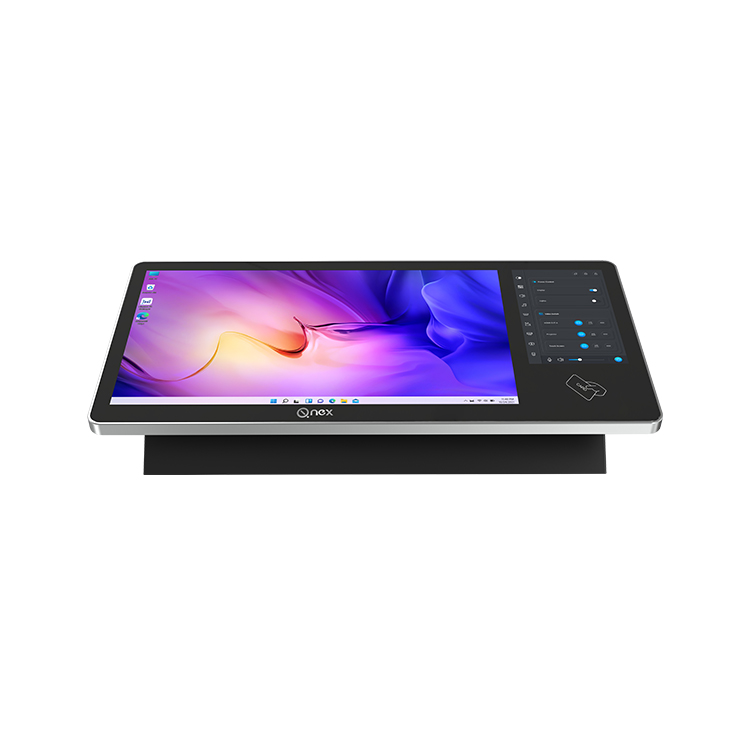
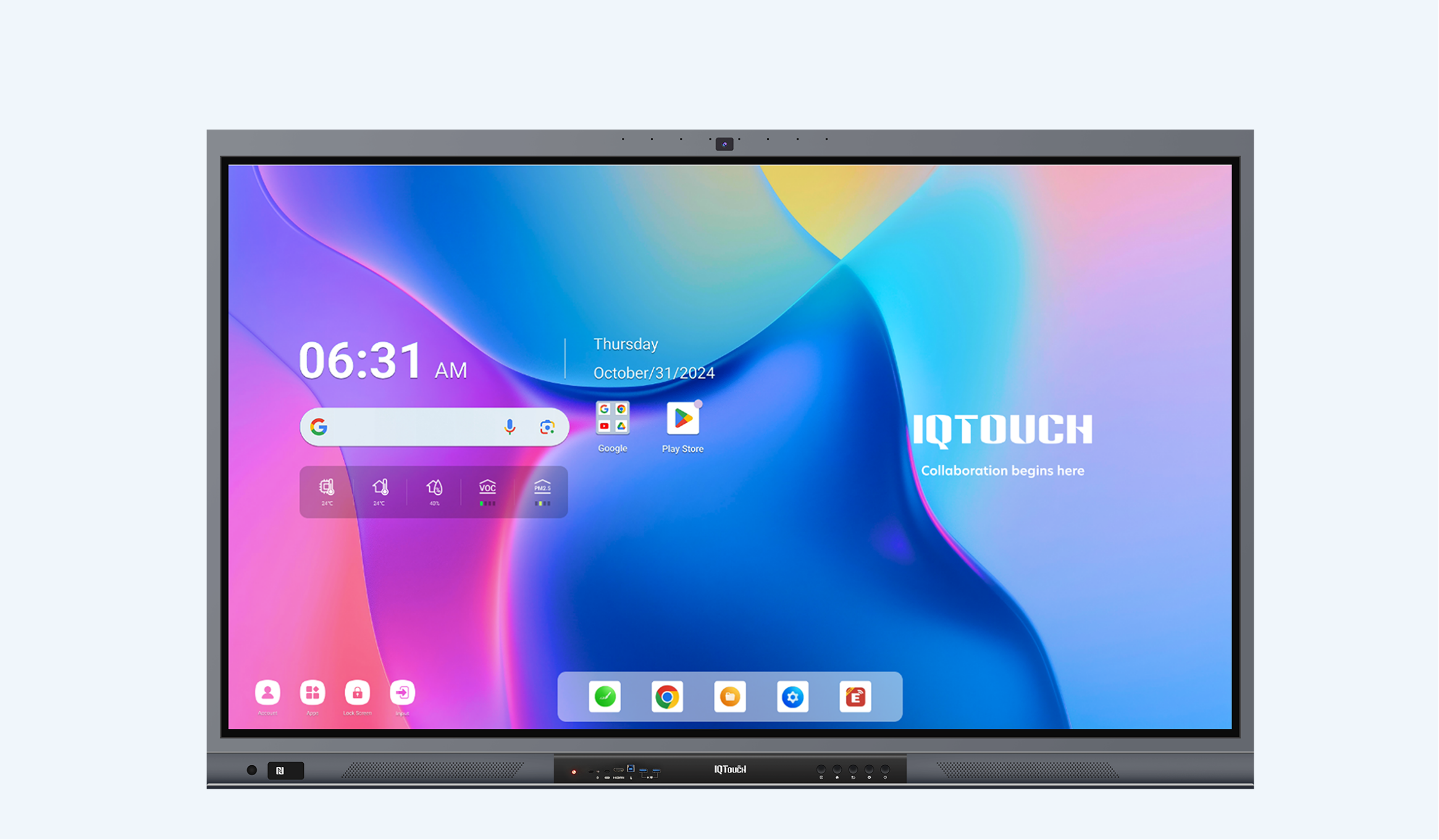
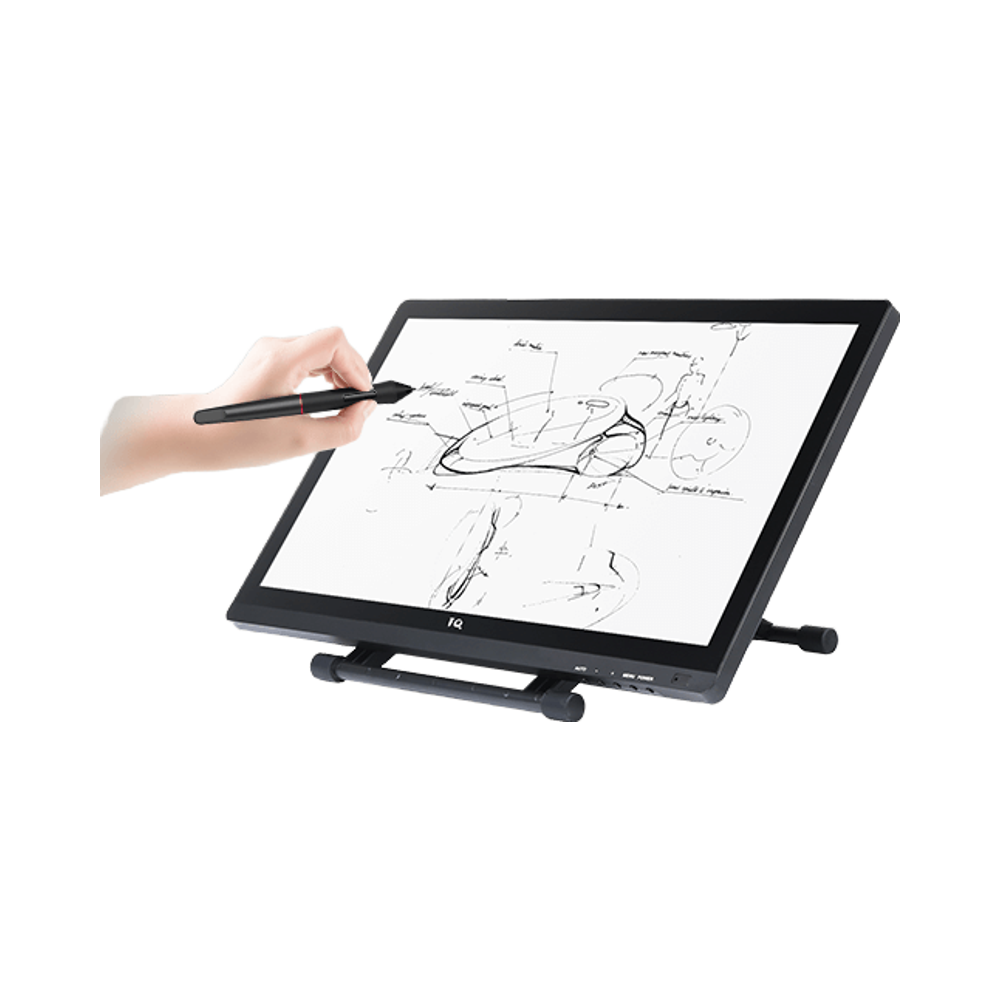
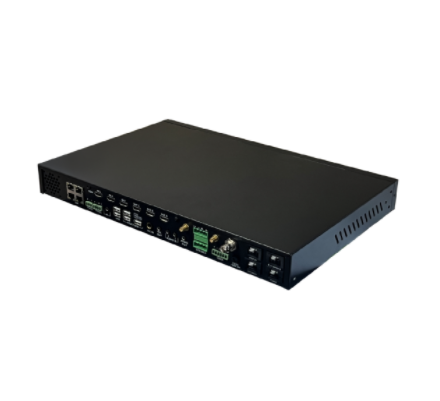
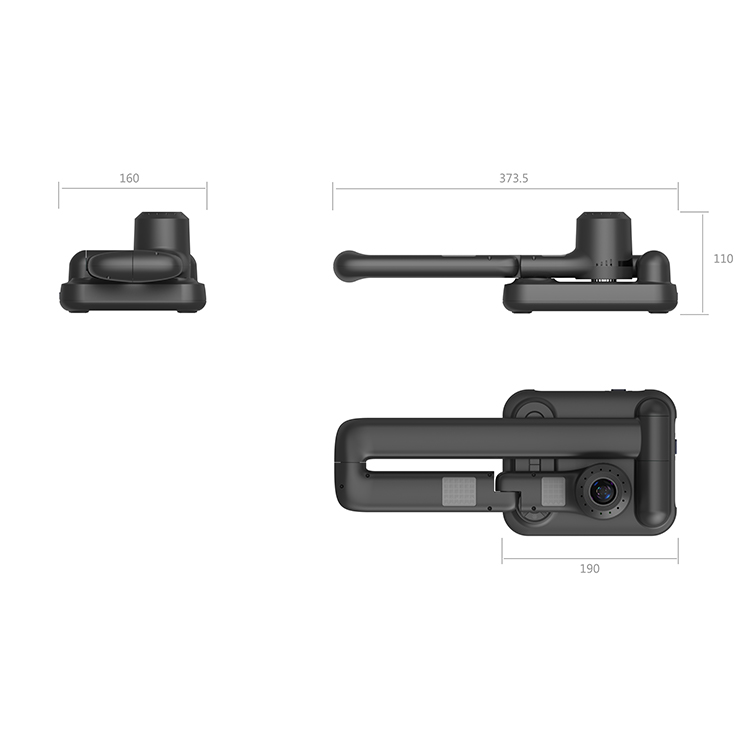
The eight products below are drawn from our active export catalogue. They support buyers building a document camera, visualizer, digital podium or integrated classroom solution. Each product URL is preserved for direct review.
What CE Certification and USB Document Camera Sourcing Really Mean
For education buyers, a USB document camera is not a simple webcam. It is a teaching visualizer, a capture device and part of a classroom AV system. CE conformity, UVC interoperability and long-term serviceability should be reviewed together.
The strongest suppliers make compliance visible. They can connect the model number to a technical file, declaration of conformity and test evidence rather than treating CE as a decorative label on a quotation.
CE is a technical declaration
CE marking is a compliance declaration, not a quality badge. For AV equipment, buyers should ask for the applicable directive route, declaration of conformity, risk assessment and test reports. Depending on configuration, LVD, EMC, RoHS and RED evidence may be relevant.
USB-C and UVC plug-and-play
Most classroom document cameras should work as UVC devices without proprietary drivers. Confirm support for Windows, macOS, ChromeOS and common conference or classroom software, and test both USB and HDMI output where the model provides them.
Optical performance matters
Resolution alone does not guarantee a clear page view. Evaluate sensor size, 4K capture, 10x optical zoom, autofocus speed, A4 or A3 coverage, LED illumination and glare control. A well-designed visualizer keeps text sharp at the edges and under mixed classroom lighting.
Classroom ecosystem fit
Check whether the document camera integrates with interactive flat panels, lecture capture, digital podiums and wireless presentation. A coherent ecosystem reduces cable complexity, training time and after-sales disputes for system integrators and school districts.
Reliability under daily use
Daily classroom use exposes devices to heat, vibration, dust, repeated plugging and accidental impact. Our production testing covers high and low temperature, drop, simulated transportation, salt spray, button life, insertion force, static, earth continuity and withstand voltage.
Tender-ready documentation
Serious wholesale buyers need more than a product photo. Prepare model-specific datasheets, user manuals, packing lists, spare-parts lists, warranty terms and compliance documents so that procurement teams can compare offers on the same basis.
| Evidence to request | Why it matters | Buyer action |
|---|---|---|
| CE DoC and test route | Confirms which directives and standards apply to the exact model and configuration. | Match the document to the model number, firmware and accessories in the quotation. |
| UVC compatibility list | Reduces installation risk across Windows, macOS, ChromeOS and classroom software. | Test a sample with the operating systems and applications used in target schools. |
| Optical performance sample | Verifies text clarity, zoom range, autofocus and illumination under real lighting. | Review A4 and textbook pages at near and far zoom positions. |
| Reliability and packaging report | Protects you against transport damage, DOA claims and early field failures. | Request drop, transport, temperature and electrical safety evidence before mass production. |
Recommended Configurations by Buying Scenario
Different buyers need different visualizer and classroom AV combinations. The recommendations below align with the eight featured products above and with typical education, training and OEM programme requirements.
K–12 classroom visualizer
Start with a 4K A4 document camera with optical zoom, autofocus and simple USB output. Pair it with a 75-inch or 86-inch interactive display so teachers can annotate textbooks, worksheets and science demonstrations without changing their normal lesson flow.
University hybrid teaching
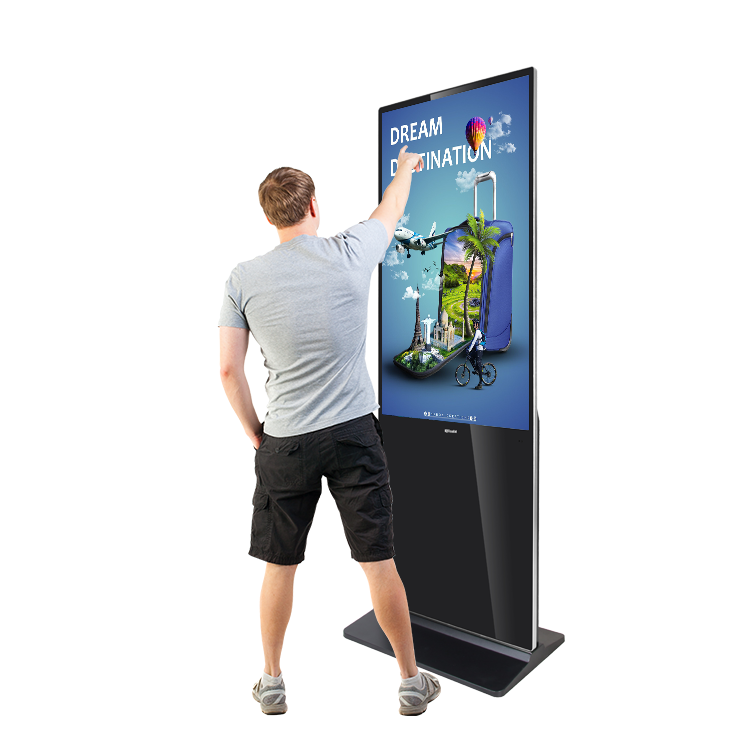
Combine the extra-large-coverage 4K document scanner kiosk with a conference AI camera, lecture capture and a networked digital podium. This configuration supports live streaming, recorded lectures and clear close-up demonstration for remote students.
Corporate training and meeting rooms
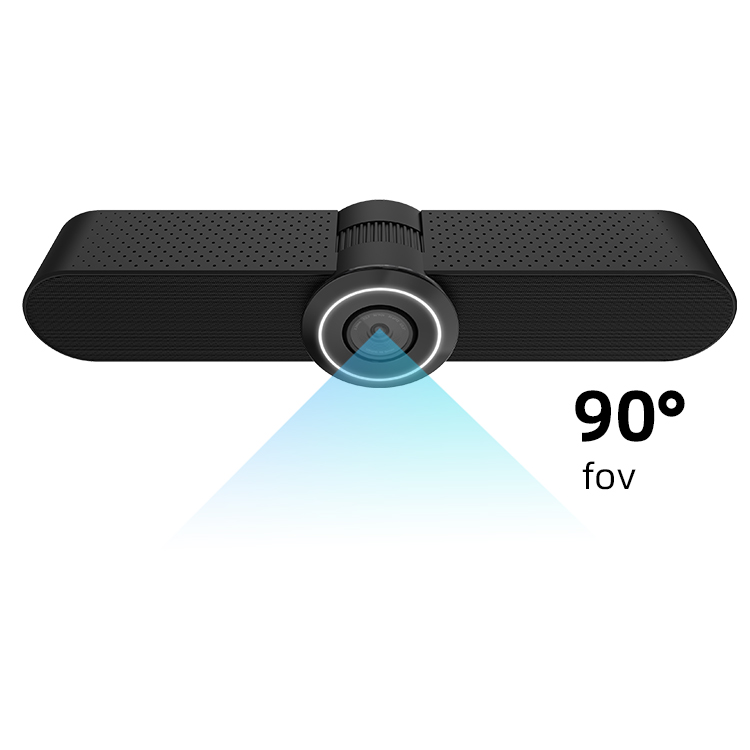
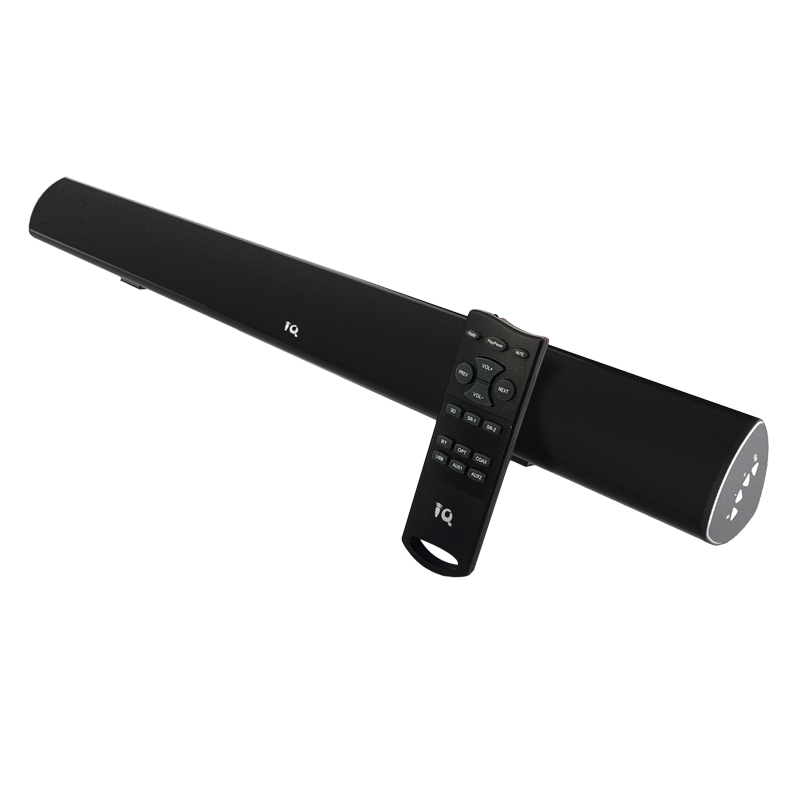
Use the 4K AI conference webcam with microphones and speakers, IQSoundbar audio and a 75-inch to 86-inch interactive board. Add a document camera where facilitators need to show contracts, plans, product samples or training materials.
OEM and ODM programme
For distributors and brands, customize logo, boot screen, housing color, packaging, language, pre-installed software and selected hardware configuration. Our design-based customization capability has been verified by independent third-party inspection.
Buyers can mix product lines within one project. Share room size, viewing distance, software platform, target market and certification requirements, and our team will propose a room-by-room configuration.
Future Procurement Trends Shaping USB Document Camera Buying
Procurement teams are moving from single-device purchasing toward verified, serviceable and interoperable classroom systems. The shift rewards suppliers who can document performance, support multi-year rollouts and reduce integration risk.
What buyers will ask for next
Public tenders increasingly request more than a low unit price. They ask for CE documentation, software compatibility, local language manuals, packaging tests, spare-parts availability and clear warranty processes. These requirements reflect total cost of ownership, not just hardware cost.
Interoperability will also become a stronger differentiator. Schools do not want a document camera that works only with one display or one video platform. They want UVC plug-and-play, HDMI fallback, stable drivers and predictable firmware updates across Windows, macOS and ChromeOS environments.
Finally, sustainability and data responsibility are entering education procurement. Buyers are reviewing RoHS and REACH declarations, packaging reduction, product life span and cybersecurity practices for devices connected to school networks.
Commercial signal from buyer inquiries
Directional pattern from recent education AV inquiries handled by our export team; not a statistical market study.
Tender-ready transparency
Compliance files, model-specific datasheets and traceable testing will be expected before samples are approved.
Total cost of ownership
Buyers will compare warranty, spare parts, installation time, training and field failure risk alongside unit price.
Interoperable ecosystems
USB, HDMI, USB-C, UVC and platform compatibility will matter more than closed proprietary features.
Sustainability evidence
RoHS, REACH, packaging reduction and longer product life cycles will enter more education tenders.
Product Development Trends: The Next Generation of USB Document Cameras
The next generation of visualizers will look less like a single accessory camera and more like a connected teaching capture node. Hardware, firmware and classroom software will be evaluated as one experience.
AI-assisted capture
Auto-framing, page-edge detection, text enhancement, OCR and noise reduction can reduce teacher adjustment time. The most useful AI features will be transparent, optional and easy to disable for privacy or predictability.
4K and true optical zoom
Higher resolution sensors will continue to spread, but optical zoom, lens quality and autofocus stability will separate professional visualizers from low-cost webcams. Buyers should evaluate real classroom text clarity, not only specification headlines.
USB-C, UVC and one-cable workflows
USB-C with power delivery, UVC video and UAC audio can simplify installation. One-cable connectivity is attractive for mobile teaching carts, temporary classrooms and hybrid meeting spaces.
Privacy and network security
Devices connected to school networks need clear data flows, firmware update practices and local processing options. Buyers will ask whether video is processed on-device, in software or in the cloud.
Wireless and networked teaching
Wireless presentation, networked control and lecture capture will push document cameras into broader classroom workflows. Stable latency and simple recovery after network interruption will be critical.
Modular classroom ecosystems
Instead of isolated products, buyers will prefer modular systems: document camera, interactive display, podium, audio and capture working together with consistent service and spare-parts support.
Why Ruyden Is a Reliable CE-Certified USB Document Camera Manufacturer & Wholesaler
Ruyden Interactive Technology Group Co., Ltd. is an SGS onsite-verified manufacturer and exporter of interactive flat panels, document camera solutions, lecture capture systems and networked digital podiums for education and enterprise buyers worldwide.
Factory control, not trading-layer guesswork
Headquartered in the Fuzhou High-tech Zone, Fujian, China, our team combines in-house SMT, PCB and assembly lines with a dedicated reliability test lab. For distributors, system integrators and education tender buyers, this means direct engineering communication with the factory that builds and validates each unit.
We have 19 years of industry experience, 82 verified staff and more than 10 years of export experience. Our design-based customization capability has been verified by independent third-party inspection, and our buyer rating is 5.0/5 from verified transactions.
- Complete display and capture range from 55 to 100 inch interactive panels, document cameras, lecture capture, digital podiums and classroom audio.
- One-stop smart classroom ecosystem: display, capture, podium, wireless presentation and centralized AV, light and door control.
- Transparent third-party records covering SGS assessment, credit overview, trade capacity, transaction level and buyer feedback.
Quality evidence built into production
Every batch can pass through in-house reliability and electrical safety checks, including high and low temperature, drop, simulated transportation, salt spray, button life, insertion force, static, earth continuity and withstand voltage testing. These checks support stable classroom deployment and reduce after-sales risk for wholesale buyers.
Our export team supports OEM and ODM projects with logo, boot screen, housing color, packaging, language settings, pre-installed software and hardware configuration. Samples can be reviewed against your target market requirements before mass production.
The result is a practical balance of compliance, customization and factory accountability for buyers who need repeatable quality across multiple shipments.



Education AV manufacturing experience.
Engineering, production, QC and export service.
Support for global distributors and integrators.
Average from verified buyer reviews.
USB Document Camera Wholesale FAQ for Global Buyers
These are the questions most often raised by distributors, tender buyers and integrators comparing CE-certified USB document camera manufacturers and wholesalers.
Are your USB document cameras CE certified?
CE conformity is model-specific and must be matched to the final configuration, accessories and destination market. We can provide the applicable declaration of conformity, technical file evidence and test reports for review. Buyers should always confirm the directives and standards required by their local authority before tender submission.
Do you support OEM and ODM customization?
Yes. Our design-based customization capability has been verified by independent third-party inspection. Common options include logo, boot screen, housing color, packaging, user manual language, software pre-installation and selected hardware configuration. For larger programs, our engineers can review interface, mounting and accessory requirements.
Can I order samples before mass production?
Sample plans are quoted according to configuration, software and branding requirements. A typical sample review covers image clarity, A4 or A3 coverage, autofocus, zoom, USB and HDMI output, platform compatibility and packaging. Sample feedback is then used to lock the production specification before purchase order confirmation.
Which operating systems and software are supported?
Most document camera configurations are designed for UVC plug-and-play use with Windows, macOS, ChromeOS and common Linux environments. Compatibility with Zoom, Microsoft Teams, Google Meet and classroom software should be tested with your target software stack. Where wireless or networked features are included, confirm network, firmware and update requirements during sampling.
How do you control quality before shipment?
Production runs through in-house SMT, auto-insertion, PCB and assembly processes. Products can be validated with high and low temperature testing, drop testing, simulated transportation, salt spray, button life, insertion force, static, earth continuity and withstand voltage testing. Final inspection and export packing checks are completed before shipment.
What should I include in my first inquiry?
Share the target market, room type, expected quantity, preferred resolution and zoom, required certifications, software platform, branding needs and delivery schedule. If you are responding to a tender, include the technical specification and compliance checklist. Our export team can then propose a suitable document camera and classroom AV configuration.
Request a CE-Compliant USB Document Camera Quotation
Tell us your target market, room size, quantity and certification requirements. Our team will reply with a product recommendation, configuration plan and sample proposal built around your project.
