Classroom & Presentation Products for Wireless Document Camera Projects
The models below keep the supplier’s original product URLs. Two are direct document camera and visualizer candidates; the others are frequently bundled into classroom, lecture-capture, training-room and campus communication projects. For every SKU, request a model-specific CE Declaration of Conformity, test report scope and power-supply specification rather than accepting a general catalogue claim.
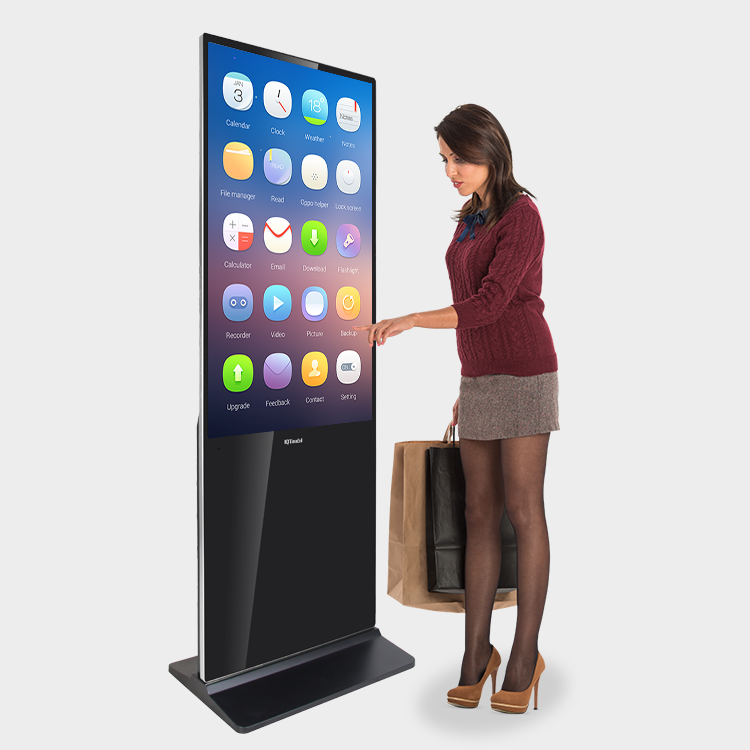
43inch Kiosk Touch Screen Floor Standing Advertising Kiosk Shopping Centre Digital Signage and Displays Outdoor Waterproof
Outdoor campus signage and live lecture overflow. Ask for IP-rating evidence, LVD compliance for the power section and EMC reports for the display controller.
View product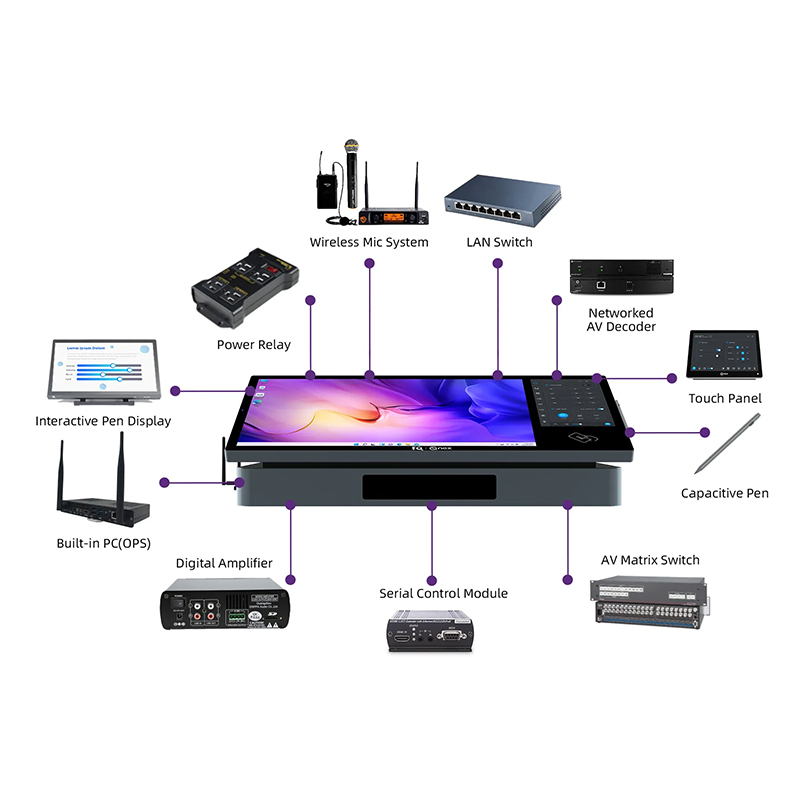
Android System Education Classroom Control Smart Digital Lectern Desktop Digital Podium
Central teaching control for document camera feeds, displays and room audio. Useful where a visualizer must switch between desk documents and large-format lecture screens.
View product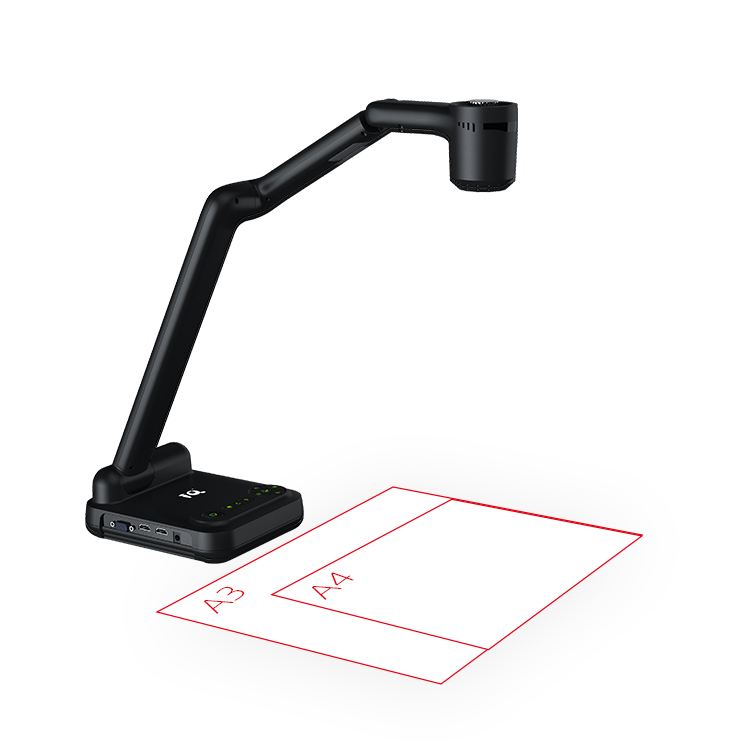
Portable Classroom Scanner Machine HD 8 Megapixel A4 Document Camera Scanner Visual Presenter with LED Fill-in Light
Core visualizer SKU: portable A4 capture with LED fill light for desktop teaching, document sharing and hybrid lesson recording. Specify USB, HDMI and wireless adapter scope separately.
View product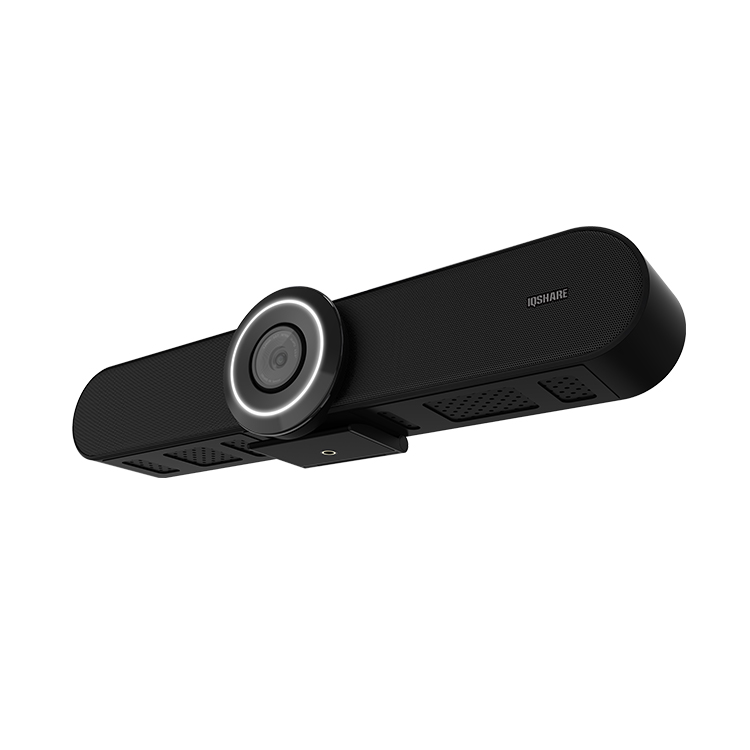
8MP Ultra HD 4K Conference Desktop All in One Webcam Stand Built-in Mic & Speaker for Online Classe Meeting Live Stream
Room-facing capture for hybrid classes. Pair with a document camera to show both the teacher and the desk-level worksheet without moving hardware between lessons.
View product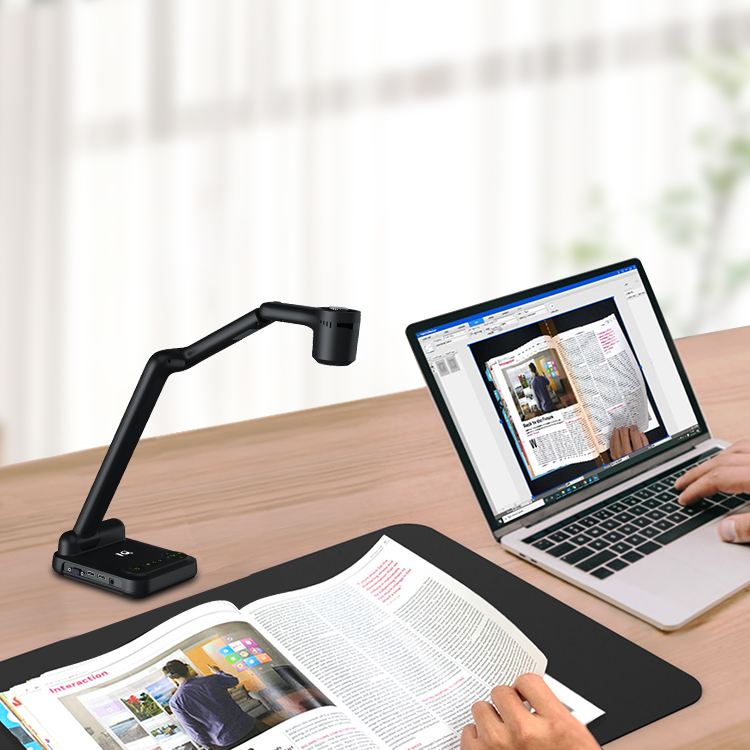
Wholesale 10x Optical Zoom Portable High Definition Live Image Document Camera Ceiling for School
Core optical zoom SKU for larger rooms, science demonstrations and detailed object inspection. Confirm working distance, ceiling or desk mounting and radio-module RED scope.
View product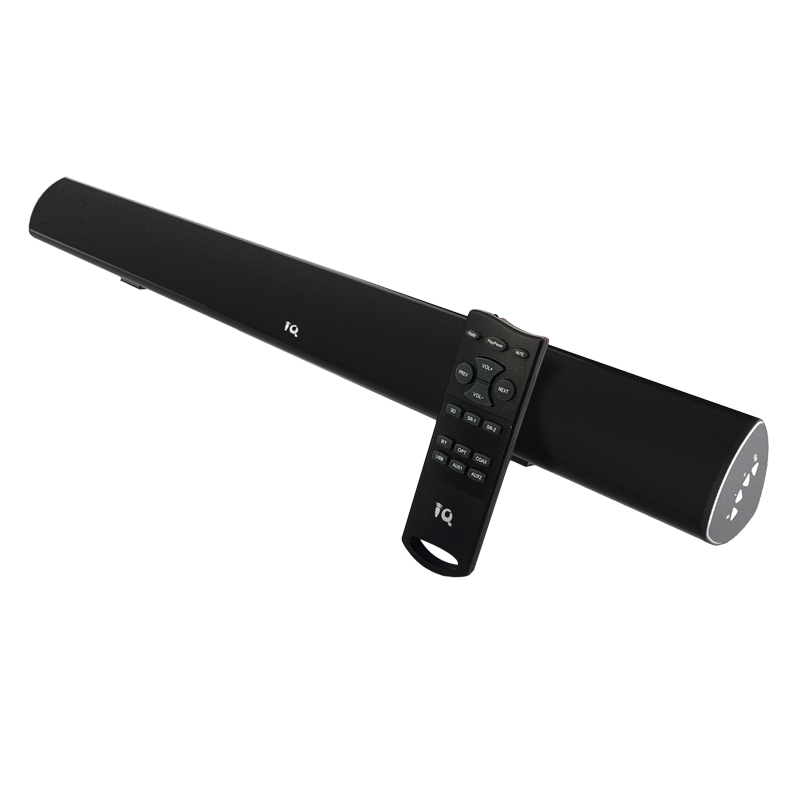
IQSoundbar Wholesale Office Conference Room Audio Sound Bar TV Soundbar with Subwoofer Active Speaker
Audio reinforcement for visualizer lessons and conference rooms. Document camera suppliers are increasingly expected to quote a complete capture-and-playback package.
View product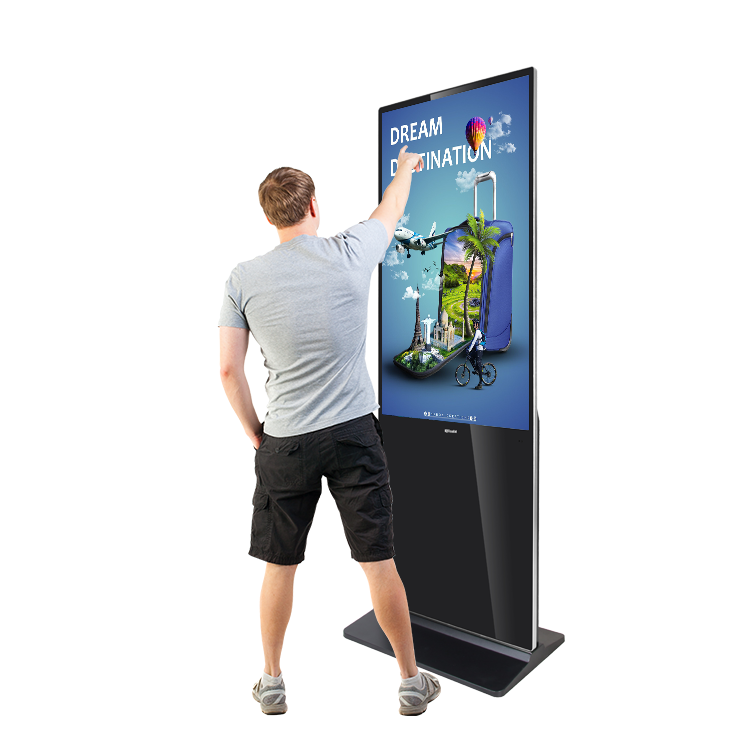
Wholesale 43inch Android Tablet Floor Standing Touch Kiosk for Hotel Bank School
Campus reception, wayfinding and self-service information. For public-sector tenders, request touch-panel durability data, EMC evidence and packaging drop-test records.
View product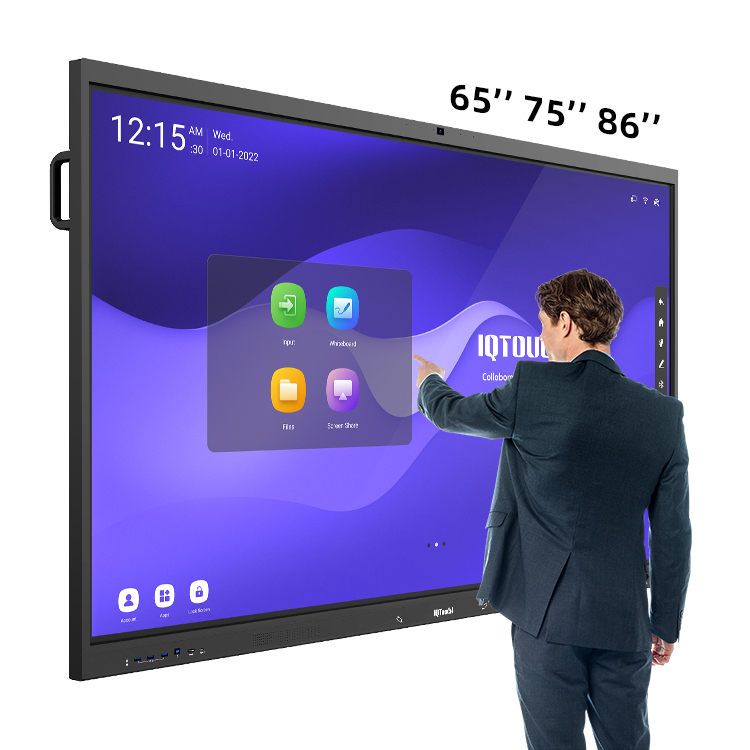
Dual System 4K 65 75 86 Inch Smart Board Interactive Electronic Whiteboard for Education and Conference
Main classroom display for live visualizer images, annotation and lesson capture. Size selection should follow room depth, viewing distance and mounting constraints.
View productWhat CE Certification Really Means for Wireless Document Camera Buyers
CE marking is not a single certificate that can be copied from one model to another. It is a manufacturer’s declaration that a defined product configuration meets the applicable EU harmonisation legislation. For a wireless document camera, the correct evidence pack depends on the radio module, power adapter, firmware, ports and bundled accessories.
A credible supplier should explain the directive route before discussing price. A USB-only visualizer with an external power supply may fall under EMC, RoHS and possibly LVD or ecodesign requirements, while a Wi-Fi or Bluetooth visualizer brings the Radio Equipment Directive into scope. If the document camera includes a mains adapter, the adapter’s own safety evidence and model reference must appear in the technical file. If the product can be sold with an optional wireless dongle, the declaration must say whether that dongle is covered or requires a separate compliance review. This distinction matters to wholesalers because a tender authority may reject a datasheet that lists “CE” without linking it to the exact model, radio type, adapter and firmware version.
Directive Mapping
Map EMC 2014/30/EU, RED 2014/53/EU where radio is present, LVD 2014/35/EU where mains voltage applies, RoHS 2011/65/EU, REACH and WEEE. The Declaration of Conformity should identify the harmonised standards used.
Wireless & Radio Scope
Wi-Fi, Bluetooth or proprietary 2.4/5 GHz modules require radio test evidence, antenna details, frequency bands and output-power data. The module used in the sample must match the module in mass production.
Safety & Power Supply
Check the adapter’s CE evidence, input range, plug type, isolation and thermal performance. A low-cost power supply substitution can invalidate a previously prepared technical file.
Traceability & Technical File
The file should connect the declaration to model numbers, serial-number format, label artwork, user manual language, test reports, PCB revision and optional accessories. Keep the audit trail for at least ten years.
From USB Visualizers to Wireless, AI-Assisted Teaching Cameras
Document cameras are moving from simple camera-on-an-arm devices to networked teaching capture tools. The strongest wholesale demand is appearing in models that combine optical zoom, low-light sensors, wireless casting, UVC compatibility and software-free operation.
4K, Larger Sensors and Low-Light Performance
Buyers increasingly expect clear text capture under ordinary classroom lighting. A larger sensor and better lens coating often matter more than a headline resolution figure. For tender evaluation, test a printed A4 page, a glossy textbook page and a 3D object at the actual working distance.
Optical Zoom and AI Framing
10x optical zoom remains valuable for science demonstrations, engineering samples and large desks. AI auto-focus, exposure recovery and object framing reduce teacher workload but should not replace reliable manual controls. Wholesalers should request firmware version records and update policy.
Wireless-First Classroom Workflows
Teachers want to place a visualizer at the desk, stream to the front-of-room display and switch between document, room camera and presentation sources. Wi-Fi 6, stable 5 GHz operation and HDMI/USB fallback modes reduce support calls in campus deployments.
Procurement Trends Reshaping Wireless Document Camera Supply, 2026–2030
Distributors are no longer buying only a camera. They are buying a repeatable classroom bundle that must pass procurement review, support hybrid teaching and remain serviceable after installation.
Tender-Grade Compliance
EU and UK public-sector buyers increasingly require RoHS, WEEE, REACH and radio evidence alongside a CE Declaration. Tender documents may also ask for UKCA readiness, packaging recyclability and conflict-mineral statements.
Hybrid Classroom Capture
Schools are specifying visualizer plus room camera plus audio as one teaching station. That increases demand for document cameras with HDMI and USB outputs, clean mounting options and predictable device switching.
Kit-Based Procurement
Wholesalers win more projects when they offer a configured kit: visualizer, interactive display, soundbar, lectern control and installation checklist. Kits reduce compatibility risk and simplify aftersales responsibility.
Lifecycle & Regional Service
Spare parts, firmware archives and replacement power adapters are becoming part of the purchase decision. Buyers should confirm product discontinuation notice periods and minimum spare-part support windows.
How to Specify a CE-Ready Wireless Document Camera Without Overpaying
Over-specifying resolution while ignoring lens quality, lighting and wireless stability is a common mistake. Use the six evaluation areas below to compare samples on teaching outcomes rather than catalogue numbers alone.
Resolution vs Sensor Quality
8MP is often sufficient for A4 text and classroom projection; 4K becomes valuable for large displays, detailed objects and recorded lessons. Check sensor size, noise reduction and colour accuracy under warm classroom lighting.
Lens, Zoom and Working Distance
Confirm the document size, mounting height and whether the teacher needs optical zoom. A 10x optical zoom model can cover science demonstrations and large textbooks better than a fixed lens visualizer.
Wireless and USB Fallback
Test 5 GHz stability, reconnect time, password policy and latency with the school’s display equipment. A reliable USB or HDMI fallback protects lessons when network conditions change.
Lighting and Document Ergonomics
LED fill light should be flicker-free and comfortable for students. The arm, base and hinge must support one-hand adjustment without drifting during a lesson.
Software and Interoperability
UVC or UAC compatibility reduces driver installation. Validate with interactive flat panels, lecture capture software, video-conferencing platforms and interactive whiteboard tools used in the target market.
Commercial and Lifecycle Terms
Request MOQ, sample policy, packaging tests, warranty terms, spare-parts availability, firmware policy and the exact CE documents that will accompany each shipment.
Supplier & Wholesaler Verification Checklist
For a CE-sensitive wireless document camera programme, supplier quality is not only a factory question. It is a documentation, testing and post-sales question that can be reviewed before the first bulk order.
Factory & Identity Audit
Verify business registration, factory address, production lines, staff count and export history. Third-party onsite verification is stronger than a self-issued PDF because it confirms the supplier exists and operates at the stated facility.
CE Technical File Review
Check that test reports reference the same model and radio module as the quotation. Review the Declaration of Conformity, adapter certificate, label artwork and user-manual language for consistency.
Sample & Stress Testing
Test the sample with printed documents, glossy pages, 3D objects and different lighting. Confirm focus speed, zoom stability, colour balance and wireless reconnect behaviour with the intended display hardware.
Reliability Test Evidence
Ask for high/low temperature, drop, simulated transport, salt spray, button-life, insertion-force, static, earth-continuity and withstand-voltage test records. These tests reveal whether export packaging and electrical safety are controlled.
Packaging & Export Control
Export carton quality, barcode labelling, accessory bagging and drop-test protection matter for marketplaces and tender warehouses. Confirm plug type, manual language and regulatory label placement before mass production.
After-Sales & Spare Parts
Establish RMA rules, troubleshooting scripts, spare-part lead times and firmware support. A wholesaler should be able to resolve teacher-level support issues without returning every device to the factory.
Why Ruyden Is a Practical Partner for CE-Market Document Camera Programmes
Ruyden Interactive Technology Group Co., Ltd. is an SGS onsite-verified manufacturer and exporter based in Fuzhou, Fujian, China, with 19 years in the education AV industry and a broad smart classroom portfolio. For importers and wholesalers, the advantage is not a single product image; it is a controlled path from product configuration and compliance documentation to testing, packing and after-sales support.
SGS Onsite Verification
Third-party verified supplier information, including company identity, production capability and trading records, supports tender pre-qualification and distributor onboarding.
Design-Based OEM / ODM
Verified customization capability includes logo, boot screen, housing colour, packaging, pre-installed software, language settings and hardware configuration for suitable order volumes.
In-House Reliability Lab
Testing covers high and low temperature, drop, simulated transportation, salt spray, button life, insertion force, static, earth continuity and withstand voltage before shipment.
One-Stop Classroom Ecosystem
Interactive flat panels from 55 to 100 inches, lecture capture, networked digital podiums, wireless presentation, soundbars and AV integration can be sourced through one supply relationship.
Education AV manufacturing experience.
Engineering, production, QC and export service.
Long-term verified supplier activity.
Based on verified transaction feedback.
Common Questions from Importers and Wholesalers
These are the questions most often raised during supplier comparison, tender preparation and sample evaluation for wireless document camera sourcing.
Are wireless document cameras automatically CE certified?+
No. CE marking is configuration-specific. A USB-only model, a Wi-Fi model and a model shipped with a different power adapter may require different evidence. Buyers should request a Declaration of Conformity tied to the exact model, radio module, adapter and firmware, plus the relevant EMC, radio, safety and RoHS test reports.
Which directives usually apply to a wireless visualizer?+
Typical scope includes the EMC Directive, the Radio Equipment Directive when Wi-Fi or Bluetooth is present, the Low Voltage Directive where mains voltage applies, RoHS, REACH, WEEE and ecodesign requirements for external power supplies where relevant. The final list depends on the exact product configuration and intended use.
How can I verify a supplier’s CE claim?+
Ask for the model-specific Declaration of Conformity, test-report summary, adapter certificate, label artwork and user-manual language. Cross-check the model number, radio module, manufacturer name and address. If the documents use a different model or a generic “CE” statement without traceability, treat the claim as incomplete until clarified.
What is the difference between a document camera and a visualizer?+
The terms are often used interchangeably. A document camera generally describes a camera on an arm or stand for capturing papers and objects, while a visualizer may include zoom, lighting, recording software and classroom display outputs. For procurement, specify the required resolution, zoom, mounting, output ports, wireless standard and software compatibility rather than relying on the product name.
Can wholesalers request OEM packaging and local-language manuals?+
For suitable models and order volumes, Ruyden supports design-based customization covering logo, boot screen, housing colour, packaging, pre-installed software, language settings and hardware configuration. Regulatory labels and manual content should be reviewed before production because they are part of the compliance evidence.
How should I start a quotation for a CE-market project?+
Send the room type, target country, required resolution, zoom, wireless or USB preference, display size, quantity, certification needs and expected delivery schedule. A useful quotation should include the model, accessories, compliance document list, packaging specification and sample plan.
Request a CE-Ready Wireless Document Camera Quotation
Share your target market, classroom size, display configuration, quantity and documentation requirements. The export engineering team can recommend a practical visualizer and classroom bundle based on the product portfolio, then confirm the exact compliance scope for the quoted configuration.
