Eight Products Frequently Bundled with A3 Scanning Projects
A3 document scanning rarely works alone. In classrooms, lecture halls, boardrooms and public-service counters, scanners connect with visualizers, podium controls, wireless sharing, interactive displays and conferencing devices. The eight products below are part of the same factory ecosystem and can support tender bundles or multi-room rollouts.
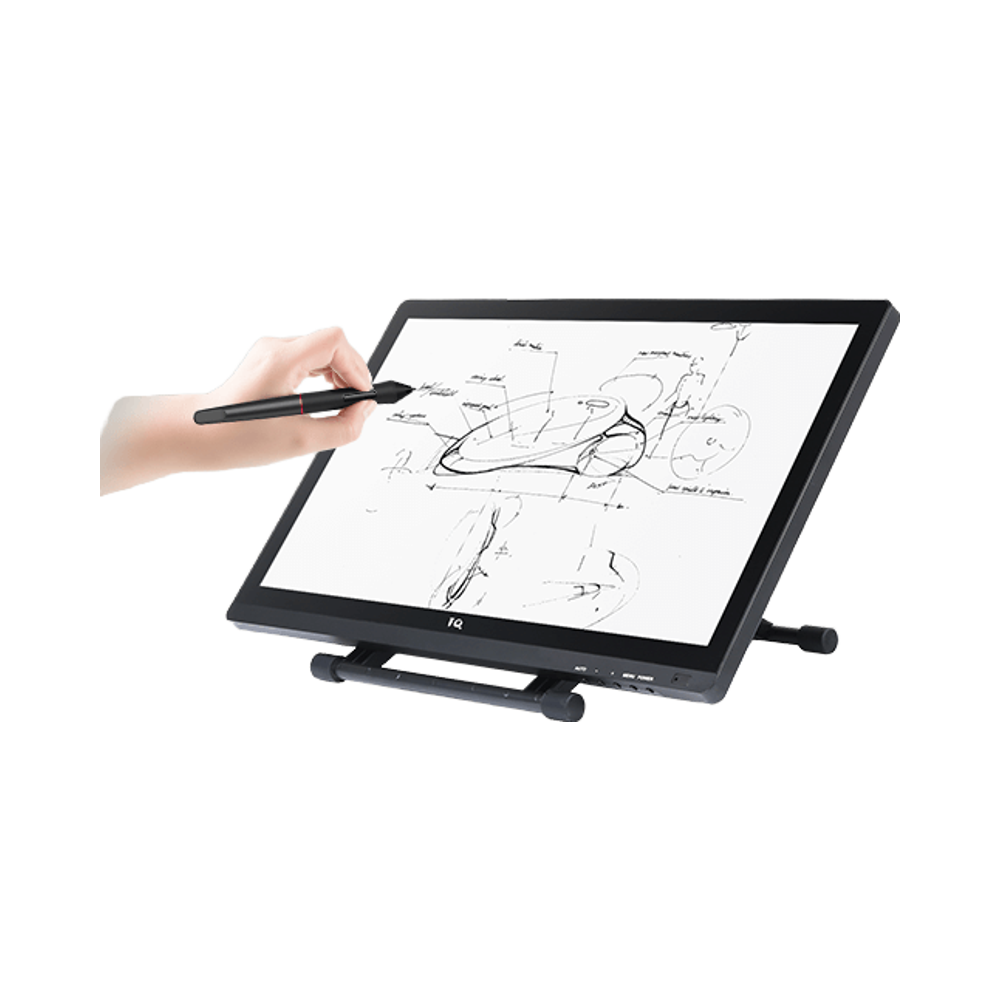
22" Touch Screen Digital Smart Podium with Wireless Microphone for Sale
Integrated lectern control with touch display and wireless microphone for lecture capture, presentation rooms and document review stations.
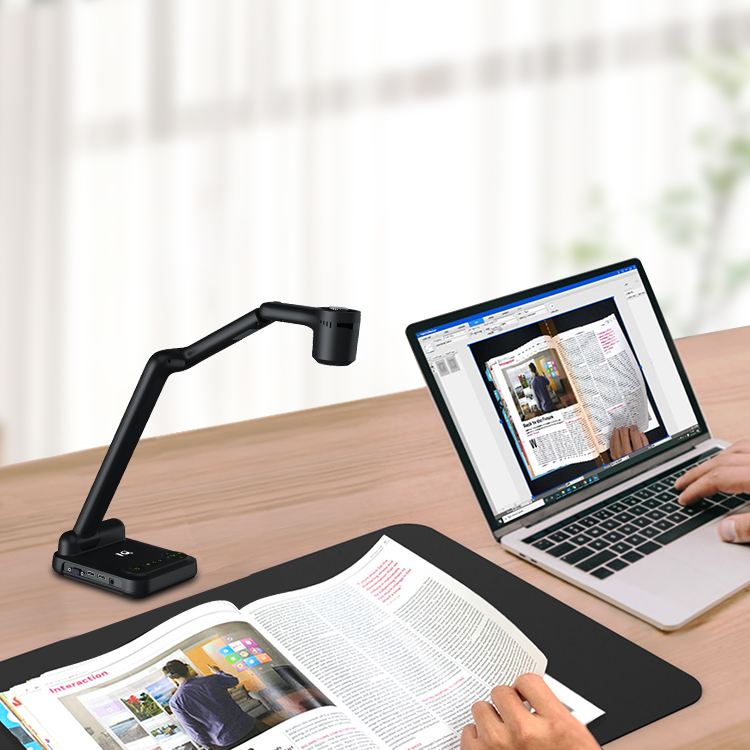
Wholesale 10x Optical Zoom Portable High Definition Live Image Document Camera Ceiling for School
Live image capture for classrooms and training rooms where documents, objects or textbook pages must be shown clearly on screen.
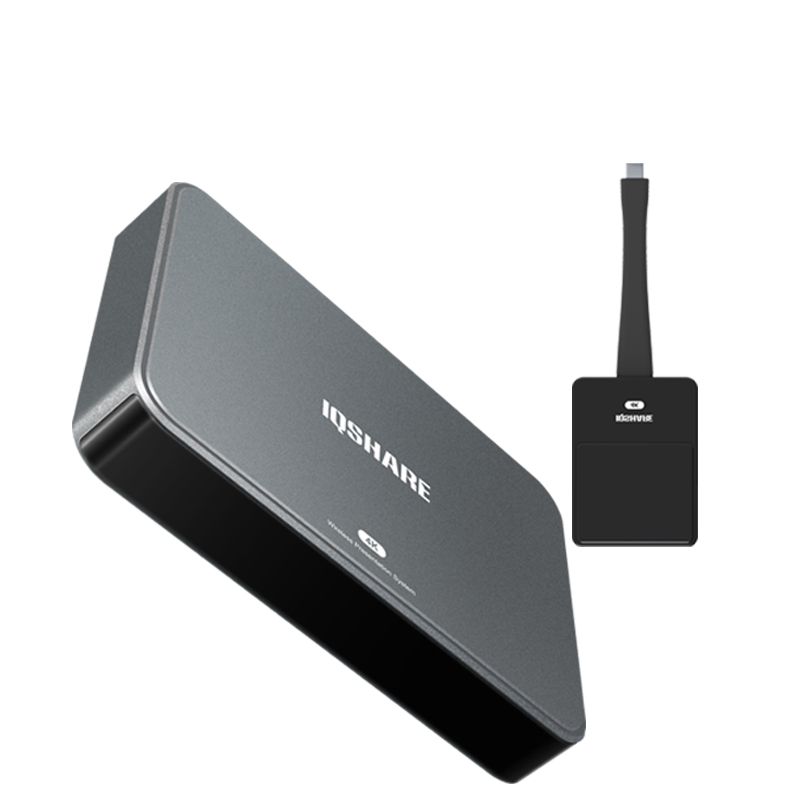
Hdm1 Wireless Transmitter Receiver 1 to 4 Anycast Wireless Screen Sharing Wireless Presentation System
Cable-free presentation for meeting rooms, classrooms and digitization review desks that need one-to-many screen sharing.
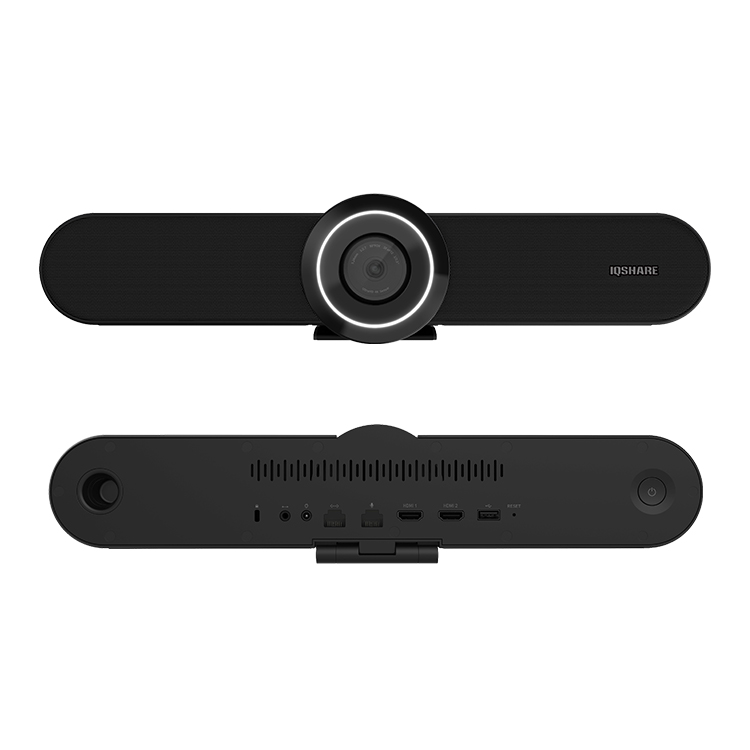
All in One Conference System USB Ultra HD 4K Outdoor Pc Webcam 4k Autofocus with Built in Speakerphone and 2 Mics
Hybrid meeting capture with 4K autofocus, integrated audio and simple USB connectivity for consultation and review rooms.
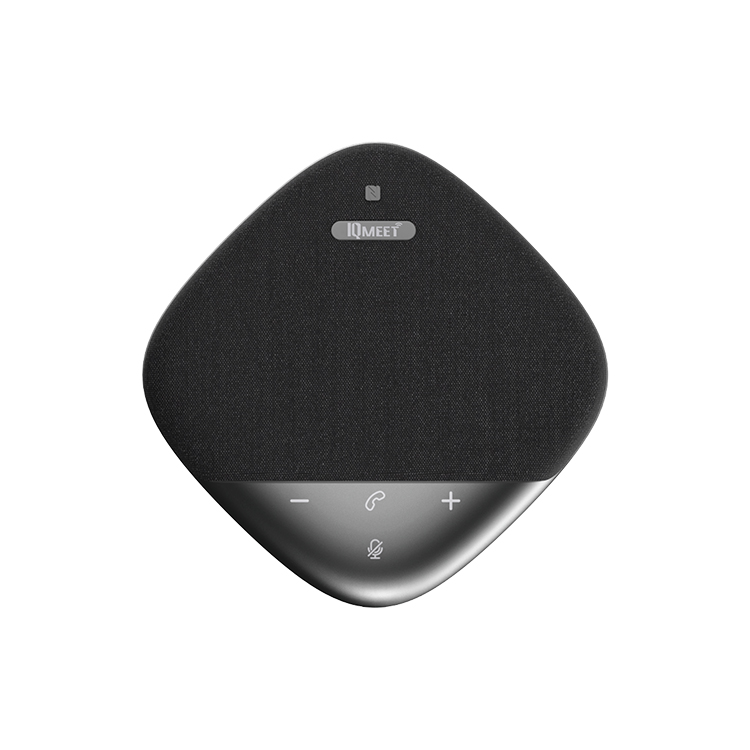
China Factory NFC Features AI Noise Reduction Built-in Dual Speakers Conference Speakerphone for Mobile Phone USB
Clear voice pickup for training, remote witness sessions, online meetings and collaborative document review.
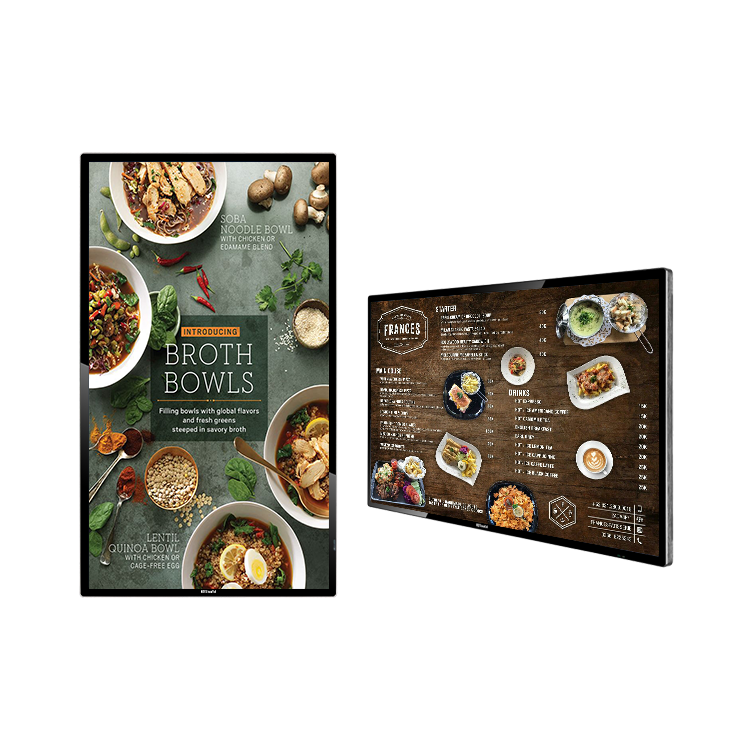
4K Kiosk Touch Screen Digital Signage Outdoor LED LCD Advertising Kiosk for School Hotel Hospitals
Public-facing information and self-service display for campuses, hospitals and service halls with high-visibility communication.
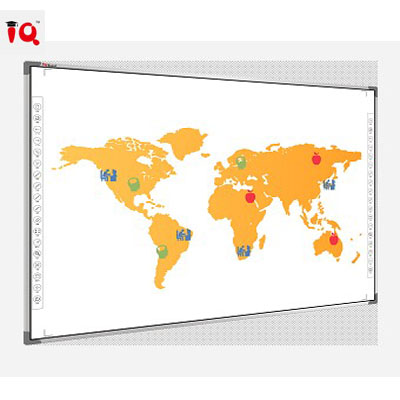
School Board Class Board IQBoard IR 82" 2 Points Touch 2 Users Interactive Whiteboard for School
Collaborative teaching board for classrooms that combine scanned materials, annotations and live lessons.
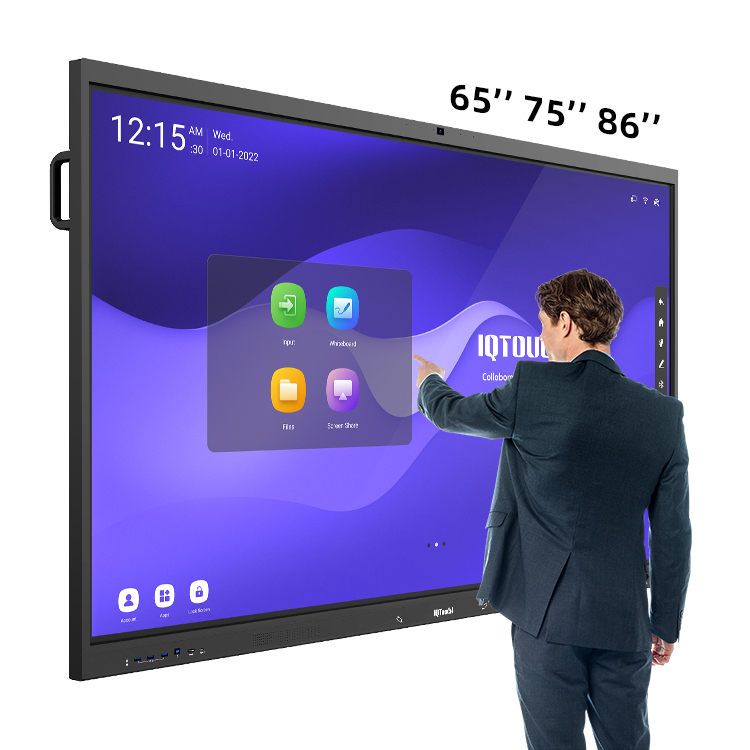
Dual System 4K 65 75 86 Inch Smart Board Interactive Electronic Whiteboard for Education and Conference
Large-format interaction for education and conference rooms where scanned files, drawings and recorded sessions are reviewed together.
What “Best” Really Means When Vetting A3 Document Scanner Manufacturers
The phrase China best A3 document scanner manufacturers and factory should never be accepted at face value. A3 scanning is a document-capture engineering problem, not a simple hardware resale category. Buyers need evidence of optical design, image processing, software integration, production control and after-sales support. The strongest supplier is usually the one that can explain how its factory prevents blur, distortion, double-feed errors, colour shift and software incompatibility before shipment.
An A3 scanner is also not an A4 device with a larger lid. The 297 × 420 mm format is used for exam scripts, land records, insurance claims, textbooks, engineering drawings, medical files, newspapers, blueprints and archived correspondence. Bound documents create page curvature. Fragile paper demands gentle handling. Mixed batches require reliable separation. These realities change the mechanical, optical and software design of the device.
- Optical performance: request optical resolution, sensor size, lens quality, autofocus behaviour and calibrated sample images.
- Document handling: test bound books, thin paper, folded drawings and mixed stacks with your own documents.
- Software depth: confirm OCR languages, PDF/A output, TWAIN / SANE / WIA / ISIS support, SDK availability and update policy.
- Factory proof: review SGS or equivalent onsite verification, QC records, test-lab reports and export references.
- Serviceability: ask for spare-part lists, repair guides, firmware release notes and RMA turnaround commitments.
A useful RFQ therefore does not begin with “send your cheapest A3 scanner”. It begins with document types, daily volume, operator skill, software environment, data-security rules, language needs and the countries where the equipment will be installed.
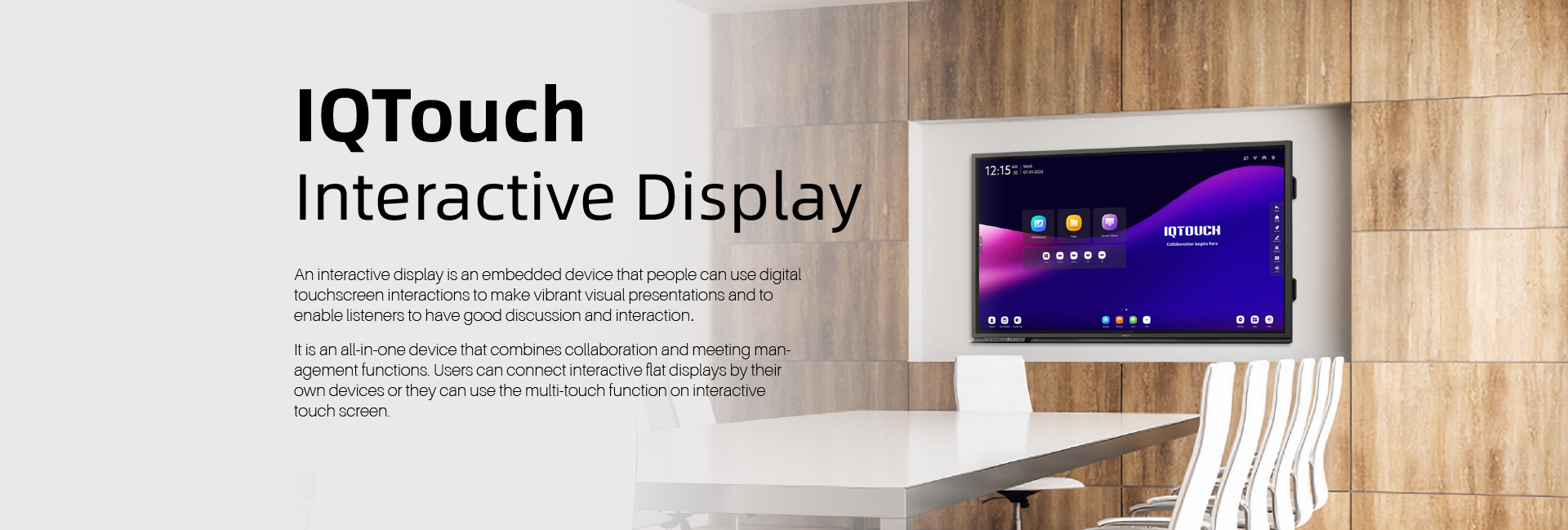
A3 scanner projects often connect document capture, annotation, presentation and central room control. Evaluate the factory’s ability to support the whole workflow, not only the scanner box.
Three questions that quickly separate capable suppliers
- Can you show a scanned sample? Ask for raw files from your own document set, not compressed catalogue images.
- Can you document the test process? Look for temperature, drop, transport, static and electrical-safety checks with traceable records.
- Can you support the software lifecycle? OCR engines, drivers, SDKs and security patches need an owner after installation.
A3 Scanner Configurations by Workflow
Use these procurement archetypes to structure your RFQ. They are not fixed catalogue claims; they are practical configurations to test with your own documents before selecting a China A3 document scanner factory.
Overhead Book Scanner
Best for bound books, archives, exam papers and library records. Prioritise 18–24 MP capture, laser autofocus, even LED lighting, V-shaped book cradle, foot pedal control, OCR to searchable PDF and TWAIN compatibility.
A3 Flatbed Scanner
Best for maps, certificates, technical drawings and fragile sheets that must lie flat. Check A3 glass size, optical resolution, CCD or CIS choice, dust protection, colour consistency and driver support across Windows, macOS and Linux.
Document Camera / Visualizer
Best for live teaching, remote demonstrations and quick page sharing. Specify 4K output, 10x optical zoom, HDMI and USB output, built-in microphone, annotation software and compatibility with interactive displays.
A3 ADF / Production Capture
Best for high-volume backlogs and repetitive forms. Evaluate 60–100 ppm throughput, duplex scanning, 300-sheet feeder, ultrasonic double-feed detection, image cleanup, barcode recognition and daily duty cycle.
| Requirement | What to specify | Sample test | Risk if ignored |
|---|---|---|---|
| Optical clarity | Sensor, lens, optical resolution, autofocus, lighting uniformity | Scan fine print, faded ink, colour charts and glossy paper | Unreadable OCR, colour shift, costly manual correction |
| Document handling | Book cradle, glass flatness, paper path, separator, double-feed sensor | Test bound books, folded sheets and mixed paper weights | Jams, damaged originals, low operator productivity |
| Software integration | TWAIN / SANE / WIA / ISIS, OCR languages, PDF/A, SDK, API | Run your ECM, LMS or records system with the scanner driver | Deployment delays and hidden software-license cost |
| Quality records | Test-lab reports, incoming inspection, traceability, packing tests | Request serial-number-specific inspection data | Inconsistent batches and weak after-sales evidence |
| Customization | Logo, boot screen, housing colour, language pack, packaging, firmware | Approve golden samples and signed change notes | Branding errors and uncontrolled revisions |
Specifications above are examples for RFQ planning. Always validate final hardware, software and compliance scope with a factory-reviewed proposal and sample test.
How A3 Scanner Buying Will Change from 2026 to 2030
Price-only tenders are being replaced by total-cost, software-lifecycle and data-governance scorecards. The most competitive China A3 document scanner manufacturers will be judged on evidence, integration and long-term support.
Total Cost of Ownership
Buyers will compare five-year cost, including OCR licences, spare parts, consumables, training and downtime. A lower unit price can be more expensive when software renewals and service gaps are added.
AI, OCR and Data Quality
AI enhancement is becoming a procurement requirement: de-skew, finger removal, curve flattening, background cleanup, handwriting support and searchable PDF output. Accuracy must be tested on real documents, not demo sheets.
Data Security and Residency
Public-sector and healthcare buyers increasingly ask where scanned images are processed, whether cloud OCR is optional, how logs are handled and how firmware updates are signed. Local and on-prem capture will remain important.
Integration with ECM, LMS and ERP
Scanning must feed records systems, student information platforms, claims engines and workflow queues. TWAIN and SANE support is no longer enough; APIs, folders, metadata and barcode routing should be documented.
Local Service and Training
Distributors want factory training, multilingual manuals, spare-part kits, remote diagnostics and clear escalation paths. Service capability is becoming a differentiator equal to the scanner specification.
Sustainability and Packaging
Public tenders increasingly ask for recyclable packaging, energy data, reduced plastic and spare-part availability. Factories that document packaging drop tests and material choices can reduce damage and waste at the same time.
The weighting above is an illustrative scorecard example for procurement workshops. Adjust it to your institution, tender rules and document risk level.
What the Next Generation of A3 Scanners Must Deliver
Hardware convergence is accelerating. The factory that wins the next tender cycle will combine better image science with software that reduces manual correction and integrates cleanly into existing document systems.
Higher-resolution Capture
Larger sensors, improved lenses and 4K visualizers raise the bar for fine print, drawings, stamps and handwriting. Resolution claims should be backed by optical measurement, not interpolation.
AI Image Cleanup
Curve flattening, finger removal, shadow reduction, background cleanup and automatic page splitting will become expected features in book and archive scanning workflows.
Searchable Output by Default
OCR to searchable PDF, PDF/A, DOCX and structured metadata should be native, with language packs installable offline for public-sector and healthcare deployments.
Modular, Repairable Hardware
Replaceable light modules, camera heads, glass and control boards reduce downtime. Repairability and spare-part availability are becoming part of the product specification, not an afterthought.
Information gain for buyers: ask for the acceptance file, not the brochure
Before comparing quotations, request a sample acceptance file generated from your own documents. It should include raw images, OCR output, PDF/A validation, processing time, operator steps and failure-log notes. A factory that can provide this file is usually better prepared for real deployments than one that only sends a polished catalogue.
Manufacturing Strength That Supports A3 Document Scanner Procurement
Ruyden Interactive Technology Group Co., Ltd. is an SGS onsite-verified manufacturer and exporter based in Fuzhou, Fujian, China. Its public profile combines 19 years of industry experience, design-based customization verified by independent third-party inspection, more than 10 years of export experience and a production system that includes in-house SMT, auto-insertion, PCB, assembly and packaging capabilities.
For A3 document scanner buyers, the value of this profile is not a slogan. It is evidence of process control: engineering change discipline, incoming inspection, reliability testing, export packaging and transparent trading records. These are the same capabilities that determine whether a scanner programme remains consistent from sample approval to mass production.
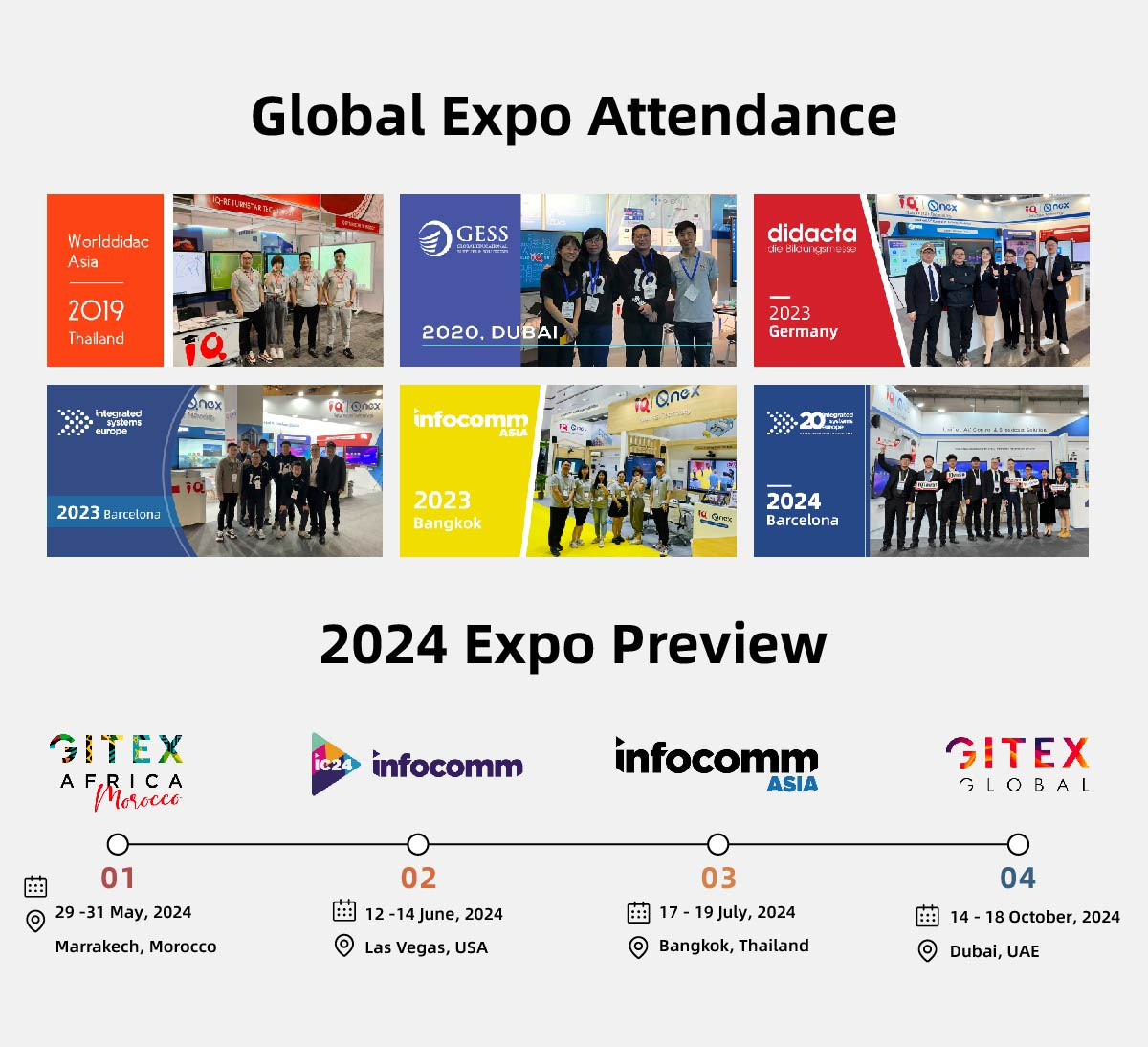
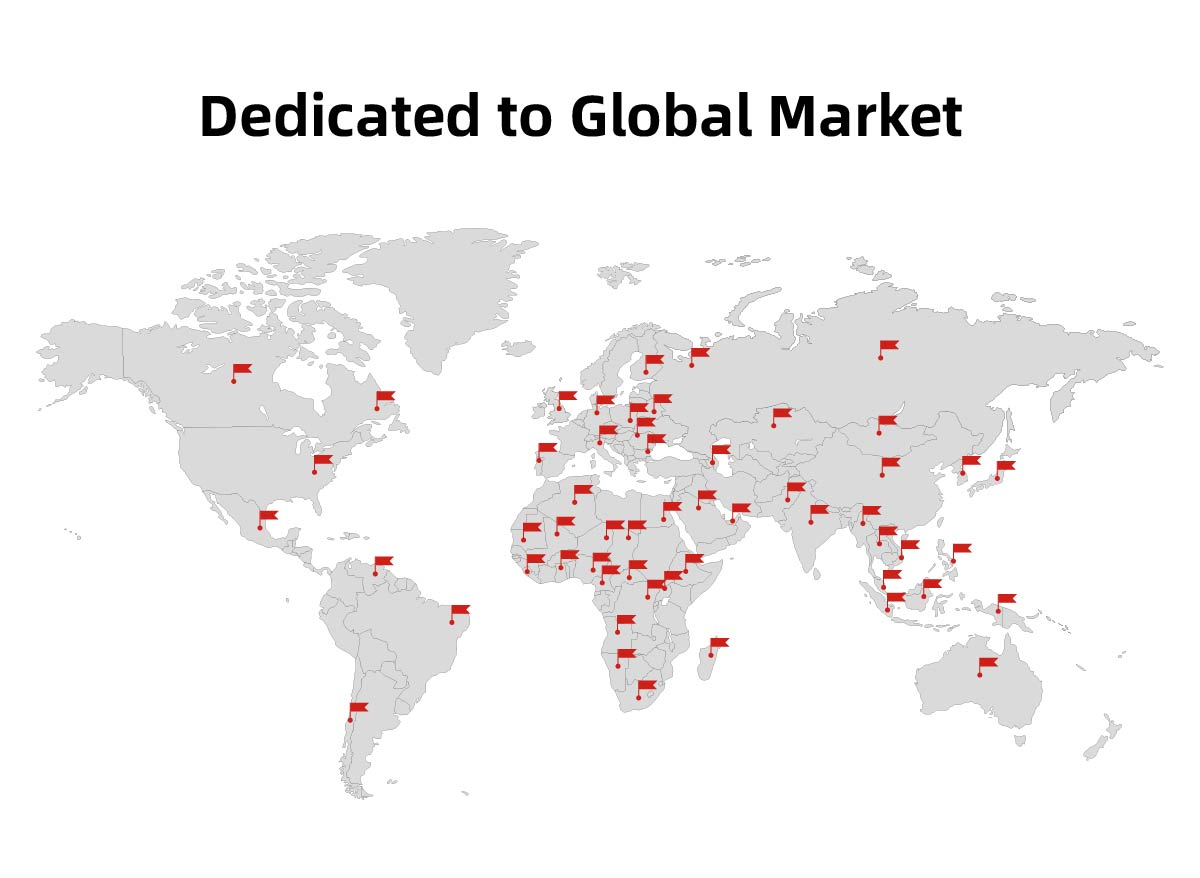
The company also reports 82 verified staff, a 5.0 / 5 buyer rating and 21 years of verified B2B trading records. Buyers should always re-check the current report, but the existence of public verification links makes due diligence faster than relying on unverifiable claims.


Numbers Buyers Can Check Before Signing a PO
These figures reflect the company’s published and third-party verified profile. Confirm current values in the latest assessment report before finalizing supplier approval.
Document workflow, display and education hardware experience.
Continuous global supplier records for international buyers.
Engineering, production, QC and export service professionals.
Average score from verified buyer reviews and transactions.
From Incoming Materials to Final Inspection
A3 scanner reliability depends on controlled assembly and repeatable testing. The factory’s test lab covers environmental, mechanical, electrical and packaging risks that commonly affect export shipments.
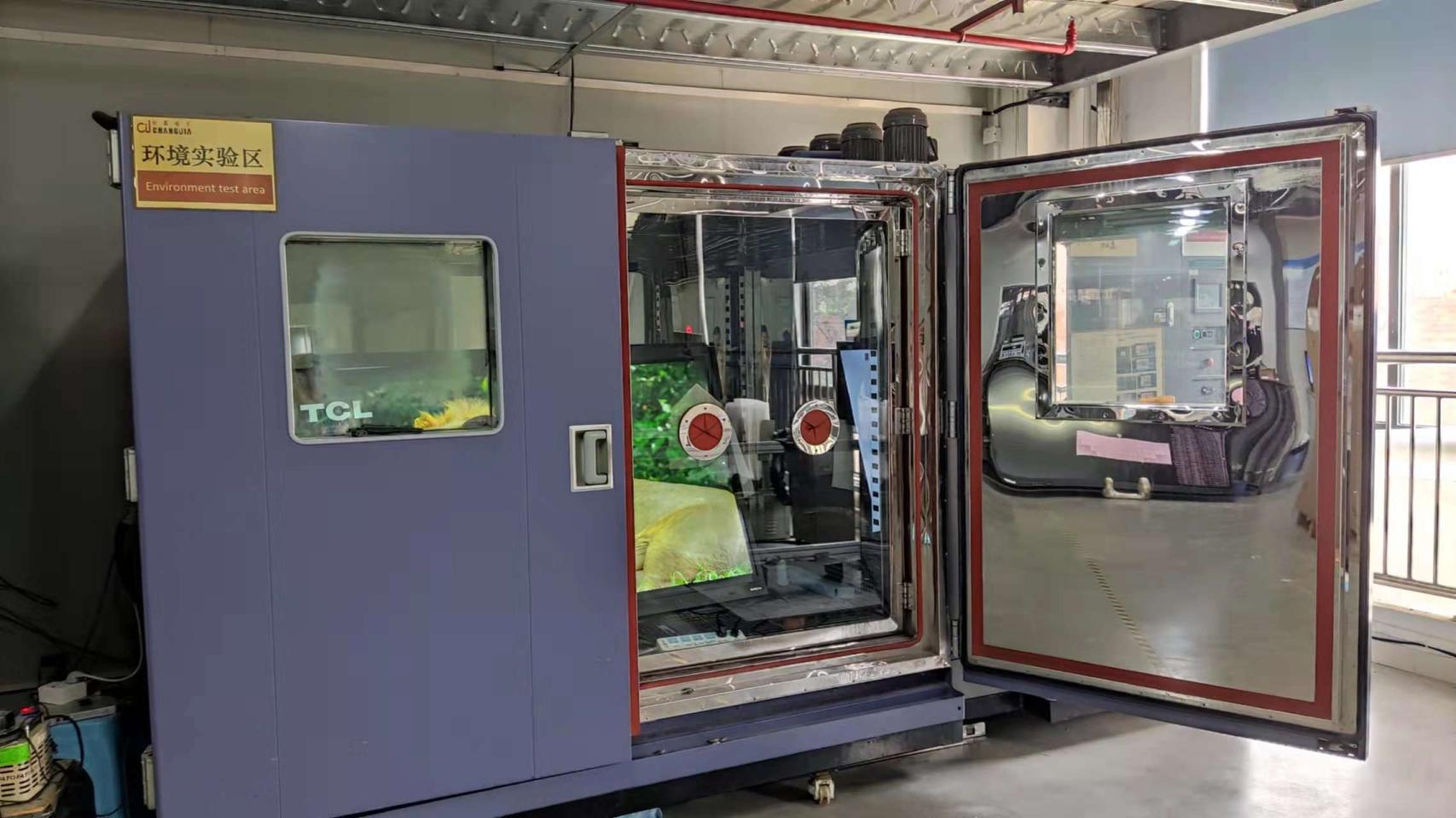
Reliability testing should produce records that buyers can review during supplier approval.
What to request in the quality file
Ask for the inspection plan, sampling method, defect classification, test equipment list, calibration status, packaging drop-test result and final pre-shipment inspection report. For scanner projects, add optical calibration samples, OCR accuracy results and driver compatibility tests.
A factory with strong production depth can trace a problem from field return to batch, board revision, firmware version and operator station. That traceability reduces the risk of recurring defects after a large rollout.
Six Clear Steps from Requirement to Delivery
A structured workflow protects both the buyer and the factory when custom branding, software settings or packaging are involved.
Requirement Review
Share document types, daily volume, room or office environment, target market and compliance needs.
Solution Design
Engineers propose hardware configuration, software options, branding plan and packaging approach.
Sample Approval
Pre-production samples confirm image quality, operation flow, language and appearance.
Mass Production
In-house SMT, PCB and assembly lines build the approved configuration with change control.
QC & Testing
Reliability checks and final inspection are completed before export packing.
Delivery & Support
Shipping coordination, documentation, spare-parts planning and after-sales support.
Where A3 Document Scanning Creates Measurable Value
Understanding the workflow helps the factory recommend the right scanner type, software stack and accessory bundle.
Schools and Universities
Exam scripts, textbooks, student records, research papers and classroom material can be captured and shared with searchable OCR output.
Government and Archives
Land records, permits, historical files and public records often require gentle handling, audit trails and long-term PDF/A preservation.
Finance and Insurance
Claims, contracts, KYC files and supporting documents benefit from barcode routing, metadata capture and integration with workflow systems.
Healthcare and Legal
Patient files, legal briefs, signed forms and case records need privacy controls, reliable image quality and software that fits secure networks.
Common Questions About China A3 Document Scanner Factories
These are the questions procurement teams, distributors and system integrators ask most often during supplier evaluation.
What is an A3 document scanner used for?
An A3 document scanner captures documents up to 297 × 420 mm. Typical uses include exam scripts, textbooks, engineering drawings, land records, insurance claims, newspapers, maps, legal files and archive material. For bound documents, an overhead book scanner is often more suitable than a flatbed or ADF scanner.
Should I choose an overhead book scanner or an A3 flatbed scanner?
Choose an overhead scanner for books, bound files, fragile archives and fast page capture. Choose a flatbed scanner for maps, certificates, drawings and documents that must lie perfectly flat. Many institutions use both: a flatbed for fragile or rigid items and an overhead scanner for bound volumes.
What should I test in an A3 scanner sample?
Test fine print, faded text, colour stamps, glossy paper, thin sheets, bound books with curved pages and mixed-size batches. Check OCR output in your required languages, scan speed, operator steps, driver compatibility and image consistency across the page. Always test with your own documents rather than catalogue samples.
Can a China A3 scanner factory customize logo, software, packaging and language?
Yes, many capable factories support OEM and ODM customization. Ask for logo and boot screen changes, housing colour, language packs, software pre-installation, packaging design and accessory bundles. Require golden samples and written change-control notes so that mass production matches the approved sample.
How do I verify whether a manufacturer is genuinely SGS-verified?
Open the assessment report through the supplier’s verification link, confirm the legal company name, factory address, report date and audit scope. Then compare the address with the quotation, invoice and shipping documents. A verification badge alone is not enough; the underlying report should be current and relevant to the products you are buying.
Which certifications should I request for an A3 document scanner project?
The exact list depends on your target market and customer. Common requests include CE, UKCA, FCC, RoHS, REACH, energy-efficiency documentation and local import requirements. For public-sector or healthcare projects, also request software-security information, update policy and documentation for data processing. Verify certificate scope with the issuing body.
What is the typical MOQ and lead time?
MOQ and lead time depend on the model, customization level, component availability and destination. Standard configurations may have lower MOQs than fully customized units. Ask for a written quotation that separates sample cost, tooling or setup fees, production schedule, inspection milestones and shipping lead time.
How should overseas buyers start an A3 scanner project?
Send a brief with document types, daily volume, required output formats, software environment, target market, certification needs and expected quantity. A good factory will respond with a configuration proposal, sample plan, compliance checklist and questions that reveal gaps in the brief before production begins.
Request a Factory-Reviewed A3 Scanner Proposal
Share your document types, scan volume, target market, software requirements and certification needs. Use the inquiry button to request a configuration matrix, sample test plan, inspection checklist and export packaging proposal.
