China Best Autofocus Document Camera Factories & Factory
A buyer-focused guide to evaluating Chinese autofocus document camera factories through image performance, autofocus reliability, OEM/ODM transparency, quality testing, classroom integration and lifecycle support—not brochure claims alone.
Eight Factory-Ready Configurations for Autofocus Document Camera Projects
These eight models represent the practical buying routes requested by education distributors, tender teams and AV integrators: standalone document cameras, interactive flat panels, lecture podiums, conference cameras and whiteboards. Product URLs and images are preserved for direct technical review.
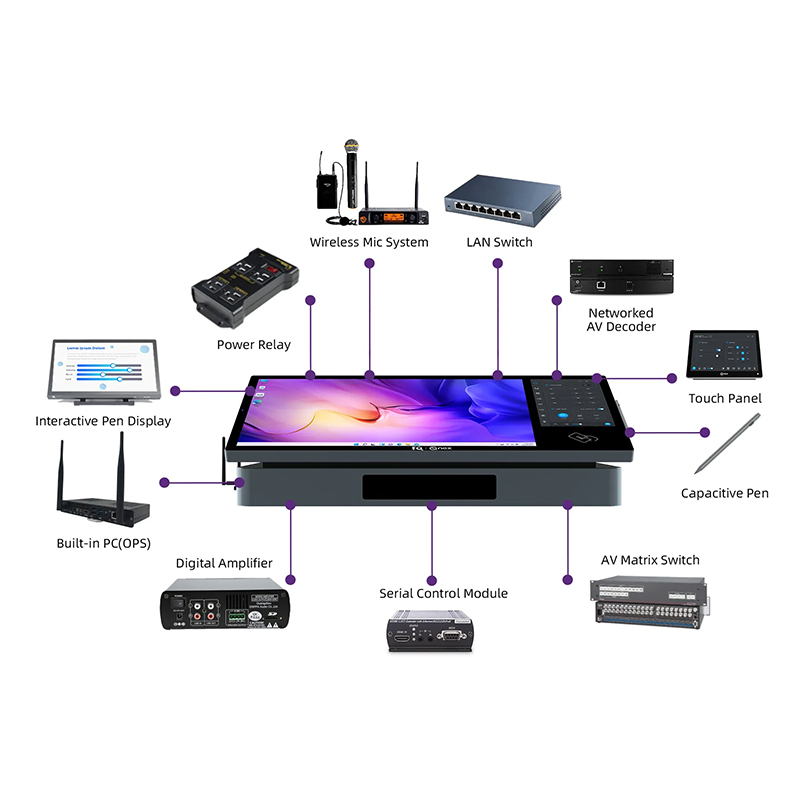
Android System Education Classroom Control Smart Digital Lectern Desktop Digital Podium
Recommended for networked classrooms where a document camera, display, audio and room control need to be operated from one teaching position.
Review configuration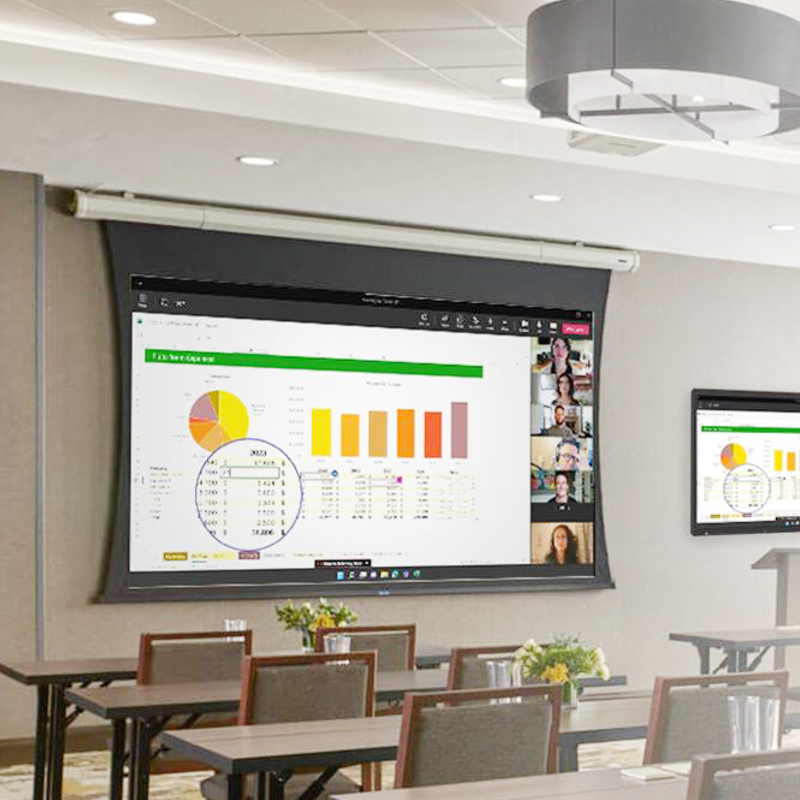
Multi-functional Teaching Android and Windows OPS System Interactive Flat Panel Smart Board Price for School Teaching
A core classroom display for pairing with an autofocus visualizer, annotation software, wireless casting and Android/Windows teaching applications.
Review configuration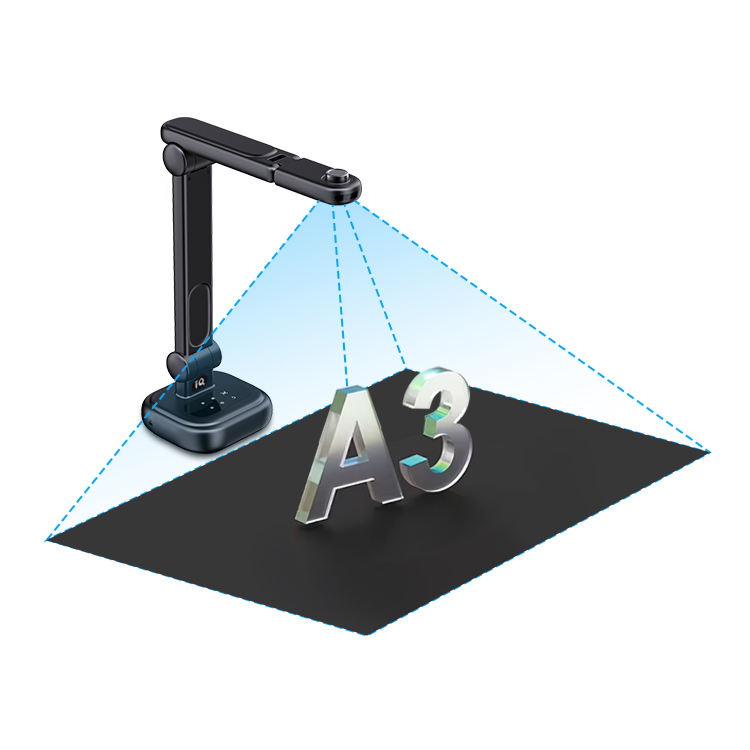
4K Camera Folding Design Live Annotation Adjustable LED Lighting Dual Stream A3 A4 Document Book Camera Scanner
Primary recommendation for book-heavy teaching, curriculum development and live annotation, with folding mechanics and A3/A4 document capture.
Review configuration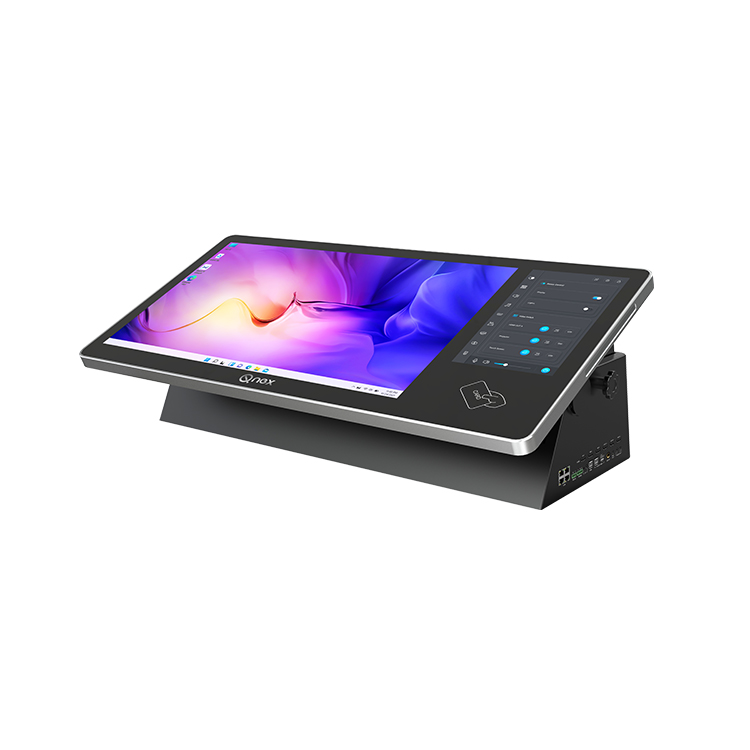
China Supplier Educational Equipment Customizable Integrated Multifunctional Desktop Digital Podium Factories
A useful option for tender packages that require localized branding, integrated control, custom I/O and coordinated classroom furniture.
Review configuration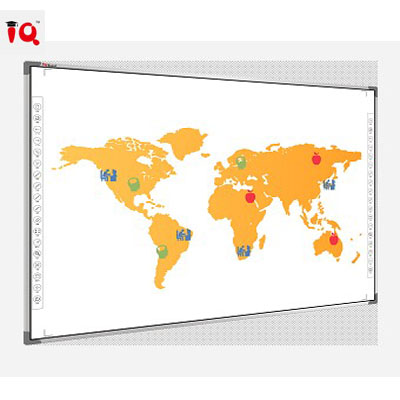
School Board Class Board IQBoard IR 82" 2 Points Touch 2 Users Interactive Whiteboard for School
Recommended where two-user touch interaction and a familiar whiteboard workflow are required alongside a document camera in the same room.
Review configuration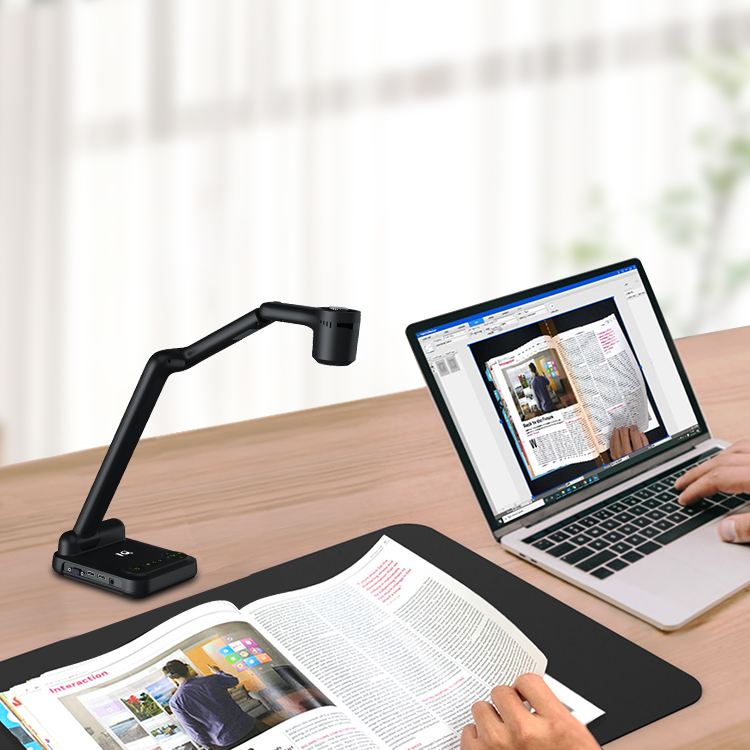
Wholesale 10x Optical Zoom Portable High Definition Live Image Document Camera Ceiling for School
A strong entry point for portable visualizer projects that need optical zoom, easy deployment and predictable classroom handling.
Review configuration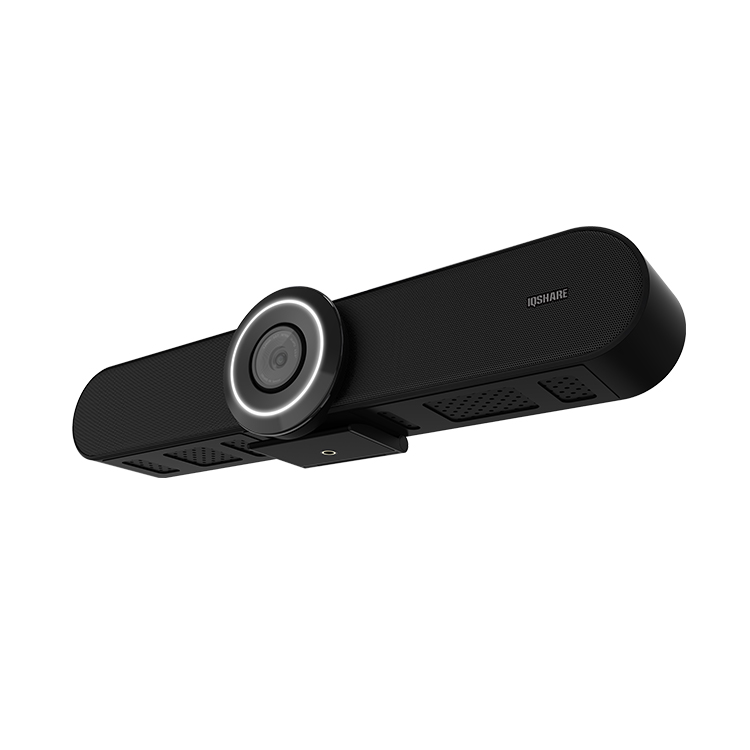
8MP Ultra HD 4K Conference Desktop All in One Webcam Stand Built-in Mic & Speaker for Online Classe Meeting Live Stream
Recommended for hybrid classrooms and meeting rooms where face-to-face video, voice pickup and simple USB deployment are the priority.
Review configuration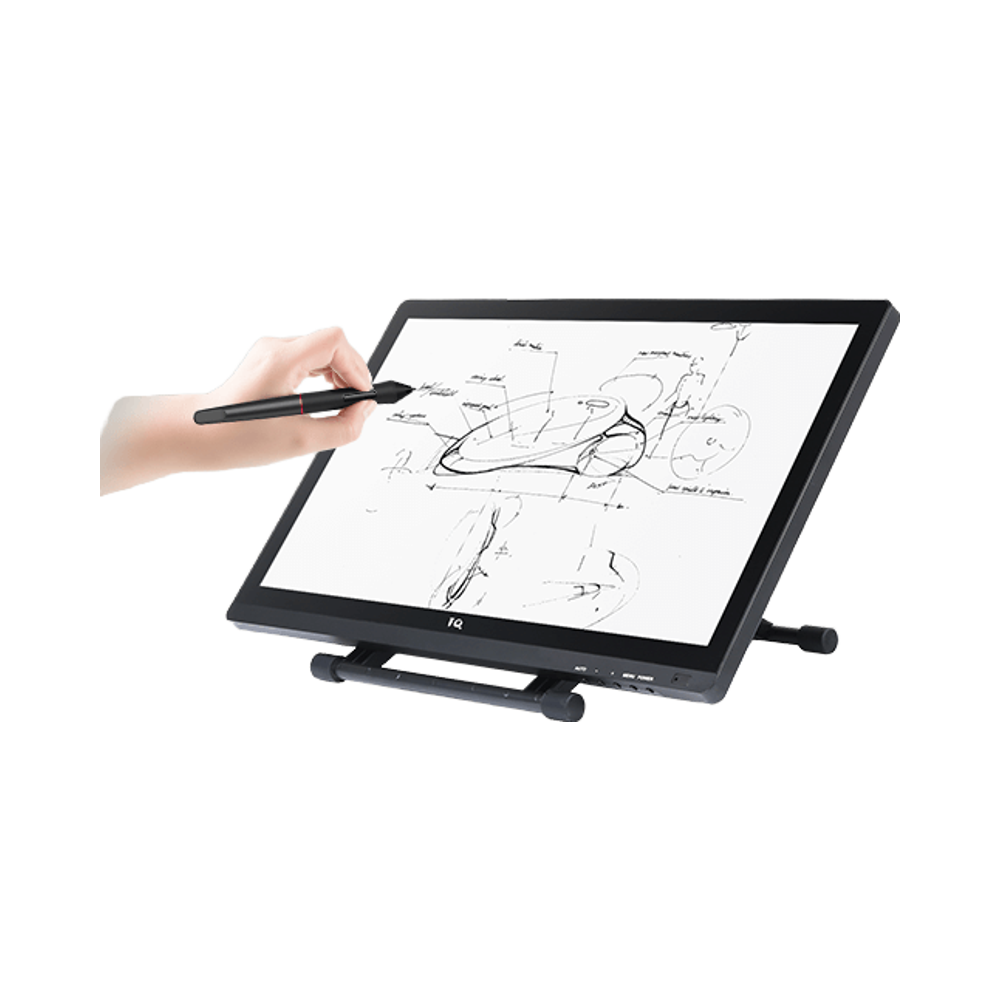
22" Touch Screen Digital Smart Podium with Wireless Microphone for Sale
Recommended for lecture theatres and training rooms that need wireless microphone control, touch-screen operation and a cleaner teaching console.
Review configurationNot sure whether a standalone autofocus document camera, an interactive flat panel bundle or a smart podium is the better fit? Share your room size, target resolution, port requirements and order volume, and our engineering team will recommend a factory-quoted configuration.
Send an InquiryWhat "Best" Should Mean When Buying from a Chinese Autofocus Document Camera Factory
The query "China best autofocus document camera factories & factory" is not a simple retail search. It combines supplier discovery, tender qualification, OEM/ODM due diligence, technical specification and total-cost risk. A factory is only "best" when its evidence matches your project.
An autofocus document camera—also called a visualizer, document camera, book scanner or classroom presentation camera—must do more than produce a sharp still image. In real teaching environments it must hold focus while a teacher moves a book, demonstrates a science experiment, writes under mixed lighting or switches between A3 diagrams and A4 handouts. Procurement teams therefore need to evaluate autofocus stability, depth of field, sensor quality, optical zoom, frame rate, illumination control, live annotation, dual-stream output, mounting options and software compatibility as one system.
For distributors and tender buyers, the factory behind the product matters just as much as the specification sheet. A reliable China autofocus document camera factory should control PCB assembly, SMT, final assembly, firmware customization, reliability testing, packaging and export documentation. If a supplier can only source finished goods, your ability to protect a private-label programme, resolve field failures and respond to a tender amendment is limited. This is why experienced buyers compare not only unit price, but also engineering response time, sample traceability, change notification and spare-part planning.
The strongest sourcing decisions usually combine three layers: a product-fit layer (camera resolution, autofocus, zoom, ports and mounting), a factory-risk layer (audit evidence, production control, test lab and export record) and a lifecycle layer (warranty, firmware updates, repairability and packaging durability). Ruyden's education AV experience across interactive flat panels, lecture capture, digital podiums and visualizers is relevant here because document cameras rarely operate alone; they are usually integrated into a classroom AV ecosystem.
A Defensible Shortlist Requires Evidence, Not Slogans
- Raw video samples under classroom lighting, not only compressed marketing footage.
- Autofocus and exposure tests with moving hands, glossy pages and mixed light.
- Clear OEM/ODM scope: logo, boot screen, housing, packaging, software and ports.
- Third-party verification and an accessible factory audit trail.
- Documented reliability testing and export packaging validation.
- A written path for firmware support, spare parts and field replacement.
Procurement Trends Reshaping Autofocus Document Camera Sourcing
Buyers are moving away from isolated hardware purchases toward classroom systems that must be deployed, managed and supported across multiple rooms. These trends should shape your RFQ and supplier scorecard.
Hybrid classrooms make dual output non-negotiable
Schools increasingly need HDMI for the room display and USB UVC for Zoom, Teams, Meet or lecture capture at the same time. Procurement specifications should require simultaneous dual-stream output, stable driver-free operation and clear port labelling, because retrofitting a single-output visualizer later costs more than specifying correctly at tender stage.
4K and faster autofocus are becoming baseline
As 4K displays become common in classrooms, 1080p visualizers can look soft when zoomed into a textbook page or circuit board. Buyers now ask for 4K sensors, improved low-light performance, faster focus recovery and less focus hunting during demonstrations. The practical test is not the resolution number alone, but how quickly the camera re-locks when a hand, page or object moves.
Book and document scanning moves into core teaching
Visualizers are no longer limited to showing a single sheet of paper. Folding arms, A3/A4 capture, adjustable LED lighting and live annotation are now central to language teaching, exam review, art, science and teacher training. Buyers should verify the full document-to-screen workflow, including colour rendering, glare control and annotation latency.
Integration with IFPs and podiums becomes a decision factor
A document camera that works well beside an interactive flat panel, digital podium, lecture capture system or wireless presentation kit creates more value than a standalone device. Procurement teams should ask for compatibility tests, cable-length guidance, control protocols, mounting drawings and a room-level bill of materials rather than a camera-only quotation.
Privacy, firmware governance and transparency matter
Education networks require suppliers to explain what a device stores, how firmware updates are delivered, whether USB or network features can be disabled, and how security issues are handled. A responsible factory should provide firmware-change documentation, a software bill of materials where possible and clear guidance for isolated classroom networks.
Total cost of ownership replaces lowest-price buying
Cheap visualizers can become expensive when replacement rates, spare parts, technical support and packaging damage are included. Buyers are now scoring repairability, warranty response, modular components, spare-parts availability and firmware life. The right target is not the lowest first quote, but the lowest verified cost per classroom per year.
Product Development Trends That Will Define the Next Generation of Visualizers
Document cameras are becoming software-defined classroom sensors. The next buying cycle will favour models that combine image quality with room integration, manageability and serviceability.
Dual-lens and dual-stream capture
New designs increasingly separate document capture from room or teacher capture, enabling a visualizer to serve both demonstration and lecture recording. For buyers, this means fewer devices per room and better leverage of lecture capture budgets—provided the camera exposes stable UVC/HDMI streams and does not require fragile control software.
AI-assisted autofocus and exposure
Advanced models are moving beyond simple contrast detection toward scene-aware focus and exposure. The most useful applications are practical: reducing focus hunting when a teacher writes, improving whiteboard readability under window glare and adjusting brightness when a book or 3D object is introduced. Buyers should still validate AI claims through live room tests.
Optical zoom plus digital clarity
Optical zoom remains valuable for large classrooms, science demonstrations and fine print. The next generation combines optical zoom with improved digital detail processing, so teachers can move from a full A3 page to a small object without losing focus or colour accuracy. Procurement teams should test zoom stability, noise control and focus speed at maximum magnification.
Portable and ceiling-mounted formats
Space constraints are driving two opposite formats: folding portable cameras for flexible classrooms and ceiling-mounted visualizers for lecture theatres. Both require different mechanical validation. Portable arms need hinge-life testing; ceiling mounts need secure anchoring, remote adjustment and simple maintenance access. A factory should support both without compromising image stability.
Built-in audio and speaker tracking
Hybrid teaching workflows are pushing visualizers toward integrated microphones, speakers and audio processing. In large rooms, speaker tracking and voice pickup can reduce the number of peripheral devices. However, buyers must confirm microphone performance, privacy indicators, mute controls and whether audio is carried through USB, HDMI or a separate classroom audio system.
Software-defined devices and central management
The long-term value of a document camera will be shaped by firmware quality, device settings, update mechanisms and integration documentation. Schools and integrators want to configure many rooms consistently. Suppliers that provide clear test protocols, firmware release notes and manageable deployment tools will reduce support calls and protect the buyer's brand.
A 100-Point Factory Scorecard for Autofocus Document Camera Procurement
Most RFQs compare only specifications and price. A better approach is to score evidence. The weighting below is a practical starting point for distributor, tender and integrator teams and can be adjusted by project risk.
Suggested Evaluation Weighting
Use the scorecard during shortlisting, then verify claims during sampling and factory review.
What to request before you compare quotations
- Uncompressed or lightly compressed raw video samples showing autofocus during movement, page turns and object changes.
- Low-light and mixed-light tests, plus colour-rendering samples of textbook pages and glossy materials.
- Port and protocol documentation for USB, HDMI, wireless casting and interaction with interactive flat panels.
- OEM/ODM scope sheet with artwork, boot screen, packaging, language, software and hardware change-control rules.
- Reliability test evidence such as high/low temperature, drop, simulated transport, salt spray, button life and electrical safety checks.
- Warranty terms, spare-part list, repair procedure and firmware support commitment beyond the first shipment.
Inside a Lower-Risk Factory: Ruyden's Education AV Advantages
Ruyden Interactive Technology Group Co., Ltd. is an SGS onsite-verified manufacturer of interactive flat panels, interactive whiteboards, lecture capture systems, networked digital podiums and classroom AV solutions. Its capabilities support buyers who need document camera integration rather than isolated hardware.

For overseas buyers, the most valuable factory is not necessarily the one with the largest catalogue; it is the one that can control quality, protect customisation and respond to technical questions. Ruyden operates from the Fuzhou High-tech Zone in Fujian, China, with in-house SMT, PCB and assembly resources plus a reliability test lab. This structure helps distributors and tender teams reduce the gap between sample performance and mass-production consistency.
Ruyden's verified advantages include 19 years in the education AV industry, 82 verified staff, a 5.0 buyer rating, more than 10 years of export experience and a verified B2B trading record. Design-based OEM/ODM customization has been independently inspected. Typical customization can cover logo, boot screen, housing colour, packaging, software pre-installation, language settings and hardware configuration—subject to project review.
The factory's test lab supports high and low temperature testing, drop testing, simulated transportation, salt spray, button life, insertion force, static, earth continuity and withstand voltage testing. For document camera projects, this evidence should be matched to the actual product configuration, because a visualizer's hinge, camera module, LED illumination and USB port may have different validation requirements from an interactive display.
In-house SMT, PCB and assembly control
Keeping core production processes under one roof improves change control, production consistency and engineering feedback. This matters when a buyer requests private-label packaging, a new camera arm, a different LED module or a region-specific firmware build.
Third-party verification and public records
Independent verification reduces sourcing risk. Ruyden's SGS assessment, credit overview, trade capacity, transaction level and trade history are available for review, helping procurement teams document supplier due diligence for internal approvals and tender files.
Export packaging and documentation support
Classroom hardware is vulnerable to long-distance handling. Export-grade packaging, drop and transport simulation, carton labelling, multilingual documentation and spare-part planning should be confirmed before mass production, especially for mixed container loads or multi-school rollouts.
OEM and ODM customization for tenders
Private-label education projects often need more than a logo. Buyers may need boot-screen branding, packaging artwork, localized manuals, specific port layouts, bundled accessories or pre-installed software. A structured sample-approval and change-notification process protects both the buyer's brand and the factory schedule.
Smart classroom integration experience
Ruyden's portfolio includes interactive displays, lecture capture, networked podiums, wireless presentation and AV control. This breadth helps buyers plan document camera placement, cabling, control and recording workflows as part of a complete room design rather than a single-device purchase.
Six-step OEM/ODM cooperation workflow
Projects move through requirement review, solution design, sample approval, mass production, QC and testing, then delivery and support. This documented process gives overseas buyers clear checkpoints for specifications, artwork, software, packaging and final inspection before shipment.
Requirement Review
Share room types, quantities, target market, resolution, ports, mounting, compliance and branding needs.
Solution Design
Engineers propose hardware configuration, classroom integration, software options and packaging.
Sample Approval
Pre-production samples confirm image performance, autofocus behaviour, housing and user experience.
Mass Production
In-house SMT, PCB and assembly lines build the approved configuration with change control.
QC & Testing
Functional checks, reliability lab testing, packaging validation and final inspection before shipment.
Delivery & Support
Export packing, shipping coordination, documentation, spare-part planning and after-sales support.
Autofocus Document Camera Factory FAQ for Global Buyers
These are the questions most often raised by distributors, tender teams and AV integrators when comparing Chinese autofocus document camera factories.
What is an autofocus document camera, and how is it different from a webcam?
A document camera is designed to look downward at books, papers, objects and experiments. Autofocus keeps the subject sharp as the teacher moves material. A webcam is usually optimized for face-to-face video and may not have the same close-focus range, A3/A4 framing, LED illumination, optical zoom or live annotation workflow.
Why source from a China factory rather than a trading company?
A factory can usually provide deeper engineering support, sample customization, production traceability and faster corrective action. However, not every supplier that presents itself as a factory controls core processes. Buyers should verify production lines, test capabilities, audit records and OEM/ODM evidence before treating a quote as factory-direct.
How can I verify that a factory is truly "best" for my project?
Start with project fit: resolution, autofocus performance, optical zoom, ports, mounting and software compatibility. Then verify factory risk: SGS or equivalent inspection, production equipment, reliability lab, export history and references. Finally, test communication quality. A factory that answers technical questions clearly before the order is often safer than one that competes only on price.
What MOQ and sample process should I expect?
MOQ varies by configuration, branding and packaging. Standard models may have lower minimums; private-label housings, custom firmware or bundled accessories may require higher quantities. Always approve a pre-production sample, record the approved configuration in writing, and confirm that mass production will match the golden sample.
Is 4K necessary, or is 1080p sufficient?
1080p can be adequate for basic classroom use, especially when the visualizer output is shown on a modest display. 4K becomes valuable when teachers zoom into fine text, show detailed diagrams or display content on large 4K panels. The real decision should include sensor quality, lens quality, autofocus speed and processing—not resolution alone.
Can a document camera work with interactive flat panels and smart podiums?
Yes, provided the interfaces are specified correctly. Confirm HDMI or USB output, resolution and frame-rate compatibility, cable-length limits, control requirements and whether the interactive panel supports the required input. In smart podium projects, check that the camera can be operated from the podium and integrated into lecture capture or live streaming workflows.
What quality tests should be documented?
Relevant tests may include high and low temperature operation, drop testing, simulated transportation, salt spray for metal parts, button or hinge life, insertion-force testing for ports, static testing, earth continuity and withstand voltage. Buyers should request test evidence for the actual model and configuration, not only a generic catalogue page.
What OEM/ODM options are realistic?
Realistic options often include logo, boot screen, housing colour, packaging, local-language manual, pre-installed software, accessory bundling and hardware configuration changes. More complex mechanical or firmware changes require engineering review, tooling investment and longer lead time. A written change-control process is essential for protecting both parties.
What are typical lead times and packaging considerations?
Lead time depends on whether the order is standard or customized, sample approval status, material availability and shipping method. Packaging must protect the camera arm, lens, LED module and ports during long-distance transport. Confirm carton drop testing, pallet loading, container utilization, labelling and multilingual documentation before production.
How do warranty, spare parts and firmware support affect TCO?
A low unit price can hide expensive downtime. Ask for warranty terms, response time, spare-part availability, repair documentation and firmware support duration. For multi-school rollouts, buyers should plan critical spares and a field-replacement strategy. These factors are often more important than a small difference in initial quotation.
Build a Factory-Verified Autofocus Document Camera Programme
Share your target classroom type, resolution, optical zoom requirement, quantity, branding, port configuration and delivery market. Our export and engineering team will review the right visualizer, interactive flat panel or smart podium configuration and prepare a project-specific response.
For faster technical review, include room dimensions, sample quantity, destination country, expected annual volume and any tender documentation or certification requirements.
