China Top Digital Visual Presenter Factory & Exporters
How education distributors, AV integrators and tender buyers can compare factories, reduce procurement risk and specify export-ready visual presentation hardware for smart classrooms, hybrid meeting rooms and campus-wide rollouts.
Eight Export-Ready Products from a Verified Visual Presentation Supply Chain
These models represent a practical product mix for distributors and project buyers: a 4K document camera / visual presenter, classroom soundbar, portable smart board, conference speakerphone, large-format interactive display, outdoor digital signage kiosk, AI auto-tracking webcam and an 82-inch interactive whiteboard. Product URLs are preserved so technical teams can verify specifications before an RFQ.
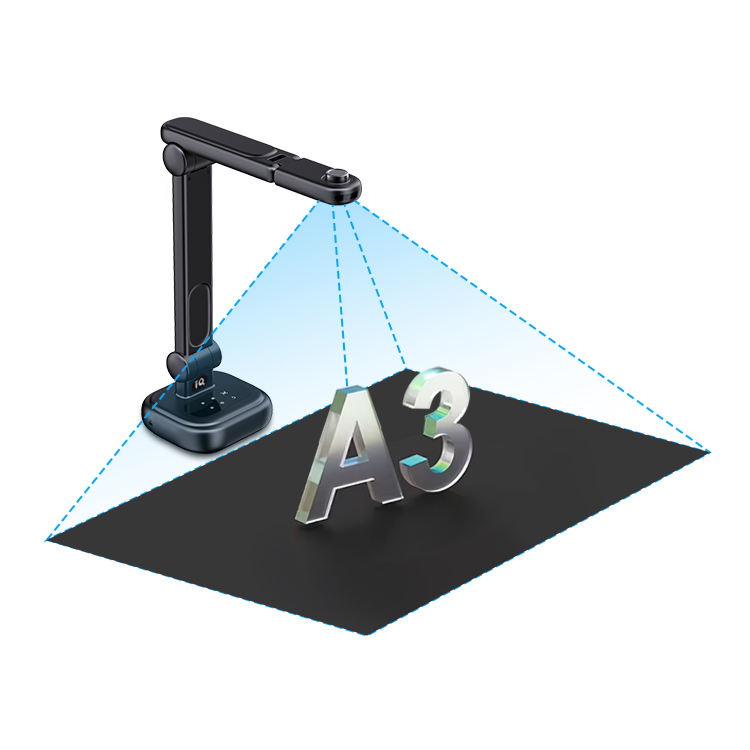
4K Camera Folding Design Live Annotation Adjustable LED Lighting Dual Stream A3 A4 Document Book Camera Scanner
A folding A3/A4 document camera with dual-stream capture for textbooks, objects, handwriting and live annotation. Recommended for hybrid classrooms, teacher training rooms and lecture capture projects that need clear overhead visual detail.
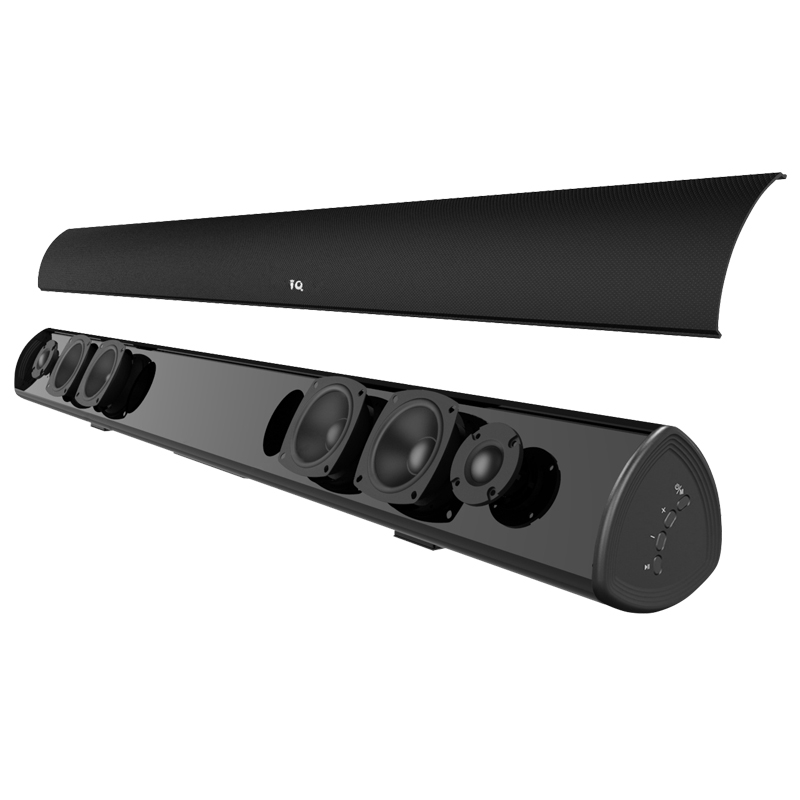
Soundbar for Meeting Room and Classroom Remote Control Speaker
A remote-controlled soundbar for meeting rooms and classrooms that improves speech intelligibility without building a complex AV rack. Recommended where the existing display is adequate but teacher and far-end voices are difficult to hear.
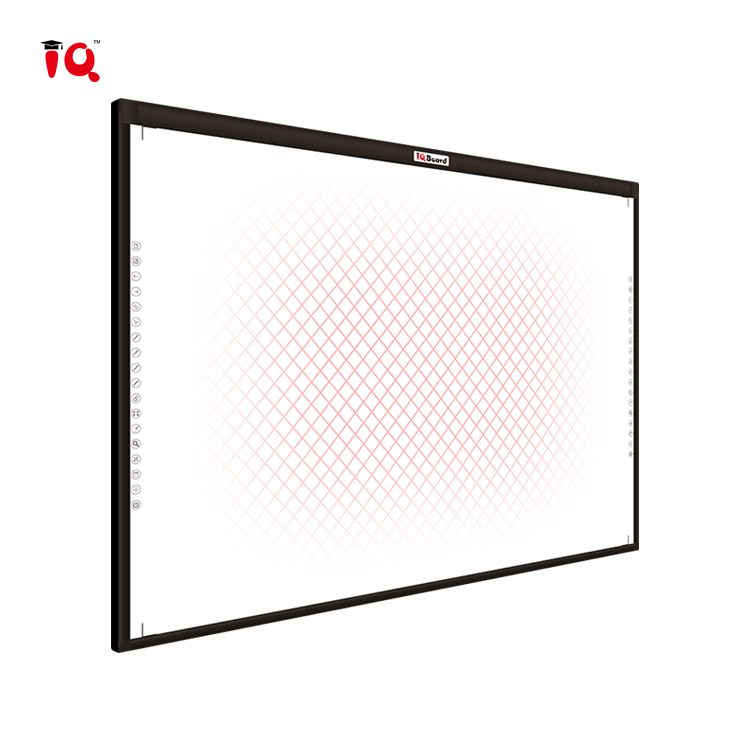
IQ Board No Projector Portable Smart Board China Interactive Whiteboard
A portable interactive smart board that works without a projector, useful for multi-purpose training rooms, mobile teaching and flexible collaboration zones. Recommended when a buyer needs touch interaction but cannot install a fixed display in every room.
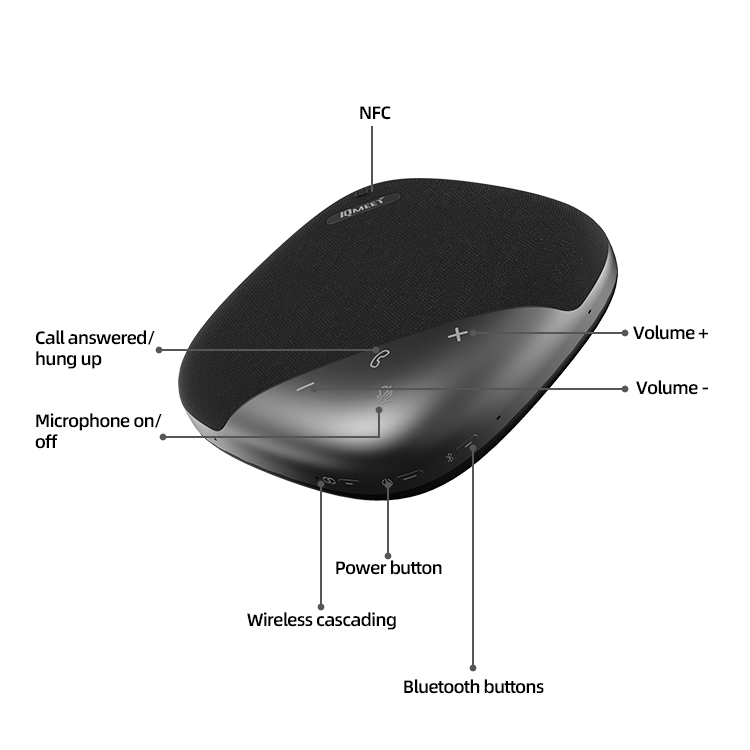
Home Theatre Omnidirectional USB Wireless Amplified Speakerphone Conference Powerful Sound Suitable for School and Conference
A USB/wireless amplified conference speakerphone for huddle spaces, school seminar rooms and executive meeting tables. Omnidirectional pickup and powerful sound help distributed teams speak naturally instead of leaning toward a single microphone.
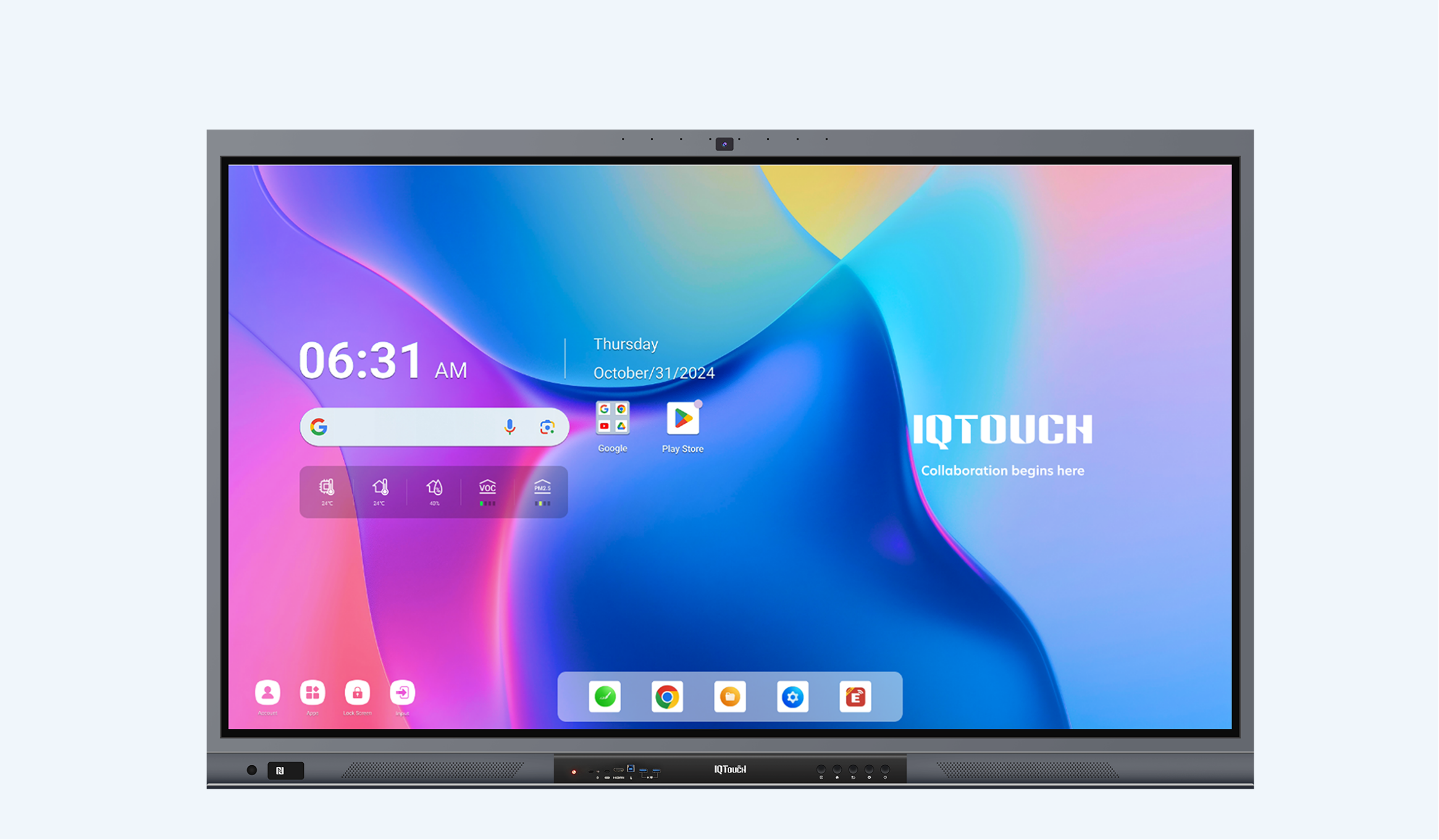
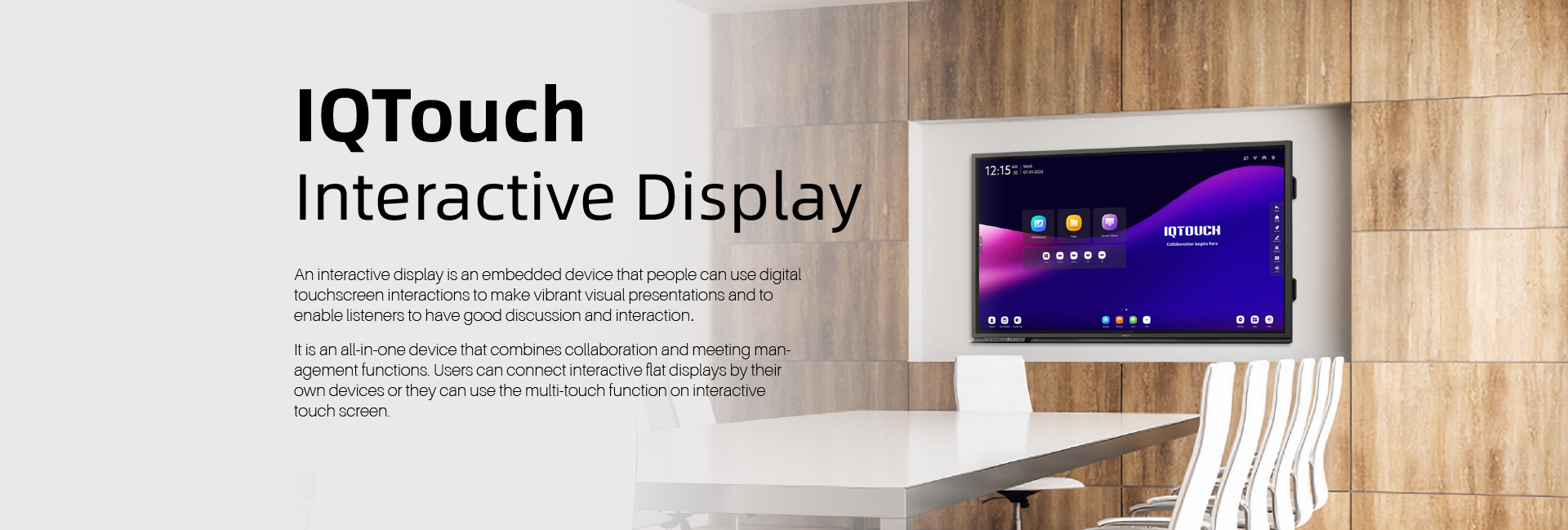
75 86 Inch Interactive Touch All in One Pc Electronic Interactive Whiteboard Smart Board Digital Price for Conference
A large-format interactive display with all-in-one PC, electronic whiteboard and annotation for conference and teaching rooms. Recommended as the anchor screen for mid-sized classrooms, boardrooms and training centers.
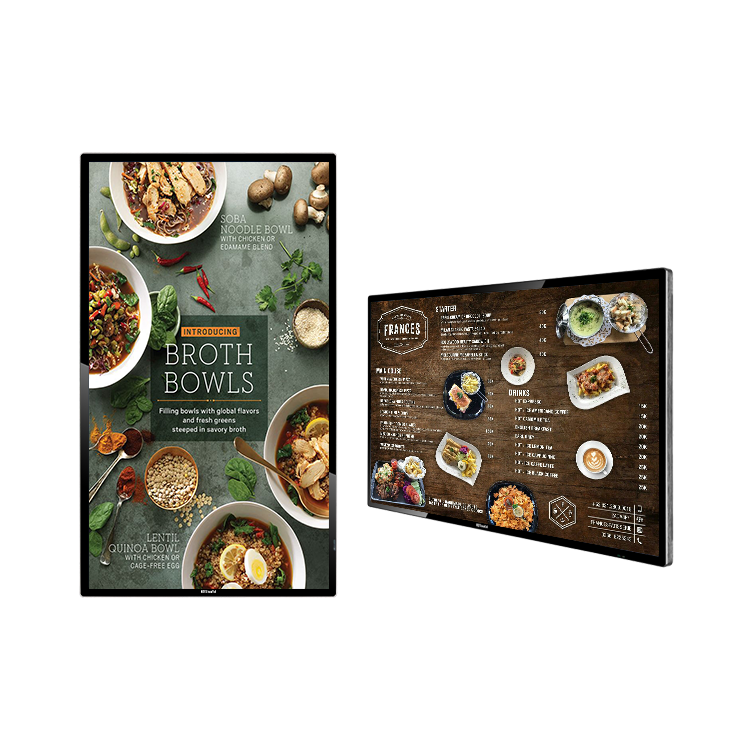
4K Kiosk Touch Screen Digital Signage Outdoor LED LCD Advertising Kiosk for School Hotel Hospitals
A 4K outdoor digital signage kiosk with touch screen for school wayfinding, hotel information, hospital communication and public advertising. Recommended where the buyer needs durable outdoor visibility and self-service information beyond the classroom.
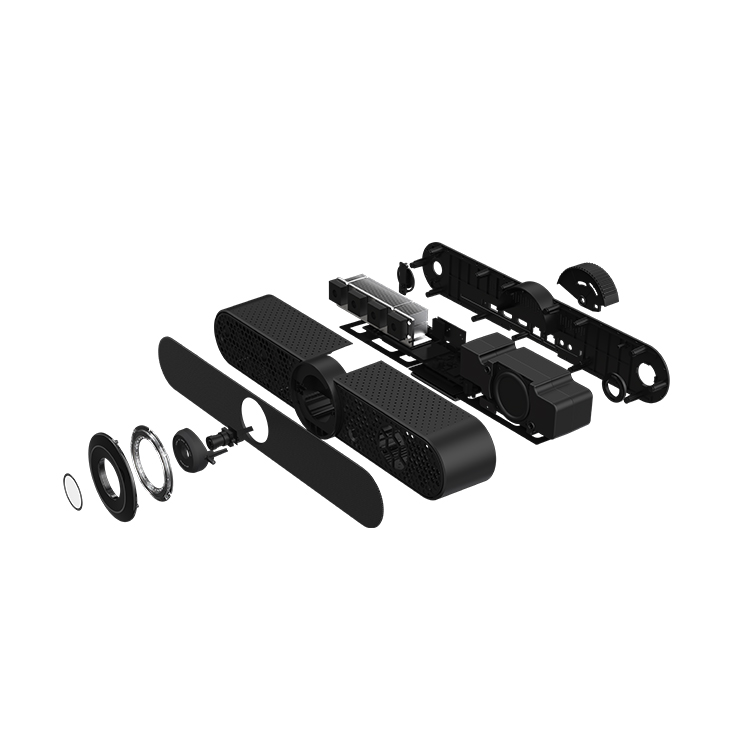
AI Auto-Tracking Webcam All-in-one 1080p 4k PC Mini Webcam for Video Calling and Conference
An AI auto-tracking all-in-one webcam for video calls, hybrid meetings and lecture capture. Recommended when the camera must follow a presenter without an operator, while keeping installation simple for schools and system integrators.
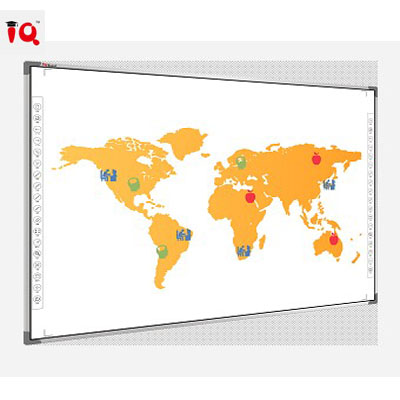
School Board Class Board IQBoard IR 82" 2 Points Touch 2 Users Interactive Whiteboard for School
An 82-inch infrared interactive whiteboard with two-point touch for two users. Recommended for schools that need durable front-of-class touch interaction, multi-user writing and a familiar board format in daily teaching.
Unsure which model fits your classroom, training room or tender? Share room size, quantity, target market and certification requirements with our export engineers.
Contact UsWhy Global Buyers Check Factory Evidence Before Comparing Quotations
In mature procurement teams, the question is not simply “who has the lowest unit price?” but “which exporter can prove consistent production, testing discipline and after-sales support?” The figures below reflect Ruyden’s public supplier verification and trade records. Buyers should still re-check live documents for their own project date.
Confirmed by independent inspection and relevant to long-term education AV sourcing.
Engineering, production, quality control and export service professionals.
Continuous membership records as a paid global supplier, publicly reviewable.
Average score from verified buyer reviews and transaction records.
What “China Top Digital Visual Presenter Factory & Exporters” Should Mean to a Serious Buyer
A digital visual presenter is often described as a document camera, but in modern procurement the phrase sits inside a larger conversation about visual clarity, hybrid teaching and room interoperability. Buyers searching for a China top digital visual presenter factory and exporters are usually not buying one isolated camera; they are assembling a repeatable room standard: a display for shared attention, a camera for object and document detail, audio for intelligibility, a control layer for the teacher, and a service model that survives a multi-year rollout.
That is why the supplier shortlist should be judged on evidence rather than adjectives. “Top” is not a certificate. A serious factory-exporter should be able to show an audited site, model-level test reports, public trade history, a spare-parts list, firmware maintenance policy, packaging drop-test evidence and references from comparable rooms. For Ruyden, the public verification trail includes SGS onsite assessment, 19 years in the industry, 82 verified staff, 21 years of verified B2B trading records and a 5.0/5 buyer rating. Buyers should still validate current documents against their own tender date, but the evidence base is stronger than a catalogue-only supplier.
A factory-direct relationship also changes what can be customized: logo and boot screen, housing color, packaging, pre-installed software, language settings, hardware configuration and the product mix inside a smart classroom. When a distributor is building a private-label programme, this is the difference between reselling a generic box and owning a repeatable local product line.
- Verify SGS onsite assessment, test reports and public trade history before sample approval.
- Confirm whether the supplier controls SMT, PCB, assembly and final inspection in-house.
- Ask for firmware update policy, spare-parts list and after-sales escalation process.
- Request sample footage from the visual presenter using real textbooks, handwriting and 3D objects.
Four Buying Shifts Reshaping Digital Visual Presenter Projects
Price comparison still matters, but the successful importer now evaluates a complete teaching or meeting workflow. These shifts are visible in project briefs, tender documents and distributor conversations.
Hybrid-ready is baseline
Camera, microphone, soundbar, wireless presentation and lecture capture are increasingly requested in the same package as the screen. The room must work for remote students and for the teacher standing at the front.
4K clarity and dual-stream
Document cameras are judged on text legibility, color accuracy, lighting control, frame rate and latency. A 4K sensor alone is not enough; the downstream signal chain and preview software must preserve detail.
Campus standardization
Integrators are asked to deliver the same model across many rooms, with consistent firmware, remote diagnostics and simple spare-parts planning. Random model mixes increase training and service costs.
Evidence-based compliance
Tenders increasingly request SGS verification, test reports, transaction records, product liability documents, spare-part lists and references. A low quotation with missing evidence can be expensive after award.
Illustrative Buyer Priority Index
Relative emphasis observed in recurring project briefs. Use this as a discussion tool during supplier comparison, not as an official market forecast.
What the Next Generation of Visual Presentation Hardware Must Solve
The product roadmap is moving from isolated devices toward rooms that are easier to teach in, faster to install and simpler to support across a campus.
AI framing without complexity
Auto-tracking webcams and presenter-framing features reduce the need for a camera operator. The winning design is not “more AI”, but AI that is stable, quiet and predictable in daily classes.
Dual-stream document capture
Teachers need one view for the face and another for the textbook, object or handwriting. Dual-stream visual presenters reduce switching and make hybrid lessons easier to record.
Portable, no-projector collaboration
Multi-purpose rooms need displays that can move between spaces. Portable smart boards and all-in-one interactive displays reduce dependence on fixed installation and expensive projectors.
Audio and control as core modules
Soundbars, omnidirectional speakerphones and networked podiums are no longer accessories. Clear audio and one-touch control directly affect whether a hybrid room is actually used.
Match the Product Mix to the Room, Not Only to the Budget
Use this table to structure a distributor quotation or tender package. Final specifications should always be validated with a sample, site plan and technical review.
| Room type | Recommended core stack | Capture and audio | Buyer note |
|---|---|---|---|
| Hybrid K-12 classroom | 75"–86" interactive display; classroom soundbar | AI auto-tracking webcam; 4K document camera | Prioritize teacher clarity, annotation simplicity and remote-student visibility. |
| University lecture hall | 90"–100" interactive display or lecture capture system | 360° conference camera; networked digital podium | Check sightlines, recording workflow, lecture capture storage and central AV control. |
| Corporate meeting room | 75"–86" interactive display; wireless presentation | Omnidirectional speakerphone; AI webcam | Focus on BYOD compatibility, microphone coverage and cable-free sharing. |
| Training and public service | Portable smart board; 82" interactive whiteboard | Outdoor signage kiosk; speakerphone | Plan for flexible layouts, public information, wayfinding and durable daily use. |
Inside a Verified China Digital Visual Presenter Factory: Eight Advantages That Reduce Project Risk
A strong export partner should be able to connect design control, production, testing and after-sales service. These are the practical advantages buyers should verify during a factory review.
In-house SMT and PCB lines
Surface-mount, PCB processing and assembly under one roof help protect custom hardware designs and reduce supplier hand-offs.
Assembly control
Panel, frame, electronics and packaging are assembled by trained operators with in-line functional and visual checks.
Reliability test lab
High and low temperature, drop, simulated transportation, salt spray, button life, insertion force, static, earth continuity and withstand voltage testing support export-market durability.
Verified OEM / ODM customization
Logo, boot screen, housing color, packaging, pre-installed software, language and hardware configuration can be aligned to your market.
Complete room ecosystem
Interactive displays, whiteboards, lecture capture, networked podiums, wireless presentation and central AV control reduce compatibility risk.
82-person verified team
Engineering, production, QC and export service staff support project communication from sample to shipment.
Export and tender support
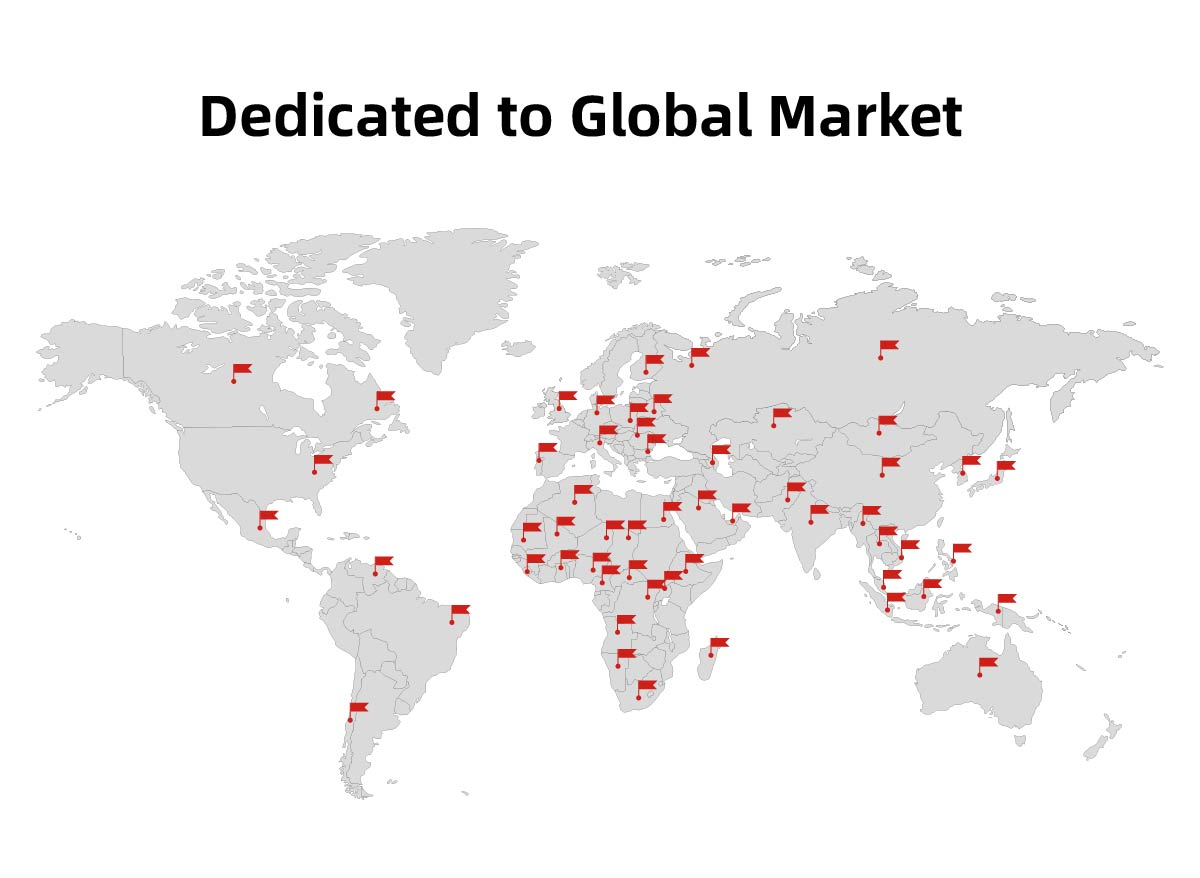
More than 10 years of export experience, participation in international trade shows and public trade records help buyers prepare documentation.
SGS onsite verification
Independent onsite assessment, credit overview, trade capacity, transaction level and buyer rating are publicly reviewable before order placement.



Verify the Exporter, Not Only the Sample
Transparency shortens the trust-building process. Review the public records that support tender submissions, distributor onboarding and import compliance.
Eight Questions That Prevent an Expensive Visual Presenter Sourcing Mistake
Use this checklist before you compare quotations. The goal is to make every supplier answer the same operational questions, not to reward the fastest price reply.
Room size and viewing distance
Confirm display size, mounting height, sightlines and whether the room needs a portable or fixed solution.
Source content
Will teachers show textbooks, handwriting, 3D objects or live demonstrations? The answer affects camera, lighting and software choices.
Signal path and 4K endpoint
Check the full chain from sensor and cable to display and recording platform. 4K at the source is useful only if the room can preserve it.
Audio pickup coverage
Define teacher and student coverage, far-end clarity and whether a soundbar, speakerphone or ceiling microphone is required.
Software and OS compatibility
Verify Windows, Android, browser, video-conference platform and existing school management requirements before mass production.
Test reports and certifications
Ask for model-level reliability reports, packaging drop evidence and documents relevant to your destination market.
Spare parts and warranty process
A clear spare-part list, firmware policy and escalation route matter more than a generic warranty promise.
Sample, packaging and shipment plan
Approve the exact sample, packaging method, accessories, language pack and inspection checklist before releasing volume orders.
Common Questions from Overseas Digital Visual Presenter Buyers
What is a digital visual presenter, and is it the same as a document camera?
Yes, in most education and meeting-room projects a digital visual presenter is a document camera or visualizer that captures books, documents, handwriting and physical objects for display or recording. Modern models often add 4K sensors, LED lighting, dual-stream output, annotation and USB or HDMI connectivity. Buyers should specify how the presenter will be used—live teaching, lecture capture, teacher training or hybrid meeting—because the required field of view, frame rate and output format will change.
How can I identify a real China digital visual presenter factory rather than a trading company?
Look for verifiable evidence: an SGS onsite assessment, factory address, production equipment, in-house SMT or PCB capability, test-lab photos, public trade records and references from comparable markets. Ask who controls the board design, final assembly, firmware configuration and packaging. A trading company can still be useful, but the buyer should know which party is accountable for design changes, test reports and after-sales spare parts. Ruyden’s public verification links are provided in the verification panel above so buyers can review the evidence trail directly.
Which product mix should a distributor stock first?
For most education-focused distributors, start with a repeatable room standard: one 75-inch or 86-inch interactive display, one 4K document camera, one classroom soundbar, one AI auto-tracking webcam and one wireless presentation option. Add an 82-inch interactive whiteboard for schools that still prefer a board format, and add outdoor signage only if your market includes campus wayfinding, hotels or hospitals. This mix covers hybrid teaching, meeting rooms and public information without forcing every customer into the same configuration.
Does Ruyden support OEM and ODM private-label customization?
Yes. Ruyden supports design-based customization that has been verified by independent third-party inspection. Typical options include logo and boot screen, housing color, packaging, pre-installed software, language settings and hardware configuration. For a private-label programme, provide target market, certification needs, desired user interface and expected volume so engineering can confirm feasibility before sample approval.
How does Ruyden control quality before shipment?
Production is supported by in-house SMT, PCB and assembly capabilities. Products can be validated through high and low temperature, drop, simulated transportation, salt spray, button life, insertion force, static, earth continuity and withstand voltage testing. Final inspection should be matched to the approved sample, accessory list, language pack and packaging method. For project orders, request the inspection checklist and batch test records in advance.
What should I include in an RFQ for a visual presenter or smart classroom project?
Include room types and dimensions, target user age or audience size, display sizes, quantity by model, source content, preferred connections, software requirements, target country, certification needs, branding requirements, sample deadline and after-sales expectations. If you already have a tender specification, share the relevant pages. A supplier that asks about these details before quoting is usually better equipped to prevent compatibility and installation issues later.
Can you deliver a complete smart classroom solution?
Yes. Ruyden integrates interactive displays, interactive whiteboards, lecture capture cameras, networked digital podiums, 4K wireless presentation and centralized AV, light and door control into a single classroom solution. This is especially useful for integrators and tender buyers who want one technical contact for the room instead of coordinating multiple unrelated suppliers.
How do overseas buyers start a project?
Email info@ruydentech.com with room types, quantities, target market, certification requirements and project timeline. Our export team will reply with a tailored configuration proposal, sample plan and the next steps needed to confirm specifications. For faster technical review, include sketches, tender documents or existing equipment lists where available.
This guide is written for education distributors, AV integrators and procurement teams comparing China-based digital visual presenter factories and exporters. Always validate current specifications, certificates, test reports and commercial terms against the exact project before purchase.
Build a Better Visual Presentation Room Standard
Talk to an export engineer about your classroom, lecture hall or meeting-room rollout. Share room size, quantity, target market and certification needs, and receive a configuration proposal built around the real use case—not a generic catalogue list.
