China Top Educational Visualizer Supplier & Exporters
Source interactive flat panels, smart boards, digital podiums, lecture capture systems and outdoor display kiosks from a factory-level partner with 19+ years of education AV experience, verified production capability and export-ready customization.
Eight Educational Visualizer Products for Classroom, Campus and Public-Space Projects
These models represent the practical core of a modern visual learning and public information deployment: interactive teaching displays, digital podiums, indoor touch kiosks and outdoor digital signage. Each product page below preserves the original product URL for fast technical review and quotation.
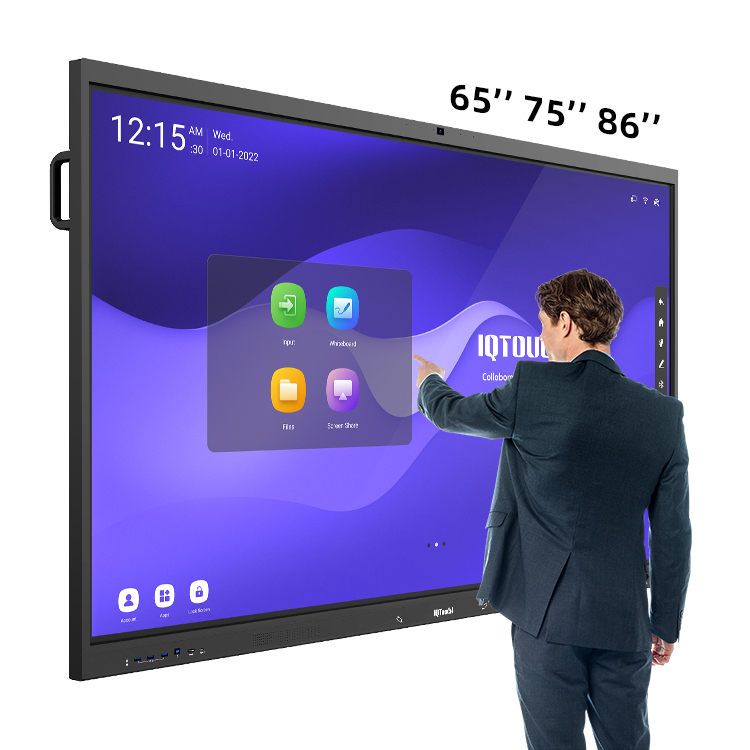
Dual System 4K 65 75 86 Inch Smart Board Interactive Electronic Whiteboard for Education and Conference
Recommended for dual-system classrooms, higher-education seminar rooms and corporate training spaces. The 65/75/86-inch range gives buyers one platform for Android and Windows workflows, 4K writing and wireless presentation.
View product details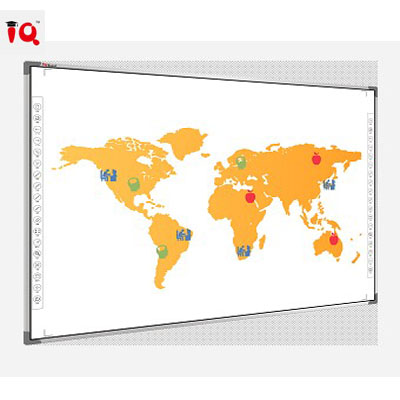
School Board Class Board IQBoard IR 82" 2 Points Touch 2 Users Interactive Whiteboard for School
A practical school-board configuration for budget-controlled K-12 rollouts. Two-point touch, two-user writing and IQBoard interactivity support core teaching without over-specifying the room.
View product details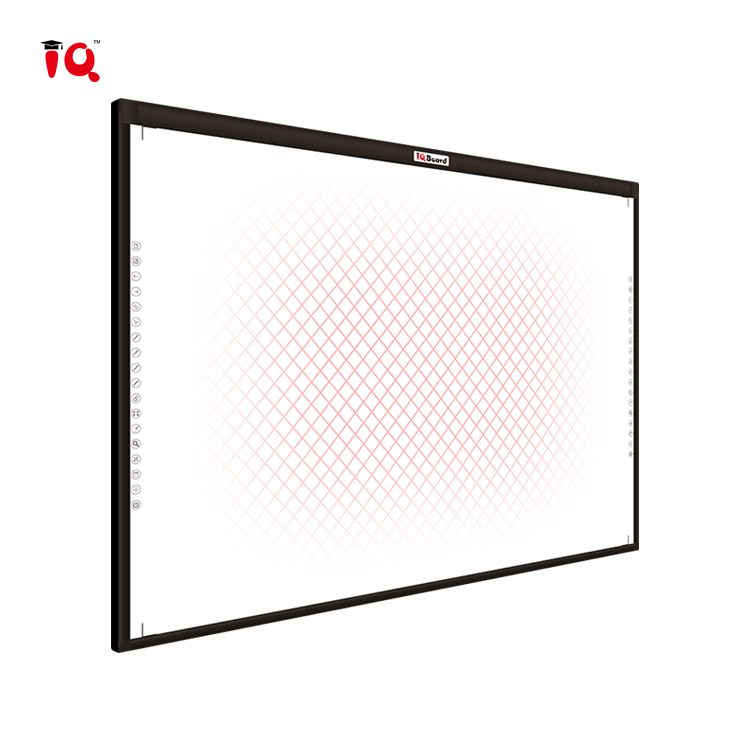
IQ Board No Projector Portable Smart Board China Interactive Whiteboard
Best for mobile teaching, temporary classrooms and distributed training where a projector is unavailable or undesirable. The portable format reduces installation complexity while retaining interactive whiteboard capability.
View product details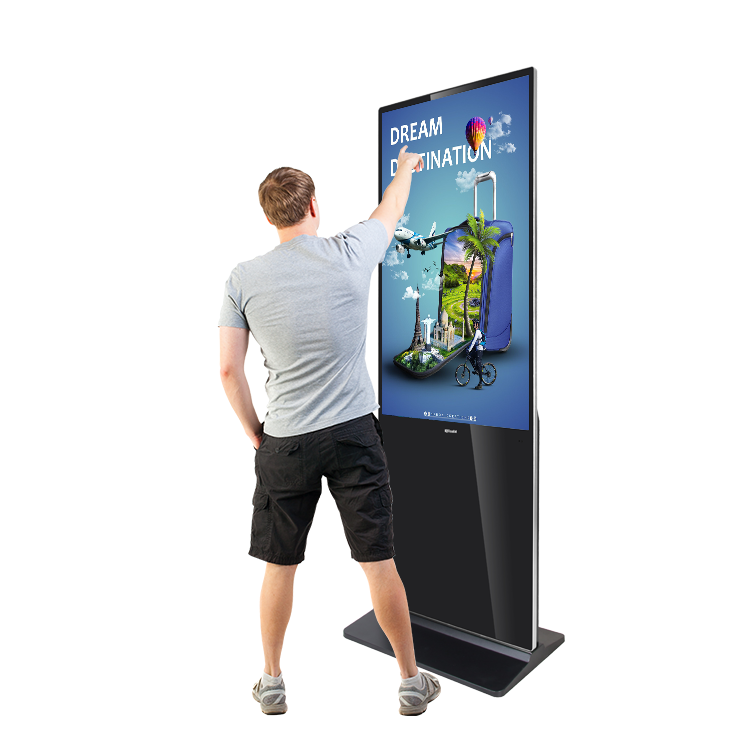
Wholesale 43inch Android Tablet Floor Standing Touch Kiosk for Hotel Bank School
A floor-standing Android kiosk for hotel wayfinding, bank queue guidance, school reception and campus information. The commercial-grade form factor supports self-service content and touch navigation.
View product details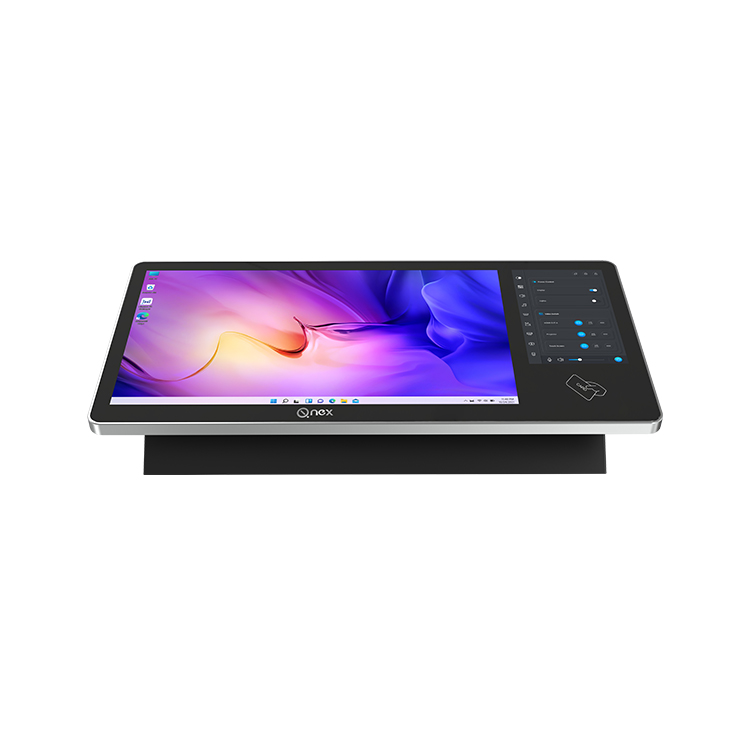
Dual Screens with Optical Bonding All-in-one Smart School Computer Desktop Digital Podium Pulpit for Classrooms
Designed for smart classrooms and lecture theatres that need a compact teaching console. Dual screens with optical bonding improve readability and support lesson control, annotation and source switching.
View product details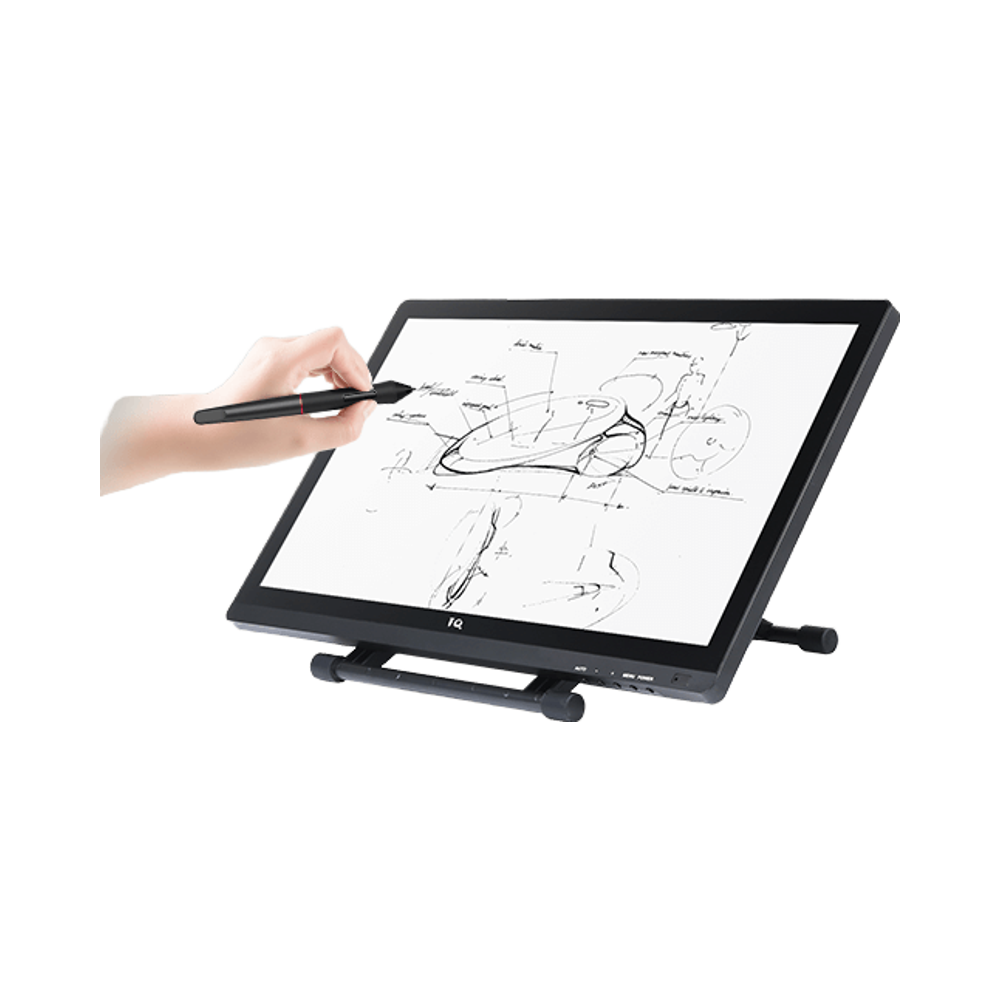
22" Touch Screen Digital Smart Podium with Wireless Microphone for Sale
Recommended for training rooms, lecture capture points and multi-purpose classrooms. The 22-inch touch podium with wireless microphone combines presentation control with clear voice reinforcement.
View product details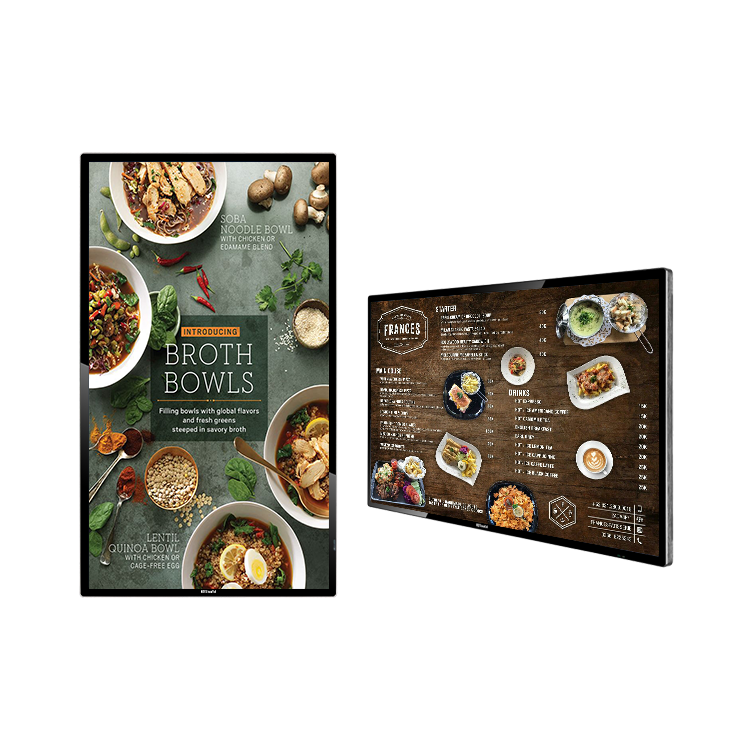
4K Kiosk Touch Screen Digital Signage Outdoor LED LCD Advertising Kiosk for School Hotel Hospitals
For outdoor campus information, hospital wayfinding, hotel promotion and school safety notices. 4K signage in a weather-resistant enclosure delivers high-brightness messaging where indoor displays are unsuitable.
View product details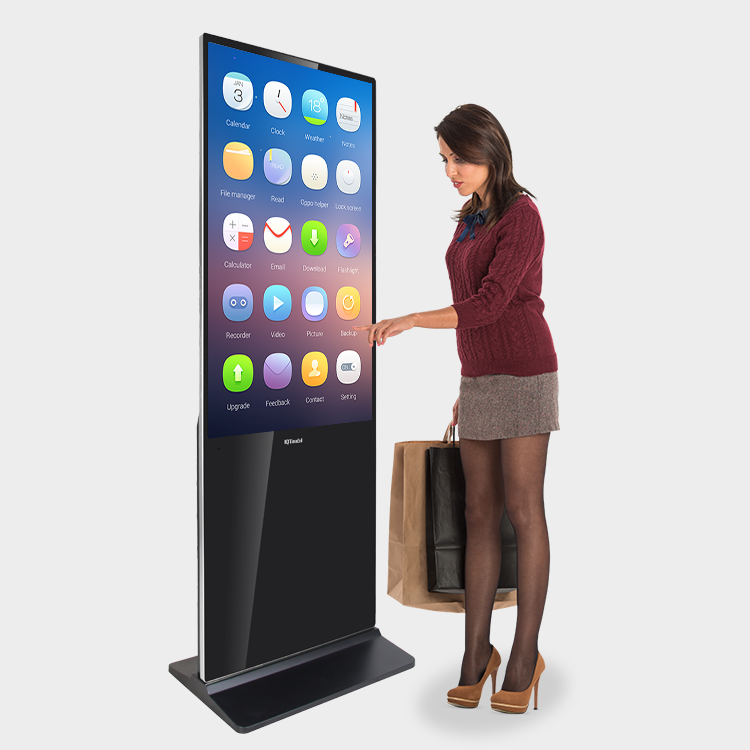
43inch Kiosk Touch Screen Floor Standing Advertising Kiosk Shopping Centre Digital Signage and Displays Outdoor Waterproof
An outdoor waterproof floor-standing signage option for shopping centres, campus gates and public service areas. It combines touch enquiry, digital advertising and durable enclosure design.
View product detailsEvidence Buyers Can Check Before Approving a Sample
Education tenders and distributor onboarding now reward documented capability. The figures below reflect the public verification and company facts associated with this supplier profile.
Education AV specialization across interactive display and smart classroom categories.
Continuous paid global supplier membership and verifiable trading records.
Engineering, production, quality control and export service professionals.
Average score from verified buyer reviews and transaction feedback.
From AV Accessory to Campus Infrastructure: What Education Buyers Now Expect
An educational visualizer is no longer a single screen placed at the front of a room. In current procurement language, it describes an integrated visual layer: interactive flat panels, interactive whiteboards, digital podiums, lecture capture, wayfinding kiosks and outdoor digital signage. These products are increasingly specified together because campuses want one visual language, one device-management approach and one supplier accountable for interoperability.
The buying question has shifted from “which panel is cheapest?” to “which supplier can prove reliability, compatibility and lifecycle support?” Serious buyers ask for SGS reports, quality-test evidence, OEM/ODM proof, spare-parts plans, software-update commitments and export documentation. That is where information gain matters: a supplier should help the buyer understand room-level performance, not merely publish a specification table.
For distributors and system integrators, the most useful planning inputs are viewing distance, ambient light, writing latency, touch points, OPS compatibility, remote management, IP rating and after-sales access. A 65-inch display in a large lecture hall is not a bargain; it is a lifecycle cost. A digital podium without microphone integration is not a complete teaching console. An outdoor kiosk without a serviceable thermal design is not ready for a public plaza.
Given 19 years in the industry, 82 verified staff, SGS onsite verification and more than 10 years of export experience, this supplier profile is structured for buyers who need manufacturing depth and documented quality control rather than unverified trading claims.
RFQ Evaluation Model
Directional planning model for buyer alignment, not a statistical forecast.
How Educational Visualizer Procurement Is Changing
Buyers are moving from one-off display purchases toward projects that combine teaching, wayfinding, safety communication and remote management. The strongest suppliers will be those that can support that shift without adding integration risk.
Total cost of ownership becomes the decision metric
Procurement teams are comparing power use, maintenance access, panel life, software updates and spare-parts availability, not only unit price. A slightly higher purchase price can be justified when it reduces service calls and classroom downtime.
Interoperability is written into tenders
Interactive displays must work with existing OPS modules, lecture capture cameras, wireless presentation systems and campus management software. Suppliers that can document compatibility early avoid costly change orders during installation.
Bundled campus visual ecosystems win
Schools and universities prefer a coordinated package of smart boards, digital podiums and signage because one supplier can simplify training, warranty administration and replacement planning. Single-product suppliers are increasingly less attractive for multi-building projects.
Outdoor and public-space displays grow
Campus wayfinding, safety notices, hospital directions and shopping-centre advertising are expanding the visualizer category beyond the classroom. Outdoor kiosks require waterproof housings, thermal design and high-brightness panels that are specified differently from indoor boards.
What the Next Generation of Interactive Displays Will Emphasize
Product roadmaps are converging around readability, modularity, remote management and installation flexibility. Buyers who understand these trends can specify products that remain serviceable after the first classroom rollout.
4K, optical bonding and anti-glare readability
Brighter rooms and hybrid teaching push demand for 4K clarity, anti-glare glass and optical bonding that reduces internal reflection. These features matter most in lecture theatres, glass-walled meeting rooms and daylight-heavy classrooms.
Dual-system and modular OPS architecture
Android and Windows dual-system designs give teachers fast access to apps while preserving PC-based software. Modular OPS slots and accessible ports simplify upgrades and reduce the need to replace the entire display when computing requirements change.
Wireless casting and lecture capture integration
4K wireless presentation systems are becoming standard accessories for interactive panels and digital podiums. Buyers increasingly expect smooth screen sharing, recording and live broadcast workflows without a complicated AV cabinet.
Durability, serviceability and evidence-based quality
Public-sector buyers want test evidence: temperature cycling, drop testing, simulated transportation, salt-spray resistance, button life, insertion force, static testing, earth continuity and withstand voltage. Test-lab capability is becoming a product feature in its own right.
Why a Factory-Level China Educational Visualizer Supplier Reduces Project Risk
The original company profile shows a manufacturer built around interactive displays, smart classroom integration and export support. Those capabilities matter most when a buyer needs consistency across multiple rooms, languages and installation conditions.
Ruyden Interactive Technology Group Co., Ltd. is based in the Fuzhou High-tech Zone, Fujian, China, and has been verified onsite by SGS Group. Its operating profile includes in-house SMT, PCB and assembly lines, a dedicated reliability test lab, design-based customization capability and more than 10 years of export experience. For buyers, this means specifications, quality checks and engineering changes are handled closer to the production line rather than across multiple intermediaries.
The product ecosystem covers interactive flat panels, interactive whiteboards, lecture capture systems, networked digital podiums, wireless presentation systems, webcams, styluses, school management software and smart classroom AV integration. This matters for tenders because a single supplier can align display size, capture hardware, podium control and after-sales responsibility. OEM/ODM customization can include logo, boot screen, housing color, packaging, pre-installed software, language settings and hardware configuration.

Before You Approve a Sample, Confirm These Six Points
A disciplined pre-sample review protects the project budget and reduces the risk of a technically acceptable product that still fails in daily classroom use.
1. Room fit and viewing distance
Match display size to the furthest viewer, ceiling height, ambient light and teaching style. Use the 6× screen-height viewing rule as an initial guideline, then validate with a floor plan.
2. Touch and software workflow
Confirm touch points, writing latency, whiteboard software, annotation tools and language support for the teachers who will actually use the system every day.
3. OPS and peripheral compatibility
Check Windows OPS, Android version, wireless presentation, webcam, microphone and lecture capture compatibility before the BOQ is finalized.
4. Certification and test evidence
Request SGS documentation, test-lab reports and compliance files appropriate to the destination market. Review the actual documents rather than accepting general claims.
5. OEM / ODM and packaging
Clarify logo, boot screen, housing color, packaging, software pre-installation and accessory lists. Export-grade packing is part of product quality, especially for large panels and kiosks.
6. Service and spare-parts plan
Agree on warranty terms, response process, remote troubleshooting, consumable accessories and replacement-part availability for the product lifecycle.
Common Questions From Overseas Educational Visualizer Buyers
These answers reflect the sourcing questions most often raised by education distributors, system integrators, tender agents and campus project teams.
What is an educational visualizer in this product context?
Here, the term covers visual teaching and public-information hardware: interactive flat panels, interactive whiteboards, digital podiums, lecture capture systems, touch kiosks and outdoor digital signage. The common purpose is to make lessons, campus information and presentations easier to see, control and share.
Which display size should a school choose?
Use room depth and viewer distance as the first filter. Small tutoring rooms may suit 55–65 inches; standard classrooms often use 75–86 inches; lecture halls and auditoriums may require 90–100 inches. Confirm mounting height, ambient light and content type before ordering.
Can the supplier support OEM and ODM customization?
Yes. The verified capability includes logo, boot screen, housing color, packaging, pre-installed software, language settings and hardware configuration. Buyers should confirm the customization file, sample approval process and packaging artwork before mass production.
How can buyers verify quality control?
Ask for SGS assessment records and test-lab evidence covering high and low temperature, drop, simulated transportation, salt spray, button life, insertion force, static, earth continuity and withstand voltage. A factory with in-house SMT, PCB, assembly and testing can usually close quality issues faster.
What is the difference between indoor and outdoor kiosks?
Indoor kiosks prioritize touch experience, slim design and content management. Outdoor kiosks require waterproof enclosure design, high-brightness panels, thermal management, vandal-resistant glass options and service access planning. They should be specified separately from classroom displays.
Can one supplier deliver a complete smart classroom?
Yes, when the supplier integrates interactive displays, digital podiums, lecture capture, wireless presentation and centralized control. This reduces compatibility risk and gives the buyer one point of accountability for training, warranty and spare parts.
How should a distributor start an export project?
Provide room types, target quantities, destination market, preferred sizes, software language, certification needs and estimated installation schedule. A factory-level supplier can then recommend a bill of materials, sample plan and packaging approach.
What supporting information should be requested before quotation?
Request product datasheets, port diagrams, accessory lists, packaging dimensions, warranty terms, test reports, customization options and lead-time assumptions. For tenders, also confirm whether the supplier can provide the documentation format required by the project authority.
Planning a Classroom, Campus or Public-Space Visual Deployment?
Share your room schedule, target sizes, destination market and customization requirements. The export team can respond with a product configuration, sample plan and documentation checklist aligned with your project stage.
Send an Inquiry Email: info@ruydentech.com · OEM / ODM · SGS onsite-verified · 19+ years in education AV