China Top Foldable Document Scanner Manufacturers & Factories
An evidence-led buying guide for education, enterprise and AV integrators comparing foldable document capture, portable visualizers, smart podiums and classroom-ready display ecosystems.
Inquire Now8 Product Lines for Document Capture, Presentation and Smart-Space Deployment
For buyers researching China top foldable document scanner manufacturers & factories, the real procurement decision is rarely about one device. It is about selecting a supplier whose capture hardware, classroom displays, audio, control and installation accessories work together. The eight products below are strong entry points for a pilot room, a tender-ready package or a distributor catalogue.
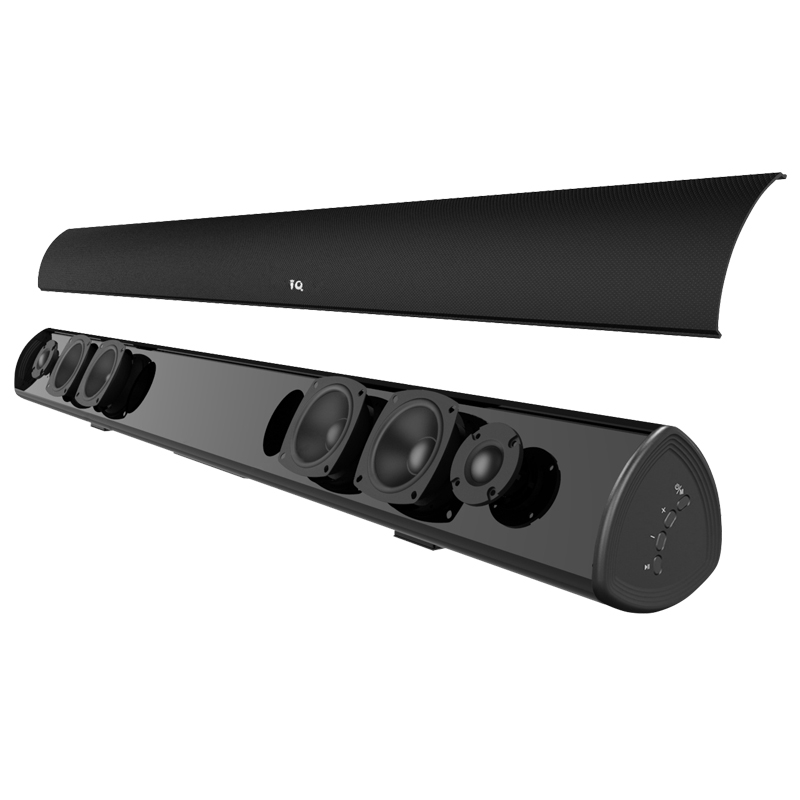
Soundbar for Meeting Room and Classroom Remote Control Speaker
Compact audio reinforcement for hybrid teaching, video conferencing and document-camera demonstrations where clear voice pickup matters.
View product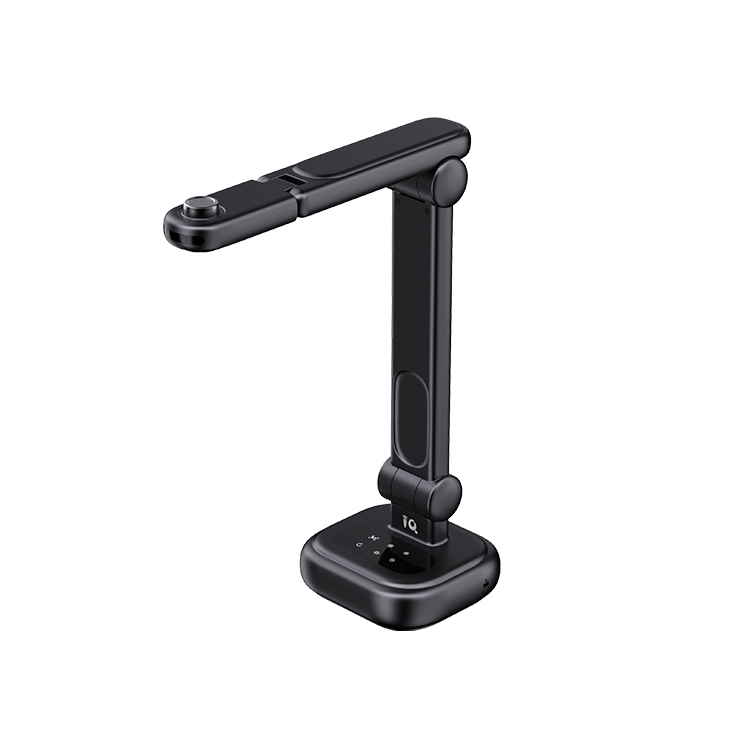
4K Video Output and Real-time Annotation Capabilities Document Camera Portable Visualizer with Auto Focus
A highly relevant alternative to fixed scanner benches: portable 4K document capture, auto focus and live annotation for desks, labs and remote classrooms.
View product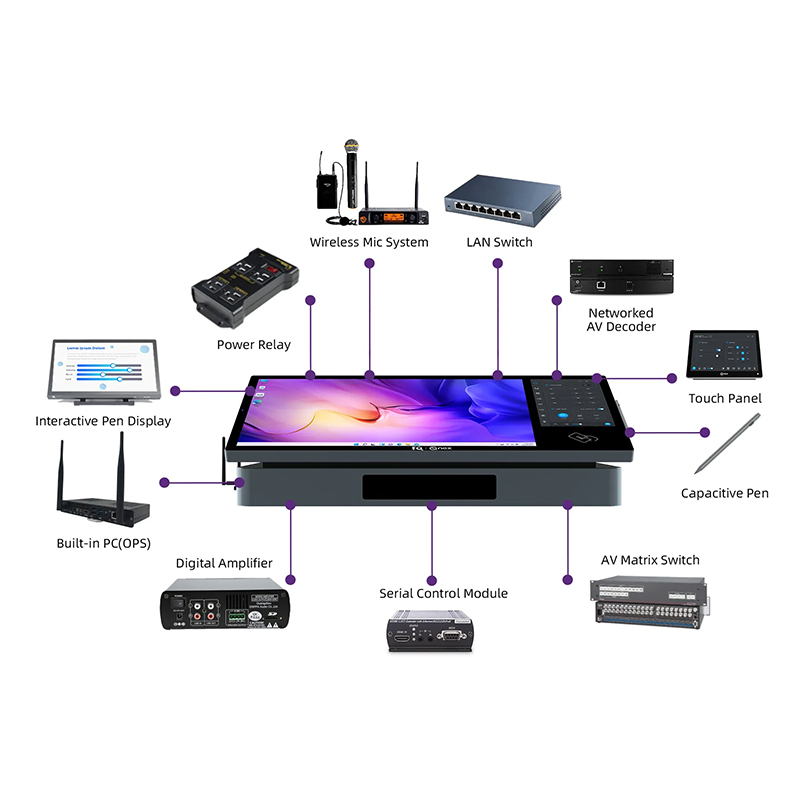
Android System Education Classroom Control Smart Digital Lectern Desktop Digital Podium
Centralizes presentation, annotation, device switching and room control at the teaching point, reducing setup time for document-heavy lessons.
View product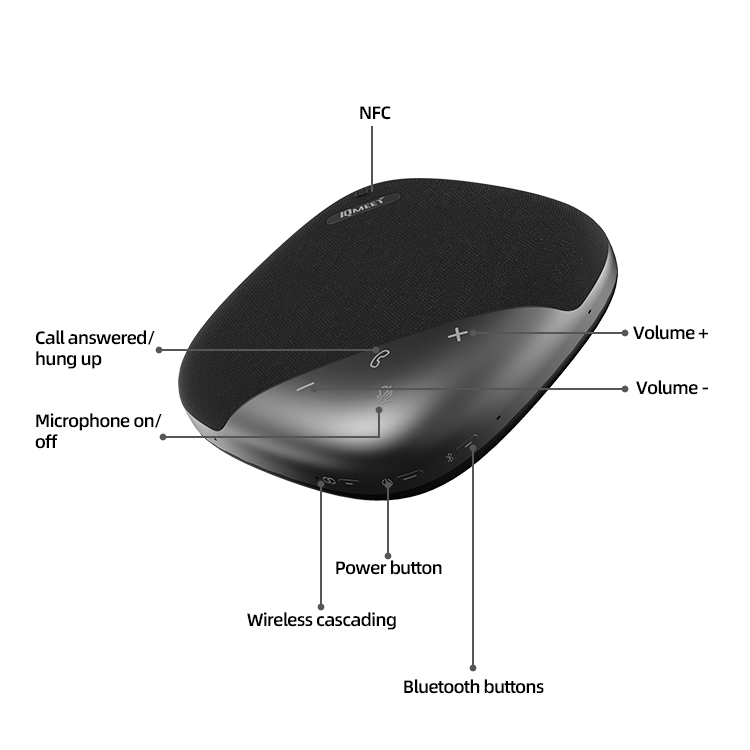
Home Theatre Omnidirectional USB Wireless Amplified Speakerphone Conference Powerful Sound Suitable for School and Conference
Improves voice clarity in spaces where document capture, live annotation or remote training must be heard consistently by every participant.
View product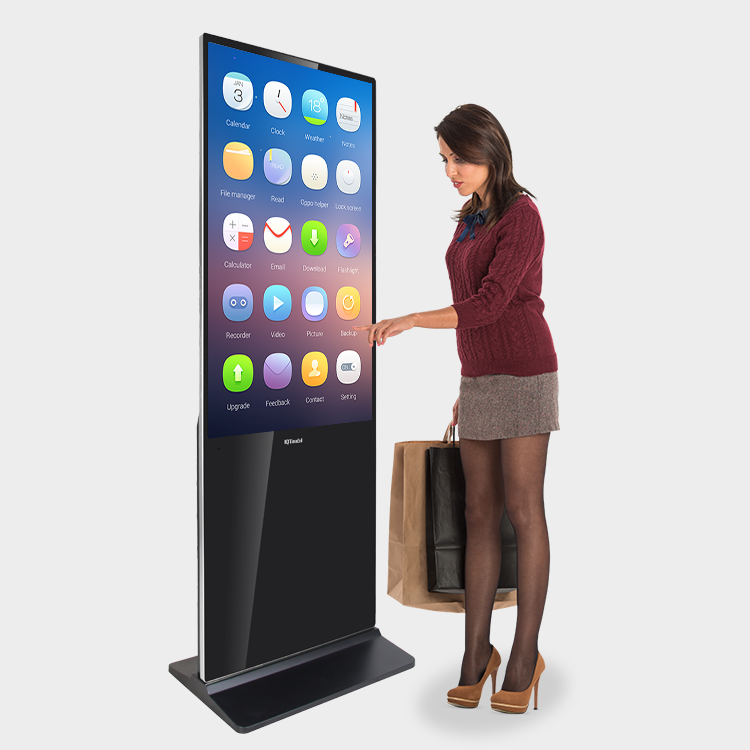
43inch Kiosk Touch Screen Floor Standing Advertising Kiosk Shopping Centre Digital Signage and Displays Outdoor Waterproof
Extends the capture workflow into public information, wayfinding, campus announcements and self-service document display zones.
View product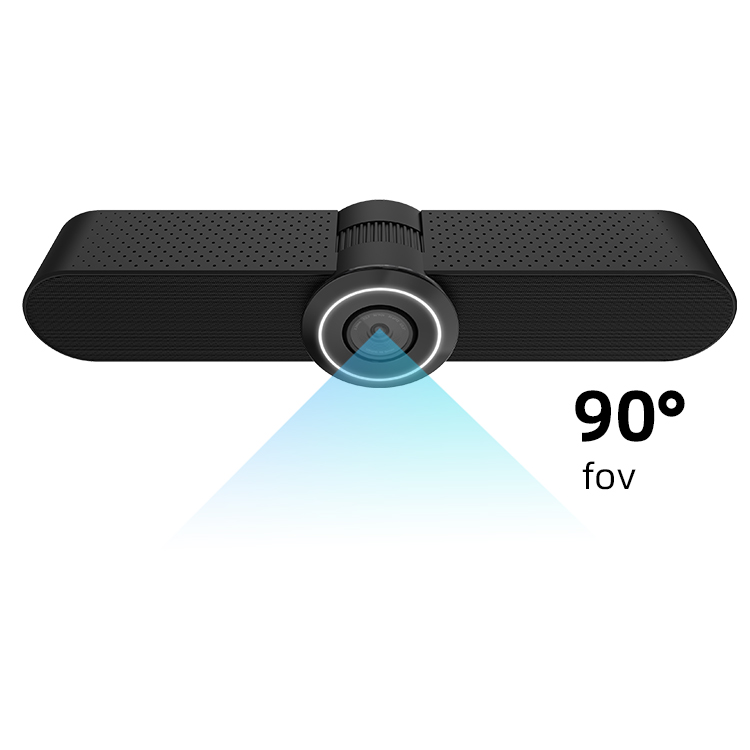
Conference Live AI Camera 4k 1080p 60fps USB Webcam Camera All in One Microphones and Speakers
Adds presenter tracking and room audio to lecture capture, document demonstration and blended-learning installations.
View product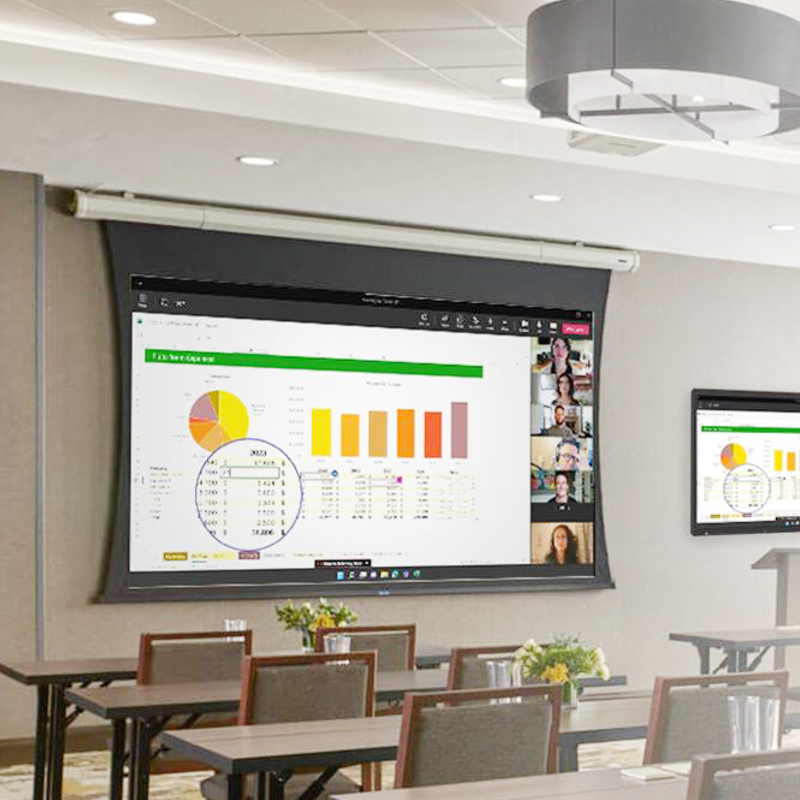
Multi-functional Teaching Android and Windows OPS System Interactive Flat Panel Smart Board Price for School Teaching
Provides the large-format annotation layer for captured documents, scanned worksheets, lesson slides and collaborative review.
View product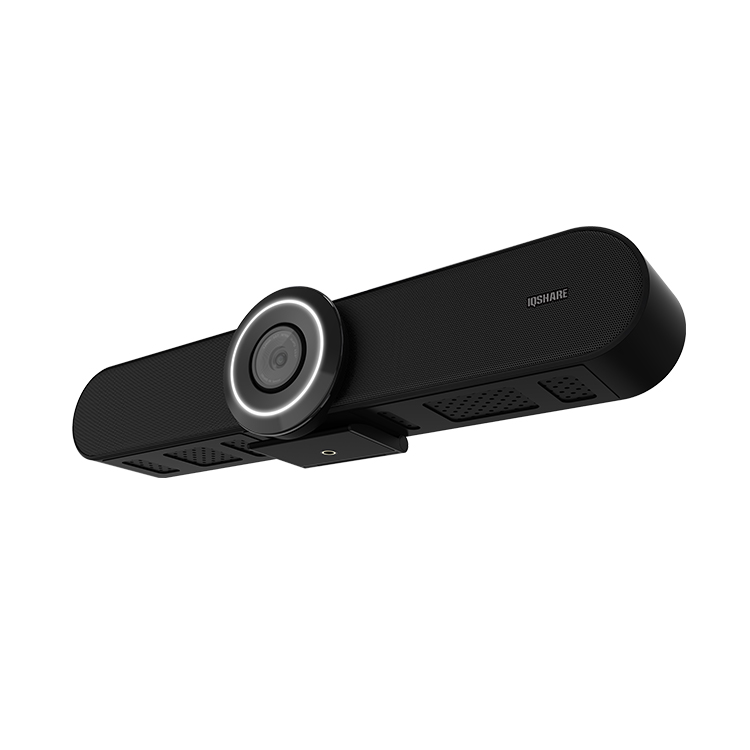
8MP Ultra HD 4K Conference Desktop All in One Webcam Stand Built-in Mic & Speaker for Online Classe Meeting Live Stream
An all-in-one desktop capture and communication unit for online classes, admissions interviews and remote document review.
View productHow to Interpret the “Top Manufacturers & Factories” Query with Real Procurement Intent
Google’s search quality framework rewards pages that satisfy intent, demonstrate first-hand expertise and disclose verifiable business facts. This white paper is structured for that standard: it explains what a foldable document scanner is used for, how factory capability is assessed, how future purchasing behaviour is changing, and where an OEM/ODM partner creates measurable value.
From Keyword Match to Supplier Confidence
A buyer typing “China top foldable document scanner manufacturers & factories” is usually not ready to compare a single spec sheet. The search often represents a broader sourcing investigation: Can this factory support compact document capture hardware? Can it integrate the device with classroom displays and lecture capture? Does it have third-party verification? Can it customize software, packaging and voltage for different markets?
That is why a factory profile built only around price and model count is weak. Information gain comes from procurement evidence: inspection records, production process control, test-lab coverage, OEM/ODM capability, export experience and a clear route from sample approval to after-sales support. For foldable document scanner projects, the hinge and foldable arm, sensor module, illumination, image de-warping, OCR-ready output and annotation latency are the details that determine whether a product is merely portable or truly deployable.
- Application fit: desktop capture, classroom visualizer, library archiving, admissions verification, enterprise document review or mobile field use.
- Hardware readiness: foldable mechanism durability, 4K output, auto focus, low-light performance, USB/HDMI interoperability and firmware stability.
- Factory readiness: in-house SMT, PCB, assembly, reliability testing, OEM branding and export packaging.
- Project readiness: sample plan, certification discussion, spare-parts policy, installation guidance and after-sales responsiveness.
What Product Architecture Should a Serious Foldable Document Scanner Project Use?
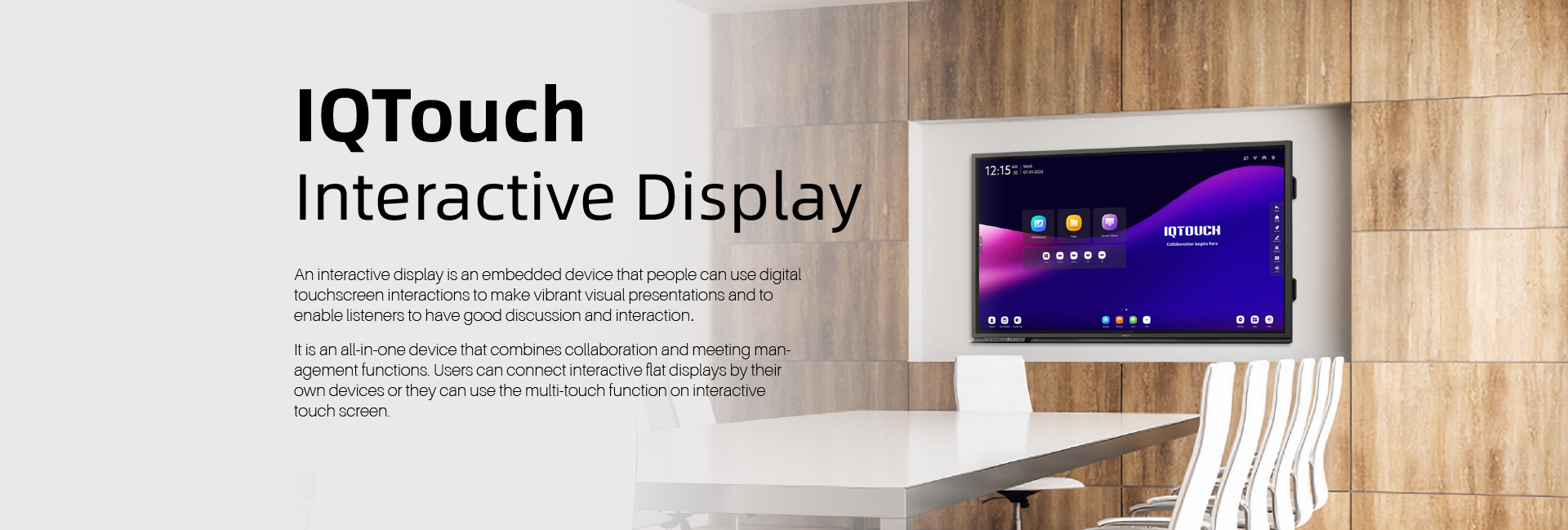
Rather than buying a foldable scanner in isolation, experienced integrators design a document-capture chain. The three configurations below reflect common buyer scenarios and help procurement teams avoid under-specified rooms or unnecessary cost.
Entry Configuration: Portable Capture + Webcam
For tutoring centres, small offices and remote teaching, combine a foldable or portable document visualizer with a 4K conference webcam. This gives presenters a top-down document view and a front-facing camera without permanent installation. It is fast to deploy and easy to move between rooms.
Classroom Configuration: Visualizer + Interactive Panel
For K-12 and university rooms, pair a portable document camera with an interactive flat panel. Teachers can place a worksheet, textbook or object under the capture head, then annotate directly on the display. This workflow is intuitive, lesson-friendly and easier to train than a multi-device scanner bench.
Integrated Configuration: Capture + Podium + Audio
For lecture halls, training centres and corporate briefing rooms, integrate document capture with a smart digital podium, soundbar or speakerphone and AI conference camera. The podium becomes the single teaching control point while the capture system supports live annotation, recording and remote distribution.
Four Purchasing Shifts Reshaping Foldable Document Scanner Sourcing
Procurement teams are moving away from one-off device purchases toward validated, serviceable and integration-ready solutions. These shifts are especially visible in education tenders, corporate AV refresh cycles and distributor assortment planning.
Outcome-Based Tenders
Buyers increasingly specify teaching outcomes, room usability and support response rather than isolated hardware parameters. Suppliers must document compatibility, training and warranty workflows.
Integrated Room Kits
Document capture is being bundled with displays, audio, podiums and control. Integrated kits simplify procurement, reduce compatibility risk and shorten installation time across multi-room rollouts.
Service-Level Assurance
Spare-parts planning, RMA visibility, firmware support and remote troubleshooting are now evaluated with the same seriousness as unit price, especially by distributors and campus buyers.
Compliance & Data Awareness
Institutional buyers want predictable firmware, local language support, secure update paths and clear data-handling boundaries when capture devices connect to classroom networks.
Where Foldable Document Capture Technology Is Heading
The next generation of document scanners and visualizers will be judged less on raw pixel count and more on how intelligently they support teaching, review and collaboration. Hardware durability remains essential, but software-assisted image processing and workflow integration are becoming differentiators.
Edge AI Enhancement
Automatic focus, glare reduction, page-edge detection and OCR-ready preprocessing are moving on-device, reducing operator adjustment and improving first-pass capture quality.
Rugged Foldable Mechanics
Hinge life, arm stability, cable routing and port protection are becoming design priorities for education and field-service buyers who need repeatable daily deployment.
4K/60 and Low-Latency Annotation
Higher frame rates and lower latency make handwriting, science demonstrations and fine print review feel natural on interactive panels and live-streamed lessons.
Repairability & Sustainability
Modular camera heads, replaceable light modules and service-friendly firmware update paths reduce total cost of ownership and support circular procurement policies.
Why Ruyden Is Relevant to Buyers Comparing China Factories
Ruyden Interactive Technology Group Co., Ltd. is an SGS onsite-verified manufacturer and exporter of interactive flat panels, interactive whiteboards, lecture capture systems and networked digital podiums. For document-capture projects, this broader product ecosystem is an advantage: buyers can source the display, capture, audio and control components from one engineering-facing team.
SGS Onsite-Verified Supplier
Independent third-party assessment supports tenders, distributor onboarding and import compliance review. Public verification links help procurement teams validate capability before contacting sales.
19 Years in the Industry
Long-term experience in education AV and smart-space integration helps reduce specification errors, especially when a document camera must work with existing displays or control systems.
In-House Production Control
SMT, auto-insertion, PCB and assembly lines under one roof support consistency, custom hardware protection and faster engineering changes from sample to mass production.
Design-Based Customization
OEM/ODM options include logo, boot screen, housing colour, packaging, software pre-installation, language settings and hardware configuration, with customization capability independently verified.
10+ Years of Export Experience
Export packing, voltage considerations, documentation, language support and project communication are familiar requirements rather than exceptions for international buyers.
One-Stop Smart-Space Ecosystem
Interactive displays, lecture capture, networked podiums, wireless presentation and AV control can be specified together, simplifying procurement and after-sales responsibility.
Numbers That Matter in a Factory Evaluation
These figures are drawn from company profile and third-party verification information. They should be read together with test-lab coverage, production processes and sample validation, not as standalone marketing claims.
Experience across education and enterprise AV categories.
Long-running global supplier membership and transaction history.
Engineering, production, quality and export service professionals.
Average score based on verified buyer reviews and transactions.
Inside the Factory: What Should a Foldable Document Scanner Buyer Inspect?
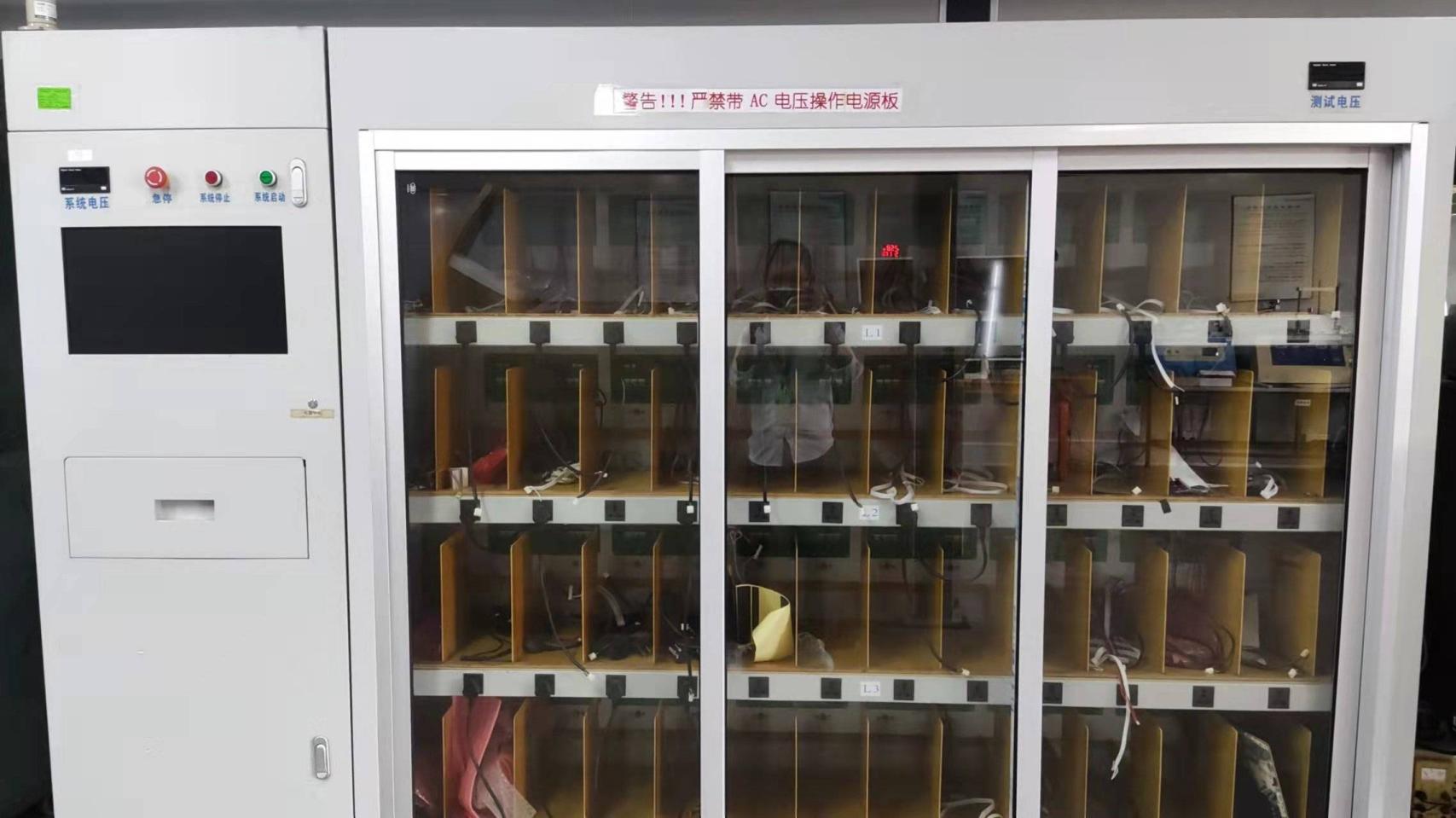
When a supplier claims to be a top manufacturer, the evaluation should move beyond product photos. Request production evidence, test methods and sample reports. Ruyden’s manufacturing base includes SMT, AI auto-insertion, PCB processing, assembly and an in-house reliability test lab, giving buyers a practical basis for technical due diligence.
Reliability Testing Coverage
Document capture hardware is handled frequently, transported internationally and used in rooms with different temperatures and humidity levels. A capable factory should be able to explain how it tests the weak points of the product, not only the finished display.
The test portfolio includes high and low temperature testing, drop testing, simulated transportation, salt spray, button life, insertion force, static testing, earth continuity and withstand voltage testing. For OEM projects, these checks should be mapped to the target market’s voltage, handling conditions and expected service life.



From First Inquiry to Delivery: A Six-Step Process
A clear workflow protects both buyer and factory. The sequence below can be adapted for a foldable document scanner project, a document camera pilot or a multi-room smart classroom package.
Requirement Review
Share room size, capture distance, document type, quantity, target market, voltage, language and certification requirements.
Solution Design
Engineers propose hardware configuration, software options, accessories and branding. The goal is to avoid over-specification.
Sample Approval
Pre-production samples confirm image quality, foldable mechanism, annotation experience, packaging and connector layout.
Mass Production
In-house SMT, PCB and assembly lines build the approved configuration with controlled change management.
QC & Testing
Reliability testing and final inspection are completed before export packing and shipment release.
Delivery & Support
Shipping coordination, documentation, technical training and after-sales support help protect the long-term project.
Common Procurement Questions About Foldable Document Scanners & Factories
These answers address the questions most frequently raised during supplier comparison, sample evaluation and tender preparation.
What should I compare when searching for China top foldable document scanner manufacturers & factories?
Compare application fit, image quality, foldable mechanism durability, OCR-readiness, annotation latency, connectivity, software stability, warranty policy and factory verification. A low unit price is not meaningful if the device cannot integrate with your display, audio or room-control system, or if spare parts and firmware support are unclear.
Is a portable document camera a substitute for a foldable document scanner?
In many classrooms and meeting rooms, yes. A portable 4K document camera with auto focus and live annotation offers a practical top-down capture workflow without the footprint of a fixed scanner bench. For archival scanning with strict page-flattening requirements, a dedicated scanner may still be appropriate, but for teaching, review and live collaboration, a document visualizer is often more flexible.
How do I verify factory quality before placing an order?
Request the latest third-party assessment report, production process photos or video, test-lab list, sample inspection record and references relevant to your market. Ask specific questions about high/low temperature testing, drop testing, simulated transportation, insertion force, static testing and electrical safety. A verified supplier should be comfortable providing evidence rather than only assurances.
Can Ruyden support OEM branding and configuration?
Yes. Design-based customization has been verified through independent inspection. Typical options include logo, boot screen, housing colour, packaging, language settings, pre-installed software and hardware configuration. For document capture projects, buyers can discuss camera resolution, output interface, annotation software, accessories and packaging requirements during the sample stage.
What is the right way to plan a pilot order?
Start with one representative room rather than a full campus. Test the complete workflow: document placement, focus speed, image clarity, annotation, switching between sources, audio pickup and shutdown. Collect feedback from teachers or presenters, then confirm the final BOM before mass production. This reduces change orders and protects rollout schedules.
How does Ruyden control quality across displays, cameras and podiums?
Production runs through in-house SMT, auto-insertion, PCB and assembly processes. Products are then validated in the test lab with high and low temperature, drop, simulated transportation, salt spray, button life, insertion force, static, earth continuity and withstand voltage testing. Final inspection and export packing are completed before shipment.
Can I source a complete smart classroom or meeting room package?
Yes. Ruyden can combine interactive flat panels, lecture capture cameras, networked digital podiums, 4K wireless presentation, conference audio and AV control into one solution. This is useful for integrators and distributors that want a single technical contact and a coordinated after-sales path.
How should overseas buyers start an inquiry?
Prepare a short brief covering room type, capture distance, document size, quantity, target market, voltage, language, certification needs and expected delivery date. Use the inquiry button on this page to start a conversation with the export team. A clear brief usually shortens the path from first contact to a workable configuration proposal.
Need a Reliable Partner for Foldable Document Capture or Smart-Space Deployment?
Share your room types, capture requirements, target market and quantity. The team can recommend a practical product configuration, discuss OEM/ODM options and prepare a sample plan for evaluation.
