Eight Wholesale-Ready Products for Visualizer Camera and Smart Classroom Projects
Begin with the visualizer camera, then build the room around compatible displays, audio, wireless presentation and teacher control. Every product URL below is preserved for direct sourcing review. Ruyden supports OEM/ODM discussion, sample validation, export packing and room-level solution planning.
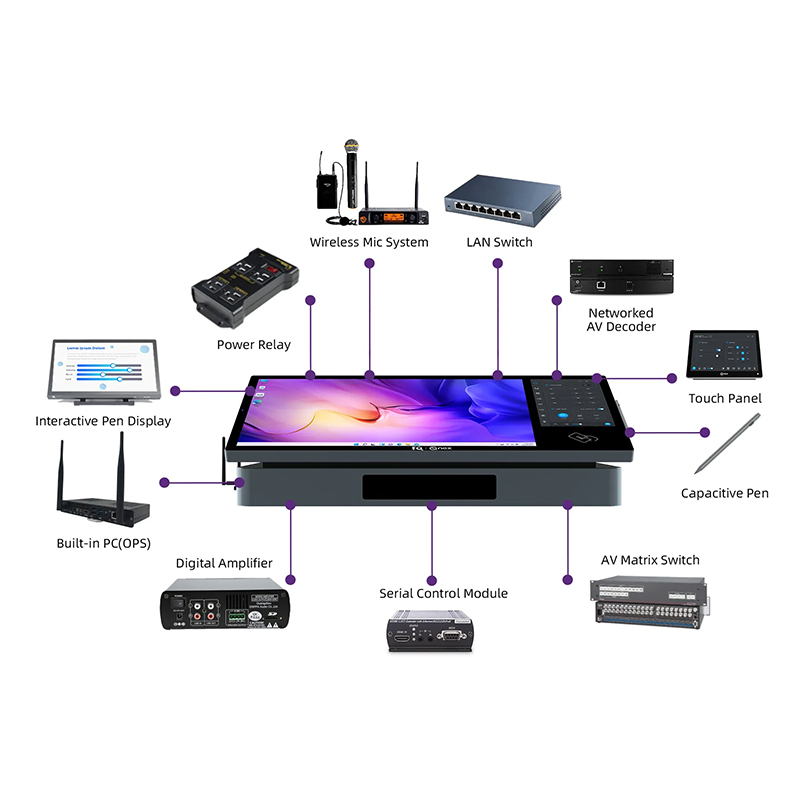
Android System Education Classroom Control Smart Digital Lectern Desktop Digital Podium
Networked teaching podium for classroom control, lesson delivery and AV orchestration. Ideal for tenders that require a teacher console rather than a display-only install.
View product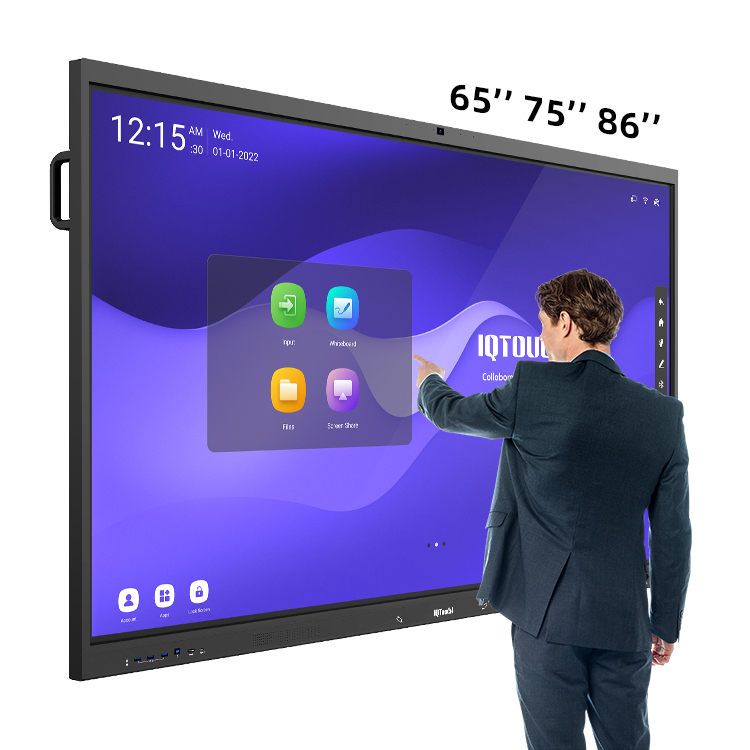
Dual System 4K 65 75 86 Inch Smart Board Interactive Electronic Whiteboard for Education and Conference
Dual-system 4K interactive board for classrooms and meeting rooms; combine Android convenience with Windows OPS flexibility for software-rich teaching.
View product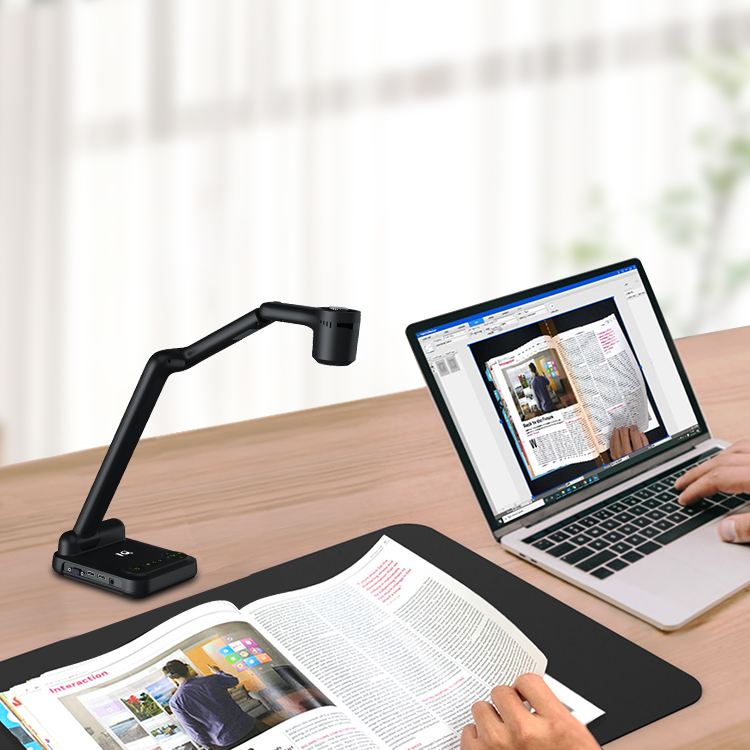
Wholesale 10x Optical Zoom Portable High Definition Live Image Document Camera Ceiling for School
Core visualizer camera model with 10x optical zoom for documents, experiments, art, handwriting and hybrid teaching. Suitable for ceiling or desktop deployment.
View product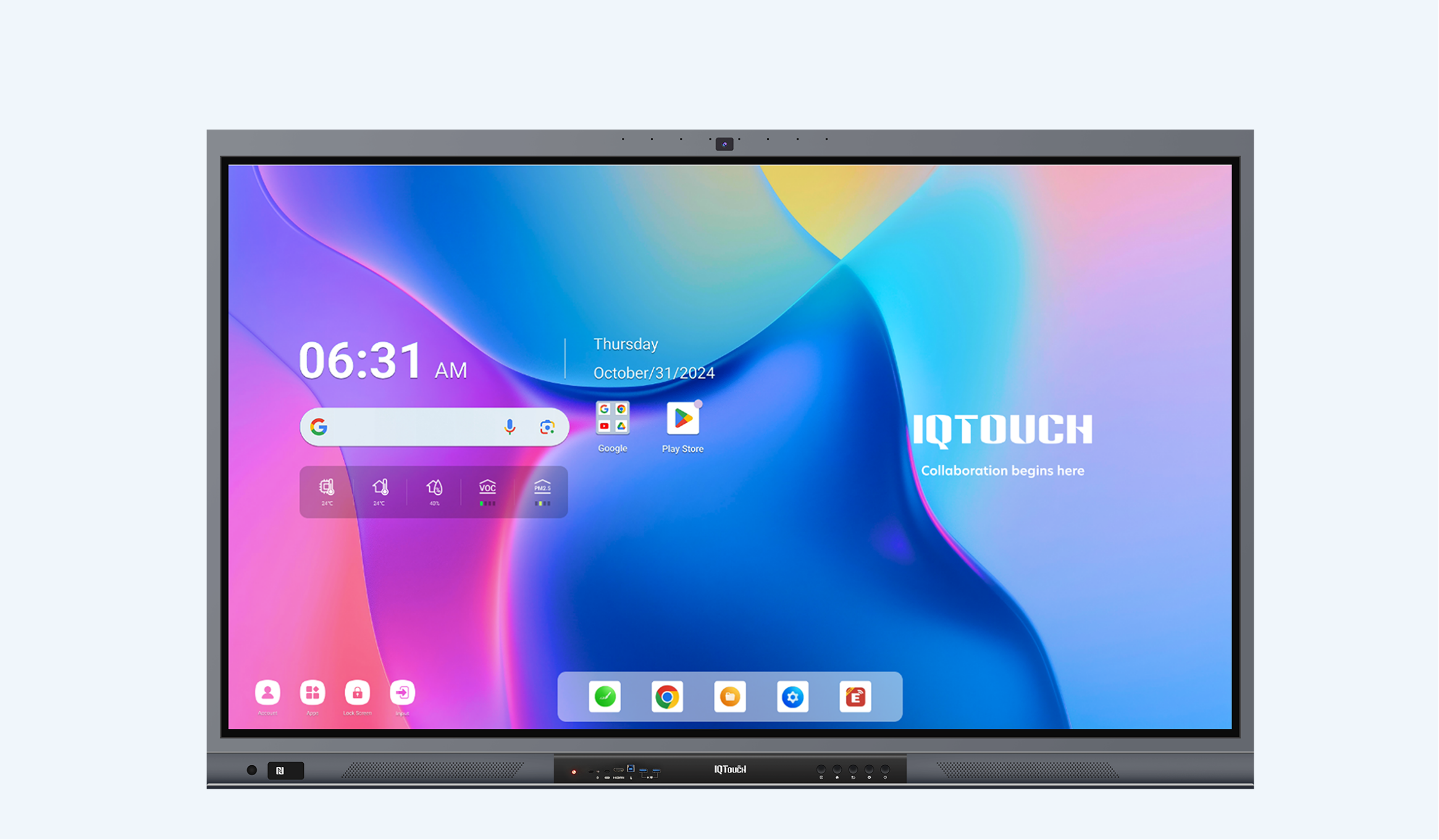
75 86 Inch Interactive Touch All in One Pc Electronic Interactive Whiteboard Smart Board Digital Price for Conference
Conference-ready all-in-one interactive display for boardrooms, training suites and hybrid presentation spaces; pair with speakerphones and wireless sharing.
View product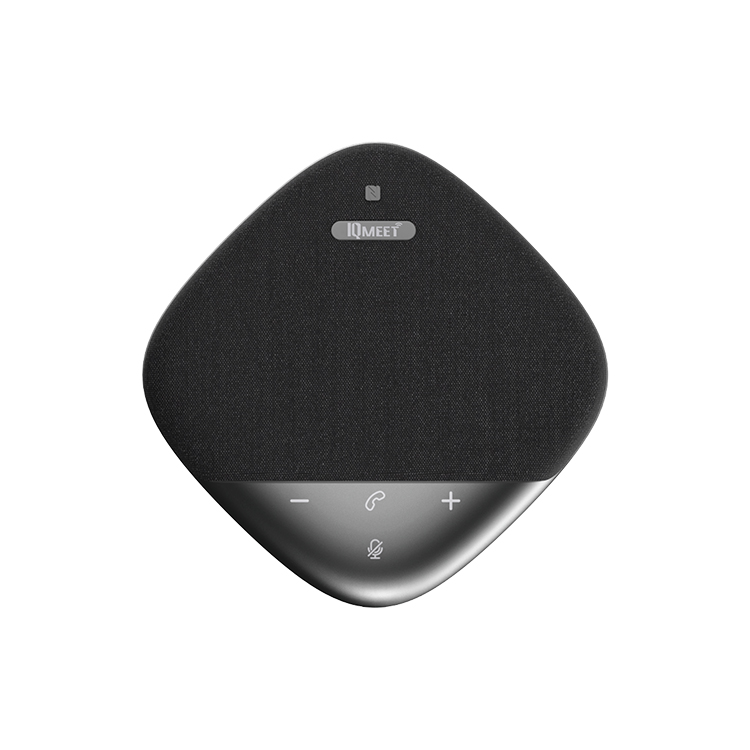
China Factory NFC Features AI Noise Reduction Built-in Dual Speakers Conference Speakerphone for Mobile Phone USB
AI noise-reduction speakerphone with NFC and dual speakers for conference rooms, hybrid classes and training spaces where clear voice pickup is essential.
View product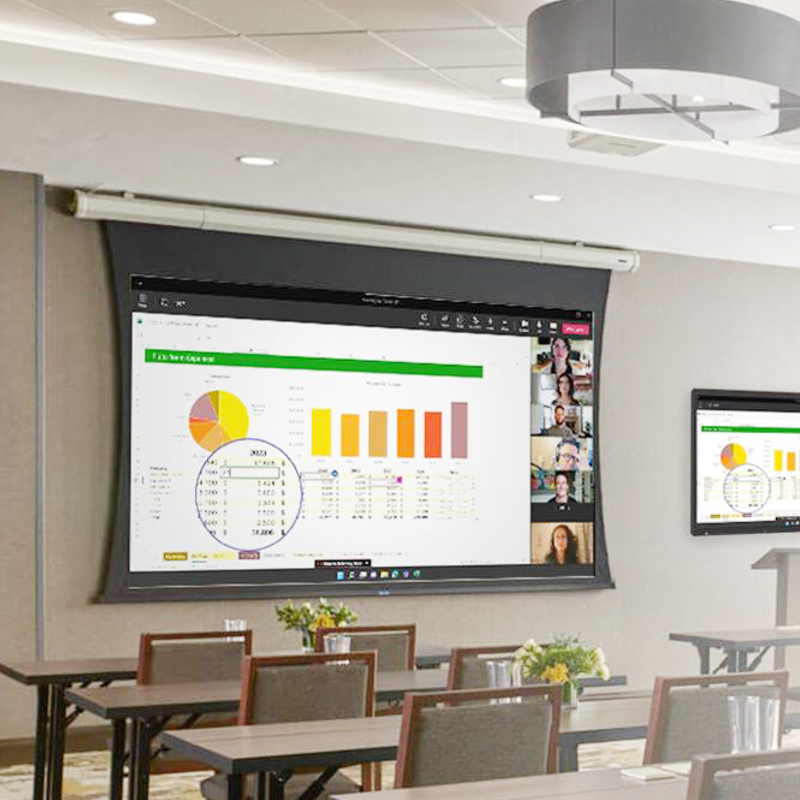
Multi-functional Teaching Android and Windows OPS System Interactive Flat Panel Smart Board Price for School Teaching
Education-grade interactive flat panel with Android and Windows OPS support; suitable for K-12, university and training deployments requiring software flexibility.
View product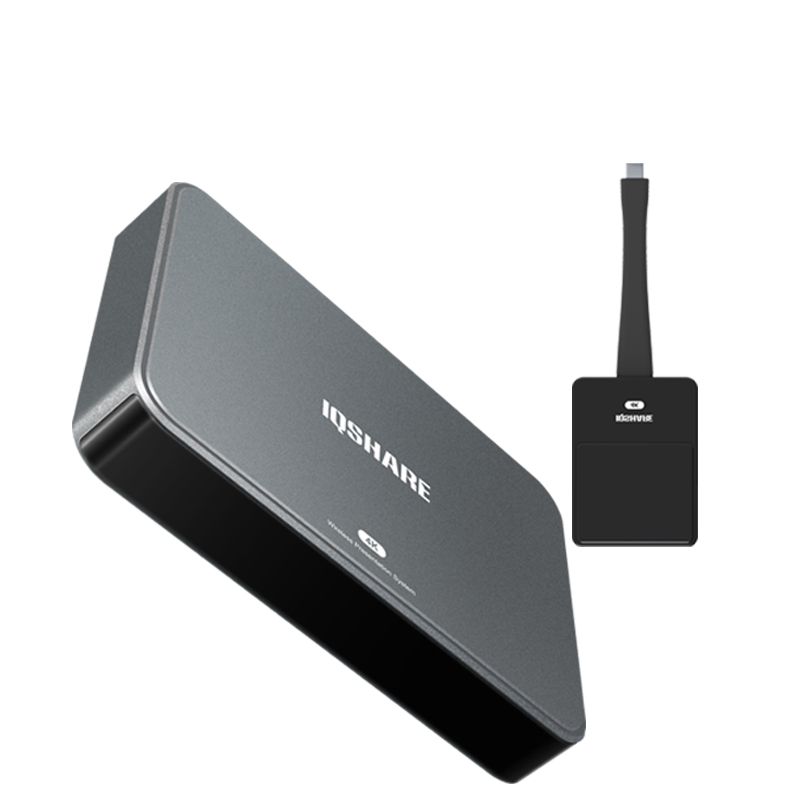
Hdm1 Wireless Transmitter Receiver 1 to 4 Anycast Wireless Screen Sharing Wireless Presentation System
Wireless HDMI presentation kit for one-to-four screen sharing. Reduces cable clutter in classrooms and meeting rooms while supporting multi-source collaboration.
View product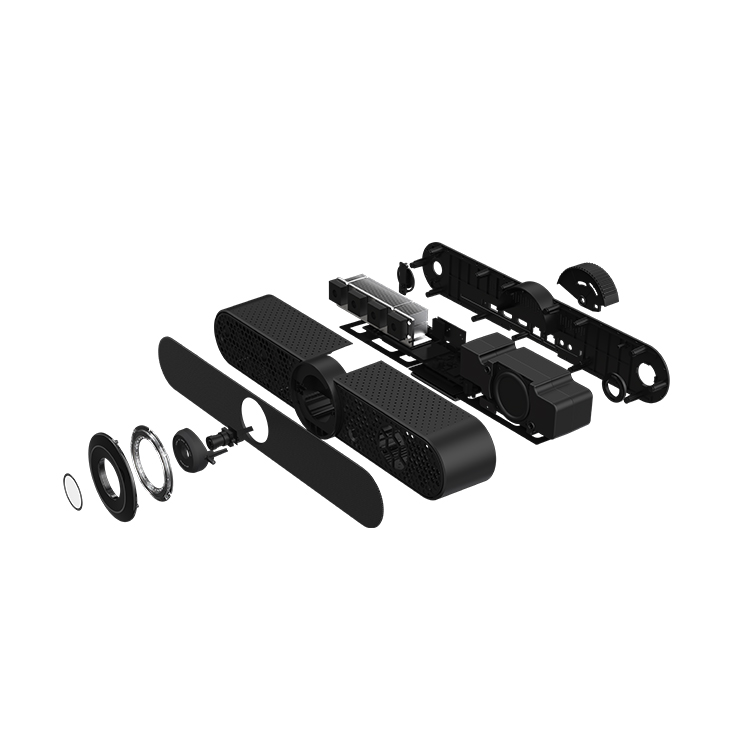
AI Auto-Tracking Webcam All-in-one 1080p 4k PC Mini Webcam for Video Calling and Conference
Auto-tracking conference webcam for hybrid teaching, lecture capture and video meetings. A natural companion to a visualizer camera and interactive display.
View productWhy Visualizer Camera Sourcing Is Becoming a Room-Level Decision
China wholesale visualizer camera manufacturers and suppliers now compete in a different arena from the low-price document-camera catalogs of a decade ago. Schools and universities are specifying hybrid-ready rooms where a ceiling visualizer, interactive flat panel, lecture capture system, speakerphone and wireless presentation system are expected to work as one teaching environment. That changes how serious buyers evaluate a supplier: unit price still matters, but the greater risk sits in image latency, optical-zoom honesty, software compatibility, mounting safety, spare-part availability and the evidence a factory can provide before a tender is awarded.
Document cameras are used for science demonstrations, handwritten problem solving, art and design review, anatomy teaching, remote assessment and corporate training. A camera that looks acceptable in a brochure can underperform in practice when the optical zoom is partly digital, when colour temperature shifts under classroom lighting, or when the UVC output becomes unstable across different laptops and interactive panels. For wholesale programmes, the safer approach is to qualify the visualizer camera on its optical chain, interface stability, mounting environment, software ecosystem and after-sales readiness.
Ruyden’s position is relevant because the company does not only sell a single camera SKU. It manufactures interactive flat panels, interactive whiteboards, lecture capture systems, networked digital podiums, wireless presentation systems and classroom AV integration. That breadth lets buyers build a room around the visualizer instead of forcing a camera into a mixed-brand environment. The company is SGS onsite-verified, reports 19 years in the industry, operates with 82 verified staff and has more than 10 years of export experience. Design-based customization has also been verified by independent third-party inspection, a point that matters when a distributor needs logo, packaging, boot screen, language or software preload changes.
Prove the optical zoom, not just the “10x” label
Ask for lens specifications, sensor type, frame rate at full zoom, minimum focus distance and sample footage under realistic classroom lighting. Digital zoom should be identified clearly.
Test latency from camera to display to software
A visualizer camera is only as good as the complete signal path. Validate end-to-end delay with the actual interactive panel, lecture capture platform and video conferencing application used by the school.
Qualify the supplier as a room integrator
Request compatibility evidence for touch displays, OPS modules, microphone pick-up, wireless HDMI, control systems and centralized campus management before confirming the order.
Six Questions That Separate a Commodity Camera from a Tender-Grade Visualizer
These checks add information that is often missing from supplier catalogs. They help distributors, integrators and tender buyers compare quotations on the same technical basis.
Optical chain and sensor performance
Confirm true optical zoom, sensor resolution, low-light behaviour and colour consistency. A 10x optical zoom visualizer camera should preserve clarity at maximum zoom without relying on digital enhancement.
Latency, UVC output and driver stability
Check whether the camera works as a plug-and-play UVC device, whether firmware is mature, and how quickly it recovers after sleep, hot-plug or input switching in daily classroom use.
Lighting, colour and demonstration clarity
Science demonstrations, art review and handwriting require accurate colour and stable focus. Ask for sample video under warm white, cool white and mixed-light conditions, not only studio lighting.
Mounting, cable routing and installation risk
Ceiling and desktop requirements are different. Review bracket design, cable strain relief, service access, anti-theft features and installation instructions before specifying a room standard.
Software ecosystem and teaching workflow
The camera should work with whiteboard software, lecture capture, video conferencing and learning platforms. Ask for compatibility notes covering Android, Windows, Zoom, Teams and common school tools.
Test evidence, spares and after-sales readiness
Request inspection reports, packaging tests, firmware policy and spare-part lists. A supplier with a documented QA process is easier to audit, train and support across a multi-campus rollout.
Recommended Buying Logic by Teaching and Meeting Scenario
Primary and secondary classrooms
Specify a 65–75 inch interactive flat panel, a portable 10x optical zoom visualizer camera and wireless presentation. Prioritize easy teacher operation, quick boot, low maintenance and child-safe installation.
University lecture halls
Combine a 90–100 inch display, ceiling visualizer, lecture capture camera and networked digital podium. Validate long cable runs, recording workflow, remote student access and service access from the ceiling.
Corporate training and meeting rooms
Use a 75–86 inch interactive display with AI auto-tracking webcam, AI noise-reduction speakerphone and 4K wireless presentation. Keep the experience plug-and-play for visitors and hybrid teams.
Government and public-sector tenders
Require third-party verification, documented reliability testing, compliant packaging, firmware governance and after-sales training. Standardize models across sites to reduce spare-part complexity.
Future Procurement Trends for China Wholesale Visualizer Camera Buyers
Procurement is moving from individual product purchasing toward evidence-based, room-level sourcing. The most competitive distributors will be those that can prove quality and support, not only quote a lower unit price.
Evidence-first tenders
Buyers increasingly request SGS or equivalent inspection reports, test-lab records, material declarations, sample videos and public trading history before shortlisting a supplier. Marketing claims alone are becoming weaker in bid evaluation.
Total cost of ownership replaces unit price
Failure rates, installation time, spare-part lead time, firmware quality and training costs can outweigh a small unit-price difference. Lifecycle cost models are becoming normal in multi-campus purchases.
Outcome-based bundle procurement
Instead of buying a camera, a panel and a speakerphone separately, buyers ask for a finished teaching room: visualizer, display, audio, wireless sharing and control working together from one accountable supplier.
Cybersecurity and update governance
Connected displays and cameras need a clear firmware update policy, account management, network separation guidance and secure default settings. These questions are moving into standard tender templates.
Localization and market-specific compliance
Language packs, power standards, packaging labels, interface customization and local certification requirements are increasingly requested at the quotation stage rather than after the order is placed.
Serviceability and longer lifecycle
Buyers want modular components, documented repair procedures and reliable spare-part availability. Products designed for serviceability reduce downtime and protect the reseller’s reputation in the installed base.
Product Development Trends Shaping Visualizer Cameras and Smart Classrooms
AI-assisted framing and speaker tracking
Auto-tracking webcams and intelligent visualizers are becoming easier to operate. The practical value lies in stable framing, smooth transitions and predictable behaviour during long lessons, not in feature labels alone.
True 4K and better low-light performance
As lecture capture and hybrid learning become normal, buyers expect clear text, fine detail and accurate colour. The camera must perform under ordinary room lighting, not only in demonstration conditions.
UVC plug-and-play and dual-OS displays
Teachers should not need technical support to start a lesson. Native UVC output, quick switching and broad operating-system compatibility are becoming baseline requirements for visualizer cameras.
Wireless-first presentation and collaboration
Wireless HDMI systems reduce cabling and support multiple presenters. Buyers are now comparing latency, security, pairing simplicity and multi-source behaviour rather than just “wireless” as a feature.
Edge processing and privacy-aware design
Local processing can improve responsiveness and reduce bandwidth demand. Schools increasingly ask where video is processed, whether recording is local and how privacy can be maintained in classroom capture.
Integrated AV control and campus management
Displays, visualizers, podiums, lighting and door control are moving into one managed classroom. Centralized visibility helps IT teams diagnose issues and standardize the teaching experience across sites.
What to Weight When Comparing Visualizer Camera Suppliers
Use this illustrative weighting as a project-review starting point and adjust it to your market, tender rules and installed base. The goal is to compare suppliers against the same evidence rather than accepting unstructured quotations.
- Ask for sample footage at full optical zoom with the actual room lighting and display resolution planned for the project.
- Request a compatibility matrix covering interactive panels, OPS modules, lecture capture, conference software and wireless presentation.
- Review test-lab evidence for temperature, drop, transportation, salt spray, static and electrical safety where applicable.
- Confirm OEM/ODM deliverables in writing: logo, boot screen, packaging, language, software preload, accessories and inspection criteria.
Manufacturing Depth Behind Ruyden Visualizer Camera and Smart Classroom Programmes
Ruyden Interactive Technology Group Co., Ltd. is headquartered in the Fuzhou High-tech Zone, Fujian, China. Its advantage is not a single catalogue page; it is the ability to align displays, capture, audio, podiums, wireless presentation and classroom control under one manufacturing and quality system.

Fuzhou manufacturing base
In-house production and export operations support OEM/ODM projects for education and enterprise buyers.
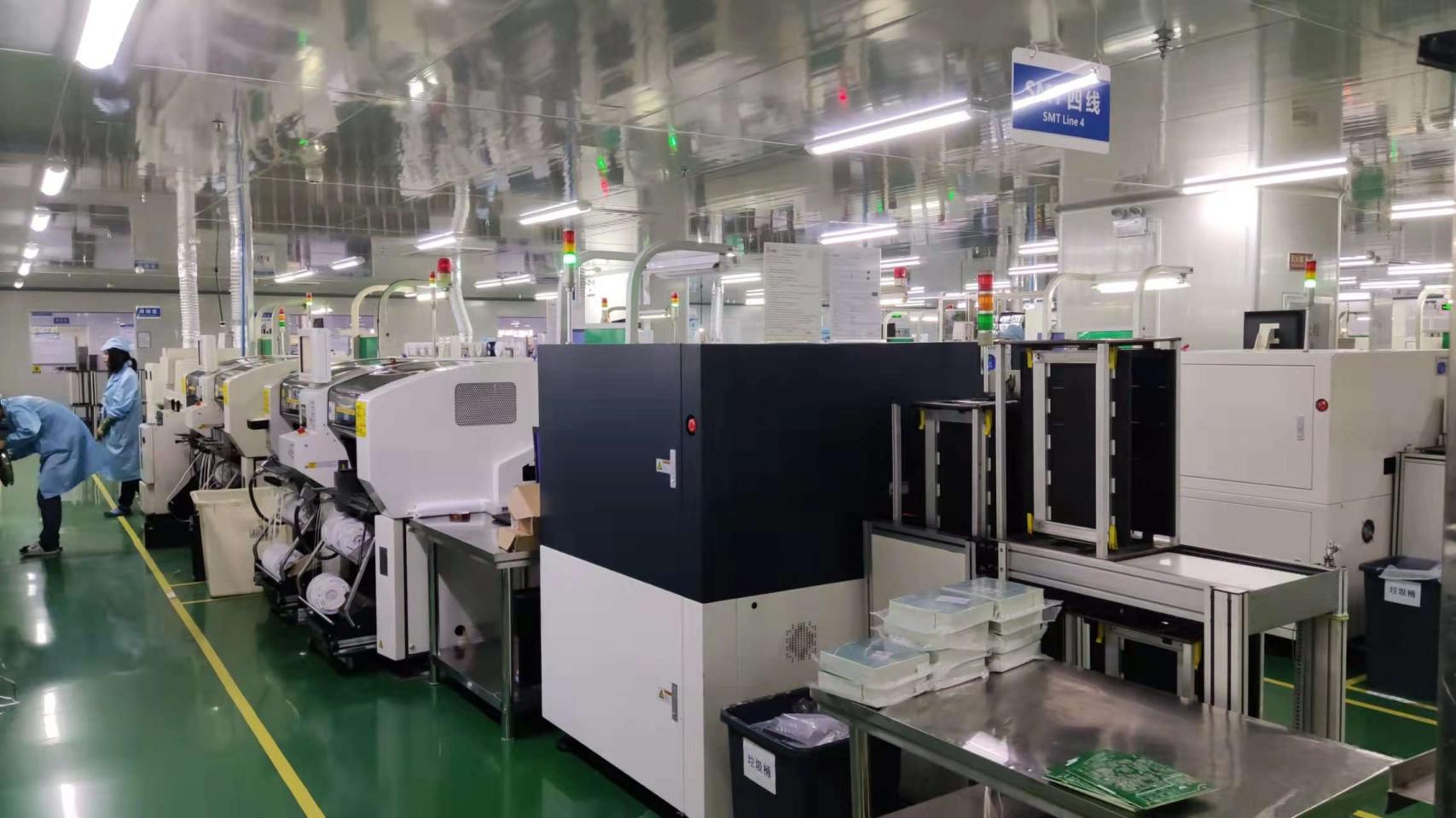
SMT and PCB capability
Surface-mount, auto-insertion, PCB and assembly processes are controlled under one roof for consistent quality.
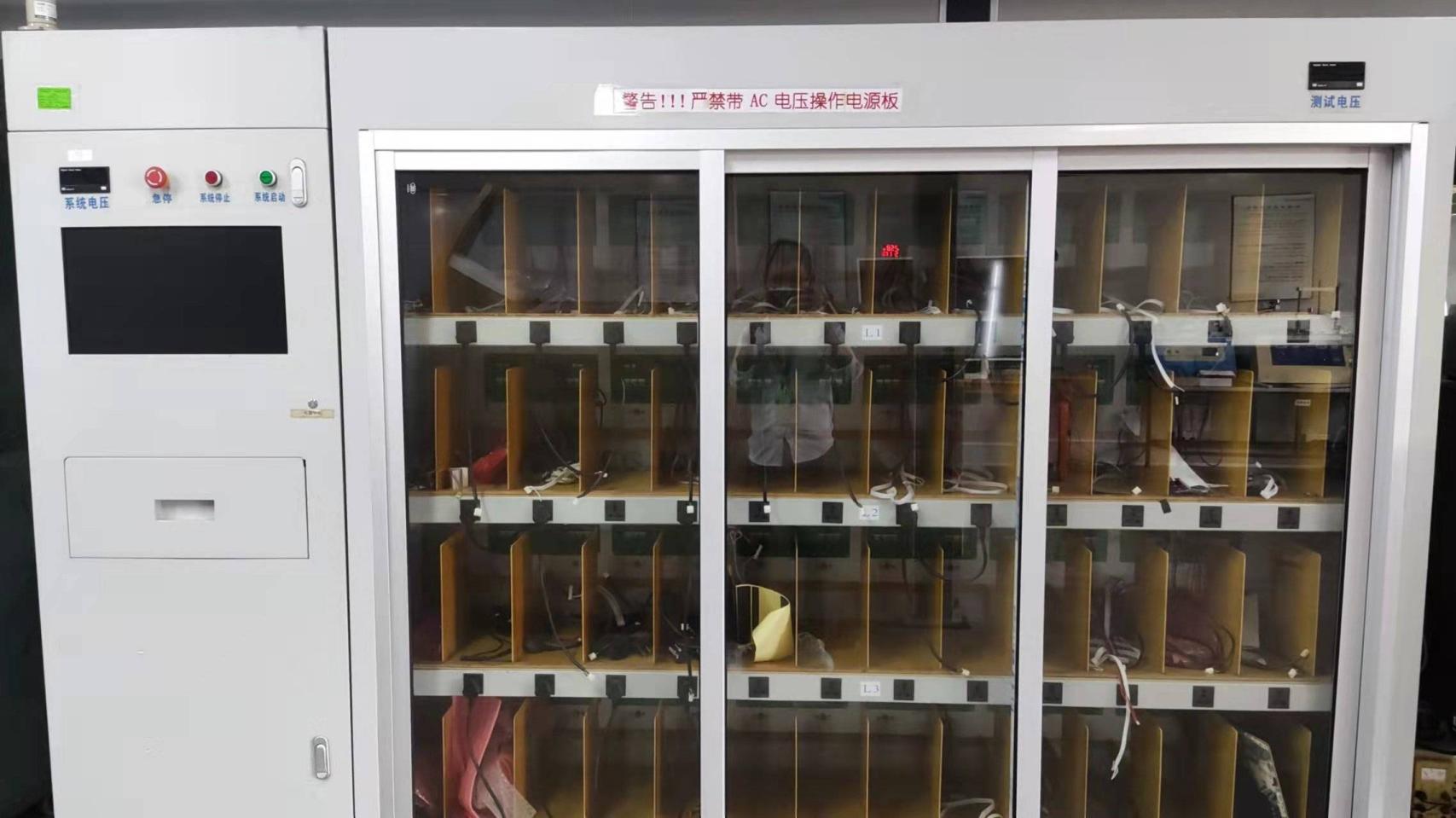
Reliability test lab
High/low temperature, drop, transportation, salt spray, button life, static, grounding and withstand-voltage checks support export confidence.
SGS onsite-verified supplier
Independent onsite assessment, credit overview, trade capacity and transaction records give buyers a public starting point for due diligence before sample approval.
19 years of industry experience
Long experience in education AV and interactive display manufacturing helps reduce specification errors, packaging problems and compatibility surprises in tender projects.
Verified design-based customization
Logo, boot screen, housing colour, packaging, language, software preinstalls and hardware configuration can be discussed for distributor and project branding.
Documented quality control
Production is supported by raw-material checks, SMT and PCB processes, assembly inspection and reliability testing before export packing.
One-stop classroom ecosystem
Interactive flat panels, visualizer cameras, lecture capture, digital podiums, wireless presentation and AV control can be planned as one connected solution.
Export packing and global support
More than 10 years of export experience supports documentation, packing standards, sample coordination and after-sales communication for overseas partners.
Supplier Data Buyers Can Review Before Shortlisting
Confirmed by current supplier information and independent assessment context.
Long-term platform trading history supports supplier stability checks.
Engineering, production, quality control and export service professionals.
Average score from verified buyer reviews and platform transaction records.
From Requirement to Delivery in Six Clear Steps
A documented workflow helps importers, distributors, tender agents and system integrators keep samples, production, testing and shipment aligned.
Requirement review
Share room types, target quantities, destination market, certification needs, branding requirements and the software environment used by the school or company.
Solution design
Engineers propose the display size, visualizer camera configuration, audio, wireless presentation, podium or control options that fit the room and budget.
Sample approval
Pre-production samples confirm image quality, touch performance, software preload, interface layout, packaging and accessory selection before mass production.
Mass production
In-house SMT, auto-insertion, PCB and assembly lines build the approved configuration, with production checkpoints recorded through the process.
QC and testing
Reliability testing, function checks, visual inspection and packing validation are completed before goods are released for shipment.
Delivery and support
Export packing, shipping coordination, document preparation and after-sales communication support the buyer’s installation and service plan.
Common Questions from Wholesale Visualizer Camera Buyers
Are you a visualizer camera manufacturer or a trading company?
Ruyden is an SGS onsite-verified manufacturer and exporter of interactive displays, visualizer/document camera solutions, lecture capture systems, digital podiums and related classroom AV products. Buyers can review public assessment, trade capacity and transaction records.
Can you customize logo, packaging, language and software?
Yes. Design-based customization has been verified by an independent third-party inspection. Typical options include logo, boot screen, housing colour, packaging, language settings, preinstalled software and hardware configuration, subject to project review.
What should be checked on a 10x optical zoom document camera?
Confirm true optical zoom, sensor performance, frame rate at full zoom, minimum focus distance, colour accuracy, UVC output, latency, mounting bracket quality and sample footage under realistic classroom lighting.
How do you control quality before shipment?
Production runs through controlled SMT, auto-insertion, PCB and assembly processes. The test lab covers high/low temperature, drop, simulated transportation, salt spray, button life, insertion force, static, earth continuity and withstand-voltage testing where applicable.
Can you supply a complete smart classroom, not only cameras?
Yes. Ruyden can integrate interactive flat panels, visualizer cameras, lecture capture cameras, networked digital podiums, wireless presentation, speakerphones and centralized AV control into one classroom solution.
How should overseas buyers start a project?
Email info@ruydentech.com with room types, target quantities, destination market, certification requirements and branding needs. The export team can then propose configuration, sample arrangements and delivery planning.
Source Visualizer Cameras with Verifiable Factory Evidence
Share your room types, quantities, target market, certification needs and branding requirements. The team can respond with configuration options, sample planning, lead time, packing details and a smart classroom solution architecture.
