8 Products for Document Camera, Visual Learning and Smart Classroom Programs
The HD document camera is often the entry point for a wider classroom technology order. These eight export-ready products help wholesalers bundle visualizers with touch displays, digital podiums, wireless presentation and information kiosks.
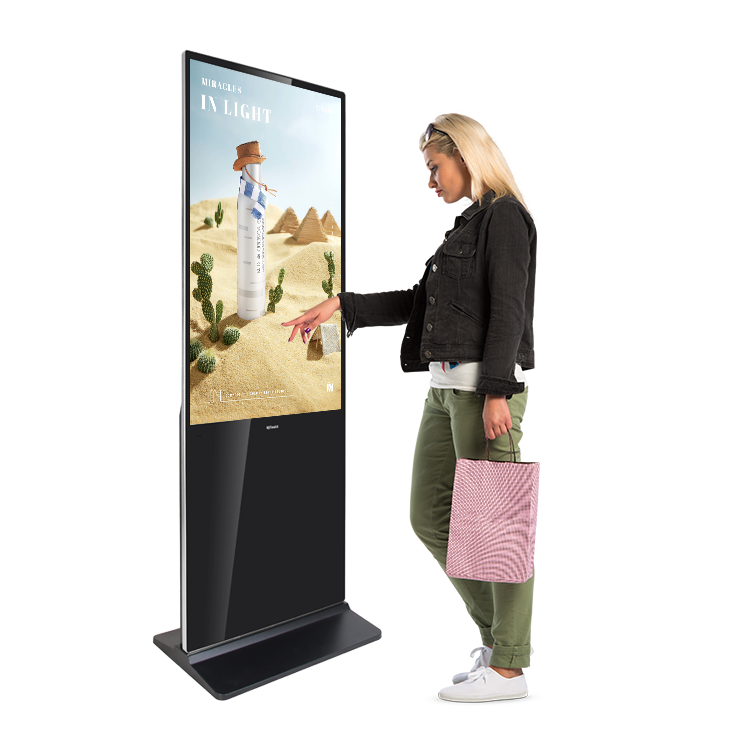
Android and Windows System Standing Floor Stand Information Kiosk Touch Screen for Shopping Mall
A dual-platform information kiosk for wayfinding, enrolment and campus communications, useful when visualizer demonstrations are paired with self-service content.
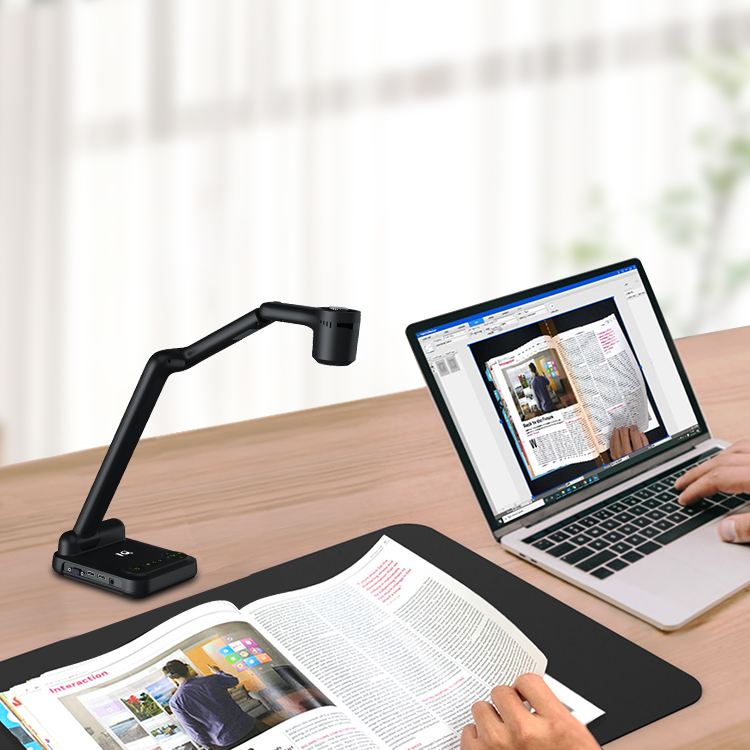
Wholesale 10x Optical Zoom Portable High Definition Live Image Document Camera Ceiling for School
A core OEM HD document camera model with 10x optical zoom, live image output and flexible ceiling or portable deployment for schools, labs and remote teaching.
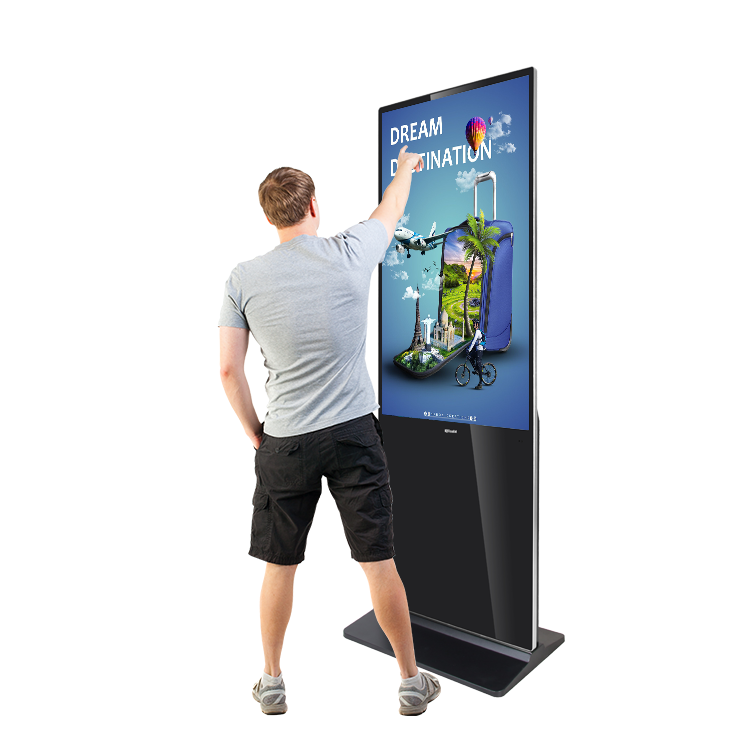
Wholesale 43inch Android Tablet Floor Standing Touch Kiosk for Hotel Bank School
A 43-inch Android touch kiosk for reception, library and training spaces, supporting digital signage and guided visual learning content.
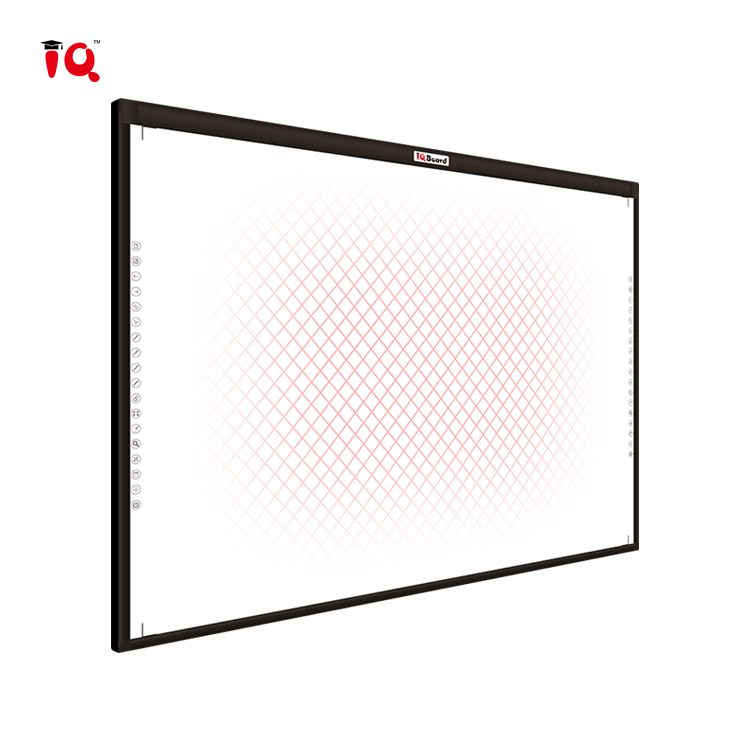
IQ Board No Projector Portable Smart Board China Interactive Whiteboard
A no-projector portable smart board that complements document camera workflows by giving teachers an interactive annotation surface without installation complexity.
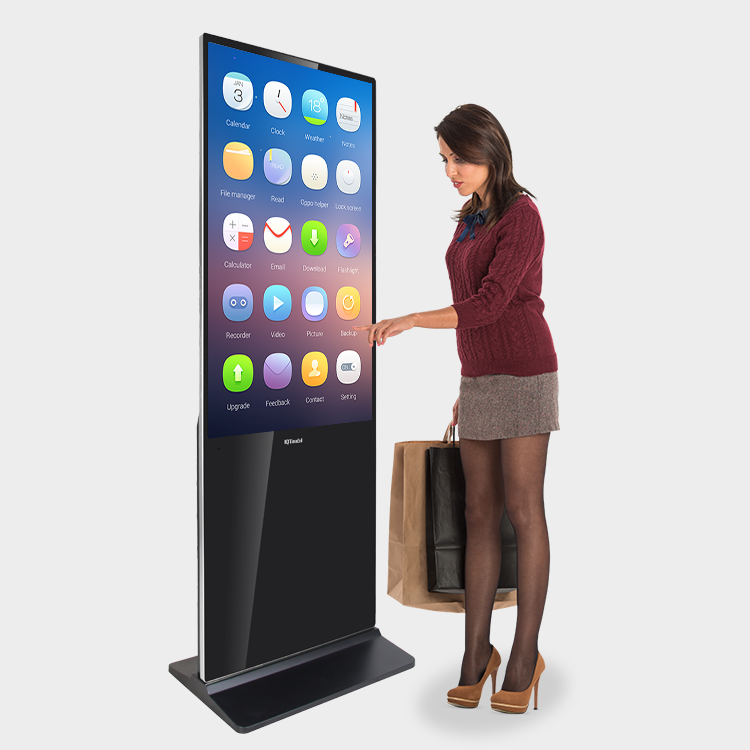
43inch Kiosk Touch Screen Floor Standing Advertising Kiosk Shopping Centre Digital Signage and Displays Outdoor Waterproof
A waterproof outdoor digital signage kiosk for campus entrances, public venues and retail environments where visual messaging must operate in exposed areas.
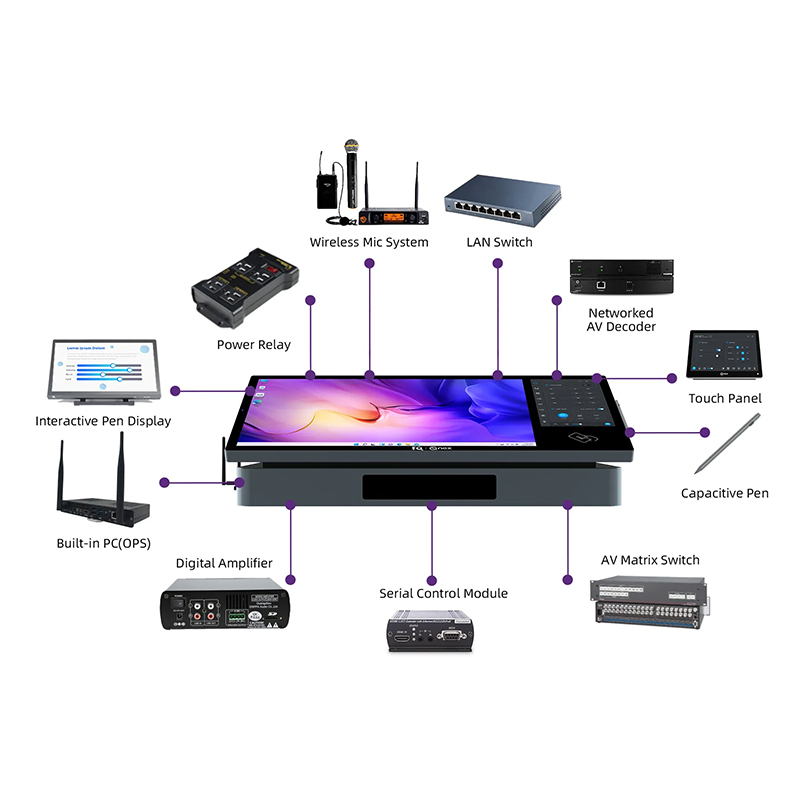
Android System Education Classroom Control Smart Digital Lectern Desktop Digital Podium
A smart digital lectern that centralizes classroom device control, making it a natural companion for document camera, display and lecture capture installations.
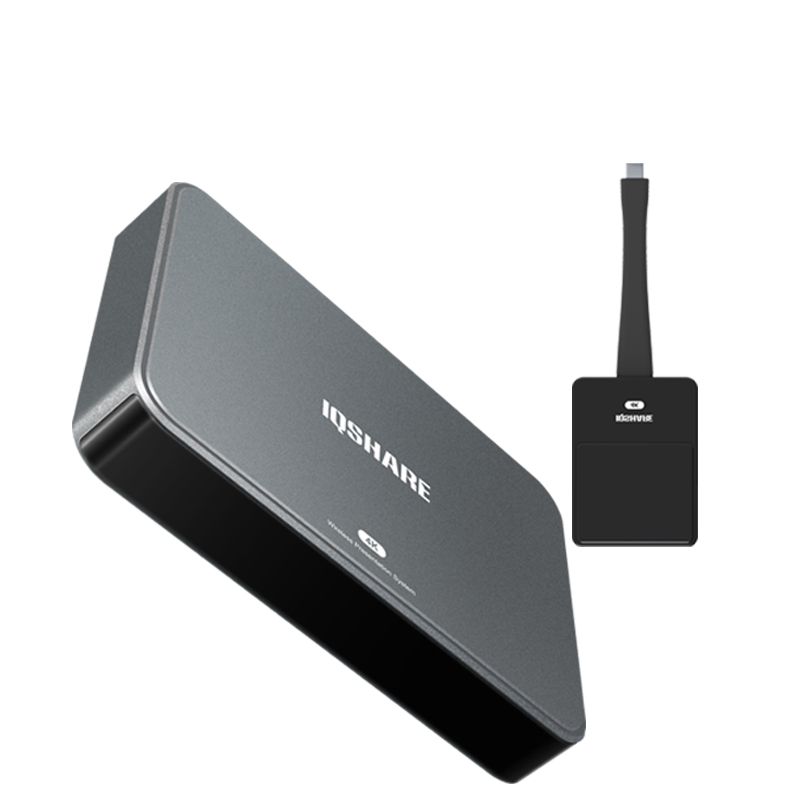
Hdm1 Wireless Transmitter Receiver 1 to 4 Anycast Wireless Screen Sharing Wireless Presentation System
A 1-to-4 wireless HDMI screen sharing system for distributing document camera images, presentations and annotations to multiple displays without cable clutter.
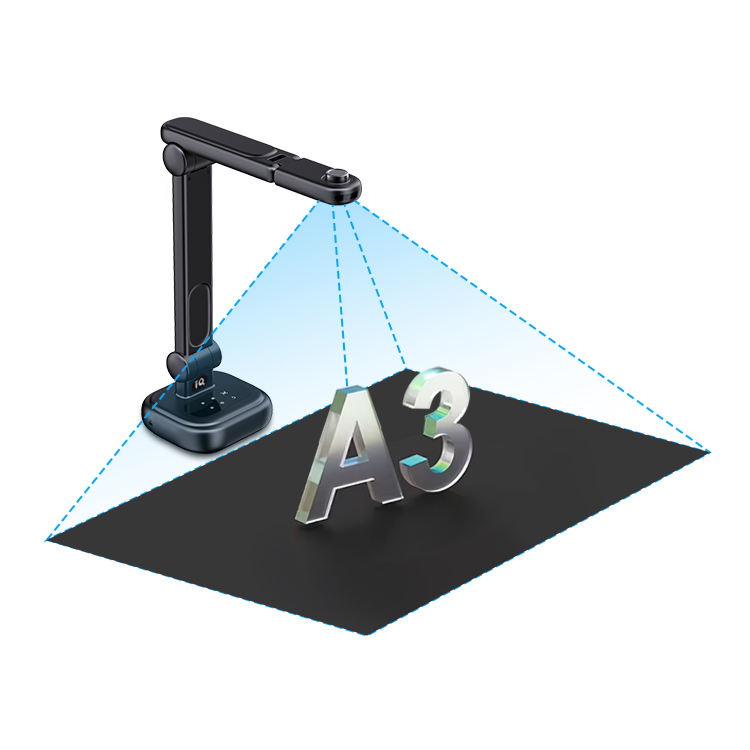
4K Camera Folding Design Live Annotation Adjustable LED Lighting Dual Stream A3 A4 Document Book Camera Scanner
A 4K folding document camera with dual-stream output, live annotation and adjustable LED lighting for A3/A4 book scanning, object demonstration and hybrid teaching.
Why HD Document Cameras Are Moving From Accessory to Core Classroom Infrastructure
During the emergency remote-learning period, document cameras were often purchased as temporary accessories. In 2025, education buyers treat them as core visual infrastructure because they preserve handwriting, textbook detail, lab demonstrations and object-based teaching while feeding hybrid classrooms. For exporters and wholesalers, this shift changes the sourcing brief: the winning product is no longer just a high-resolution camera. It must combine optical zoom, stable LED lighting, A3/A4 capture, dual-stream HDMI/USB output, annotation software and long-life mechanical design.
Ruyden approaches this category as an extension of its smart classroom portfolio. The same factory that builds interactive flat panels, digital podiums and lecture capture systems also supports document camera integration with displays, wireless presentation and room control. That matters for OEM buyers because a single supplier can coordinate fit, finish, firmware and accessory compatibility instead of forcing integrators to manage multiple vendors.
- For wholesalers: differentiated models with private-label packaging, localized manuals and stable accessory supply.
- For tender buyers: documented factory capability, SGS verification, batch QC and export packing that survives long-haul shipping.
- For integrators: HDMI, USB, wireless casting and annotation workflows that fit interactive panels, podiums and lecture capture systems.
Recommended HD Document Camera Configurations by Use Case
Buyers should specify document cameras by teaching workflow, not by resolution alone. The same HD camera can be ideal in one room and unsuitable in another if zoom, lighting, mounting or output interfaces are misaligned.
K–12 Classroom Visualizer
Prioritize 10x optical zoom, A4/A3 book scanning, one-touch annotation and USB/HDMI output for daily teacher use. A folding arm and adjustable LED lighting reduce setup time between lessons.
University Lecture Capture
Specify a 4K sensor, dual-stream output, ceiling or long-arm mounting and stable long-cable performance. The camera should integrate with lecture capture, live broadcast and podium control.
Corporate Training Room
Choose a portable folding document camera with quick HDMI/USB switching, anti-glare lighting and simple screen sharing for product demonstrations, workshops and hybrid meetings.
Lab & Object Demonstration
Use macro focus, high frame rate, flexible positioning and uniform LED illumination. A3/A4 capture and annotation help trainers record experiments, components and detailed procedures.
2025–2030 Procurement Trends for Custom OEM HD Document Camera Exporters & Wholesalers
Tender language is becoming more outcome-based. Buyers are less likely to accept a single “1080p document camera” line item and more likely to request evidence of optical zoom, book scanning, annotation workflow, warranty support and firmware update policy.
Framework Agreements Replace One-Off Box Sales
School districts and universities increasingly buy visualizers through multi-year framework agreements. Suppliers must prove repeatable QC, spare-parts availability, firmware continuity and predictable lead times before winning the first order.
Localization and Compliance Move Upstream
Wholesalers want localized packaging, manuals, port labels and on-screen language, with certification planning discussed before tooling. OEM partners that can manage documentation and market-specific requirements reduce compliance risk.
Hybrid-First I/O Becomes Mandatory
HDMI, USB, USB-C and wireless casting are now evaluated together. The document camera must feed a room display, a teacher laptop, a lecture capture recorder and a remote audience without adding fragile adapters.
Total Cost of Ownership Drives Specification
Buyers compare lamp life, cable quality, mechanical arm durability, packaging protection and after-sales response. A lower unit price can lose a tender if the model creates installation rework or spare-parts problems.
What Buyers Actually Prioritize in Document Camera RFQs
A practical sourcing review should separate marketing claims from specification evidence. Ruyden’s export team reviews buyer briefs across education, training and public-sector projects; the pattern below shows where technical questions most often concentrate.
The strongest RFQs ask for test charts, sample videos, lens specifications, output latency, LED uniformity, mounting options and firmware support — not only the maximum resolution printed on a box.
Directional index based on Ruyden export team’s review of buyer requirements and tender briefs. It is not a statistical market forecast.
Product Development Trends Shaping the Next Generation of HD Visualizers
The next wave of document camera innovation is less about adding pixels and more about reducing classroom friction: faster setup, clearer book capture, simpler sharing and better integration with existing AV systems.
4K Sensors With AI-Assisted Focus
4K capture gives teachers room to crop, zoom and display fine text without losing detail. AI-assisted focus and exposure help maintain readable images when lighting changes or hands move across the capture area.
Dual-Stream A3/A4 Book Scanning
Dual-stream output lets one camera feed a live room display while another stream records or streams to remote learners. A3/A4 book scanners with flat-field correction reduce page curvature and shadow problems.
USB-C, HDMI and Wireless in One Workflow
Buyers increasingly expect one visualizer to connect to interactive panels, laptops, wireless presentation systems and lecture capture recorders. Simplified switching reduces help-desk calls and installation errors.
Embedded Annotation and LMS-Ready Capture
Document cameras are becoming teaching workflow devices, not passive cameras. On-screen annotation, snapshot capture, lesson recording and easy export to learning management systems add measurable classroom value.
Folding, Ceiling and Portable Formats Diversify
No single form factor fits every room. Folding desktop models suit training rooms, ceiling-mounted visualizers free up teaching space, and portable units support field work, labs and multi-room sharing.
OEM Firmware, Packaging and Localized UI
Distributors want products that feel local to their market. Custom boot screens, language packs, port labels, manuals, packaging and accessory kits turn a generic visualizer into a differentiated private-label line.
Company Advantages That Reduce Sourcing Risk for Document Camera Wholesalers
Ruyden Interactive Technology Group Co., Ltd. is an SGS onsite-verified manufacturer based in Fuzhou, Fujian, China. The company combines in-house SMT, PCB and assembly capabilities with a reliability test lab and long export experience.
Factory-Controlled Engineering
In-house SMT, AI auto-insertion, PCB processing and final assembly support consistent quality and faster engineering changes for OEM document camera programs.
Verified OEM / ODM Capability
Design-based customization has been verified by independent third-party inspection. Logo, boot screen, housing color, packaging, software and language options can be aligned to your market.
Reliability Test Lab
High and low temperature, drop, simulated transportation, salt spray, button life, insertion force, static, earth continuity and withstand voltage tests support export-grade reliability.
Export Project Support
More than ten years of export experience helps distributors and tender buyers coordinate samples, documentation, packing, shipping and after-sales planning.
Evidence Behind the Promise: How Ruyden Builds and Validates Visual Learning Hardware
Controlling core production steps under one roof lets Ruyden protect custom designs, respond faster to engineering changes and maintain batch consistency across repeat orders.
 Factory building and production base in Fuzhou
 Production workshop with controlled assembly flow
 Engineering, production and QC team
For document camera buyers, quality is visible in details that marketing pages often skip: lens assembly consistency, LED uniformity, cable strain relief, arm-joint durability, connector insertion life, firmware stability and export packaging. Ruyden’s production route includes raw material checks, SMT, auto-insertion, PCB processing, assembly, in-line functional inspection and final packing. The test lab then validates performance under temperature variation, drop, simulated transportation, salt spray, repeated button use, static discharge and electrical safety conditions.
The result is a more predictable OEM supply relationship. Wholesalers can request samples, compare image quality against test charts, review packaging and then scale into repeat orders with documented QC steps. Tender buyers can review SGS verification, credit overview, trade capacity, transaction level and trade history before committing to a framework agreement.
From Requirement to Delivery in Six Controlled Steps
A structured workflow keeps importers, distributors and integrators informed at every milestone, from the first specification brief to packaging and after-sales support.
Requirement Review
Share room types, target quantities, target market, certification needs and branding requirements for the document camera line.
Solution Design
Engineers propose camera configuration, output interfaces, mounting options, software features and packaging direction.
Sample Approval
Pre-production samples confirm image quality, mechanical feel, labels, language settings and accessory kits.
Mass Production
In-house SMT, PCB and assembly lines build the order with documented process controls.
QC & Testing
Reliability lab checks, functional inspection and final packing review occur before shipment.
Delivery & Support
Export packing, shipping coordination, technical documentation and after-sales planning support long-term partners.
HD Document Camera Exporters & Wholesalers FAQ
These are the questions overseas buyers most commonly ask when evaluating a custom OEM document camera program, wholesale order or tender-ready visualizer supply.
What is the MOQ for custom OEM HD document cameras?
Can you customize logo, packaging, software and accessories?
How do you ensure document camera image quality and durability?
What documents can support a tender or distributor onboarding review?
What is the typical lead time for samples and mass production?
Do you provide technical support for distributors and integrators?
Build a Differentiated HD Document Camera Line With Ruyden
Share your room types, target market, annual volume, certification requirements and branding needs. Ruyden’s export team will respond with a configuration proposal, sample plan and RFQ-ready specification for your next wholesale or tender project.
