Eight Export-Ready Products for Visualizer-Led Classrooms, Podiums and Hybrid Rooms
The product links below are active export configurations often bundled into visualizer-led teaching rooms, lecture halls, training centers and hybrid meeting spaces. Buyers can combine a 4K document visualizer with an interactive display, digital podium, conference camera, speakerphone or networked media processor to create a complete room solution instead of sourcing isolated hardware.
Planning a private-label visualizer programme or a classroom rollout with mixed display, podium and camera products? Share your room plan, target market and tender requirements for a tailored configuration proposal.
Inquire NowWhat “Custom OEM Overhead Visualizer” Really Means in Modern Procurement
An overhead visualizer is no longer a single-purpose document camera. It is becoming a visual workstation that supports object demonstration, document capture, annotation, lecture recording, hybrid teaching and room-level device control. That shift changes how buyers should evaluate manufacturers.
From document camera to visual intelligence node
In a traditional classroom, the visualizer was judged mainly by resolution and zoom. In a modern hybrid room, it must also provide stable focus at object distance, accurate color for printed materials, low-latency video for streaming, driver-free USB or HDMI connectivity, and predictable behavior when connected to an interactive flat panel or digital podium.
For tender buyers, the real question is not “which camera has the highest specification on paper?” but “which configuration reduces teaching friction, installation risk and after-sales cost over a five-year campus lifecycle?” Information gain starts with deployment context: room size, subject type, lighting, network policy, service access and the software already used by teachers.
OEM is a risk-control decision, not a logo sticker
A genuine OEM/ODM partner controls more than labeling. It must protect your industrial design, boot screen, packaging, language pack, pre-installed software workflow and hardware interface choices while keeping firmware updates and spare parts traceable. The difference between “logo-only relabeling” and “design-based customization” becomes visible during tender approval, field service and product lifecycle management.
Ruyden’s design-based customization capability has been verified through independent third-party inspection, and buyers can review assessment, credit and trade records before committing to a programme. That transparency is especially important when the visualizer is part of a multi-year education framework or a branded distributor catalogue.
Planning note: the percentages above are an illustrative RFQ prioritisation model for structuring your own tender scoring. They are not external market statistics. Use them to align stakeholders on what “best value” means before samples are requested.
Six Purchasing Shifts Reshaping the Overhead Visualizer Category
Smart education buyers are moving away from isolated hardware purchasing. They are specifying room-level outcomes, serviceability and evidence-backed customization.
Hybrid-first classroom design
Visualizers are increasingly specified together with lecture capture, USB webcams, conference audio and wireless presentation. Buyers want one camera workflow for in-room projection and remote viewers, with stable frame rates, clean audio and simple source switching.
Interoperability and BYOD
Single-purpose visualizers create cable clutter and training overhead. Procurement teams now ask whether the device works as a driver-free UVC source, integrates with an interactive panel or podium, and supports conference platforms without custom software on every teacher laptop.
AI-enhanced imaging
Auto-focus, auto-framing, text enhancement, noise reduction and scene optimization are becoming evaluation criteria. The strongest programmes use AI to reduce teacher adjustment time, not to add features that require extra training or obscure manual control.
Privacy-by-design and update policy
Education buyers increasingly require a clear statement on local versus cloud processing, data retention, firmware update channels and device management. A visualizer that processes images locally can simplify privacy review in schools and public-sector projects.
Total cost of ownership
Purchase price is only one line in the business case. Buyers now model installation time, spare parts, warranty response, firmware maintenance, packaging protection, accessory replacement and teacher training. The lowest quote can become the most expensive deployment if serviceability is weak.
Modular and rugged hardware
Schools need visualizers that survive daily folding, cable movement, accidental impact and frequent room changes. Foldable flatbed structures, protected hinges, lockable zoom, standard mounting points and replaceable cables are becoming more important than cosmetic design alone.
Where Overhead Visualizer Engineering Is Heading Next
The next generation of OEM visualizers will be evaluated as part of an integrated visual computing stack: optics, edge processing, software APIs, installation hardware and after-sales data.
Higher-quality optics with practical zoom ranges
4K sensors and 10x optical zoom are becoming baseline expectations for document and object capture. The meaningful differentiator is not digital zoom alone, but optical clarity across A4/A3 materials, printed text, 3D objects, handwritten notes and small components used in STEM teaching. Buyers should test focus stability at typical working distances and confirm that zoom remains usable under common classroom lighting.
Edge AI that removes adjustment work
Auto-focus, auto-exposure, white-balance correction, text sharpening and noise reduction are most valuable when they are invisible. A teacher should be able to place a book, specimen or circuit board under the camera and begin teaching without opening a settings menu. For OEM programmes, these algorithms must also respect the buyer’s privacy requirements and firmware governance model.
Driver-free software and open integration
Driver-free USB video, HDMI output and network media processing reduce deployment risk across Windows, macOS, Android and room systems. APIs and documented control protocols matter when the visualizer is integrated with a smart podium, lecture capture system or campus device management platform. Buyers should request a compatibility matrix rather than assuming plug-and-play from a product photo.
Design for installation, service and packaging
The physical design is part of the total product. Foldable arms must hold position, cable routes must survive repeated movement, and packaging must protect the camera and lens assembly during export transit. For distributors, replaceable accessories and clear service documentation can be more valuable than a small reduction in unit cost.
Match the Visualizer Configuration to the Teaching Workflow
Use this recommendation matrix to shortlist a room solution before requesting samples. The right product combination depends on subject matter, viewing distance, room control strategy and whether remote learners must see the same object detail as the class.
| Deployment Scenario | Recommended Core Product | Why It Fits | Common Add-Ons |
|---|---|---|---|
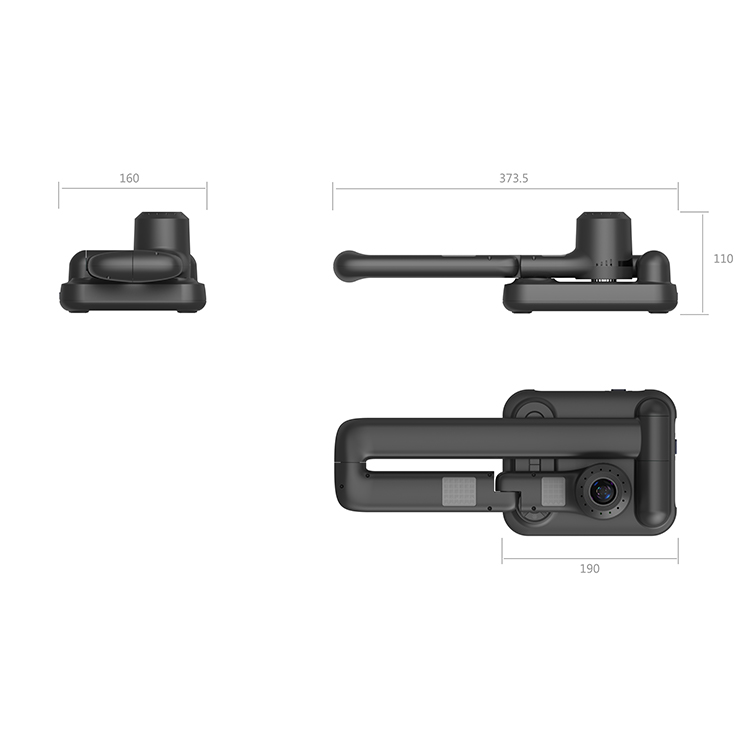
| K-12 object demonstration | Extra Large Coverage 4k Camera 10x Optical Zoom Foldable Flatbed A4 Document Scanner Kiosk | Large coverage, optical zoom and foldable form factor support books, worksheets and hands-on teaching. | Interactive touch display, smart podium, stylus-ready panel |
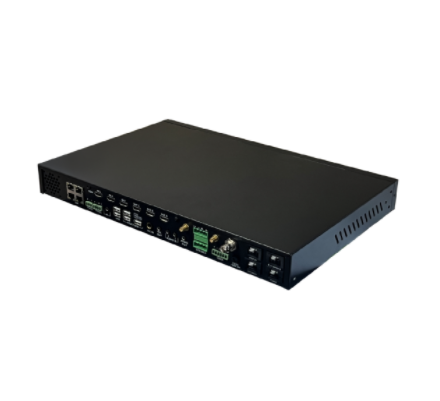
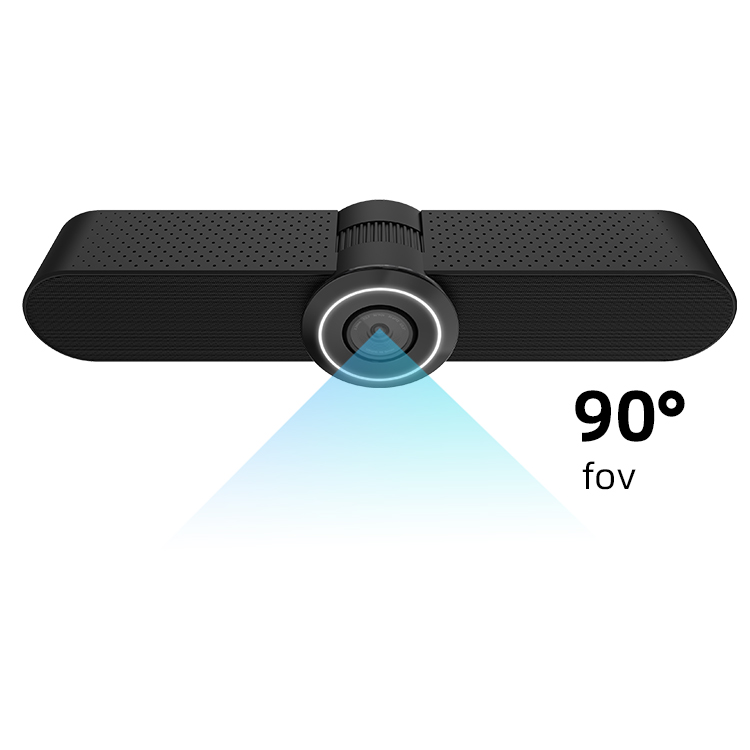
| Hybrid lecture capture | Conference Live AI Camera 4k 1080p 60fps USB Webcam Camera All in One Microphones and Speakers | Combines video, microphones and speakers for lecture rooms, remote classes and training broadcasts. | QNex networked media processor, lecture capture, wireless presentation |
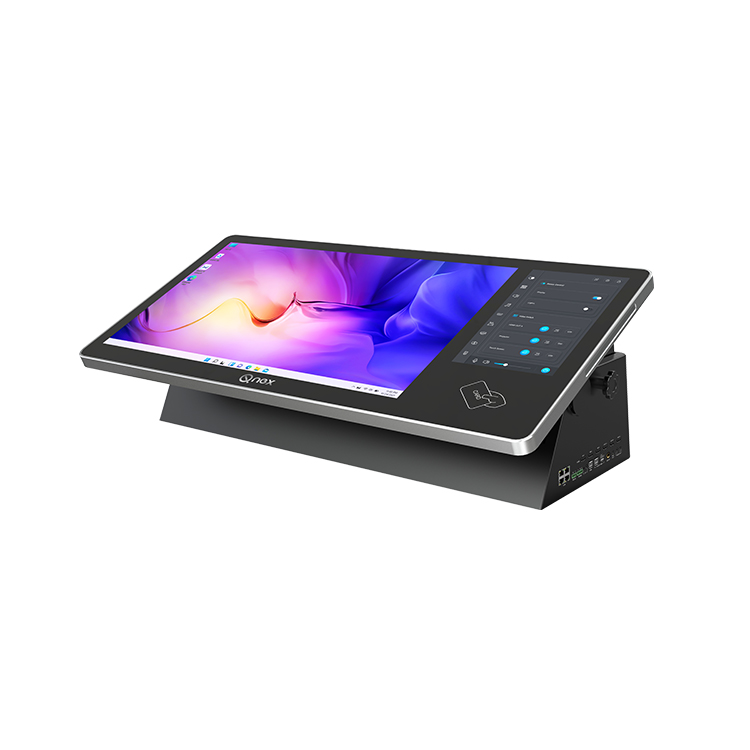
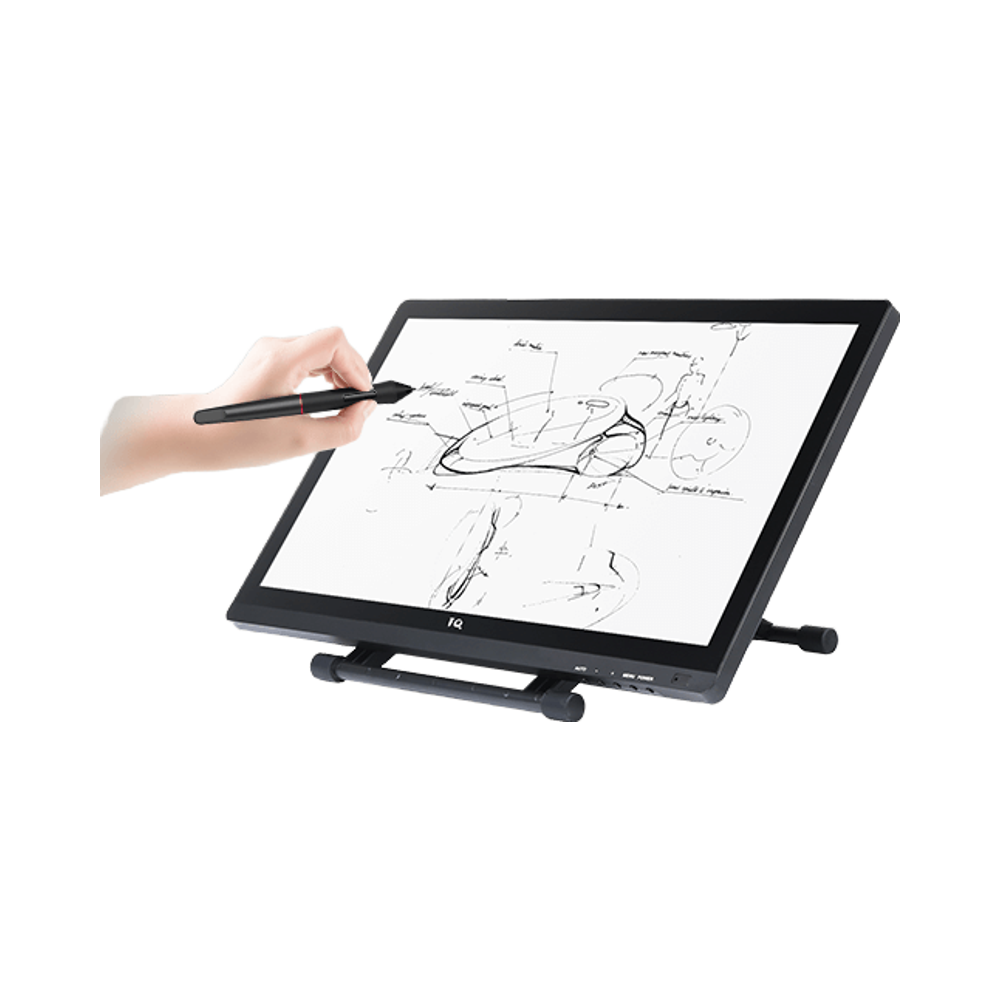
| Smart podium / lecture console | 22" Touch Screen Digital Smart Podium with Wireless Microphone or customizable integrated podium | Centralizes presentation control, microphone use and display switching at the teaching point. | Overhead visualizer, conference camera, AV control, intercom |
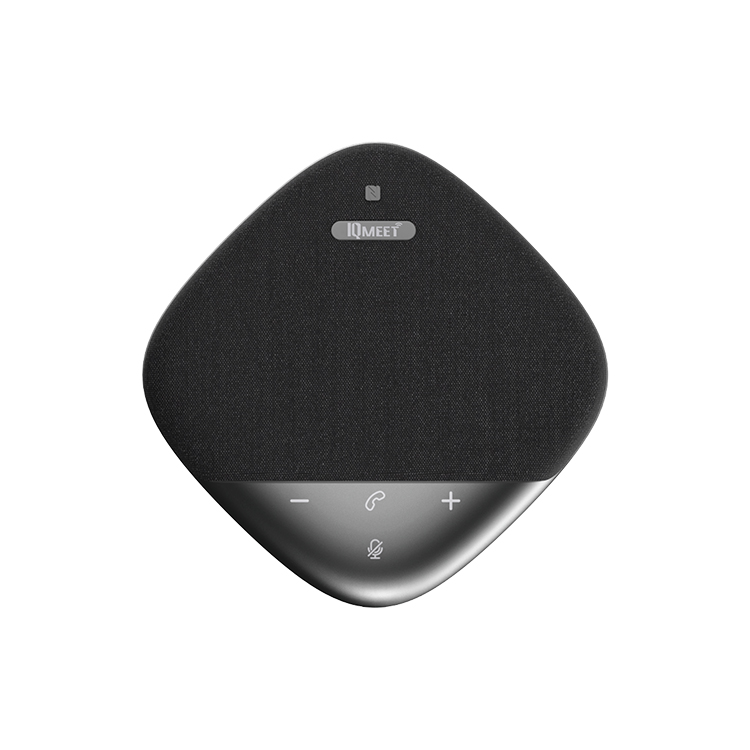
| Conference and training rooms | AI Noise Reduction NFC Conference Speakerphone with dual speakers | Improves voice clarity for hybrid meetings and pairs with room cameras for complete audio-visual coverage. | 4K AI conference camera, interactive display, wireless casting |
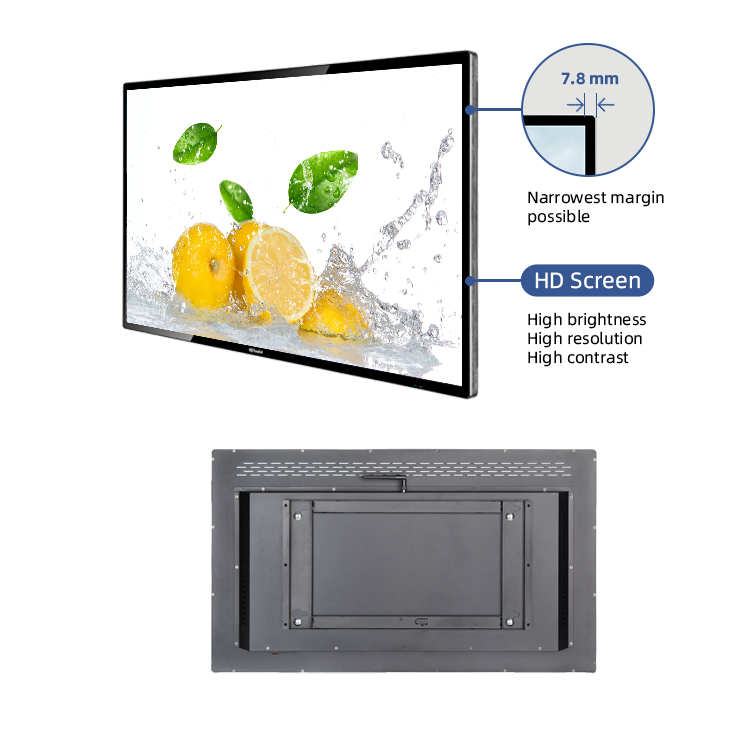
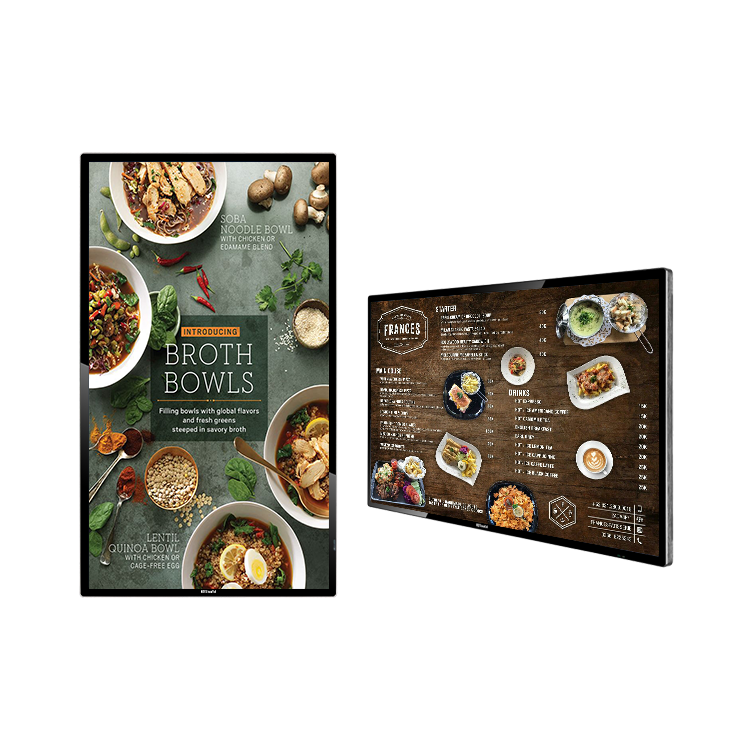
| Campus self-service and signage | 4K Kiosk Touch Screen Digital Signage or interactive Android LCD kiosk | Extends the digital campus experience to wayfinding, announcements, document capture and service points. | Content management, network processor, wall-mount or floor stand |
The 12-Point Overhead Visualizer Acceptance Protocol
Replace vague “sample looks good” approval with repeatable evidence. This protocol is designed for distributors, tenders and private-label programmes that need a documented decision trail.
- Test text clarity on A4 and A3 documents at realistic teaching distances.
- Compare optical zoom with digital zoom; record edge sharpness and color shift.
- Measure video latency with the interactive panel or lecture capture platform.
- Check white balance under warm, cool and mixed classroom lighting.
- Confirm focus stability when objects move closer or farther from the lens.
- Test glare handling for glossy textbooks, printed photos and laminated sheets.
- Verify USB, HDMI and network compatibility with the buyer’s existing room hardware.
- Confirm driver-free operation on teacher laptops and common operating systems.
- Review microphone and speaker integration if the visualizer is part of a hybrid room.
- Request firmware update policy, security questionnaire and data-processing notes.
- Inspect export packaging, drop protection and accessory labelling.
- Agree on spare parts, warranty response and field-replacement procedures.
Why Ruyden Is a Lower-Risk OEM Overhead Visualizer Partner
Ruyden Interactive Technology Group Co., Ltd. combines education AV product engineering, in-house electronics production, reliability testing and export service. For buyers, that means fewer handoffs between design, manufacturing and after-sales support.
SGS onsite-verified transparency
Ruyden is onsite-verified by SGS Group. The supplier assessment report, credit overview, trade capacity, transaction level and trade history are publicly reviewable, giving overseas buyers independent evidence before placing a programme order.
19 years in the industry
The company has 19 years of industry experience, 21 years of verified B2B trading activity and 82 verified staff across engineering, production, quality control and export service. These figures help distributors assess continuity and support capacity.
In-house SMT, PCB and assembly
Controlling SMT, auto-insertion, PCB and final assembly under one roof helps protect custom hardware designs, shorten engineering changes and keep quality feedback close to production. Buyers are not dependent on multiple unrelated subcontractors for core electronics.
Reliability test lab
Products can be validated through high and low temperature testing, drop testing, simulated transportation, salt spray, button life, insertion force, static, earth continuity and withstand voltage testing before shipment. This matters for schools, tenders and markets with demanding logistics conditions.
Verified OEM / ODM customization
Typical customization includes logo, boot screen, housing color, packaging, pre-installed software, language settings and hardware configuration. Design-based customization has been verified by independent third-party inspection, supporting private-label programmes rather than simple sticker branding.
Global export service
With more than ten years of export experience and participation in international trade shows, Ruyden supports pre-sales consulting, technical training and after-sales coordination for distributors, integrators and education project buyers across multiple regions.

Factory operations in Fuzhou, Fujian, supporting education AV production and export programmes.

Production workshop with in-house electronics and assembly workflows.

Engineering, quality and export teams supporting OEM/ODM customers.
Verified industry experience for education AV programmes.
Long-term global supplier activity with public records.
Engineering, production, QC and export service professionals.
Average score from verified buyer reviews and transactions.
From Requirement Review to Export Delivery in Six Clear Steps
A documented process keeps distributors, tender buyers and integrators aligned on specification, sample approval, production and after-sales responsibilities.
Requirement review
Share room types, quantities, target market, software expectations and certification needs.
Solution design
Engineers propose camera, display, podium or audio configuration plus branding and packaging.
Sample approval
Pre-production samples confirm optical performance, interfaces, look, feel and packaging.
Mass production
In-house SMT, PCB and assembly lines build the approved configuration.
QC and testing
Reliability lab checks and final inspection are completed before export packing.
Delivery and support
Export packing, shipping coordination, technical documents and after-sales service follow.
Reliability Testing and Export Risk Controls Buyers Can Audit
For visualizers and classroom electronics, reliability is a procurement issue, not a factory slogan. Test coverage should match the product, market climate, shipping route and expected daily usage.
Test laboratory coverage
Representative test capabilities include:
- High and low temperature
- Drop tester
- Simulated transportation
- Salt spray tester
- Button life testing
- Insertion force testing
- Static tester
- Earth continuity
- Withstand voltage
- Power board inspection
- Multimeter measurement
- Final visual and functional check
Export risk controls
Before shipment, confirm the following items in writing so that responsibilities are clear across the buyer, factory and freight partners:
- Approved sample record
- Packaging drop standard
- Accessory checklist
- Language pack verification
- Firmware baseline
- Serial-number traceability
- Spare-parts list
- Warranty process
- Technical manual
- Training material
For OEM programmes, also agree on logo placement, boot screen, packaging artwork, carton labels and how engineering changes will be communicated after mass production begins.
Common Procurement Questions from Overseas Buyers
These are the questions most often raised during visualizer, podium and classroom AV sourcing discussions.
Can you customize an overhead visualizer or classroom device for our brand?
Yes. Ruyden supports OEM and ODM customization for eligible programmes. Typical options include logo, boot screen, housing color, packaging, language settings, pre-installed software workflow and selected hardware configuration. The exact scope depends on the product, order quantity and certification requirements. Buyers should provide branding assets, target market details and a technical specification before sample approval.
Which product should we choose for classroom object demonstration?
For object demonstration, start with the Extra Large Coverage 4k Camera 10x Optical Zoom Foldable Flatbed High Speed A4 Document Scanner Kiosk. It is suited to books, worksheets and hands-on materials. Pair it with an interactive touch display or smart podium when teachers need annotation, source switching and room control. For hybrid teaching, add a conference camera and lecture capture workflow.
What is the minimum order quantity and sample lead time?
MOQ and lead time depend on the product configuration, branding, packaging and whether the request is a standard export model or a custom OEM build. Sample availability is evaluated by project. Share your room quantity, target market and required customization in the inquiry so the export team can confirm the most practical sampling and production plan.
How do you prove product quality and production capability?
Ruyden operates in-house SMT, auto-insertion, PCB and assembly capabilities, and uses reliability testing such as high and low temperature, drop, simulated transportation, salt spray, button life, insertion force, static, earth continuity and withstand voltage testing. The company is also SGS onsite-verified, with assessment, credit and trade records available for independent review.
Can you support tender documentation and compliance review?
Ruyden can provide company profile information, SGS assessment references, trade capacity, transaction level, trade history and product specification details for buyer due diligence. Certification and compliance requirements vary by product and destination market, so they should be confirmed at the requirement review stage rather than assumed from a general catalogue page.
How should we evaluate software, privacy and firmware updates?
Request a written explanation of local versus cloud processing, data retention, update channels and device management. For school and public-sector projects, run a privacy review before pilot deployment. Buyers should also confirm whether the visualizer operates as a driver-free USB or HDMI source and whether any optional software requires installation on teacher laptops.
Will the product work with our existing interactive panels and AV systems?
Compatibility should be tested against the actual room hardware. Confirm USB, HDMI, audio and network interfaces; check the display resolution and frame rate; verify cable length limits; and test source switching with the podium, switcher or lecture capture platform. Ruyden can recommend combinations such as a document scanner kiosk with an interactive display, smart podium and networked media processor.
What about warranty, spare parts and after-sales support?
Warranty and service terms are confirmed per product and project. For distributor and tender programmes, discuss spare-parts recommendations, field-replacement procedures, technical documentation and training before mass production. A clear after-sales plan is especially important when devices are deployed across multiple campuses or sold through channel partners.
Build Your OEM Overhead Visualizer Programme with a Verified Manufacturer
Send your room types, target quantities, branding needs, market requirements and software expectations. Our export and engineering team will respond with a practical configuration proposal, sample plan and documentation package for your project review.
