Eight Classroom and Conference Products That Pair With OEM Visualizer Programs
Portable document camera projects rarely stop at one device. Buyers often bundle the visualizer with interactive displays, conference audio, AI cameras, digital podiums and room-control hardware. These eight products support complete classroom and meeting-room deployments.
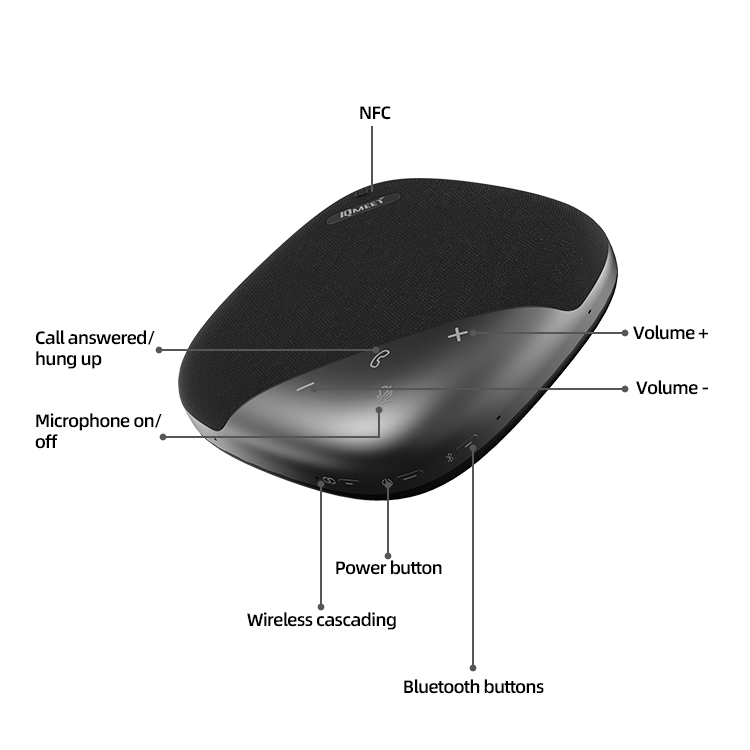
Home Theatre Omnidirectional USB Wireless Amplified Speakerphone Conference Powerful Sound Suitable for School and Conference
Voice pickup and amplified audio for hybrid teaching, lecture capture rooms and video conference suites.
Conference Audio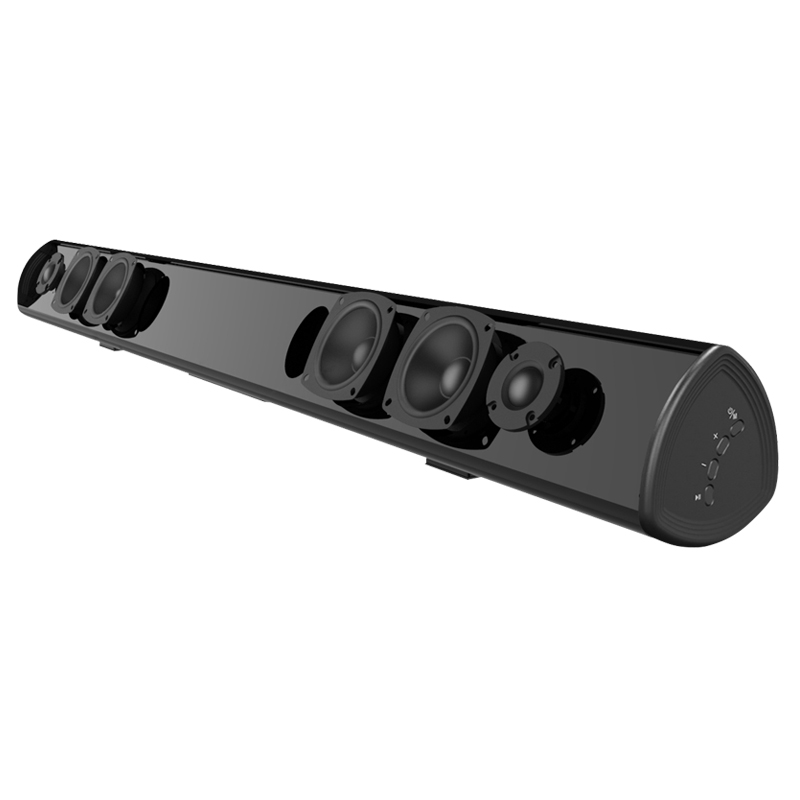
Voice Pick up Soundbar Sound Remote Speaker
Compact soundbar for classrooms and meeting rooms where clean installation and clear speech are priorities.
Soundbar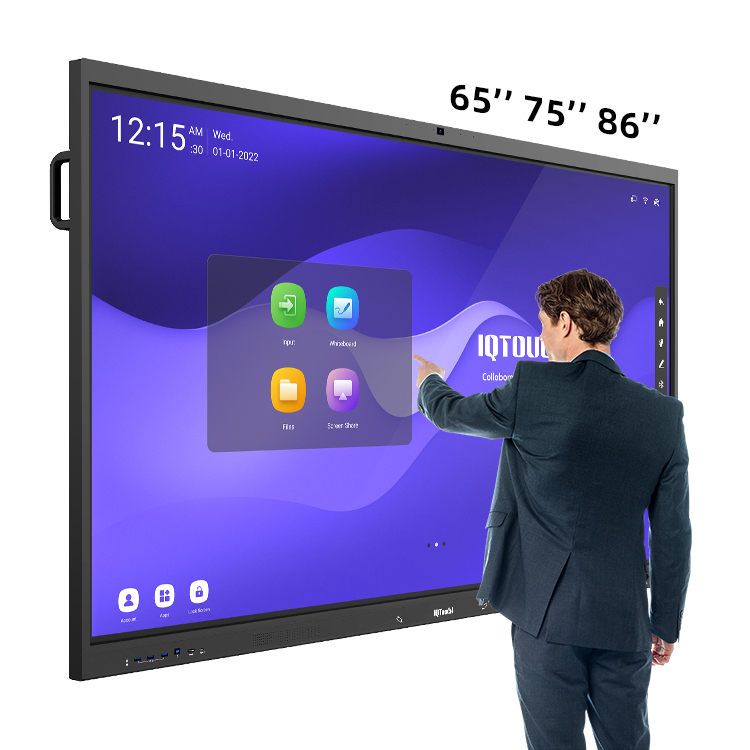
Dual System 4K 65 75 86 Inch Smart Board Interactive Electronic Whiteboard for Education and Conference
A large-format display for sharing visualizer output, annotations and lesson content across the room.
Interactive Display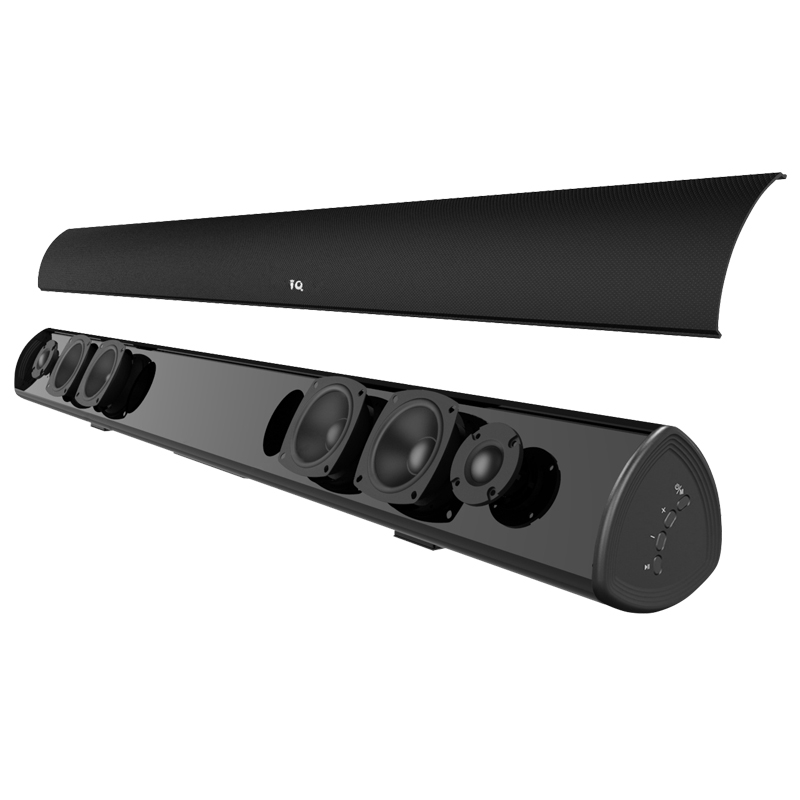
Soundbar for Meeting Room and Classroom Remote Control Speaker
Remote-controlled soundbar for spaces that need simple operation without complex AV commissioning.
Room Audio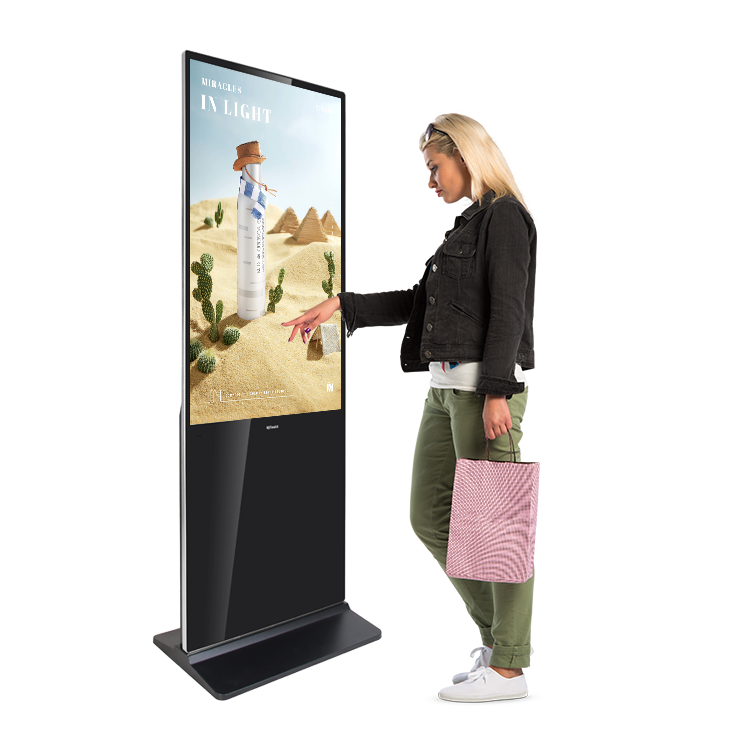
Android and Windows System Standing Floor Stand Information Kiosk Touch Screen for Shopping Mall
Freestanding digital signage and information kiosk for campus lobbies, training centers and public venues.
Digital Kiosk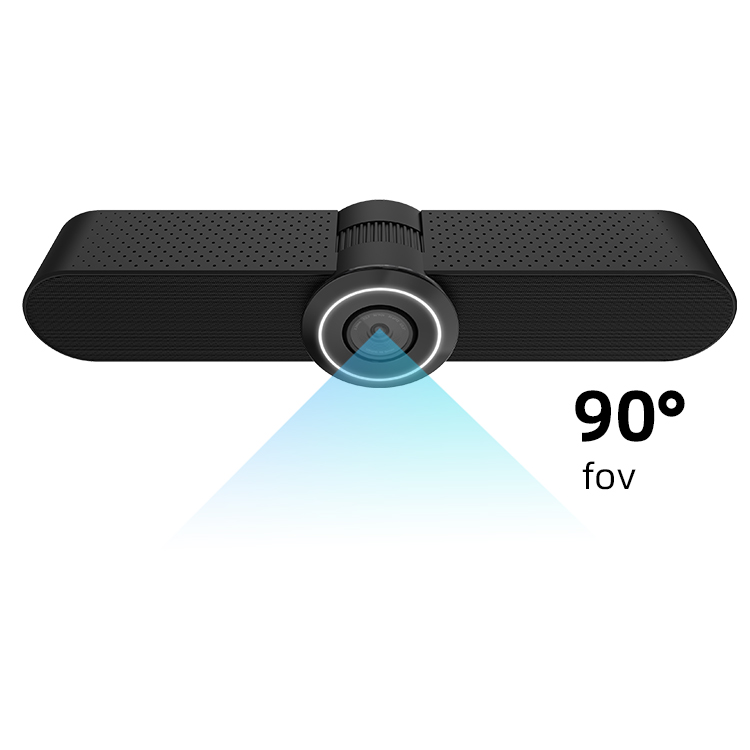
Conference Live AI Camera 4K 1080p 60fps USB Webcam Camera All in One Microphones and Speakers
All-in-one AI camera for lecture capture, distance learning and hybrid meeting rooms.
AI Camera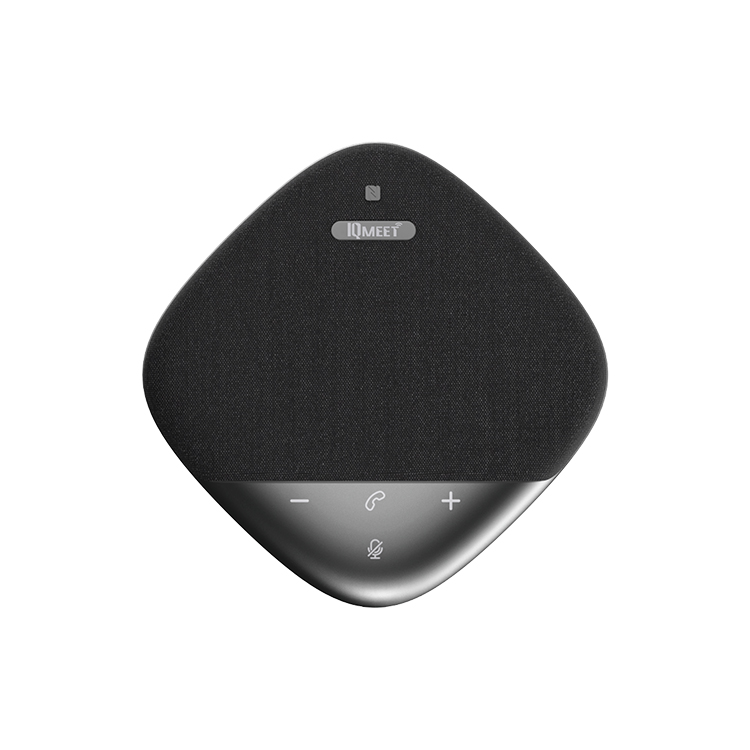
China Factory NFC Features AI Noise Reduction Built-in Dual Speakers Conference Speakerphone for Mobile Phone USB
AI noise reduction and NFC pairing for clear voice capture during visualizer demonstrations and remote classes.
AI Audio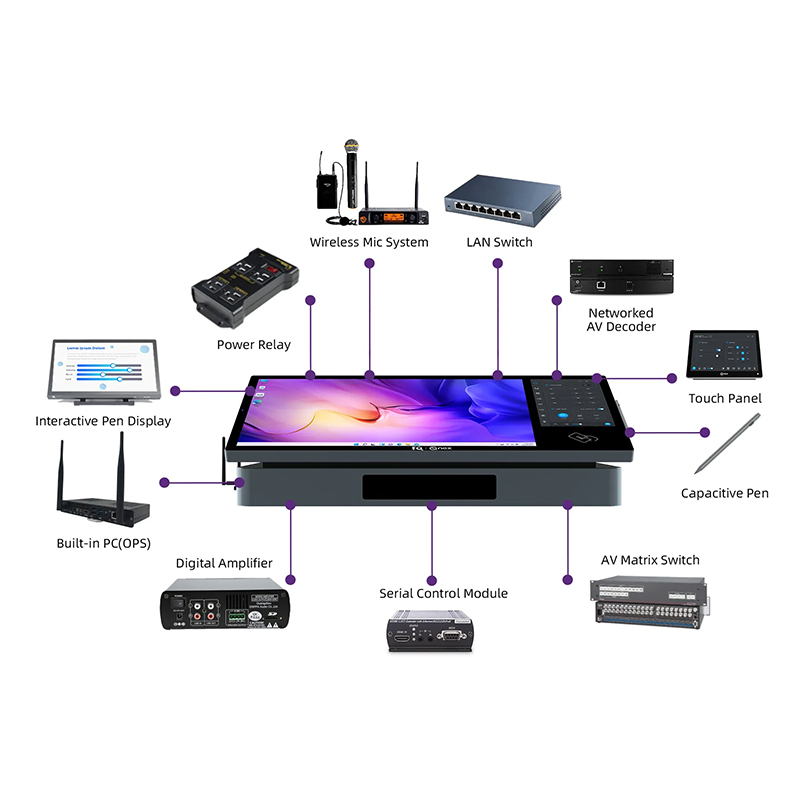
Android System Education Classroom Control Smart Digital Lectern Desktop Digital Podium
Centralized lectern control for teachers using document cameras, displays, audio and room devices.
Smart PodiumFactory Evidence Buyers Can Check Before Approving a Sample
For OEM document camera sourcing, brochure claims are not enough. Verification should cover factory identity, production control, test capability, export history and buyer feedback.
Long-cycle manufacturing experience across interactive displays and classroom AV.
Engineering, production, QC and export service personnel recorded in third-party assessment.
Average rating from verified buyer reviews and completed transactions.
Independent audit records support tender reviews, distributor onboarding and import compliance.
What a Real Portable Document Camera Factory Should Control In-House
A portable document camera, also called a visualizer, document scanner or desktop presentation camera, is deceptively simple on the outside. The real cost of quality sits inside the image pipeline, hinge mechanism, LED illumination, autofocus module, firmware stability, thermal design and connector endurance. Buyers who source from a trading office without production control often discover this only after field failures appear.
Ruyden Interactive Technology Group Co., Ltd., based in Fuzhou High-tech Zone, Fujian, China, is an SGS onsite-verified manufacturer with in-house SMT, PCB, assembly and reliability test capabilities. Its established manufacturing model for interactive flat panels and smart classroom AV applies directly to OEM portable document camera programs: controlled electronics production, documented testing, custom branding, export packaging and project-level technical support.
The strongest factory partners combine hardware control with tender-ready evidence: incoming material inspection, in-process checks, final functional testing, safety verification, packaging validation and traceable batch records. That evidence is what allows distributors to defend product quality to schools, universities and corporate buyers.
- In-house SMT, auto-insertion, PCB processing and final assembly for consistent electronics quality.
- Reliability lab tests covering high and low temperature, drop, simulated transportation, salt spray, button life, insertion force, static, earth continuity and withstand voltage.
- OEM customization for logo, boot screen, housing color, packaging, manual language, preinstalled software and hardware configuration.
- Export support for tender documentation, certifications, sample approval, mass production and after-sales coordination.

Four OEM Portable Document Camera Programs to Recommend
Different sales channels need different visualizer configurations. The recommendation should be based on room type, buyer capability, software ecosystem and tender requirements, not simply on sensor resolution.
Classroom 4K Visualizer
Recommended for K-12 and university classrooms: 8MP or 4K sensor, 60fps presentation output, 10×–12× optical zoom, HDMI and USB-C UVC output, LED fill light, freeze frame and annotation software. Pair with an interactive flat panel and soundbar for complete lesson capture.
Portable USB Study Camera
Recommended for tutoring, distance learning and sales samples: compact folding arm, autofocus, 1080p or 4K UVC output, plug-and-play Zoom, Teams and Google Meet compatibility, built-in microphone and privacy-friendly design. Best for e-commerce sellers and education distributors with small MOQs.
AI Demonstration Station
Recommended for training centers and hybrid labs: document camera plus AI conference camera, speakerphone and wireless presentation. Supports object demonstration, paper scanning, live annotation and remote audience viewing in one connected room.
Tender-Ready OEM Package
Recommended for government and education tenders: custom logo, boot screen, packaging, manual, language pack, CE/FCC/RoHS documentation, test reports, sample approval record and long-term firmware support agreement.
Portable Document Camera Procurement Trends for 2026 and Beyond
Buying behavior is shifting from lowest unit price toward total cost, deployment speed, firmware security and documented compliance. These six trends should shape your sourcing brief.
Total Cost of Ownership
Freight volume, packaging protection, failure rate, spare parts and remote support now matter more than a small FOB difference. Compact folding visualizers lower warehouse and last-mile costs.
Evidence-Based Compliance
EU, North American and APAC buyers increasingly request CE, FCC, RoHS, REACH, UKCA or local certification evidence. Factories must supply traceable test reports, not just certificate scans.
Hybrid Learning Standardization
Schools want visualizers that work instantly with video conferencing platforms. UVC plug-and-play, driver-free installation and stable autofocus are becoming baseline requirements.
AI-Assisted Capture
OCR, auto page detection, object recognition and auto-framing reduce teacher workload. Buyers should verify whether AI processing runs on-device, in software or through a cloud service.
Firmware and Privacy Review
Procurement teams now ask about secure boot, update policy, data storage, privacy shutter options and offline operation. Firmware maintenance should be included in the supply agreement.
Modular Room Ecosystems
Document cameras are increasingly specified with interactive displays, digital podiums, speakerphones and lecture capture. A factory with broader classroom AV capability can simplify integration.
From Desktop Visualizer to Smart Capture Hub
The next generation of portable document cameras will be judged less as a camera accessory and more as an integrated teaching and presentation capture device.
Higher Resolution, Higher Frame Rate
4K sensors, 60fps output and better low-light performance improve legibility for textbooks, circuit boards, documents and 3D objects.
AI OCR and Annotation
On-screen text recognition, auto-rotate, page extraction and annotation make visualizers useful for digital lesson workflows and remote collaboration.
USB-C and Wireless Convergence
Single-cable USB-C connectivity, HDMI pass-through and 5GHz wireless presentation reduce installation friction in classrooms and meeting rooms.
Privacy and Secure Operation
Privacy shutters, local-only recording, secure firmware update and clear data handling policies are becoming purchasing requirements in education.
Sustainable Engineering
Lower standby power, recyclable packaging, longer product life and replaceable modules support public-sector sustainability targets.
Ecosystem Integration
Visualizers will connect to interactive panels, lecture capture systems, digital podiums, speakerphones and room control platforms through standard APIs.
OEM Evaluation Matrix: What to Audit Before Approving a Document Camera Sample
Use this matrix to compare suppliers with the same evidence standard. It helps procurement teams move beyond image resolution and ask the questions that predict field reliability.
| Evaluation Area | Why It Matters | Practical Benchmark | Evidence to Request |
|---|---|---|---|
| Image quality | Readability of text, samples and objects drives teacher adoption. | 4K or high-quality 1080p, 30–60fps, true autofocus, good low-light performance. | Raw sample video in classroom lighting; not only edited catalogue images. |
| Mechanical durability | Hinges, arms and ports fail first in daily classroom use. | Cycle test for folding arm, connector insertion test, drop and transport test. | Internal test report with pass criteria and sample photos. |
| Connectivity | Compatibility problems delay deployment and increase support cost. | USB UVC plug-and-play, HDMI output, USB-C option, 5GHz wireless if required. | Compatibility list for Windows, macOS, ChromeOS, Zoom, Teams and Google Meet. |
| Software and firmware | Long-term stability and security depend on update discipline. | Driver-free use, offline operation, documented update method, no forced cloud dependency. | Firmware release notes, software screenshots, privacy and data-flow description. |
| Compliance | Tenders may reject products without traceable safety and material documents. | CE, FCC, RoHS, REACH or destination-market requirements. | Certificate, test report, model number consistency and authorized-lab details. |
| Supply assurance | Education projects need predictable lead times and change notification. | Stable BOM, spare-parts policy, EOL/PCN notice, repeat-order lead time. | Signed supply agreement, sample approval record and production schedule. |
Evidence, Not Promises: How the Factory Protects Your OEM Program
Procurement risk is reduced when production, testing, customization and export service sit inside one accountable operation.

Production Workshop
Structured assembly and in-process checks support repeatable output.

Engineering Team
Custom configuration, packaging and documentation handled by project staff.
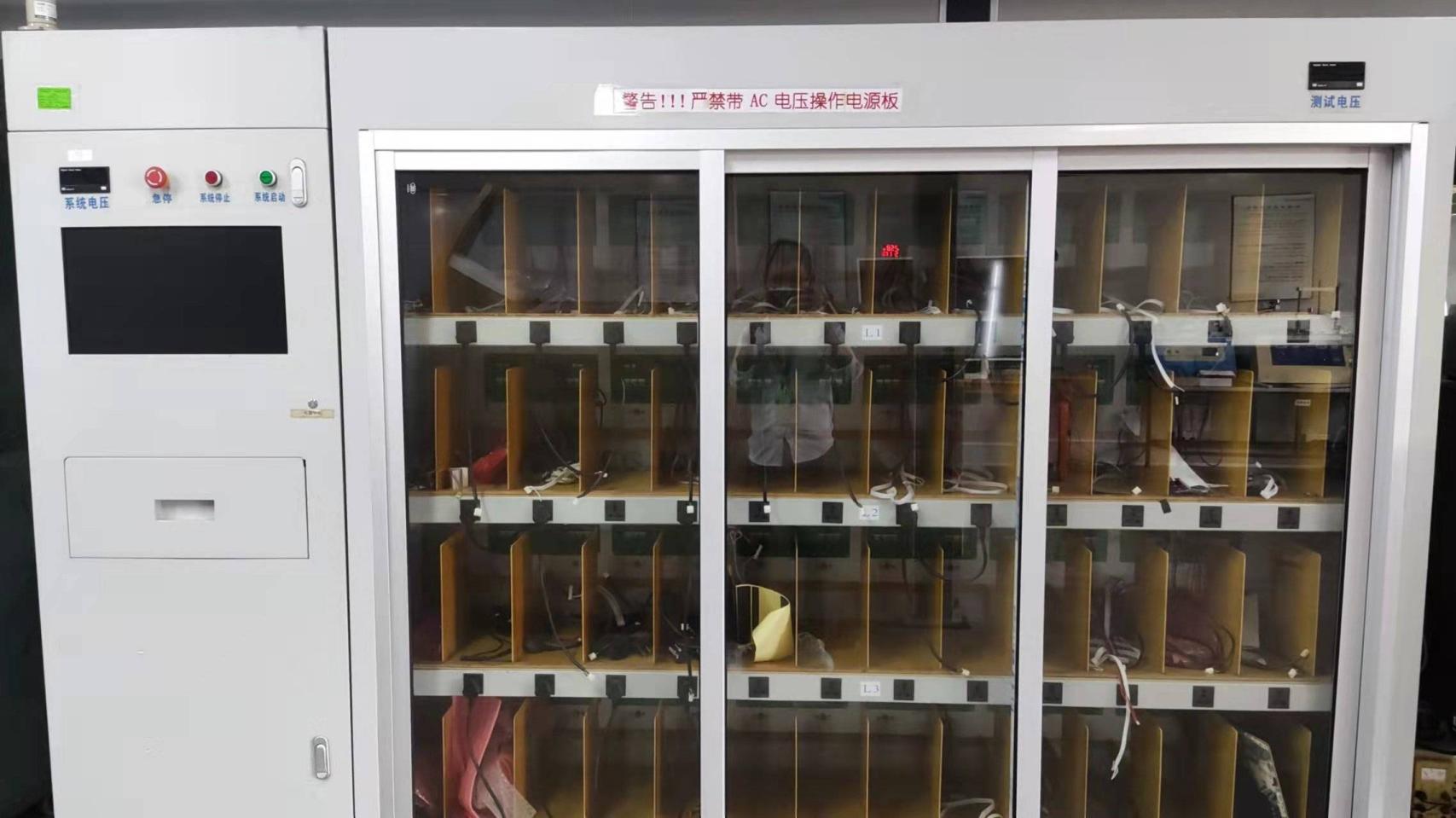
Reliability Lab
Testing covers environmental, mechanical, electrical and transport risks.
Third-Party Verified Supplier
Onsite SGS verification, credit overview, trade capacity, transaction level and trade history can be reviewed before an order is placed.
In-House Electronics Control
SMT, auto-insertion, PCB and final assembly are managed internally, protecting your custom design and reducing undisclosed subcontracting risk.
Reliability Test Culture
High and low temperature, drop, simulated transportation, salt spray, button life, insertion force, static, earth continuity and withstand voltage testing are part of the quality system.
Design-Based Customization
Logo, boot screen, housing color, packaging, language, preinstalled software and hardware configuration can be aligned to your market.
Export Project Support
Sample approval, tender documents, certification coordination, export packing, shipping support and after-sales communication are handled by an experienced export team.
Connected Classroom Ecosystem
Visualizer programs can be bundled with interactive flat panels, lecture capture, smart podiums, wireless presentation and centralized room control.
Where OEM Portable Document Cameras Win
Different buyers value different proof points. The sourcing brief should reflect the room, user and deployment model.
K-12 Classrooms
Teachers use visualizers for books, worksheets, science demonstrations and handwriting. Priorities: fast autofocus, bright LED, simple buttons and low maintenance.
University Lecture Halls
Large rooms need HDMI output to displays, capture systems and recording platforms. Priorities: optical zoom, 60fps smoothness, remote control and stable mounting.
Corporate Training
Training teams demonstrate documents, products and prototypes over Teams or Zoom. Priorities: UVC plug-and-play, software compatibility, portability and clean aesthetics.
Common Questions From OEM Portable Document Camera Buyers
These are the questions that most directly affect sample approval, tender response and repeat-order confidence.
What is the minimum order for a custom OEM portable document camera?
MOQ depends on the degree of customization. Logo printing or packaging changes may start at a modest quantity, while new housing colors, custom firmware, boot screens and accessory kits usually require a higher trial order. Share your target market, annual volume and customization scope so the factory can recommend a practical first batch.
Can you customize logo, packaging, manual and firmware?
Yes. The verified OEM/ODM capability includes logo, boot screen, housing color, packaging, user manual language, preinstalled software and hardware configuration. For document cameras, firmware customization can include default language, output resolution, start-up animation, button behavior and software shortcut settings.
Which certifications can support education tenders?
The exact certification set depends on the destination market and product configuration. Typical requests include CE, FCC, RoHS, REACH and UKCA, with local requirements reviewed case by case. Buyers should request certificate and test-report matching the model number, plus consistency between the label, packaging and declaration documents.
How do you test autofocus, hinge life and image quality?
Sample validation should include real classroom lighting tests, text legibility checks at different zoom levels, autofocus speed and hunting behavior, folding-arm cycle testing and connector insertion testing. The broader factory test lab also covers high and low temperature, drop, simulated transportation, salt spray, button life, insertion force, static, earth continuity and withstand voltage testing for relevant hardware.
Will the camera work with Zoom, Teams, Google Meet and interactive whiteboards?
For UVC document cameras, the key is driver-free USB video class compliance. Buyers should test the actual platforms used in the target market, confirm operating system compatibility, and verify HDMI output and interactive display compatibility if the visualizer will be connected to a classroom panel. A factory can supply a compatibility list and test samples with your preferred software.
What is the typical sample and production lead time?
Standard sample lead time is usually shorter than customized sample lead time, and mass production depends on item, quantity, packaging and certification workload. For tender projects, request a written schedule covering sample approval, material readiness, production, QC, packaging and shipping. For repeat orders, confirm whether the BOM and firmware version will remain stable.
Can the visualizer be bundled with interactive displays, speakerphones and digital podiums?
Yes. OEM programs can be positioned as complete classroom or meeting-room bundles. A portable document camera can be paired with an interactive smart board, conference speakerphone, AI webcam, soundbar, digital podium or lecture capture system. This approach simplifies procurement for distributors and improves project margin through value-added configuration.
How can I verify the factory before placing an order?
Review the SGS onsite assessment report, credit overview, trade capacity, transaction level, trade history, ratings and reviews. Then request a live video factory walk-through, sample test video, production schedule, quality control plan and packaging drop-test record. A serious OEM partner will welcome documented review rather than resisting it.
Build a Portable Document Camera Program With Evidence and Speed
Send your target market, room types, estimated annual volume, required certifications and customization scope. The team will return a configuration proposal, sample plan and production schedule tailored to your channel.
