Eight OEM/ODM-ready platforms from the factory catalogue
A camera scanner procurement often expands into visual capture, conferencing, kiosk and presentation hardware for the same room or campus standard. The eight platforms below are practical entry points for buyers who want one factory relationship across multiple SKUs.
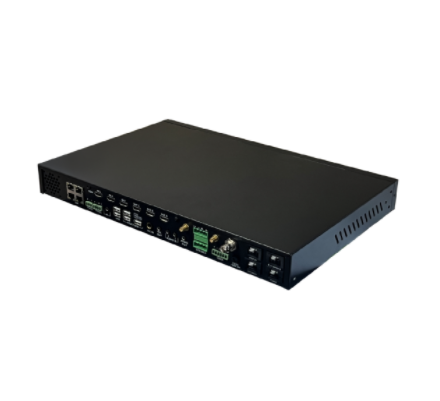
QNex Networked Media Processor for Digital Podium
A networked processor that connects document capture, annotation, display control and room devices from a teaching podium. For OEM/ODM buyers, it is a strong anchor SKU for lecture hall upgrades where scanner, camera and control functions must feel like one system.
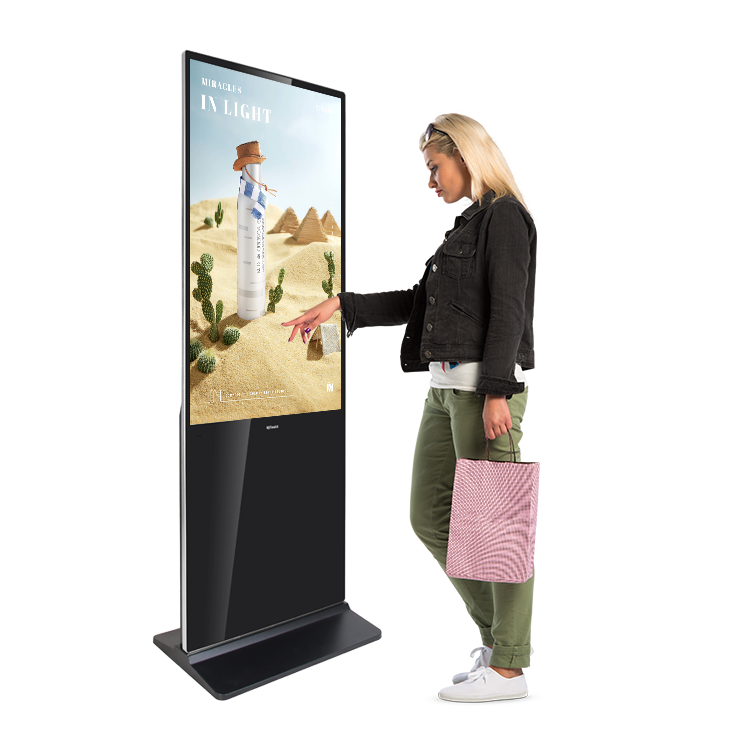
Android and Windows System Standing Floor Stand Information Kiosk Touch Screen for Shopping Mall
A floor-standing Android and Windows kiosk for wayfinding, queue management and self-service document capture. It can host OCR forms, passport or document scanning apps, receipt printers and remote device management, making it suitable for malls, service halls and campus reception areas.
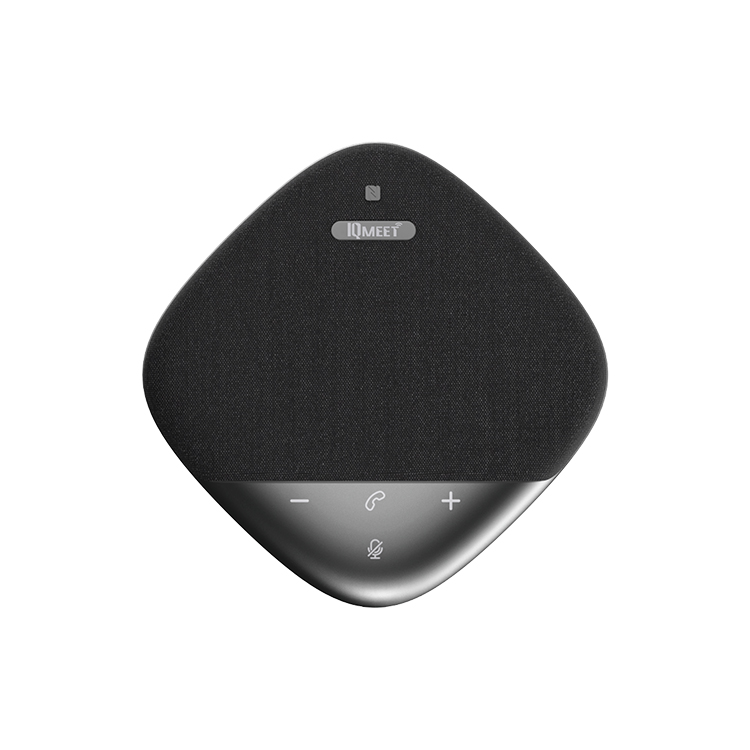
China Factory NFC Features AI Noise Reduction Built-in Dual Speakers Conference Speakerphone for Mobile Phone USB
An AI noise-reduction speakerphone with NFC pairing, USB and mobile connectivity. It completes a camera scanner bundle for meeting rooms, document review calls and hybrid interviews, where clear voice pickup matters as much as image quality.
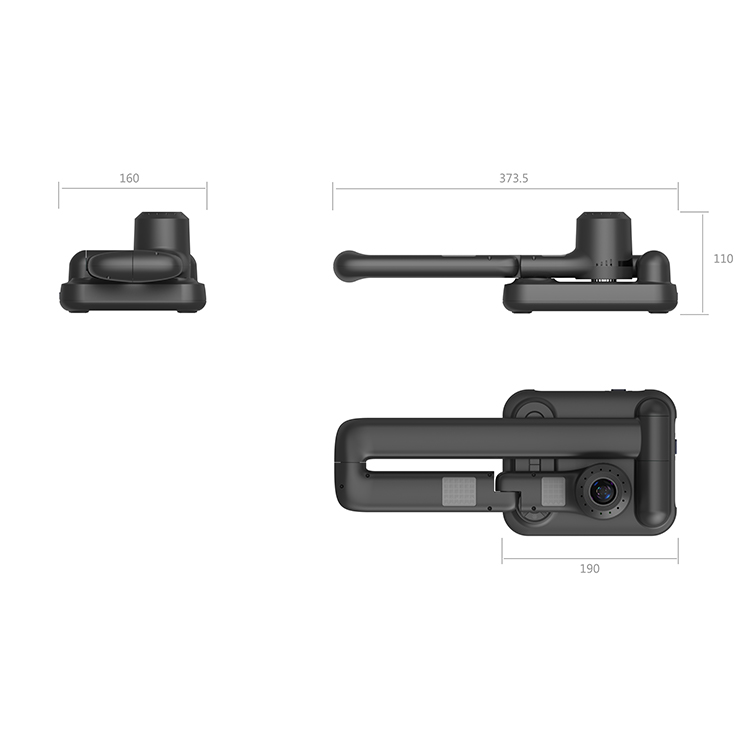
Extra Large Coverage 4k Camera 10x Optical Zoom Foldable Flatbed High Speed A4 Document Scanner Kiosk
A high-speed A4 document scanner kiosk with 4K camera, 10x optical zoom and foldable flatbed capture. It suits self-service counters, archive digitisation, OCR workflows and service desks where speed, focus accuracy and large coverage are critical.
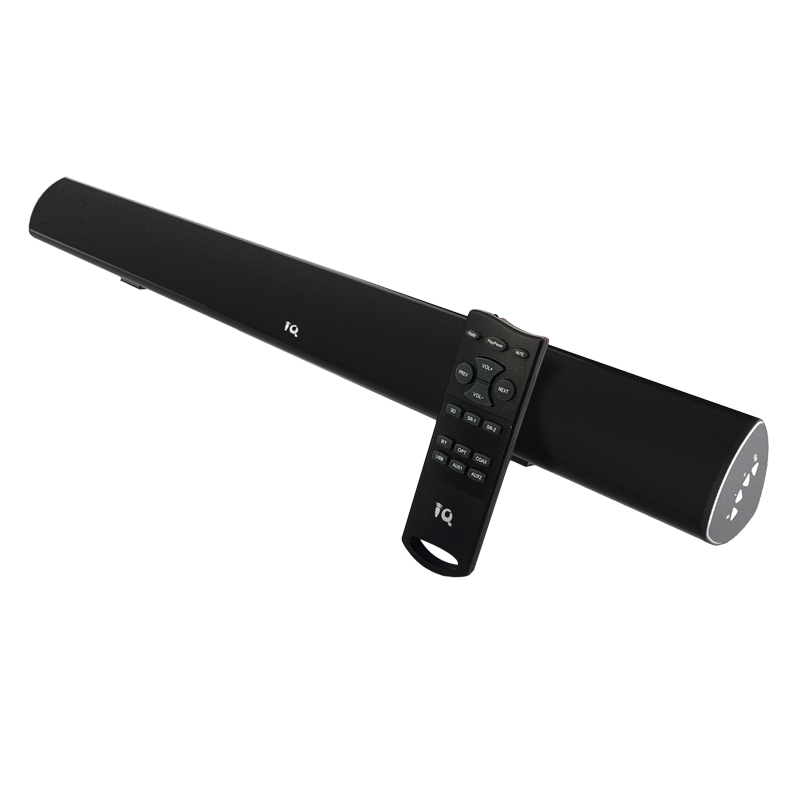
IQSoundbar Wholesale Office Conference Room Audio Sound Bar TV Soundbar with Subwoofer Active Speaker
An active soundbar and subwoofer package for meeting rooms, training spaces and digital signage zones. OEM/ODM options can align EQ presets, branding, packaging and accessories with a broader camera scanner or conference room programme.
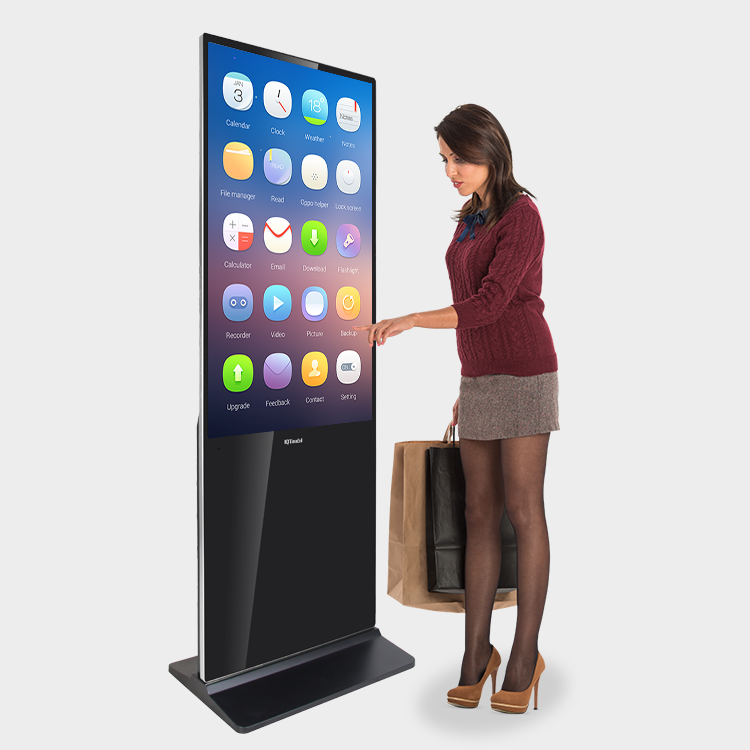
43inch Kiosk Touch Screen Floor Standing Advertising Kiosk Shopping Centre Digital Signage and Displays Outdoor Waterproof
A waterproof floor-standing digital signage kiosk for outdoor queue lanes, drive-throughs, shopping centres and public information points. Buyers should validate brightness, anti-glare treatment, IP protection and CMS compatibility before specifying outdoor scanner-adjacent workflows.
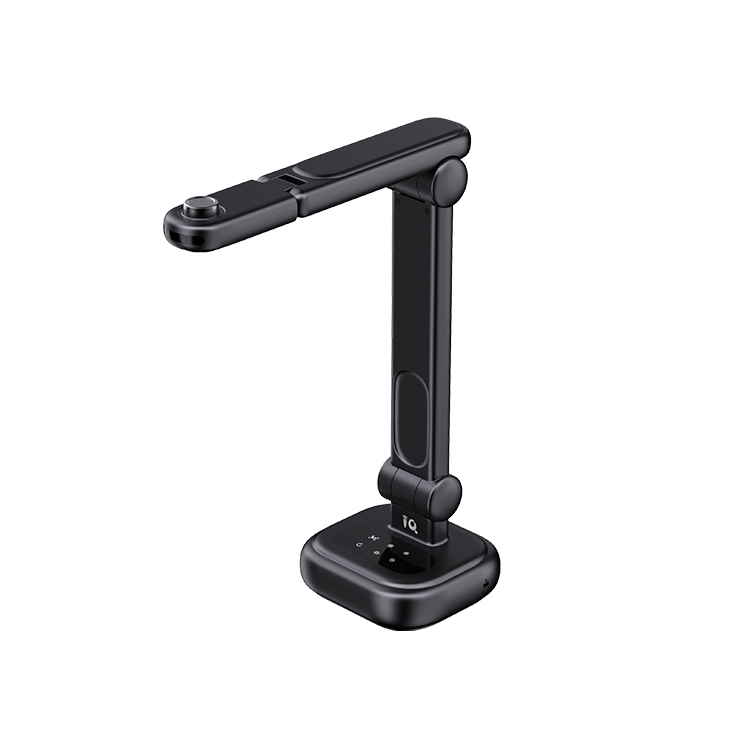
4K Video Output and Real-time Annotation Capabilities Document Camera Portable Visualizer with Auto Focus
A portable 4K document camera with auto focus and real-time annotation for classrooms, legal review, telemedicine and remote training. It is one of the most direct OEM/ODM entry points for camera scanner factories because sensor, lens, firmware and mechanical design all affect perceived quality.
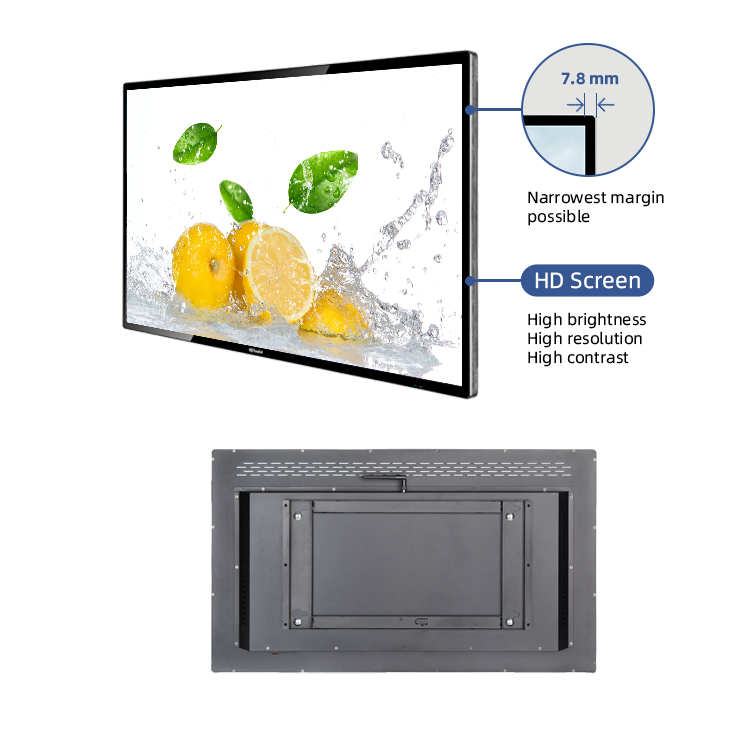
Interactive Touch Screen 10/13/15/22/32/43/49/55/65 Inch Android LCD Monitor Kiosk Wall Mounted Advertising Display
A multi-size Android LCD touch display available for wall-mounted advertising, self-service and information kiosks. For scanner projects it can be paired with OCR apps, passport readers, barcode modules and MDM software to create a branded capture terminal.
What buyers should mean by a “camera scanner factory” in 2025
“Camera scanner” is an umbrella term covering document cameras, visualizers, overhead scanner kiosks, 4K capture stations, OCR terminals and camera-based self-service devices. The factory behind these products must control optics, sensors, firmware, mechanical structure, thermal design and software integration — not just assemble parts.
A serious OEM/ODM camera scanner factory should be able to explain how image quality is validated, how firmware changes are controlled, how custom housing and packaging are approved, and how the device behaves after months of daily use. For distributors and tender teams, the real risk is not the first sample; it is the tenth container, the firmware update six months later, and the after-sales case that must be resolved without damaging the end-user relationship.
This is why factory evidence matters more than catalogue photography. A buyer should look for in-house SMT, PCB processing, assembly, calibration, reliability testing and export documentation. These capabilities reduce hidden subcontracting and make it easier to protect custom designs, control change points and keep a consistent bill of materials across repeat orders.
The commercial opportunity is also widening. Camera scanner devices are being bundled with interactive displays, lecture capture, conference audio, digital signage and smart podiums. A factory that understands this connected ecosystem can help buyers win larger room-level or campus-level projects instead of competing only on a single device price.
- Information gain for sourcing teams: compare platform fit, factory control, procurement trends, roadmap direction and audit evidence before requesting a quotation.
- Best-fit buyers: education AV distributors, system integrators, tender suppliers, corporate procurement teams, kiosk brands and regional OEM labels.
- Conversion-ready next step: request the current catalogue, confirm target market requirements and ask for a sample plan built around your project rooms, volumes and compliance needs.
Factory due-diligence signals
- SGS onsite verification and publicly viewable trade records.
- In-house SMT, auto-insertion, PCB and final assembly lines.
- Reliability lab covering temperature, drop, transport, salt spray, button life, insertion force, static, earth continuity and withstand voltage tests.
- Design-based customization verified by independent third-party inspection.
- One-stop visual device ecosystem: displays, capture, audio, kiosks and control.
What a camera scanner OEM/ODM factory must control
White-label products can look similar online. The difference appears in process control, engineering ownership and how quickly a factory can respond when a buyer asks for a new sensor, a new kiosk enclosure, a firmware change or a market-specific power solution.
Incoming material control
A factory should log and inspect sensors, lenses, boards, power supplies, LCD panels and mechanical parts before production. For camera scanners, lens and sensor batch consistency directly affects focus speed, colour accuracy and OCR success rates.
SMT and auto-insertion
In-house surface-mount and automatic insertion lines reduce dependence on subcontractors. This is especially important when a buyer needs a custom main board, a new interface layout or a revised power section for a target market.
PCB and firmware integration
Camera scanner performance depends on the interaction between hardware and firmware. A capable factory should control board revisions, test jigs, firmware versioning and calibration records so that repeat orders behave like the approved sample.
Assembly and calibration
Optical alignment, focus testing, touch calibration, audio tuning and final cosmetics all need standard work instructions. Buyers should ask how golden samples, limit samples and work-in-progress records are managed.
Reliability test lab
Export markets expose products to heat, cold, humidity, vibration and rough handling. High and low temperature, drop, simulated transportation, salt spray, button life, insertion force, static, earth continuity and withstand voltage testing provide useful pre-shipment evidence.
Export packaging and traceability
Camera scanners, kiosks and document cameras are easily damaged in transit. Packaging validation, barcode traceability, carton drop checks and clear accessory packing lists protect margin and reduce dealer returns.

Factory building and production base in Fuzhou, Fujian.

Production workshop supporting visual device assembly and testing.

Engineering, production and quality teams working under one roof.
Company advantages that de-risk an OEM/ODM camera scanner programme
Ruyden Interactive Technology Group Co., Ltd. combines documented factory verification, in-house manufacturing and a connected visual-device portfolio. These capabilities are relevant to buyers sourcing camera scanners, document cameras, kiosks, interactive displays and smart-room systems.
Confirmed by third-party inspection records.
Long-term global supplier membership.
Engineering, production, QC and export service.
Average score from verified buyer reviews.
SGS onsite verification and public records
Independent onsite assessment, credit overview, trade capacity, transaction level and trade history can be reviewed before an order. This transparency supports distributor onboarding and tender qualification.
19 years of education AV and visual-device know-how
Long experience with classrooms, lecture halls, meeting rooms and public spaces helps the factory translate room requirements into practical display, capture, audio and control configurations.
In-house manufacturing control
SMT, auto-insertion, PCB, assembly and final testing under one roof reduce subcontracting risk. Engineering changes, sample approvals and mass production can be coordinated through one accountable factory contact.
Design-based customization verified
OEM/ODM options can cover logo, boot screen, housing colour, packaging, pre-installed software, language settings and hardware configuration. Design-based customization capability has been verified by an independent third-party inspection.
Reliability lab built for export climates
Temperature, drop, transport vibration, salt spray, button life, insertion force, static, earth continuity and withstand voltage testing help identify issues before products reach overseas dealers or end users.
One-stop smart-room ecosystem
Interactive flat panels, lecture capture systems, networked podiums, 4K wireless presentation, conference audio and central AV control can be bundled into a single room or campus solution.
What the next camera scanner generation will be judged on
Procurement teams are moving away from single-function hardware. They want platforms that are easier to integrate, safer to deploy and faster to customise for local markets. The development roadmap should be visible in the factory’s engineering questions, not only in a brochure.
Edge AI and OCR-first capture
Auto-cropping, deskewing, glare removal, text recognition and document classification are increasingly expected at the device level. Factories that can tune algorithms for local languages and document types will have an advantage in tender projects.
4K, high zoom and fast focus
4K video output, 10x optical zoom, auto focus and real-time annotation raise the bar for document cameras and scanner kiosks. Buyers should compare low-light performance, focus hunting, latency and colour consistency, not just resolution.
USB-C, wireless and BYOD workflows
Users expect plug-and-play connection to laptops, phones and room systems. USB-C, HDMI, wireless presentation and NFC pairing reduce support calls and make camera scanners easier to deploy across mixed-device environments.
Android and Windows hybrid platforms
Kiosk and scanner terminals increasingly need app-store flexibility, MDM support and remote diagnostics. Hybrid Android and Windows designs can serve different software ecosystems while keeping a common enclosure and accessory set.
Privacy, security and compliance documentation
When a camera scans identity papers, forms or medical records, data handling becomes part of the product. Buyers should request security architecture notes, firmware update policy, data storage options and compliance support for target markets.
Modularity, repairability and sustainability
Modular camera heads, replaceable power boards, standard mounts and service-friendly enclosures reduce lifecycle cost. Sustainability requests may include lower packaging waste, energy-efficient operation and longer product support windows.
What education and enterprise buyers will source next
The strongest request-for-quotation language is shifting from “lowest price per unit” to “lowest total cost of ownership with evidence”. That changes how a camera scanner factory should present products, samples and after-sales support.
Camera scanner projects are becoming room-level and campus-level decisions. A buyer may request document cameras for classrooms, kiosks for service halls, interactive displays for meeting rooms and digital signage for public areas — all under one supplier standard. Factories that can share a common design language, accessory programme and service policy are easier to manage than a collection of unrelated vendors.
Procurement teams are also asking for more evidence before the first purchase order: product-change notices, sample approval records, firmware version tracking, packaging test reports and after-sales escalation paths. These requests are reasonable because camera scanners often sit in public-facing or teaching-critical environments.
- Smaller pilot orders: buyers want a sample or pilot batch before committing to a full campus roll-out.
- Localisation: language, power plug, packaging, user manual and boot screen can influence end-user acceptance.
- Lifecycle support: spare parts, replacement modules and firmware continuity matter for multi-year projects.
- Total cost: freight damage, failure rate and support workload can outweigh a low initial quotation.
| Sourcing requirement | Why it matters | Factory evidence to request | Common red flag |
|---|---|---|---|
| OEM/ODM capability | Protects brand identity and market differentiation. | Sample customisation records, boot-screen approval, packaging files and hardware change process. | Only offers logo stickers and cannot explain firmware or enclosure change control. |
| Image quality validation | Directly affects OCR, document review and user trust. | Test images, focus-speed checks, low-light comparison, colour-consistency records and calibration method. | Provides catalogue photos without sample test data. |
| Production control | Reduces hidden subcontracting and batch variation. | In-house SMT, PCB, assembly and test-lab process evidence. | Cannot explain which processes are outsourced. |
| Security and data handling | Important for identity, medical, legal and education documents. | Local storage options, firmware update policy, access-control notes and compliance support. | Avoids questions about data storage and software permissions. |
| After-sales readiness | Protects distributor margin and tender reputation. | Spare-parts list, DOA process, technical training, RMA workflow and escalation contacts. | No named support owner and no spare-part plan. |
Six clear steps from brief to shipment
A structured workflow keeps importers, distributors and integrators aligned on sample approval, production readiness, quality evidence and delivery responsibilities.
Requirement and room audit
Share room types, target quantities, capture tasks, software needs, target market, certification expectations and packaging requirements.
Solution architecture and DFM
Engineers propose the platform, sensor, lens, interface, enclosure, accessory set, firmware scope and branding plan for review.
Sample and firmware validation
Pre-production samples confirm image quality, focus behaviour, software workflow, labels, packaging and user experience.
Pilot production and change control
Pilot runs validate assembly yield, test jigs, golden samples and documentation before volume production is released.
Reliability and compliance review
Reliability tests, final inspection and compliance documentation are reviewed against the agreed project specification.
Export, training and after-sales
Export packing, shipping coordination, technical training, spare-parts planning and RMA escalation complete the programme.
Factory FAQ for overseas buyers
These are the questions that help a sourcing team move from initial interest to a serious factory discussion.
What defines a true OEM/ODM camera scanner factory?
A true factory controls more than final assembly. It should demonstrate hardware design support, firmware coordination, incoming material control, in-house production processes, calibration, reliability testing and export documentation. Ask for evidence of how custom samples are approved and how changes are controlled after mass production begins.
Can you customise document cameras, scanner kiosks and related devices?
Yes, depending on the platform and project volume. Typical OEM/ODM scope includes logo, boot screen, housing colour, packaging, user manual, language settings, pre-installed software, accessory selection and hardware interface configuration. A sample plan is usually the fastest way to confirm feasibility and appearance.
What is the MOQ and sample lead time?
MOQ and sample lead time depend on the chosen platform, customisation depth, component availability and target market requirements. Share your estimated annual volume, pilot quantity, branding scope and compliance needs so the factory can provide a practical schedule rather than a generic answer.
How do you protect data and firmware in camera scanner projects?
Data-handling requirements should be defined early. Buyers should ask about local storage versus cloud storage, firmware update policy, software permissions, access control and whether custom software can be provided. For identity, medical, legal or education documents, document the data flow before approving the final solution.
Which certifications or test reports should buyers request?
The right list depends on the destination market and product category. At minimum, request the relevant electrical safety, EMC, environmental and packaging evidence for the exact configuration. For tender projects, also request factory verification records, trade-capacity evidence and consistency between the certificate and the shipping model.
How can I verify factory claims before ordering?
Review the SGS onsite assessment report, credit overview, trade capacity, transaction level and trade history. Ask to see the production process for the specific product, not a generic building photo. Then request a sample that matches the proposed mass-production configuration, and confirm that the test plan, packaging and firmware version are documented.
Build your next camera scanner or visual device programme with a verified factory
Share room types, target volume, market requirements and customisation scope. The factory can respond with platform recommendations, sample planning, packaging options and a route to volume production.
