Eight High-Intent Classroom Visualizer and Smart Classroom Products
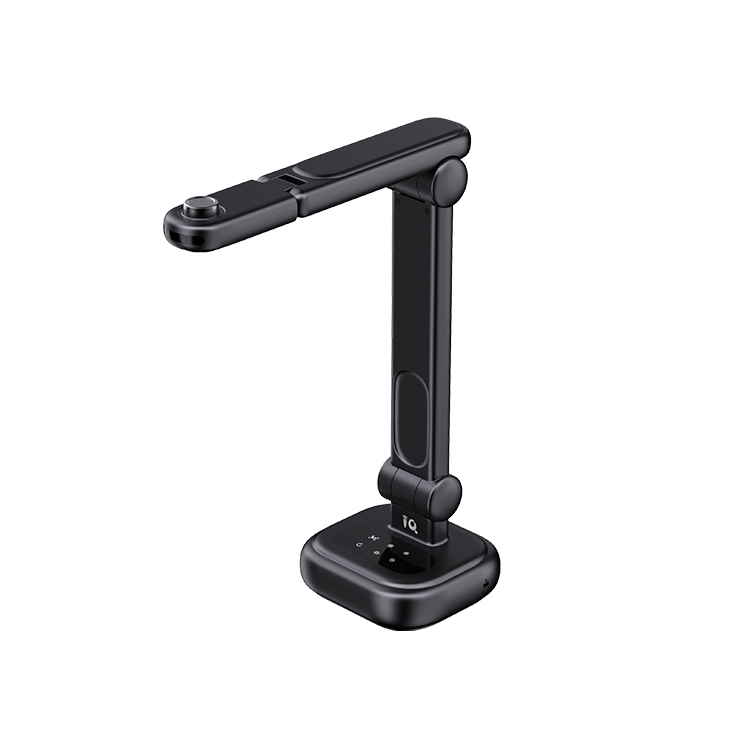
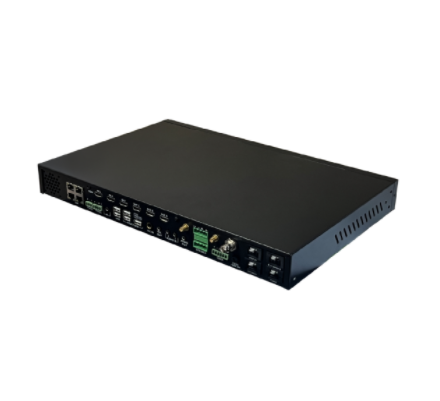
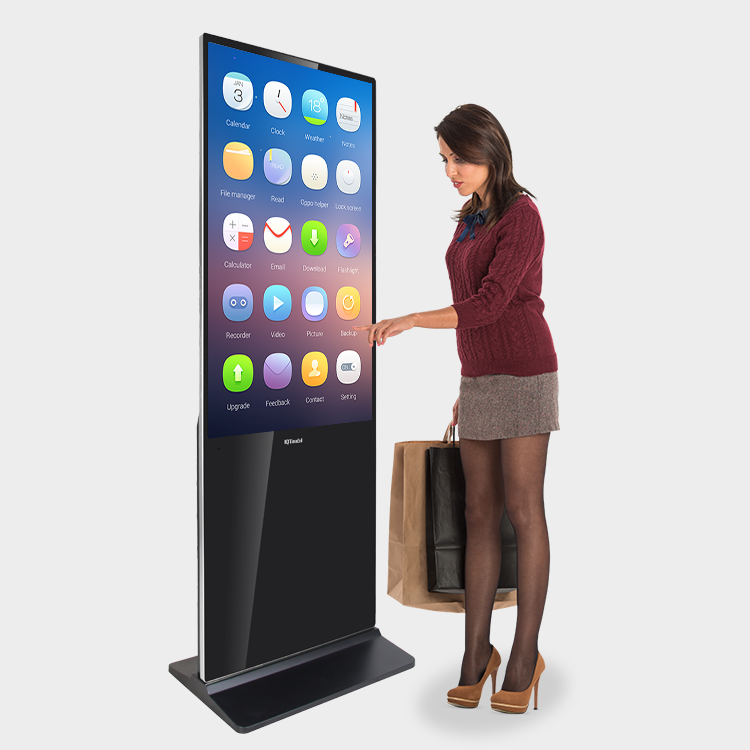
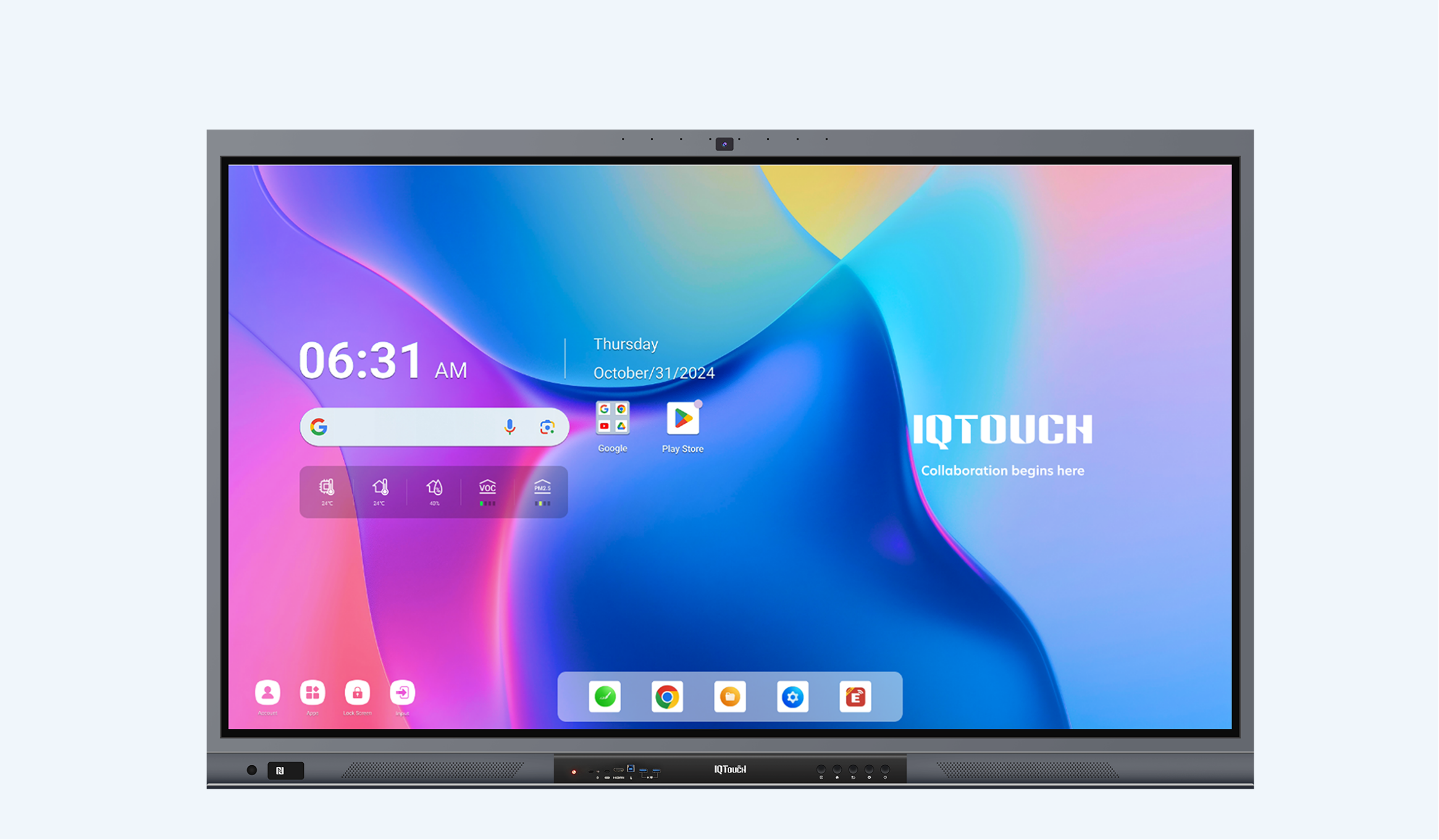
These products cover the most common OEM/ODM buying paths: document camera visualizers, interactive panels, digital podium processors, lecture audio, outdoor kiosks and Android LCD displays. Each product URL is preserved for direct evaluation.
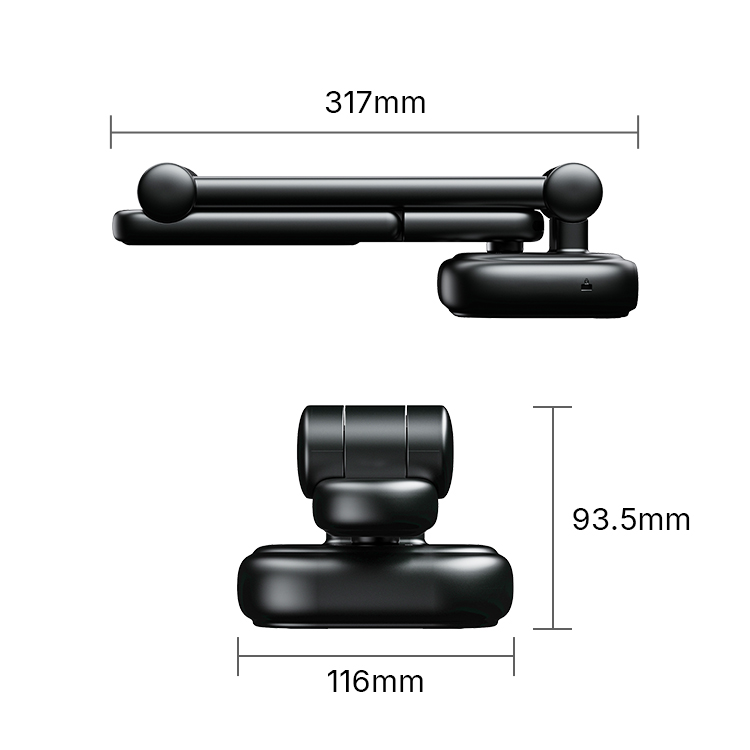
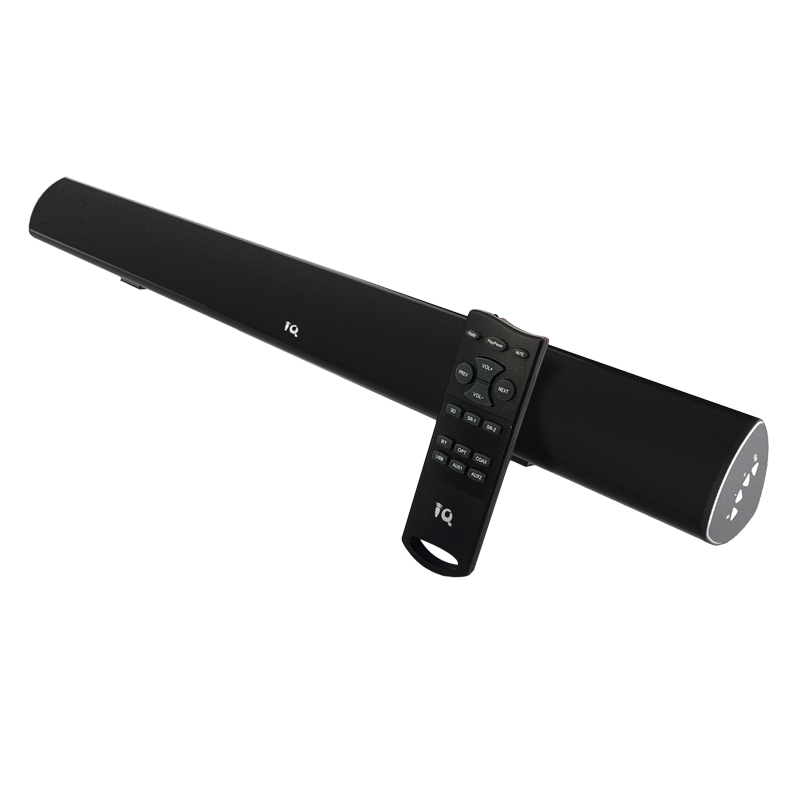
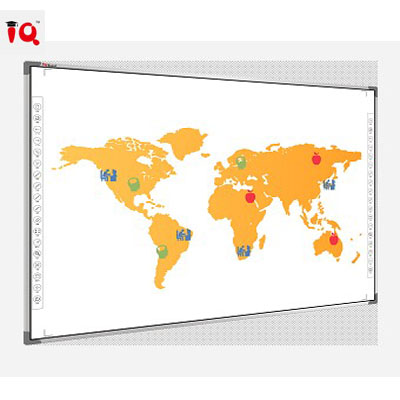
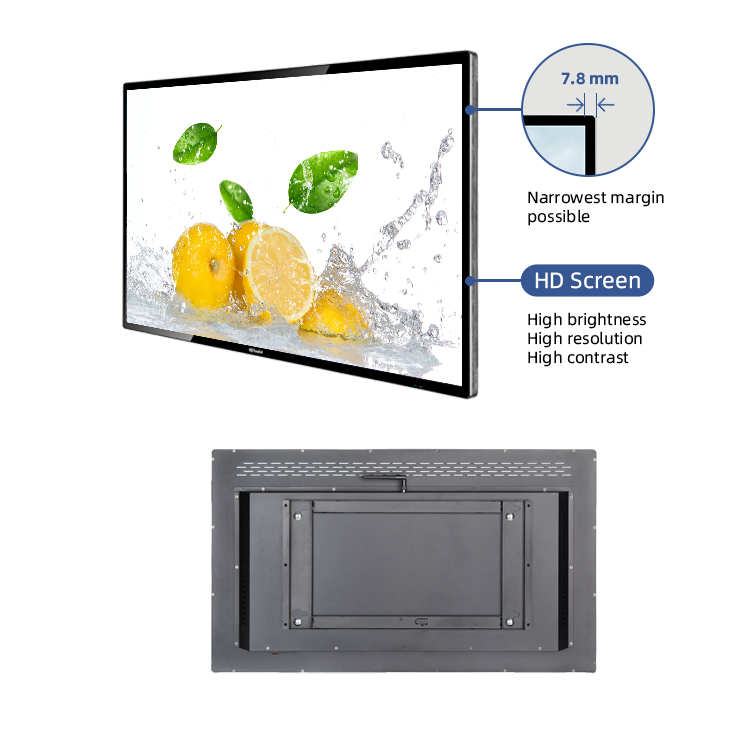
Need a private-label sample, a tender-ready specification or a complete room bundle?
Get a QuoteThe Real Buying Intent Behind “OEM/ODM Classroom Visualizer Manufacturer & Factory”
A buyer searching for an OEM/ODM classroom visualizer manufacturer and factory is rarely looking for a generic webcam or a marketplace listing. The query usually signals a commercial investigation with multiple layers: identify a document camera or visualizer platform, confirm factory ownership, evaluate OEM/ODM boundaries, verify reliability test data and reduce supply risk before a tender, distributor launch or campus rollout.
In semantic search terms, “classroom visualizer” connects to document cameras, auto-focus lenses, 55x digital zoom, 4K video output, built-in microphones, real-time annotation, USB/HDMI connectivity, lecture capture and interactive teaching. The word “factory” adds another intent layer: buyers want to know who owns SMT, PCB, assembly, test equipment, export documentation and after-sales spare-part planning.
Information gain matters because most supplier pages repeat the same claims. A credible OEM/ODM partner should add proof that a buyer cannot copy from a catalog: the test regime behind each batch, the customization boundary between fast private label and true design modification, the interoperability matrix for Zoom, Teams, interactive panels and central control, and the service model that keeps classrooms running after installation.
Ruyden Interactive Technology Group Co., Ltd. is positioned as that kind of factory partner. We build classroom visualizers and smart classroom hardware in Fuzhou, Fujian, China, with in-house SMT, auto-insertion, PCB and assembly lines, plus a dedicated reliability lab. Distributors, system integrators, education tender buyers and AV brands can work directly with the production team that validates each unit before shipment.
What serious buyers verify first
- SGS onsite verification, not a self-declared factory profile.
- Owned SMT, PCB, auto-insertion and final assembly capability.
- Traceable reliability tests and export-grade packaging validation.
- 10+ years of export support and 19 years of industry experience.
Education AV focus confirmed by third-party inspection records.
Engineering, production, QC and export service professionals.
Long-term supplier membership with public transaction history.
Average score from verified reviews and completed transactions.
Match the Classroom Visualizer to the Teaching Workflow
The right configuration depends less on the product name and more on room size, subject matter, capture requirements, existing AV and procurement model. These six bundles are practical starting points for OEM/ODM projects.
Primary and K-12 Classrooms
Pair a 4K portable visualizer with a 65–86 inch interactive flat panel. The visualizer handles textbooks, handwriting, science demonstrations and live annotation, while the panel supports group work and screen sharing.
- 65–86 inch4K visualizerOEM branding
STEM and Science Labs
Specify a 55x zoom visualizer with built-in microphone and high capture. It gives teachers a reliable way to magnify specimens, circuit boards, small components and experimental steps for the whole class.
- 55x zoomBuilt-in micLive annotation
University Lecture Halls
Combine a high-zoom visualizer, 90–100 inch interactive display, lecture capture camera and networked digital podium. This creates a scalable platform for live teaching, recorded lectures and remote delivery.
- 90–100 inchLecture captureDigital podium
Hybrid and Remote Learning
Add 4K wireless presentation, a PTZ or 360° camera and clear classroom audio to the visualizer workflow. Remote students see the same detail as learners in the room, with less cable handling for teachers.
- 4K wirelessHybrid teachingCamera-ready
Conference and Training Rooms
Use a 75/86 inch all-in-one interactive board with a QNex media processor and IQSoundbar. The result is a tidy meeting room with one-touch sharing, strong speech clarity and centralized device control.
- All-in-one PCQNex controlSoundbar audio
Campus Communications
Deploy waterproof 43-inch floor-standing kiosks and Android LCD displays for wayfinding, room booking, public notices and advertising. These displays extend the smart campus beyond the classroom door.
- Outdoor kioskAndroid LCDWayfinding
Future Procurement Trends for Classroom Visualizers, 2025–2030
Education buyers are moving from isolated device purchasing toward verified, interoperable and serviceable classroom platforms. The strongest OEM/ODM suppliers will be judged on outcomes, documentation and lifecycle support.
Outcome-Based Tenders
Buyers increasingly specify teaching outcomes, capture quality and room readiness rather than a single hardware model. Suppliers need to document how the visualizer, display, audio and capture system work together.
Hybrid-First Infrastructure
Hybrid learning is now part of normal procurement. Classroom visualizers must deliver clean 4K detail, stable USB/HDMI output and easy integration with cameras, microphones and video platforms.
Interoperability and Open Standards
Distributors want devices that work with existing interactive panels, control systems, wireless presentation and lecture capture. Interface matrices and tested compatibility lists reduce integration risk.
Total Cost of Ownership
Procurement teams are comparing purchase price with installation time, spare parts, firmware support, service training and expected classroom life. A lower failure rate can outweigh a lower unit price.
Smaller Custom Batches
Private-label brands and regional distributors need faster customization without sacrificing factory discipline. Logo, packaging, boot screen, language and software pre-installation should be configurable in a documented flow.
Security, Privacy and ESG
Buyers ask about firmware update policy, data handling, energy consumption and packaging waste. Suppliers that prepare clear compliance documentation and sustainable packaging options will win more tenders.
Product Development Trends Buyers Should Watch
The next generation of classroom visualizers will look less like a simple camera and more like a connected teaching appliance: easier to deploy, easier to manage and easier to service across a campus.
AI-Assisted Image Enhancement
Auto-focus, smart framing, glare reduction and document edge correction help teachers present without constant adjustment. Buyers should ask how much processing happens on-device and whether it can be disabled.
4K/60, Low Latency and USB-C
Higher frame rates and lower latency make handwriting, demonstrations and hybrid lessons feel natural. USB-C, HDMI 2.x and clean cable management are becoming stronger purchase criteria.
Networked AV and Central Management
Schools want fewer site visits. Networked media processors, remote diagnostics, device status dashboards and centralized control help IT teams manage many rooms without adding staff.
Modular Hardware and Serviceability
Replaceable camera modules, standard power boards, accessible ports and clear spare-part naming help importers support installed bases. Modular design also protects buyers from long lead-time obsolescence.
Software Ecosystem and OTA Updates
Annotation software, whiteboard apps and firmware update paths are part of the product. OEM buyers need documented release notes, rollback plans and language options for each target market.
Sustainable Packaging and Energy Use
Reduced plastic, recyclable cartons, lower standby power and longer product life are becoming measurable tender advantages. Packaging must still pass drop and simulated transportation tests.
Factory Advantages That Reduce Procurement Risk
OEM/ODM success is not only about product features. It depends on factory control, documentation, customization discipline and export support that buyers can audit before placing a production order.
SGS Onsite-Verified Supplier
Ruyden has been onsite-verified by SGS Group. The supplier assessment report, credit overview, trade capacity and transaction history can be reviewed independently before sampling.
19 Years of Education AV Focus
Our team combines 19 years of industry experience with 21 years of verified B2B trading. That history supports distributors and integrators who need stable supply, not one-off trading.
Verified Design-Based Customization
Our design-based customization capability has been verified by independent third-party inspection. Options include logo, boot screen, housing color, packaging, software pre-installation, language and hardware configuration.
In-House SMT, PCB and Assembly
Controlling SMT, auto-insertion, PCB processing and final assembly under one roof improves consistency, protects custom designs and shortens response time when engineering changes are required.
Dedicated Reliability Test Lab
Products are validated with high and low temperature, drop, simulated transportation, salt spray, button life, insertion force, static, earth continuity and withstand voltage testing before shipment.
10+ Years of Export Support
With more than ten years of export experience and participation in international trade shows, we support overseas buyers with documentation, packing, shipping coordination and after-sales planning.
Reliability Data and Test Evidence Buyers Can Audit
For classroom hardware, failure at the start of a term is expensive. Our test lab is designed to catch environmental, mechanical and electrical risks before export packing, not after installation.

Factory Infrastructure
Production, assembly and testing coordinated from one facility.
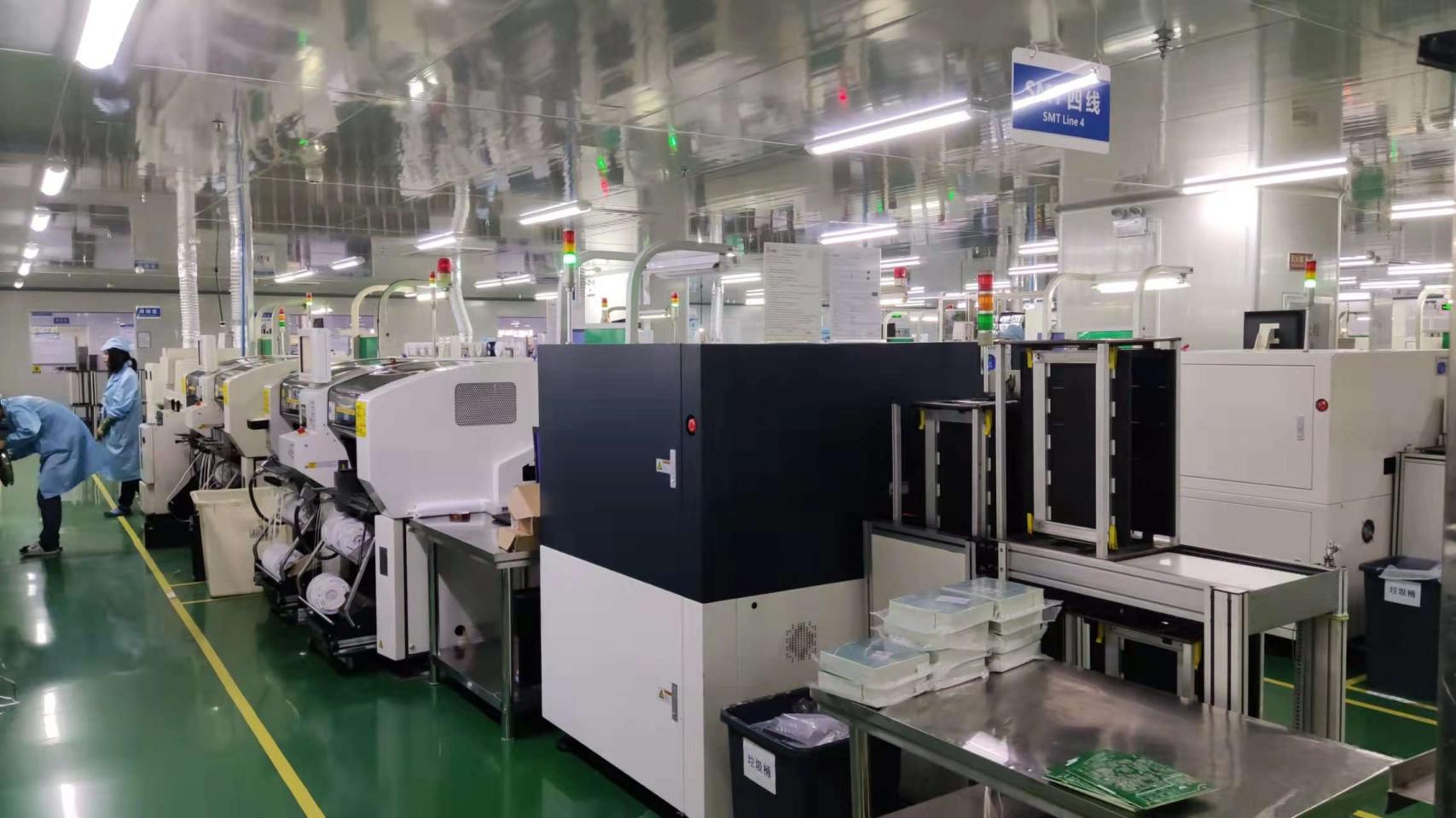
SMT and PCB Control
In-house board processing protects custom hardware designs.
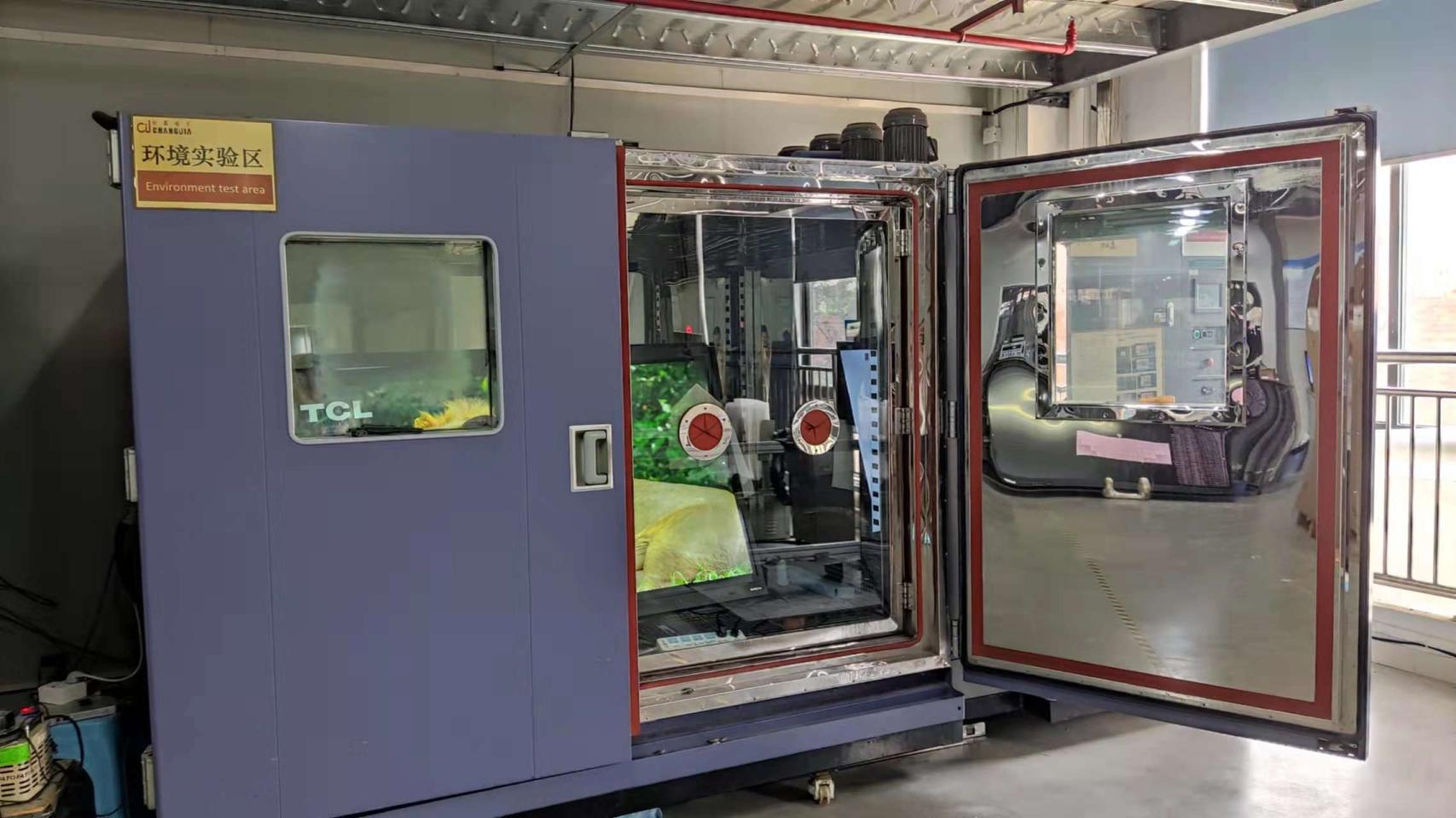
Reliability Testing
Environmental testing supports export-market durability.
Typical validation coverage
Test scope is matched to the product and project. The following checks are representative of our reliability and QC regime for classroom visualizers, interactive displays, podiums and related AV hardware.
-
High/low temperatureDrop testSimulated transportationSalt sprayButton lifeInsertion forceStatic testEarth continuityWithstand voltagePower board inspection
Process confidence snapshot
Six Clear Steps from Requirement to Shipment
A documented process keeps importers, distributors and integrators aligned on specification, samples, production, inspection and delivery.
Requirement Review
Share room types, quantities, target market, languages, certification needs and desired product positioning.
Solution Design
Engineers propose hardware configuration, software options, packaging and private-label elements.
Sample Approval
Pre-production samples confirm appearance, interfaces, annotation workflow and performance.
Mass Production
In-house SMT, PCB, auto-insertion and assembly lines produce the approved configuration.
QC and Testing
Reliability lab checks and final inspection are completed before export packing.
Delivery and Support
Shipping coordination, documentation, spare-part planning and after-sales support follow delivery.
Common Questions from Classroom Visualizer Buyers
What is a classroom visualizer, and how is it different from a document camera?
The terms are often used interchangeably. A classroom visualizer is a document camera with live zoom, annotation, microphone and video output for showing books, objects, experiments or handwriting on a display or recording system. The best specification depends on zoom range, 4K output, lighting conditions and how the teacher will annotate.
What OEM and ODM customization options can Ruyden support?
Typical options include logo, boot screen, housing color, packaging, language settings, software pre-installation and hardware configuration. Design-based customization has been verified by independent third-party inspection. Project-specific requests should be reviewed during the requirement stage.
Which quality tests can be provided for a tender or distributor review?
Our test lab covers high and low temperature, drop, simulated transportation, salt spray, button life, insertion force, static, earth continuity and withstand voltage testing, along with functional and power-board inspection. The exact report package depends on product type and order scope.
How do buyers evaluate compatibility with existing classroom AV systems?
Provide room diagrams, display models, control protocols, video platforms and audio devices. Our team can review interfaces, USB/HDMI behavior, wireless presentation requirements and central control needs, then recommend a configuration with the least integration risk.
What is the usual path for samples, MOQ and production lead time?
Most projects begin with a specification review and sample approval. MOQ and lead time vary by screen size, visualizer model, customization level and order quantity. Sharing target market, estimated volume and tender deadlines helps us propose a realistic sample and production schedule.
What support is available after delivery?
Support can include spare-part planning, remote diagnostics, firmware guidance, technical documentation and partner training. For distributors and integrators, we aim to create a service model that matches the installed base and local support capability.
Ready to Source an OEM/ODM Classroom Visualizer from a Verified Factory?
Send your room types, target markets, expected volumes, certification needs and branding requirements. Our export and engineering team will respond with a product recommendation, customization path and sample plan.
