OEM/ODM Educational Document Camera Manufacturers & Manufacturer
Factory-direct production for 8MP A3/A4 document cameras, visualizers, smart podiums and integrated classroom AV — supported by verified customization, reliability testing and export project experience.
Factory-Direct OEM/ODM Document Camera Manufacturing with Audit-Ready Evidence
Ruyden Interactive Technology Group Co., Ltd. is an SGS onsite-verified manufacturer and exporter based in the Fuzhou High-tech Zone, Fujian, China. For buyers sourcing educational document cameras, the real question is not only which sensor, resolution or zoom range to specify — it is whether the manufacturer can sustain repeatable production, private-label software, packaging, compliance documentation, spare parts and after-sales support across multiple purchase cycles.
Our educational document camera and visualizer programme sits inside a broader OEM/ODM education technology portfolio that includes interactive flat panels, lecture capture systems, networked digital podiums, wireless presentation and classroom AV control. That matters to distributors, system integrators and tender buyers because a document camera rarely arrives alone: it is bundled with a display, a podium, a microphone, a recording system or a room-control platform. Sourcing from one verified manufacturer reduces compatibility risk and simplifies project documentation.
Design-based customization has been verified by independent third-party inspection. Typical OEM/ODM options include logo and boot screen, housing colour, packaging artwork, language packs, pre-installed software, accessory kits and hardware configuration. Production is supported by in-house SMT, auto-insertion, PCB and assembly lines, plus a dedicated reliability test lab covering high/low temperature, drop, simulated transportation, salt spray, button life, insertion force, static, earth continuity and withstand voltage testing.
- 8MP A3/A4 document camera and portable OCR scanner options for classroom visualizers
- 4K autofocus camera, soundbar, speakerphone and lecture capture modules for hybrid learning rooms
- OEM/ODM branding, packaging, language, software and hardware configuration support
- Single-source bundling with interactive panels, digital podiums and classroom AV integration
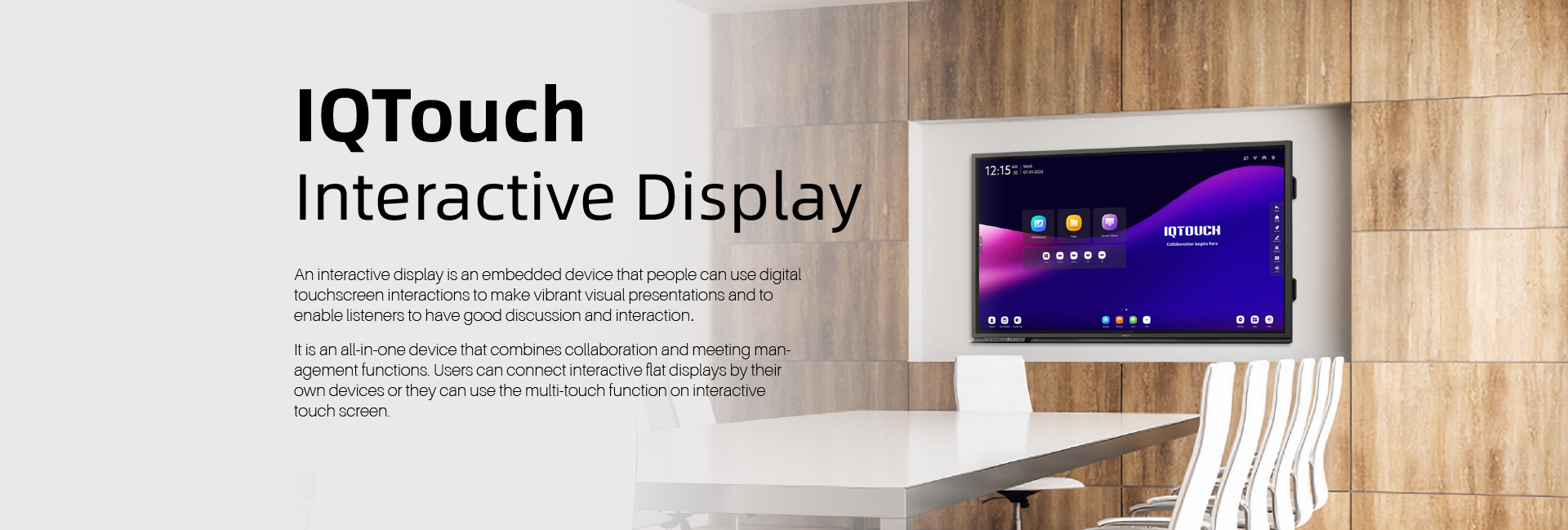
Recommended OEM/ODM Education Hardware Portfolio
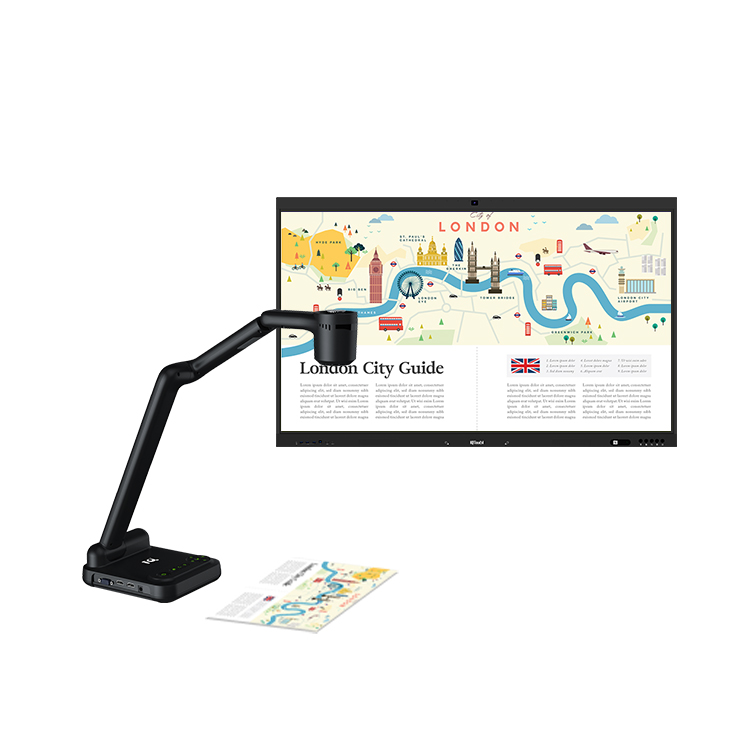
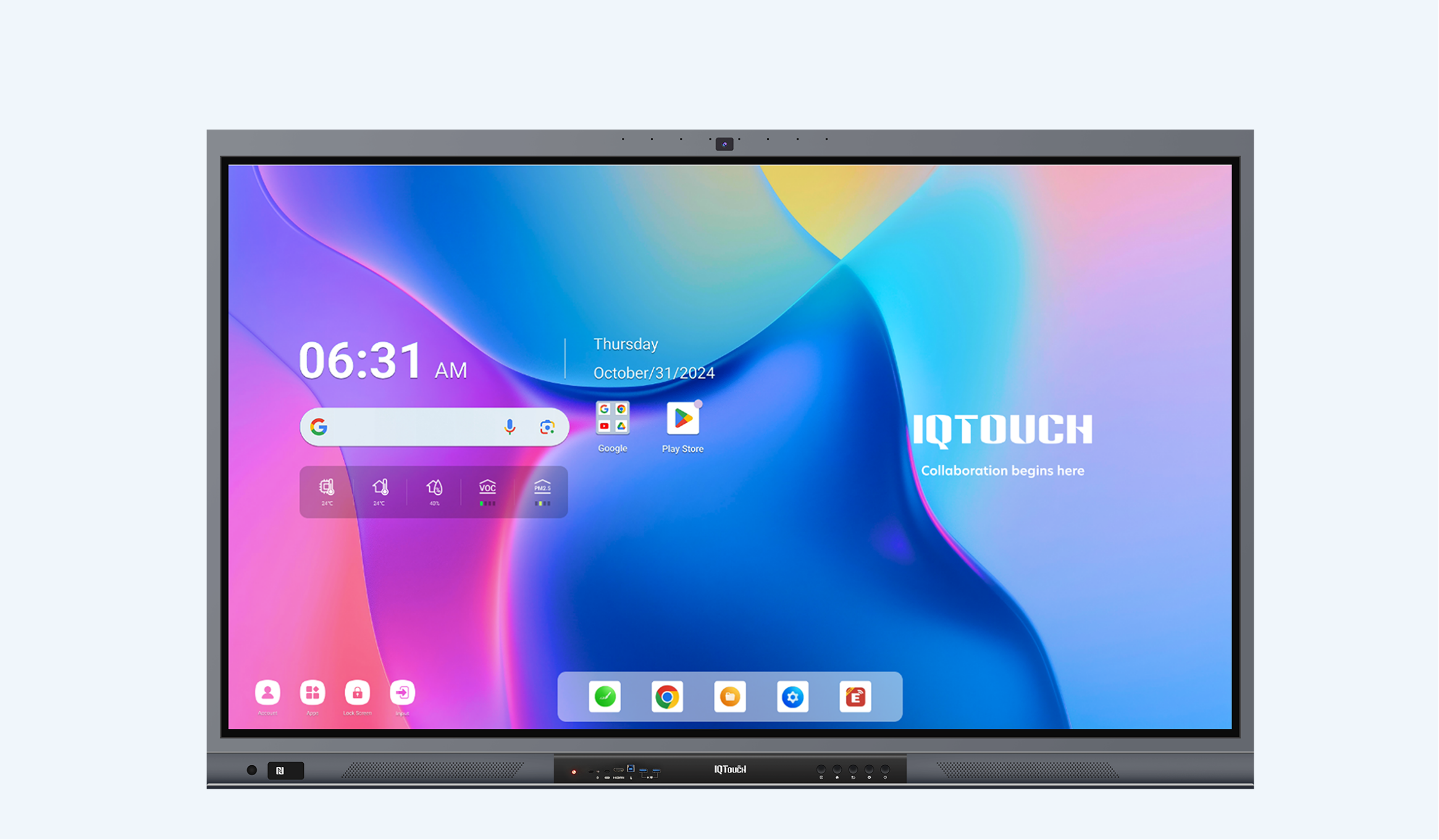
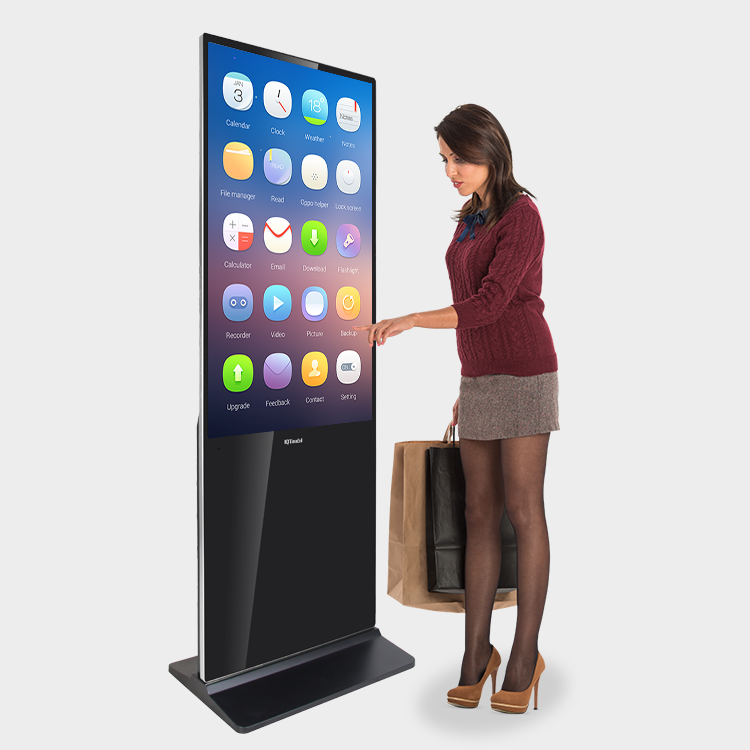
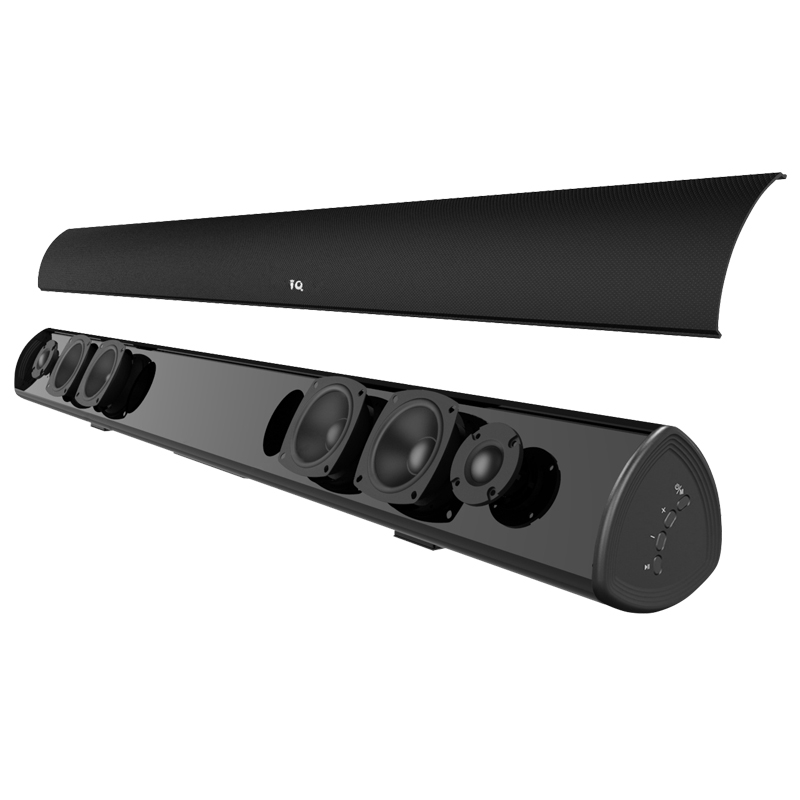
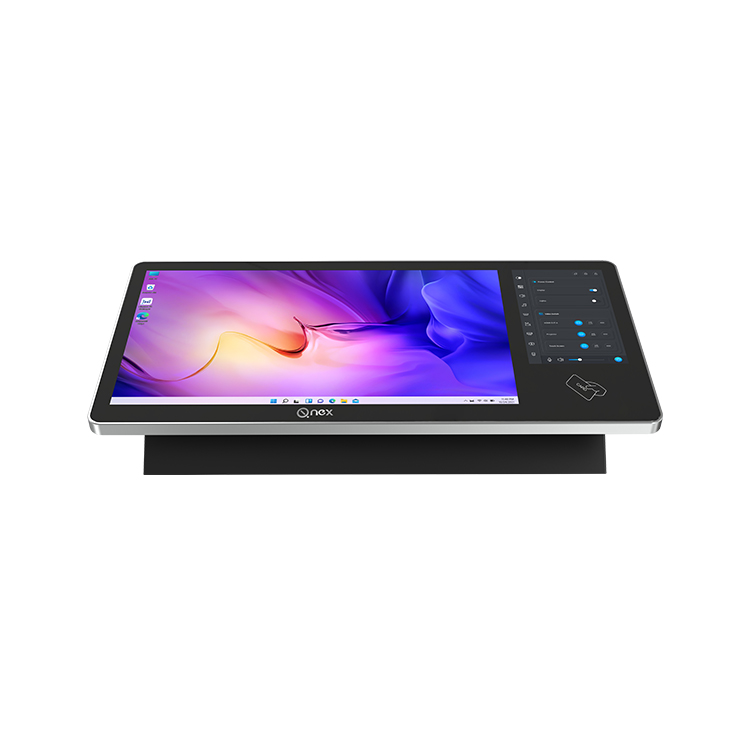
The eight products below are selected from live export catalogue pages. The A3/A4 8 Megapixel document camera is the anchor model for visualizer programmes, while the surrounding classroom, conference and sound products help integrators build complete room packages. Product URLs are preserved for direct review and enquiry.
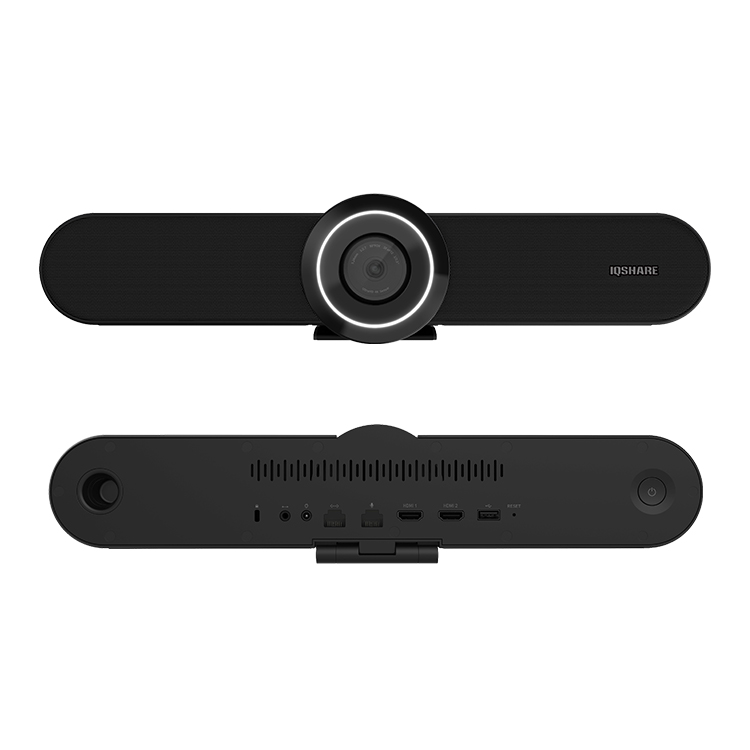
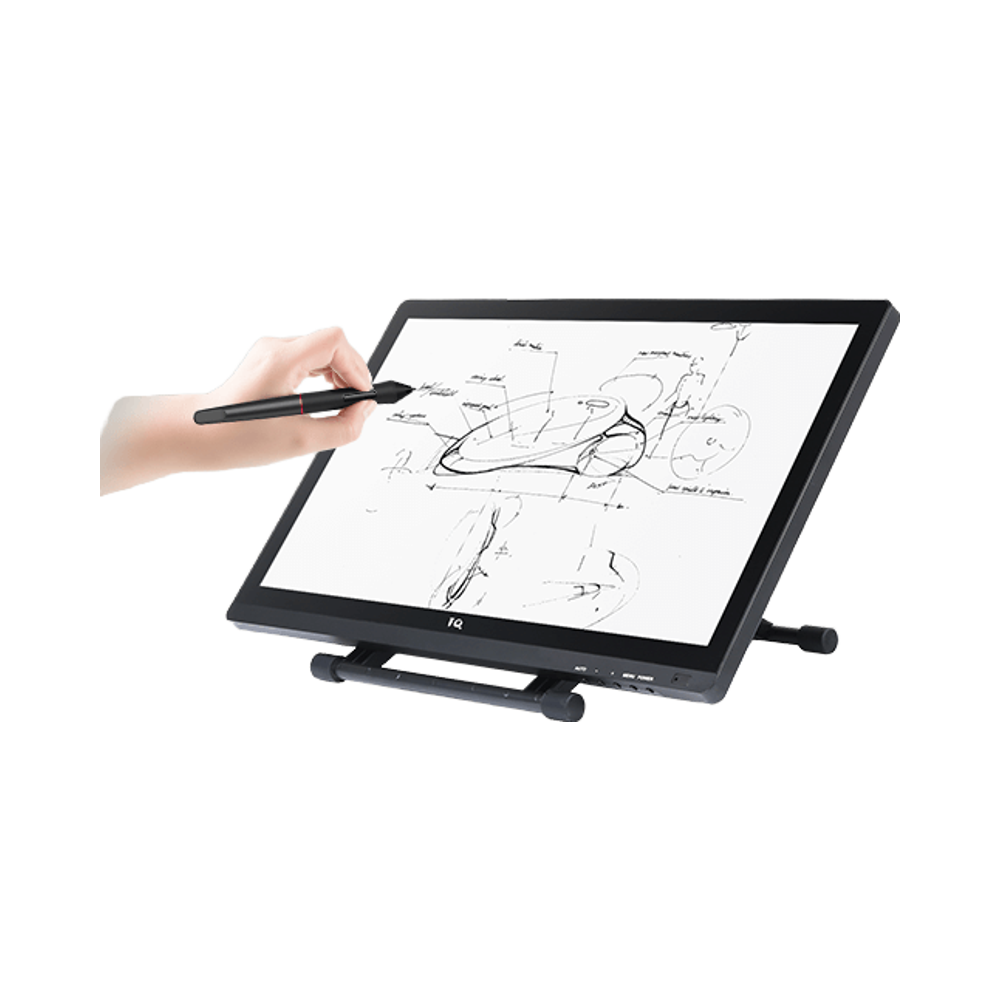
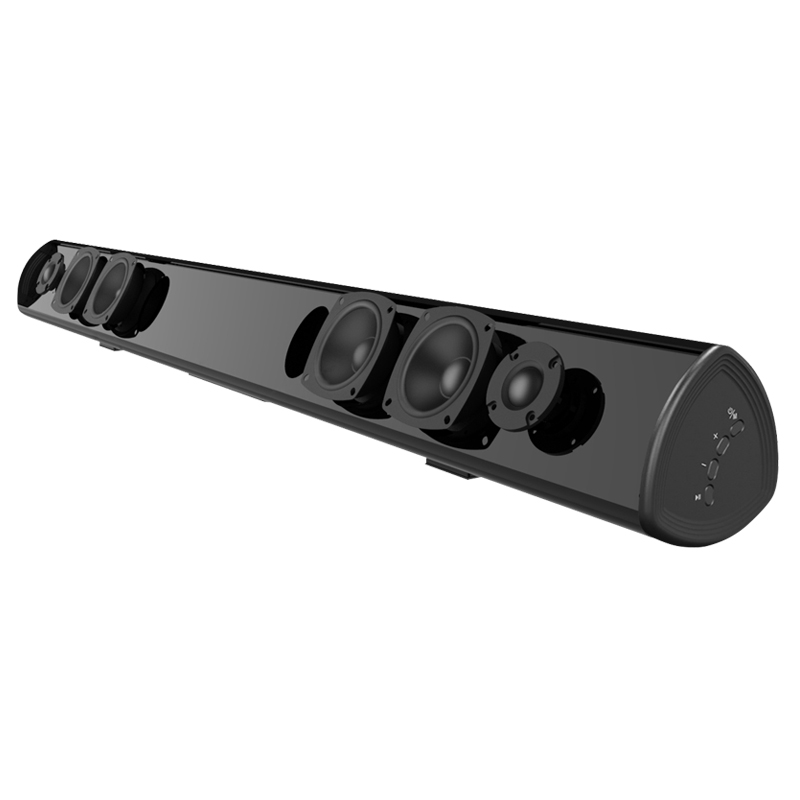
What Educational Buyers Should Specify in a Document Camera RFQ
Most sourcing problems begin before a factory is selected. For document camera tenders, unclear requirements around image quality, mechanical durability, software compatibility and after-sales spares create hidden cost. The checklist below reflects the RFQ structure used in education AV projects and can be adapted for distributor, tender and private-label programmes.
Technical requirements that should be written down
- Sensor and resolution: 8MP is the practical baseline for A3/A4 document capture; specify 4K only where the complete chain — camera, output, display and recorder — supports it.
- Optical format: confirm A3 or A4 coverage, working height, focus range, LED fill light and colour reproduction targets.
- Output and integration: require UVC plug-and-play, driver-free operation and compatibility with interactive panels, lecture capture and video conferencing platforms.
- Mechanical durability: specify folding-arm life cycles, hinge tolerance, port insertion force, packaging drop testing and transportation simulation.
- OEM/ODM scope: define logo, boot screen, housing colour, language pack, packaging, accessory kit and firmware update responsibility.
Example evaluation weighting for a document camera tender
Use this sample weighting only as a starting point. Procurement teams should rebalance it against room type, tender rules and after-sales capability.
| Use case | Recommended capture / output | Mechanical and software priorities | OEM/ODM add-ons |
|---|---|---|---|
| K-12 classroom visualizer | 8MP A3/A4 camera, UVC output, LED fill light | Simple teacher workflow, durable folding arm, low maintenance | School logo, language pack, packaged accessory kit |
| University lecture capture | 4K or 8MP camera integrated with recording system | Stable colour, long cable runs, compatibility with lecture capture software | SDK support, custom firmware settings, rack packaging |
| Corporate training room | 4K autofocus camera, speakerphone or soundbar audio | Fast setup, clean cable management, BYOD meeting platform support | Branded boot screen, room kit bundling, private-label manual |
| Distributor private label | Portable A3/A4 scanner with OCR-ready capture | Packaging durability, spare parts availability, firmware update path | Custom housing colour, logo, outer carton and user manual |
Information gain for buyers: request test evidence, not just specifications. A supplier that can show high/low temperature testing, drop testing, simulated transportation, button life and electrical safety records is easier to defend in a tender committee than a supplier that only provides a product photo and a price.
2026 Procurement Outlook: Three Shifts Reshaping Document Camera Tenders
Educational document cameras are moving from single-purpose visualizers to connected classroom capture devices. Buyers who plan procurement around compatibility, evidence and lifecycle cost will reduce re-tender risk.
Evidence-first sourcing
Tender committees increasingly expect third-party verification, test reports, traceability and public trade records. A supplier’s SGS assessment, credit profile, trade capacity and transaction history are becoming part of the technical evaluation, not just a commercial formality.
- Request factory verification and test lab evidence
- Ask for packaging and transportation test records
- Confirm spare parts and warranty responsibility
Hybrid classroom convergence
Document cameras are increasingly specified with interactive displays, lecture capture systems, soundbars and digital podiums. Procurement is shifting from buying individual items to buying a room-level solution that can be installed, managed and supported as one system.
- Prefer UVC and driver-free connectivity
- Check compatibility with existing AV control
- Standardize accessories across campus rooms
Total cost of ownership
Distributors and integrators are looking beyond unit price. They want predictable packaging, fast sample turnaround, consistent firmware, replaceable accessories and clear after-sales processes. A lower purchase price can become expensive if installation, returns or spare parts are poorly supported.
- Model warranty and spare parts cost over 3–5 years
- Confirm firmware and software update policy
- Use one manufacturer for compatible room kits
Six Product Development Trends Shaping the Next Generation of Educational Document Cameras
Product development is being driven by hybrid teaching, AI-assisted document capture, platform compatibility and lower lifetime cost. These trends are useful for distributors planning a 2026–2028 product roadmap.
Higher-resolution capture with practical colour science
8MP document cameras are becoming the baseline for textbook, worksheet, object and handwriting capture. The next step is not simply higher megapixels, but better colour accuracy, low-light performance and consistent white balance under classroom lighting.
AI-assisted edge detection and OCR
Auto document edge detection, deskew, text enhancement and OCR-ready output reduce teacher preparation time. For OEM/ODM buyers, these software features can be branded and localized, creating a stronger private-label product.
Driver-free UVC and BYOD compatibility
Plug-and-play USB video class devices work across more platforms with fewer driver issues. Procurement teams should test compatibility with interactive panel software, video conferencing platforms and lecture capture systems before approving a model.
4K visualizers for lecture capture
4K autofocus cameras are increasingly integrated with recording and live broadcast systems in universities and training centres. The camera should be evaluated as part of the whole capture chain, not in isolation.
Multi-source classroom capture
A document camera may become one video source among teacher tracking, 360° room cameras, whiteboards and PC content. Device management, mounting and cable planning should be considered at the room design stage.
Sustainability, security and lifecycle support
Public-sector buyers are asking more questions about packaging waste, energy use, firmware security and repairability. Manufacturers that can provide stable product revisions, spare parts and update guidance will have an advantage in long-term framework agreements.
Where Educational Document Cameras and Smart Classroom Hardware Fit
The correct hardware depends on room size, teaching style, software ecosystem and procurement structure. These common scenarios help distributors and integrators scope a complete package.
K-12 classrooms
Portable A3/A4 document cameras, interactive displays and soundbars support day-to-day teaching, worksheet demonstration and hybrid lessons. Durability, simple teacher operation and quick service swap are key.
University lecture halls
4K visualizers, lecture capture systems, 360° cameras and networked podiums can be combined for large-room teaching, live broadcast and recorded lectures.
Corporate training rooms
Conference webcams, soundbars, wireless presentation and interactive panels create flexible meeting and training spaces for in-room and remote participants.
Public sector and tender projects
Government, library and training facilities often require documented quality controls, compliance evidence and predictable after-sales support. A verified manufacturer with public records reduces procurement risk.
Manufacturing Advantages and Verified Credentials That Reduce Project Risk
Buyers do not need more marketing claims; they need evidence. Ruyden has been onsite-verified by SGS Group, with 19 years of industry experience, 21 years of verified B2B trading, 82 verified staff and a 5.0/5 buyer rating from verified transactions.
SGS onsite-verified supplier
Independent third-party assessment covers production capability, quality management and trade records. The assessment report, credit overview, trade capacity and transaction history are publicly viewable for buyer due diligence.
In-house SMT, PCB and assembly
Controlling SMT, auto-insertion, PCB and final assembly under one roof supports consistent quality, protects custom designs and enables faster engineering changes for OEM/ODM orders.
Reliability test lab
High/low temperature, drop, simulated transportation, salt spray, button life, insertion force, static, earth continuity and withstand voltage tests help catch failures before shipment.
Design-based customization
Verified customization capability includes logo, boot screen, housing colour, packaging, language, pre-installed software and hardware configuration — useful for distributors building a private-label line.
Export and tender support
More than 10 years of export experience, international trade show participation and project documentation support help overseas buyers prepare distributor onboarding, tender responses and import compliance reviews.
Smart classroom integration
Interactive displays, lecture capture cameras, digital podiums, wireless presentation, audio and centralized AV control can be bundled into one classroom or campus solution, simplifying procurement and after-sales.

Factory building and production base in Fuzhou High-tech Zone, Fujian, China.

Production workshop supporting in-house assembly and volume education AV orders.

Engineering, production and QC team supporting OEM/ODM projects and tenders.
Six Clear Steps from Requirement Review to Delivery
A documented workflow keeps importers, distributors, tender consultants and system integrators aligned at every milestone.
Requirement review
Share room types, quantities, target market, compliance needs, software platform and branding requirements.
Solution design
Engineers propose document camera configuration, accessories, packaging, software settings and compatible room hardware.
Sample approval
Pre-production samples verify image quality, mechanical design, branding, packaging and integration with your platform.
Mass production
In-house SMT, PCB and assembly lines build the order with documented production controls and material traceability.
QC and testing
Reliability lab checks and final inspection are completed before packing, with export-grade protection for long-haul transport.
Delivery and support
Export packing, shipping coordination, installation guidance and after-sales support help protect the long-term project.
Educational Document Camera OEM/ODM Procurement FAQ
These are the questions overseas buyers ask most often when evaluating document camera manufacturers, visualizer suppliers and private-label education AV partners.
What is the typical OEM/ODM order process for educational document cameras?
The process normally starts with a requirement review covering room type, target market, quantity, software platform and certification needs. The manufacturer then proposes a configuration, prepares samples, confirms branding and packaging, runs mass production, performs QC testing and coordinates shipment. For tender projects, documentation should be clarified before sampling so the sample and final production batch match the submitted specification.
Can we customize logo, packaging, language and software?
Yes, subject to project volume and technical review. Common options include logo and boot screen, housing colour, retail packaging, user manual, language pack, pre-installed software, accessory kit and selected hardware configuration. Buyers should request a written customization checklist and sample approval step to avoid mismatches between the tender document and the production order.
How does Ruyden control document camera quality?
Production runs through in-house SMT, auto-insertion, PCB and assembly lines. Products are validated in a dedicated test lab with high and low temperature testing, drop testing, simulated transportation, salt spray, button life, insertion force, static, earth continuity and withstand voltage testing. Final inspection is completed before export packing.
Has the company been verified by an independent third party?
Yes. Ruyden has been onsite-verified by SGS Group. The SGS assessment report, credit overview, trade capacity, transaction level and trade history are publicly viewable. This is particularly useful for tender committees, distributor onboarding and buyers who need documented supplier evidence before placing a first order.
Can document cameras be bundled with interactive panels, podiums and lecture capture?
Yes. The portfolio includes interactive flat panels, interactive whiteboards, lecture capture systems, digital podiums, soundbars, conference cameras and smart classroom AV integration. Bundling from one verified manufacturer reduces compatibility risk and simplifies procurement, installation planning and after-sales responsibility.
How should overseas buyers request a quotation?
Prepare the room type, estimated quantity, target market, required certifications, preferred document camera resolution, software platform and any branding requirements. A clear brief allows the export team to propose a suitable configuration, sample plan, packaging option and project timeline. For urgent projects, include tender dates and delivery deadlines in the first message.
Planning a Document Camera Tender or Private-Label Programme?
Share your room types, quantities, target market and customization requirements. Our team will respond with a configuration proposal, sample plan and verified manufacturing information for your procurement review.
