Eight Product Lines for OEM/ODM Visualizer Software and Smart-Classroom Projects
These eight product families cover the physical and software layers that buyers usually evaluate together: visual presentation, touch interaction, lecture capture, room control, wireless collaboration, digital podiums, network media processing and public-space digital signage. Each link preserves the original product destination so procurement teams can move directly from research to specification.
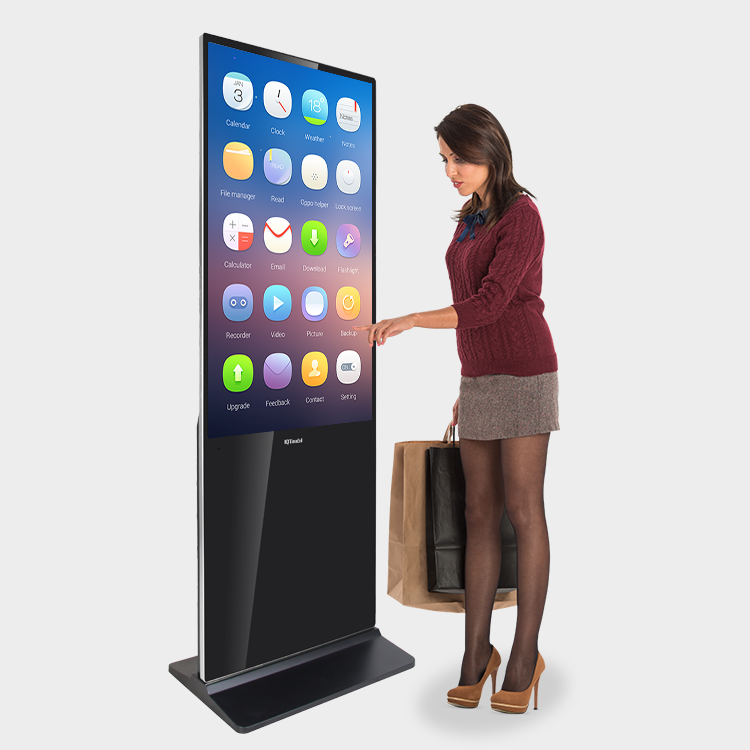
43inch Kiosk Touch Screen Floor Standing Advertising Kiosk Shopping Centre Digital Signage and Displays Outdoor Waterproof
An outdoor-ready floor-standing advertising and information kiosk for shopping centres, campus entrances and public venues that need bright, weather-resistant digital communication.
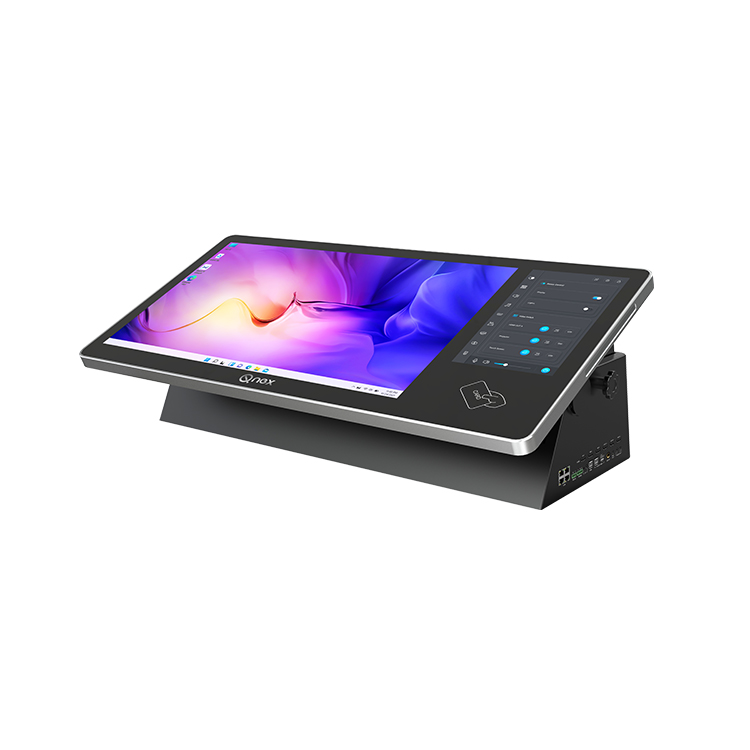
China Supplier Educational Equipment Customizable Integrated Multifunctional Desktop Digital Podium Factories
A customizable desktop digital podium that brings lecture control, device switching and classroom presentation management into one teaching station for education tenders.
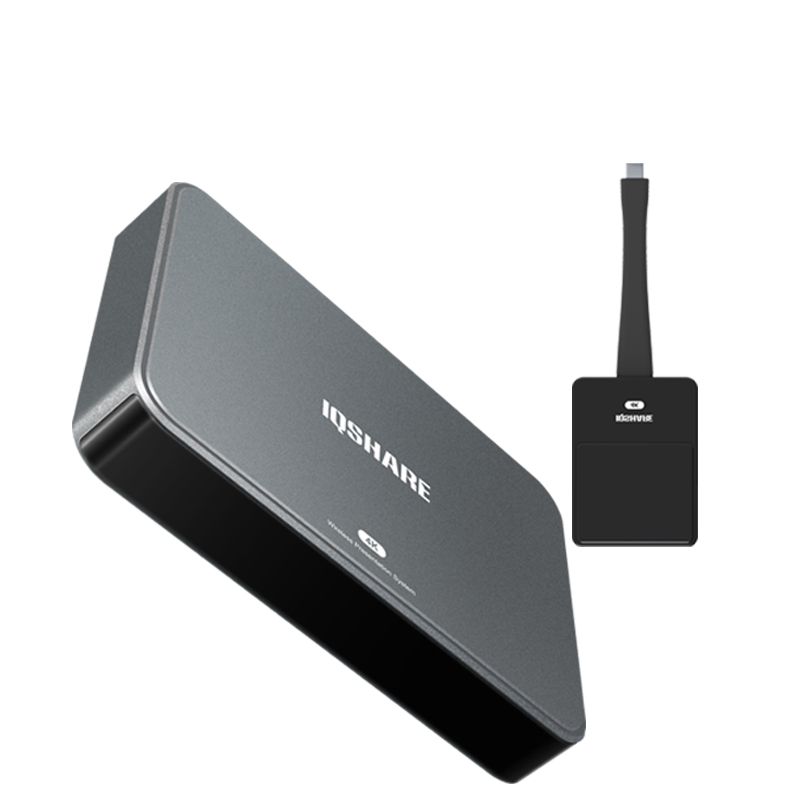
Hdm1 Wireless Transmitter Receiver 1 to 4 Anycast Wireless Screen Sharing Wireless Presentation System
A one-to-four wireless presentation kit for collaborative classrooms and meeting rooms where multiple users need fast, cable-free screen sharing.
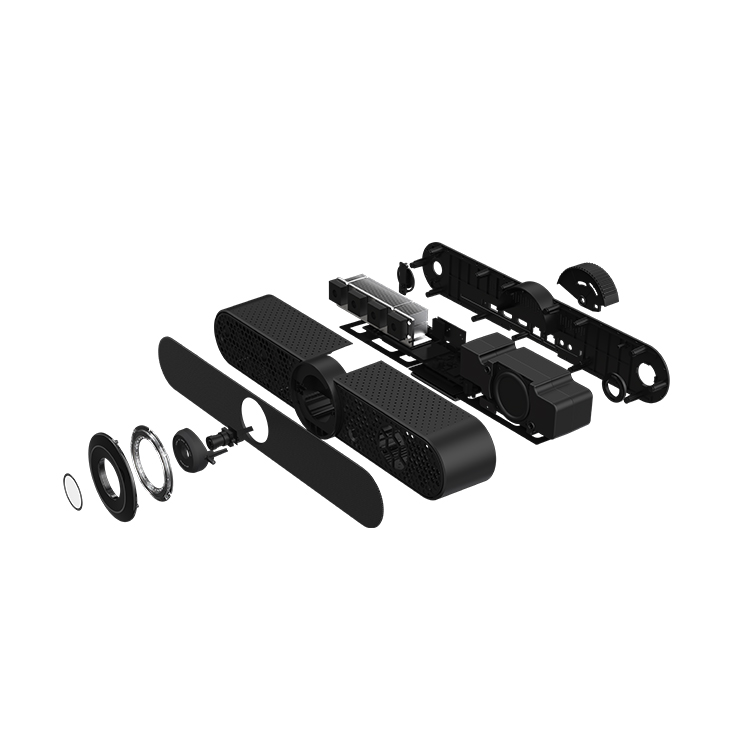
AI Auto-Tracking Webcam All-in-one 1080p 4k PC Mini Webcam for Video Calling and Conference
An AI auto-tracking webcam for hybrid teaching, video conferencing and lecture capture, helping remote participants follow presenters and classroom activity.
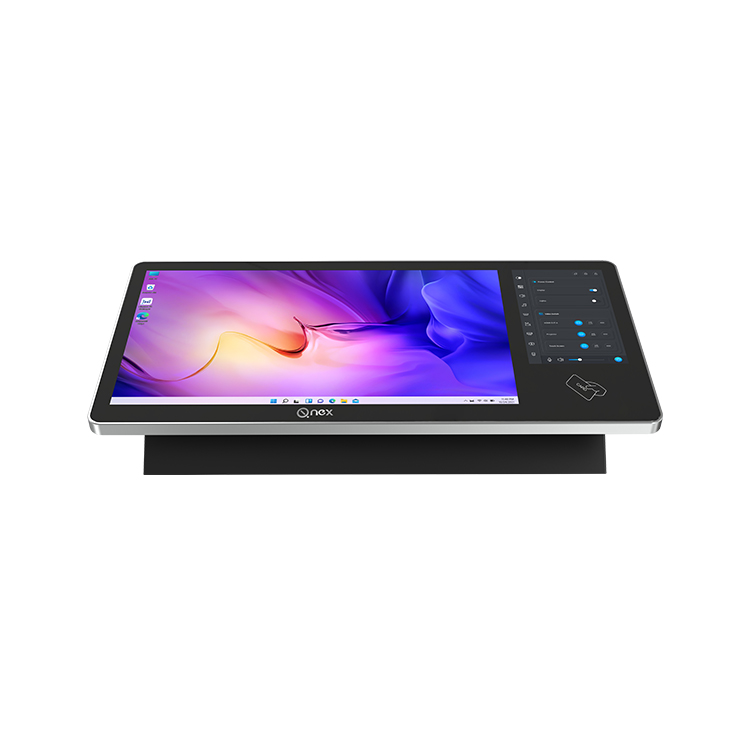
Dual Screens with Optical Bonding All-in-one Smart School Computer Desktop Digital Podium Pulpit for Classrooms
A dual-screen digital podium with optical bonding for teachers who need simultaneous lesson control, annotation, resource access and classroom display management.
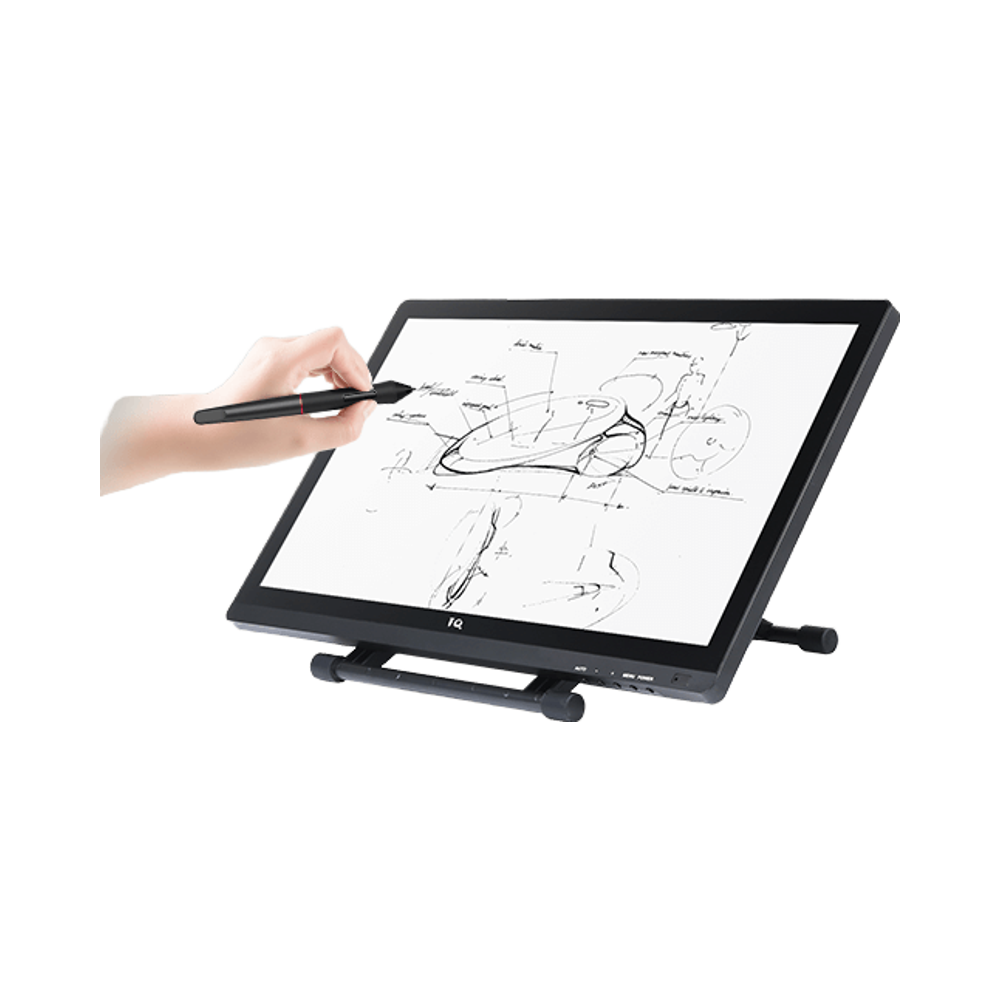
22" Touch Screen Digital Smart Podium with Wireless Microphone for Sale
A compact smart podium with touch control and wireless microphone support, suited to classrooms, training rooms and presentation spaces with limited footprint.
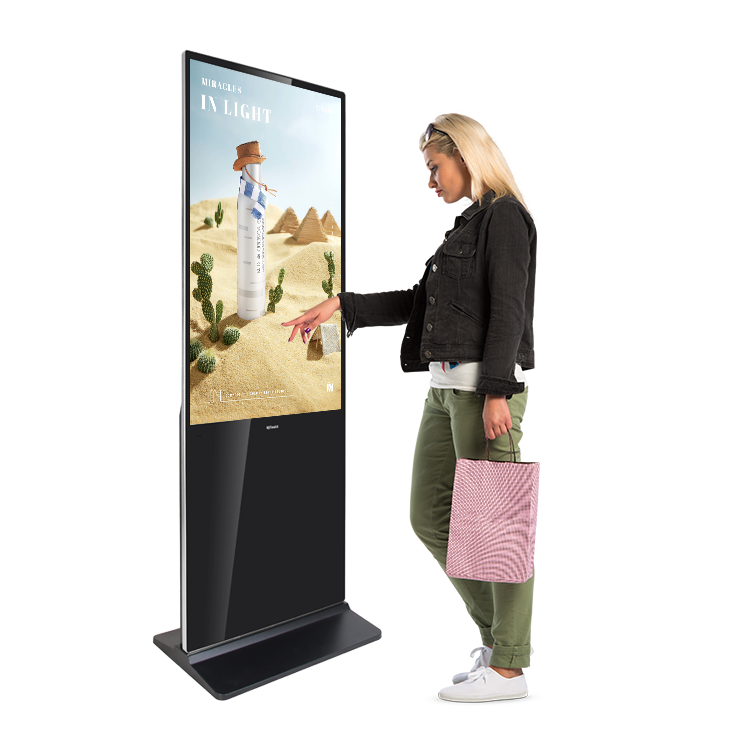
Android and Windows System Standing Floor Stand Information Kiosk Touch Screen for Shopping Mall
A dual-platform Android and Windows floor-standing information kiosk for mall wayfinding, campus navigation, service directories and interactive public information.
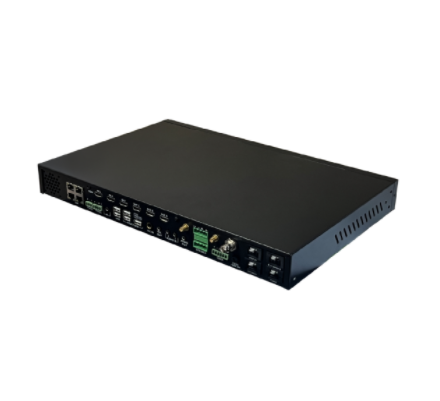
QNex Networked Media Processor for Digital Podium
A networked media processor for digital podium deployments, helping integrators centralize media routing, device coordination and smart-classroom control.
Why OEM/ODM Visualizer Software Is Now a Room-Level Procurement Decision
Buyers searching for OEM/ODM visualizer software manufacturers and factory partners are rarely looking for one isolated application. They are sourcing a repeatable teaching and meeting-room platform: visualizer capture, interactive annotation, screen sharing, lecture recording, digital podium control and centralized device management. The strongest suppliers make those layers work together rather than treating hardware and software as separate purchases.
A visualizer is a workflow, not a camera
In real classrooms, a visualizer workflow includes object display, handwriting, annotation, image capture, lesson sharing and sometimes live broadcast. For OEM/ODM buyers, the practical question is whether the interface, boot experience, language, peripheral support and software controls can be customized without creating support risk for the distributor or integrator.
Total room economics matter more than unit price
A low-cost panel can become expensive if it does not integrate with digital podiums, wireless presentation, lecture capture or campus AV control. Procurement teams increasingly compare total room cost, installation effort, spare-parts planning and teacher training rather than evaluating a single display or software licence in isolation.
Evidence beats brochure claims
Factory-direct sourcing should be supported by verifiable production capability, test-lab procedures, export records and third-party assessment. Ruyden's public profile includes SGS onsite verification, trade capacity, transaction level, credit overview and buyer ratings, giving sourcing teams evidence they can attach to internal supplier reviews.
Recommended Configurations by Buyer Intent and Room Type
The right bundle depends on viewing distance, teacher workflow, room quantity and who will maintain the system after installation. These four recommendations help distributors and tender teams translate a customer requirement into a factory quotation more quickly.
75"–86" interactive panel + dual-screen podium
For standard classrooms and daily teaching, specify a 75-inch or 85-inch interactive flat panel, a dual-screen optical bonding digital podium and a wireless presentation kit. This combination gives teachers a stable writing surface, a dedicated presentation control station and fast student screen sharing without cable changes between lessons.
- Multi-touch panel with OEM boot logo
- Podium with lesson control and annotation
- 1-to-4 wireless screen sharing
90"–100" display + lecture capture + networked podium
Large lecture halls need legibility at the back row, reliable recording and simple presenter control. Pair a 90-inch or 100-inch display with auto-tracking lecture capture, a networked digital podium and QNex media processing so recordings, projection and room devices can be coordinated from a single teaching position.
- High-visibility display sizing
- AI tracking camera for remote audiences
- Networked podium and media processor
55"–65" panel + AI auto-tracking webcam
For huddle rooms, training rooms and corporate meeting spaces, a 55-inch or 65-inch touch display combined with the AI auto-tracking all-in-one webcam and HDMI wireless presentation system delivers a practical hybrid-meeting setup. Buyers can standardize the same visualizer and sharing workflow across multiple offices.
- Compact touch display for collaboration
- 1080p or 4K conference webcam
- Plug-and-share wireless presentation
43" outdoor kiosk + Android/Windows information kiosk
For shopping centres, campus entrances and public service areas, combine the 43-inch outdoor waterproof floor-standing kiosk with the Android and Windows information kiosk. This creates a scalable signage and wayfinding programme for integrators managing content, hardware deployment and after-sales service across multiple locations.
- Outdoor advertising and signage
- Indoor information and wayfinding
- Multiple platform and content options
Future Procurement Trends Buyers Should Model Now
Education and enterprise buyers are moving from single-product purchasing toward room-level and campus-level sourcing. The most competitive tenders now ask suppliers to document interoperability, software lifecycle, serviceability and measurable operating outcomes, not only hardware specifications.
Bundled room procurement
Instead of buying displays, podiums, cameras and wireless presentation from separate vendors, buyers are requesting a single integrated quotation with clear compatibility confirmation. This reduces finger-pointing when something fails after installation and makes it easier to standardize across hundreds of rooms.
Software lifecycle and security review
OEM/ODM visualizer software buyers increasingly ask how firmware updates, language packs, account permissions, network access and pre-installed applications will be managed. A supplier that can document software change control and local customization boundaries is better positioned for long-term campus contracts.
Local serviceability and spare-parts planning
Remote regions and multi-campus deployments require predictable service. Procurement teams now evaluate whether the factory can supply module-level parts, provide technical documentation, support remote diagnostics and train the distributor's service team, rather than assuming every issue will be solved by returning a complete unit.
Total cost of ownership reporting
Public-sector buyers and large enterprises are asking suppliers to model energy use, maintenance intervals, training time and expected replacement cycles. A factory that understands total cost of ownership can help the buyer design a more realistic budget and avoid a low initial price that creates higher operating costs later.
Where Visualizer Software and Smart-Classroom Hardware Are Heading
The next stage of competition is no longer only about screen size or price per unit. It is about how quickly a teacher can start a lesson, how reliably a room recovers from a fault, and how easily an integrator can manage mixed hardware across a campus or country.
AI-assisted framing and auto tracking
AI auto-tracking webcams and lecture capture cameras are becoming easier to deploy without dedicated operators. The procurement implication is that buyers should ask how tracking behaves in crowded rooms, how privacy is handled and whether the camera can be adjusted through the local control panel.
Optical bonding and dual-screen podiums
Dual-screen podiums with optical bonding are being adopted where teachers need a durable, readable control surface and a separate presentation view. Optical bonding improves visual clarity and durability, while dual screens reduce switching friction during hybrid and recorded lessons.
4K wireless collaboration
Wireless presentation is shifting from a convenience accessory to core classroom infrastructure. Buyers increasingly expect one-to-four sharing, stable latency, simple pairing and clear status indicators, especially in rooms where students, teachers and visiting presenters share the same display.
Networked media processing
Networked media processors such as QNex help connect podiums, displays, cameras and control systems. As rooms become more integrated, procurement teams should evaluate whether the supplier can support network configuration, remote management and mixed-device deployments without adding unnecessary complexity for teachers.
Lecture capture as standard infrastructure
Recording lectures and sharing lessons with remote learners is moving from special-project status into standard classroom design. This increases demand for integrated cameras, audio, podium control and storage workflows that can be supported by the same supplier and documented in the same tender package.
Modular, upgradeable and sustainable design
Long-life procurement favours modular designs that allow selected components, firmware and accessories to be updated without replacing the entire room. For OEM/ODM buyers, this trend rewards suppliers that can document hardware configurations, maintain accessory compatibility and plan spare parts over multiple years.
Ruyden's Factory Advantages: What OEM/ODM Buyers Can Verify
Ruyden Interactive Technology Group Co., Ltd. combines in-house manufacturing, reliability testing, export experience and smart-classroom solution integration. For overseas buyers, the value is not simply a product list; it is the ability to work with a factory that can document its capability, adapt products for different markets and support a project after the shipment leaves China.
Confirmed by the latest independent inspection report.
Long-term membership as a paid global supplier.
Engineering, production, QC and export service professionals.
Average score from verified buyer reviews and transactions.
SGS onsite verification and public records
Ruyden has been onsite-verified by SGS Group. The supplier assessment report, credit overview, trade capacity and transaction history are publicly viewable, which helps distributors, tender teams and integrators complete supplier due diligence with documented evidence rather than unverifiable claims.
In-house SMT, PCB, auto-insertion and assembly
Controlling SMT, auto-insertion, PCB and final assembly under one roof improves consistency, protects custom hardware designs and supports faster engineering changes. For OEM/ODM projects, this reduces the risk of coordination gaps between multiple subcontractors.
Reliability lab for real export conditions
The in-house test lab covers high and low temperature, drop, simulated transportation, salt spray, button life, insertion force, static, earth continuity and withstand voltage testing. These checks help validate products for different climates, shipping routes and daily classroom use before mass shipment.
Verified design-based OEM/ODM customization
Customization options include logo, boot screen, housing color, packaging, software pre-installation, language settings and hardware configuration. Design-based customization has been verified by an independent third-party inspection, giving buyers a stronger basis for private-label and regional-market programmes.
Complete smart-classroom integration
Ruyden integrates interactive displays, lecture capture cameras, networked digital podiums, 4K wireless presentation and centralized AV, light and door control into one classroom solution. This one-stop approach simplifies procurement and reduces compatibility risk for system integrators handling multi-room projects.
Export support and long-term partner service
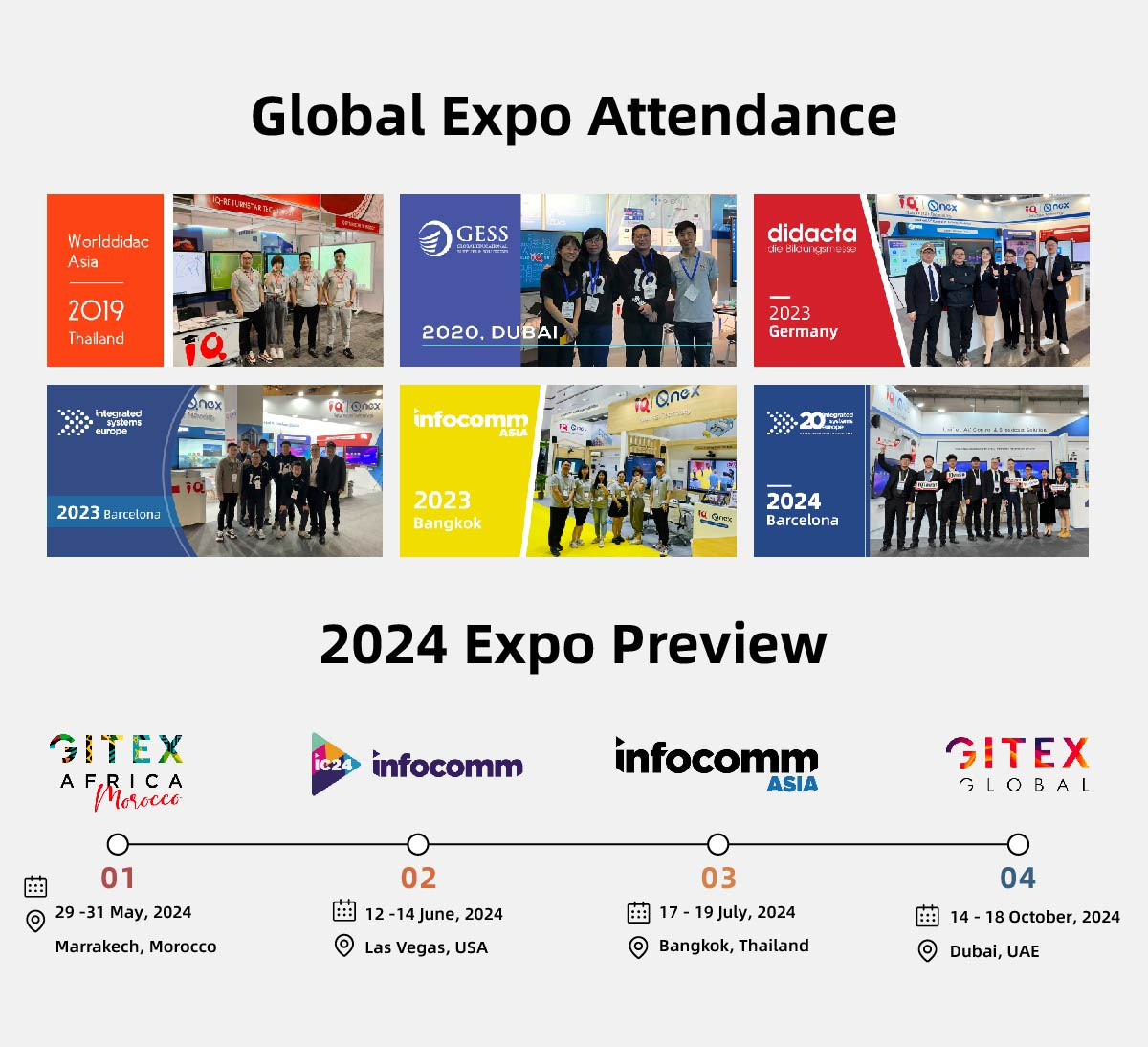
More than ten years of export experience, participation in international trade shows and a documented trade history support distributors and integrators in different regional markets. Pre-sales consulting, technical training and after-sales coordination help partners manage deployments beyond the initial purchase.

Factory building and production facility in the Fuzhou High-tech Zone, Fujian.

Interactive display production workshop supporting OEM/ODM assembly and testing.
Corporate credentials that can support distributor onboarding, tenders and compliance reviews.
A Practical Specification Matrix for Factory-Direct Visualizer Projects
The most common sourcing error is specifying a display that is too small for the room or a podium that does not match the teaching workflow. Use the matrix below as an early-stage planning tool, then ask the factory to review room dimensions, mounting conditions and network requirements before confirming the final configuration.
| Room Type | Recommended Display | Likely Visualizer / Capture Setup | Control & Sharing Add-ons |
|---|---|---|---|
| Small classroom | 65"–75" interactive flat panel | 1080p or 4K webcam for hybrid lessons | Wireless presentation, interactive stylus |
| Standard K-12 room | 75"–86" multi-touch display | Visualizer/document camera input and annotation workflow | Dual-screen podium, 1-to-4 wireless sharing |
| University seminar room | 85"–90" interactive display | Lecture capture camera with auto tracking | Networked podium, remote management |
| Large lecture hall | 90"–100" display or projection hybrid | Live broadcast and lecture recording system | QNex media processor, smart AV control |
| Corporate meeting room | 55"–75" touch display | AI auto-tracking conference webcam | HDMI wireless 1-to-4 presentation system |
| Public information area | 43" outdoor kiosk or floor-standing information kiosk | Content display, wayfinding and service directory | Android/Windows platform integration, remote content planning |
Note: viewing distance, ceiling height, lighting, network access and local serviceability should be reviewed by an engineer before purchase. For export projects, confirm language, voltage, plug type, packaging and compliance documents during the quotation stage.
Common Questions from OEM/ODM Visualizer Software Buyers
These are the questions most often raised by distributors, system integrators, tender consultants and overseas education buyers when comparing factory-direct suppliers.
What does OEM/ODM visualizer software mean in a factory project?
It usually means adapting the software experience around visualizer and classroom workflows: boot screen, language, pre-installed applications, input shortcuts, annotation behaviour, peripheral compatibility and control-panel layout. The factory should be able to explain which elements are configurable, which remain standard and how future firmware changes will be managed.
Can we customize logo, packaging and hardware configuration?
Yes. Ruyden supports design-based customization including logo, boot screen, housing color, packaging, software pre-installation, language settings and hardware configuration. For larger programmes, buyers should confirm the exact customization scope, sample approval process and documentation requirements before mass production.
How is product quality controlled before shipment?
Production runs through in-house SMT, auto-insertion, PCB and assembly lines. Products are validated with high and low temperature, drop, simulated transportation, salt spray, button life, insertion force, static, earth continuity and withstand voltage testing. Final inspection and packaging checks are completed before export packing.
Which display size should we choose for a classroom?
As a practical starting point, 65-inch to 75-inch displays suit small classrooms and meeting rooms, 75-inch to 86-inch models fit standard K-12 rooms, and 90-inch to 100-inch displays are appropriate for large lecture halls. The final choice should account for viewing distance, ceiling height, furniture layout and the amount of visual detail teachers expect students to see.
Can you integrate a podium, wireless presentation and lecture capture together?
Yes. Ruyden can combine interactive displays, lecture capture cameras, networked digital podiums, 4K wireless presentation and centralized AV control into one classroom solution. This is particularly useful for integrators who want a single technical point of contact for a multi-room or campus-level rollout.
How should overseas buyers start a project?
Share room types, quantity, target market, language requirements, installation environment and any certification or tender documents needed. The Ruyden export team can then recommend a product configuration, sample plan and quotation structure. For faster evaluation, include floor plans, viewing distances and the expected delivery schedule in the first message.
Build a Visualizer Software and Smart-Classroom Supply Programme with Ruyden
Talk directly with a factory team that understands interactive displays, digital podiums, lecture capture, wireless presentation and visualizer workflows. Share your room types, quantities, target market and customization requirements to receive a practical configuration proposal and sample plan.
