8 Products Buyers Frequently Source With Digital Document Cameras
Document camera projects rarely stop at a single visualizer. Classroom, lecture hall and hybrid meeting deployments often bundle interactive displays, cameras, wireless presentation, audio and annotation tools into one procurement package.
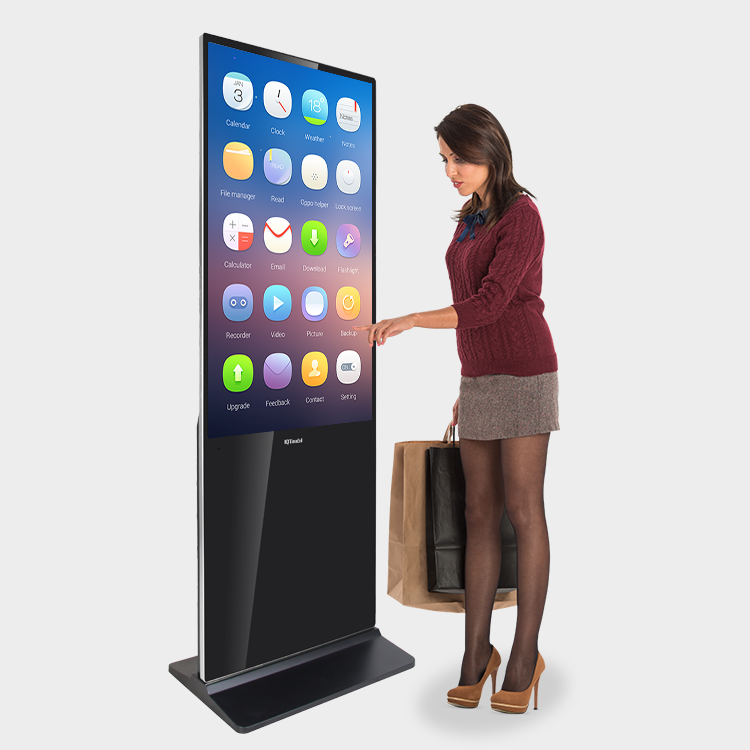
43inch Kiosk Touch Screen Floor Standing Advertising Kiosk Shopping Centre Digital Signage and Displays Outdoor Waterproof
High-brightness, weather-ready signage for campus wayfinding, event schedules and public information.
View product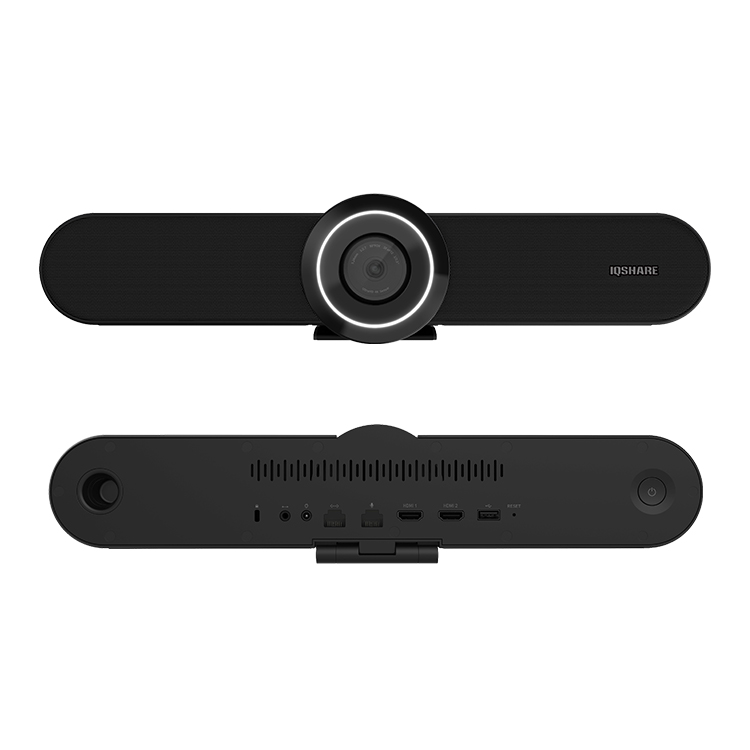
All in One Conference System USB Ultra HD 4K Outdoor Pc Webcam 4k Autofocus with Built in Speakerphone and 2 Mics
An all-in-one 4K camera, speakerphone and microphone package for hybrid classrooms and meeting rooms.
View product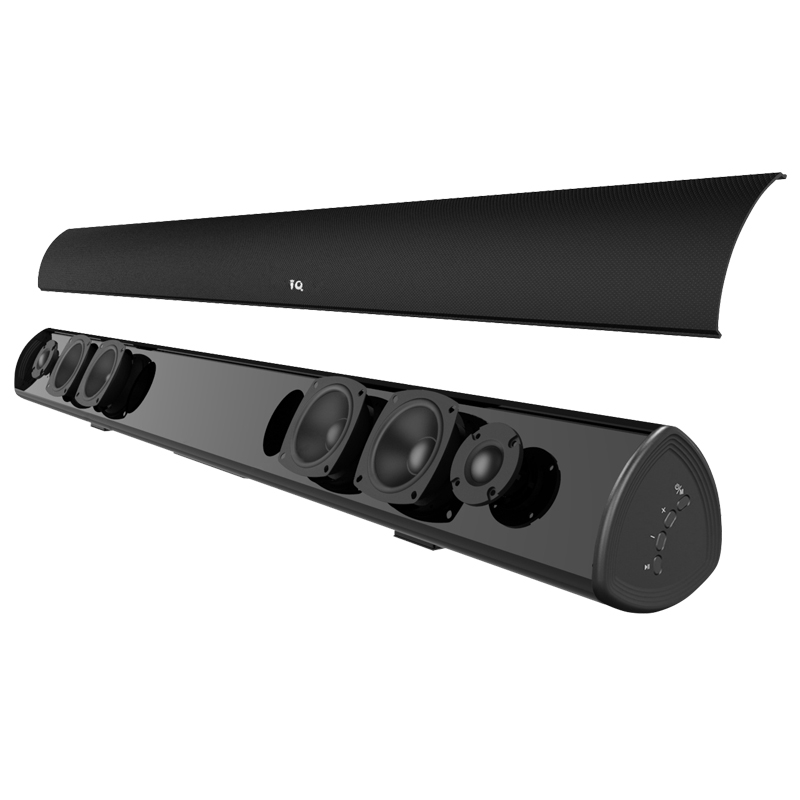
Soundbar for Meeting Room and Classroom Remote Control Speaker
Clear voice reinforcement for teachers, presenters and remote participants in shared learning spaces.
View product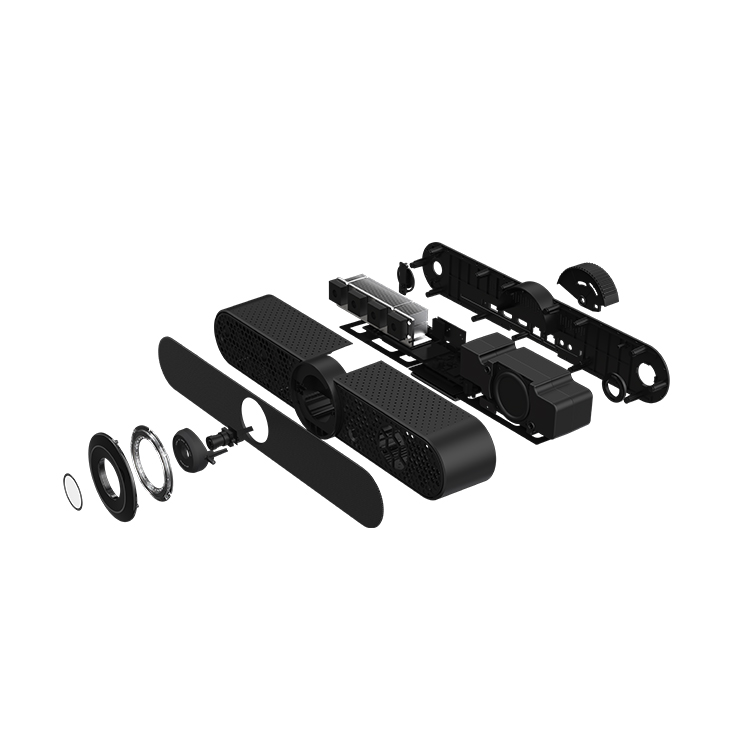
AI Auto-Tracking Webcam All-in-one 1080p 4k PC Mini Webcam for Video Calling and Conference
Auto-tracking video for presenters, demonstration teaching and remote attendees who need a natural view.
View product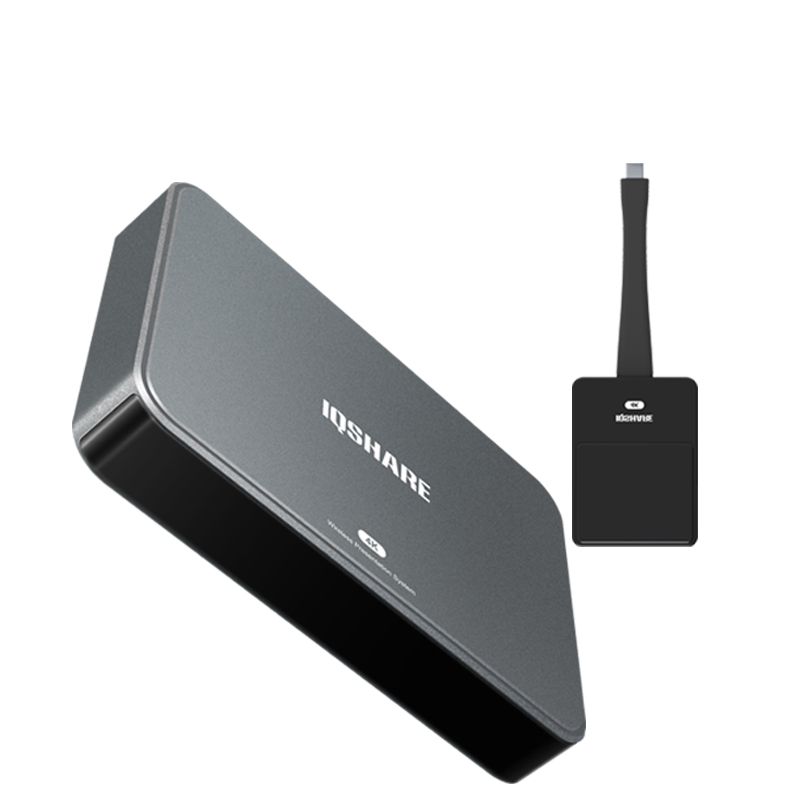
Hdm1 Wireless Transmitter Receiver 1 to 4 Anycast Wireless Screen Sharing Wireless Presentation System
Cable-free screen sharing for group work, teacher switching and multi-screen classroom collaboration.
View product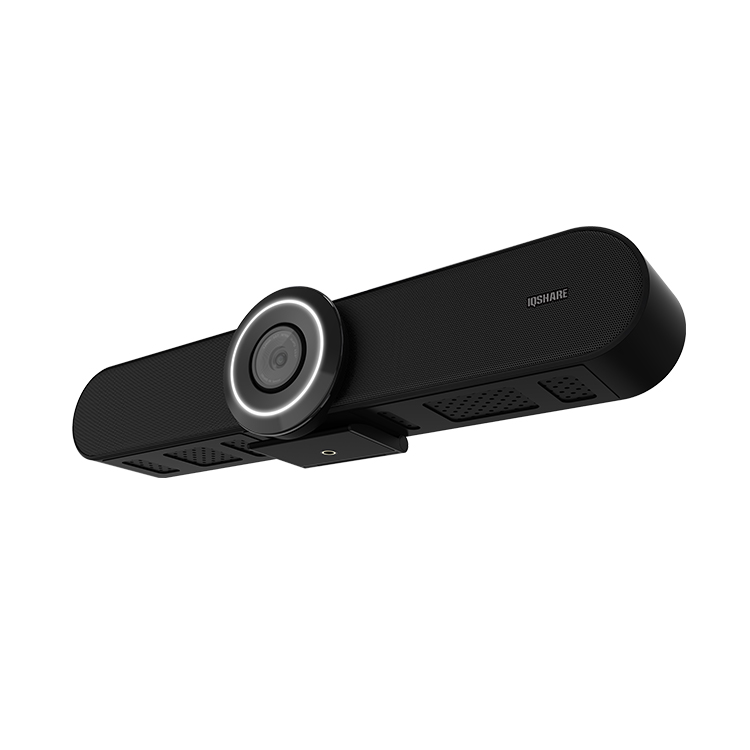
8MP Ultra HD 4K Conference Desktop All in One Webcam Stand Built-in Mic & Speaker for Online Class Meeting Live Stream
Plug-and-play desktop video with microphone and speaker for online classes, tutoring and live streaming.
View product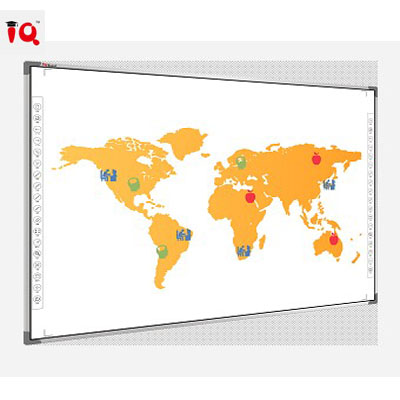
School Board Class Board IQBoard IR 82" 2 Points Touch 2 Users Interactive Whiteboard for School
A large-format interactive board for shared annotation, lesson delivery and group presentation.
View product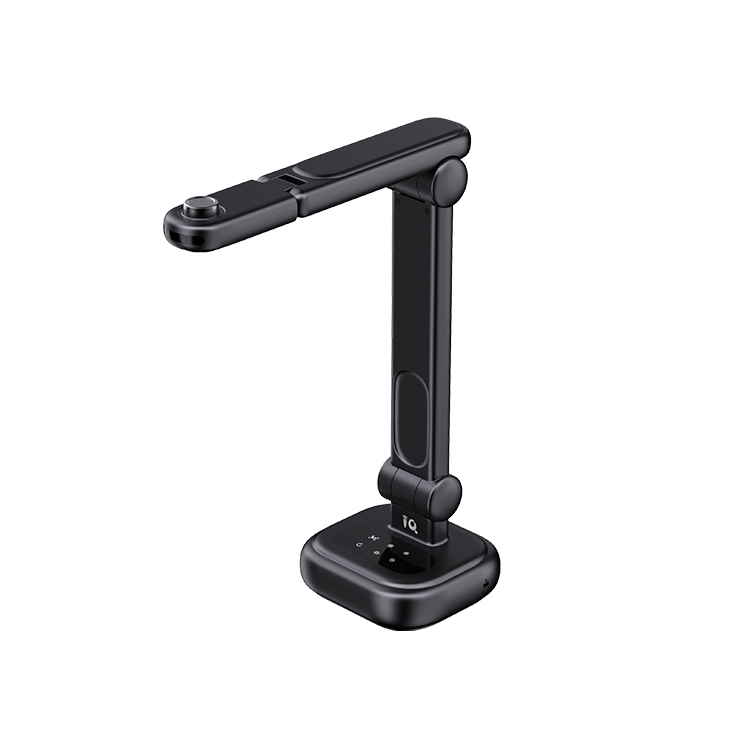
4K Video Output and Real-time Annotation Capabilities Document Camera Portable Visualizer with Auto Focus
A portable visualizer for worksheet demonstration, object capture, science teaching and hybrid annotation.
View productQuick Answer: How Should Buyers Choose a Digital Document Camera Supplier?
Most commercial searches combine three intents: finding a reliable top-10 shortlist, comparing 4K and 1080p visualizers, and confirming whether an exporter can support OEM/ODM, certification and after-sales requirements. The strongest answer is not the lowest unit price; it is the supplier that can prove optical quality, classroom compatibility, factory capability and continuity of supply.
A digital document camera is a visualizer that captures documents, objects, handwriting and demonstrations in real time for a projector, interactive flat panel, computer or video platform. For schools and universities, the purchase decision should be based on image clarity, annotation workflow, connectivity, teacher usability and the exporter's ability to support multi-room rollouts.
For classroom teaching
Prioritize auto-focus, smooth live image, low-light performance, simple annotation and USB or HDMI output that matches existing displays.
For OEM/ODM buyers
Ask for logo, packaging, firmware language, software preload, accessories and certification documentation before sample approval.
For distributors and tenders
Evaluate factory audit evidence, test lab process, spare-parts policy, warranty terms and export experience by market.
Top 10 Digital Document Camera Manufacturers & Exporter Shortlist
This is a due-diligence benchmark list, not a paid ranking. Model availability, certification and regional service levels change frequently, so buyers should confirm current specifications, export terms and after-sales coverage before issuing an RFQ.
Ruyden
China · featured manufacturer/exporter. SGS onsite-verified OEM/ODM supplier with in-house SMT, PCB and assembly lines, plus a reliability test lab. Strong fit for buyers bundling document cameras with interactive panels, lecture capture and smart classroom AV.
AVer Information
Global education technology brand often evaluated for visualizers and conferencing cameras. Buyers should verify regional channel support, firmware management and tender documentation.
Lumens Digital Optics
Known for visualizers, PTZ cameras and lecture capture workflows. A reasonable benchmark for hybrid classroom projects that need camera and document capture integration.
ELMO
Established visualizer brand with a long classroom presence. Confirm current model availability, regional warranty service and software compatibility before specifying.
IPEVO
Often considered for simple USB document cameras and classroom software. Suitable for remote teaching and desktop use where plug-and-play simplicity is important.
Epson
Projector and classroom display ecosystem supplier. Buyers may evaluate document camera bundles where projector compatibility and established procurement channels matter.
HoverCam
Document camera and classroom software specialist. Check export terms, local support, warranty process and current product roadmap before comparing with factory-direct suppliers.
Joyusing
Chinese visualizer supplier often considered for OEM-style sourcing. Verify product certifications, optical performance, MOQ, packaging and sample consistency.
QOMO
Classroom technology supplier with interactive display and visualizer options. A useful comparison for integrated classroom packages and software ecosystem questions.
WolfVision
Premium visualizer benchmark for high-detail object capture and presentation environments. Often relevant where optical quality and premium installation outweigh entry price.
Information-gain note: request a side-by-side sample test using printed text, handwritten notes, 3D objects, low light and live annotation. Supplier claims should be verified against the exact model, firmware version and market certification you intend to import.
How to Compare Digital Document Camera Manufacturers and Exporters
Use a structured scorecard rather than a single price comparison. The criteria below help procurement teams reduce sample risk, avoid hidden compatibility costs and build a defensible supplier shortlist.
Optical Clarity and 4K Realism
Test legibility of 8-point text, handwriting, textbook pages and small objects. Check auto-focus speed, zoom stability, low-light noise, frame rate and color accuracy under classroom lighting. A true 4K document camera should provide meaningful detail at the edge of the frame, not only in marketing specifications.
Annotation and Teaching Workflow
Teachers need fast capture, freeze, zoom, split-screen and real-time annotation. The best visualizer is the one a teacher can use without a manual. Ask for software compatibility with Windows, macOS, ChromeOS and interactive panel whiteboard apps where relevant.
Connectivity and Classroom Fit
Confirm HDMI, USB, UVC, wireless or network options against existing displays, lecture capture systems and conference platforms. For integrators, cable length, mounting, power safety and control compatibility often matter more than camera resolution alone.
OEM/ODM and Compliance Evidence
Request sample customization plans for logo, boot screen, housing, accessories, packaging, firmware language and software preload. Verify CE, FCC, RoHS, REACH, UKCA or other market-specific documentation with the exact model and power adapter.
Factory Process and Test Lab
A document camera manufacturer should be able to explain incoming inspection, SMT, PCB processing, assembly, functional testing and packing. Reliability checks may include high and low temperature, drop, simulated transportation, insertion force, button life and electrical safety testing.
After-Sales and Total Cost
Compare warranty terms, spare-parts availability, RMA turnaround, firmware update policy, training material and local service options. Calculate the total cost of ownership across a three-to-five-year classroom rollout, including installation, teacher training and downtime risk.
Where Digital Document Camera Products Are Heading
Product roadmaps are moving from standalone visualizers toward connected capture devices that support hybrid teaching, AI-assisted image optimization and campus-level device management.
4K as the New Baseline
As interactive panels and meeting platforms standardize on 4K, document camera buyers are asking for sharper sensors, better edge-to-edge clarity and clean 4K output through HDMI or USB.
AI-Assisted Image Optimization
Auto-focus, auto-exposure, object detection and presenter-aware framing are becoming practical differentiators. Buyers should test real classroom scenes rather than rely on ideal lab conditions.
Annotation-First Software
Hardware value increasingly depends on the software experience: instant annotation, lesson capture, split-screen comparison and easy export to learning management systems.
Hybrid Classroom Integration
Visualizers are being specified alongside PTZ cameras, soundbars and lecture capture systems. Integrated procurement reduces compatibility risk and simplifies support for IT teams.
UVC and Plug-and-Play Standardization
USB Video Class compatibility helps document cameras work with video conferencing and lecture capture platforms without special drivers, reducing deployment friction across campuses.
Rugged, Portable and Sustainable Design
Schools want compact visualizers with durable hinges, protected lenses, recyclable packaging and lower standby power, while distributors want export-ready cartons that survive long-haul logistics.
2025–2027 Buying Trends Shaping Document Camera Procurement
Public tenders, distributor buying and campus refresh cycles are becoming more outcome-based. The document camera is increasingly evaluated as part of a classroom solution rather than as an isolated peripheral.
Bundle Buying Across AV Categories
Schools are combining visualizers, interactive panels, lecture capture, wireless presentation and audio into fewer purchase orders. Suppliers that can coordinate multiple product categories reduce integration risk.
Verified Supplier Records
Procurement teams now ask for independent audit reports, trade capacity, transaction history and buyer ratings. Public verification links are becoming a practical alternative to expensive pre-audits.
Sample-First Approval
Distributors and tender winners increasingly require pre-production samples, packaging verification and software language checks before mass production begins.
Certification by Destination Market
CE, FCC, RoHS, REACH, UKCA, UL or ETL requirements vary by market and buyer policy. Confirm that certificates match the exact model, adapter and packaging configuration.
Teacher Usability as ROI
Lowest-price devices can create hidden costs when teachers avoid using them. Procurement teams are adding usability trials, training requirements and in-classroom feedback into award decisions.
Spare Parts and Service Continuity
Multi-year rollouts require consistent spare parts, firmware maintenance and predictable RMA processes. Service capability is becoming a scored criterion, not a post-order conversation.
Why Ruyden Is a Practical Manufacturing Partner for Classroom AV
Ruyden Interactive Technology Group Co., Ltd. combines product manufacturing, OEM/ODM customization and smart classroom integration. The figures below reflect publicly verified supplier information and should be checked against current records during your due-diligence process.
Experience in education display and AV product development.
Engineering, production, QC and export service team members.
Continuous supplier participation recorded by independent verification.
Average score from verified buyer reviews and transactions.
Ruyden Capabilities That Support Digital Document Camera and Smart Classroom Buyers
The original website highlights SGS verification, OEM/ODM capability, in-house manufacturing and a complete smart classroom ecosystem. These advantages matter when a document camera order expands into a multi-product tenders, distributor launch or campus-wide rollout.
SGS Onsite-Verified Manufacturer
Ruyden has been onsite-verified by SGS Group. Assessment reports, trade capacity, transaction level and trade history can be reviewed independently, helping overseas buyers reduce supplier risk before requesting samples.
Design-Based OEM/ODM Customization
Customization can cover logo, boot screen, housing color, packaging, software pre-installation, language settings and hardware configuration. This is valuable for distributors building a local brand and tender suppliers needing market-specific documentation.
In-House SMT, PCB and Assembly
Ruyden controls key production stages under one roof, including SMT, auto-insertion, PCB processing and final assembly. Factory control supports consistent quality, faster engineering changes and better protection of custom designs.
Reliability Test Lab
Quality validation includes high and low temperature, drop, simulated transportation, salt spray, button life, insertion force, static, earth continuity and withstand voltage testing. This is relevant for export markets with long transit cycles and varied classroom conditions.
One Connected Classroom Ecosystem
Beyond the portable 4K document camera, Ruyden supplies interactive flat panels, interactive whiteboards, lecture capture systems, networked digital podiums, wireless presentation and centralized AV control, supporting one supplier for multiple room requirements.
Export Service and Long-Term Support
Ruyden supports overseas buyers with product configuration, sample approval, export packing, shipping coordination and after-sales service. For integrators, this reduces coordination effort across camera, display, audio and control systems.
Digital Document Camera Purchasing FAQ
These are the questions overseas buyers commonly ask during supplier comparison, tender preparation and sample approval.
What is a digital document camera, and how is it different from a visualizer?
A digital document camera, also called a visualizer or document presenter, uses a camera and adjustable arm or stand to capture documents, objects and demonstrations in real time. It connects to an interactive display, projector, computer or video platform. The terms overlap heavily; “visualizer” is often used in classroom and presentation contexts, while “document camera” is common in education procurement.
What specifications matter most when sourcing document cameras?
Focus on measured image clarity, auto-focus speed, zoom quality, low-light performance, frame rate, output latency, annotation software, connectivity and physical durability. A 4K label is not enough by itself. Test printed text, handwritten notes, small 3D objects and live annotation under realistic classroom lighting before approving a sample.
Is 4K necessary, or is 1080p sufficient?
1080p remains practical for many desktop and small classroom uses. 4K is more compelling when displaying fine text, science demonstrations, detailed diagrams or content on large interactive panels. The decision should include the display resolution, viewing distance, software capability and budget, because a strong 1080p optical system can outperform a poorly implemented 4K model.
Can manufacturers provide OEM/ODM customization for document cameras?
Yes, many Chinese manufacturers and exporters support OEM/ODM work. Typical options include logo printing, boot screen, packaging design, user manual localization, software preload, language settings, accessories and hardware configuration. Buyers should request a customization checklist, sample approval process and change-control policy to avoid surprises during mass production.
Which certifications should I request before ordering?
Certification requirements depend on the destination market and buyer policy. Common requests include CE, FCC, RoHS, REACH and UKCA, with UL or ETL for certain power configurations. Always confirm that the certificate or test report matches the exact model, adapter, battery configuration if applicable, and packaging you intend to import.
What is the typical MOQ and lead time?
MOQ and lead time vary by model, customization level, component supply and order season. For tender projects, request a written production schedule covering sample approval, mass production, QC inspection, packing and shipping. For OEM orders, confirm whether logo, packaging and software customization add separate review time.
How should I test a document camera sample?
Create a simple test script: display 8-point text, handwritten notes, a small object, a textbook page and a moving hand. Check focus speed, edge sharpness, color shift, latency, annotation responsiveness, software compatibility and cable stability. Also inspect hinges, lens protection, buttons, packaging and the power adapter markings.
Can document cameras be integrated with interactive panels and lecture capture?
Yes. Many classroom projects combine a document camera with an interactive flat panel, PTZ or auto-tracking camera, lecture capture system, wireless presentation and audio. Buyers should confirm HDMI/USB compatibility, control workflows, power management and whether the supplier can provide a single configuration proposal across these categories.
How can overseas buyers verify an exporter’s factory capability?
Review independent assessment reports such as SGS verification, trade capacity, transaction history and buyer feedback. Ask for a live video factory tour covering incoming inspection, SMT or PCB lines, assembly, testing, packing and warehousing. For larger tenders, request sample test reports and a clear RMA or spare-parts process.
Planning a Document Camera or Smart Classroom Procurement?
Share your room types, target market, estimated quantity, certification requirements and preferred connectivity. A tailored configuration proposal can help you compare sample cost, total classroom cost of ownership and rollout risk more clearly.
Send an Inquiry