8 Products Buyers Review Before Shortlisting a Portable Document Scanner Supplier
Portable document scanner procurement rarely happens in isolation. Distributors, tender agents, and education technology buyers usually bundle a visualizer or document camera with displays, webcams, podiums, and classroom control hardware. The eight export products below retain their original product URLs so purchasing teams can verify specifications, images, and configuration options before requesting a quote.
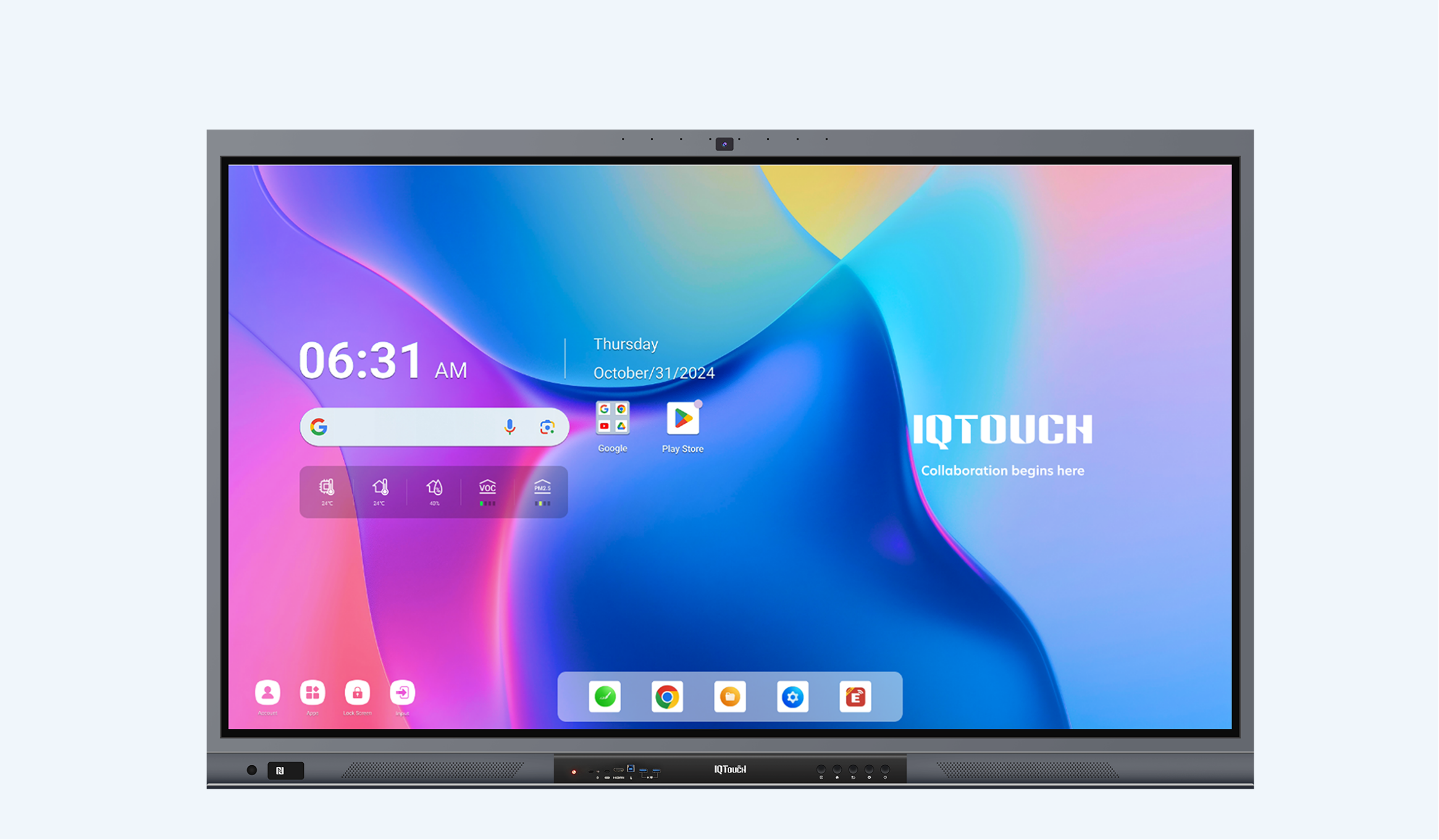
75 86 Inch Interactive Touch All in One PC Electronic Interactive Whiteboard Smart Board Digital Price for Conference
Large-format collaboration display for conference and training rooms that need document capture alongside annotation and screen sharing.
View product →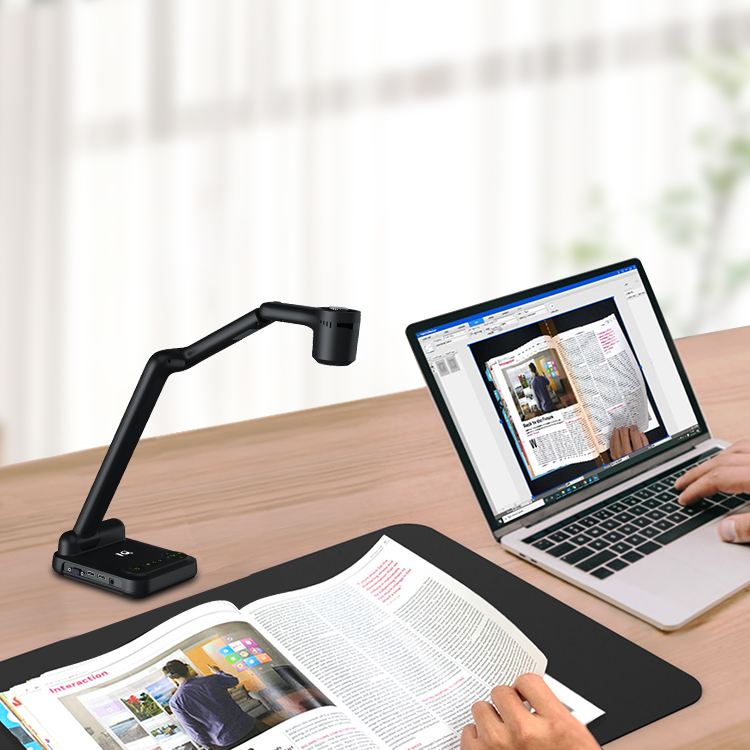
Wholesale 10x Optical Zoom Portable High Definition Live Image Document Camera Ceiling for School
Portable document camera with optical zoom for real-time book, object, handwriting, and demonstration capture in classrooms.
View product →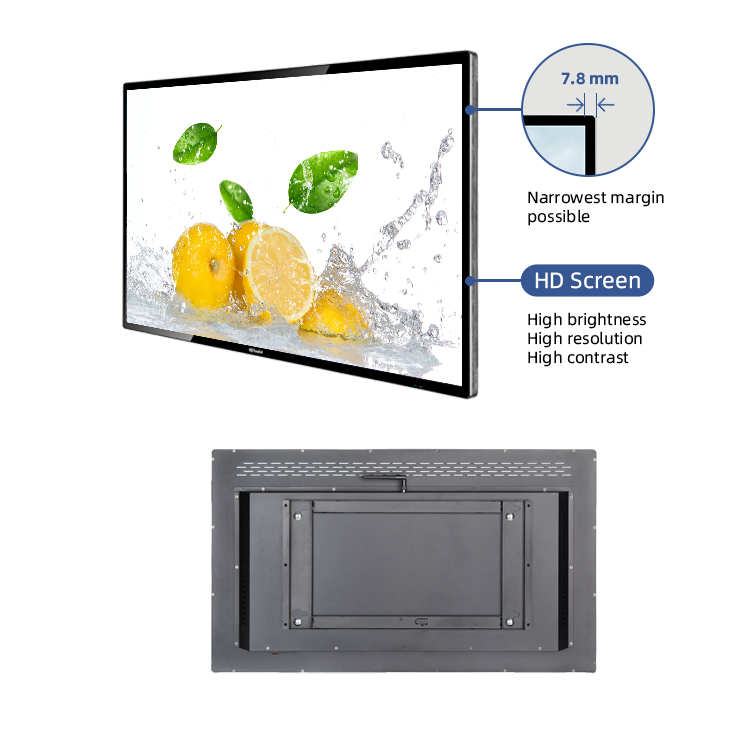
Interactive Touch Screen 10/13/15/22/32/43/49/55/65 Inch Android LCD Monitor Kiosk Wall Mounted Advertising Display
Flexible touch display range for queue management, registration desks, retail counters, and digital signage in document service environments.
View product →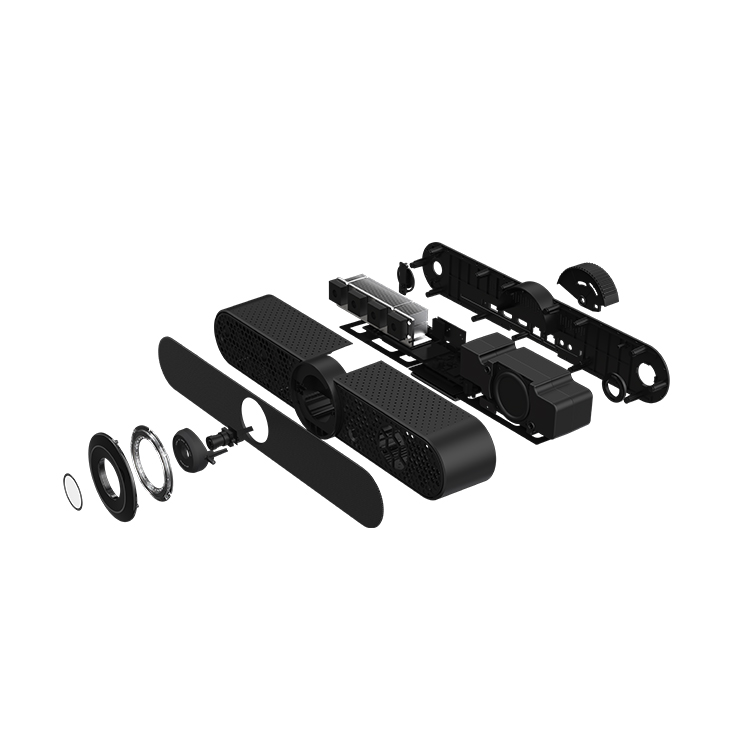
AI Auto-Tracking Webcam All-in-one 1080p 4k PC Mini Webcam for Video Calling and Conference
Conference-ready camera with AI tracking for hybrid meetings, remote document review, and live teaching demonstrations.
View product →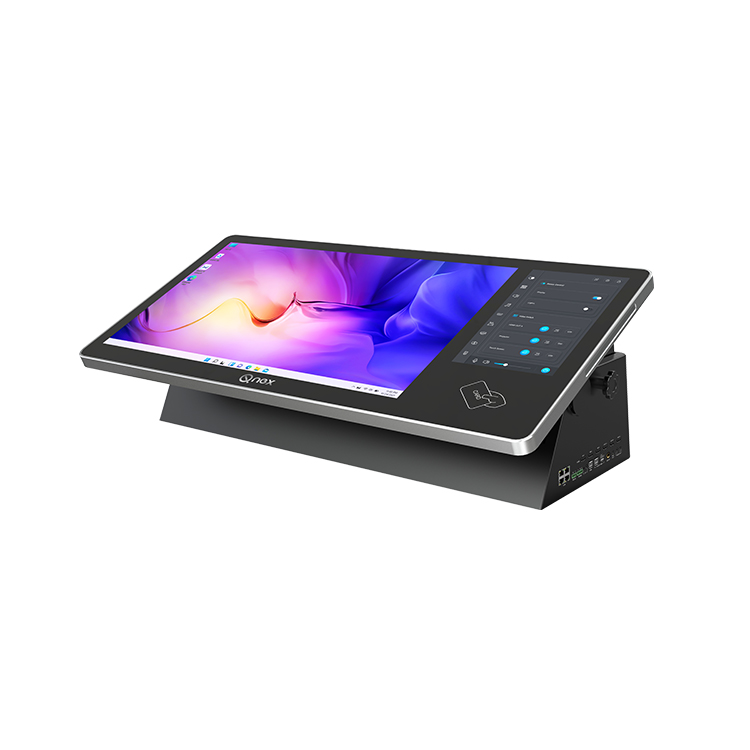
China Supplier Educational Equipment Customizable Integrated Multifunctional Desktop Digital Podium Factories
Customizable digital podium that integrates presentation control, display access, and classroom device operation.
View product →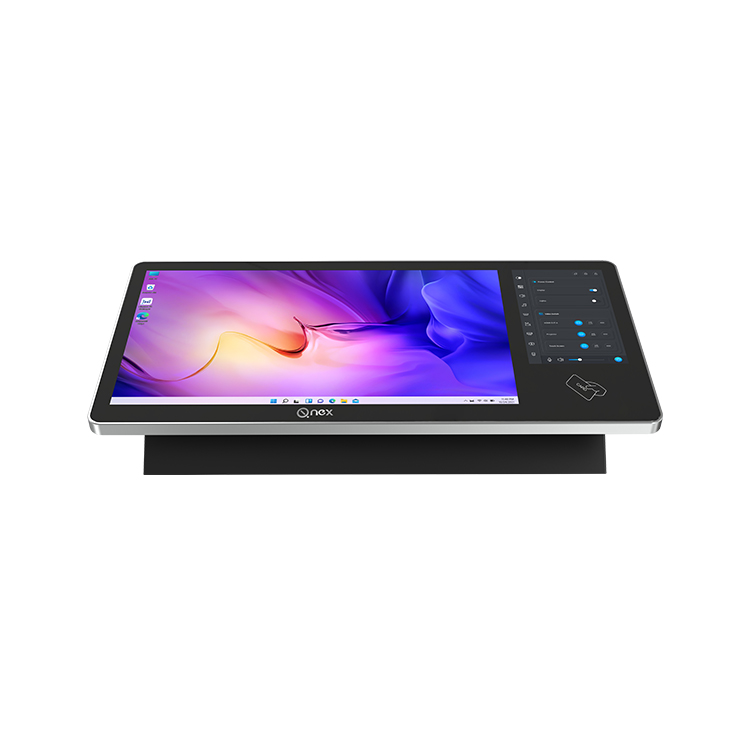
Dual Screens with Optical Bonding All-in-one Smart School Computer Desktop Digital Podium Pulpit for Classrooms
Dual-screen smart podium for teachers who need lecture notes, document preview, and classroom controls in one workstation.
View product →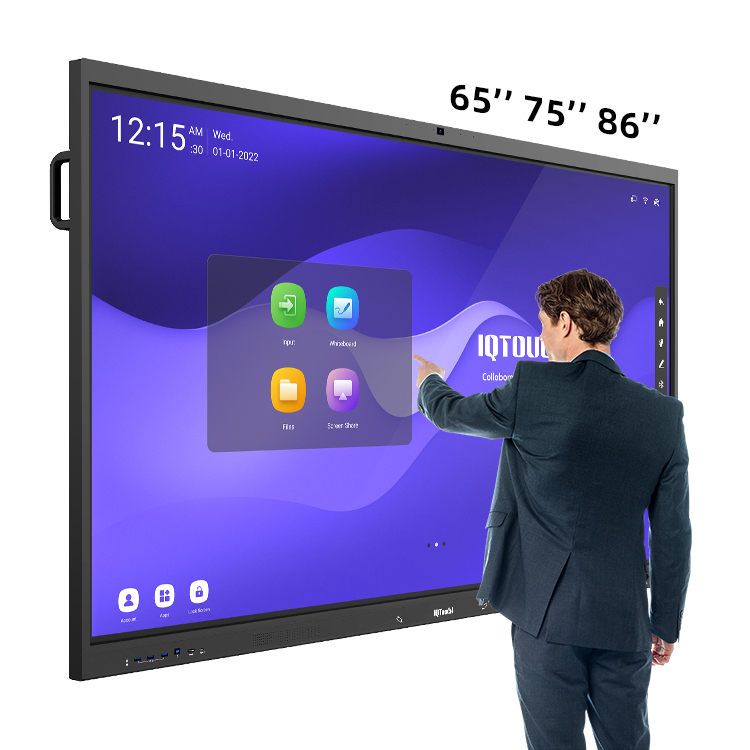
Dual System 4K 65 75 86 Inch Smart Board Interactive Electronic Whiteboard for Education and Conference
Dual-system 4K interactive board that supports teaching software, document capture windows, and wireless collaboration.
View product →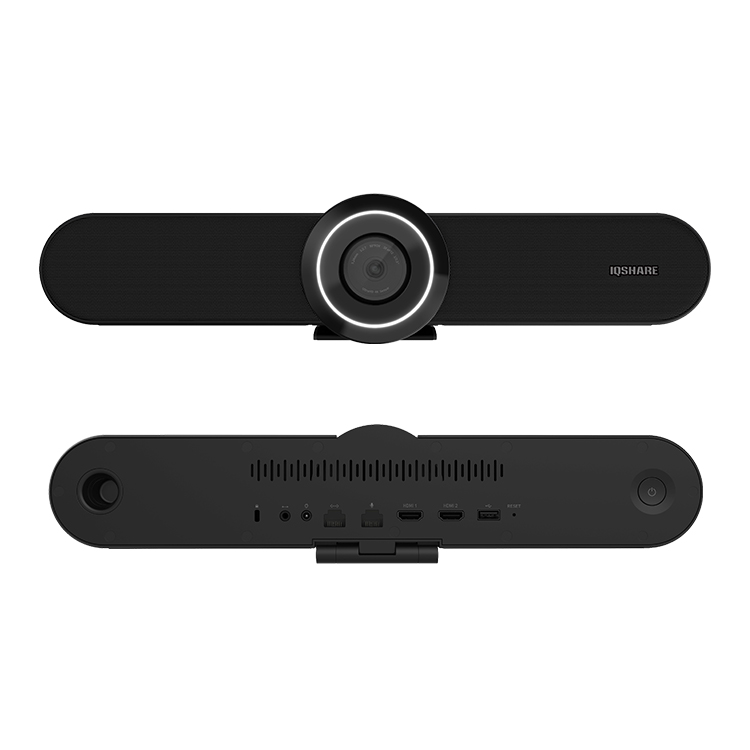
All in One Conference System USB Ultra HD 4K Outdoor Pc Webcam 4k Autofocus with Built in Speakerphone and 2 Mics
All-in-one USB conference system for presenting scanned pages, contracts, and visual materials during remote meetings.
View product →Portable Document Scanner Sourcing Is a Risk-Reduction Project
Buyers searching for a portable document scanner supplier are usually comparing imaging quality, software workflow, export documentation, and after-sales capability rather than a single specification sheet. The strongest sourcing decision connects product performance with verifiable supply reliability.
Education & Hybrid Classrooms
Portable document cameras, visualizers, and overhead capture devices help teachers show books, experiments, handwriting, and 3D objects. Procurement teams should check optical zoom, UVC compatibility, mounting options, and image stability under classroom lighting.
Office Digitization & Counter Service
Banks, hotels, clinics, and government counters need fast capture of passports, IDs, contracts, and forms. Portable scanners and document cameras can shorten queues when paired with OCR, PDF export, and secure local storage workflows.
OEM / ODM Distributor Programs
Importers and tender suppliers need more than a product photo. They need branding, packaging, language settings, driver support, spare parts, and a factory that can document customization for public procurement reviews.
Semantic search around this category is fragmented. A buyer may search for “portable document scanner exporter,” “overhead document camera for classroom,” “USB visualizer for distance learning,” “AI OCR document camera,” or “OEM document camera factory.” These queries share a commercial intent: find a supplier that can deliver a complete, repeatable, export-ready solution. That is why a serious shortlist should compare the difference between a flatbed scanner, a sheet-fed portable scanner, and a document camera. A flatbed scanner digitizes paper; a document camera captures real-time images of books, objects, handwriting, and demonstrations. Many education and hybrid office projects need both, and distributors often win tenders by bundling capture hardware with interactive displays, podiums, webcams, and wireless presentation systems.
For SEO and procurement teams alike, the useful content is not another list of generic features. It is information gain: how to evaluate image clarity at three meters, how to test OCR with local languages, how to verify UVC plug-and-play behavior, how to protect packaging during sea freight, and how to compare total cost of ownership after spare parts and after-sales support are included. The sections below translate those buyer questions into a practical sourcing framework.
What the Top 10 Portable Document Scanner Suppliers Have in Common
A credible exporter should be evaluated against evidence, not promises. These ten criteria help distributors, tender agents, and institutional buyers separate a dependable supply partner from a catalog-only trader.
Image & OCR Quality
Compare resolution, lens quality, autofocus speed, low-light behavior, and OCR accuracy in the buyer’s target language.
Capture Speed
Measure time from page placement to usable PDF, including cropping, deskew, OCR, and file naming.
Portability & Mounting
Check folded dimensions, weight, ceiling or arm mounting options, cable management, and field installation time.
Connectivity
USB-C, USB-A, HDMI, UVC, Wi-Fi, and software compatibility determine whether the device works across Windows, macOS, Android, and interactive panels.
Software Workflow
Local OCR, PDF/A export, annotation, cloud upload, TWAIN, and SDK access can matter more than raw megapixels.
Test Evidence
Ask for temperature, drop, transport, salt spray, button life, insertion force, static, grounding, and withstand voltage reports.
Compliance
CE, RoHS, FCC, UKCA, packaging labels, and country-specific import documents should be confirmed before production.
OEM / ODM Flexibility
Logo, boot screen, housing color, packaging, language pack, software preload, and hardware configuration should be documented.
Spare Parts
Camera modules, cables, remote controls, power adapters, and mounting kits should have a clear supply plan.
Total Cost
Evaluate landed cost, failure rate, support labor, warranty terms, and training needs—not only the FOB price.
Portable Document Scanner Procurement Trends Shaping 2026–2030
Public tenders and distributor buying behavior are moving toward bundled, software-aware, and evidence-backed purchases. The following shifts are already visible in education, office automation, and hybrid collaboration projects.
Bundled Tender Packages
Buyers increasingly combine document cameras, interactive displays, podiums, webcams, and wireless presentation into one classroom or meeting-room package. Suppliers that can support multi-category tenders reduce procurement complexity.
Edge AI & OCR
AI cropping, text recognition, layout analysis, and noise reduction are moving on-device. Buyers will ask whether OCR works offline, how language packs are updated, and whether confidential documents leave the local network.
Higher Imaging Expectations
4K capture, optical zoom, and fast autofocus are becoming default expectations in education and corporate visualizers. Distributors should test real documents and handwriting, not only test charts.
Hybrid Work Compatibility
Portable capture hardware must work with Zoom, Microsoft Teams, Google Meet, and lecture capture platforms. Driverless UVC devices are easier to deploy and support across mixed device fleets.
Privacy & Data Sovereignty
Security questionnaires now reach down to document cameras and scanners. Buyers ask where images are processed, whether cloud upload is optional, and how firmware updates are controlled.
Service & Sustainability
Packaging reduction, recyclability, spare-parts availability, and documented after-sales processes are becoming scoring items in public and corporate procurement.
The Next Generation of Portable Document Scanners and Visualizers
Hardware differentiation is shifting from megapixels to workflow performance. These product development directions matter to buyers who need a roadmap, not just a current sample.
Optical Zoom & Autofocus
10x optical zoom, fast autofocus, and stable image engines help teachers show fine text and small objects without moving the camera or interrupting the lesson.
AI-Assisted Capture
Automatic page detection, perspective correction, background removal, and OCR save time at reception desks and in high-volume document environments.
USB-C & Driverless UVC
Plug-and-play UVC output reduces installation friction across interactive panels, laptops, and lecture capture systems. USB-C improves portability and field replacement.
Modular Mounting
Ceiling, arm, desktop, and portable stand options allow one capture platform to serve classrooms, labs, counters, and training rooms.
Software Ecosystem
SDK access, local OCR, PDF/A, TWAIN support, and integration with document management systems create long-term value for integrators.
Rugged Portability
Folding hinges, protective cases, low-power operation, and secure packaging are critical for district rollouts where devices move between rooms.
Why Ruyden Fits the Shortlist for Portable Document Capture Supply
Ruyden Interactive Technology Group Co., Ltd. is an SGS onsite-verified manufacturer and exporter based in Fuzhou High-tech Zone, Fujian, China. Its credentials, factory systems, and education technology portfolio are directly relevant to buyers building a portable document scanner sourcing program.
The company brings 19 years of industry experience, 21 years of verified B2B trading, 82 verified staff, and a 5.0/5 buyer rating from verified transactions. For importers, that track record matters because public tenders and distributor onboarding often require documented trade capacity, transaction history, credit overview, and third-party inspection records.
Ruyden’s production system includes in-house SMT, PCB, AI auto-insertion, and final assembly. Design-based customization has been verified by an independent third-party inspection. OEM and ODM buyers can discuss logo, boot screen, housing color, packaging, language settings, software preload, and hardware configuration. This is especially important for document capture brands that need a supplier able to protect custom firmware and packaging requirements.
The in-house reliability lab validates high and low temperature operation, drop, simulated transportation, salt spray, button life, insertion force, static discharge, earth continuity, and withstand voltage. For portable visualizers and document cameras, this test discipline supports lower transit damage and fewer field failures. Ruyden also offers a connected portfolio: interactive flat panels from 55 to 100 inches, lecture capture cameras, 4K wireless presentation, networked digital podiums, webcams, and AV integration. That ecosystem helps distributors bid complete classroom and conference projects through one factory relationship.
SGS Onsite Verification
Assessment report, trade capacity, transaction level, trade history, and reviews can be independently reviewed.
OEM / ODM Customization
Verified design-based customization for branding, software, packaging, and configuration.
In-House Quality Lab
Temperature, drop, transport, salt spray, electrical safety, and durability testing before shipment.
Global Export Experience
10+ years of export experience supporting distributors and integrators across regional markets.



These bars are buyer-side benchmark targets used in this sourcing framework, not universal third-party test results for every model.
From Requirement to Delivery in Six Clear Procurement Steps
A structured workflow keeps importers, distributors, tender agents, and integrators aligned from the first specification review to final shipment.
Requirement Review
Share room or office scenarios, target volume, desired resolution, OCR needs, target market, certifications, and branding requirements.
Sample & Compatibility
Test the document camera or portable scanner with your interactive panel, video platform, laptop operating system, and local language documents.
Customization & Compliance
Confirm logo, packaging, language pack, software preload, power adapter, labels, and import documentation.
Pilot Order
Validate installation, training, imaging quality, warranty process, and after-sales communication before a larger rollout.
Production & QC
In-house SMT, PCB, auto-insertion, assembly, and reliability testing are scheduled against the approved specification.
Shipment & Support
Export packing, shipping coordination, spare-parts planning, firmware guidance, and after-sales support keep the channel running.
Portable Document Scanner Supplier FAQs
These are the questions most often raised by overseas buyers evaluating document cameras, portable scanners, visualizers, and OEM supply programs.
What is the difference between a portable document scanner and a document camera?
A portable document scanner usually captures paper through a flatbed, feed mechanism, or handheld scanning process and outputs an image or PDF. A document camera or visualizer uses a camera on a stand or ceiling mount to capture real-time images of books, objects, handwriting, or demonstrations. The best choice depends on whether the project prioritizes static paper digitization or live visual presentation.
Which specifications matter most when comparing suppliers?
Compare resolution, optical zoom, autofocus speed, low-light performance, OCR accuracy, output file formats, UVC compatibility, connection type, mounting options, software language support, warranty, and spare-parts availability. Buyers should test real documents in the target language instead of relying only on brochure specifications.
Can a supplier customize hardware and software for OEM or ODM projects?
Yes, customization should be confirmed in writing before production. Typical options include logo, boot screen, housing color, packaging, language settings, software preload, accessory kits, and hardware configuration. Ruyden’s design-based customization capability has been verified by an independent third-party inspection, which supports procurement documentation for distributor and tender projects.
How can buyers verify a supplier before placing an order?
Review SGS or equivalent onsite assessment reports, trade capacity, transaction history, credit overview, and buyer feedback. Request product samples, test reports, packaging samples, and a compliance checklist. A factory video tour and direct engineering communication also help confirm whether the supplier controls production rather than merely trading third-party goods.
What quality tests should a document camera or portable scanner pass?
Useful tests include high and low temperature operation, drop testing, simulated transportation, salt spray for metal parts, button life, connector insertion force, static discharge, earth continuity, and withstand voltage. Imaging tests should cover autofocus, color accuracy, text legibility, OCR accuracy, and stability under common classroom or office lighting.
Do these devices work with Zoom, Microsoft Teams, and interactive whiteboards?
Most modern document cameras work as UVC video devices, which means they can be recognized by video conferencing platforms without a proprietary driver. Compatibility still needs to be tested with the buyer’s operating system, interactive panel, lecture capture software, and video platform before a tender submission.
What is the usual MOQ and lead time?
MOQ and lead time depend on the model, customization level, certification requirements, packaging design, and order volume. Buyers should provide target quantity, destination market, branding needs, and sample approval timeline so the supplier can issue a realistic production schedule rather than a generic estimate.
How should distributors plan after-sales support and spare parts?
Before ordering, agree on warranty terms, DOA handling, spare-parts list, return process, firmware update policy, technical training, and first-line support responsibilities. Distributors should keep critical spare parts such as camera modules, power adapters, cables, remote controls, and mounting kits so that end users are not waiting for international shipment on minor repairs.
Need a Verified Portable Document Scanner Supplier for Your Next Project?
Share your target market, use case, expected volume, OEM branding requirements, certification needs, and preferred sample timeline. Our export team can respond with a product configuration proposal for portable document cameras, visualizers, interactive displays, podiums, and related classroom or conference hardware.
Send an Inquiry