8 Products That Complete a Document-Capture, Presentation or Smart-Room Deployment
Ruyden is an SGS-verified education and AV equipment manufacturer, not a commodity scanner trading company. The eight products below are the original catalogue items most often specified around a USB document scanner, visualizer, lecture-capture station or digital podium. Product URLs are preserved for direct technical review.
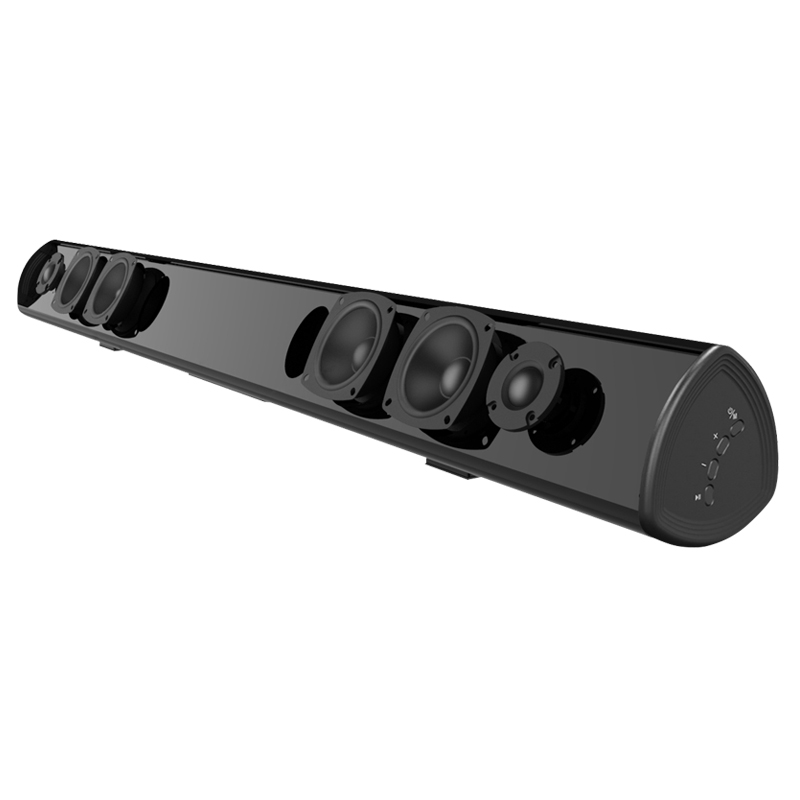
Voice Pick up Soundbar Sound Remote Speaker
Far-field voice pickup and remote speaker output for classrooms, training rooms and hybrid meeting spaces.
View product →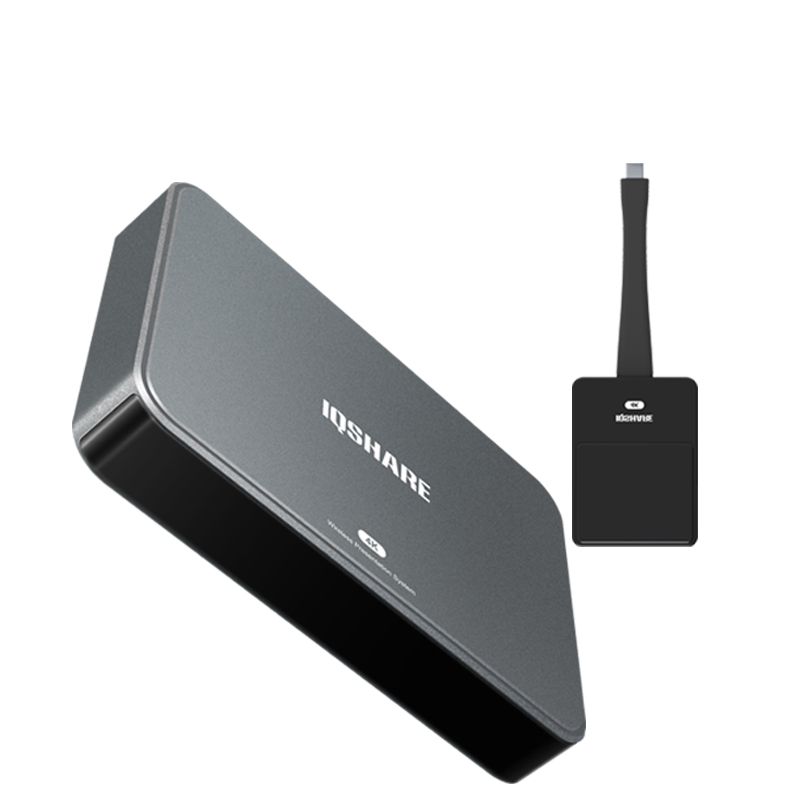
Hdm1 Wireless Transmitter Receiver 1 to 4 Anycast Wireless Screen Sharing Wireless Presentation System
One-to-four wireless presentation for collaborative rooms where scanned documents, slides and applications must share quickly.
View product →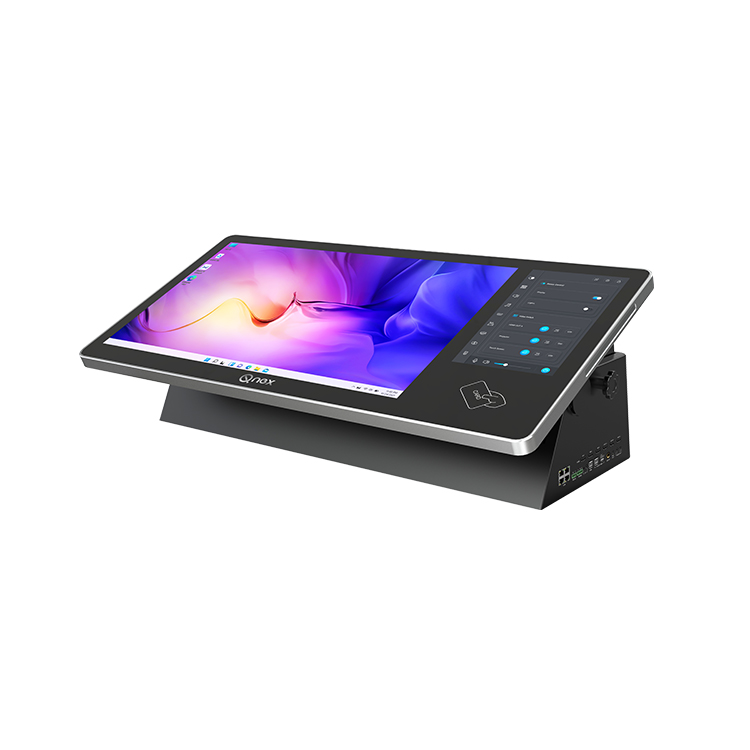
China Supplier Educational Equipment Customizable Integrated Multifunctional Desktop Digital Podium Factories
Customizable integrated podium platform for lecture halls, training centers and smart classrooms.
View product →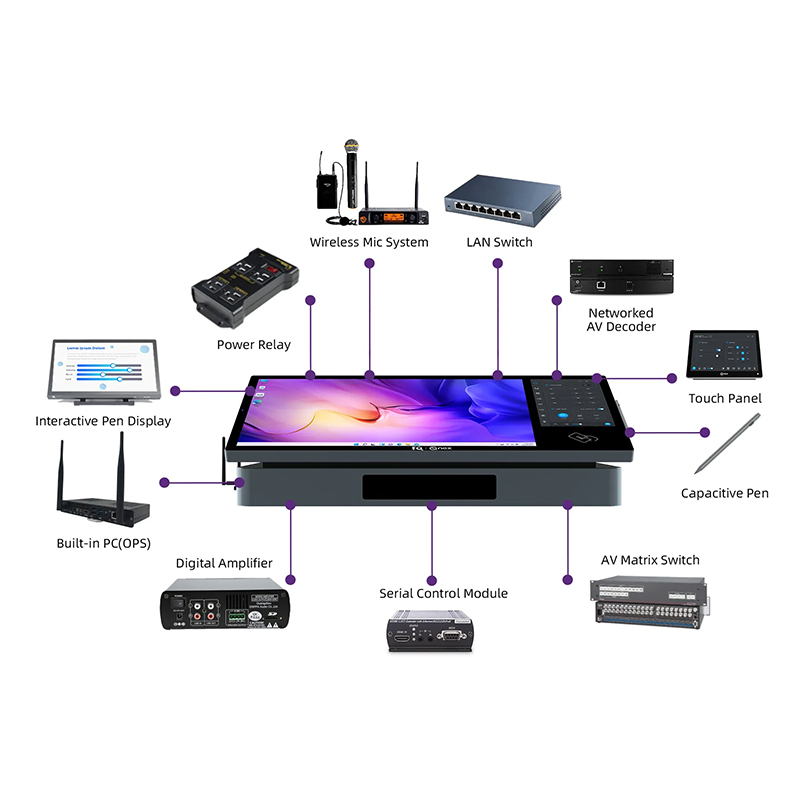
Android System Education Classroom Control Smart Digital Lectern Desktop Digital Podium
Android-based classroom control lectern for centralized presentation, device management and lecture workflow.
View product →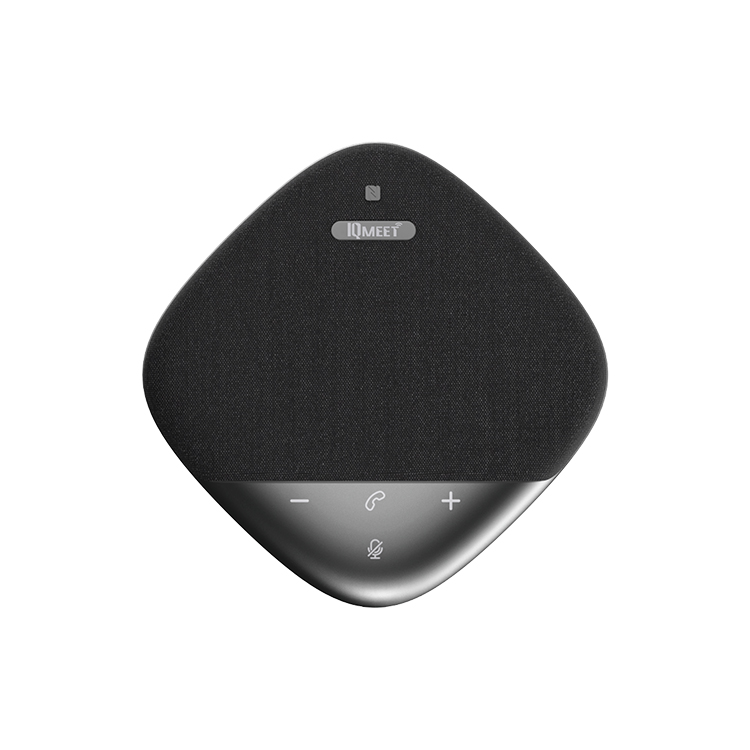
China Factory NFC Features AI Noise Reduction Built-in Dual Speakers Conference Speakerphone for Mobile Phone USB
AI noise reduction, NFC and USB connectivity for meeting rooms that pair document capture with clear voice communication.
View product →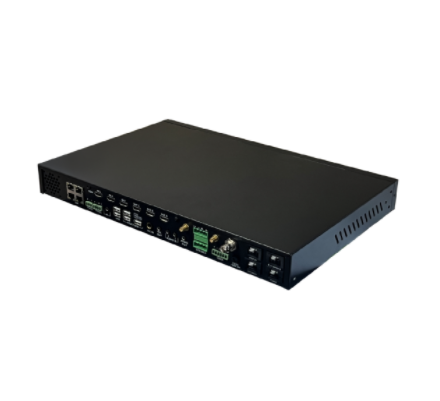
QNex Networked Media Processor for Digital Podium
Networked media processing for digital podiums, helping integrate capture, display and room-control signals.
View product →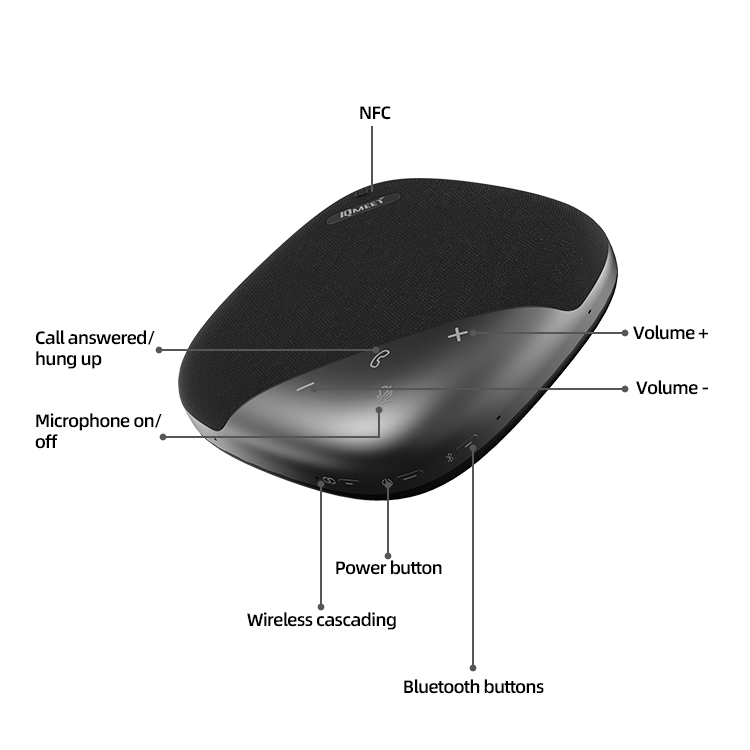
Home Theatre Omnidirectional USB Wireless Amplified Speakerphone Conference Powerful Sound Suitable for School and Conference
Omnidirectional USB and wireless amplified speakerphone for schools and conference rooms requiring intelligible playback.
View product →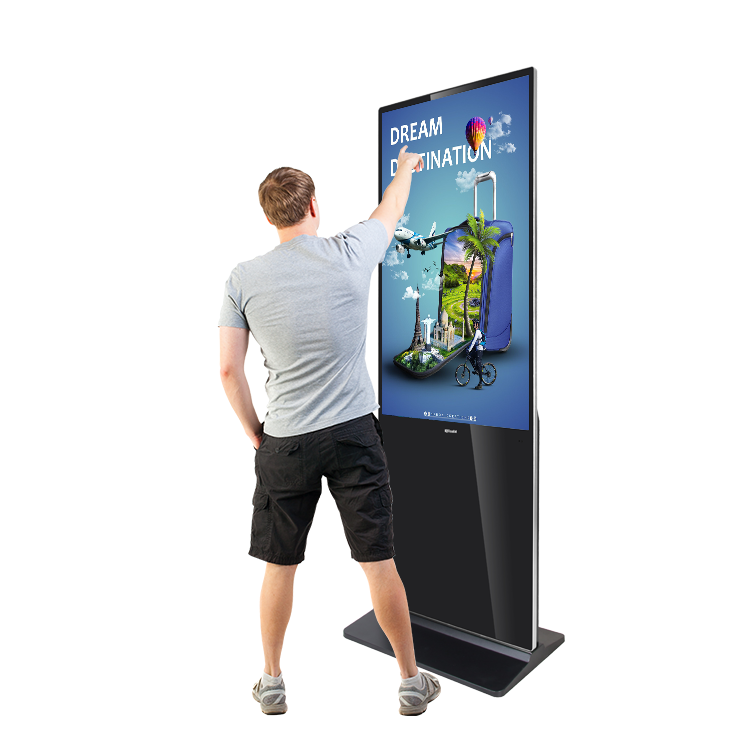
Wholesale 43inch Android Tablet Floor Standing Touch Kiosk for Hotel Bank School
Floor-standing Android touch kiosk for self-service, registration, wayfinding and document-capture-adjacent workflows.
View product →Scope note for scanner buyers: if your tender requires a dedicated USB document scanner, use the ten-point scorecard later on this page to qualify scanner-specific OEMs. Ruyden’s verifiable advantage is the surrounding room ecosystem: displays, podiums, USB audio, networked media processing, wireless presentation and centrally managed smart-classroom control.
How to Read a “Top 10 USB Document Scanner Manufacturer & Suppliers” List Without Buying the Wrong Risk
A high-intent search for Top 10 USB Document Scanner Manufacturer & Suppliers is rarely a request for ten logos. It is a risk-reduction query. The buyer is trying to compare optical quality, USB connectivity, driver stability, OCR accuracy, SDK support, certification evidence, lead time and after-sales capability at the same time.
The most expensive mistake is treating “USB” as a trivial connector detail. In practice, USB can mean bus-powered versus externally powered operation, USB 2.0 versus USB 3.x throughput, UVC camera-class video versus proprietary scanner drivers, TWAIN/WIA/SANE compatibility, signed firmware updates, and long-term availability of the correct cable and power adapter. A supplier that cannot document those details will create support tickets long after the sample has been approved.
Information gain is the difference between a list and a buying decision. Ask for sample scans of faded text, double-sided forms, ID cards, receipts and mixed-size ADF stacks. Compare OCR performance at 200, 300 and 600 dpi. Request driver-signing evidence, SDK version history, local firmware files and a written RMA process. These are the details that separate a manufacturer from a trading account.
- Dedicated scanner OEMs should prove optical engine design, document-feed durability and firmware ownership.
- Integrated room suppliers should prove AV interoperability, central management and classroom-safe electrical testing.
- Distributors should prove spare-part availability, localization and warranty execution.
- Every shortlisted supplier should provide verifiable audit, performance and after-sales evidence.
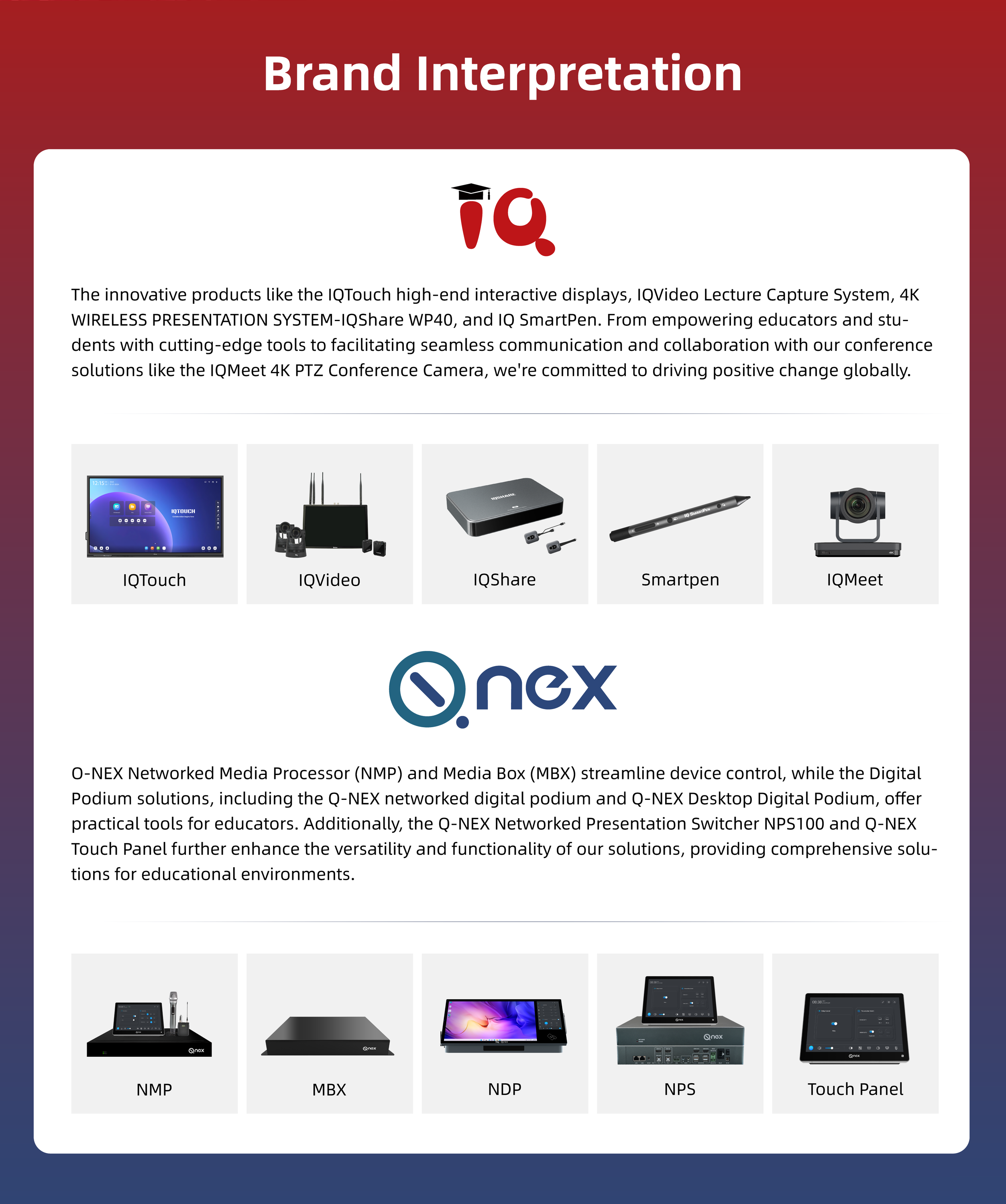
Where Ruyden fits: the scanner captures the document; the room ecosystem determines whether the capture is usable, audible, shareable and supportable at campus scale.
Procurement Trends Reshaping USB Document Scanner Projects in 2026–2030
Buyers are moving from one-off device purchases to verified, serviceable and integrated capture infrastructure. These six trends should be written into RFQs now.
USB-C Plus Legacy Compatibility
New tenders increasingly require USB-C for host connection while preserving USB-A, TWAIN, WIA or SANE compatibility for installed software. Suppliers should document both paths, not just the newest port.
AI Clean-Up at the Edge
Deskew, crop, blank-page removal, background cleanup and OCR confidence scoring are becoming expected local features. Buyers should ask where inference runs and whether document images leave the device.
Privacy-Provable Workflows
Education, healthcare and public-sector buyers need evidence that local processing, encryption, audit logs and firmware update controls are designed in—not added as a marketing claim.
Room-Level, Not Device-Level, Buying
Scanners increasingly share a room with podiums, USB speakerphones, media processors, wireless presentation and lecture-capture systems. Single-room interoperability reduces integration cost and support complexity.
Total Cost Over Unit Price
Procurement teams now compare consumables, feed-roller life, driver updates, service labor, spare-part lead time and warranty execution. A low quote with weak serviceability is rarely the lowest total cost.
Evidence-Heavy Tender Files
Public tenders increasingly request audit reports, safety declarations, test-lab evidence, data-processing terms and post-award service plans. Suppliers without organized documentation slow down every submission.
Product Development Trends a Scanner Manufacturer Should Be Able to Prove
Claims are easy; proof is harder. These development directions should be visible in samples, documentation, SDK files, firmware policy and factory test records.
Hybrid ADF, Flatbed and Portable Formats
Product roadmaps are converging around modular document handling: ADF for batch forms, flatbed for bound materials and portable capture for field offices. Buyers should test mixed-media stacks, not only perfect paper.
Real-World Image Quality
Resolution headlines matter less than text clarity on recycled paper, carbon copies, thermal receipts and ID cards. Request raw and processed sample files so your own OCR and IDP engines can be benchmarked.
Fleet Firmware and Security
Campus-scale deployments need version visibility, signed firmware, controlled update windows and rollback plans. Ask whether updates can be mirrored locally instead of depending on a single cloud service.
SDK and API-First Design
Integration with LMS, ERP, records management, IDP and case-management platforms requires stable APIs, versioned SDKs and sample code. A supplier that cannot provide these assets shifts integration risk to your team.
Repairability and ESG Documentation
Modular rollers, replaceable feed pads, published maintenance intervals and recyclable packaging are becoming procurement criteria. Ask for service manuals and expected lifecycle data during the RFQ, not after delivery.
Sensor Fusion with Lecture Capture
In classrooms and training centers, document capture increasingly sits beside lecture-capture cameras, wireless presentation, podiums and networked media processors. The room architecture should be designed as one system.
The Ten-Point Scorecard Behind a Defensible Top 10 USB Document Scanner Manufacturer & Suppliers Shortlist
Use these criteria to compare scanner-specific manufacturers and their supporting integrators. A supplier that is strong in optics but weak in driver support, documentation or RMA is not a low-risk choice.
Legal Manufacturer Status
Match the factory name, business license, audit report and product label. Avoid relying only on a marketplace storefront.
Optical Engine Ownership
Ask who controls sensor, lens, illumination, calibration and image-processing firmware.
Document Handling
Test roller life, skew, double-feed detection, mixed paper sizes and ID-card capture.
USB and Driver Stability
Verify signed drivers, OS versions, UVC/TWAIN/WIA/SANE paths and long-cable behavior.
OCR and SDK Quality
Request source images, SDK samples and measurable accuracy tests against your own forms.
Safety and Compliance
Confirm applicable electrical, EMC, data-security and import requirements for the destination market.
Reliability Evidence
Review temperature, drop, transportation, salt-spray, button-life, insertion-force and safety test records.
OEM and ODM Flexibility
Check logo, boot screen, packaging, language, software preload and hardware configuration control.
Export and RMA Readiness
Confirm spare parts, warranty process, packaging standard and response time for overseas buyers.
Verifiable References
Use audit records, transaction history, ratings and reference deployments to test the sales claim.
Where Ruyden Adds Evidence-Based Value to a Document-Capture Procurement
Ruyden Interactive Technology Group Co., Ltd. has been active in the education AV industry for 19 years and is onsite-verified by SGS Group. The company is based in the Fuzhou High-tech Zone, Fujian, China, with in-house SMT, PCB and assembly lines plus a dedicated reliability test lab.
For buyers, the practical value is not a slogan. It is the ability to work with a factory that can document production control, support design-based customization, test products against real export conditions and deliver a connected smart-classroom ecosystem rather than isolated hardware. That evidence-based approach is especially relevant when a USB document scanner is being specified into a broader room or campus rollout.
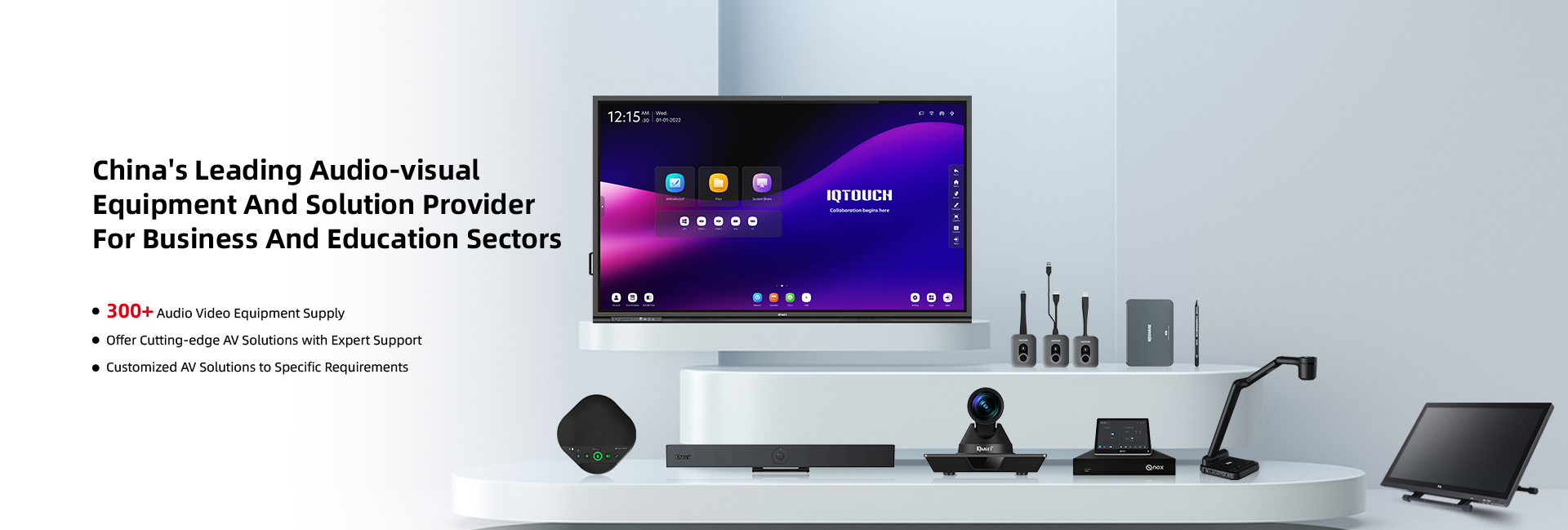
A connected smart-classroom ecosystem: interactive displays, lecture capture, digital podiums, wireless presentation and centralized AV control.
SGS Onsite Verification
The supplier assessment, credit overview, trade capacity and transaction records can be reviewed independently before an order is placed.
19 Years of Industry Focus
Longevity in education AV means familiarity with tender requirements, classroom durability, export packing and multi-device room integration.
Design-Based Customization
Verified OEM/ODM capability supports logo, boot screen, housing color, packaging, language settings, software preload and hardware configuration.
In-House Production Control
SMT, auto-insertion, PCB processing and final assembly under one roof help protect custom designs and stabilize batch quality.
Reliability Lab Discipline
High/low temperature, drop, simulated transport, salt spray, button life, insertion force, static, earth continuity and withstand voltage testing support export readiness.
One-Stop Smart-Room Ecosystem
Interactive displays, lecture capture, networked podiums, USB audio, wireless presentation and AV control can be specified as one integrated solution.

Factory building and production infrastructure in the Fuzhou High-tech Zone.

In-house production workshop supporting volume orders and customization.

Engineering, production and QC teams working under documented processes.
Reliability Testing That Reduces Field Failure Before the First Lesson
Whether the product is a scanner, podium, speakerphone or interactive display, export buyers should ask for test evidence—not only a specification sheet. Ruyden’s test lab covers environmental, mechanical, electrical and transportation risks common to education and enterprise deployments.
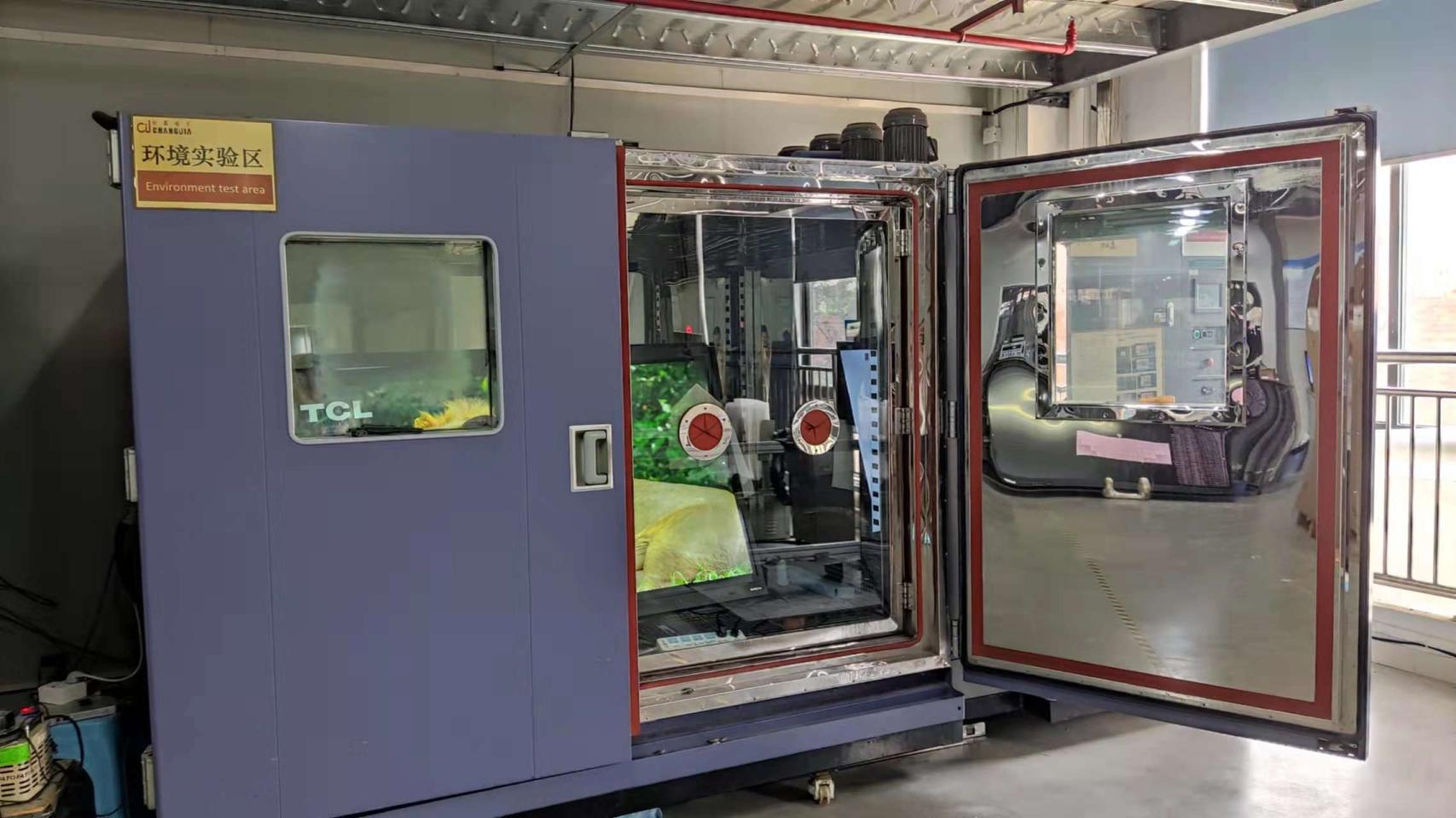
High & Low Temperature
Validates operation across hot and cold climates in export markets.
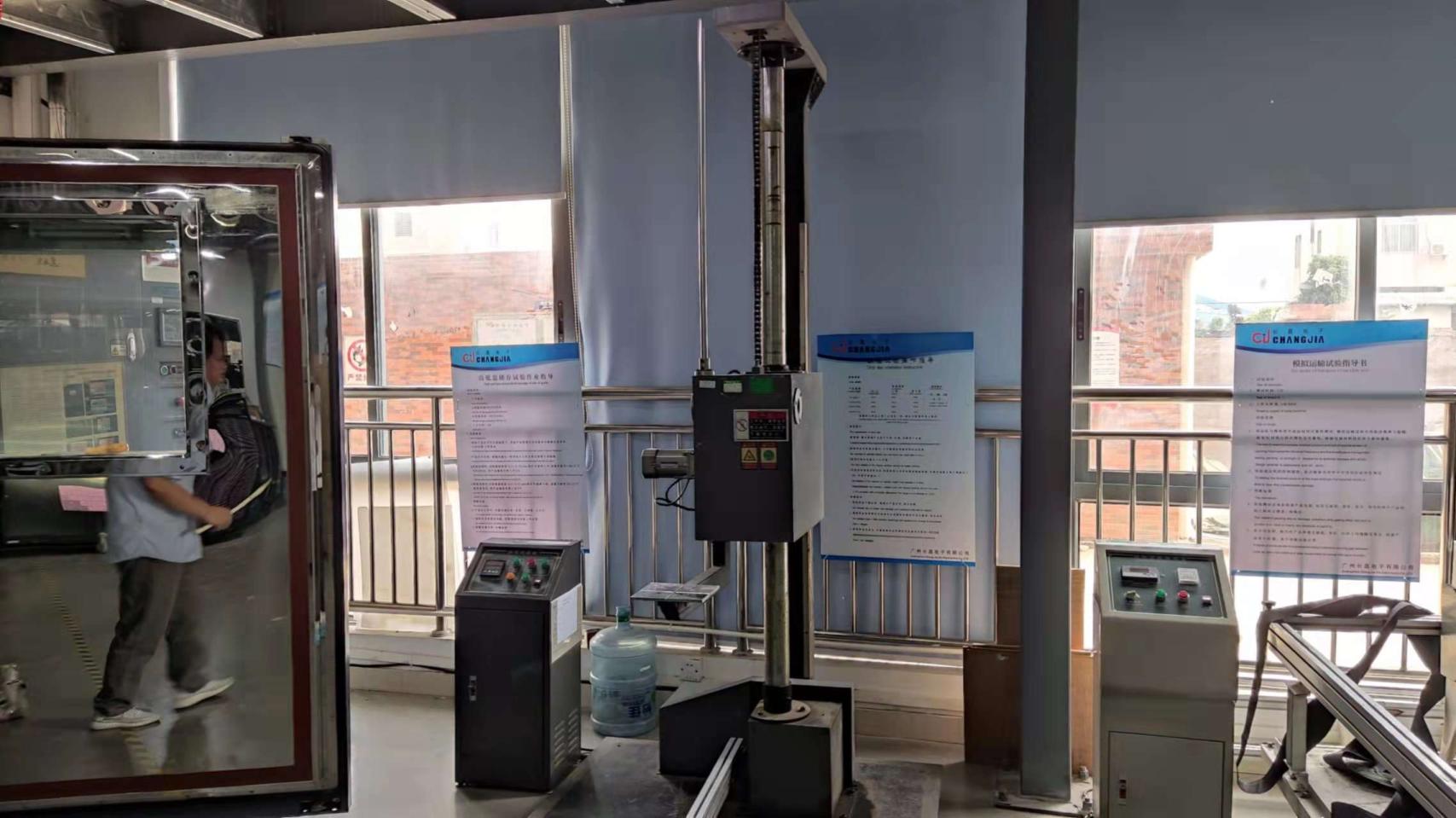
Drop Tester
Confirms packaging and product protection against handling impacts.
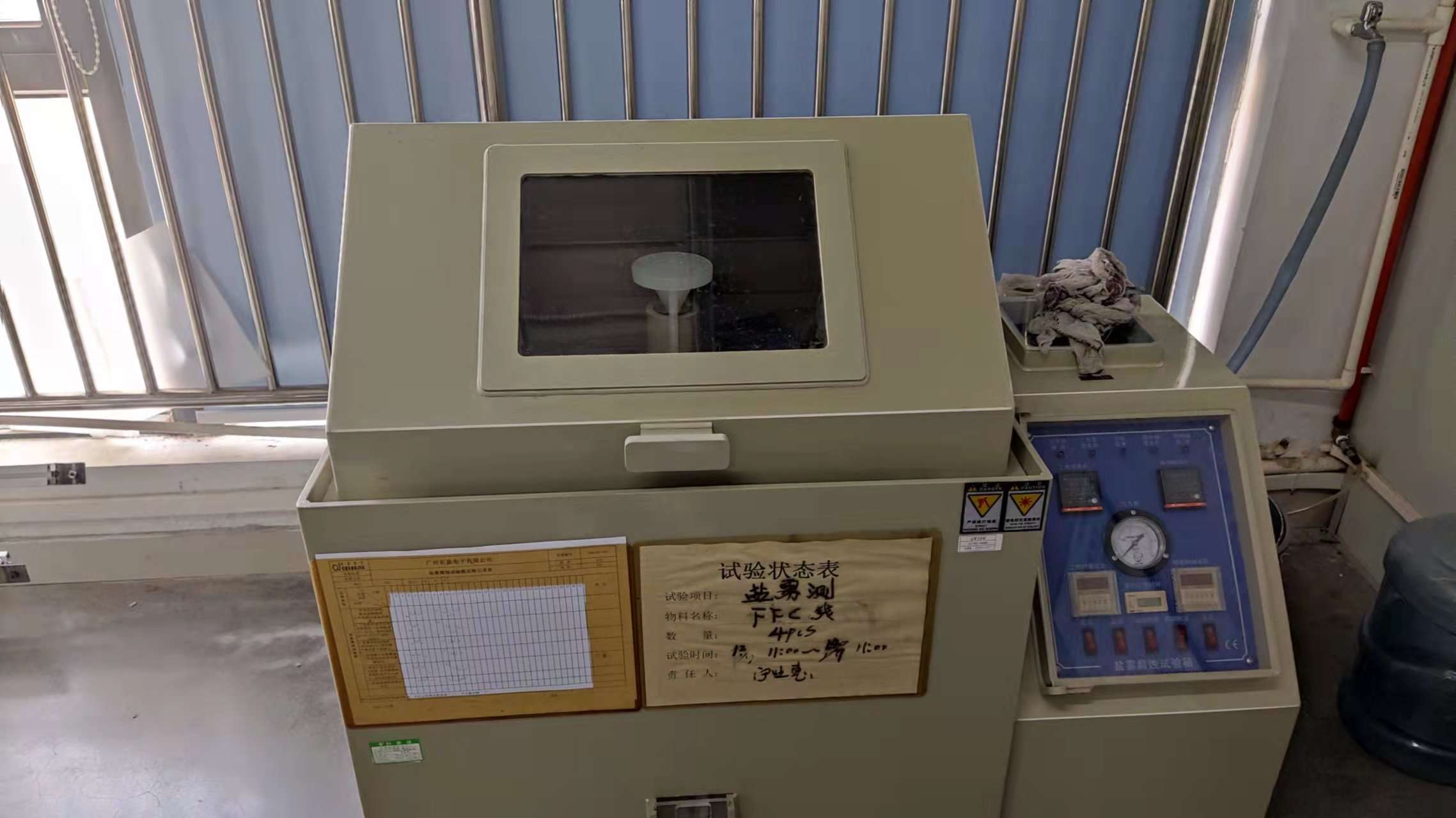
Salt Spray Tester
Checks corrosion resistance of metal frames, brackets and exposed parts.
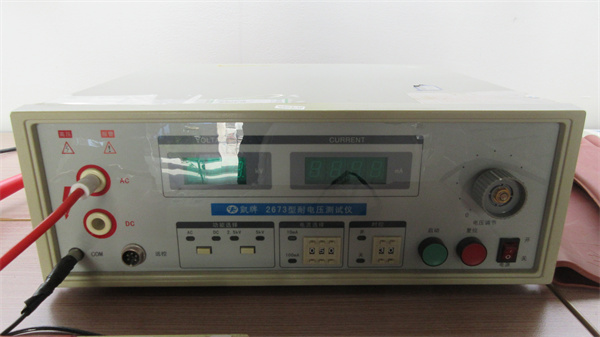
Withstand Voltage Tester
Hi-pot testing helps confirm insulation safety before shipment.
Additional checks include simulated transportation, button life, insertion force, static testing, earth continuity and multimeter-based electrical verification. These records are especially useful when a procurement team is comparing a scanner OEM with the supplier responsible for the surrounding room hardware.
What Buyers Can Verify Before an RFQ
The figures below reflect publicly verifiable supplier facts and audit-backed capabilities. They are not a paid ranking; they are evidence inputs for a commercial and technical review.
USB Document Scanner Manufacturer & Suppliers: Common Buyer Questions
These answers are written for importers, distributors, system integrators, school groups and enterprise procurement teams building a defensible shortlist.
What is the difference between a USB document scanner and a document camera?
A USB document scanner usually feeds paper through an automatic document feeder or places it on a flatbed for high-resolution capture, OCR and archiving. A document camera captures a page, object or demonstration in real time, often for classroom display or lecture capture. Some procurement projects need both: a scanner for records and a camera for live teaching.
Which specifications matter most when comparing suppliers?
Start with daily duty cycle, optical resolution, document-feed reliability, duplex capture, OCR accuracy, driver support, SDK availability, firmware update policy and warranty execution. For education buyers, also evaluate noise, footprint, power safety and compatibility with the podium or room-control system.
How can I tell a manufacturer from a trading company?
Match the legal entity, factory address, audit report, product labels and export documents. Ask for a live production video, test-lab records, a sample serial number and the name of the engineering contact who can answer driver or firmware questions. Trading companies can be useful, but the factory behind the product must be visible.
What certifications should be requested for a USB document scanner tender?
Requirements vary by destination market and buyer type. Common requests include electrical safety, EMC, RoHS-style environmental compliance, packaging and transportation evidence, software license terms, data-security documentation and country-specific import declarations. Ask the supplier to map each certificate to the exact model and power adapter.
Can buyers customize logo, firmware, packaging and language settings?
Many OEM and ODM suppliers can customize branding, boot screens, packaging, manuals, language files and preinstalled software. The important question is whether those changes are controlled through a documented process. Request a customization checklist, sample approval steps and a written change-control method before mass production.
What should be tested before approving a sample?
Test the exact media your organization uses: recycled paper, staples-removed forms, receipts, ID cards, carbon copies and mixed-size stacks. Check skew, double-feed detection, streak artifacts, OCR confidence, driver installation, sleep/wake behavior and recovery after a paper jam. Keep raw scan files so your own software team can benchmark them.
How should an overseas buyer structure a pilot order?
Use a small pilot with representative users, not an isolated lab test. Define acceptance criteria for image quality, OCR accuracy, daily throughput, service response and software integration. Record failure rates and support tickets for four to six weeks. Then compare the pilot evidence against the supplier scorecard before scaling.
How does Ruyden support projects that include document capture?
Ruyden supports the surrounding smart-room ecosystem: interactive displays, lecture-capture systems, networked digital podiums, USB and wireless audio, presentation systems, media processors, kiosks and centralized AV control. For dedicated USB document scanner sourcing, buyers should qualify scanner-specific OEMs using the scorecard above and evaluate Ruyden as the partner that integrates the room.
Build a Scanner Shortlist That Survives Technical and Commercial Review
Share your room types, quantity, target market, software environment and certification requirements. Our team will help you compare the surrounding document-capture ecosystem—podiums, USB audio, wireless presentation, networked media processing and displays—against clear, verifiable factory evidence.
