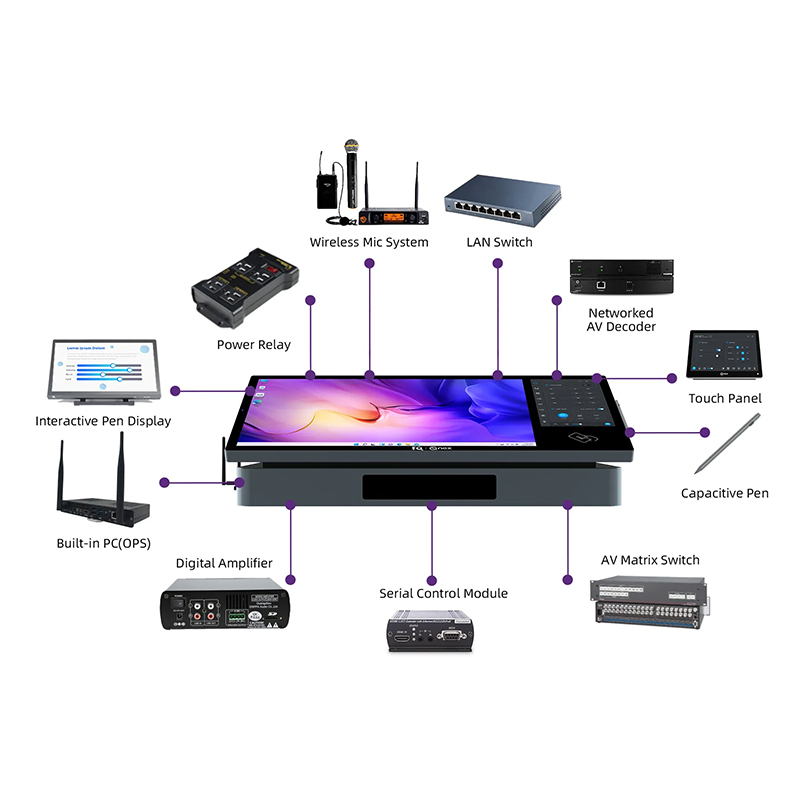
Smart Classroom
Android System Education Classroom Control Smart Digital Lectern Desktop Digital Podium
Android-controlled digital lectern for classroom device management, teacher presentation control and networked podium deployment.
View productA factory-level guide for education distributors, tender teams and AV integrators comparing A3 document cameras, 8MP OCR scanners, interactive displays and complete smart classroom bundles from China.
An A3 document camera is rarely purchased alone. Education distributors, tender teams and smart classroom integrators usually combine it with displays, podiums, audio and conferencing devices. The eight products below are export-ready categories from the factory and should be evaluated as one room-level procurement programme.
Android-controlled digital lectern for classroom device management, teacher presentation control and networked podium deployment.
View product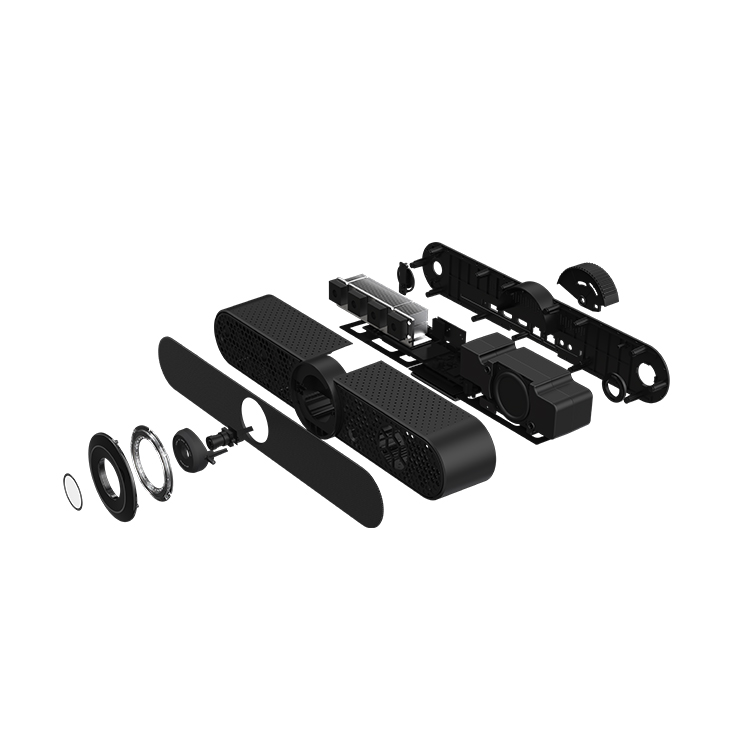
AI auto-tracking conference camera for hybrid teaching, remote training and meeting rooms that require hands-free presenter framing.
View product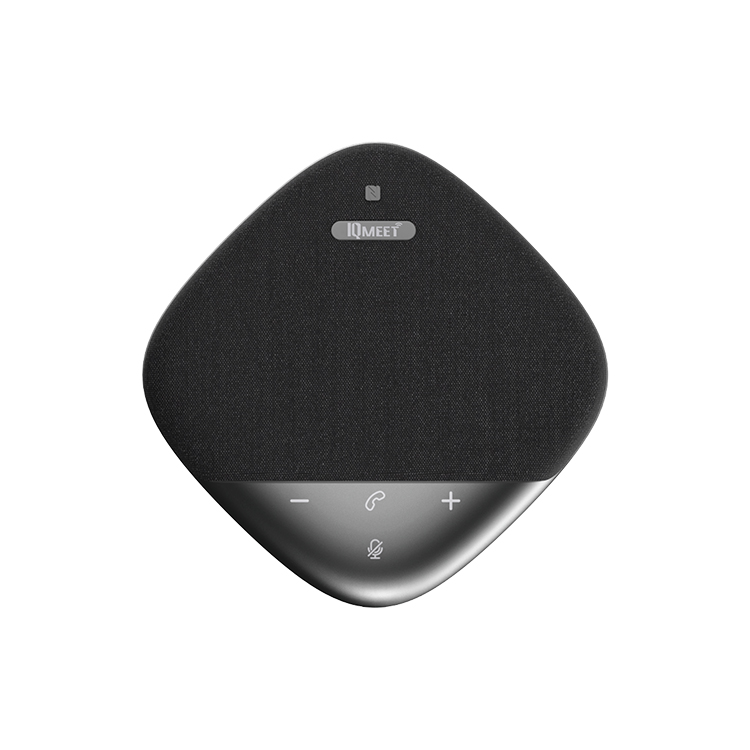
AI noise-reduction speakerphone with NFC and dual speakers for classrooms, huddle rooms and mobile conferencing.
View product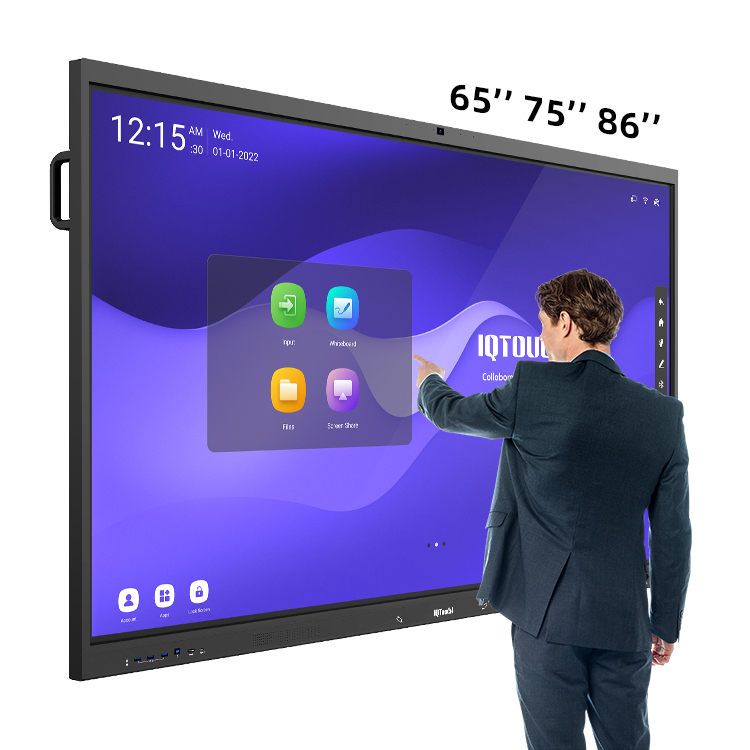
Dual-system 4K interactive board for K–12 classrooms, university teaching spaces and corporate collaboration rooms.
View product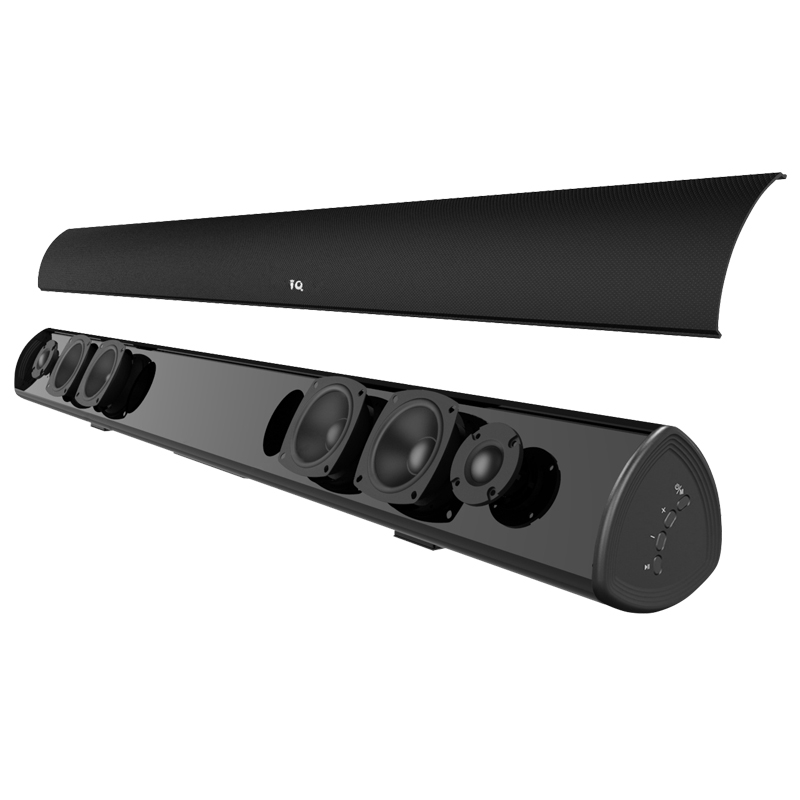
Remote-controlled soundbar designed to simplify speech reinforcement and media playback in teaching and meeting rooms.
View product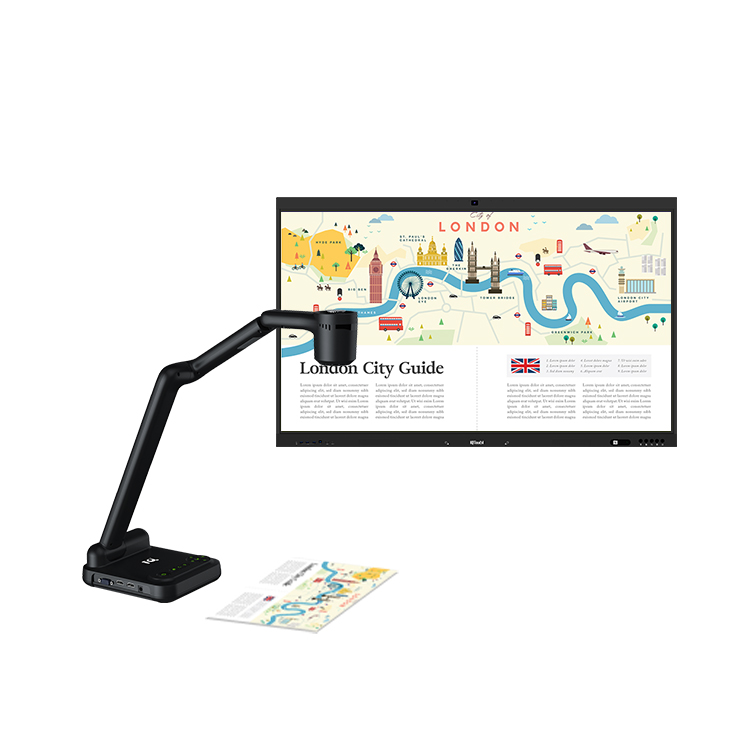
Portable A3/A4 8MP document camera with OCR scanning for textbooks, records, science demonstrations and hybrid lessons.
View product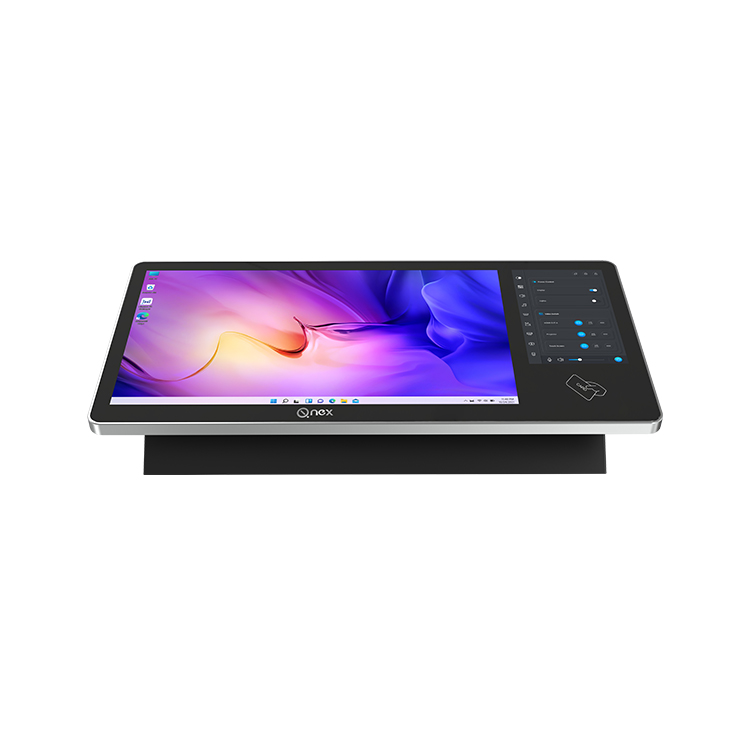
Dual-screen optical-bonding smart podium for lecture halls, training centres and high-spec classroom control.
View product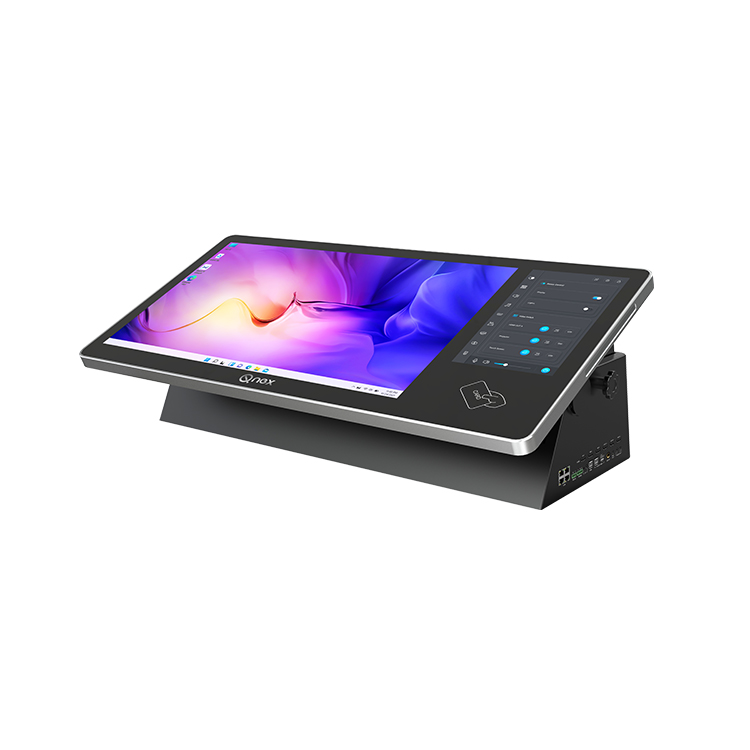
Customizable integrated digital podium for OEM/ODM buyers who need branded classroom furniture and control hardware.
View productThe search intent behind “A3 document camera factory China” is commercial. Buyers are not simply looking for a camera; they are assessing supply stability, image quality, software compatibility, tender documentation and long-term support.
An A3 document camera, also described as a visualizer, desktop document scanner or A3 OCR camera, captures textbooks, worksheets, science demonstrations, engineering drawings and handwritten notes across a larger working area than a conventional A4 webcam. In tender documents the wording varies. In classroom practice the requirement is constant: put physical material on screen quickly, with enough resolution for students at the back of the room and enough software flexibility for a teacher’s existing lesson workflow. The product remains relevant in a 4K smart classroom because it preserves natural teaching behaviour. Teachers can write, point, fold a book, show a component or demonstrate a small experiment without scanning, uploading and reformatting every step.
China’s A3 document camera cluster benefits from a complete supply chain: image sensors, lenses, LED lighting, injection-moulded arms, PCB assembly, USB video firmware, OCR software, packaging and AV accessories are all available within mature electronics ecosystems. That makes Chinese factories effective partners for OEM/ODM projects. It also means quality varies widely. Two suppliers can quote similar unit prices while offering completely different image tuning, hinge life, driver stability, local service and tender documentation. For serious buyers, the real question is not “Which factory has the lowest quotation?” but “Which factory can prove repeatable quality, export-ready software and bundle compatibility?”
A reliable shortlist should therefore evaluate evidence rather than titles. Request raw sample video, SDK/UVC support details, reliability reports, factory audit status, spare-parts policy and compatibility with interactive displays, digital podiums, wireless presentation and lecture capture. This page is structured around that decision process: product recommendation, procurement trends, product development direction, common FAQ and factory advantages.
Education tenders punish weak optical tuning, unstable USB video and undocumented firmware. A top-tier factory should make these areas visible before the first purchase order.
Ask for unedited 1080p, 4K or 8MP/13MP sample footage under real classroom lighting. A strong factory tunes white balance, exposure and sharpness for text readability, not just marketing video.
SMT, PCB processing, auto-insertion and final assembly under one roof reduce communication loss and protect custom firmware, hardware revisions and delivery schedules.
TWAIN, WIA, UVC, on-device OCR, English/Spanish/Arabic/French language packs and an optional SDK separate an export-ready product from a generic camera.
Hinge-cycle testing, drop and transport simulation, high/low-temperature tests, EMC and safety reports reduce field returns in overseas schools and public-sector projects.
Logo, boot screen, housing colour, packaging, accessories, language and configuration should be documented in a signed sample-approval file before mass production.
An A3 camera becomes more valuable when it works directly with interactive flat panels, digital podiums, wireless presentation and lecture capture without extra adapters.
Commercial invoice, packing list, HS code data, country-of-origin documents, carton drop protection and spare-parts packing matter as much as the product itself.
Check SGS or equivalent onsite assessment, trade history and buyer ratings. Transparent records shorten due diligence and provide useful evidence for public tenders.
Suggested weighting for a 2026–2030 education project. Adjust according to local procurement rules and project risk.
The right bundle depends on room size, teaching method and how much system integration the buyer wants to manage. These four configurations cover most distributor and tender enquiries.
Use an A3/A4 8MP document camera with a 65–86 inch 4K interactive board and classroom soundbar. Prioritise teacher-friendly UVC plug-and-play, anti-glare lighting, a sealed hinge and simple OCR for worksheets.
A3/A4 8MP document camera + 4K interactive smart board + classroom soundbar
Combine an A3 document camera with a dual-screen optical-bonding podium, a 90–100 inch interactive display and lecture capture. Require SDK/API details, serviceable arm design and spare-parts availability.
dual-screen smart podium + A3 document camera + Android digital lectern
For corporate training rooms, an A3 visualizer, AI auto-tracking webcam, conference speakerphone and soundbar create a complete BYOD room. Focus on clean cable management, USB compatibility and echo performance.
Regional brands often request a customisable podium, A3 camera, smart lectern and branded packaging in one programme. Ask for design-based customisation evidence, logo approvals, pre-production samples and a written firmware-maintenance plan.
customisable digital podium + A3 document camera + smart digital lectern
Buying behaviour is shifting from “find the cheapest unit” to “secure a compatible, serviceable classroom system with transparent compliance.” These six trends should be reflected in supplier scorecards.
Distributors increasingly quote camera, display, audio, podium and capture as one room solution. This reduces compatibility complaints and lowers integration labour for the end customer.
OCR licensing, replacement arms, spare parts, warranty labour, installation and downtime now appear in serious tender comparisons. A cheap camera with expensive field failures is not cheap.
Public-sector buyers ask whether OCR runs on-device, whether a cloud account is mandatory, how firmware is signed and where captured documents are stored.
Multilingual OCR, low-vision zoom, speech-friendly workflows and local-language software interfaces are becoming expected features rather than optional add-ons.
A3 visualizers are increasingly connected to recording systems and video platforms. Stable HDMI/UVC output, frame rate consistency and audio-video sync become critical tests.
Regional brands request smaller branded runs, faster packaging changes and modular hardware that can be localised without redesigning the entire product platform.
Future A3 document cameras will be judged less by megapixel claims and more by teaching speed, software privacy, integration flexibility and repairability.
Edge algorithms can reduce setup time by detecting page edges, correcting exposure and improving text readability when a book is not perfectly flat.
For live teaching, native 8MP at a stable 30fps is often more useful than interpolated 13MP at a low frame rate. Buyers should request raw footage before accepting marketing specifications.
Driver-free USB video for Windows, macOS, Linux and Chrome OS reduces installation support. SDK access remains valuable for integrators building custom OCR or capture workflows.
A3 document cameras will increasingly work alongside auto-tracking webcams, wireless presentation and lecture capture platforms, requiring predictable device recognition and video switching.
Local OCR avoids mandatory cloud uploads for student records and examination materials. Offline operation and clear data-storage rules become competitive advantages in education tenders.
Replaceable arms, standard power boards, metal mounting points and reduced plastic packaging improve serviceability and support increasingly common environmental procurement criteria.
Use this matrix to force clear answers from suppliers. The aim is not to ask for the highest number on every line, but to match performance to the classroom and to request evidence that is testable.
| Specification area | What to specify | Why it matters / evidence to request |
|---|---|---|
| Capture area | A3 landscape, A4 portrait, book-fold capability and maximum object height | Confirm the camera can show a full textbook spread without cutting pages. Request a photo or video of an A3 workbook at maximum capture area. |
| Sensor and resolution | Native 8MP minimum; 13MP for fine-text archival work; 30fps at full resolution | Interpolated resolution can look impressive on a datasheet but soft in a live lesson. Ask for native sensor confirmation and raw sample footage. |
| Lens and autofocus | Autofocus speed, minimum focus distance, low distortion and macro demonstration capability | Fast focus matters when teachers switch between a book, a writing hand and a science object. Test focus hunting under dim lighting. |
| Lighting | High-CRI, flicker-free LED illumination with anti-glare diffuser | Good lighting improves OCR and reduces eye strain. Request a sample video under mixed classroom lighting and an OCR text crop. |
| Connectivity | USB 3.0 UVC, HDMI output, optional microphone input, cable strain relief | Integrators need predictable device recognition. Ask which resolutions and frame rates are available over USB versus HDMI. |
| Software | OCR, TWAIN/WIA support, SDK availability, Windows/macOS/Linux/Chrome compatibility, language packs | Proprietary software can become a support burden. Ask for a written software roadmap, SDK terms and whether offline operation is possible. |
| Mechanical durability | Hinge cycles, arm lock, metal base, anti-slip feet, Kensington lock option | Classroom cameras are folded, moved and adjusted daily. Request hinge-cycle test data and spare-arm availability. |
| Compliance and service | CE, FCC, RoHS, REACH, EMC and safety reports; warranty terms and spare-parts policy | Ensure reports match the exact model and adapter. Request a written warranty process, response-time target and three-year service plan. |
Information-gain tip: request an OCR test using your own document in the target language, not a marketing sample. Compare the raw video feed, OCR output and scan-to-PDF workflow under the same lighting conditions.
For distributors and tender teams, supplier credibility should be evidenced by audit records, manufacturing depth, customisation capability and classroom-system compatibility.



Ruyden Interactive Technology Group Co., Ltd. is based in the Fuzhou High-tech Zone, Fujian, China. Its public profile describes an SGS onsite-verified manufacturer and exporter of interactive flat panels, interactive whiteboards, lecture capture systems and networked digital podiums. The supplier record shows 19 years in the industry, 21 years of verified B2B trading, 82 verified staff and a 5.0/5 buyer rating. These figures should still be independently verified for current projects, but they provide a useful starting point for due diligence.
In-house SMT, AI auto-insertion, PCB processing and assembly lines are important because A3 document cameras and smart podiums share the same quality muscles: stable USB video, reliable power boards, durable hinges and consistent firmware. Ruyden’s test lab covers high and low temperature, drop, simulated transportation, salt spray, button life, insertion force, static, earth continuity and withstand voltage testing. For a buyer, that translates into fewer field returns and better tender documentation.
One-stop smart classroom capability is another advantage. Instead of sourcing a camera from one trader, a display from another and a podium from a third, integrators can coordinate interactive displays, lecture capture, digital podiums, 4K wireless presentation, soundbars and central AV control through one supplier relationship. The company also states a design-based customisation capability verified by an independent third-party inspection, covering logo, boot screen, housing colour, packaging, software pre-installation and hardware configuration.
Export experience exceeding ten years and participation in international trade shows matter for communication speed. The practical advantage is not just English-language sales support; it is familiarity with tender documents, packaging standards, voltage variants, spare-parts planning and after-sales coordination for distributors.
Use these figures as verification prompts, not as a substitute for your own audit. A responsible procurement team should always confirm current records.
Education AV manufacturing experience covering displays, podiums and classroom systems.
Long-term supplier records that can be reviewed through public verification pages.
Engineering, production, quality control and export service professionals.
Average score from verified buyer reviews and transaction records.
A documented workflow reduces specification drift, protects your brand and makes the factory easier to audit before purchase order approval.
Share room types, viewing distances, quantity, target country, software language and certification needs. Floor plans and photos help engineers specify correctly.
Confirm camera resolution, capture area, OCR workflow, display size, podium type, audio devices and packaging requirements.
Pre-production samples verify image quality, hinge movement, software pre-installation, logo placement, boot screen and packaging artwork.
In-house SMT, PCB, auto-insertion and assembly lines build the order with controlled revisions and production checkpoints.
Units are checked against the approved sample, then validated through the agreed reliability, electrical safety and packing tests.
Export-grade cartons, shipping coordination, spare-parts planning and technical documentation support the first rollout and future service.
These are the questions overseas buyers most often ask when comparing China factories, exporters and classroom bundle suppliers.
An A3 document camera captures live video of a page, object or demonstration, while a flatbed scanner creates a still image. The camera is used for teaching, OCR, records capture and hybrid meetings. It can show book folds, handwriting and 3D objects without cutting pages or repositioning material.
Start with SGS or equivalent onsite assessment, business licence, trade history and buyer ratings. Then request raw sample video, a pre-production sample, test reports and a live factory video call. Ask for references in your region and confirm that the company manufactures the product category rather than only trading it.
Focus on native sensor resolution, frame rate at full resolution, autofocus speed, A3 capture area, high-CRI flicker-free lighting, UVC support, hinge durability and software compatibility. For live classrooms, native 8MP at 30fps is often better than interpolated 13MP at a low frame rate.
Yes, with the right factory. Standard options include logo, boot screen, housing colour, packaging, manuals, language packs and pre-installed software. Deeper ODM work can include SDK integration, custom buttons and custom mounting. Require a signed sample-approval file and a clear change-control process.
Depending on the market, request CE, FCC, RoHS, REACH, UKCA, EMC, LVD and safety reports. Also ask for high/low-temperature, drop, simulated transport, hinge-cycle, insertion-force and electrical safety reports. Check that every report matches the exact model, power adapter and accessory configuration.
MOQ and lead time depend on model, customisation, packaging and order season. Stock models may have lower MOQ; custom firmware, tooling or packaging raises it. Ask for a written schedule with sample lead time, mass-production lead time, inspection milestone and shipping window. Avoid accepting a single “35 days” without production milestones.
Add unit price, freight, duties, OCR licensing, integration labour, mounting, spare arms, adapters, warranty reserve, training and downtime. A lower unit price can lose on failure rate, proprietary software or expensive spare parts. Ask for a three-year service plan and spare-parts price list before comparing quotations.
Send room type, number of rooms, target country, target price, required certifications, software language, display size and whether the A3 camera will feed a lecture capture system. Include floor plans or photos if available. Use the Inquire Now button to start a factory-level configuration review.
Share your target market, room types, quantity, certification requirements, display sizes and preferred OCR workflow. A factory-level review can help you compare specifications, reduce compatibility risk and prepare a more credible tender response.
