8 Products Buyers Usually Shortlist with a Foldable Document Camera
These eight export-ready products reflect real classroom, lecture hall, training room and campus communication workflows. They can be quoted individually or combined into a room-level smart teaching bundle.
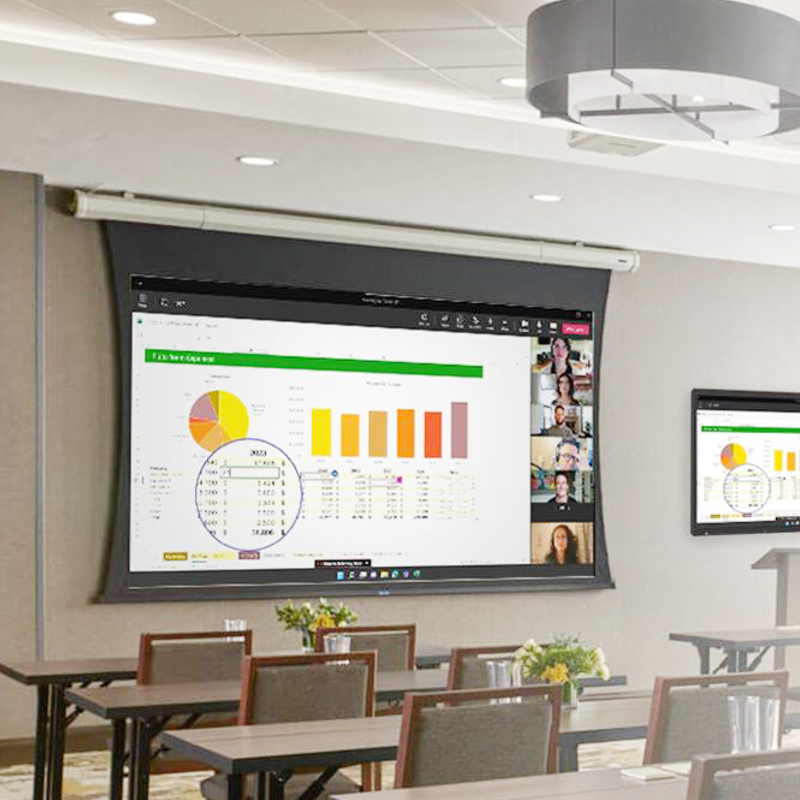
Multi-functional Teaching Android and Windows OPS System Interactive Flat Panel Smart Board Price for School Teaching
Recommended as the central classroom display. Pair it with a foldable document camera for object demonstration, live annotation and lesson capture in hybrid teaching rooms.
View product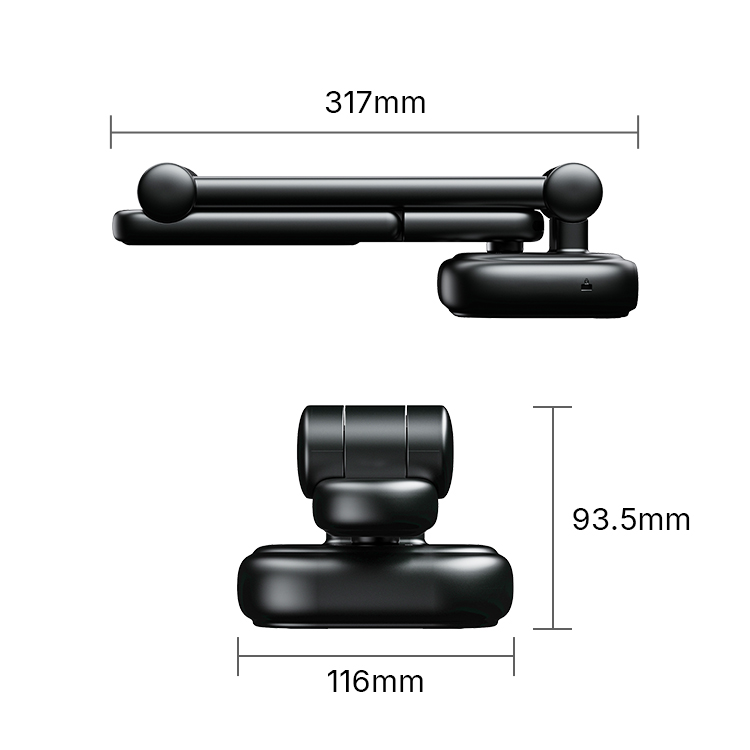
55x Digital Zoom Built in Mic Real-time Annotation Capabilities Document Cameras or Visualizers with High Capture
A strong shortlist option for science, art, anatomy and detailed object demonstrations. High digital zoom, integrated microphone and real-time annotation reduce extra AV accessories.
View product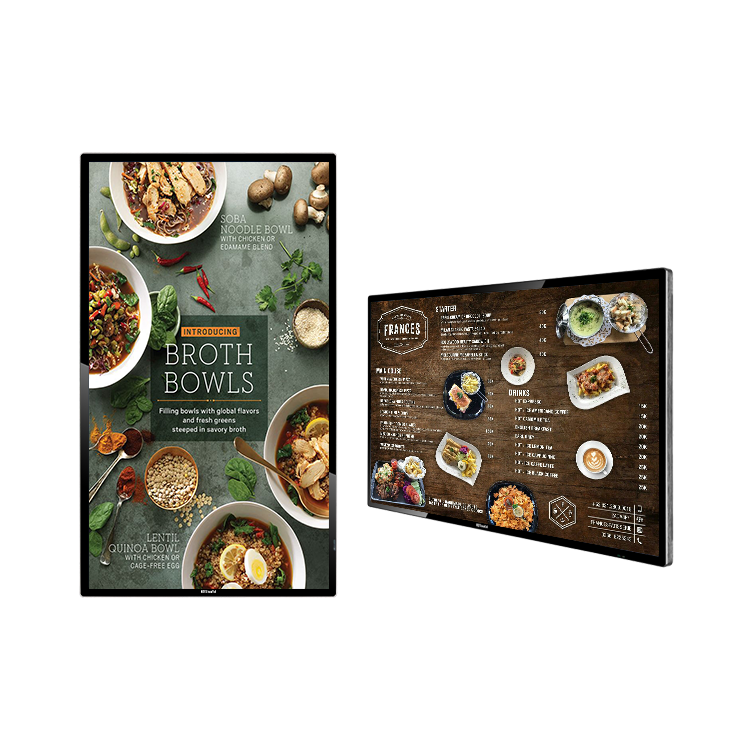
4K Kiosk Touch Screen Digital Signage Outdoor LED LCD Advertising Kiosk for School Hotel Hospitals
Useful for campus wayfinding, public announcements and education tenders that combine visual presentation with outdoor digital signage. A practical bundle item for mixed AV projects.
View product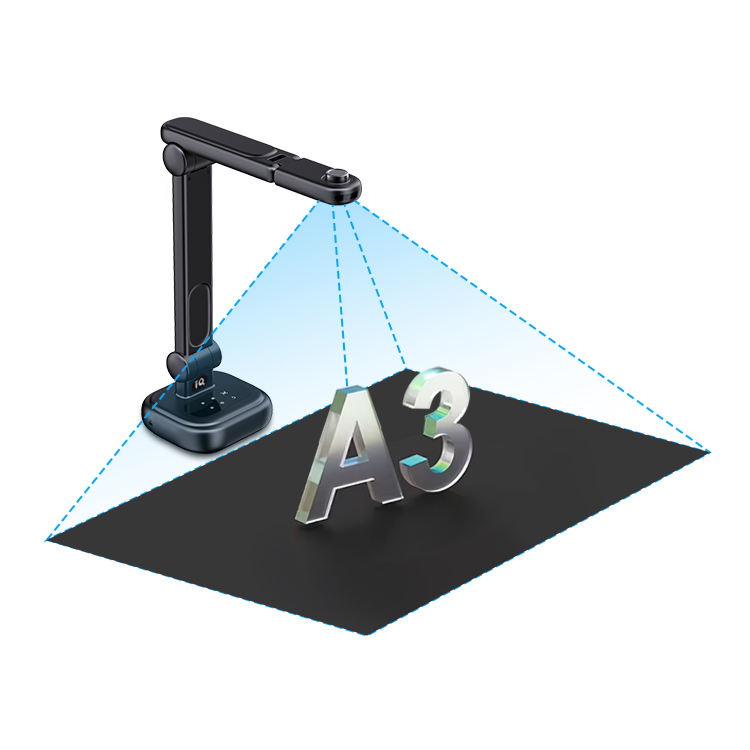
4K Camera Folding Design Live Annotation Adjustable LED Lighting Dual Stream A3 A4 Document Book Camera Scanner
One of the closest matches for the core search intent: 4K camera, folding arm, live annotation, adjustable LED lighting and A3/A4 book scanning for classrooms and training rooms.
View product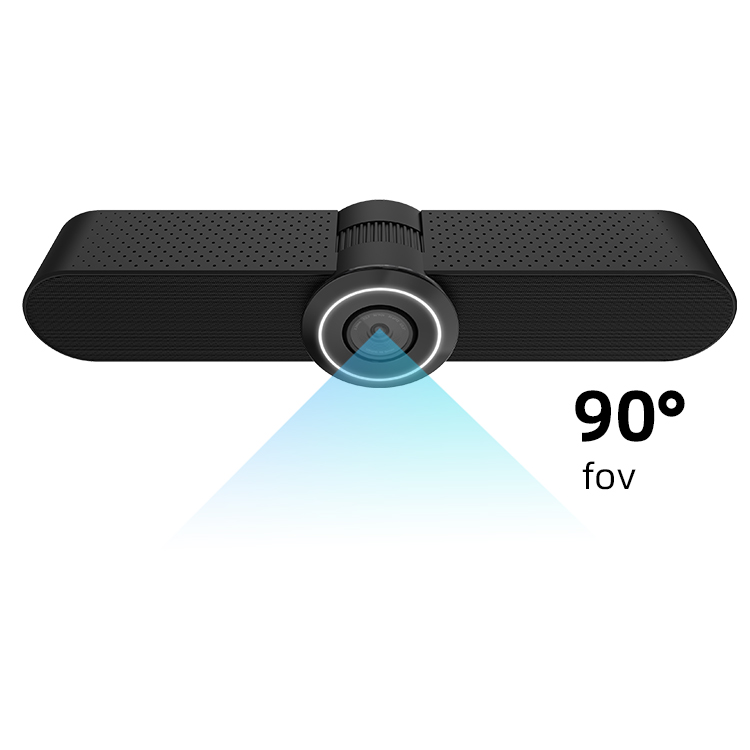
Conference Live AI Camera 4k 1080p 60fps USB Webcam Camera All in One Microphones and Speakers
Recommended for hybrid lectures and conference rooms where presenter video, microphones and speakers must work together. Complements document camera close-up demonstrations.
View product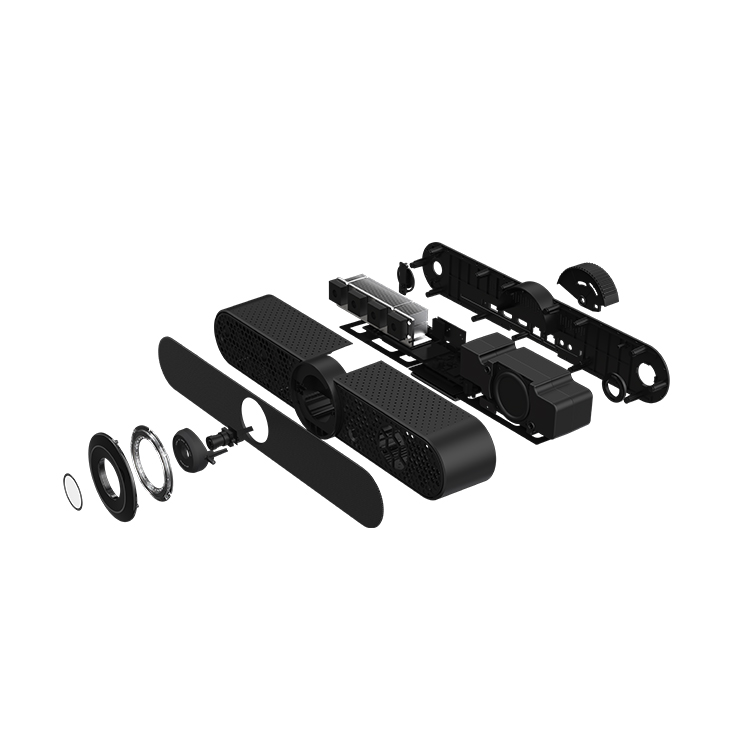
AI Auto-Tracking Webcam All-in-one 1080p 4k PC Mini Webcam for Video Calling and Conference
A presenter-focused option for remote training, recorded lessons and conference calls. Auto-tracking keeps the speaker in frame while the visualizer handles documents and objects.
View product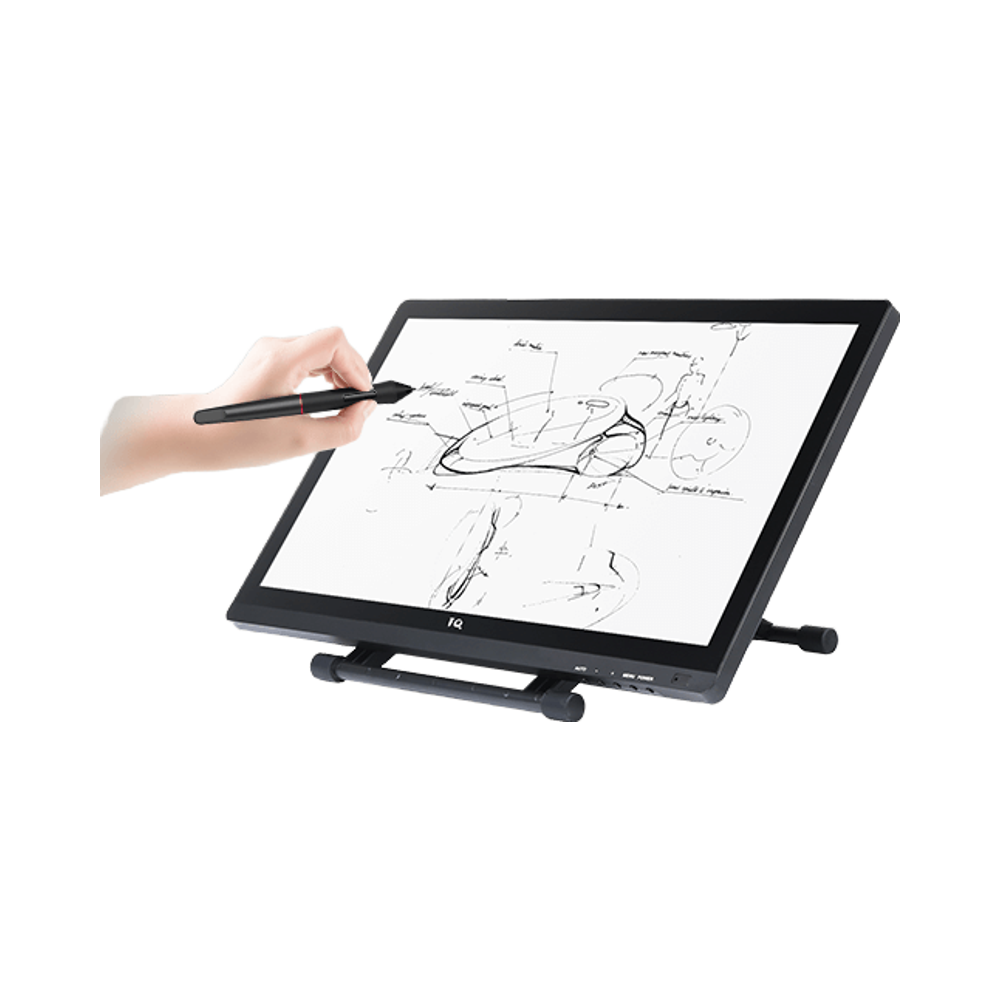
22" Touch Screen Digital Smart Podium with Wireless Microphone for Sale
Recommended for lecture halls and smart classrooms where teachers need one console for display control, audio, annotation and lecture capture. Reduces cable clutter at the teaching point.
View product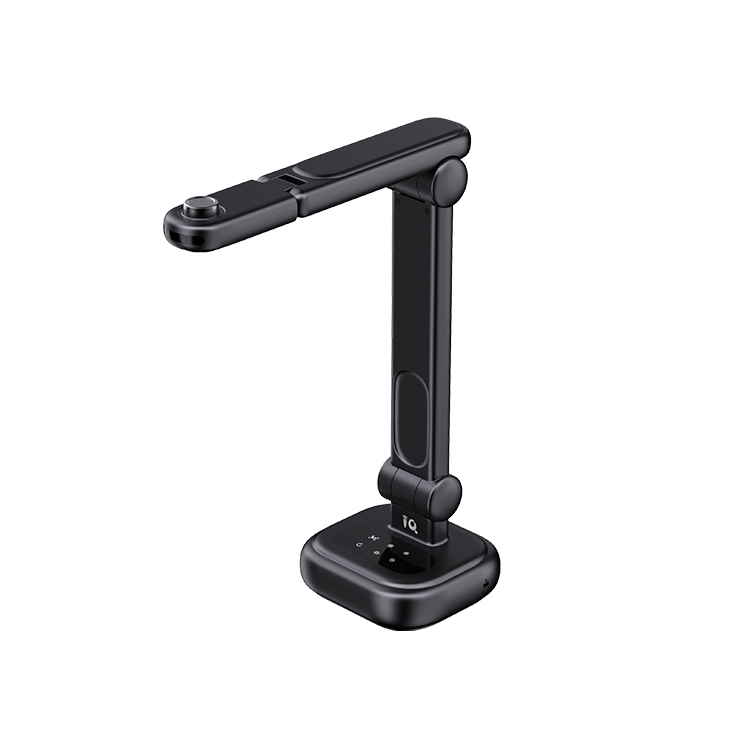
4K Video Output and Real-time Annotation Capabilities Document Camera Portable Visualizer with Auto Focus
Best suited to mobile teaching, smaller classrooms and field training. Portable 4K output, auto focus and live annotation make it a flexible visualizer for shared teaching resources.
View productMatch the Product Mix to the Teaching Scenario
Buyers rarely purchase one visualizer in isolation. The strongest proposals explain how the foldable document camera, display, camera and podium work together after installation.
Science and Demonstration Rooms
Combine the 4K folding document camera with the 55x zoom visualizer and an interactive flat panel. This configuration supports book scanning, object close-ups, annotation and classroom discussion without changing the room layout.
Hybrid Lecture Capture
Pair the interactive flat panel, AI conference camera and smart podium with a portable visualizer. Teachers can switch between presenter video and document close-up while recording or streaming the lesson.
Campus and Tender Packages
For larger projects, combine digital signage, smart podiums, visualizers and displays under one OEM/ODM programme. A single supplier reduces compatibility risk and simplifies after-sales coordination.
Why Buyers Search for Foldable Document Camera Factories in China
The buying journey usually begins with specification research, then moves to supplier verification, sample evaluation and tender documentation. The useful information gain is not another list of zoom multiples; it is a clear qualification path.
China's foldable document camera category sits at the intersection of three buyer intents: product research, factory due diligence and project procurement. A distributor may begin with a query for a foldable document camera factory, compare 4K output, A3/A4 book scanning, folding arm torque, annotation latency and built-in microphone quality, then move to an exporter that can support samples, branding and volume production.
Education buyers often need a visualizer that works beside an interactive flat panel, lecture capture camera and smart podium, not a standalone device. That is why a realistic supplier evaluation should examine the entire room workflow. Can the visualizer output 4K video and live annotation to the main display? Does the podium control the display, audio and capture devices? Can the factory supply the same product family with consistent software and export packaging?
The strongest foldable document camera exporter is not automatically the one with the lowest unit price. Buyers should compare factory verification, component control, reliability testing, OEM/ODM evidence, spare-parts policy and technical documentation. A low quotation can become expensive when the folding mechanism, LED illumination or focus system fails after installation, especially in tenders that require multi-year service support.
What to Ask Before You Compare Prices
- Request a sample under your real classroom lighting, not a studio setup.
- Confirm whether 4K, zoom, annotation and dual-stream output work simultaneously.
- Check the folded and unfolded dimensions, arm movement life and carrying case design.
- Ask for test-lab records covering temperature, drop, transport vibration and electrical safety.
- Review OEM/ODM evidence for logo, boot screen, packaging, language and software settings.
- Clarify warranty, spare parts, firmware support and installation documentation.
How to Evaluate a China Foldable Document Camera Factory
Use this qualification matrix to separate trading companies and low-cost assemblers from manufacturers that can support a repeatable export programme.
| Evaluation Area | What to Verify | Why It Matters |
|---|---|---|
| Optical performance | Sensor resolution, frame rate, autofocus behaviour, low-light handling, zoom quality and A3/A4 scanning coverage. | Prevents impressive catalogue numbers from hiding weak document readability or laggy annotation in real lessons. |
| Folding mechanism | Arm torque, hinge life, locking position, cable routing, footprint and carrying case protection. | Daily setup and teardown can wear out poor hinges faster than classroom buyers expect. |
| Annotation and software | Annotation latency, pen tools, split screen, recording, language support, OCR options and privacy controls. | Teachers judge the product by workflow speed, not only by image quality. |
| Connectivity | HDMI, USB, wireless presentation, dual-stream output, microphone input and compatibility with interactive panels. | Room-level procurement fails when the visualizer cannot integrate with the display and lecture capture system. |
| Quality system | In-house SMT, PCB and assembly lines, plus high/low temperature, drop, transport, salt spray, button life, static, grounding and high-voltage tests. | Export markets expose weak components to heat, cold, vibration and electrical variation. |
| OEM / ODM capability | Logo, boot screen, housing colour, packaging, software pre-installation and hardware configuration options. | Distributors need differentiation, tender documentation and local language support, not generic products. |
| Third-party verification | SGS onsite assessment, credit overview, trade capacity, transaction level and public buyer ratings. | Verified records reduce supplier risk before a sample or deposit is placed. |
| After-sales readiness | Spare parts, warranty terms, technical training, firmware support and response process for integrators. | A foldable camera is an installed product; support quality affects total cost of ownership. |
Four Trends Shaping Foldable Document Camera Purchasing
Buyer expectations are moving from single-item sourcing toward documented, serviceable and integrated classroom solutions.
Room-Level Bundling
Distributors increasingly quote a visualizer together with an interactive display, smart podium, camera and wireless presentation. Bundling reduces compatibility risk and raises average project value.
Tender-Ready Evidence
Public-sector buyers ask for SGS reports, quality records, product dimensions, packing data and warranty terms earlier in the process. Exporters that organise this information win faster.
Hybrid-First Specifications
4K output, clear annotation, USB microphones, AI framing and dual-stream operation are becoming baseline expectations for hybrid classrooms and remote training programmes.
Total Cost of Ownership
Buyers compare installation time, spare parts, warranty response and training support instead of judging only the FOB price. Serviceability is now part of the commercial decision.
How Foldable Document Cameras Are Evolving
The next generation of visualizers will be judged by ergonomics, image intelligence, software integration and long-term reliability.
Folding Plus Book Scanning
Foldable arms are being designed around A3/A4 books, lab objects and shared teaching materials, with LED positioning that reduces glare and shadows during live lessons.
AI Enhancement
Auto focus, auto exposure, document flattening, OCR, object enhancement and presenter tracking are moving from premium options into mainstream visualizer workflows.
Dual-Stream Workflows
Teachers need to switch between a talking head and a document close-up without restarting the lesson. Dual-stream output and simple scene switching are becoming key purchase criteria.
Human Factors and Sustainability
Quiet hinges, low-heat LED lighting, durable materials, recyclable packaging and serviceable modules help exporters meet procurement policies and reduce long-term waste.
Why Ruyden Supports Foldable Visualizer and Smart Classroom Projects
Ruyden Interactive Technology Group Co., Ltd. is an SGS onsite-verified manufacturer based in the Fuzhou High-tech Zone, Fujian, China. The company serves distributors, system integrators, education buyers and tender teams with interactive displays, visualizers and integrated classroom AV.
Verified industry experience in education display and AV categories.
Engineering, production, QC and export service roles under one organisation.
Average score from verified buyer reviews and transaction records.
Export packing, documentation and project coordination for global buyers.
SGS Onsite Verification
Independent third-party verification gives buyers a documented starting point for supplier due diligence.
Verified OEM / ODM Customization
Logo, boot screen, housing colour, packaging, software pre-installation and hardware configuration can be adapted to market needs.
In-House Production Control
SMT, AI automatic insertion, PCB and final assembly lines support consistency, engineering changes and volume orders.
Reliability Test Lab
High/low temperature, drop, simulated transportation, salt spray, button life, insertion force, static, earth continuity and withstand voltage testing are part of the quality process.
Connected Product Family
Interactive flat panels from 55 to 100 inches, visualizers, lecture capture cameras, podiums and wireless presentation can be quoted as one system.
Export Service Mindset
Export packing, product documentation, tender support and technical communication help integrators move projects from sample to shipment.
Transparent Public Records
SGS assessment, credit overview, trade capacity, transaction level and trade history are publicly viewable for independent review.
Trade Show and Market Exposure
International exhibition participation and multi-market export experience help align products with regional buyer expectations.
Inside the Factory: What “Factory Direct” Should Mean
Factory direct should mean engineering access, process visibility and test evidence, not simply a lower quotation. These production and reliability images illustrate the controls behind the export programme.

Factory Building
Production and export operations coordinated from the Fuzhou High-tech Zone, Fujian, China.

Production Workshop
Assembly, inspection and packing workflows support repeatable export orders.
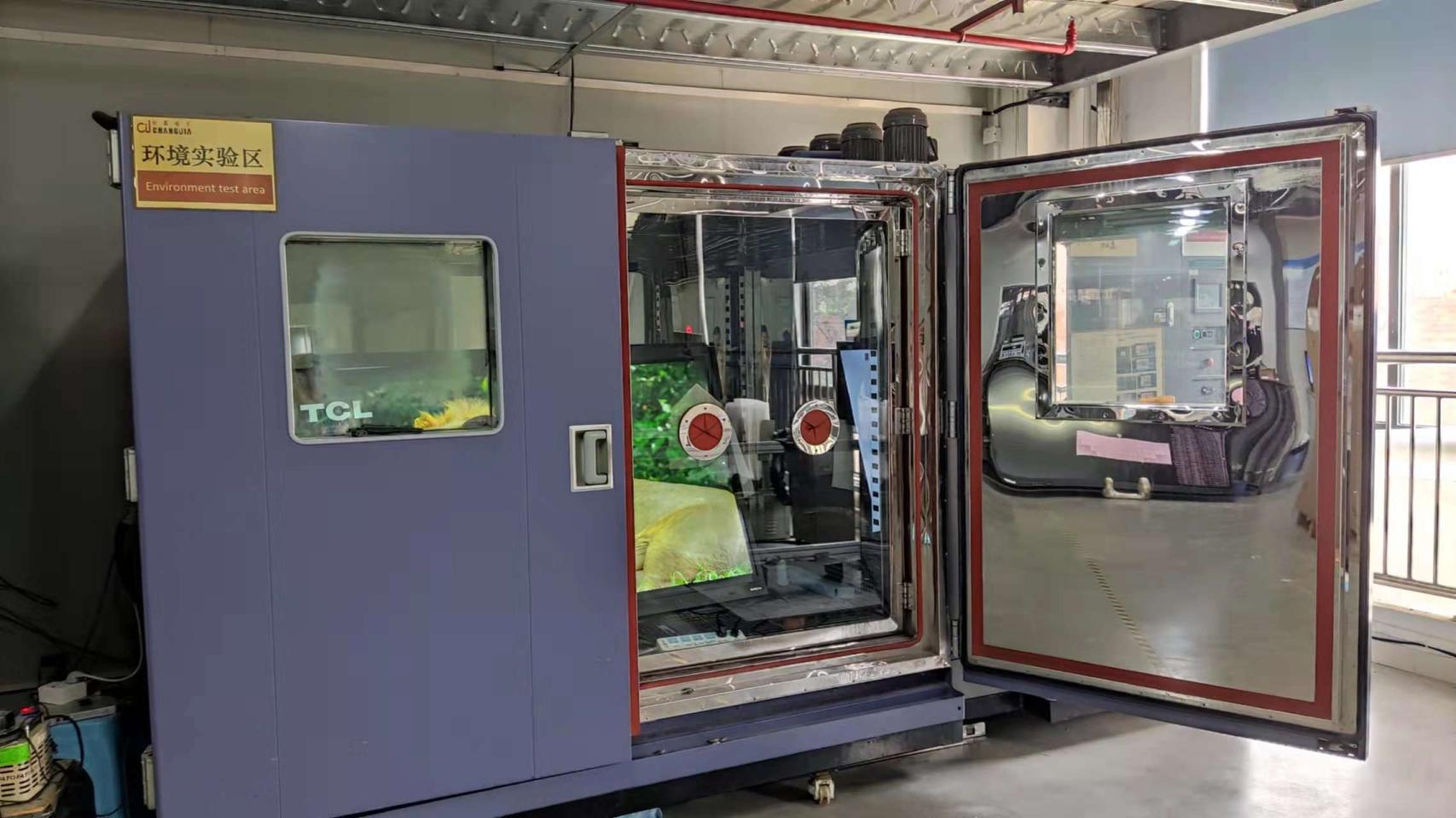
Temperature Test
High and low temperature validation helps confirm operation across export climates.
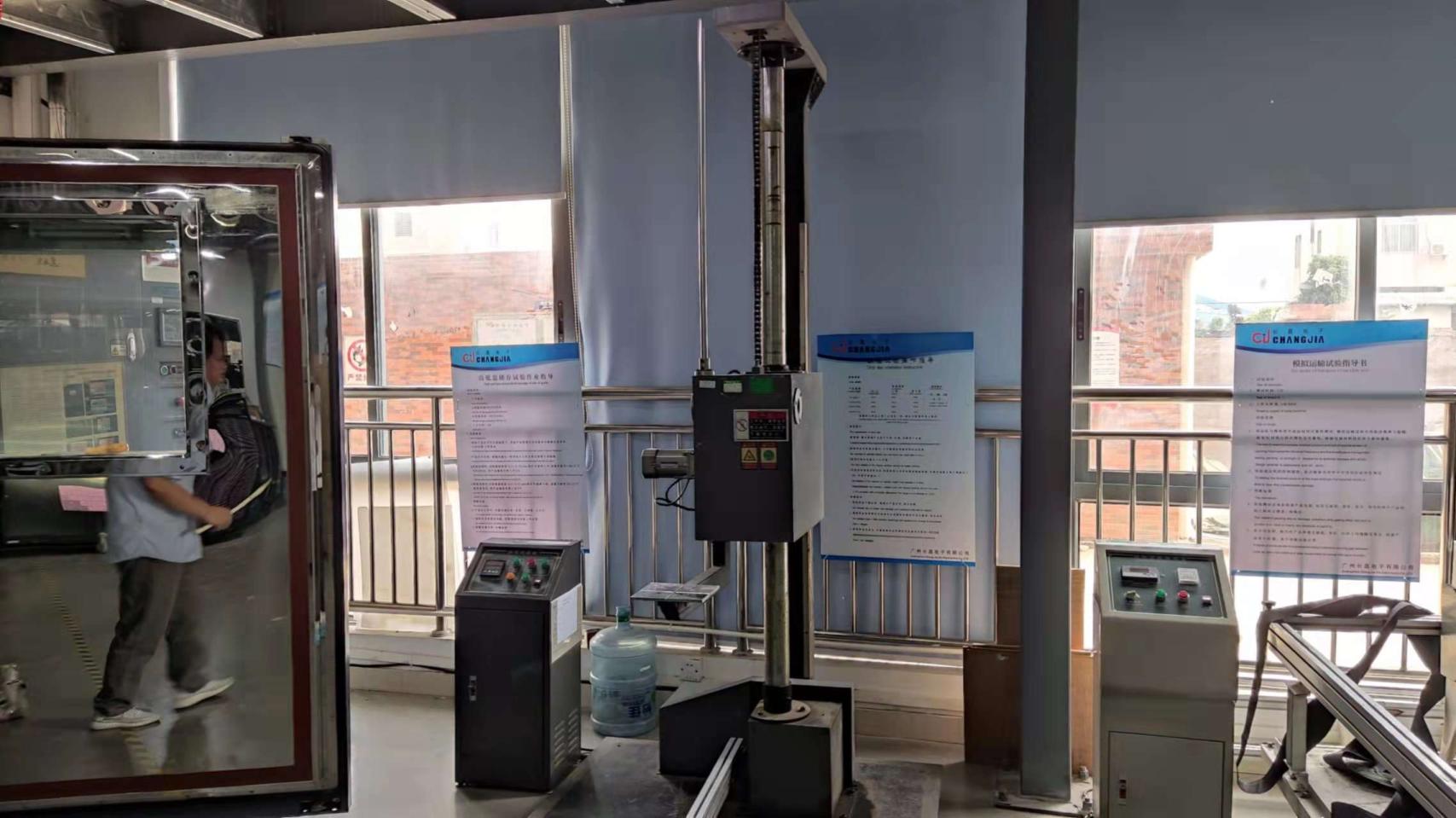
Drop Test
Packaging and product robustness checks reduce damage risk during international shipping.
Six Steps from Requirement to Export Delivery
A structured workflow keeps distributors and tender teams informed from the first RFQ to final shipment.
Requirement Review
Share room types, quantity, target market, tender specifications and certification needs.
Solution Design
Engineers propose the display, visualizer, podium, camera and accessory configuration.
Sample Approval
Pre-production samples confirm image quality, folding mechanism, software and branding.
Mass Production
In-house SMT, PCB and assembly processes build the approved configuration.
QC & Testing
Reliability testing, functional inspection and packing checks occur before shipment.
Delivery & Support
Export packing, shipping coordination, documentation and after-sales communication complete the project.
Foldable Document Camera Procurement FAQ
Direct answers to the questions distributors, integrators and education buyers ask most often.
What is a foldable document camera, and where is it used?
A foldable document camera is a visualizer with an adjustable arm that can be folded for transport or storage. It is used to show books, documents, objects, experiments and fine details on a large display, projector, video conference or lecture capture system. Typical environments include K-12 classrooms, university lecture halls, training centers, laboratories and hybrid meeting rooms.
Why source from a China foldable document camera factory instead of a local reseller?
A factory relationship can provide OEM/ODM customization, engineering communication, export packing, sample iteration and better visibility into quality testing. However, buyers should verify the supplier through third-party records, test reports and sample evaluation. A local reseller may offer faster stock and service, so the best choice depends on volume, customization needs and after-sales requirements.
Which specifications matter most when comparing foldable visualizers?
Look beyond zoom numbers. Compare sensor resolution, frame rate, autofocus speed, low-light performance, A3/A4 coverage, annotation latency, LED lighting control, port connectivity, dual-stream output, microphone quality and the mechanical life of the folding hinge. Ask for a live demonstration under classroom lighting and test the exact documents and objects your users will present.
Can Ruyden support OEM and ODM customization?
Yes. Design-based customization has been verified by independent third-party inspection. Common options include logo, boot screen, housing colour, packaging, pre-installed software, language settings and hardware configuration. Project-specific requirements should be confirmed during the RFQ and sample stage.
How does Ruyden control quality before export?
Production is supported by in-house SMT, AI automatic insertion, PCB and assembly lines. The reliability process includes high and low temperature testing, drop testing, simulated transportation, salt spray, button life, insertion force, static, earth continuity and withstand voltage testing. Final inspection and packing checks are performed before shipment.
Can a foldable document camera be bundled with an interactive flat panel and podium?
Yes. Ruyden can combine interactive flat panels, visualizers, lecture capture cameras, networked digital podiums, wireless presentation and centralized AV control into one classroom solution. Bundling simplifies compatibility, procurement and after-sales coordination for integrators and distributors.
What should be included in an RFQ for a tender project?
Include room types and sizes, expected quantity, target market, required certifications, display size, visualizer resolution and zoom, annotation requirements, connectivity, language, mounting method, packing standard, warranty expectations and project timeline. If a tender document is available, share it so the proposal can match the required format.
How do overseas buyers start a project with Ruyden?
Send your room types, quantities, target market, certification needs and preferred product configuration to info@ruydentech.com. The export team can respond with a tailored product proposal, sample plan and documentation checklist to support your evaluation or tender submission.
Planning a Foldable Document Camera or Smart Classroom Rollout?
Share your project requirements and receive a factory-direct configuration proposal built around your classrooms, target market and tender timeline. The Ruyden export team can support product selection, OEM/ODM customization, sample approval and export documentation.
