Eight Product Platforms for Los Angeles Learning, Meeting and Public-Space Projects
These eight platforms cover the fastest-growing room types in the Los Angeles market: interactive classrooms, hybrid boardrooms, lecture capture spaces, outdoor wayfinding, public-service counters and multi-presenter meeting rooms. Every product URL below is preserved as supplied, so buyers can move directly from this buyer brief to the exact model page.
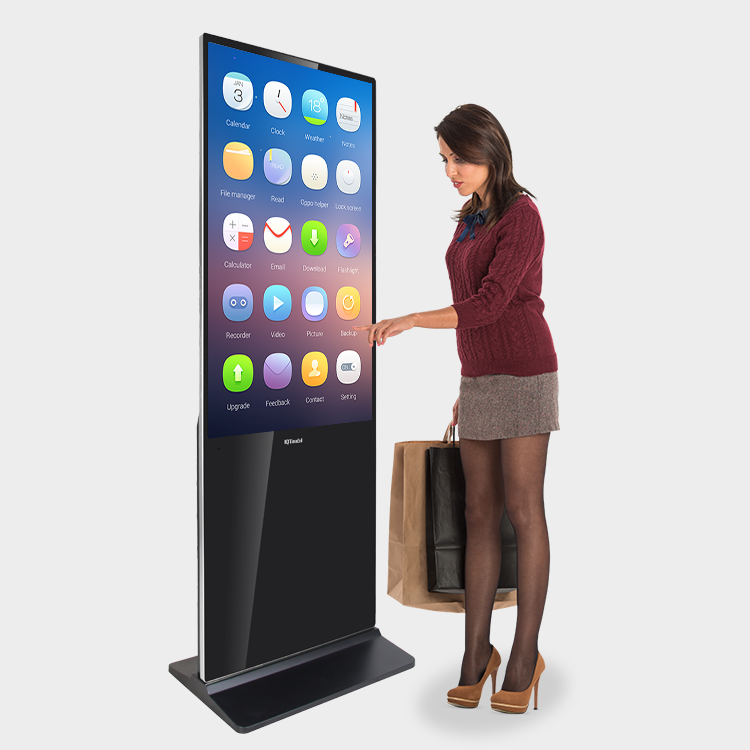
43inch Kiosk Touch Screen Floor Standing Advertising Kiosk Shopping Centre Digital Signage and Displays Outdoor Waterproof
Outdoor-ready wayfinding, event messaging and public information for LA campuses, transit corridors, retail districts and port-adjacent facilities.
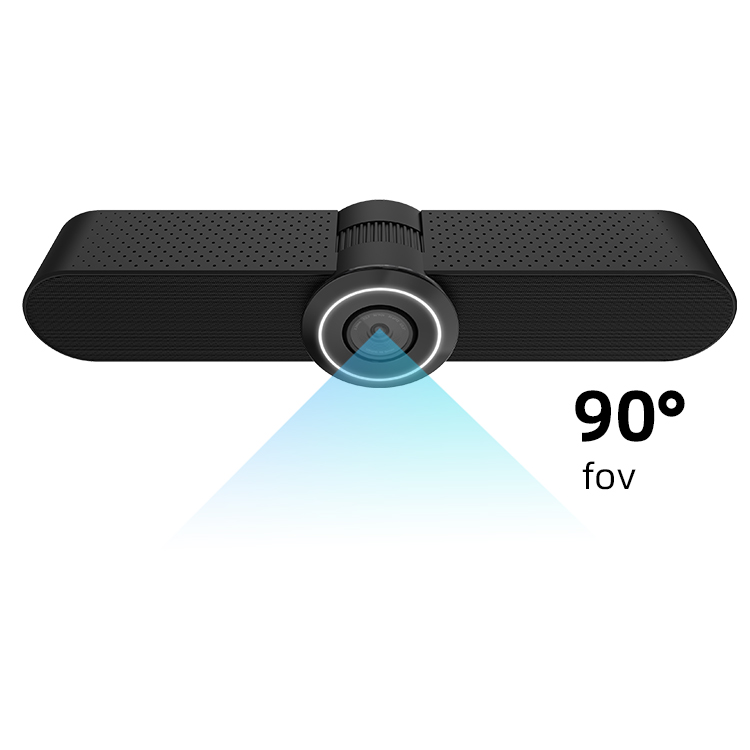
Conference Live AI Camera 4k 1080p 60fps USB Webcam Camera All in One Microphones and Speakers
Integrated capture for Downtown LA, Century City, El Segundo and Burbank meeting spaces where remote participants must see and hear every speaker.
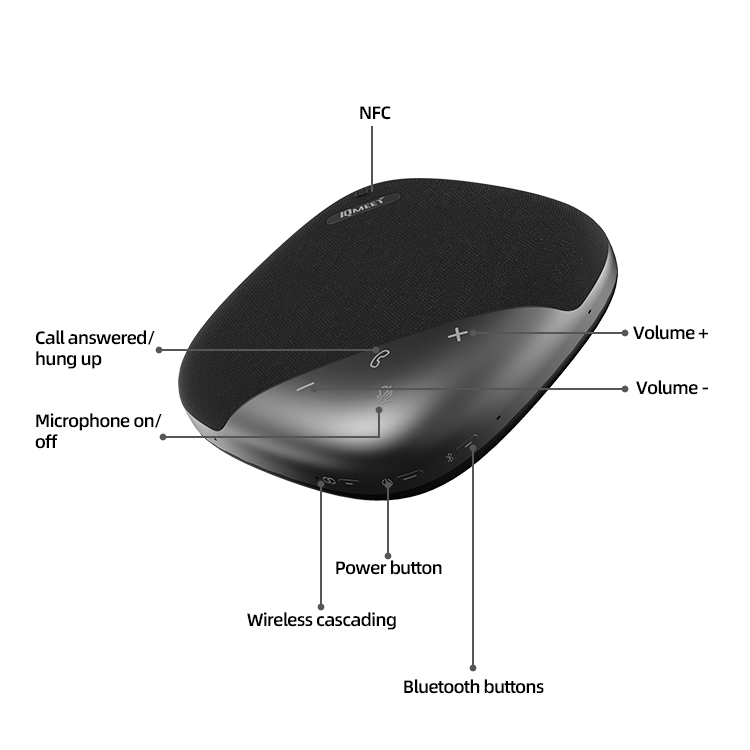
Home Theatre Omnidirectional USB Wireless Amplified Speakerphone Conference Powerful Sound Suitable for School and Conference
Portable voice pickup for training rooms, temporary classrooms and shared meeting spaces where room layout changes frequently.
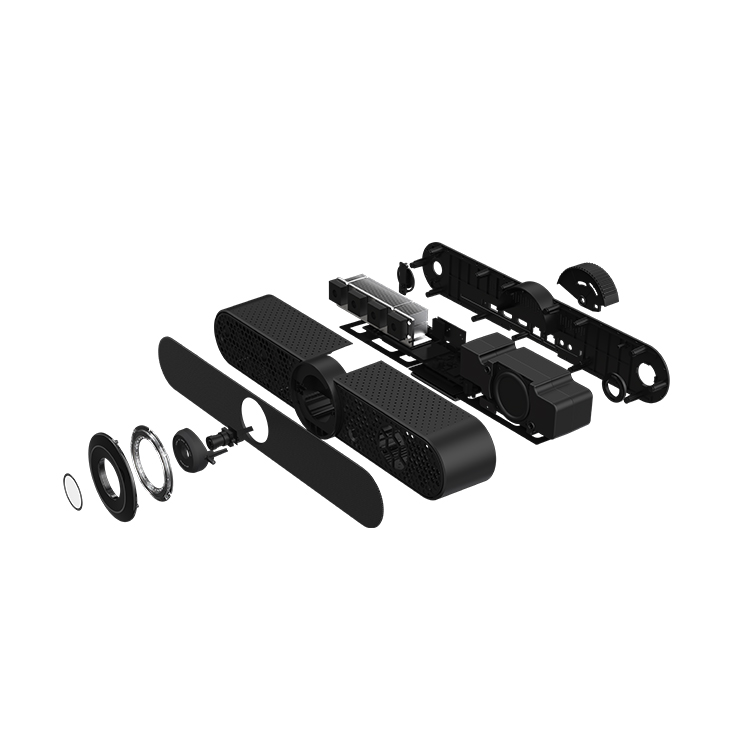
AI Auto-Tracking Webcam All-in-one 1080p 4k PC Mini Webcam for Video Calling and Conference
Automatic presenter framing for lecture capture, remote professional development and hybrid public meetings without a dedicated camera operator.
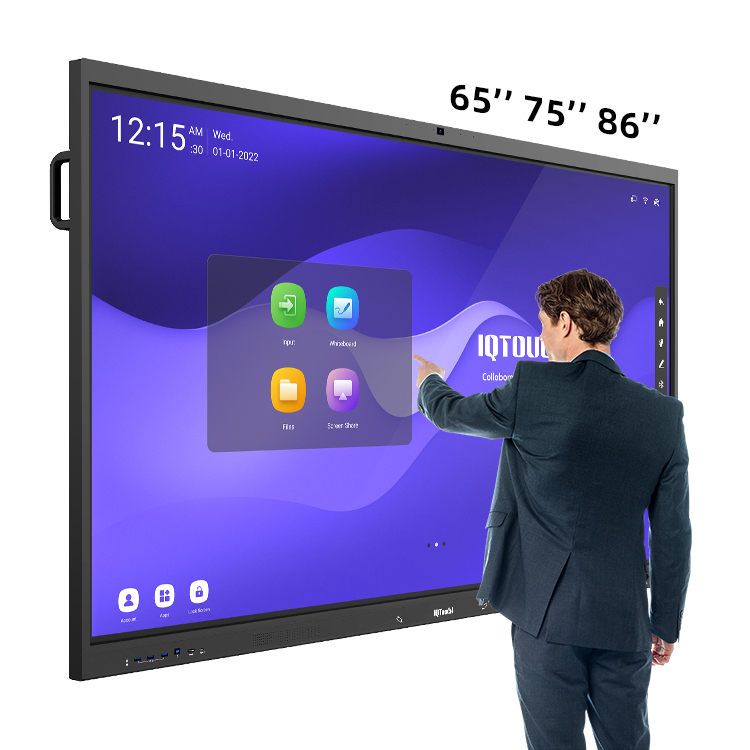
Dual System 4K 65 75 86 Inch Smart Board Interactive Electronic Whiteboard for Education and Conference
The core classroom and training-room display: multi-touch whiteboarding, annotation and 4K visual clarity for K-12, community college and corporate learning.
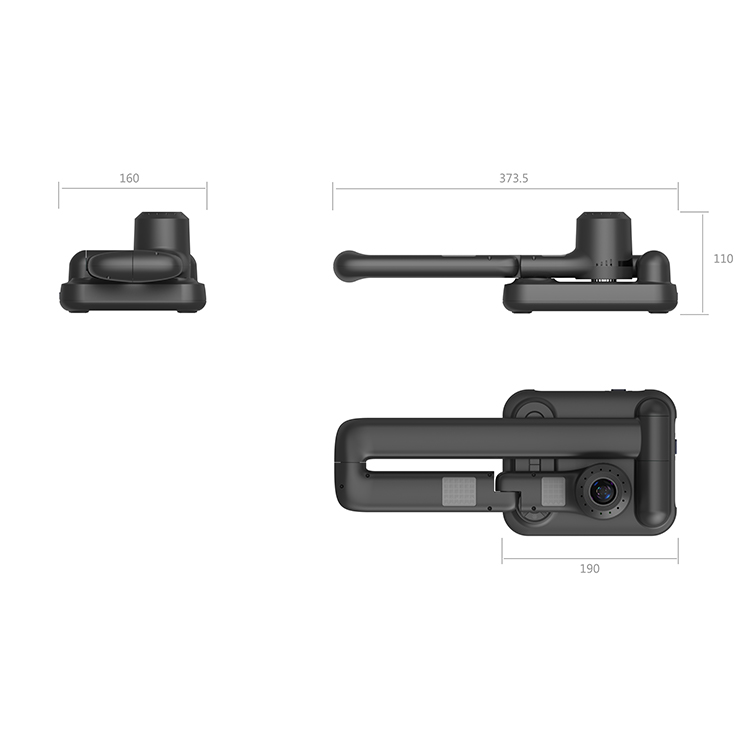
Extra Large Coverage 4k Camera 10x Optical Zoom Foldable Flatbed High Speed A4 Document Scanner Kiosk
High-resolution document capture for enrollment desks, libraries, permit counters and records review stations where paper-to-digital workflow matters.
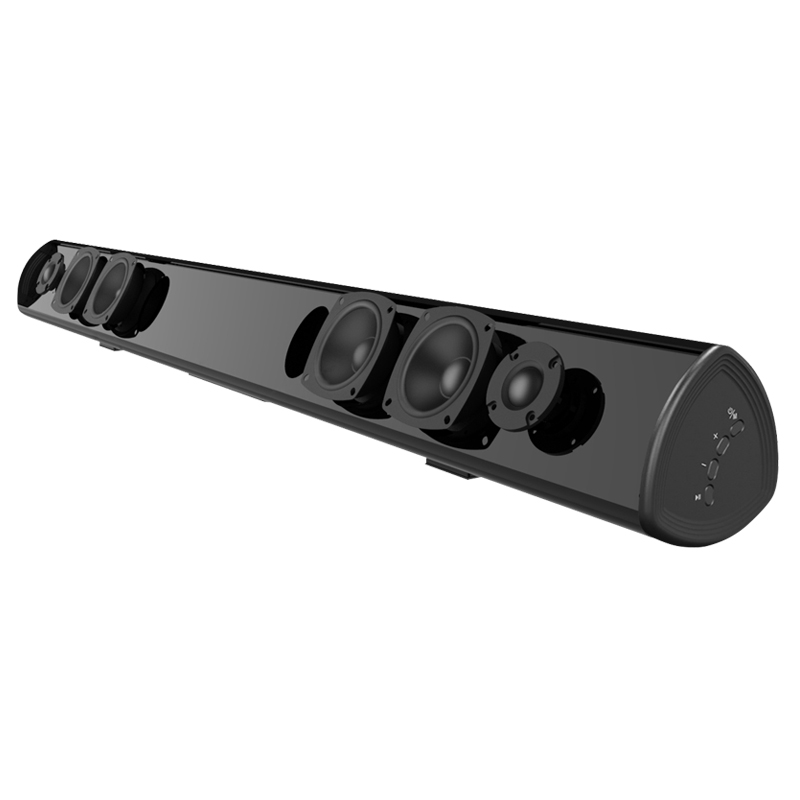
Voice Pick up Soundbar Sound Remote Speaker
Clear speech reinforcement for classrooms, huddle rooms and training spaces where ceiling audio is impractical or retrofit budgets are tight.
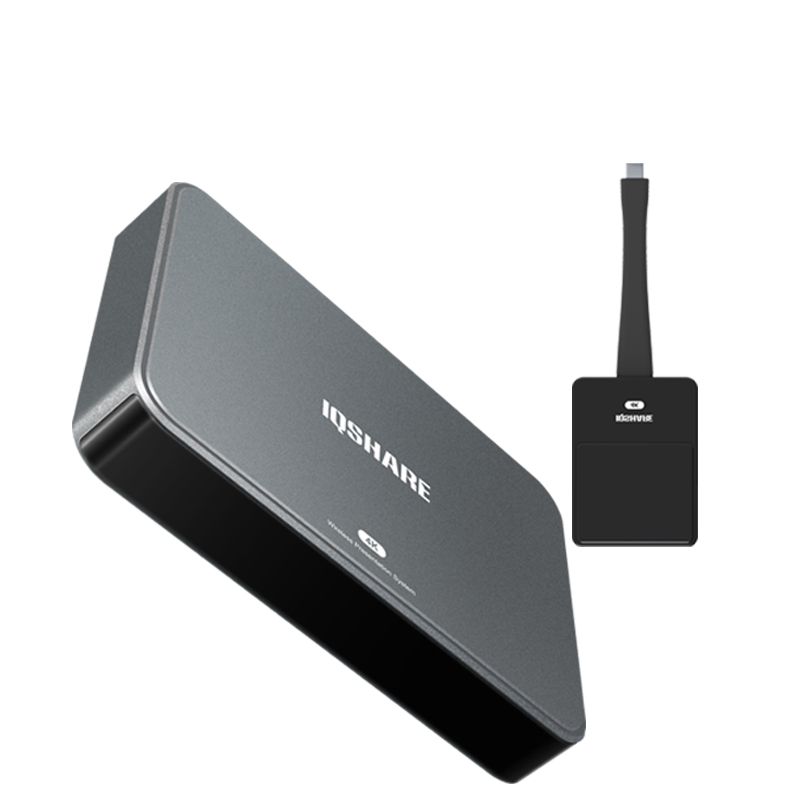
Hdm1 Wireless Transmitter Receiver 1 to 4 Anycast Wireless Screen Sharing Wireless Presentation System
Cable-free, multi-presenter screen sharing for BYOD classrooms and conference rooms supporting Windows, macOS, iOS and Android devices.
A Practical Buying Brief for Los Angeles AV Projects
Los Angeles is not a single AV market. It is a collection of education, entertainment, logistics, healthcare, hospitality and public-sector buying cultures, each with different room sizes, procurement rules, installation constraints and uptime expectations.
That is why a generic product catalogue is not enough for Los Angeles buyers. A 98-inch display may be right for a university lecture hall, but it can overwhelm a small charter-school classroom in Koreatown. A weatherproof outdoor kiosk may be ideal for campus wayfinding near the Port of Los Angeles, while a 4K AI auto-tracking camera is a better fit for a hybrid boardroom in Culver City or El Segundo. The decision should begin with the room, the user journey and the support model, not with a headline specification.
This white paper is written for facilities directors, district technology teams, AV integrators, purchasing managers and corporate workplace teams evaluating factory-direct 4K interactive display manufacturer options for the Los Angeles market. It combines a local deployment matrix, room-sizing guidance, procurement questions and factory evidence from Ruyden Interactive Technology Group Co., Ltd., an SGS onsite-verified manufacturer based in Fuzhou, Fujian, China.
Ruyden has 19 years in the interactive display industry, 82 verified staff, in-house SMT, auto-insertion, PCB and assembly capabilities, and a dedicated reliability test lab. For Los Angeles buyers, the practical value is not only product selection. It is the ability to align a factory configuration, documentation package, export packaging and freight plan to a local project schedule.
- Room-first planning: match display size, camera coverage and audio pickup to real Los Angeles room dimensions and user behavior.
- Procurement-ready evidence: use SGS verification, test-lab records, product drawings and OEM documentation to reduce buyer risk.
- Factory-direct customization: align logo, boot screen, packaging, language, software image and hardware options before mass production.
What Local Buyers Are Asking For
Los Angeles projects commonly require a mix of rapid pilot deployment, multi-campus standardization and public accountability. The strongest supplier responses are usually the ones that make room-level decisions visible before the purchase order is issued.
- Hybrid instruction and lecture capture
- 4K cameras with automatic framing
- Wireless presentation for BYOD rooms
- Outdoor waterproof digital signage
- Public-service document capture
- AV control and system documentation
- OEM branding and packaging
- Export packing for ocean freight
Why Los Angeles Is a High-Intent Market for 4K Interactive Displays
Los Angeles County combines one of the largest education ecosystems in the United States with entertainment production, global trade, healthcare training and municipal services. Each sector creates a different demand signal for interactive displays, cameras, wireless presentation and public-facing digital signage.
Education Modernization
K-12 districts, charter networks, community colleges and private universities are upgrading projector-based rooms to 4K interactive panels that support annotation, screen sharing and hybrid instruction. Smaller rooms often need 65–75 inch displays, while lecture halls and demonstration labs need 86–100 inch systems with capture and audio.
Media, Entertainment and Creative Review
Studios, production offices and creative agencies in Hollywood, Burbank, Culver City and Santa Monica need accurate visual review, wireless screen sharing and AI-framed cameras for remote collaborators. Interactive displays become collaboration surfaces for storyboards, shot review and client presentations.
Ports, Logistics and Public Infrastructure
The Port of Los Angeles, Port of Long Beach and surrounding logistics corridors need durable digital signage, training-room displays and document capture for compliance, safety and workforce development. Outdoor kiosks must be specified for sun exposure, dust and coastal conditions.
Public Sector and Civic Spaces
City councils, libraries, workforce centers and public health training rooms need accessible, easy-to-operate AV systems. Buyers often ask for documented specifications, mounting drawings, warranty terms and integration notes before a public bid or pilot approval.
Real-Estate and Workplace Efficiency
Los Angeles floor plates are expensive. Many organizations convert rooms into multi-use spaces for training, client presentations and hybrid meetings. A single 4K interactive display with wireless sharing, camera and speakerphone can reduce the need for separate projector, whiteboard and video-conference kits.
Climate and Building Conditions
Coastal humidity, dust, sun load and older building structures influence product selection. Outdoor models need waterproof enclosures and glare planning. Indoor installations need wall-structure review, power planning and cable pathways confirmed with local contractors before mounting large panels.
Where These Eight Platforms Fit in the Los Angeles Market
The same product family can serve very different local use cases. These scenarios show how a factory-direct configuration can be matched to Los Angeles rooms, workflows and budget cycles.
K-12 Classrooms and Charter Schools
Use the 65, 75 or 86 inch dual-system interactive smart board with a wireless HDMI presentation system and voice-pickup soundbar. This combination supports whole-class teaching, student annotation, small-group sharing and hybrid lessons without forcing teachers to manage multiple remote controls.
Community College and University Rooms
Pair an 86–100 inch interactive display with the AI auto-tracking webcam and omnidirectional speakerphone for lecture capture, guest lectures and remote observation. Add the A4 document scanner kiosk for admissions, records or demonstration stations where physical documents must be digitized quickly.
Corporate Hybrid Boardrooms
For Downtown LA, Century City, El Segundo and Burbank offices, combine the Conference Live AI Camera 4K with the wireless 1-to-4 screen-sharing system. Teams can present from laptops, tablets or phones, while remote participants see the room clearly and hear multiple speakers.
Outdoor Campus and Public Messaging
The 43 inch waterproof floor-standing kiosk is suited to campus wayfinding, event schedules, parking information and public messaging. Los Angeles buyers should review sun exposure, enclosure rating, service access and content security with the project integrator before deployment.
Libraries, Permit Centers and Service Counters
The 4K 10x optical zoom A4 document scanner kiosk supports paper-to-digital workflows at libraries, records offices, permit counters and enrollment desks. High-resolution capture and optical zoom help staff review small print, signatures and identification documents without repeated scanning.
Healthcare, Safety and Workforce Training
Training centers can use interactive displays with speakerphones and cameras to record demonstrations, connect remote instructors and review procedures. For temporary or rotating training rooms, portable wireless presentation and omnidirectional audio reduce installation time.
Los Angeles Procurement Trends Shaping 2025–2026
Demand in Los Angeles is moving away from isolated hardware purchases and toward room-level outcomes: clear visibility, simple sharing, measurable uptime and documentation that supports public accountability.
Hybrid Instruction Becomes Standard
Schools and colleges are planning rooms for simultaneous in-person and remote participation. AI auto-tracking cameras, 4K webcams and ceiling or soundbar audio are now evaluated as part of the display purchase, not as afterthoughts.
Campus AV Standardization
Multi-site buyers want fewer SKUs, consistent user interfaces and repeatable mounting kits across Los Angeles campuses. Factory-direct OEM programs make it easier to standardize boot screens, packaging, labeling and accessory bundles by district or institution.
Wireless-First and BYOD Rooms
Chromebooks, MacBooks, Windows laptops, iPads and Android phones coexist in Los Angeles classrooms and meeting rooms. Wireless HDMI 1-to-4 presentation systems reduce cable clutter and let multiple presenters share without waiting for a room technician.
Evidence-Based Purchasing
Public-sector and enterprise buyers increasingly ask for factory verification, test-lab evidence, product drawings, warranty terms and export packaging details. A supplier’s ability to provide documentation can be as important as the panel specification.
How to Choose the Right 4K Interactive Display for Los Angeles Rooms
Use viewing distance, room use and content type to select the display size. The following guide follows the practical 6× screen-height viewing rule used by many AV integrators, adapted for typical Los Angeles classrooms, conference rooms and lecture halls.
| Panel Size | Typical Los Angeles Room | Approx. Max Viewing Distance | Recommended Add-ons |
|---|---|---|---|
| 55" | Huddle rooms, tutoring pods, reception areas, temporary classrooms | ≈ 4 m | USB webcam, wireless presentation transmitter |
| 65" | Small K-12 classrooms, meeting rooms for 6–10 people, charter-school spaces | ≈ 5 m | Wireless 1-to-4 sharing, voice-pickup soundbar |
| 75" | Standard K-12 classrooms, training rooms, mid-size conference rooms | ≈ 5.5 m | Mobile stand or wall mount, AI conference camera |
| 86" | Large classrooms, community-college seminar rooms, boardrooms | ≈ 6.5 m | Speakerphone, lecture capture camera, document scanner |
| 90" | Small lecture halls, demonstration rooms, public training centers | ≈ 7 m | Auto-tracking camera, wireless presentation, audio reinforcement |
| 100" | University lecture halls, auditoriums, large training centers | ≈ 7.5 m | Lecture capture, live broadcast, central AV control |
Distances are guideline values for 16:9 displays. Los Angeles buyers should also verify wall structure, ceiling height, power location, cable pathway, ADA reach ranges and whether the room will be used for simultaneous whiteboarding, video conferencing and document review. For older buildings, confirm mounting and electrical requirements with a local contractor before ordering.
Match the Platform Mix to the Buyer Type
Instead of buying every room the same way, Los Angeles projects usually benefit from three repeatable bundles: a K-12 teaching bundle, a lecture-capture bundle and a corporate hybrid-meeting bundle.
K-12 Pilot Bundle
Start with a 75 inch dual-system interactive smart board, wireless HDMI 1-to-4 sharing and a voice-pickup soundbar. Add a mobile stand if the room is shared. This bundle is designed for pilot classrooms where teachers need intuitive whiteboarding, student screen sharing and clear audio.
Lecture-Capture Bundle
Use an 86–100 inch interactive display with the AI auto-tracking webcam, omnidirectional speakerphone and, where required, the A4 document scanner kiosk. This matches university seminar rooms, demonstration labs and public training spaces that record or stream sessions.
Corporate Hybrid Bundle
Configure a 65–75 inch display with the 4K AI conference camera, omnidirectional wireless speakerphone and wireless presentation system. This is a practical fit for Los Angeles boardrooms that support frequent client presentations, remote interviews and cross-office meetings.
Factory Evidence That Reduces Procurement Risk
Los Angeles buyers often need more than a product photo. They need a supplier that can explain how the product is built, how it is tested, how customization is controlled and how export documentation supports the project.
Ruyden Interactive Technology Group Co., Ltd. is an SGS onsite-verified manufacturer and exporter of interactive flat panels, interactive whiteboards, lecture capture systems, networked digital podiums and smart classroom AV integration solutions. Design-based customization has been verified by an independent third-party inspection. The company operates from a manufacturing base in the Fuzhou High-tech Zone, Fujian, China, with in-house SMT, auto-insertion, PCB and assembly capabilities plus a dedicated reliability test lab.
For Los Angeles buyers, that means project conversations can move beyond “which panel?” to “which factory process, packaging method, test report and documentation set will support this installation?” The public verification records include SGS assessment, credit overview, trade capacity, transaction level and trade history, which are useful for distributor onboarding and public-sector supplier review.
Education AV specialization supported by independent inspection records.
Long-term global supplier activity and public trade records.
Engineering, production, QC and export service professionals.
Average score from verified buyer reviews and transactions.
Test-Lab Discipline for Coastal, Classroom and Export Conditions
Los Angeles shipments face handling, ocean freight, warehouse transfer, classroom use and, for outdoor products, sun and coastal exposure. The factory QA process should reflect those realities.
In-House Production and Reliability Testing
Production runs through incoming material checks, SMT, auto-insertion, PCB processing, assembly, functional testing and final inspection. Our test lab includes high and low temperature testing, drop testing, simulated transportation testing, salt spray testing, button life testing, insertion force testing, static testing, earth continuity testing and withstand voltage testing.
These tests matter for Los Angeles buyers because the purchase does not end at the loading dock. Interactive displays move through freight forwarders, customs, third-party warehouses, installation teams and daily classroom or meeting-room use. A robust factory test workflow helps reduce dead-on-arrival risk and simplifies warranty conversations.
- Shipping protection: drop and simulated transport testing support export packaging decisions.
- Coastal durability: salt spray testing helps evaluate metal parts and coatings for humid or coastal environments.
- Electrical safety: earth continuity and withstand voltage testing support final QC confidence.
What Los Angeles Buyers Should Request
Before approving a pilot or purchase order, request the current product specification sheet, dimensions, mounting drawing, power requirements, input and output list, warranty terms, packaging details, and any available compliance documents for the exact SKU. Certification scope can vary by model and destination, so final requirements should be confirmed with your procurement or compliance team.
For public-sector projects, also ask for OEM authorization letters where applicable, country-of-origin documentation, shipping marks and a sample inspection checklist. These documents reduce delays when the project moves from evaluation to purchasing.

Manufacturing base: factory-controlled production supports consistent configuration and documentation.

Production workshop: in-house SMT, PCB and assembly processes help protect custom designs.

Operations team: engineering, QC and export support aligned to project milestones.
From Requirement Review to Los Angeles Delivery
Factory-direct sourcing works best when the buyer and manufacturer agree on room schedule, product configuration, documentation, packaging and delivery responsibility before production begins.
Requirement Review
Share room types, quantities, target installation dates, local compliance needs and any public-bid documentation requirements.
Solution Design
Engineers propose display sizes, camera and audio options, mounting accessories, wireless presentation and software image requirements.
Sample Approval
Pre-production samples confirm look, touch performance, packaging, logo, boot screen and accessory compatibility before mass production.
Mass Production
In-house SMT, PCB, assembly and final testing lines build the approved order with controlled change management.
QC and Documentation
Reliability lab tests, final inspection, packing checks and export documentation are prepared before shipment.
Delivery and Support
Export packing, freight coordination, installation planning with local partners and after-sales support are aligned to the Los Angeles project schedule.
Ruyden operates factory-direct from Fuzhou, China. Los Angeles delivery is coordinated through export forwarders, the Port of Los Angeles or Port of Long Beach, air freight for samples, and third-party warehouse or integrator partners as required by the project. Incoterms, lead times and compliance documents are confirmed in the quotation.
Questions Los Angeles Buyers Ask Before a Pilot
These are the practical questions that commonly arise during supplier evaluation, sample approval and public-sector documentation review.
Are you a manufacturer or a trading company?
Ruyden is an SGS onsite-verified manufacturer and exporter. Production and testing are controlled from our Fuzhou manufacturing base, and the company’s assessment report, trade capacity, transaction level and trade history are publicly viewable through our verification records.
Can you ship factory-direct to Los Angeles and Long Beach?
Yes. We coordinate export packing, shipping documents and freight arrangements to the Port of Los Angeles, Port of Long Beach, local third-party warehouses or project addresses as agreed in the quotation. Final delivery terms, Incoterms and unloading responsibilities should be confirmed before the order.
Do you provide 120V power configurations and US-style plugs?
Power accessories and plug options can be configured for the destination market. Buyers should confirm voltage, plug type, certification requirements and any local electrical-code requirements for the exact SKU before approval. Final compliance documents should be requested per model and project.
Can you customize displays for our brand or district program?
Yes. Common OEM/ODM options include logo, boot screen, housing color, packaging, language settings, pre-installed software image and hardware configuration. Design-based customization capability has been verified by an independent third-party inspection.
How are large interactive panels protected during ocean freight?
Export packaging is designed around the product size and shipping method. Relevant factory checks include drop testing and simulated transportation testing. For Los Angeles projects, we recommend reviewing carton dimensions, pallet configuration, warehouse handling and installation staging before shipment.
Can you support LAUSD-area or public-sector bid documentation?
We can prepare product specification sheets, dimensions, mounting drawings, warranty statements, packing details, test-lab information and available compliance documents for procurement review. Final bid requirements, certification scope and submission deadlines should be shared early so the documentation package can be checked against the solicitation.
Will your products integrate with existing AV and control systems?
Our product family supports common HDMI, USB, wireless presentation and network-based workflows depending on model. For rooms using third-party control systems, request the relevant control documentation and validate compatibility with your integrator before installation. Final integration responsibility should be defined in the project scope.
How do we start a Los Angeles pilot or sample order?
Send your room schedule, target quantities, preferred display sizes, installation timeline, software or branding needs, and any compliance requirements. Our export team will respond with a recommended configuration, sample plan, documentation checklist and delivery path to Los Angeles.
Planning a 4K Interactive Display Rollout?
Share your Los Angeles room types, quantities, target installation dates and any public-bid or OEM requirements. We will help map the right display sizes, camera and audio accessories, wireless presentation, packaging and documentation package for your project.
