Eight AV Products That Complete an 85-Inch Houston Classroom
The smart board is the teaching wall, but Houston projects usually need document capture, room audio, hybrid conferencing and wayfinding. These eight products match the classroom, CTE lab and campus rollout scenarios described below.
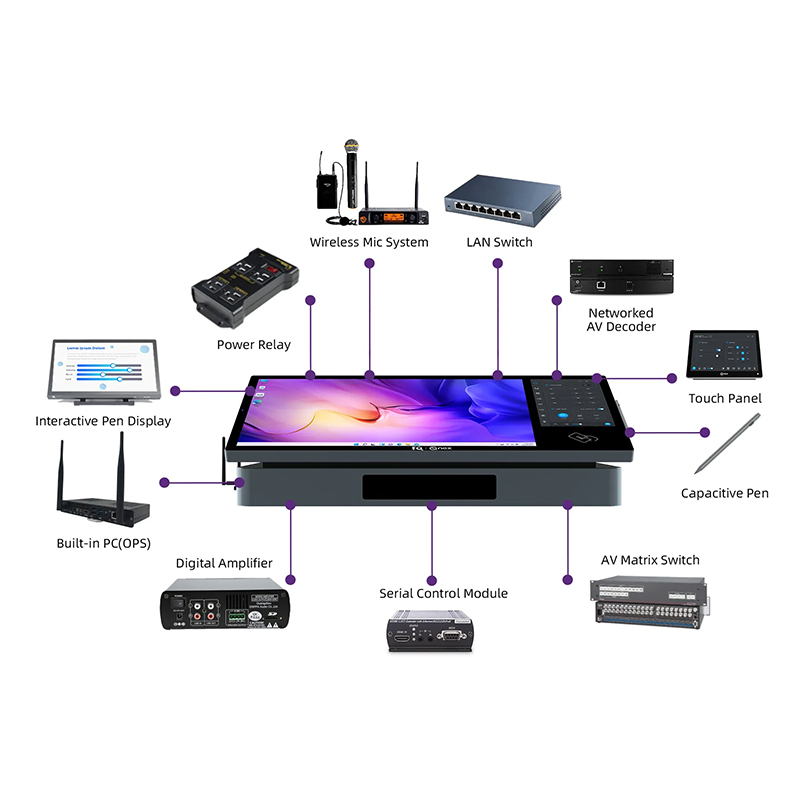
Smart Digital Lectern for Android Classroom Control
Centralize display, audio and room control from the teaching position—useful in Houston lecture halls managed by AV staff.
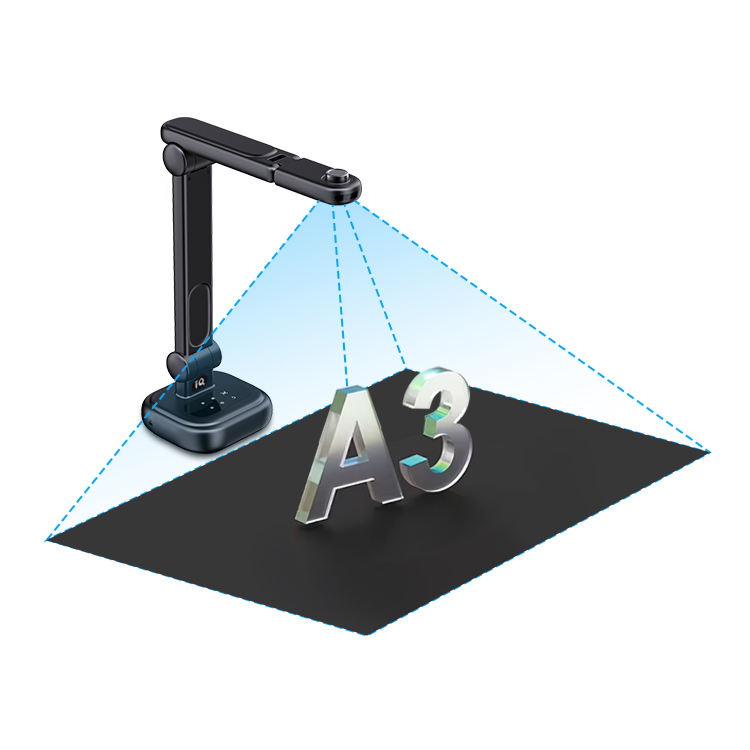
4K Dual-Stream Document Camera with Live Annotation
Show textbooks, science specimens and fine print on the 85-inch board; LED lighting supports CTE and bilingual lessons.
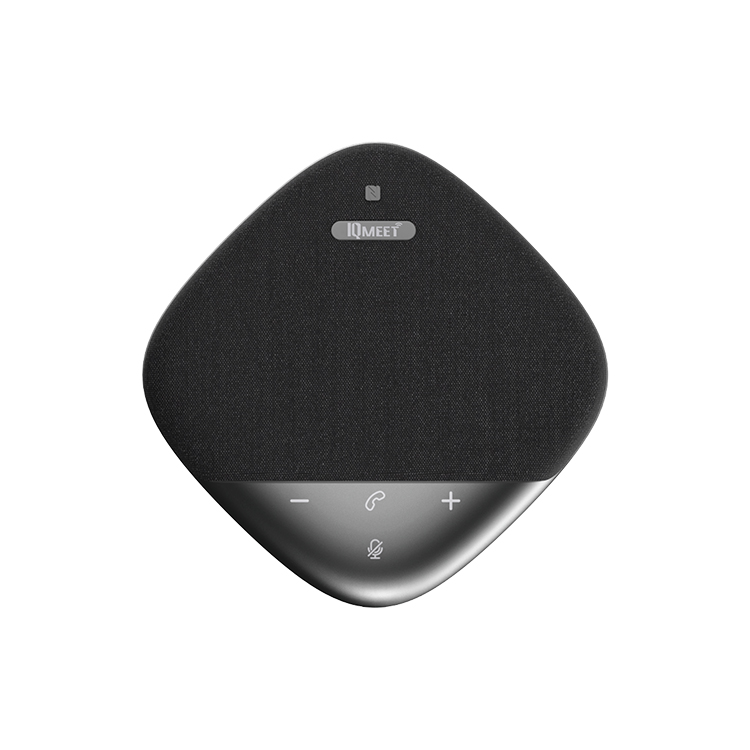
AI Noise Reduction NFC Conference Speakerphone
For hybrid parent conferences, remote guest speakers and staff training where clear two-way audio matters.
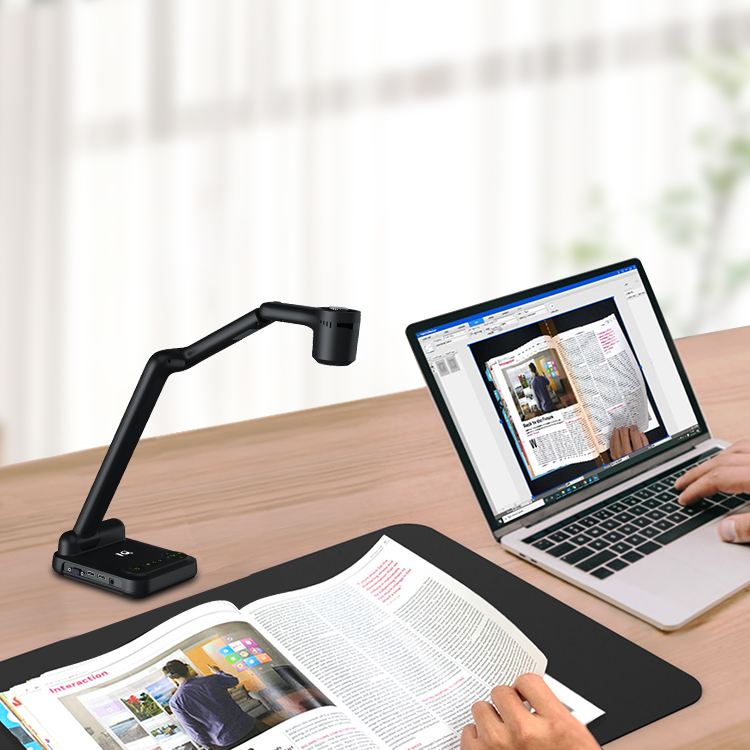
Portable 10x Optical Zoom HD Document Camera
Optical zoom keeps small objects sharp in engineering, health science and robotics demonstrations.
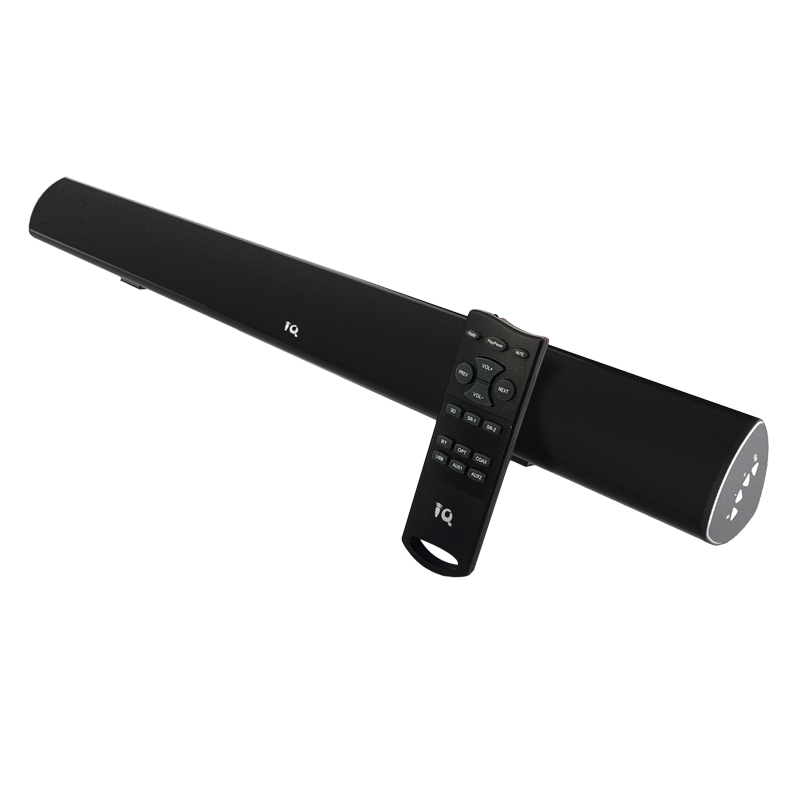
IQSoundbar Conference Room Audio Sound Bar
Clear speech for larger classrooms and training rooms; the subwoofer helps video playback without separate speakers.
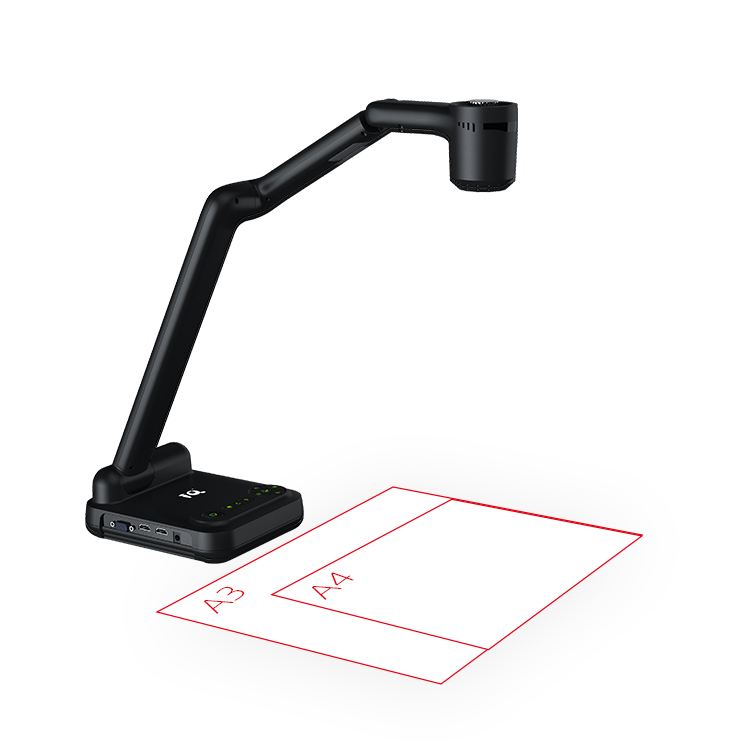
Portable 8MP A4 Document Camera Scanner
An affordable visual presenter for workbook sharing, intervention groups and quick annotation under the document camera.
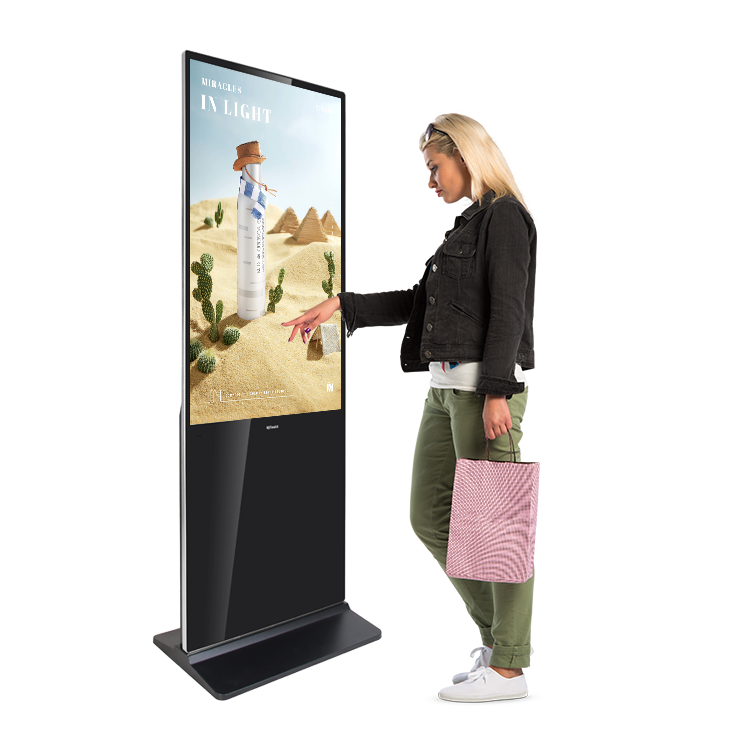
Floor-Standing Touch Screen Information Kiosk
Use near the front office, CTE showcase area or event entrance for wayfinding, check-in and campus announcements.
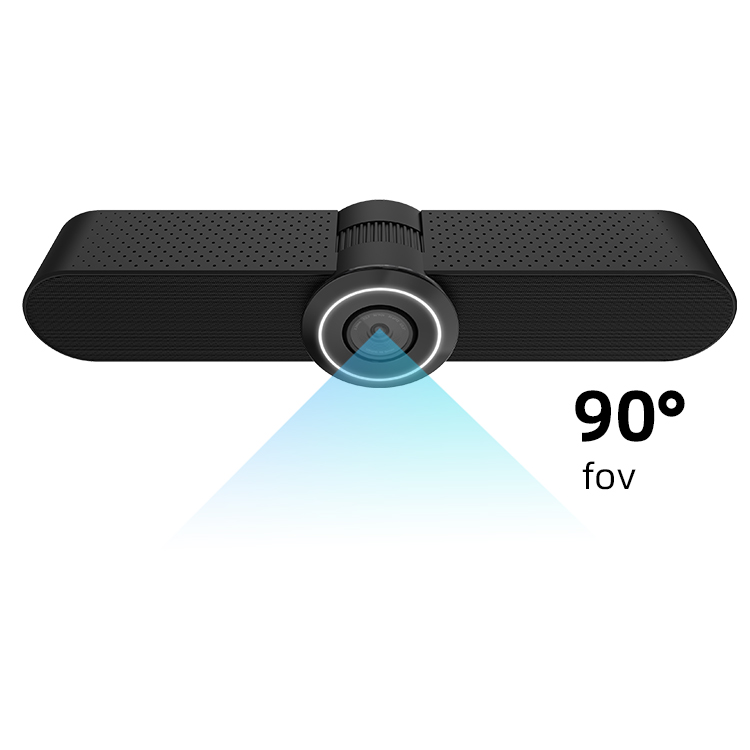
4K AI Conference Webcam with Mic & Speaker
All-in-one USB video for remote guest speakers, lecture capture and make-up lessons after weather disruptions.
Why 85 Inches Is the Practical Main-Classroom Format in Houston
An 85-inch 16:9 interactive flat panel is not simply a larger 75-inch display. Its active area is approximately 74.1 × 41.7 inches—about 188 × 106 cm—so a teacher can place a 4K document camera image, lesson slides and a student annotation layer on one wall without reducing text to unreadable sizes. In Houston classrooms with 28–32 learners, the advantage is sightline consistency: students at the back see the same level of detail as students near the front.
Use the AV planning rule of 6× screen height. An 85-inch 16:9 screen has a screen height near 41.7 inches, which suggests an approximate maximum viewing distance of 6.5 m. If the room is deeper than 6.5 m, has wide side seating or has columns that block sightlines, step up to 90–100 inches or add a second display rather than shrinking the primary board.
Houston adds three practical checks. First, west-facing windows and strong daylight can wash out low-brightness panels; review anti-glare treatment in the actual room. Second, humidity and air-conditioning transitions require a stable operating environment and surge protection. Third, wall construction, ADA clear floor space and electrical/data locations must be surveyed before the mount is specified.
- Specify 4K UHD, touch-point count, front ports, OPS/Android/Windows options, VESA pattern, warranty and spare-parts policy.
- Plan the bottom edge around 36–42 inches above finished floor for K-12 rooms, with the center near seated eye height.
- Test a sample in the planned room before a campus rollout; lighting, ceiling height and seating layout matter more than catalogue photos.
85-Inch Houston Planning Facts
Where an 85-Inch Smart Board Earns Its Place
Houston-area projects range from fast-growth suburban campuses to urban intervention rooms, CTE labs and higher-education lecture spaces. District names below are market examples, not endorsements.
K-12 Core Classrooms
For Houston ISD, Cypress-Fairbanks, Katy, Spring Branch, Aldine and nearby districts, the 85-inch board gives teachers a main teaching wall for slides, annotation and student modeling. Pair it with wireless casting so teacher laptops are not tied to a cable.
Dual-Language & Intervention Rooms
Display bilingual vocabulary, sentence frames and student work side by side. A document camera and high-contrast annotation help small-group intervention, dyslexia support and special-education settings where clarity matters.
CTE & STEM Labs
Engineering parts, health science models, robotics components and CAD walkthroughs need zoom and close-up detail. Combine the 85-inch board with a 10x optical zoom document camera and a 4K webcam for industry guest speakers.
Higher Ed & Workforce Training
Community colleges and corporate training teams in areas such as the Energy Corridor or Texas Medical Center can use the 85-inch format with lecture capture, a digital lectern and room audio for hybrid certification programs.
Five Houston Buying Signals Shaping 2025 Classroom AV
These are planning signals for procurement teams and integrators, not program eligibility guarantees. Confirm current requirements with each district, ESC or purchasing cooperative.
Bond-Funded Standardization
Houston-area districts continue to plan campus modernization and growth projects. Standardizing on 85-inch core classrooms—with 100-inch displays for lecture halls—reduces teacher training, spare-parts and commissioning complexity.
Hybrid Continuity & Hurricane Season
June-through-November weather risk makes offline lesson access, surge protection, lockable network cabinets and lecture capture practical. A hybrid-ready room helps staff and students continue instruction after short disruptions.
Multilingual & CTE-Rich Content
Visual explanation is growing across dual-language, newcomer and CTE programs. Document cameras, annotation and room audio help teachers make complex vocabulary and technical procedures visible to every learner.
Co-op / E-Rate Documentation
Buyers increasingly request SGS reports, credit overviews, trade capacity, product specifications and compliance files. E-Rate, co-op and state-contract eligibility vary by program; final eligibility rests with the applicant and program administrator.
Three Practical 85-Inch Classroom Bundles
Use these bundles as a starting point for a Houston pilot room, then repeat the approved configuration across a campus to simplify procurement and support.
85" Teaching Wall Kit
A straightforward room refresh for daily instruction, teacher-led annotation and student presentation.
- 85-inch 4K interactive smart board
- Wall mount or mobile stand
- Wireless casting kit and stylus
- 8MP A4 document camera
Hybrid & Lecture Capture Kit
For remote guest speakers, recorded lessons and parent-facing events where both video and audio must be intelligible.
- 85-inch smart board
- 4K AI webcam with mic and speaker
- AI noise-reduction conference speakerphone
- Lecture capture or live broadcast recording workflow
CTE Demonstration Kit
For engineering, health science and career labs that need close-up object views and controlled room operation.
- 85-inch interactive board
- 10x optical zoom document camera
- Digital lectern with classroom control
- Conference sound bar for playback
Inside the Manufacturing System Behind the Product
Ruyden Interactive Technology Group Co., Ltd. operates from the Fuzhou High-tech Zone, Fujian, China, with in-house SMT, AI auto-insertion, PCB and assembly lines. That control matters when a Houston buyer needs a custom logo, a stable firmware image or spare parts for a multi-year rollout.

Production Base
Factory operations, material flow and export packing are managed under one quality system.
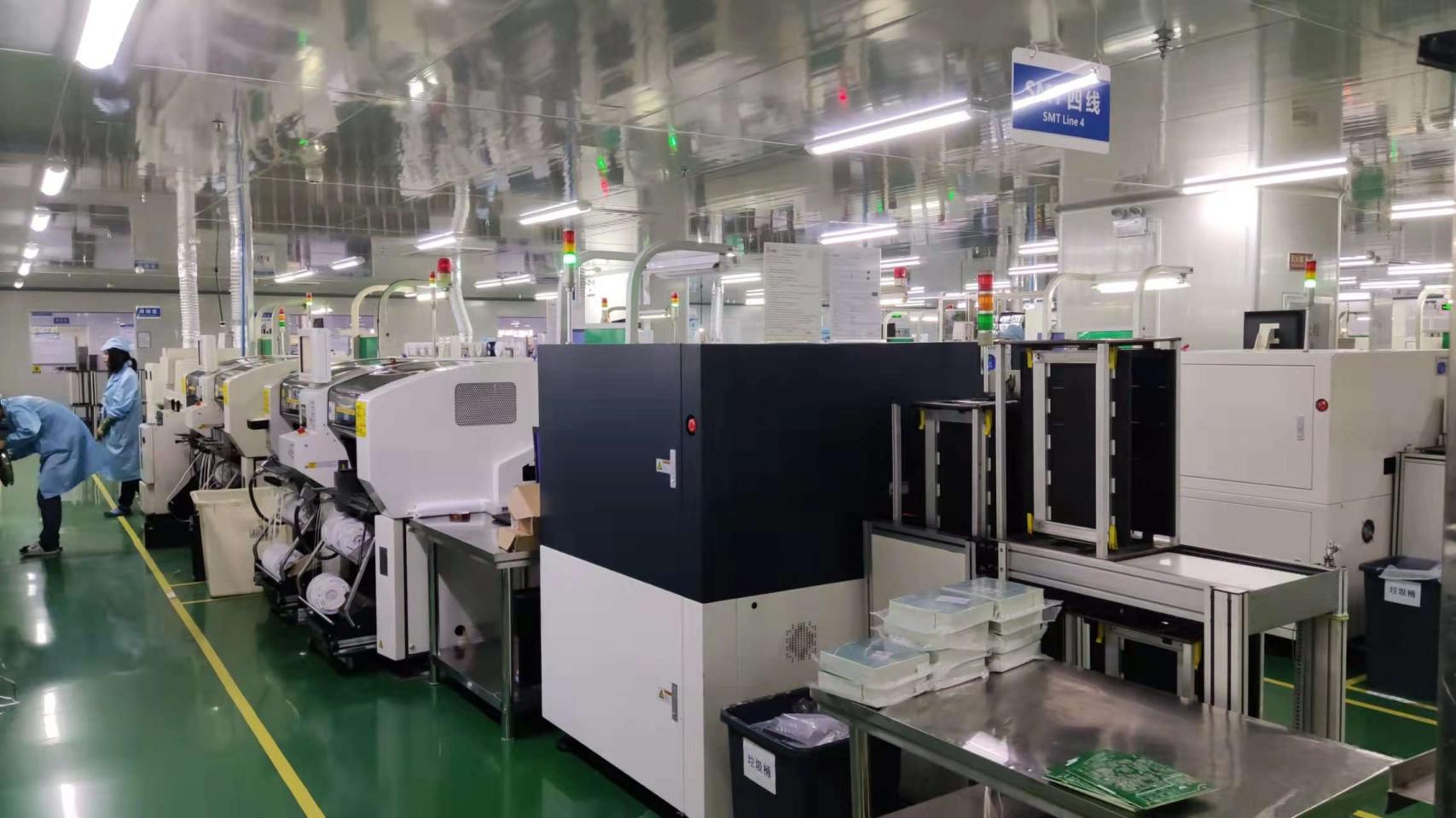
In-House SMT & PCB
Board-level control supports volume orders, custom hardware and faster engineering changes.
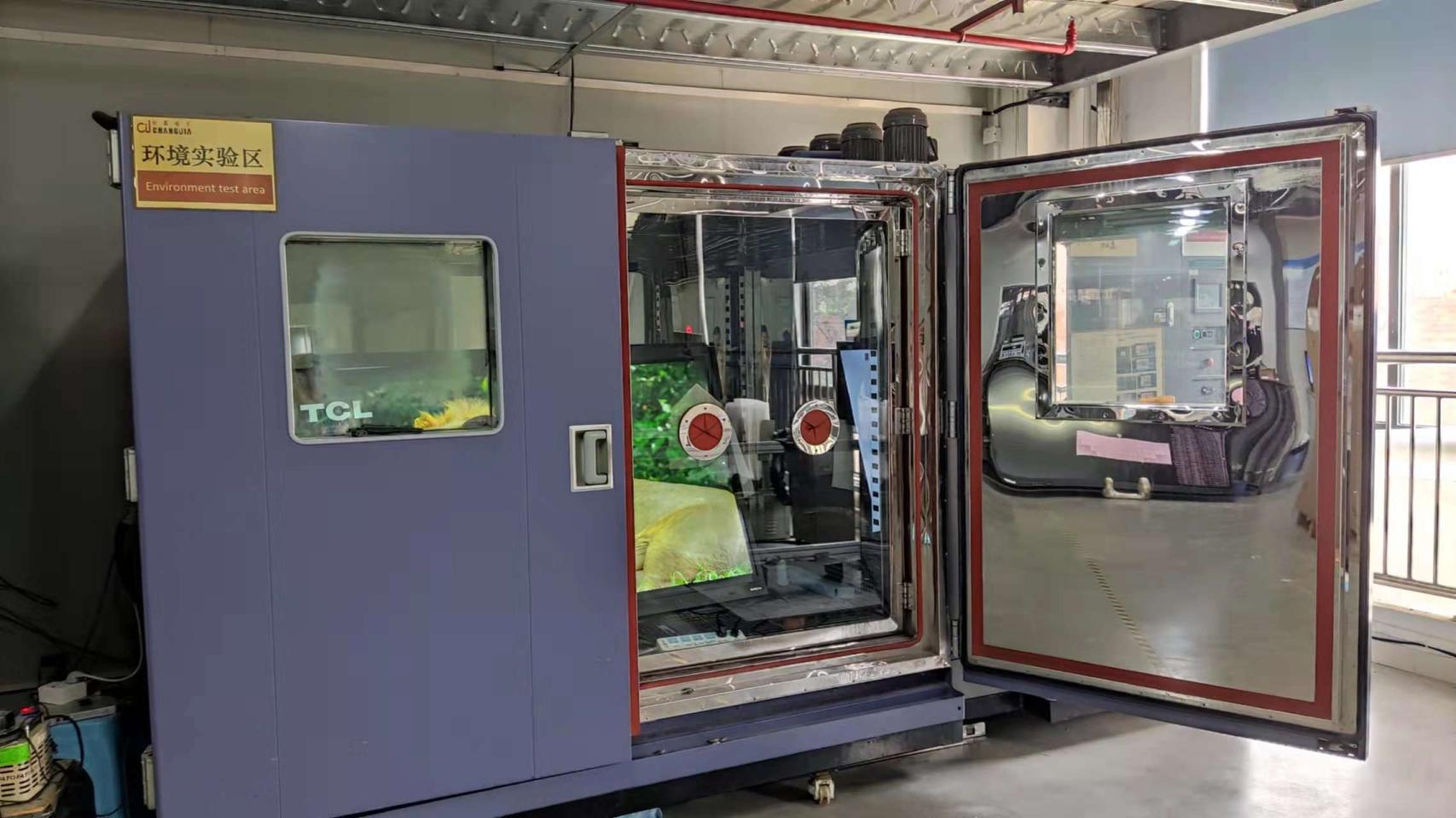
Reliability Test Lab
High and low temperature, drop, simulated transport, salt spray, button life, insertion force, static, earth continuity and withstand voltage testing support export-market confidence.
Evidence a Houston Procurement Team Can Check
These figures reflect the supplier information published in the source company profile and independent inspection records. Confirm current records during your own due diligence.
Education AV specialization supported by the latest independent inspection report.
Long-running supplier membership and transaction history for overseas buyers.
Engineering, production, QC and export-service professionals in one organization.
Average score from verified buyer reviews and transaction records.
Why Integrators and School Buyers Work Directly With the Factory
For Houston projects, the goal is not just a competitive unit price. It is a supplier that can document capability, protect a custom design and support the room after installation.
SGS Onsite-Verified Manufacturer
Assessment report, credit overview, trade capacity, transaction level and trade history support due diligence before a sample order.
19 Years in Education AV
Experience spanning interactive flat panels, whiteboards, lecture capture, digital podiums and campus AV integration.
Verified OEM / ODM Capability
Design-based customization has been independently inspected. Logo, boot screen, housing color, packaging, language and hardware configuration can be discussed.
In-House SMT, PCB & Assembly
Core production is controlled under one roof, which helps protect custom designs and respond to engineering changes.
Reliability Lab Testing
High/low temperature, drop, simulated transportation, salt spray, button life, insertion force, static, earth continuity and withstand voltage testing.
10+ Years Export Experience
International trade-show participation and documented transaction history support buyers new to importing education technology.
One Connected Classroom Ecosystem
Displays, lecture capture, networked podiums, 4K wireless presentation and centralized AV, light and door control can be specified together.
Documentation for Tenders
Specification sheets, company verification links, packing data and customization details help procurement teams build bid responses.
Questions Houston Buyers Ask Before Ordering an 85-Inch Smart Board
Clear answers for district buyers, private schools, integrators and training teams comparing factory-direct supply with local resellers.
What should a Houston procurement team verify first when comparing 85-inch smart boards?
Start with room depth, viewing distance, glare and installation method—not just the panel price. Confirm the active display area, 4K resolution, touch performance, anti-glare treatment, port layout, OPS or Android/Windows options, warranty terms and spare-parts availability. For factory-direct supply, request the SGS verification link, a sample test report and the exact packing dimensions before a pilot order.
Is 85 inches too large for a normal classroom?
For many Houston classrooms with 28–32 students and a room depth of roughly 8–10 m, 85 inches is a practical main teaching wall. Use the 6× screen-height rule: an 85-inch 16:9 display supports an approximate maximum viewing distance of 6.5 m. If the room is small, 75 inches may be sufficient. If the room is deeper than 6.5 m or has poor sightlines, review 90–100 inches or a second display.
Can an interactive display handle Houston humidity and summer heat?
Specify the operating temperature and humidity range, keep the room under normal HVAC control, avoid direct condensation after transport, and protect the installation with suitable surge protection. A factory reliability program—high/low temperature, simulated transportation, drop, salt spray and electrical safety testing—supports export confidence, but it does not replace a site survey. Confirm the final installation environment and warranty terms with the supplier.
Do you support Texas co-op purchasing, bid documentation or E-Rate files?
Ruyden can provide company verification records, product specifications, packing data and customization details that buyers may need for procurement files. E-Rate, cooperative-contract and district bid eligibility vary by program, applicant and product classification. Final eligibility should always be confirmed with the relevant district, ESC, cooperative or program administrator.
Can the 85-inch board be customized for bilingual classrooms or district branding?
Yes, OEM/ODM discussions can cover logo, boot screen, housing color, packaging, language settings, pre-installed software and selected hardware configuration. Curriculum alignment, district branding approval and content licensing remain the responsibility of the school or integrator. For Houston dual-language and intervention rooms, ask for a sample configured with the intended language and software before mass production.
What mounting and installation issues matter most in Houston schools?
Survey wall structure, blocking, ceiling height, ADA clear floor space, power location, data/network drops and cable pathways before ordering mounts. In rooms with strong daylight, test anti-glare performance in the actual position. Avoid direct HVAC airflow across the panel. For mobile stands, confirm anti-tip design, wheel locks and the path through doorways and elevators. Commission the room with the teacher’s actual laptop, casting device and document camera.
How do we move from one pilot room to a campus rollout?
A common sequence is requirement review, room survey, sample approval, pilot installation, teacher feedback, configuration freeze, mass production, QC inspection, export packing, delivery and after-sales support. Once the pilot configuration is approved, keep the same display, mount, audio and casting package across the campus where possible. Standardization reduces training time and spare-parts complexity.
How should a Houston buyer request pricing for a full project?
Share the room types, number of rooms, preferred display size, target budget, installation method and any procurement documentation requirements. Include whether the project needs document cameras, lecture capture, digital podiums, wireless presentation or room audio. A clear room schedule helps the export team quote the right 85-inch smart board configuration and identify the accessories that should ship together.
Planning an 85-Inch Smart Board Pilot or Campus Rollout?
Send room dimensions, quantity, installation method and accessory requirements. The factory team can review the configuration, recommend room fit and prepare a quotation for Houston delivery coordination.
Please include room count, target size, software needs and any procurement documentation required.
