Eight Product Lines Under the Digital Lectern Ecosystem
A digital lectern is only as strong as the capture, audio, display, control and presentation devices around it. These eight export-ready products can be specified individually or combined into a Kyoto lecture hall, training room, school classroom or conference venue package.
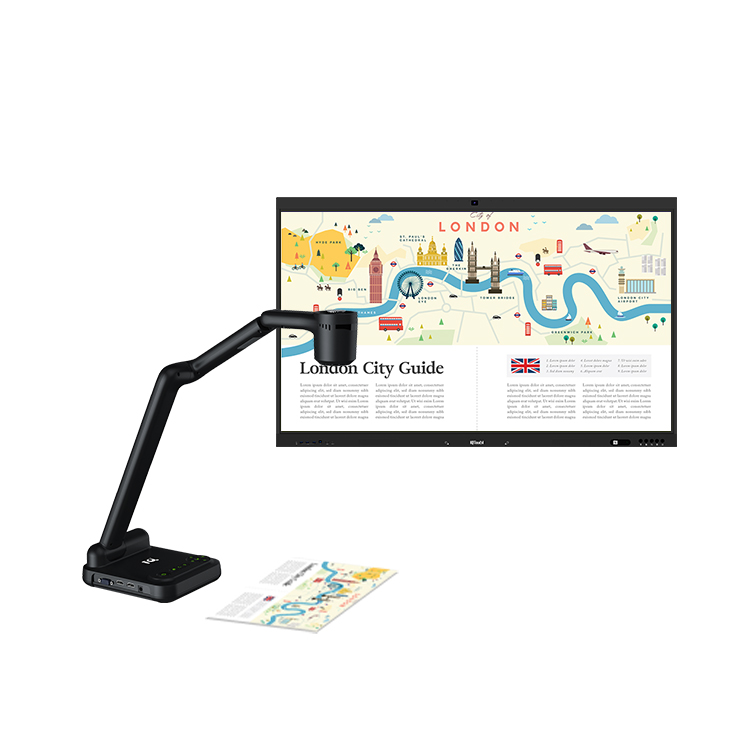
A3 A4 8 Megapixel Scanner Machine Large Document Camera Portable Ocr Document Scanner
Useful at the lectern for textbooks, handouts, handwritten notes and real-time OCR capture during lectures or training.
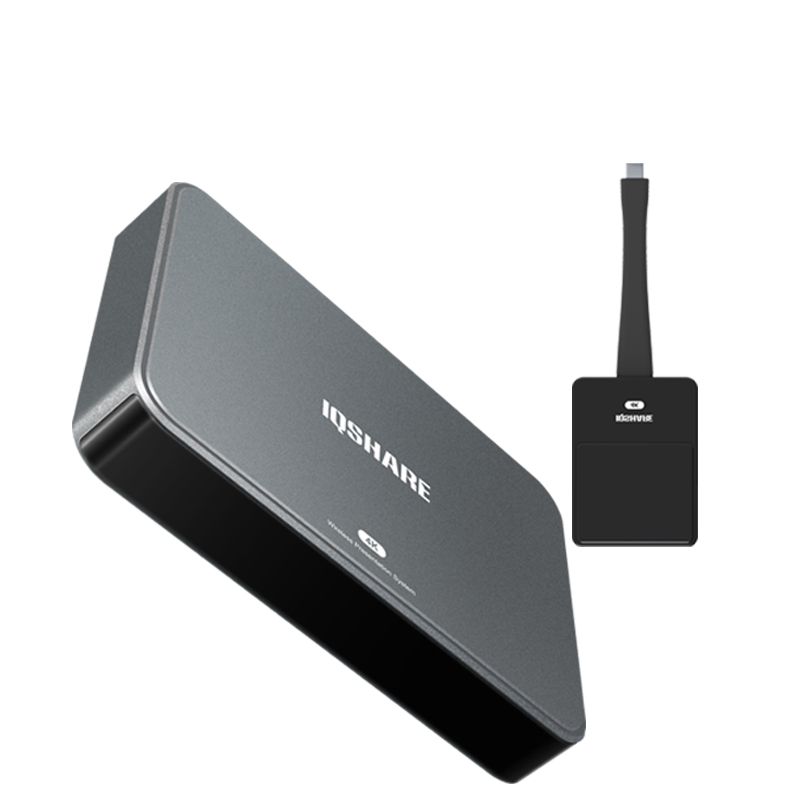
Hdm1 Wireless Transmitter Receiver 1 to 4 Anycast Wireless Screen Sharing Wireless Presentation System
Allows one presenter or four participants to share wirelessly, reducing cable clutter in Japanese meeting rooms and seminar spaces.
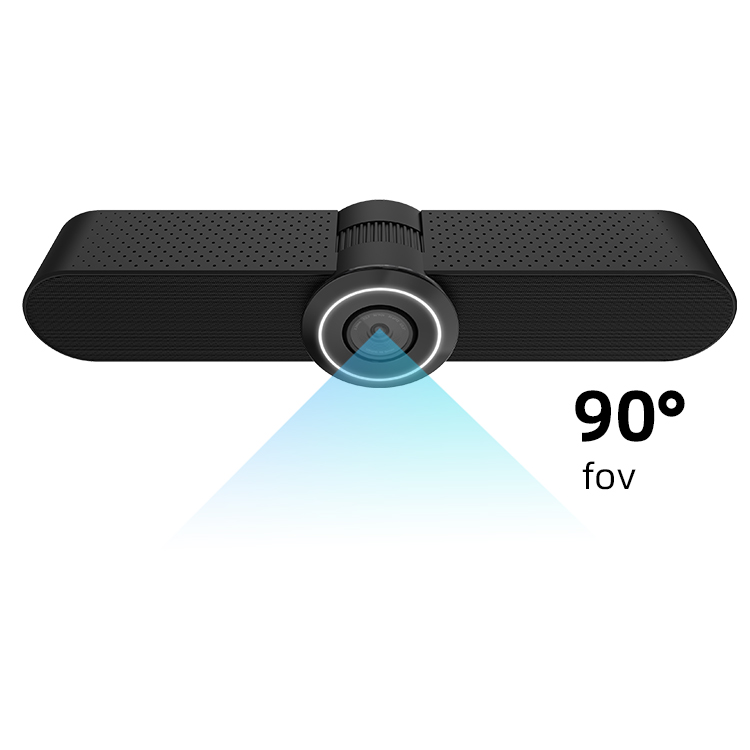
Conference Live AI Camera 4k 1080p 60fps USB Webcam Camera All in One Microphones and Speakers
Combines camera, microphone and speaker for hybrid teaching, remote guest lectures and conference-room video calls.
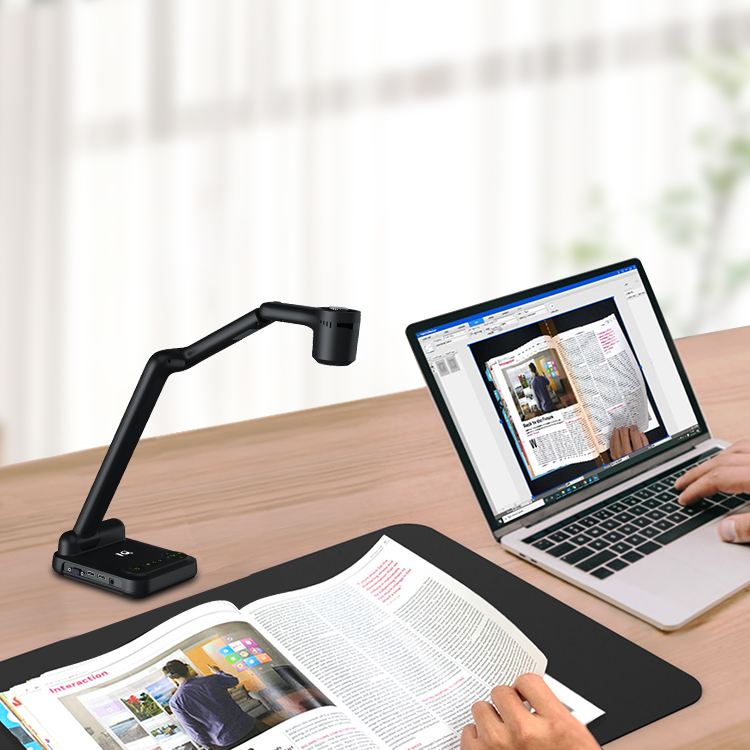
Wholesale 10x Optical Zoom Portable High Definition Live Image Document Camera Ceiling for School
Delivers closer detail for science demonstrations, language teaching, handwriting and small-object projection.
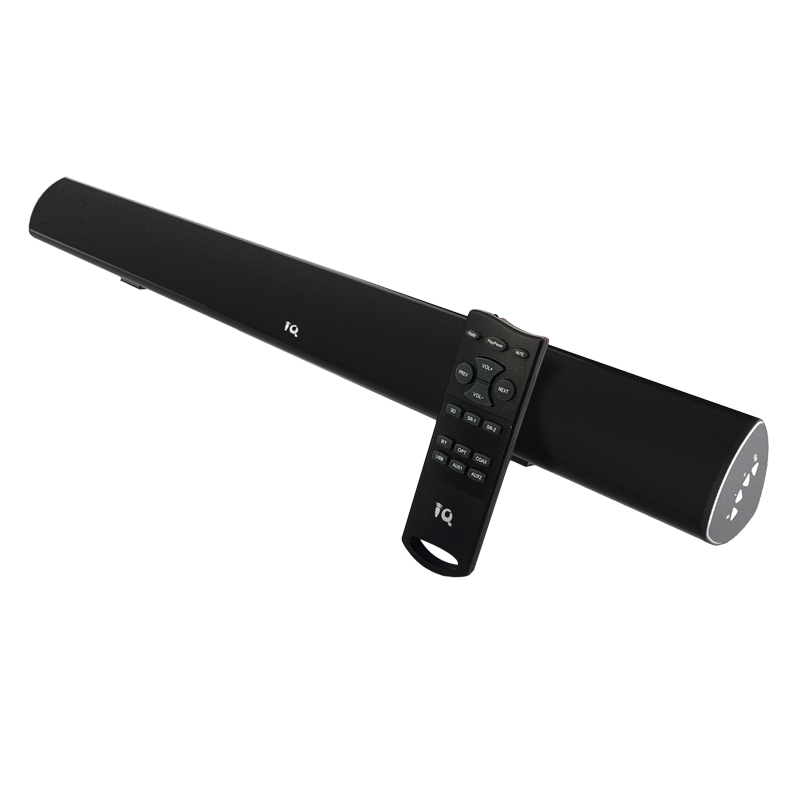
IQSoundbar Wholesale Office Conference Room Audio Sound Bar TV Soundbar with Subwoofer Active Speaker
Upgrades speech clarity and multimedia playback in classrooms, boardrooms and lecture venues where quiet intelligibility matters.
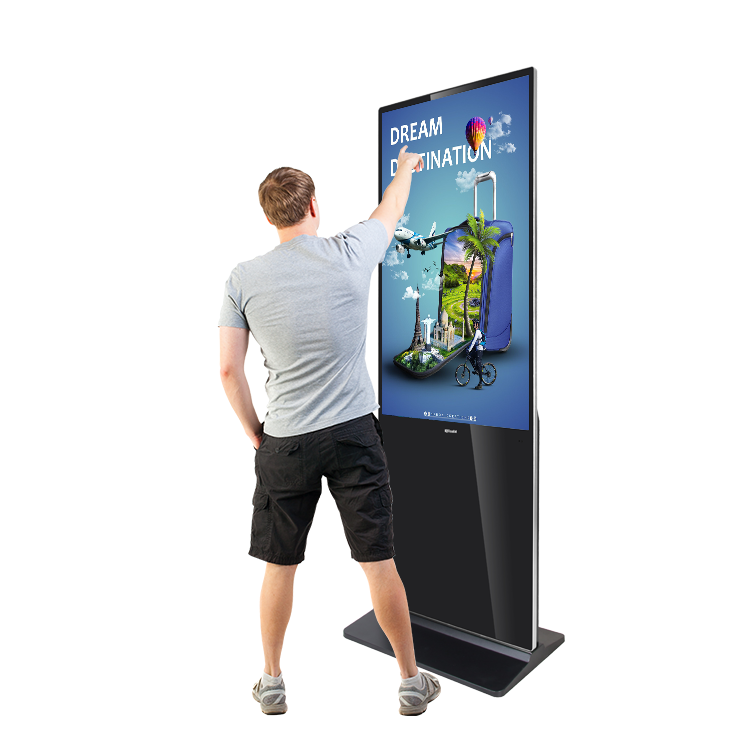
Wholesale 43inch Android Tablet Floor Standing Touch Kiosk for Hotel Bank School
Supports campus wayfinding, event information, reception content and bilingual announcements alongside a digital lectern.
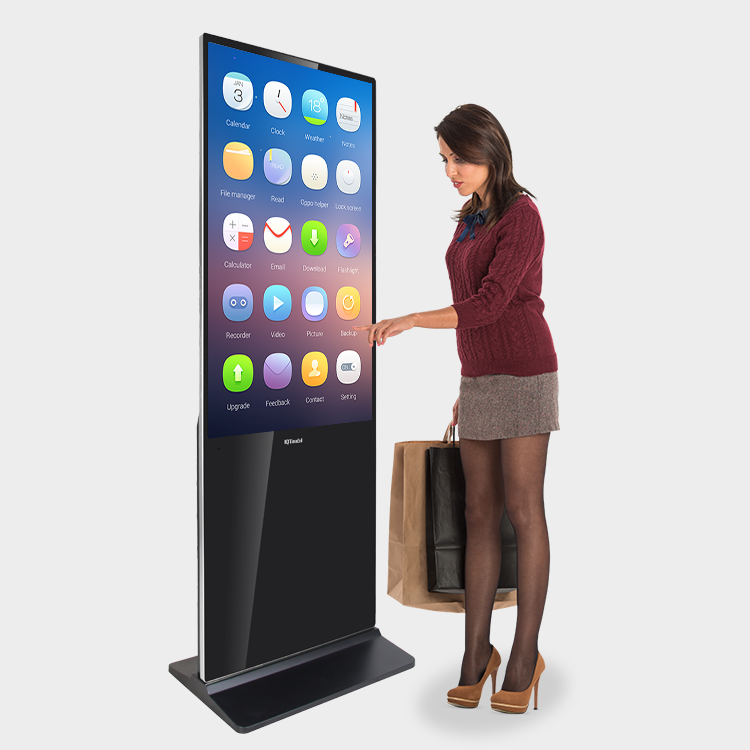
43inch Kiosk Touch Screen Floor Standing Advertising Kiosk Shopping Centre Digital Signage and Displays Outdoor Waterproof
For entrances, courtyards and public-facing zones where information must remain visible and weather-resistant.
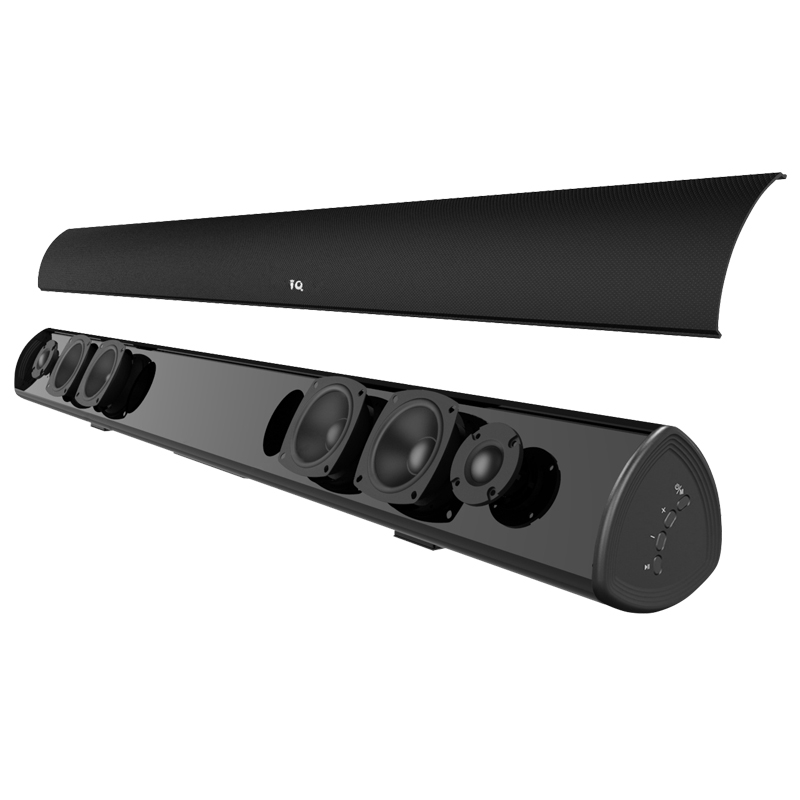
Soundbar for Meeting Room and Classroom Remote Control Speaker
A practical audio upgrade for teachers and presenters who need simple remote-controlled speech reinforcement.
Need help mapping these eight product lines to a Kyoto room schedule or tender?
Contact UsWhy Kyoto Buyers Source Digital Lecterns Directly from Ruyden
Ruyden Interactive Technology Group Co., Ltd. is an SGS onsite-verified manufacturer and exporter of interactive flat panels, interactive whiteboards, lecture capture systems, networked digital podiums and smart classroom AV integration solutions. From a factory base in Fuzhou, Fujian, the company supports education and enterprise buyers who need a coordinated hardware supply rather than a fragmented mix of accessories.
For Kyoto procurement teams, the value is not simply a lectern cabinet. It is a single engineering conversation covering the visible podium, the display, lecture capture camera, wireless presentation, room audio, document camera, touch kiosk and central control. That matters when a university department, international school or systems integrator is trying to reduce compatibility risk across multiple rooms.
- 19 years in the industry, 82 verified staff and more than 10 years of export experience, with SGS onsite verification and publicly viewable trade records.
- OEM / ODM customization for logo, boot screen, housing, packaging, language settings, software pre-installation and hardware configuration.
- In-house SMT, AI insertion, PCB and assembly capability, backed by a reliability test lab for temperature, drop, transport simulation, salt spray, button life, insertion force, static, earth continuity and withstand voltage testing.
Where Digital Lecterns and Smart Podiums Fit in Kyoto
Kyoto is a compact but highly varied education and meeting market. The right configuration for a university lecture hall is different from the right configuration for a language school, a civic hall or a heritage-adjacent seminar venue.
University lecture halls
Kyoto’s university campuses need reliable large-room presentation, lecture recording and remote participation. A networked digital podium with LCD touch screen can control the display, lecture capture camera, audio and room lighting from one point, while a 90–100 inch display and document camera support detailed teaching material.
K-12 and international schools
Teachers need simple operation, quick start-up and low maintenance. A compact digital lectern or portable desktop podium paired with a 65–75 inch interactive panel, classroom soundbar and wireless presentation kit gives a measurable upgrade without overwhelming the teacher workflow.
Conference and training rooms
Business training and hybrid meetings around central Kyoto often require BYOD screen sharing, clear voice pickup and discreet furniture. Combine a smart podium with an AI conference camera, 4K wireless HDMI and soundbar so visiting speakers can connect without technical support.
Cultural and heritage-adjacent venues
Many venues value visual restraint. A furniture-grade lectern with concealed cable management, low-gloss surfaces and quiet operation helps technology blend into the room. Floor-standing kiosks and wall displays can handle wayfinding or event information without visual clutter.
Public-sector and civic halls
Public facilities and civic halls need robust hardware, straightforward controls and dependable after-sales documentation. Remote-control soundbars, sturdy touch kiosks and networked podiums reduce daily training burden for staff who operate multiple rooms.
Language schools and inbound education
Bilingual teaching, OCR document capture and clear audio are especially useful in language-training environments. A document camera at the lectern can display textbooks and handwritten corrections, while a touch kiosk supports Japanese-English wayfinding and class information.
What Kyoto Buyers Are Asking for in 2025–2026
Procurement behavior in Kyoto is shaped by room aesthetics, hybrid teaching, bilingual communication and compliance documentation. These four trends are increasingly visible in RFQs and tender specifications.
Quiet, furniture-grade integration
Digital lecterns are expected to look appropriate in refined interiors. Buyers ask for cable concealment, low-noise operation, matte finishes and control surfaces that do not dominate the room.
Dual-compliance planning
CE support is often requested for international and EU-linked projects, but Kyoto domestic procurement may also require confirming PSE for applicable power supplies, VCCI for EMI and TELEC for wireless modules. Serious suppliers separate these requirements clearly.
Hybrid capture with Japanese UI
Universities and training centers want recording, remote participation and simple Japanese-language operation. Lectern control panels increasingly need to fit existing teacher habits rather than force a new workflow.
Small-batch OEM and lifecycle support
Distributors and integrators value manageable MOQs, replaceable modules, spare parts planning and documentation for long-term campus use. One-off pricing matters less than total lifecycle reliability.
Recommended Digital Lectern Setup by Kyoto Room Type
Use this matrix to align room size, lectern control, display, capture and audio before requesting a quotation. Our engineers can review floor plans and adjust the list for Japanese power, language and compliance requirements.
| Room type | Lectern and control | Display, capture and audio | Recommended add-ons | Kyoto buying notes |
|---|---|---|---|---|
| University lecture hall 80–300 seats |
Networked digital podium with LCD touch screen; AV, light and door control | 90–100 inch interactive display; AI or 360° lecture capture camera; room soundbar | 10x optical zoom document camera; 1-to-4 wireless presentation | Plan for lecture recording, Japanese UI, 100 V / 60 Hz and service access. |
| K-12 classroom 25–45 students |
Compact digital lectern or portable desktop podium | 65–75 inch interactive panel; remote-control classroom soundbar | A3/A4 document camera; wireless screen sharing | Prioritize fast start-up, anti-glare viewing and simple teacher controls. |
| Corporate meeting room 8–30 people |
Smart podium with control panel or wall control | 75–86 inch display; AI conference camera; active soundbar | 4K wireless presentation; USB webcam fallback | Support BYOD, Zoom / Teams / Webex and cable-free presenting. |
| Language school or training center 10–40 people |
Portable digital podium for flexible room layouts | 55–75 inch touch display; soundbar for speech clarity | OCR document camera; touch kiosk for wayfinding | Bilingual content, textbook display and easy handwriting capture. |
| Public information or cultural venue Reception and event zones |
Discreet lectern plus floor-standing kiosk | 43 inch Android touch kiosk; outdoor waterproof signage if needed | Remote-control soundbar; content management planning | Match interior finish, avoid visual noise and confirm outdoor protection. |
Kyoto uses a 100 V / 60 Hz power environment. For EU-linked projects, discuss CE documentation early; for domestic Japan deployment, confirm whether PSE, VCCI or TELEC requirements apply to the exact configuration.
A Digital Lectern Factory Partner Kyoto Integrators Can Verify
Price is only one part of a safe procurement decision. Verification, manufacturing control, customization discipline and export experience reduce the risk of failed installations and slow after-sales response.
SGS onsite-verified supplier
Ruyden has been onsite-verified by SGS Group. The supplier assessment report, credit overview, trade capacity and transaction history are publicly viewable, supporting buyer due diligence.
Full-stack manufacturing
In-house SMT, AI auto-insertion, PCB processing and final assembly help protect custom hardware designs, control quality and respond quickly to engineering changes.
OEM / ODM customization
Design-based customization has been verified by independent third-party inspection. Options include logo, boot animation, housing color, packaging, pre-installed software, language and hardware configuration.
Reliability lab and export packing
High and low temperature, drop, simulated transportation, salt spray, button life, insertion force, static, earth continuity and withstand voltage tests support stable performance in overseas projects.



CE Certified Digital Lectern Compliance, Explained for Kyoto Buyers
CE marking is a European conformity framework. For a Kyoto institution, an international campus or an EU-linked project, CE documentation may be requested alongside Japanese requirements. A responsible factory should clarify the difference before quotation, not after shipment.
For EU-bound projects, Ruyden can support CE-related declarations, technical documentation and applicable EMC / LVD / RoHS documentation for the agreed configuration. For domestic Japanese deployment, the buyer and supplier should confirm whether PSE, VCCI and TELEC requirements apply to the specific power supply, wireless module and product category.
What Kyoto RFQs Should Specify
- Power100 V / 60 Hz operation, plug type, PSU requirement and surge protection.
- LanguageJapanese UI, English fallback, Japanese labels, manuals and training materials.
- CECE declaration and technical file support for EU-linked or international project requirements.
- JapanConfirm PSE, VCCI and TELEC applicability for the exact electrical and wireless configuration.
- InstallationRoom drawings, lectern height, cable routes, display size, camera position and service access.
- After-salesSpare parts list, remote diagnostics plan, packaging protection and delivery address in Kyoto.
Numbers That Support a Safer Sourcing Decision
These figures reflect the supplier profile and manufacturing background behind Ruyden’s education AV and digital lectern ecosystem.
Long-standing experience in interactive display, classroom AV and export projects.
Engineering, production, QC and export service professionals supporting buyer programs.
Export experience across education and enterprise markets with documentation support.
Average score from verified buyer reviews and transaction records on the supplier profile.
Common Questions from Kyoto Buyers
These are the practical questions that appear most often when Kyoto universities, schools, integrators and distributors evaluate a CE-certified digital lectern factory.
Is a CE-certified digital lectern sufficient for a Kyoto school tender?
Not always. CE is primarily a European conformity framework. Japanese domestic procurement may also require PSE for applicable electrical products, VCCI for electromagnetic compatibility and TELEC for wireless devices. Send the tender specification early so the factory can confirm which documents are relevant to the exact digital lectern configuration.
Can you supply 100 V / 60 Hz power and a Japanese interface?
Yes, 100 V / 60 Hz planning and Japanese UI customization can be discussed for Kyoto projects. The final configuration depends on the selected power supply, display, control panel and wireless modules. Buyers should specify plug type, language, labels, manuals and any local compliance needs in the RFQ.
How can Kyoto buyers verify the factory before ordering?
Review the SGS assessment report, credit overview, trade capacity, transaction level and trade history. You can also request a video factory tour, production line photos, test records and sample inspection before mass production. A documented sample approval step is recommended for OEM / ODM lectern projects.
What is the MOQ for OEM digital lectern systems?
MOQ depends on the product mix. Standard products, combined systems and fully customized lectern projects have different thresholds. For a Kyoto university or integrator rollout, share room count, product categories and customization level so the export team can propose a practical batch plan rather than a generic MOQ.
How long is production and delivery to Kyoto?
Lead time depends on configuration complexity, sample approval, component availability and order volume. Delivery to Kyoto is usually coordinated through major Japanese logistics channels, with import documentation prepared according to the agreed terms. Provide target installation dates and room priorities so production can be sequenced properly.
Do you support installation and after-sales in Japan?
Ruyden supports export packaging, technical documentation, remote commissioning guidance and spare parts planning. For on-site installation in Kyoto, the project is typically coordinated with the local integrator or distributor. Clarify the service split before shipment so responsibilities for cabling, mounting, configuration and warranty handling are clear.
Can you provide documents for university or government procurement?
Yes, common support includes company profile, SGS verification records, product specifications, packing details, test reports, CE-related documentation for applicable configurations and OEM statements. For public tenders, send the exact document checklist and submission format so the response matches the procurement rules.
What is the best way to send a Kyoto digital lectern RFQ?
Include room types, seat counts, floor plans, desired lectern style, display size, camera and audio needs, power environment, Japanese UI requirements, compliance target, delivery address and installation timeline. Photos of existing rooms are also useful. This allows the factory to recommend a configuration instead of quoting isolated parts.
Plan a CE-Ready Digital Lectern Rollout for Kyoto
Share your room schedule, seat counts, 100 V / 60 Hz requirements, Japanese UI needs, target compliance and delivery timeline. Our export engineers will recommend a factory configuration that connects the lectern, display, capture, audio and presentation devices properly.
Email: info@ruydentech.com · Factory base: Fuzhou, Fujian, China · Export experience: 10+ years · SGS onsite-verified supplier profile
