China Best Multi Touch Display Factories & Suppliers in San Francisco
A practical 2025 buyer’s whitepaper for San Francisco schools, AV integrators, enterprises and public-sector teams sourcing interactive flat panels, smart podiums, lecture capture, document cameras and outdoor touch kiosks from China.
8 Multi-Touch & Smart Display Products Selected for San Francisco Projects
These eight models cover the most common Bay Area buying scenarios: classrooms, hybrid boardrooms, hotel lobbies, public wayfinding, document capture and outdoor advertising. Each product link is preserved exactly so your team can review specifications, options and customization details.
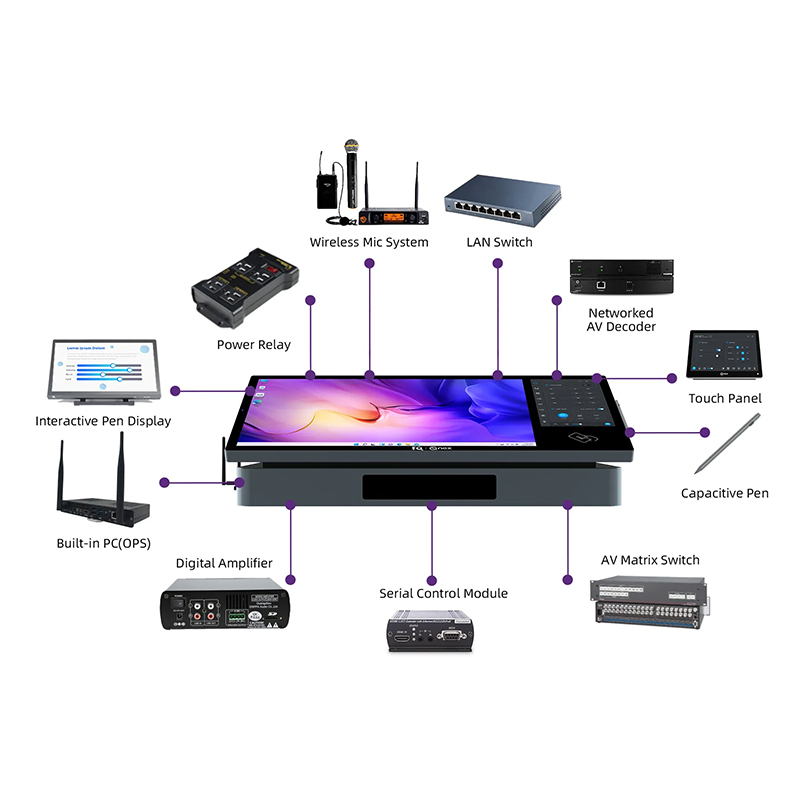
Android System Education Classroom Control Smart Digital Lectern Desktop Digital Podium
A smart digital lectern with Android classroom control for lecture halls, training rooms and hybrid teaching studios. It centralizes display, audio and room devices at the instructor’s fingertips, reducing setup time for visiting faculty and AV technicians.
Classroom Control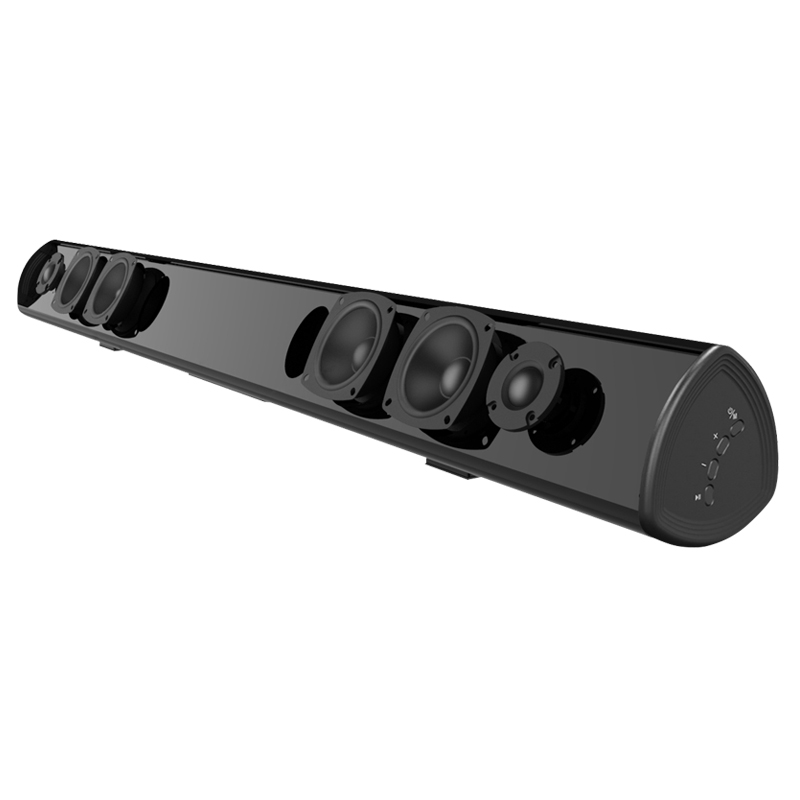
Voice Pick up Soundbar Sound Remote Speaker
A voice-pickup soundbar with remote speaker control for classrooms and conference rooms. Clear speech reproduction and focused voice pickup help San Francisco teams sound natural in glass-walled rooms, high-ceiling lecture spaces and hybrid meeting suites.
Hybrid Audio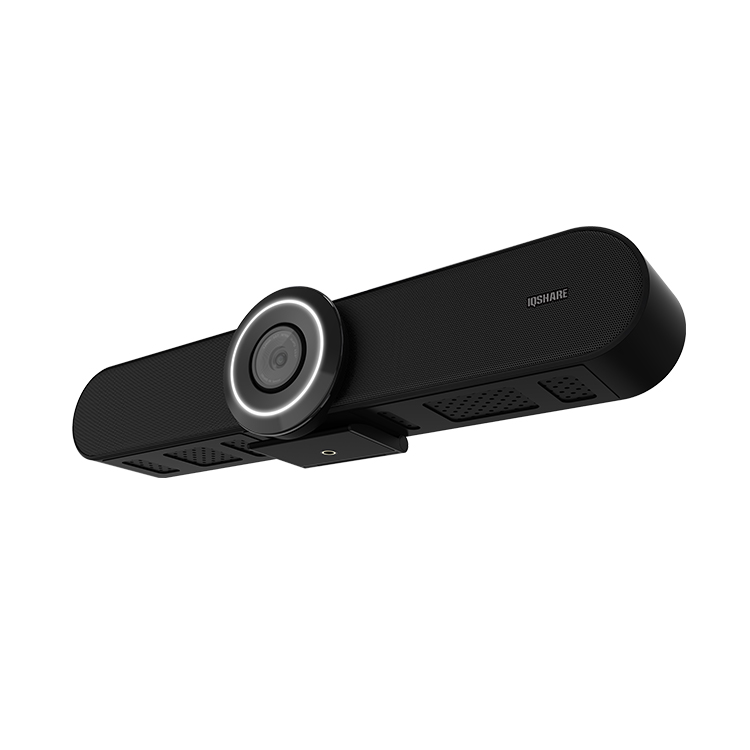
8MP Ultra HD 4K Conference Desktop All in One Webcam Stand Built-in Mic & Speaker for Online Classes Meeting Live Stream
An 8MP 4K all-in-one conference webcam with built-in microphone and speaker. Ideal for huddle rooms, online classes and live streams where a clean tabletop setup, wide field of view and plug-and-play USB connectivity matter.
4K Conferencing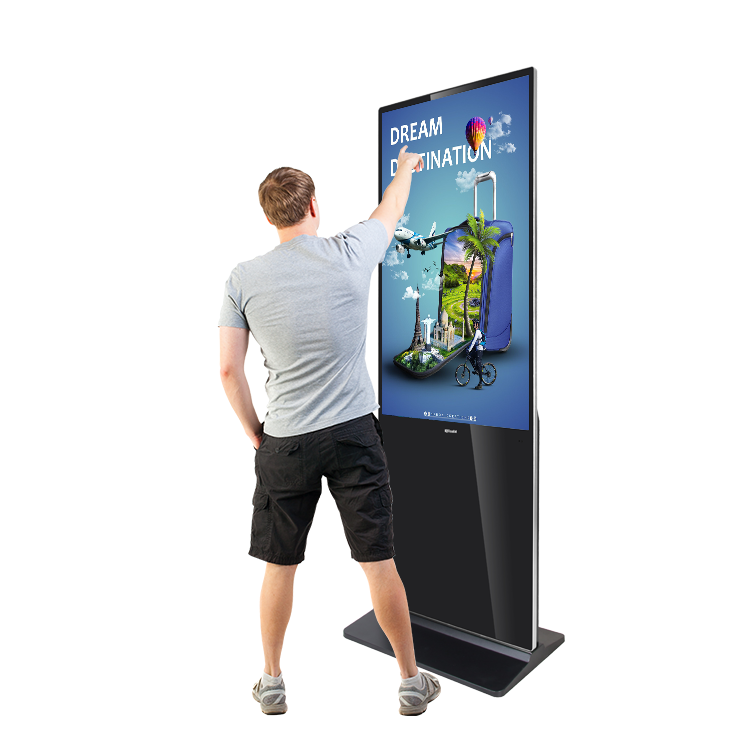
Wholesale 43inch Android Tablet Floor Standing Touch Kiosk for Hotel Bank School
A 43-inch Android floor-standing touch kiosk for hotel lobbies, banks, schools and visitor centers. Use it for wayfinding, self-service check-in, event schedules and interactive brand experiences in high-traffic San Francisco venues.
Touch Wayfinding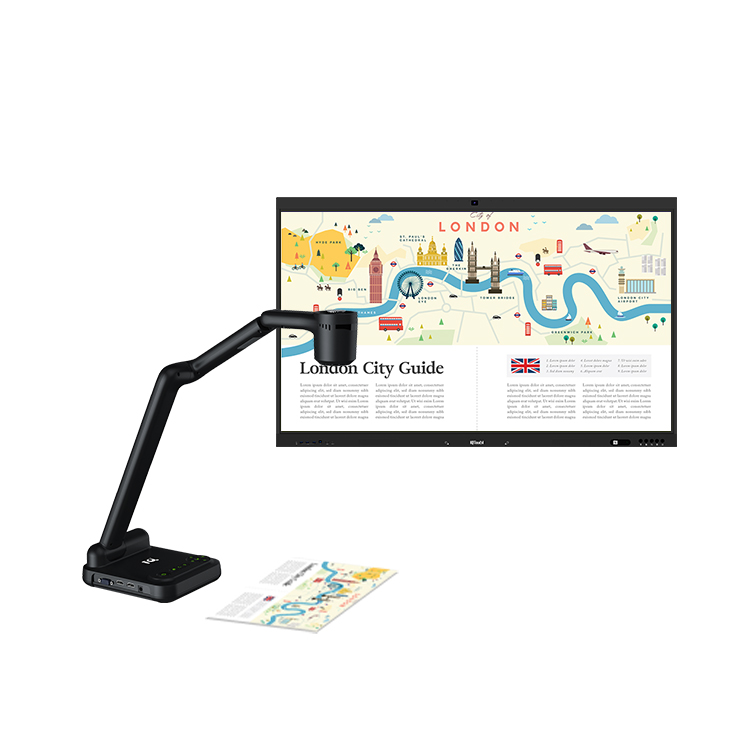
A3 A4 8 Megapixel Scanner Machine Large Document Camera Portable Ocr Document Scanner
A portable A3/A4 document camera and OCR scanner for classroom demonstrations, registration desks, testing centers and remote tutoring. The 8MP sensor captures fine print, diagrams and handwritten notes without complex setup.
Document Capture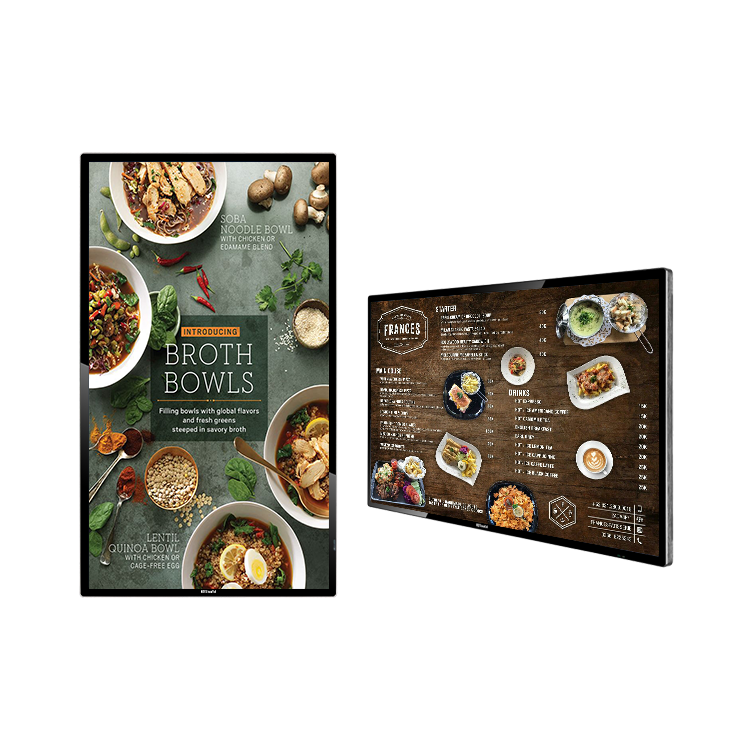
4K Kiosk Touch Screen Digital Signage Outdoor LED LCD Advertising Kiosk for School Hotel Hospitals
A 4K touch-screen outdoor digital signage kiosk for campuses, hospitals, hotels and public venues. The weather-ready enclosure and high-visibility display support clear messaging in bright plazas and mixed indoor-outdoor circulation areas.
Outdoor Signage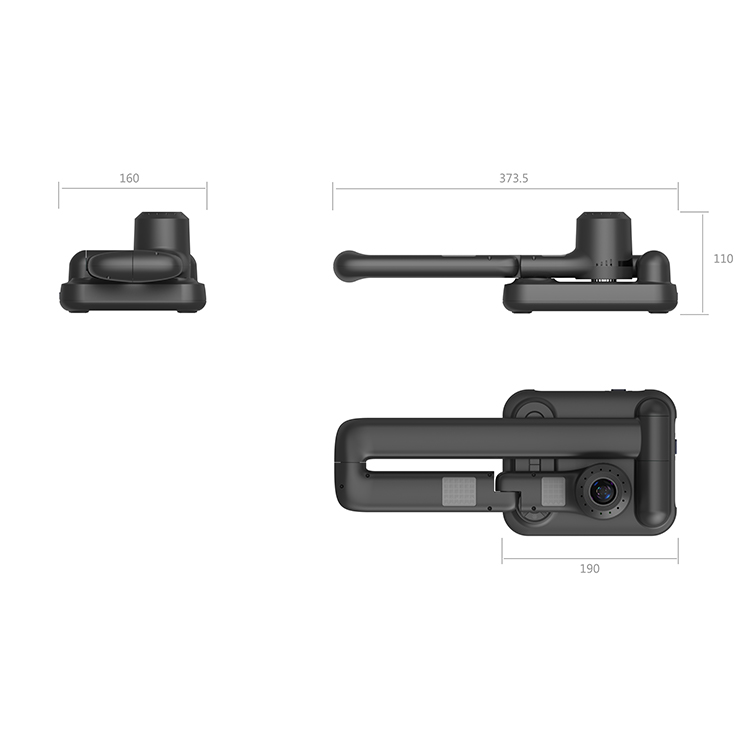
Extra Large Coverage 4k Camera 10x Optical Zoom Foldable Flatbed High Speed A4 Document Scanner Kiosk
A large-coverage 4K document scanner kiosk with 10x optical zoom and a foldable flatbed design. Suited to libraries, admissions offices, service counters and archive digitization where speed, detail and self-service guidance matter.
High-Speed Scanning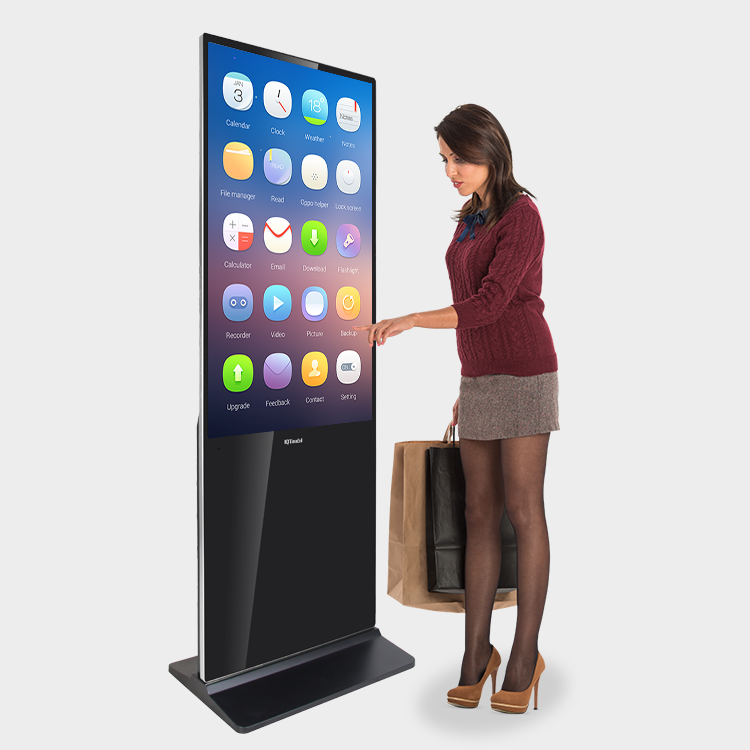
43inch Kiosk Touch Screen Floor Standing Advertising Kiosk Shopping Centre Digital Signage and Displays Outdoor Waterproof
A 43-inch waterproof floor-standing advertising kiosk for shopping centers, sidewalks and building entrances. It combines touch interactivity, digital signage and outdoor reliability for San Francisco’s fog, wind and variable light conditions.
Waterproof KioskNeed a mixed configuration for multiple rooms? Get Catalog
Why San Francisco Buyers Source Multi-Touch Displays From China—and What “Best” Should Mean
San Francisco is one of the most demanding technology markets in the United States. Schools need accessible interfaces, design firms expect pixel-perfect visuals, and enterprises expect hybrid rooms to work on the first attempt. At the same time, buyers are under pressure to control capital budgets, meet sustainability goals and avoid procurement delays. That combination explains why many Bay Area organizations compare direct China factories with local resellers.
For search visitors, there is an important clarification: large multi-touch display factories are rarely located inside San Francisco city limits. Most “San Francisco suppliers” are distributors, AV integrators or importers. A genuine factory relationship offers deeper customization, clearer cost structure and direct access to engineering changes—but only when the manufacturer can prove audit status, production control and export experience.
Ruyden Interactive Technology Group Co., Ltd. operates from the Fuzhou High-tech Zone in Fujian, China, and supports San Francisco projects through export documentation, project coordination and integration partners. Our 19 years in the interactive display industry, SGS onsite verification, in-house SMT, PCB and assembly lines, and 82 verified staff give Bay Area buyers a defensible alternative to anonymous trading companies.
- Factory audit trail before price negotiation, not after deposit
- Model-level compliance file for UL, ETL, FCC, RoHS, REACH and Proposition 65 review where applicable
- Room-by-room display sizing, touch performance and accessory planning
- OEM/ODM customization with export packaging, spare-parts and after-sales workflow
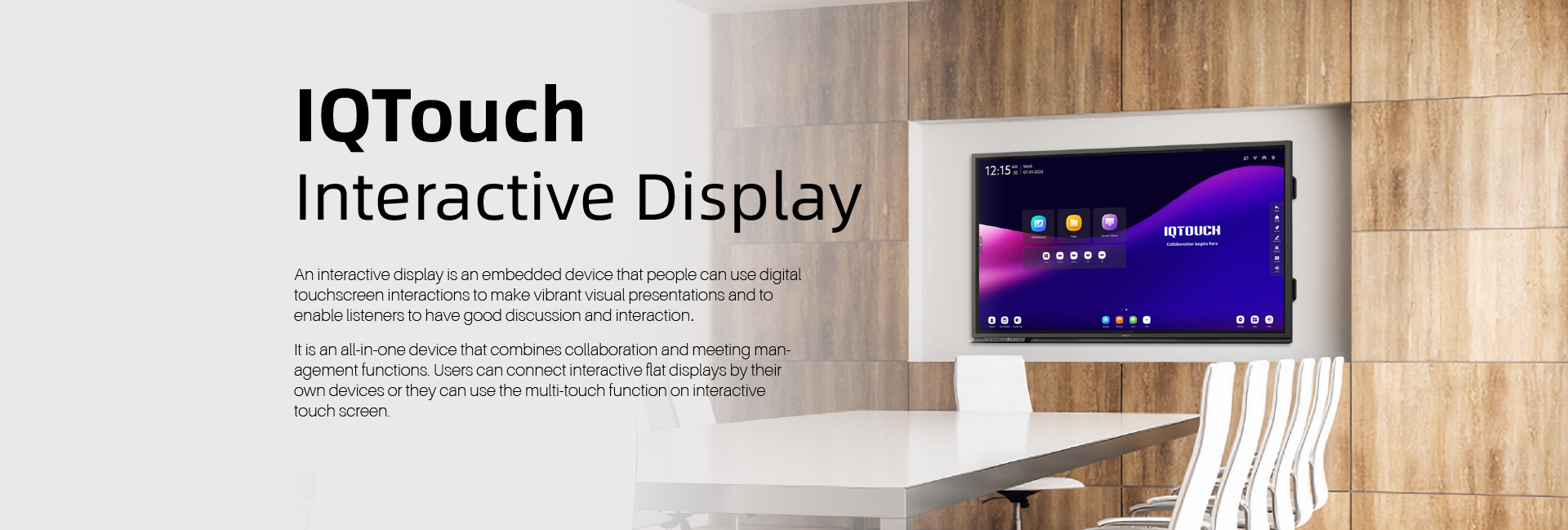
Where Multi-Touch Displays Deliver Value Across San Francisco
Local requirements differ by building type, user group and procurement model. A 75-inch classroom panel, a 100-inch lecture-hall display and a waterproof outdoor kiosk may share touch technology, but they need different brightness, mounting, software and service plans.
K-12 & Charter Schools
Deliver lessons with 65–86 inch panels, ADA-conscious mounting heights and multilingual whiteboard tools. In fog-cooled San Francisco classrooms, brightness, anti-glare glass and touch responsiveness matter more than raw size; teachers need technology that starts quickly and behaves consistently.
Bay Area Universities & Colleges
Lecture halls benefit from 90–100 inch displays, lecture capture, sound reinforcement and digital podiums. Integrate recording, live streaming and room control so faculty can teach in-person and remote students without waiting for an AV operator.
Hybrid Boardrooms in SoMa & Financial District
Glass walls and compact footprints create audio and glare challenges. Pair 4K conference cameras, voice-pickup soundbars and wireless presentation with calibration and a consistent Zoom, Teams or Google Meet room standard across the portfolio.
Healthcare & Life-Science Training
Training rooms and simulation labs need readable imaging, document cameras and easy annotation. Choose quiet or fanless designs where noise matters, and confirm cleaning protocols and surface compatibility before specifying touch screens for clinical education spaces.
Hospitality, Retail & Wayfinding
Hotel lobbies, museums and retail flagships use 43-inch kiosks and outdoor signage to guide guests, promote events and shorten queues. Outdoor models must tolerate fog, wind-driven moisture and variable sunlight while staying readable and responsive.
Civic, Transit & Public Spaces
Public-facing displays need accessibility, tamper resistance and clear emergency messaging. Build in remote monitoring, scheduled content, spare touch glass and a responsive service plan to reduce downtown service friction and avoid extended downtime.
What Is Changing in Bay Area Display Procurement
San Francisco buyers are not simply replacing projectors. They are standardizing collaboration rooms, improving accessibility and extending digital experiences into public spaces. These trends should influence the factory questions you ask and the total cost model you build.
Hybrid-First Room Design
Return-to-office patterns have made every meeting room a potential broadcast studio. Buyers want cameras, microphones, speakers and wireless sharing that work together without a technician. Specify consistent room kits, remote management and clear BYOD instructions.
Outdoor-Ready Digital Signage
San Francisco’s fog, wind and mixed sun conditions expose weak outdoor enclosures. Buyers increasingly request IP-rated kiosks, high-brightness panels, anti-glare glass and service access that works in public sidewalks and plaza environments.
Compliance & Accessibility by Default
Public-sector and enterprise teams now ask for model-level compliance files earlier. Request UL/ETL, FCC, RoHS, REACH and Proposition 65 documentation, plus ADA reach ranges, multilingual interfaces and clear contrast for public terminals.
Total Cost & Circular Lifecycle
Cheap panels become expensive when spare parts, shipping consolidation and downtime are added. Bay Area buyers increasingly compare energy modes, packaging volume, warranty terms, replacement-part availability and end-of-life planning alongside unit price.
How to Compare China Factories Without Getting Lost in Spec Sheets
Most RFQs over-index on panel price and under-index on verification, installation and after-sales. In San Francisco, where labor and room downtime are expensive, a lower unit price can disappear after the first service event. A better approach is to score suppliers against the risks your project actually carries.
Use the illustrative weighting below as a starting point for a Bay Area procurement committee. Adjust it for K-12 tenders, higher-education lecture halls, enterprise boardrooms or outdoor kiosk networks. The goal is not to find the longest spec sheet; it is to find the factory whose evidence, customization and support model match the deployment.
- Ask for the SGS or third-party audit report, not a logo image
- Confirm the exact model configuration and compliance file
- Model total cost with installation, freight, spare parts and downtime
| Evaluation Area | Questions to Ask the Factory | Why It Matters in San Francisco |
|---|---|---|
| Factory proof | Can you provide the latest SGS or third-party onsite audit report, production-line evidence, staff count and export records? | Local claims are easy to make. Verified evidence supports distributor due diligence, tender submissions and enterprise vendor onboarding. |
| Display & touch | What are the resolution, touch points, writing latency, anti-glare treatment, brightness and touch-durability test results? | Glass-walled rooms, daylight and diverse users demand stable touch response and glare control, especially in schools and boardrooms. |
| Compliance file | Can you supply model-level UL/ETL, FCC, RoHS, REACH and Proposition 65 documentation where applicable? | Public-sector and enterprise buyers need documents, not verbal assurances. Model-level files reduce procurement and deployment risk. |
| Accessibility & software | Does the interface support English, Spanish, Cantonese and Mandarin? What ADA mounting guidance do you provide? | Multilingual Bay Area classrooms and public terminals require inclusive design, readable contrast and reachable touch heights. |
| Support & spare parts | What is the RMA process? Which spare parts are stocked? Can you coordinate with a local installer or AV integrator? | Downtime in a lecture hall, clinic or lobby has operational and reputational cost. Spare glass, boards and power modules matter. |
| Total cost & sustainability | How do energy modes, packaging volume, warranty terms, freight consolidation and end-of-life planning affect the landed cost? | San Francisco buyers increasingly report operational and embodied impacts, not just purchase price, to budget owners and sustainability teams. |
Inside the Factory: Evidence That Reduces San Francisco Project Risk
The most useful supplier is not the one with the boldest claim. It is the one that can show what happens from incoming material inspection to final packing. Ruyden controls SMT, auto-insertion, PCB processing and final assembly in-house, then validates products in a dedicated reliability test lab.



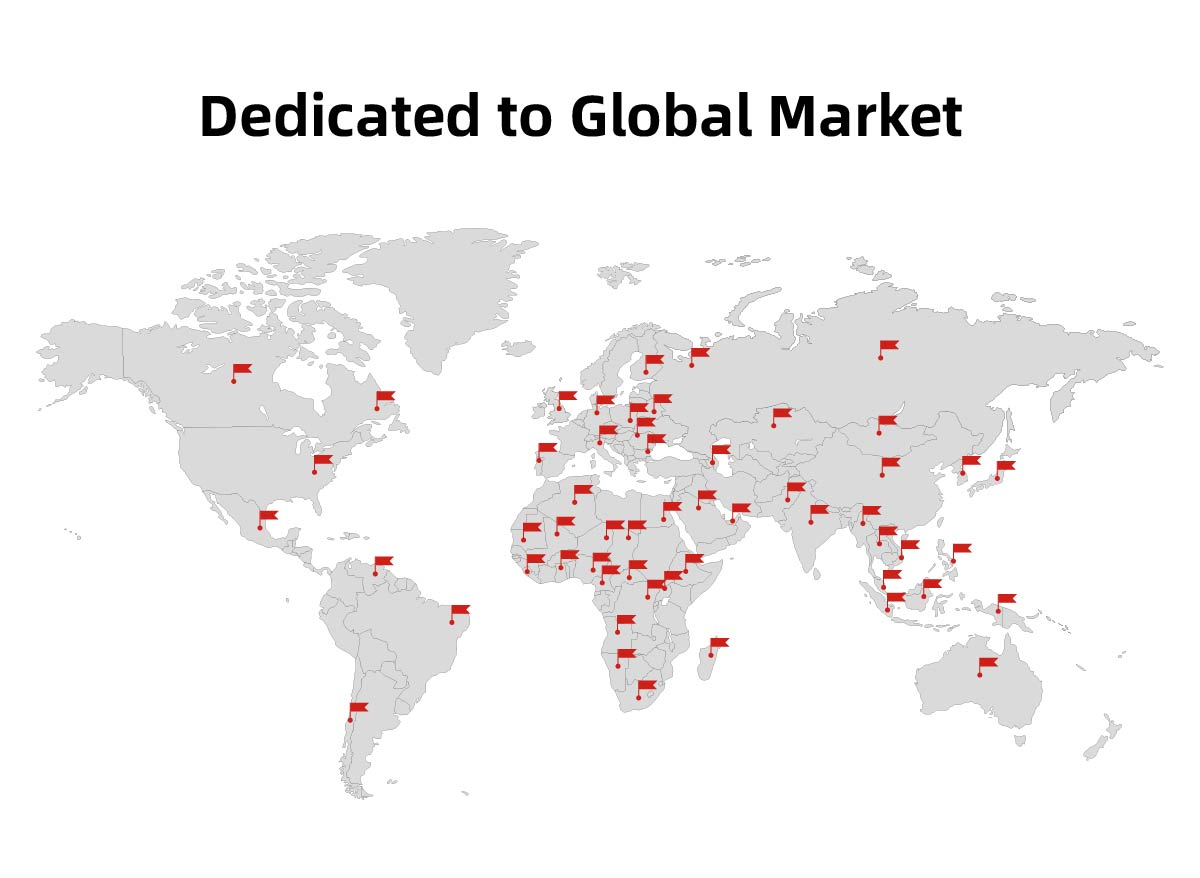
What the audit and test lab actually cover
The internal test lab includes high and low temperature, drop, simulated transportation, salt spray, button life, insertion force, static, earth continuity and withstand voltage testing. For San Francisco, these checks matter for coastal humidity, long shipping routes and high-touch public environments. We also require in-process checks on SMT, PCB, assembly and packaging so quality is built into the process—not inspected only at the end.
Every figure below is drawn from independent third-party inspection or verified platform records, not a marketing estimate. Buyers can request the current SGS assessment report, credit overview, trade capacity, transaction level and trade history before placing an order.
Verified by the latest independent inspection report.
Engineering, production, QC and export professionals.
Long-term verified supplier membership and history.
Average score from verified reviews and transactions.
From San Francisco Requirement to Delivered System: Six Clear Steps
A structured workflow keeps importers, distributors, school districts and AV integrators aligned. The factory can support branding, software pre-installation, packaging and hardware configuration, while local partners handle site access, installation and user training.
Requirement Review
Share room sizes, quantities, target market, network constraints, language requirements and compliance needs.
Solution Design
Engineers propose display sizes, touch configuration, cameras, soundbars, podiums, kiosks and software options.
Sample & Compliance Review
Pre-production samples confirm look, touch feel, software workflow and model-level documentation before deposit.
Mass Production
In-house SMT, PCB and assembly lines build the order with in-process checks and traceable production records.
Testing & Final Inspection
Reliability lab tests, functional inspection and export packing checks reduce damage and DOA risk.
Delivery & After-Sales
Export packing, shipping coordination, spare-parts planning and remote technical support support the San Francisco rollout.
San Francisco Buyer Questions About Multi-Touch Display Factories
Are there real multi-touch display factories located inside San Francisco?
Large-scale display manufacturing is rarely located inside San Francisco city limits. Most local companies are importers, distributors or AV integrators. If a supplier claims to be a factory, ask for the production address, third-party onsite audit, line photos or video, staff count and export records. A verified China factory plus a local integration partner is often the more practical structure for Bay Area projects.
What certifications should San Francisco buyers request?
Request documentation for the exact model and configuration, not the brand generally. Typical items include UL or ETL, FCC, RoHS, REACH and Proposition 65 where applicable, plus energy and packaging information for your sustainability review. Public-sector buyers may also require accessibility statements, warranty terms and a spare-parts list.
Which panel size is best for a 30-person classroom or boardroom?
For a standard 30-person room, 75–86 inch panels are usually the practical starting point, with 90–100 inch displays for deeper lecture spaces. The final decision should consider viewing distance, ceiling height, content type, ADA reach, glare and whether the display must be visible during hybrid meetings. A factory engineer can review your floor plan before you issue a PO.
Can Ruyden customize logo, boot screen, packaging and software?
Yes. Design-based customization has been verified by an independent third-party inspection. Common options include logo and boot screen, housing color, packaging, language settings, pre-installed software and hardware configuration. Final feasibility depends on the model, order quantity and certification impact; request a written configuration sheet before mass production.
How do you handle shipping to San Francisco and installation?
We support export packing, shipping coordination and documentation from China. Installation is typically handled by the buyer’s local AV integrator or facilities team, with remote technical support from our export engineering team. For multi-site rollouts, we recommend a pre-deployment checklist covering power, network, mounting height, cable pathways and spare parts before the first site goes live.
What is the typical lead time and MOQ?
Lead time depends on model mix, customization, compliance review and order volume. Standard samples and small trial orders usually move faster than fully customized OEM production. Share your required delivery window, target quantity and customization level before quotation so the factory can confirm material readiness, production slots and the most cost-effective shipping plan.
Should we choose interactive flat panels or a narrow-pixel LED video wall?
Interactive flat panels are better for writing, annotation, touch collaboration and all-in-one installation in classrooms and meeting rooms. LED video walls suit very large venues and public visual impact but usually require more space, power, control hardware and service access. If the room prioritizes teacher-student interaction, a multi-touch display is usually the simpler operational choice.
Planning a Classroom, Boardroom or Outdoor Kiosk Rollout?
Send your room schedule, target display sizes, compliance requirements and installation timeline. Our export engineers will return a focused configuration with recommended models, spare-parts options, packaging notes and export lead times.
Email: info@ruydentech.com
Ruyden Interactive Technology Group Co., Ltd. · Building 6, Innovation Park Phase I, No. 3 Keji East Road, Shangjie Town, High-tech Zone, Fuzhou, Fujian, China
Direct factory. SGS-verified. OEM/ODM ready. San Francisco project support.
