Presentation Products Selected for Louisville Classrooms, Boardrooms & Training Facilities
In real Louisville procurement, the phrase “presentation software manufacturers” often describes a blended purchase: annotation software, lecture capture, device control and interactive display firmware delivered with the hardware. These eight product families give buyers a practical starting point for a pilot room, a multi-campus refresh or a distributor catalogue.
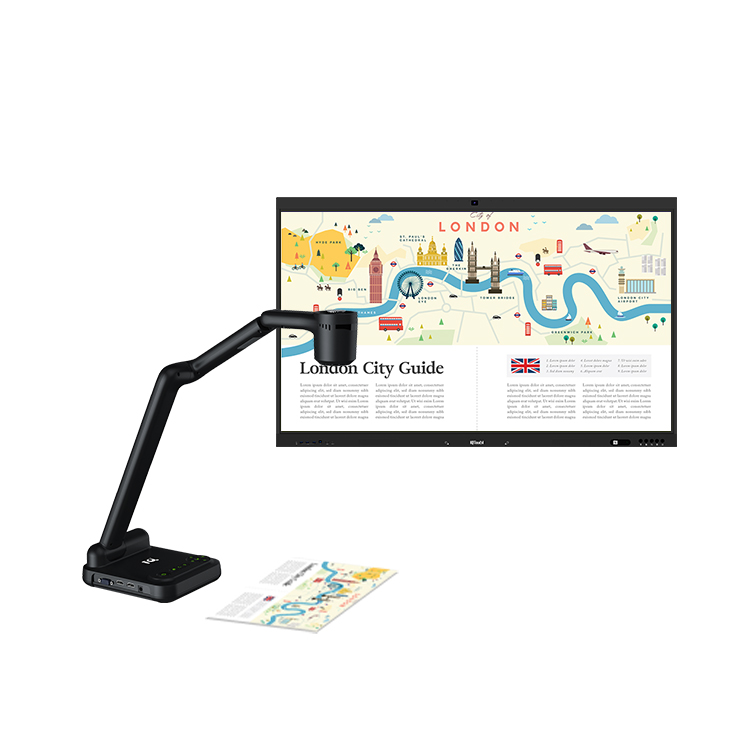
A3 A4 8 Megapixel Scanner Machine Large Document Camera Portable Ocr Document Scanner
An 8MP A3/A4 document camera for object demonstrations, textbook close-ups, OCR-assisted digital capture and remote tutoring. Useful for elementary classrooms, libraries and hybrid lesson recording.
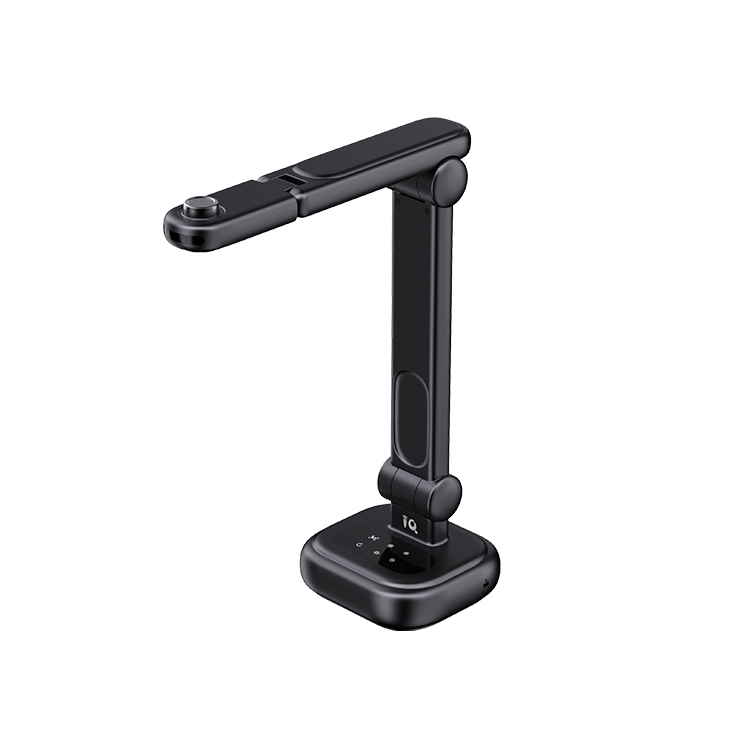
4K Video Output and Real-time Annotation Capabilities Document Camera Portable Visualizer with Auto Focus
4K output, auto focus and live annotation support lecture capture, healthcare training, design review and science demonstrations where detail must remain readable on large displays and recordings.
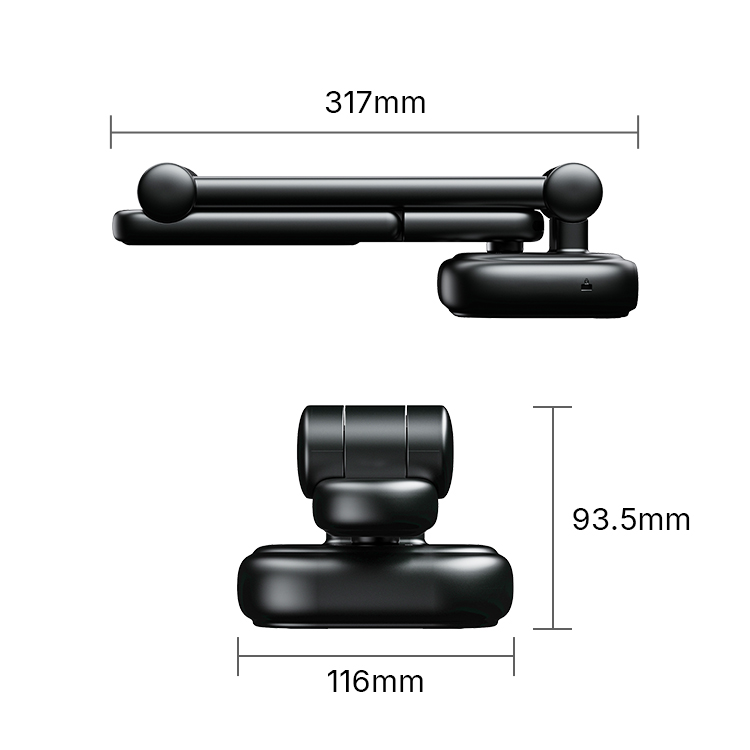
55x Digital Zoom Built in Mic Real-time Annotation Capabilities Document Cameras or Visualizers with High Capture
A higher-zoom visualizer with built-in microphone for tiered lecture rooms, detailed demonstrations and spaces where the presenter cannot stand beside the display. Helpful for anatomy, engineering and quality training.
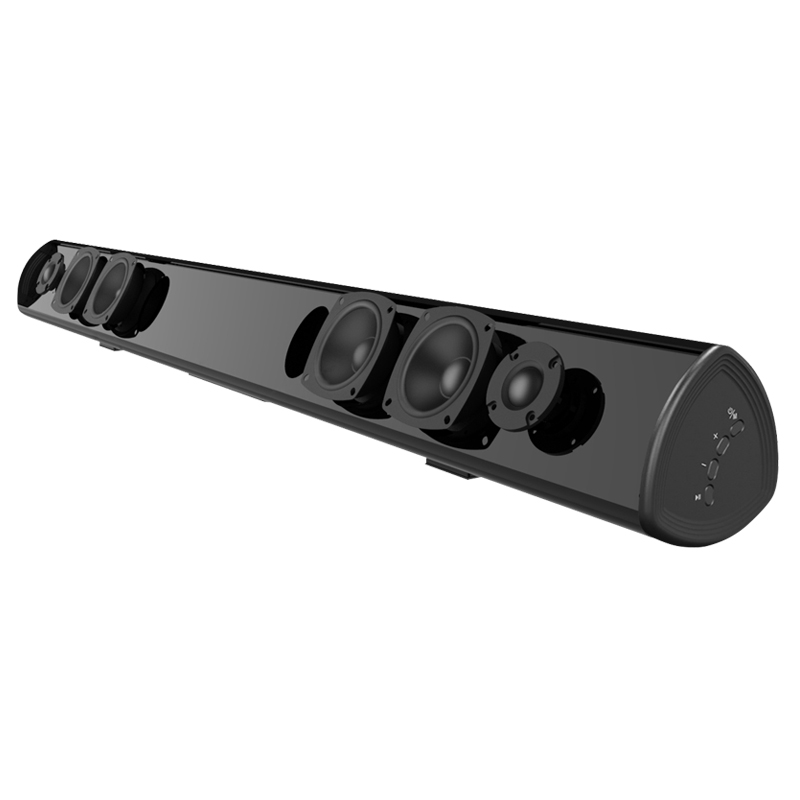
Voice Pick up Soundbar Sound Remote Speaker
Voice pick-up soundbar and remote speaker for rooms where speech intelligibility matters as much as screen quality. A sensible add-on for hybrid classrooms, healthcare conference rooms and corporate huddle spaces.
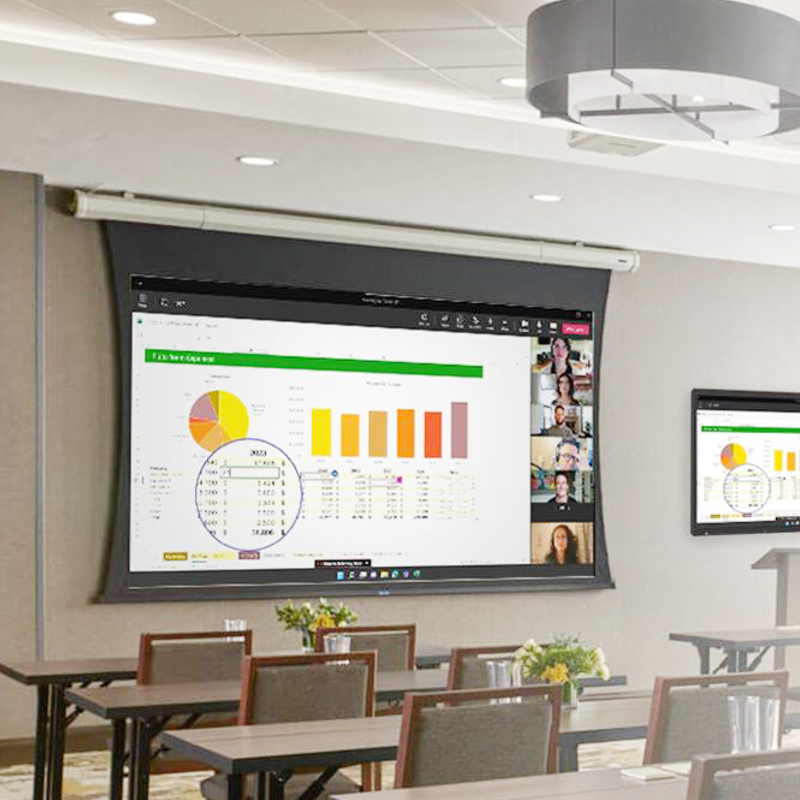
Multi-functional Teaching Android and Windows OPS System Interactive Flat Panel Smart Board Price for School Teaching
Android and Windows OPS interactive flat panel platform for active learning, whiteboard annotation, screen sharing and campus AV standardization. A core choice for K-12 classrooms and university seminar rooms.
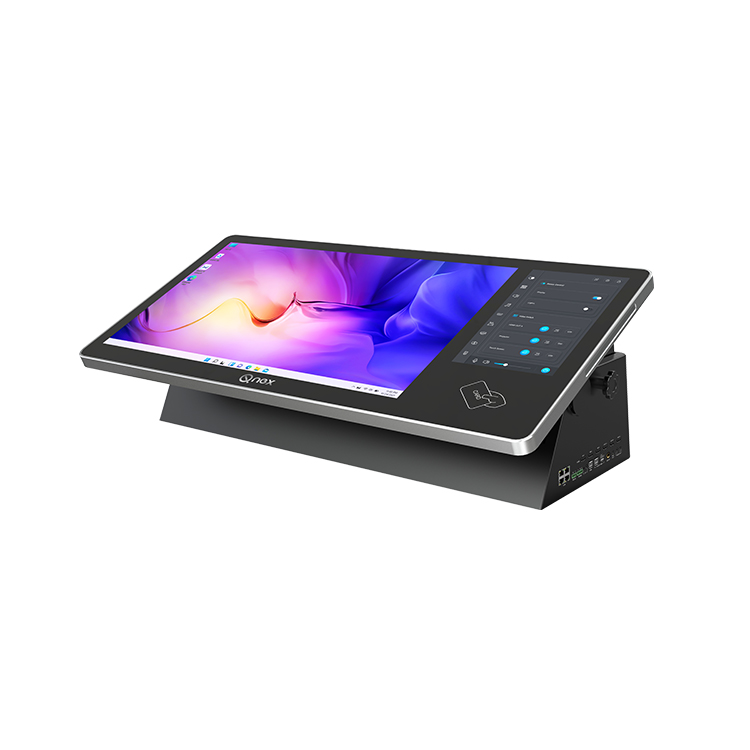
China Supplier Educational Equipment Customizable Integrated Multifunctional Desktop Digital Podium Factories
A customizable integrated desktop digital podium that centralizes display control, audio routing and teaching devices. Useful where Louisville buyers need a cleaner lectern, fewer cable faults and OEM branding.
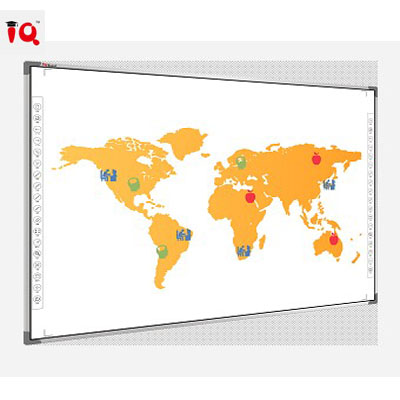
School Board Class Board IQBoard IR 82" 2 Points Touch 2 Users Interactive Whiteboard for School
An 82-inch, two-point touch, two-user interactive whiteboard for collaborative teaching and value-focused classroom refreshes. A practical fit for schools that want a proven board format with clear multitouch use cases.
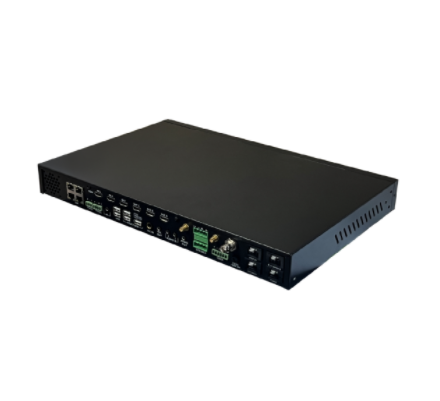
QNex Networked Media Processor for Digital Podium
A networked media processor for digital podiums and managed classrooms, supporting a more centralized approach to AV control, media routing and campus-scale teaching standards.
Product URLs and catalogue image paths are preserved from the original manufacturer listing. For mixed containers, pilot carts, distributor pricing or a Louisville room-by-room configuration, start with a documented requirement set rather than a single SKU price.
Why Louisville Buyers Are Treating Presentation Technology as Core Infrastructure
Louisville sits at the intersection of education, healthcare, logistics and advanced manufacturing. That mix creates a specific buying pattern: rooms must support in-person teaching and remote participation, while procurement teams demand evidence, serviceability and a clear total cost of ownership.
From “a screen on the wall” to a managed presentation stack
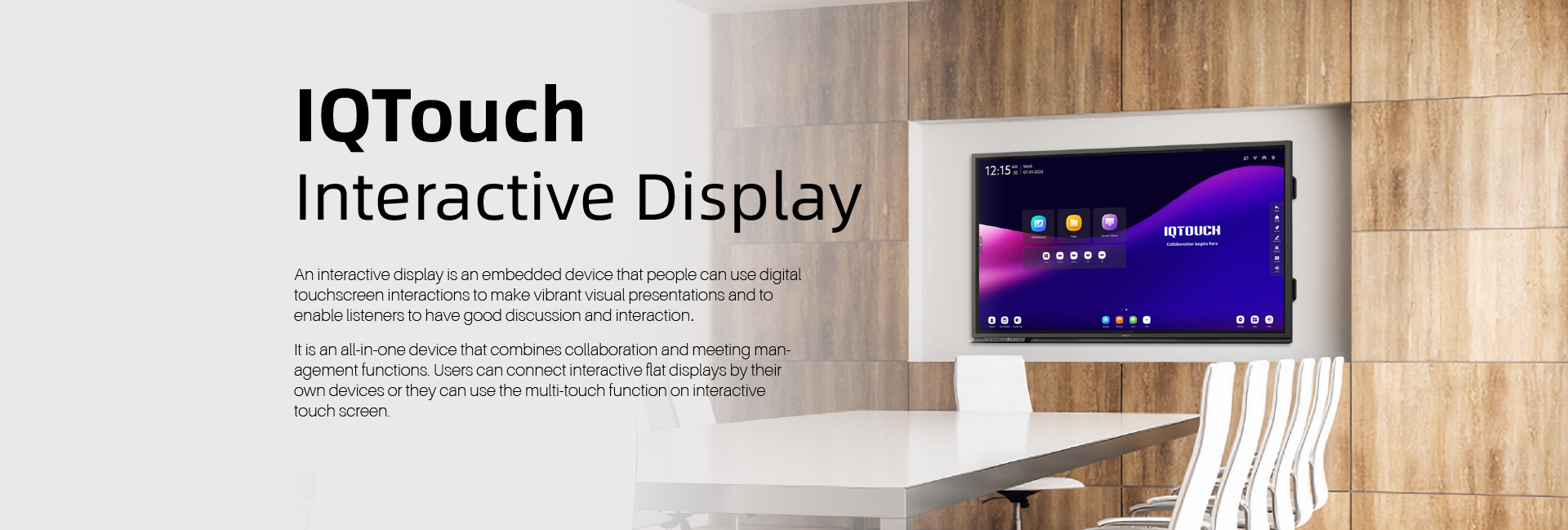
For a Louisville school district, university department, healthcare simulation lab or corporate training center, presentation technology is no longer a single display purchase. It is a connected stack: interactive flat panel firmware, annotation software, document camera capture, lecture recording, wireless presentation, digital podium control and centralized AV management. A weak link in that chain creates daily friction for teachers, clinicians and presenters.
This is where a factory-direct manufacturer and wholesaler can add value beyond unit price. Ruyden Interactive Technology Group Co., Ltd. — an SGS onsite-verified manufacturer based in Fuzhou, Fujian, China — builds interactive displays, interactive whiteboards, lecture capture systems and networked digital podiums around a shared engineering and quality approach. For Louisville buyers, that means the presentation software experience and the hardware can be specified together, tested together and supported with one commercial and technical conversation.
Search demand around “China top presentation software manufacturers & wholesaler serving the Louisville market” usually comes from serious intent: distributor onboarding, tender preparation, pilot classroom planning or replacement of fragmented AV purchases. The most useful response is not a generic catalogue; it is a documented path from room requirements to sample approval, compliance review, factory testing and delivery to Louisville.
Education & Workforce
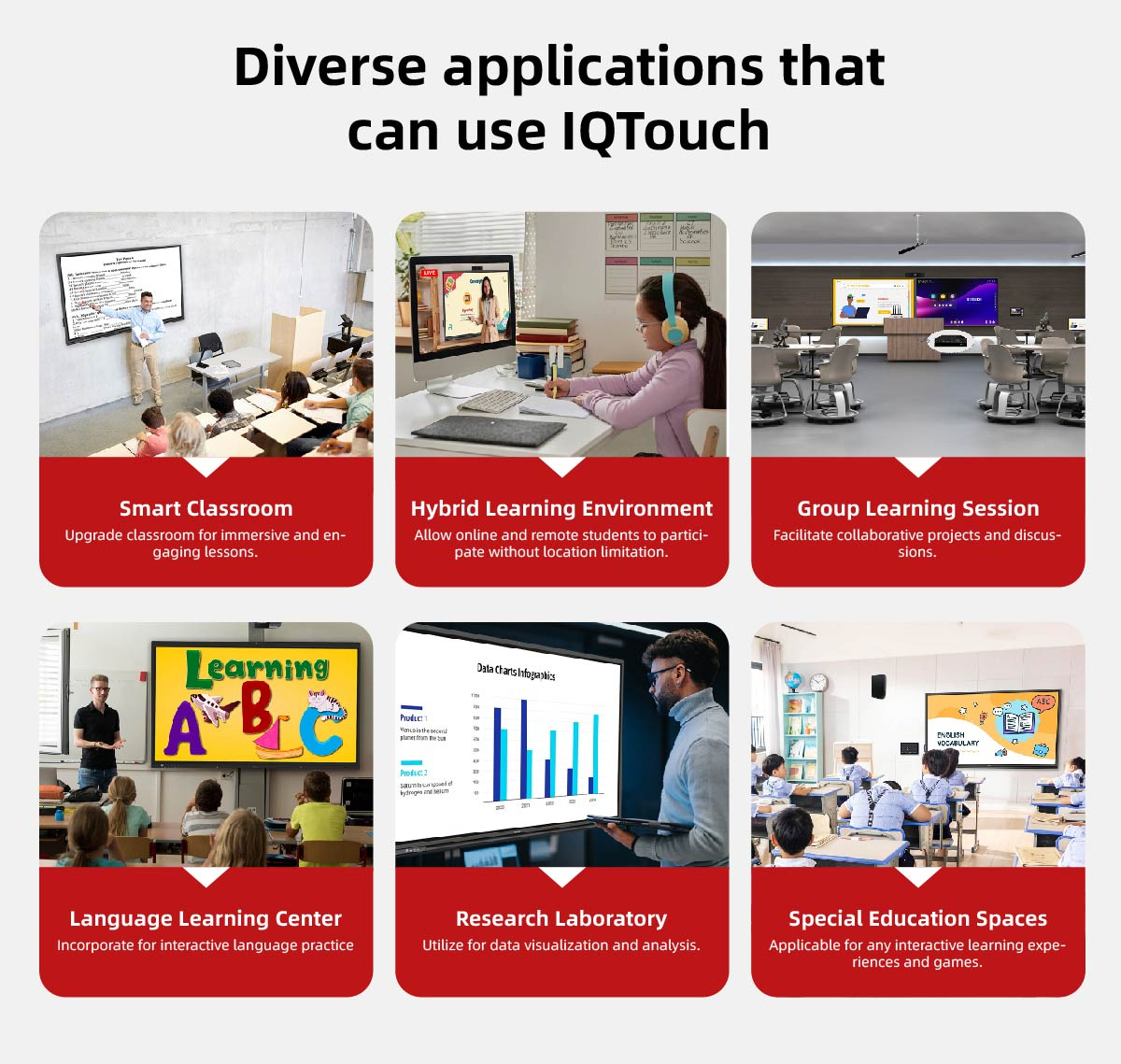
K-12, higher education and career training need intuitive touch, readable annotation and capture that works without a dedicated AV operator.
Enterprise & Healthcare
Meeting rooms, simulation labs and conference spaces need reliable 4K visualizers, clear audio and network-ready control interfaces.
Logistics & Manufacturing
Training rooms and process review spaces benefit from document cameras, smart podiums, soundbars and centralized media processing.
Six Presentation Trends Influencing Louisville Procurement Decisions
The strongest proposals map product features to local operating realities: mixed in-person and remote audiences, limited technician time, varied room sizes and the need to document value to finance and IT stakeholders.
Hybrid teaching and lecture capture
Louisville universities and K-12 programs increasingly expect classrooms to record demonstrations, document camera content and annotation. A 4K visualizer paired with an interactive display creates a clearer remote experience than a webcam pointed at a whiteboard.
Active learning and multi-user touch
Small-group work, peer instruction and student-led presentations favor responsive touch panels and two-user whiteboard formats. Buyers should specify touch points, pen behavior, and software shortcuts rather than relying on size alone.
4K wireless presentation and BYOD
Mobile devices and cloud collaboration make cable-free sharing a practical requirement. Wireless presentation systems should be tested with the organization’s laptop mix, network policy and guest access rules.
Networked podiums and central control
Louisville facilities teams want fewer standalone remotes. Networked media processors and integrated digital podiums can consolidate display, source and audio control, but must align with campus IT and AV standards.
Healthcare simulation and detail capture
Simulation labs, nursing programs and clinical training rooms need close-up visualizers, clear voice pickup and reliable recording. Image clarity and repeatable setup matter more than entertainment-style features.
Industrial training and digital signage
Logistics and manufacturing employers use presentation screens for onboarding, safety training and process review. Durable interactive displays and document cameras help turn physical examples into teachable digital content.
Where These Presentation Products Fit in the Louisville Market
Use these localized scenarios to move from a broad product search to a room-specific shortlist. A configuration that works in a small tutoring room may not meet the viewing distance, audio or capture needs of a lecture hall or simulation lab.
K-12 classrooms and media centers
An 82-inch interactive whiteboard, 8MP document camera and soundbar create a practical teaching cluster for demonstration, annotation and remote lesson sharing. For Jefferson County-area schools, the key is simple teacher workflow and predictable maintenance.
University lecture halls and seminar rooms
90–100 inch interactive displays, 4K visualizers, QNex media processing and networked podiums support larger audiences, recorded lectures and faculty who move between rooms.
Healthcare training and simulation
4K document cameras, directional voice pickup and annotation-friendly displays help instructors show fine detail while keeping remote participants engaged. Confirm privacy, network and recording policies early.
Corporate boardrooms and huddle rooms
Wireless presentation, soundbars, 55–75 inch panels and USB visualizers support hybrid meetings in downtown Louisville, East End business parks and distributed office suites.
Logistics and manufacturing training rooms
Document cameras and durable displays make it easier to demonstrate parts, labels, packaging or safety procedures. Choose products that tolerate frequent use and can be serviced without specialized tools.
Public-sector and community spaces
Smart podiums, networked media processors and soundbars fit training centers, public meeting rooms and community learning spaces where staff need a consistent, low-friction control experience.
Right-Size the Room Before You Request Louisville Pricing
The most common sourcing error is selecting a display by budget instead of viewing distance. Use the practical 6× screen-height rule as a starting point, then confirm with a room survey, ceiling height, lighting and the actual teaching position.
| Typical Louisville Space | Display Starting Point | Recommended Presentation Stack | Why It Fits |
|---|---|---|---|
| Huddle / tutoring room | 55" | 8MP document camera + soundbar | Close viewing distance, quick setup and simple one-to-one or small-group sharing. |
| Small classroom or meeting room | 65" | 4K visualizer + wireless presentation | Supports BYOD meetings and close-up demonstration without overbuilding the room. |
| Standard K-12 classroom | 75" or 82" | Document camera + soundbar + interactive whiteboard | Balances readability, touch collaboration and teacher familiarity. |
| Large classroom or training room | 85" / 86" | 4K visualizer + digital podium + soundbar | Maintains detail for back-row viewers and centralizes source control. |
| Seminar room or small lecture hall | 90" | 55x zoom visualizer + QNex media processor + networked podium | Supports detailed demonstration, recording and centralized AV operation. |
| Lecture hall or auditorium | 100" | QNex processor + lecture capture + smart podium + 4K visualizer | Creates a scalable teaching and recording architecture for large audiences. |
Distances are planning guidelines, not a substitute for a room survey. For Louisville bids, confirm 120V/60Hz power, outlet locations, network drops, mounting height, ADA sightlines, audio coverage and the service access path before finalizing products.
What Louisville Buyers Can Verify Before Committing to a China Supplier
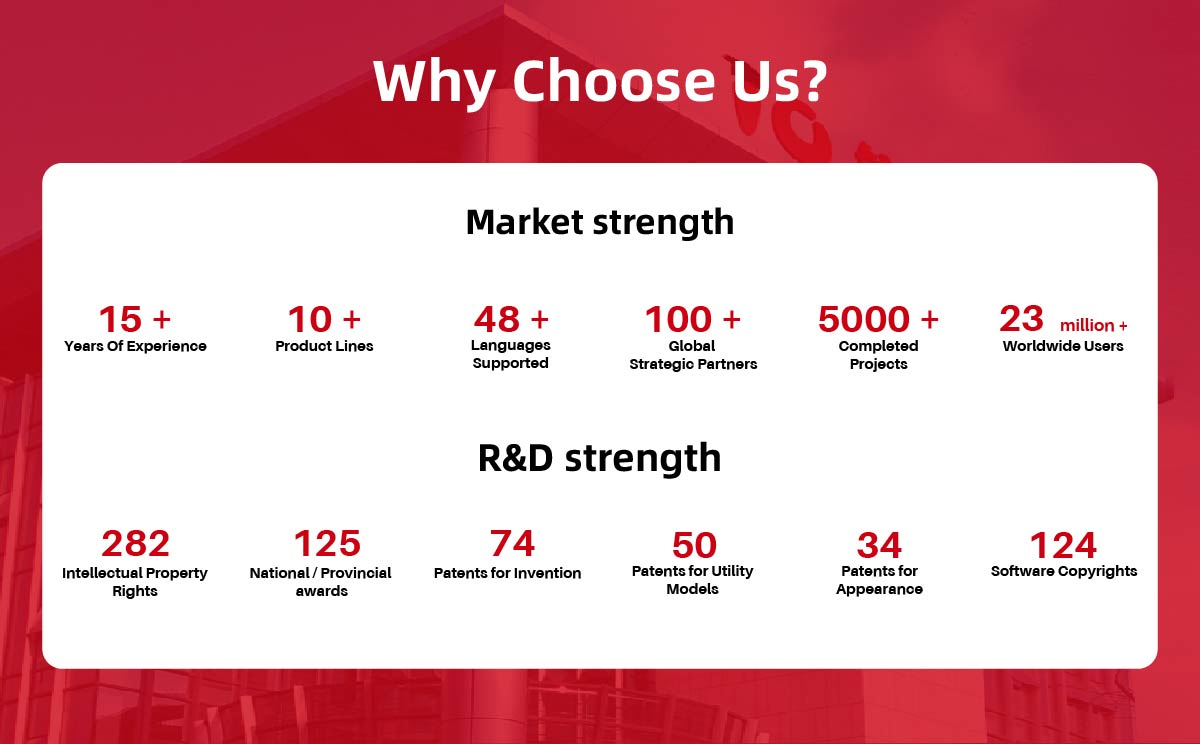
Trust is not a slogan in a tender response. It is a set of records, factory capabilities and testing routines that a buyer can inspect. Ruyden’s public profile includes SGS onsite verification, trade capacity, transaction level, trade history and buyer feedback, supported by in-house manufacturing evidence.
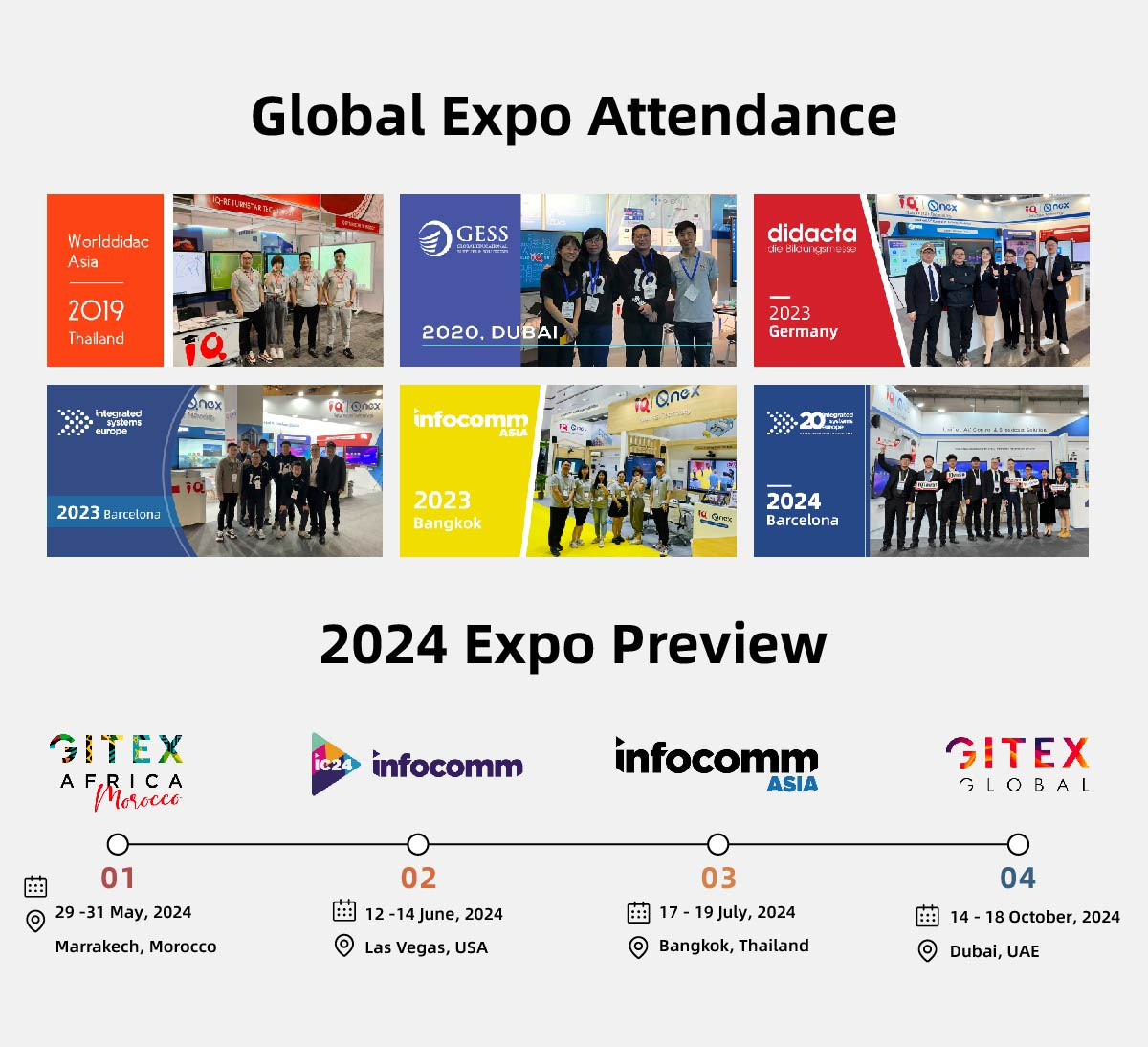
SGS Onsite Assessment
Independent third-party factory verification supports distributor onboarding and procurement due diligence.

In-House Manufacturing
SMT, auto-insertion, PCB processing and assembly are controlled under one manufacturing organization.
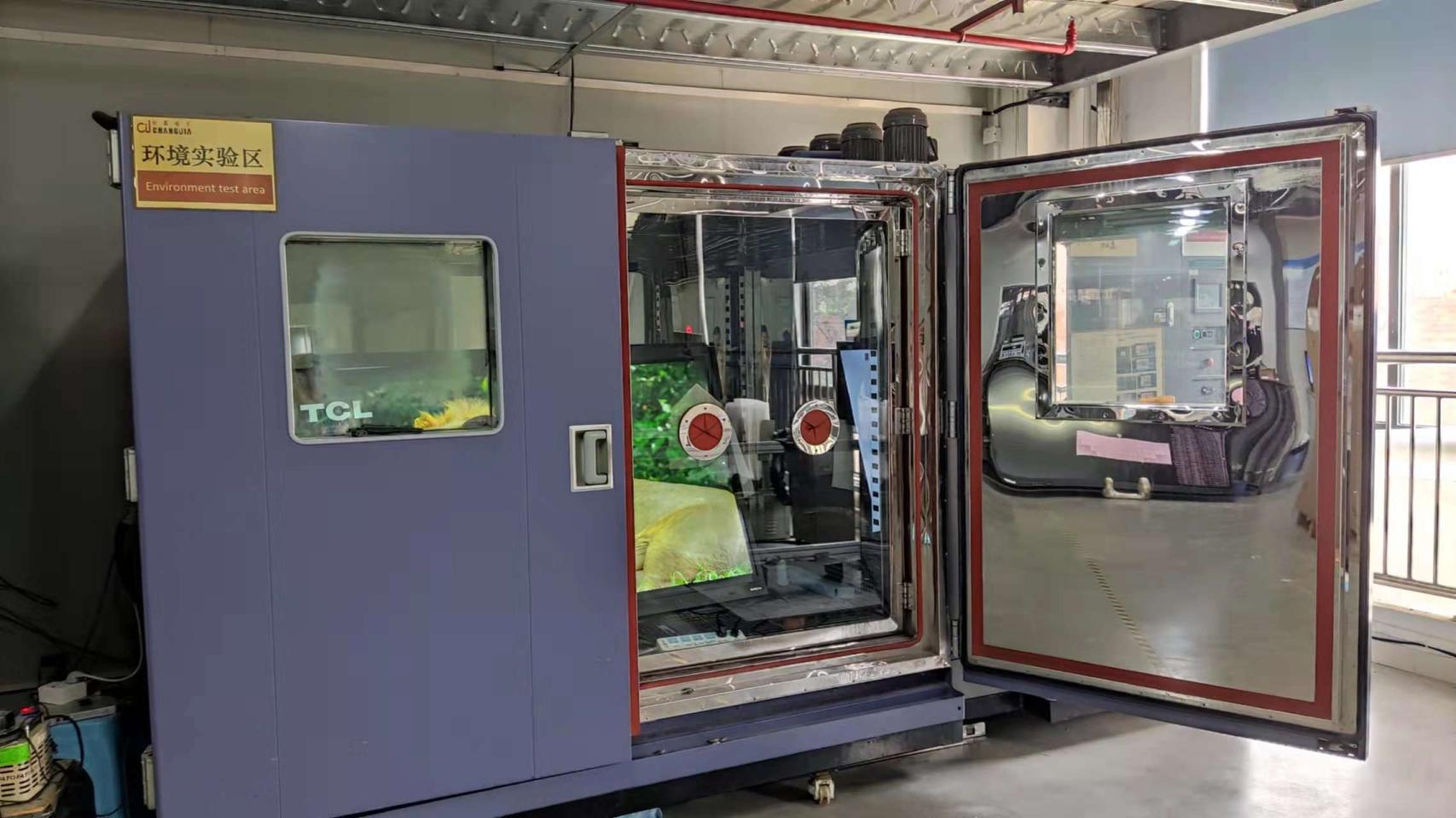
Reliability Test Lab
High/low temperature, drop, simulated transportation, salt spray, button life, insertion force, static, earth continuity and withstand voltage checks.

OEM / ODM Capability
Logo, boot screen, housing color, packaging, language settings, pre-installed software and hardware configuration can be customized.
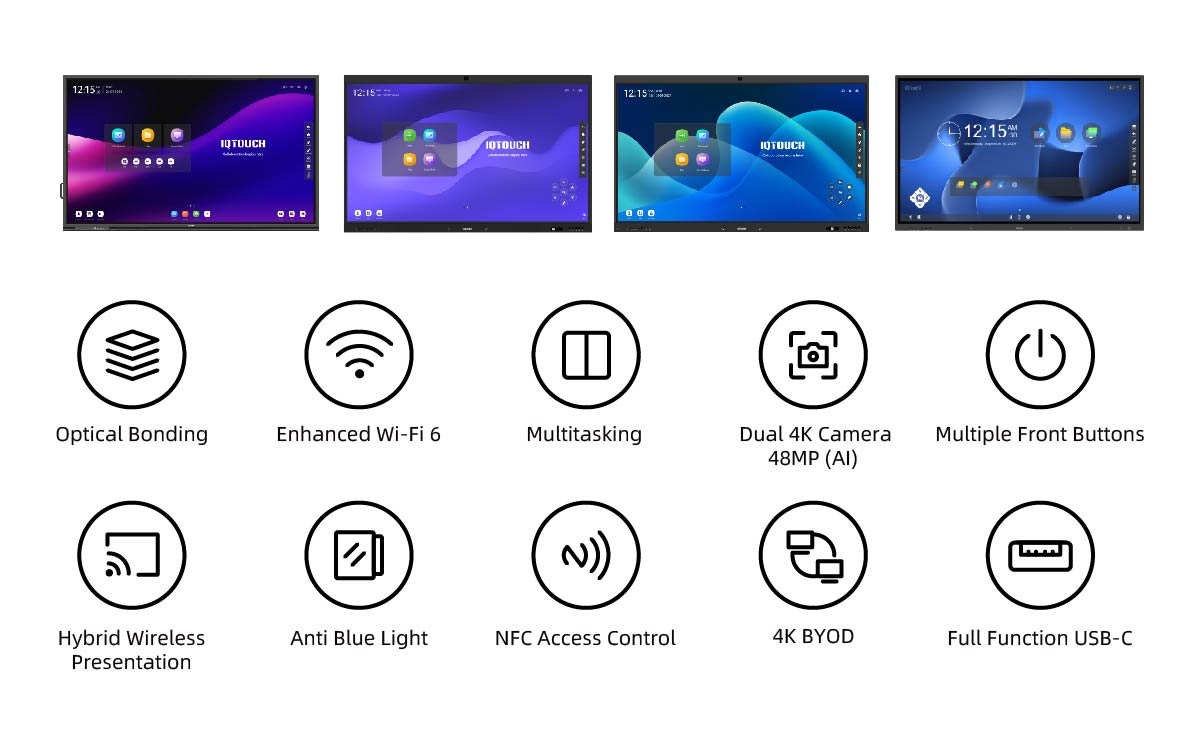
Source basis: manufacturer-published product data, public SGS verification references, trade-capacity records and original catalogue images. Buyers should always request current datasheets, test reports and contract terms for the exact model and destination.
From Louisville RFQ to Delivery in Six Accountable Steps
A structured process protects both sides: the buyer gets documented approvals, and the factory has a clear baseline for production, testing and export packing.
Requirement review
Share room types, quantities, target budget, voltage, network environment, installation method and any bid documentation required for Louisville.
Solution design
Engineers propose display sizes, visualizers, soundbars, podiums, media processing and software configuration based on actual teaching or meeting use.
Sample approval
A pre-production sample or pilot unit confirms interface language, branding, mounting, connectivity and performance before a full order is released.
Mass production
In-house SMT, PCB, auto-insertion and assembly lines build the approved configuration with controlled change management.
QC and documentation
Reliability lab checks, final inspection, packing validation and export documents are prepared before shipment.
Delivery and support
Export packing, freight coordination, installer guidance, spare-parts planning and after-sales communication support the Louisville handoff.
Common Questions About Buying Presentation Products from China for Louisville Projects
Are these products compatible with 120V/60Hz power in Louisville?
Compatibility must be confirmed model by model. Many presentation electronics can be specified for 100–240V input, but the final datasheet, plug type and safety documentation should be verified before sample approval. For Louisville facilities, explicitly request 120V/60Hz configuration, compatible power cords and any UL/ETL or other documentation required by your procurement team. Do not assume compatibility from a generic product photo.
How are products shipped to Louisville, and what lead times should we plan for?
Typical routing can involve ocean freight from China to a U.S. West Coast port followed by rail or truck to Louisville, or air freight to Louisville Muhammad Ali International Airport (SDF) for urgent samples. Production lead time varies by model, customization and order volume. Request a current production schedule with your RFQ, and allow time for customs clearance, inland transport and installation. Final lead times should be confirmed in writing.
Can we order a sample or pilot classroom before a full Louisville rollout?
Yes. A pilot is usually the most responsible way to evaluate touch feel, annotation software, document camera clarity, audio pickup and installation workflow. Provide the room dimensions, ceiling height, power locations, network access, expected user count and the specific teaching or meeting scenarios. The pilot can then become the reference configuration for additional rooms.
What documentation can support school, healthcare or public-sector bids?
Documentation should be assembled for the exact product and destination. Useful items can include product datasheets, test reports, packing lists, certificates of origin, commercial invoices and available third-party verification references such as the SGS onsite assessment. For healthcare or public-sector projects, confirm privacy, cybersecurity, accessibility and local procurement requirements with your compliance team before ordering.
Do you offer FOB, CIF, DDP or local warehouse options for Louisville buyers?
Incoterms can be discussed based on order size and destination. FOB and CIF are common for established importers; DDP may be discussed when a door-delivered quote is requested, but it requires accurate address details and customs coordination. Buyers should confirm duties, taxes, unloading and inside delivery separately. This is commercial planning information, not legal or tax advice.
How are warranty and technical support handled after installation?
Ask for a written warranty statement, RMA process, spare-parts list and remote diagnostic procedure before purchase. For Louisville deployments, it is also wise to identify a local AV integrator or service partner who can handle mounting, cabling and first-line support. Factory technical support can assist with configuration, firmware guidance and replacement planning, but the exact scope should be defined in the contract.
Can software, firmware and branding be customized for our market?
Common OEM/ODM options include logo, boot screen, housing color, packaging, language settings, pre-installed software and selected hardware configuration. Design-based customization has been referenced in the supplier’s third-party verified profile. For Louisville projects, provide a written software and branding checklist, including English interface requirements, startup behavior, network restrictions and any integration expectations with existing AV control systems.
What MOQs and wholesale terms apply to distributors and integrators?
MOQ varies by model, customization level and packaging. Distributors and system integrators should share target market, annual forecast, first-order quantity and whether the requirement is for stock, tender or project-specific deployment. A mixed-container or pilot-cart discussion may be possible, but the final quantities, pricing, lead time and warranty terms must be confirmed in a formal quotation.
Planning a Classroom, Lecture Hall or Training-Room Rollout?
Send room sizes, quantities, target use cases, voltage and network requirements, branding needs and any bid documentation. The reply should be a configuration path — not a generic price list.
