China Top Smart Display Factories & Factory for Fukuoka
A Fukuoka-focused sourcing whitepaper for verified Chinese smart display factories, interactive panels, digital kiosks, conference AV, lecture capture, and campus-ready control systems.
Eight Smart Display Products for Fukuoka Projects
The first decision in a Fukuoka procurement project is not price; it is the fit between the product, the room, the user flow, and the service model. The eight models below reflect the product families most often requested by schools, hotels, hospitals, retailers, public facilities, and AV integrators in Kyushu. Every image and product URL is preserved from the original product catalog so buyers can verify specifications before shortlisting a factory.
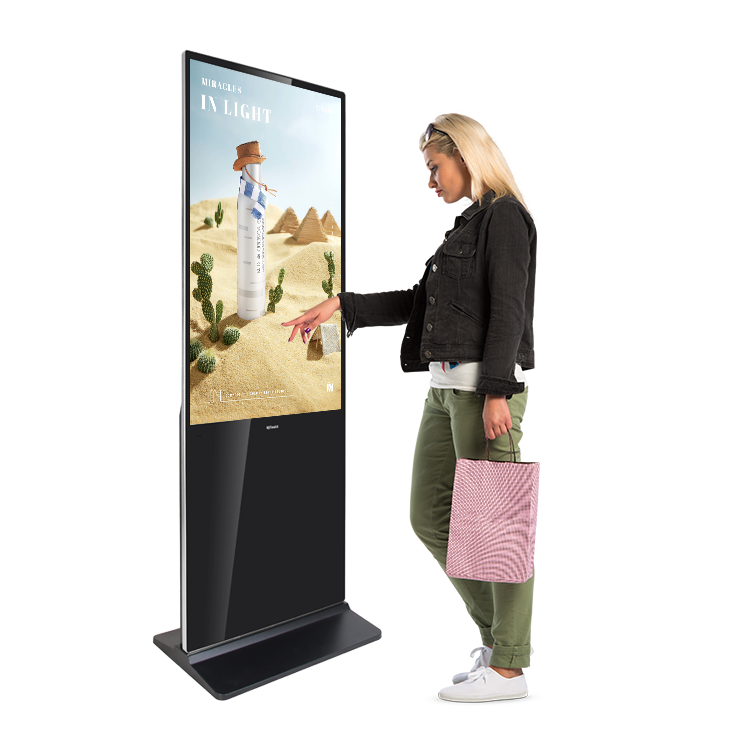
Android and Windows System Standing Floor Stand Information Kiosk Touch Screen for Shopping Mall
A dual-system floor-standing information kiosk for shopping malls, tourist information points, municipal lobbies, and hotel arrivals. Android and Windows options help Fukuoka operators match content management to existing IT policy, while the touch screen supports wayfinding, queue tickets, tenant directories, and multilingual visitor information.
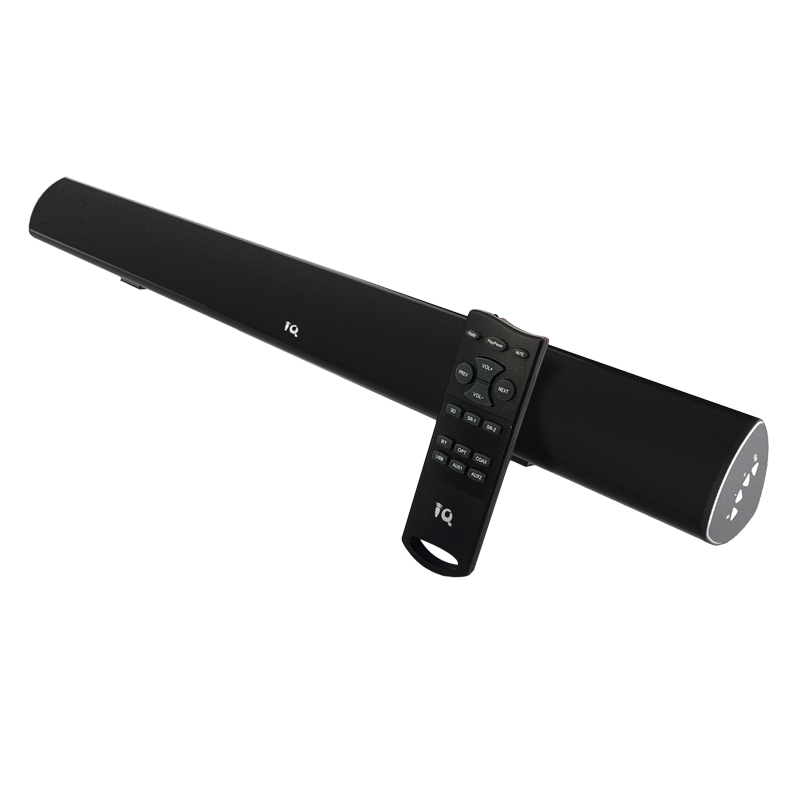
IQSoundbar Wholesale Office Conference Room Audio Sound Bar TV Soundbar with Subwoofer Active Speaker
An active soundbar with subwoofer for office conference rooms, hybrid classrooms, and hotel meeting spaces. The IQSoundbar family is designed to improve speech clarity during video calls while reducing the cable and installation complexity of separate speakers in Tenjin and Hakata meeting rooms.
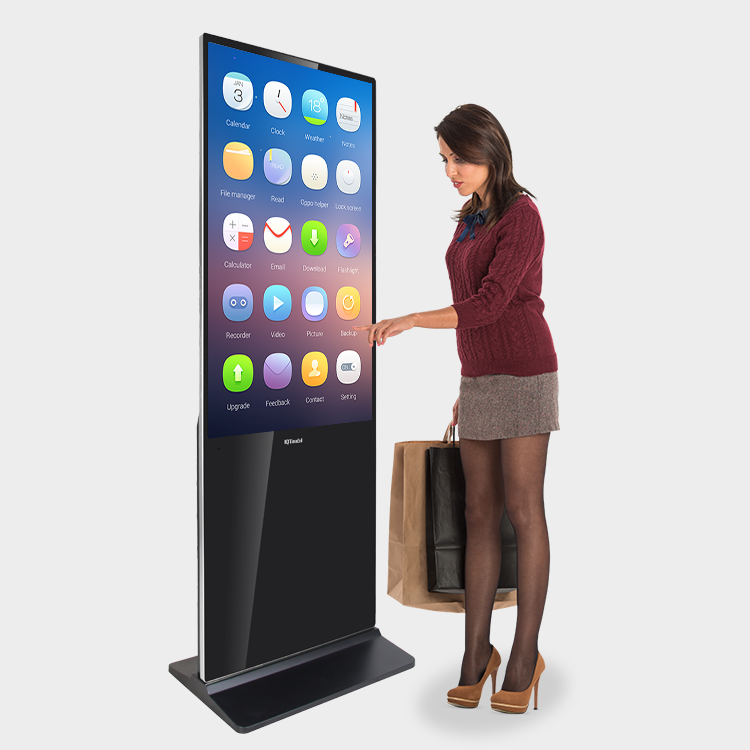
43inch Kiosk Touch Screen Floor Standing Advertising Kiosk Shopping Centre Digital Signage and Displays Outdoor Waterproof
A 43-inch waterproof outdoor floor-standing advertising kiosk for shopping centres, station plazas, and semi-outdoor public areas. Fukuoka's humid and rainy climate makes enclosure design, drainage, and service access important; this model is positioned for outdoor digital signage where weather exposure is part of daily operation.
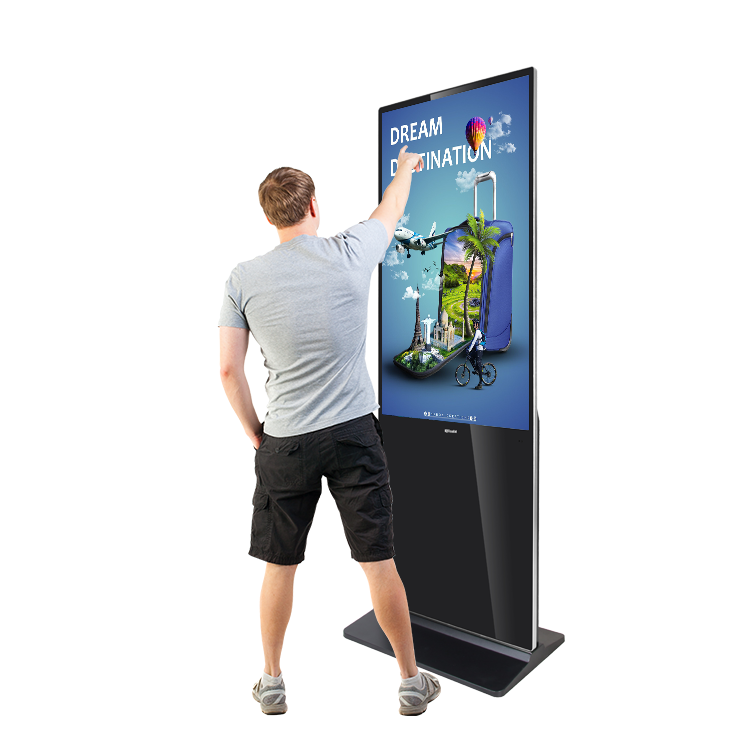
Wholesale 43inch Android Tablet Floor Standing Touch Kiosk for Hotel Bank School
A 43-inch Android floor-standing touch kiosk for hotels, banks, schools, and service counters. It is suited to check-in guidance, queue management, campus notices, branch information, and self-service forms where a simple, dedicated touch interface is preferable to a general-purpose PC.
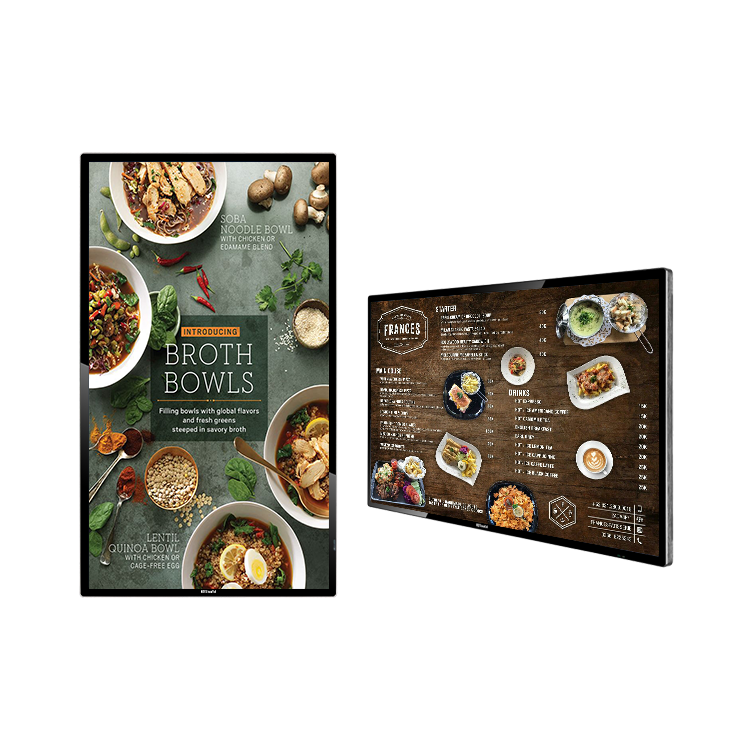
4K Kiosk Touch Screen Digital Signage Outdoor LED LCD Advertising Kiosk for School Hotel Hospitals
A 4K outdoor digital signage advertising kiosk for schools, hotels, hospitals, and public venues. High-resolution content supports large-format announcements, maps, emergency notices, and promotional campaigns in entrances, plazas, and covered walkways where readability and weather resilience matter.
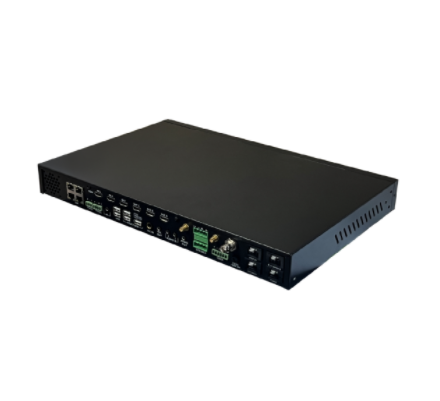
QNex Networked Media Processor for Digital Podium
A QNex networked media processor for digital podiums and smart classrooms. It helps consolidate source switching, lecture capture, display control, and network management so a teacher can operate the room from one interface rather than multiple remotes and disconnected AV boxes.
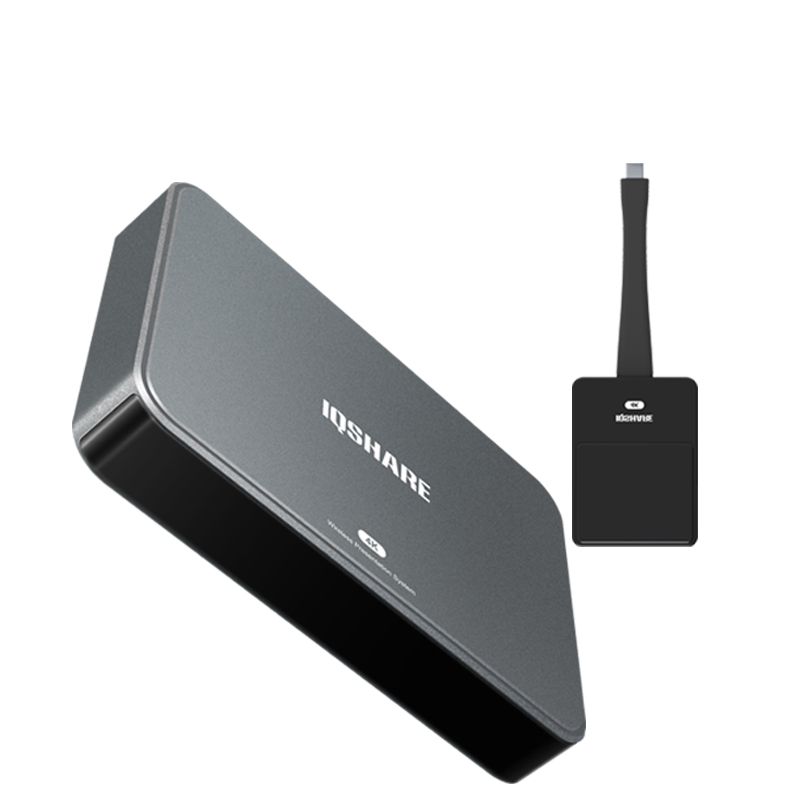
Hdm1 Wireless Transmitter Receiver 1 to 4 Anycast Wireless Screen Sharing Wireless Presentation System
A wireless HDMI transmitter and receiver system for one-to-four screen sharing in meeting rooms, classrooms, and training centres. It supports bring-your-own-device meetings and reduces the need for adapters and fixed cabling, which is useful in Fukuoka offices that host frequent external visitors.
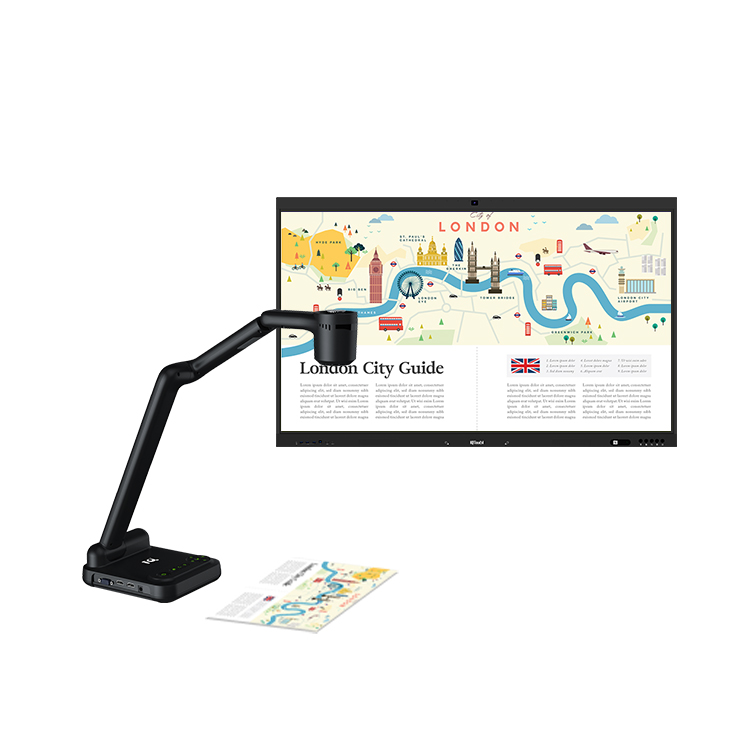
A3 A4 8 Megapixel Scanner Machine Large Document Camera Portable Ocr Document Scanner
An A3/A4 8-megapixel portable document camera and OCR scanner for classrooms, banks, offices, and public counters. It is useful where physical documents, handwritten notes, passports, forms, or textbooks must be projected clearly during training, service, or hybrid teaching workflows.
Need help matching products to a Fukuoka campus, hotel, hospital, or meeting-room schedule? Share the room matrix and target quantity to receive a shortlist and sample plan.
Inquire NowMetrics That Fukuoka Sourcing Committees Can Examine
Fukuoka procurement teams often need to justify supplier selection to finance, IT, and compliance stakeholders. The metrics below are drawn from the company profile and third-party verification records described in the original site content; they are not a substitute for project-specific due diligence, but they provide a starting point for evaluating factory maturity.
Education AV, interactive display, and smart classroom hardware experience.
Long-term global supplier membership and export transaction record.
Engineering, production, quality control, and export service professionals.
Average score shown in verified buyer reviews and transaction history.
Why Fukuoka Buyers Shortlist China Top Smart Display Factories
Fukuoka occupies a practical position in the Japan–Asia supply chain. As a gateway city with port, airport, university, retail, and public-service infrastructure, it gives distributors and integrators access to Kyushu projects that need both Japanese-language usability and competitive landed cost. A China-based smart display factory is most useful to Fukuoka buyers when it can do three things at once: engineer hardware for the local electrical and language environment, customise software and packaging without breaking compliance, and support spare parts and technical documentation after delivery.
This is why the phrase "China top smart display factories" should be treated as a sourcing question, not a keyword. The real intent behind the search is usually one of four buying journeys: a school or university comparing interactive flat panels and lecture capture; a hotel or mall adding touch kiosks and outdoor signage; an AV integrator looking for OEM/ODM supply; or a corporate buyer standardising conference-room audio and wireless presentation. A factory that is strong in one journey may be weak in another, which is why information gain comes from process evidence rather than model counts alone.
Ruyden Interactive Technology Group Co., Ltd., based in the Fuzhou High-tech Zone, is presented in the original site as an example of a vertically integrated supplier: SGS onsite verification, 19 years in the industry, 82 verified staff, design-based customisation verified by third-party inspection, in-house SMT, PCB and assembly lines, and a test lab covering high and low temperature, drop, simulated transportation, salt spray, button life, insertion force, static, earth continuity, and withstand voltage testing. For Fukuoka buyers, those details matter because they translate into fewer unknowns when a project moves from sample approval to classroom, hotel, or hospital installation.
This whitepaper is organised around local application fit. It treats Fukuoka not as a generic export destination but as a market with specific expectations: Japanese-language interfaces, 100V/60Hz electrical planning, typhoon-season humidity and rain exposure, tight installation windows in occupied buildings, and a preference for service partners who can respond after the sale. The recommended products above are therefore mapped to real Fukuoka use cases rather than listed as a catalogue dump.
Fukuoka Procurement Snapshot
- Language: request Japanese UI, font, manual, and boot-screen samples before mass production.
- Power: plan for 100V/60Hz in Fukuoka, and confirm plug, cable, and power-supply documentation.
- Climate: use waterproof outdoor kiosks or protected mounting for plazas, station areas, and coastal sites.
- Service: agree spare boards, remote diagnostics, RMA steps, and local installer training.
- Verification: review SGS assessment, trade capacity, transaction level, and buyer reviews.
Where Smart Displays Fit in Fukuoka and Kyushu
The same display model can succeed or fail depending on the room, content, and operating process. These scenarios translate common Fukuoka procurement requirements into product combinations.
University Classrooms & Lecture Capture
Kyushu's university ecosystem requires a mix of seminar rooms and large lecture halls. For seminars, specify 65–75 inch interactive panels, wireless presentation, and document cameras. For lecture halls, combine 86–100 inch displays, lecture capture cameras, networked digital podiums, and central AV control so recording and hybrid delivery become routine.
Retail, Hotels & Tourism Wayfinding
Tenjin, Hakata, Canal City, and hotel lobbies need clear multilingual information. Floor-standing touch kiosks support tenant directories, event schedules, check-in guidance, and tourist maps. Outdoor waterproof kiosks are appropriate for entrances and taxi areas where rain, humidity, and continuous operation must be planned from day one.
Hospitals, Banks & Public Counters
Service counters benefit from 43-inch Android kiosks, simple queue interfaces, and document cameras for forms or identity checks. The key design goal is not more features; it is a calm, legible screen with large text, clear prompts, privacy-aware placement, and a workflow that staff can update without specialist IT support.
Corporate Meeting Rooms & Co-Working
Fukuoka offices in Tenjin, Hakata, and the city centre increasingly host hybrid meetings with external partners. Pair an IQSoundbar with a 1-to-4 wireless presentation system to reduce cable clutter, shorten meeting start-up time, and support bring-your-own-device habits across Windows, macOS, Android, and iOS users.
Schools, Museums & Public Information
Schools, lifelong-learning centres, museums, and ward facilities need durable displays that can run daily notices, exhibition loops, and emergency messages. A 4K outdoor signage kiosk for entrances and an interactive panel for classrooms or activity rooms create one visual language across the site.
What Is Changing in Fukuoka Display Procurement
Search intent around smart displays is shifting from "buy a screen" to "make the room, venue, or public service work better". These trends explain why Fukuoka buyers increasingly ask for integrated product combinations.
Hybrid Learning Becomes Routine
Universities and training centres are no longer treating recording as a special event. They want interactive displays, lecture capture, digital podiums, and wireless sharing to work together so a teacher can teach on-site and online without calling an AV technician for every session.
Multilingual Public Information
Fukuoka's role as a travel and business gateway increases demand for signage that can present Japanese, English, Chinese, and Korean content cleanly. High-brightness 4K displays and touch kiosks are replacing static boards in transport, retail, and hospitality environments.
Accessible Service Design
Public facilities are paying closer attention to mounting height, font size, contrast, and simple prompts. An aging society makes accessible kiosk design a practical requirement, not a design preference. Buyers should test the actual interface with staff and users before committing to a layout.
Total Cost of Ownership
Procurement teams are comparing energy use, spare-part availability, board-level repairability, and remote management alongside purchase price. A factory that can supply documentation, modular parts, and clear warranty terms is often more valuable than a low-cost supplier with no after-sales path.
Specifying Smart Displays for Fukuoka Rooms and Public Spaces
Use this matrix as an early-stage planning tool, not a final engineering drawing. Confirm the screen size with a site survey, sight-line check, and content test. For outdoor or semi-outdoor installations in Fukuoka, plan for rain, humidity, salt exposure near the coast, drainage, and safe service access.
| Display Format | Best-Fit Fukuoka Spaces | Planning Note | Recommended Add-ons |
|---|---|---|---|
| 43" kiosk | Hotel check-in, bank queue, clinic reception, campus notice | Use portrait or landscape according to content; plan mounting height for standing and seated users. | Android kiosk, document camera, remote content management |
| 55" panel | Small seminar room, huddle room, meeting room for 4–6 people | Keep first-row viewers at least 1.5–2 m from the display for comfortable use. | Wireless presentation, soundbar, stylus |
| 65" panel | Standard classroom, training room, hotel meeting room | A practical baseline for Japanese classrooms where teachers annotate and share devices. | Interactive panel, document camera, wall mount |
| 75" panel | Large classroom, boardroom, hybrid training space | Check ceiling height and camera placement if lecture capture or video conferencing is included. | Digital podium, 1-to-4 wireless sharing, soundbar |
| 86" panel | Lecture hall, auditorium, large training centre | Confirm structural wall support or use a certified mobile stand. | Lecture capture camera, networked podium, central control |
| 100" panel | Main lecture hall, public hall, large auditorium | Plan power, network, and AV rack location early; large panels need coordinated delivery access. | Capture and live broadcast, central AV, redundant control |
| Outdoor 43"/55" | Station plaza, mall entrance, covered walkway, tourism information point | Specify waterproof enclosure, brightness, drainage, anti-condensation, and service access before ordering. | Outdoor kiosk, remote CMS, surge protection |
For Japan, request a document package aligned with PSE and VCCI requirements, plus RoHS/REACH where applicable. Do not assume that a 100–240V power supply equals Japanese compliance; the importer should confirm the final certification path with a qualified compliance partner before mass production.
Inside a Verified China Smart Display Factory
A factory tour is useful only when it reveals process control. Ruyden's original site describes a production flow that includes raw materials incoming inspection, SMT, auto-insertion, PCB, final assembly, storage, packaging, and final inspection, alongside a reliability test lab. That combination shortens the feedback loop between design, production, and failure analysis.



For Fukuoka buyers, this matters in three practical ways. First, customisation is less risky when SMT and PCB processes sit under the same management system as final assembly. Second, shipment quality is easier to defend when test evidence is generated before packing rather than after a failure appears on site. Third, after-sales conversations are faster when a factory can trace a board revision, power-supply batch, or firmware release. The original company profile also states SGS onsite verification, design-based customisation verified by an independent third-party inspection, 10+ years of export experience, and a 5.0/5 buyer rating from verified transactions. These are not a substitute for your own audit, but they are useful filters when comparing suppliers.
SGS Onsite Verification
Third-party audit evidence supports tenders, distributor onboarding, and import compliance reviews for projects in Kyushu.
In-House SMT, PCB & Assembly
Vertical control from board processing to final assembly reduces quality drift and speeds engineering changes.
Reliability Test Lab
High/low temperature, drop, simulated transportation, salt spray, button life, insertion force, static, earth continuity, and withstand voltage testing.
Design-Based OEM/ODM
Logo, boot screen, housing colour, packaging, pre-installed software, language settings, and hardware configuration can be customised.
Export Documentation
Trade capacity, transaction level, trade history, credit overview, and SGS assessment records are publicly reviewable.
Service & Buyer Rating
Pre-sales consulting, technical training, spare-part planning, and after-sales support for long-term distributor relationships.
Verify Ruyden Independently
Transparency is part of a credible sourcing decision. Review the public verification records before placing a sample or bulk order.
A Practical Checklist for Fukuoka Importers
Do not buy a display as a standalone box. Buy a room outcome, a public-service outcome, or a signage outcome. The checklist below helps keep the project aligned from requirement review to after-sales.
- Define the room matrix: room type, ceiling height, viewing distance, audience size, and installation access.
- Confirm Japanese language needs: UI, fonts, keyboard, manual, boot screen, and content management workflow.
- Confirm electrical planning for 100V/60Hz in Fukuoka, including plug type, cable length, and power distribution.
- Request compliance documents for PSE, VCCI, RoHS/REACH where relevant, and clarify what is certified versus lab-tested.
- Test a sample with real Japanese content, video conferencing software, and visitor-facing touch workflows.
- Agree spare parts, warranty terms, RMA steps, remote support, and local installer training before mass production.
- Plan delivery through Fukuoka Airport, Hakata Port, or a forwarder route that matches project timing and unloading conditions.
- Schedule installation outside school terms, hotel peak periods, or public-counter service hours whenever possible.
Questions Local Buyers Ask Before Ordering Smart Displays
Can you ship smart displays to Fukuoka and wider Kyushu?
Yes. Export packing and shipping can be arranged from Fuzhou to Fukuoka and other Kyushu destinations via air or sea routes, including delivery coordination through Hakata Port or a nominated forwarder. Buyers should confirm duties, import taxes, unloading equipment, and final-mile delivery responsibility with their logistics partner before shipment.
Do you support Japanese language UI, manuals, and branding?
OEM/ODM projects can include language settings, boot-screen branding, packaging, user manuals, and pre-installed software options. Because Japanese fonts and application behaviour should be tested on the exact model, request a sample with representative content before approving mass production.
How should Fukuoka buyers handle 100V/60Hz and PSE/VCCI requirements?
Specify the intended electrical environment at the inquiry stage and request a 100V/60Hz configuration with appropriate plugs and cables. For Japan, PSE and VCCI requirements depend on product category and configuration. Ask the factory for technical files, available test reports, and a clear statement of what is and is not certified; the importer should confirm the final compliance path with a qualified Japanese partner.
What is the typical MOQ and lead time for a Fukuoka project?
Sample orders can usually be discussed before OEM/ODM mass production. Lead time depends on screen size, customization, component supply, and quantity. As a planning guide, sample approval should be completed before production scheduling, and mass production normally begins after deposit and sample sign-off. Confirm the final schedule in the sales contract.
Can you supply spare parts and after-sales support?
Yes, spare boards, power supplies, remote controls, and other service parts can be planned with the order. For Fukuoka projects, agree a recommended spare-parts kit, RMA procedure, remote diagnostics process, and local installer training plan so that a minor failure does not become a long downtime event.
How do you control quality before shipment?
The original factory profile describes in-house SMT, auto-insertion, PCB, and assembly processes, followed by reliability testing that includes high and low temperature, drop, simulated transportation, salt spray, button life, insertion force, static, earth continuity, and withstand voltage testing. Project-specific inspection criteria should be written into the purchase order.
Can we run a pilot classroom or signage proof of concept in Fukuoka?
Yes. A pilot can include a small batch, sample configuration, content management setup, and installation support through a local partner. Use the pilot to test Japanese fonts, network policy, user acceptance, service response, and cleaning or maintenance routines before scaling to multiple rooms or sites.
How do we start an OEM/ODM smart display project?
Share the room types, target quantities, user scenario, Japanese language requirements, electrical environment, compliance target, packaging needs, and delivery schedule. The factory can then propose hardware configuration, software options, sample plan, QC criteria, and a six-step path covering requirement review, solution design, sample approval, mass production, QC and testing, and delivery with after-sales support.
Request a Fukuoka-Specific Smart Display Proposal
Share your room schedule, target quantities, Japanese-language requirements, voltage and frequency planning, installation environment, and target compliance path. The team can respond with product shortlisting, sample planning, packaging, and delivery options via Fukuoka Airport or Hakata Port. Use the inquiry button to start a technical conversation.
