Eight Recommended Products for Denpasar Student Response and Smart Classroom Projects
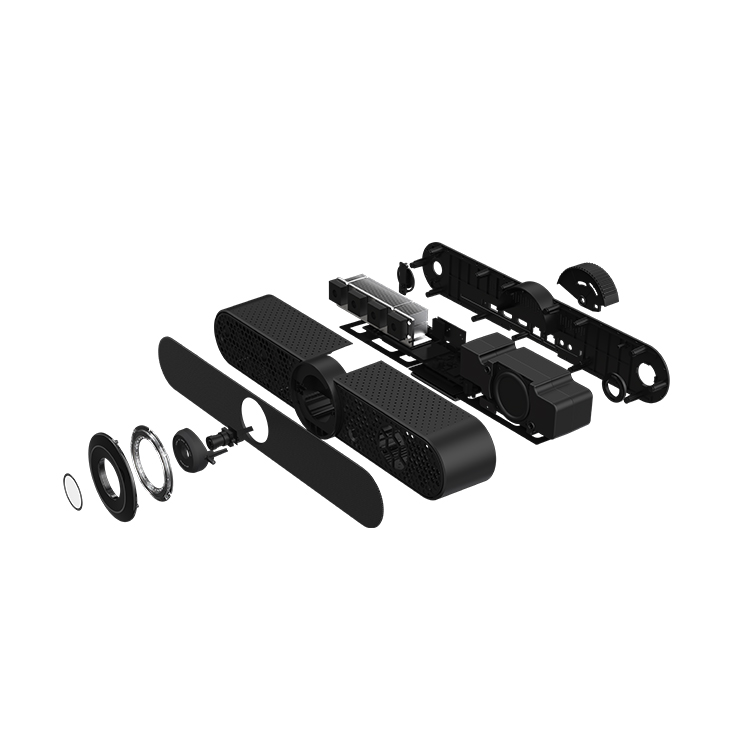
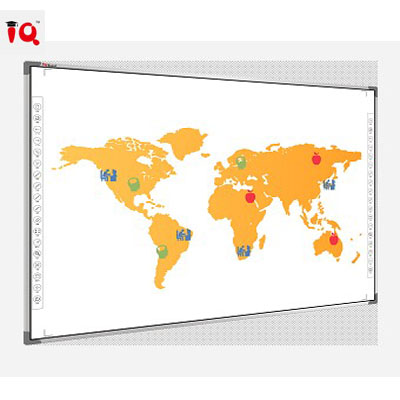
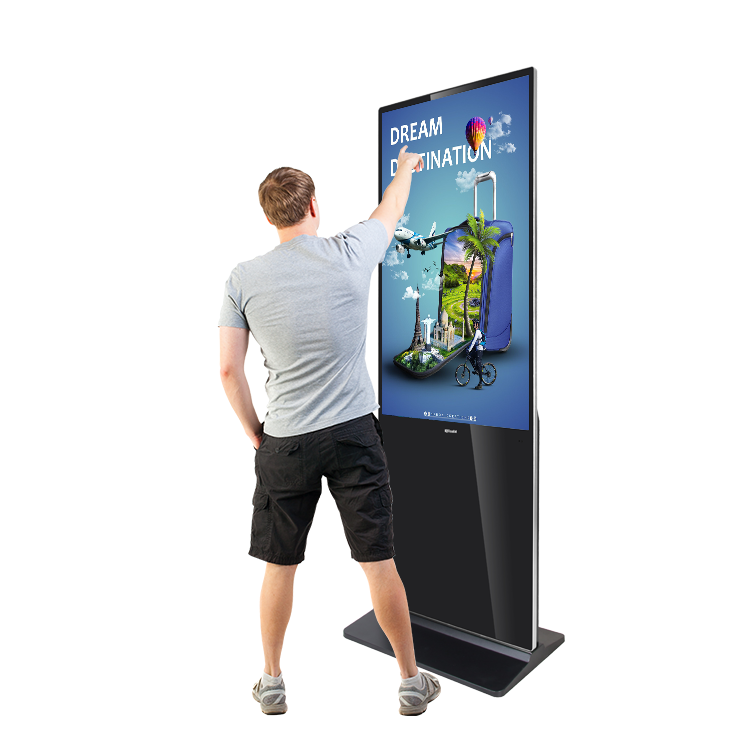
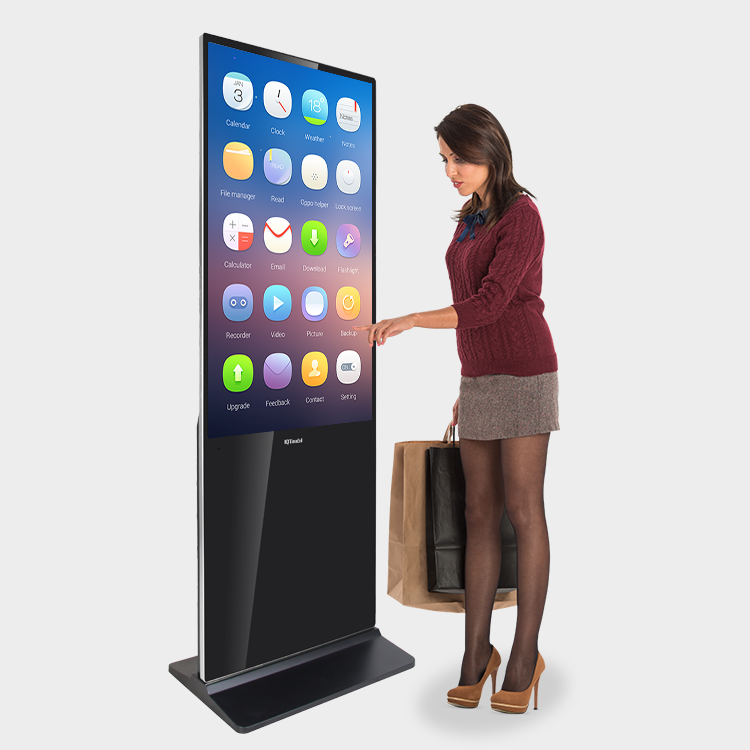
These eight models give Denpasar buyers a practical starting point for classroom response, interactive teaching, visual demonstration, lecture capture, and public information. Each item can be specified on its own or combined into a wider student response and classroom interaction ecosystem. Product URLs are preserved below; if any product page is unavailable during a visit, the inquiry button at the end of this guide is the conversion path.
How Denpasar Buyers Should Read This Student Response System Guide
A student response system is no longer limited to handheld clickers. In modern classrooms, it includes touch displays, annotation software, visualizers, lecture capture, wireless sharing, centralized control, and digital signage. The right mix depends on who buys, where the room is, and how support will be handled after installation.
For Schools and Universities
Prioritize interactive flat panels, visualizers, and Bahasa Indonesia support. Choose screen sizes by viewing distance, not by budget alone, and plan teacher training before rollout.
For Wholesalers and Integrators
Build a repeatable product kit: interactive display, mobile stand, webcam, document camera, wireless presentation, spare pens, and after-sales parts. Standardization reduces installation errors.
For Hospitality and Training Centers
Use signage, touch kiosks, visualizers, and capture systems for language training, front-office practice, safety briefings, and continuing education in Denpasar’s tourism economy.
Why Denpasar Schools and Training Centers Are Upgrading Classroom Interaction
Denpasar is the administrative and education center of Bali. Its buyers include public and private schools, higher-education campuses, hospitality academies, government training rooms, banks, clinics, and AV integrators serving nearby Sanur, Kuta, and Badung. Each environment creates a different demand for classroom response, content sharing, and public communication.
The shift is not simply from chalkboard to screen. It is a shift from one-way presentation to visible student participation. Teachers want to annotate a lesson, show a student’s workbook under a document camera, ask a quick comprehension question, record a class for absent learners, and share content wirelessly. Administrators want classrooms that are easy to manage, easy to support, and well matched to tropical humidity, coastal air, and changing power conditions.
For Denpasar buyers, the strongest procurement decisions compare the total classroom workflow rather than a single product price. A lower-cost display that lacks local language support, spare parts, or teacher training may cost more over a three-year campus rollout. That is why this guide links product choice to local use cases, supplier verification, testing evidence, and wholesale support.
Six Capabilities a Student Response System Should Deliver
The most useful student response ecosystem in Denpasar is one that teachers can operate quickly and IT teams can support repeatedly. These six capabilities are central to project evaluation.
Multi-Touch Participation
Interactive flat panels and whiteboards let students write, drag, annotate, and present. Multi-user input is valuable in group activities, peer teaching, and project-based learning.
Visual Presenter Input
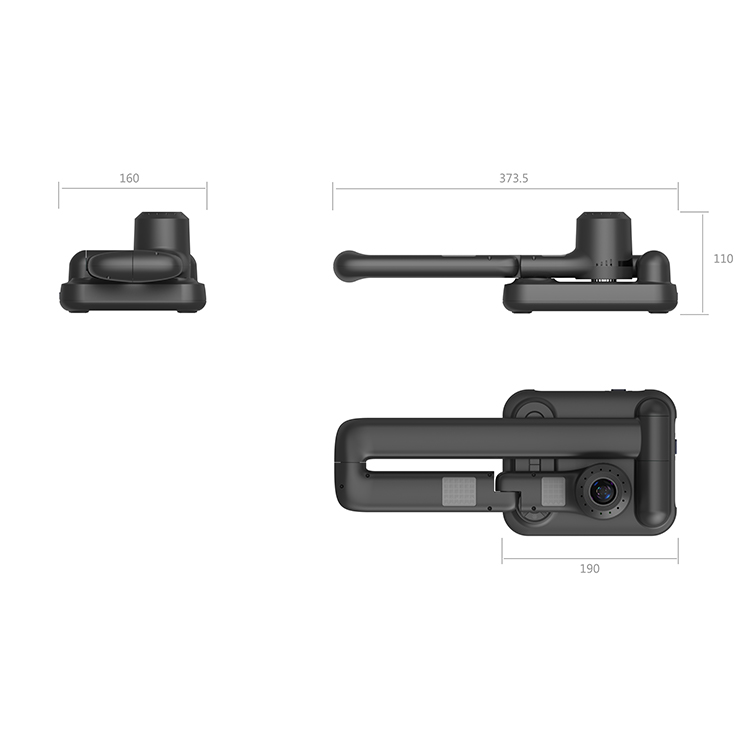
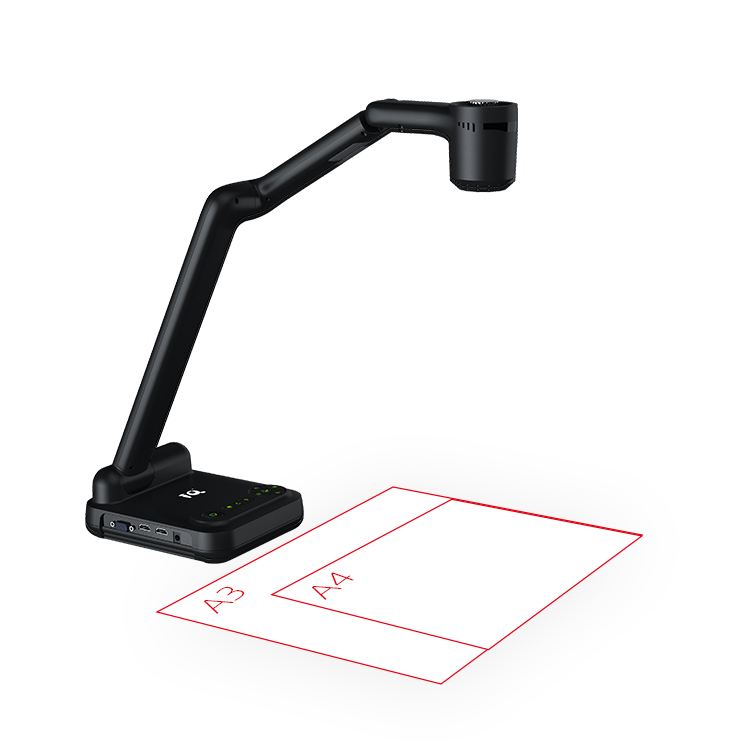
A document camera makes student work, textbook pages, science experiments, and art techniques visible to the whole room. This is one of the fastest ways to increase response in large classes.
Hybrid Teaching and Capture
Auto-tracking webcams and recording systems support hybrid classes, guest lectures, and revision content. Schools can capture lessons without assigning a dedicated camera operator.
Bahasa and English Readiness
Language settings, teacher guides, labels, and onboarding should reflect the school’s operating language. A bilingual English and Bahasa Indonesia experience improves adoption and reduces support requests.
Tropical-Climate Durability
Humidity, dust, coastal air, and power fluctuations make reliability testing important. Buyers should ask for test-lab evidence and confirm voltage configuration, surge protection, and installation practice.
Central Management
As deployments grow from one room to a campus, centralized AV, lighting, door control, and screen management become valuable. A scalable architecture protects the investment and simplifies support.
Where These Products Fit in Denpasar
Product selection should follow the room, the learner, and the operating model. These localized scenarios reflect common procurement patterns in and around Denpasar.
K-12 Classrooms
Pair 65-inch to 86-inch interactive panels with a portable visualizer for daily lessons. These systems support whole-class teaching, group work, and student presentations in public and private schools.
Universities and Lecture Halls
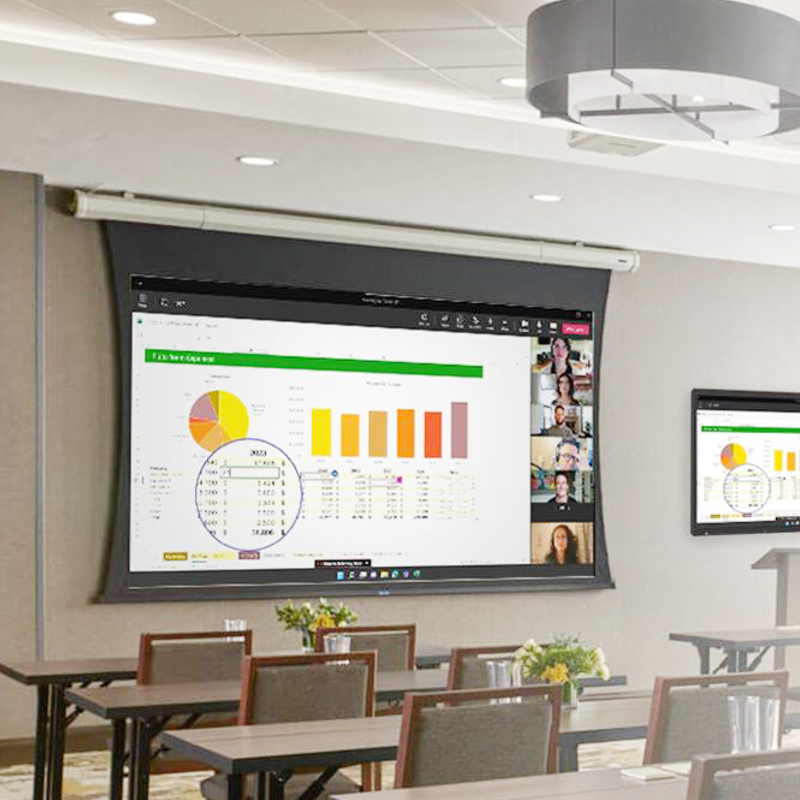
Large rooms benefit from 90-inch to 100-inch displays, lecture capture, auto-tracking cameras, and networked podiums. Recorded lectures support both on-campus and remote learners.
Hospitality Training
Denpasar’s tourism and hospitality academies can use touch kiosks, signage, and visualizers for language practice, front-office role play, food presentation, and service training.
Government and Public Rooms
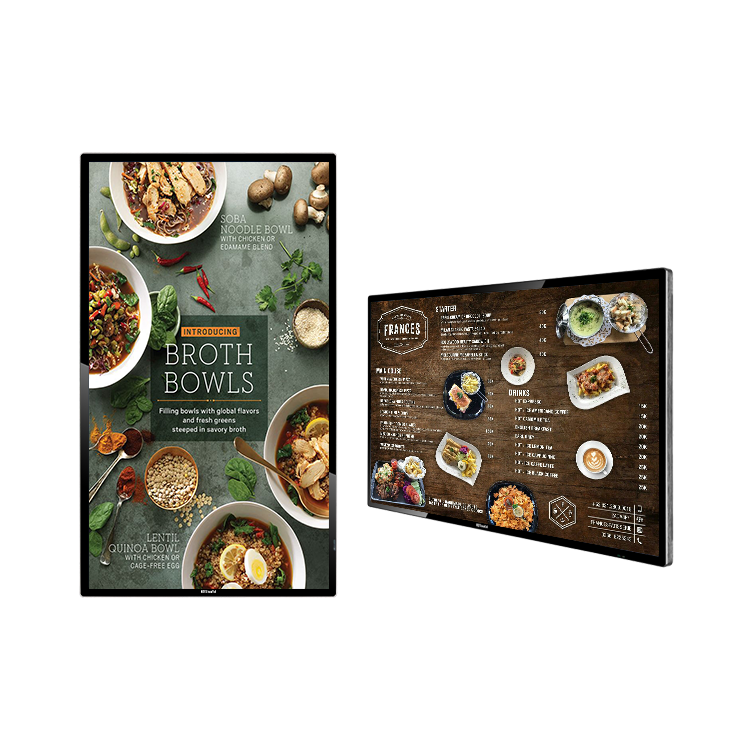
Training centers, clinics, banks, and public service halls need reliable signage and visual communication. Outdoor kiosks and indoor displays can communicate schedules, notices, and wayfinding information.
Denpasar Procurement and Deployment Trends to Watch
Wholesalers, school groups, and integrators can plan better by aligning inventory and service capacity with the way local education projects are changing.
From Projectors to Touch Displays
Schools increasingly prefer all-in-one interactive displays over projector-and-whiteboard combinations. The change reduces cabling, improves visibility, and creates a more natural writing experience.
Hybrid Learning Is Becoming Normal
Recognition of blended learning has increased demand for auto-tracking cameras, lecture capture, wireless sharing, and content recording, especially in higher education and teacher training.
Climate-Aware Specifications
Bali’s humidity and coastal environment make durability part of the buying decision. Buyers ask about protection, testing, packing, voltage, and after-sales spare parts before selecting a low-cost alternative.
Channel-Led Distribution
Local AV integrators and wholesalers are important because they provide installation, user training, and first-line support. Factories that support channel partners with documentation and spare parts win repeat orders.
Choosing the Right Interactive Display Size for Denpasar Rooms
One of the most common sourcing errors is ordering a display that is too small for the room. Use this practical guide as a starting point, then ask the factory or integrator to review floor plans, ceiling height, lighting, and viewing angles.
| Display Size | Typical Denpasar Room | Approx. Maximum Viewing Distance | Useful Add-ons |
|---|---|---|---|
| 55" | Small tutoring room, huddle space, reception area | About 4 m | USB webcam, wall mount, wireless sharing |
| 65" | Standard small classroom, meeting room, teacher briefing | About 5 m | Wireless presentation, stylus pens, mobile stand |
| 75" | K-12 classroom, mid-size training room | About 5.5 m | Document camera, digital podium, wall mount |
| 85" / 86" | Large classroom, training center, boardroom | About 6.5 m | Lecture capture, auto-tracking camera, smart podium |
| 90" | Seminar room and small lecture hall | About 7 m | Networked podium, capture camera, central control |
| 100" | Lecture hall, auditorium, large public training space | About 7.5 m | Live broadcast, lecture capture, AV integration |
For tender documents, combine room-fit guidance with teacher workflow, IT policy, electricity conditions, and after-sales response. A technically correct screen that teachers avoid using will not improve classroom response.
Factory, Quality, and Company Advantages Behind the Product Line
Ruyden Interactive Technology Group Co., Ltd. is a China-based manufacturer of interactive flat panels, interactive whiteboards, lecture capture systems, networked digital podiums, and smart classroom AV integration solutions. The company serves education and enterprise buyers worldwide and supports OEM/ODM projects for distributors, integrators, and tender teams.



The supplier profile is supported by an onsite verification by SGS Group, public trade records, and a documented quality process. The company reports 19 years in the industry, 21 years of verified B2B trading, and 82 verified staff across engineering, production, quality control, and export service. Production capabilities include in-house SMT, auto-insertion, PCB processing, assembly, warehousing, and export packing.
Education AV specialization supported by independent inspection records.
Engineering, production, quality, and export service professionals.
Sizes for huddle rooms, standard classrooms, and lecture halls.
Support for overseas buyers, integrators, and wholesale partners.
- High and low temperature testing
- Drop testing and packing validation
- Simulated transportation testing
- Salt spray corrosion testing
- Button life testing
- Insertion force testing
- Static discharge testing
- Earth continuity testing
- Withstand voltage testing
For Denpasar projects, these capabilities matter because buyers need documented quality evidence, not only product photos. OEM/ODM customization can cover logo, boot screen, housing color, packaging, pre-installed software, language settings, and hardware configuration. The company also supports pre-sales consulting, technical training, export packing, shipping coordination, and after-sales service for long-term channel partners.
From Inquiry to Delivery for Denpasar Buyers
A clear OEM/ODM and wholesale process reduces risk for distributors, school groups, and integrators. Each step should leave a documented decision that both buyer and factory can reference.
Requirement Review
Share room types, quantity, target users, budget range, language needs, installation window, and any tender or certification requirements.
Solution Design
Engineers propose display sizes, visualizers, capture options, accessories, software settings, packaging, and branding based on local use.
Sample Approval
Pre-production samples confirm touch performance, software, language settings, labeling, housing, and accessory fit before mass production.
Mass Production
In-house SMT, PCB, auto-insertion, and assembly lines produce the order with controlled change management for custom requirements.
QC and Testing
Reliability testing and final inspection are completed before packing. Documentation can be prepared for integrators and tender teams.
Delivery and Support
Export packing, shipping coordination, technical materials, spare parts planning, and after-sales support help protect the Denpasar rollout.
Questions Denpasar Buyers Commonly Ask
These answers are written for school owners, procurement officers, AV integrators, and wholesale buyers comparing China-based manufacturers for Denpasar projects.
Are you a factory or a trading company?
Ruyden is a manufacturer with in-house production capabilities that include SMT, PCB processing, auto-insertion, assembly, warehousing, and export packing. The company has been onsite-verified by SGS Group, and its manufacturing and trading records can be reviewed through public verification links. For Denpasar buyers, this means product configuration, quality questions, and customization can be discussed directly with the factory team.
What is the minimum order quantity for a Denpasar school or integrator?
Minimum order quantity depends on the model, customization level, and packaging requirements. A single sample may be possible for evaluation, while wholesale and tender orders are quoted per project. Buyers should provide room count, target models, language needs, and delivery timing so the factory can recommend a practical order structure.
Can you support Bahasa Indonesia interface, labels, and training materials?
OEM and ODM customization can cover language settings, pre-installed software, boot screens, packaging, labels, and user documentation subject to project scope. Denpasar buyers should confirm the required Bahasa Indonesia wording, technical glossary, and teacher-training content before sample approval so the final product matches local classroom use.
How do you address humidity, salt air, and power conditions in Bali?
Reliability testing includes high and low temperature testing, drop testing, simulated transportation, salt spray, button life, insertion force, static, earth continuity, and withstand voltage testing. For Denpasar, buyers should also confirm 220V/50Hz configuration, surge protection, ventilation, and installation practice with the local integrator. Coastal and humid conditions deserve attention in both product choice and after-sales planning.
How are products shipped to Denpasar?
Orders can be prepared with export-grade packing and shipped by sea or air depending on quantity, schedule, and budget. Denpasar-bound cargo is often coordinated through Bali logistics partners, with port or airport options matched to the buyer’s forwarder. The factory can provide packing details, carton dimensions, and documents that help the freight forwarder prepare the shipment.
What warranty and after-sales support are available?
Warranty terms depend on model and contract. A practical Denpasar support plan should include spare pens, remote-control parts, installation guidance, troubleshooting documents, and a clear channel for technical escalation. Many buyers work with a Bali-based AV integrator for first-line service while the factory provides remote engineering support and replacement-part planning.
Can you provide documents for school tenders and compliance reviews?
The factory can provide product specifications, test reports, company verification links, and packaging information. Certification and compliance requirements differ by project and must be confirmed before tender submission. Buyers should validate import duties, tax, local registration, and any buyer-specific compliance needs with their own compliance advisor or freight forwarder.
How should a Denpasar buyer start a project inquiry?
Send the room list, approximate number of students or users, target screen sizes, required accessories, language needs, delivery window, and whether the project is for a school, university, training center, hotel, or government facility. Include any tender specifications or installation constraints. The export team can then propose a configuration, sample plan, and wholesale quotation.
Request a Student Response and Smart Classroom Proposal
Share your room types, quantity, grade levels, Bahasa Indonesia requirements, installation window, and target budget. Our team will help match interactive flat panels, visualizers, lecture capture, digital signage, and OEM/ODM support to your Denpasar project.
info@ruydentech.comInquire Now
