China Wholesale 360 Conference Room Camera for Lecture Capture: Suppliers & Exporters in Yokohama
A procurement-focused white paper for Yokohama universities, corporate training centres and AV integrators comparing China wholesale lecture capture cameras, AI conference cameras, speakerphones, smart podiums and classroom capture ecosystems.
Get Catalog8 Recommended Products for 360 Lecture Capture and Yokohama Hybrid Rooms
The products below form a practical sourcing portfolio for Yokohama buyers: a document camera for material digitisation, room audio, all-in-one USB cameras, an interactive smart podium, voice pickup soundbars, an AI noise-reduction speakerphone, an AI auto-tracking webcam and a 4K live conference camera. Each product link is preserved exactly as supplied.
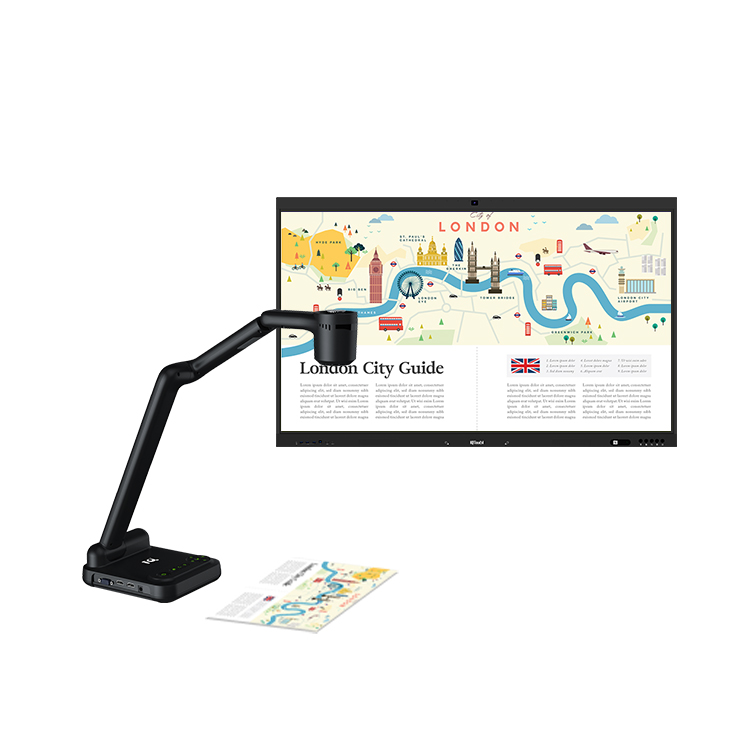
A3 A4 8 Megapixel Scanner Machine Large Document Camera Portable Ocr Document Scanner
Recommended for scanning printed handouts, whiteboard notes and lecture materials into a capture workflow. A practical add-on for Yokohama classrooms that still rely on paper-based teaching resources.
View product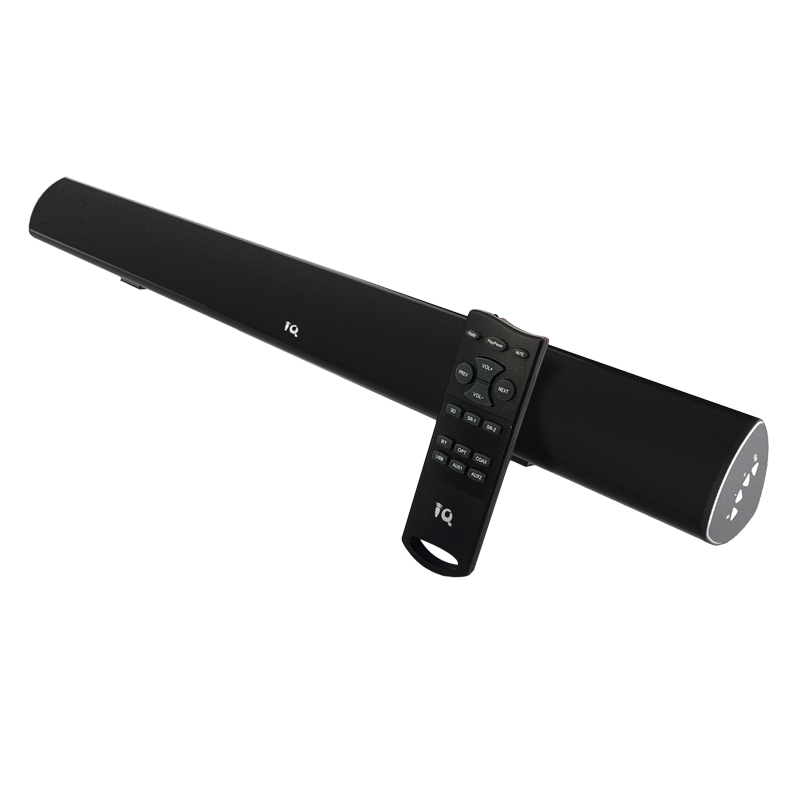
IQSoundbar Wholesale Office Conference Room Audio Sound Bar TV Soundbar with Subwoofer Active Speaker
Adds clear speech reproduction and room-filling sound to hybrid lectures, recorded presentations and video playback. Useful where built-in display speakers are too weak for large Yokohama seminar rooms.
View product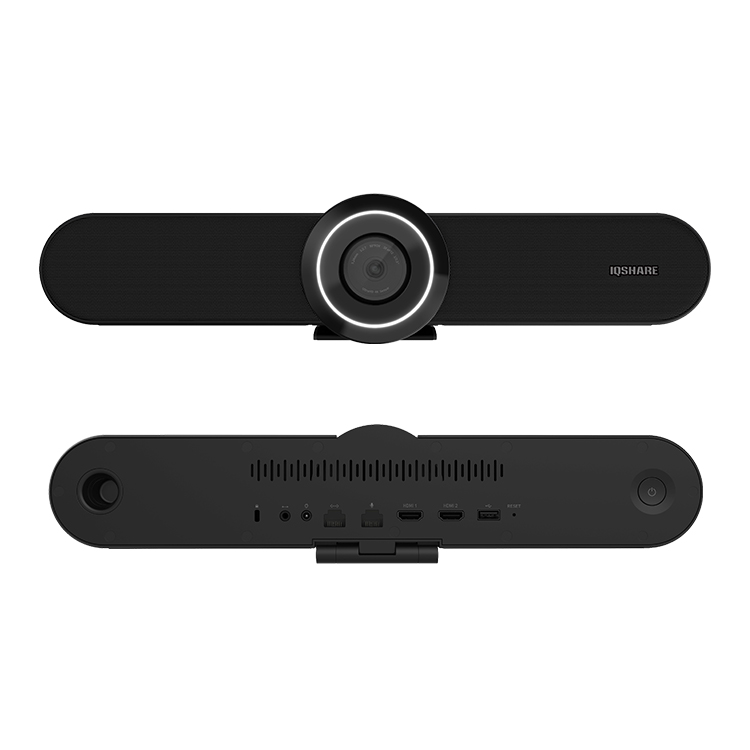
All in One Conference System USB Ultra HD 4K Outdoor Pc Webcam 4k Autofocus with Built in Speakerphone and 2 Mics
An efficient camera-speakerphone-mic bundle for huddle rooms and tutorial spaces. Plug-and-play USB simplifies deployment for Yokohama buyers standardising many small rooms with Zoom or Microsoft Teams.
View product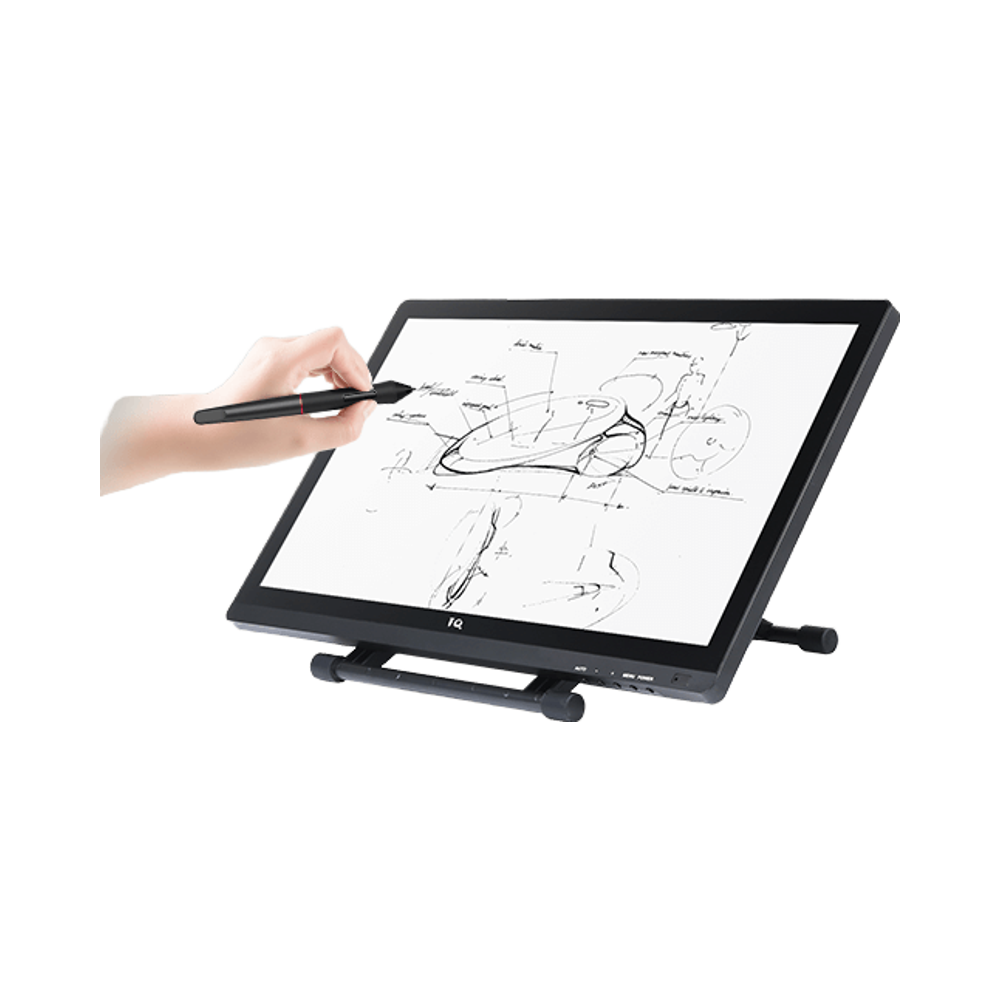
22" Touch Screen Digital Smart Podium with Wireless Microphone for Sale
Gives lecturers central control of display, audio and presentation sources from the lectern. A strong fit for Yokohama university rooms where presenters need a familiar, fixed teaching position.
View product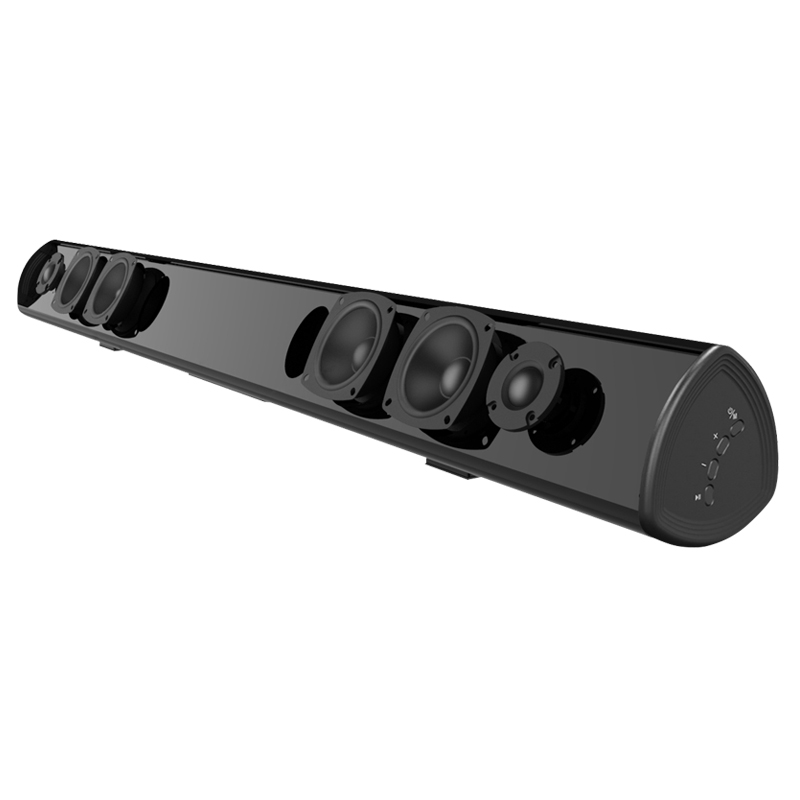
Voice Pick up Soundbar Sound Remote Speaker
Supports voice pickup and remote speaker playback for lecture capture, distance learning and meeting-room audio. Helps maintain intelligibility when the presenter moves away from the room microphone.
View product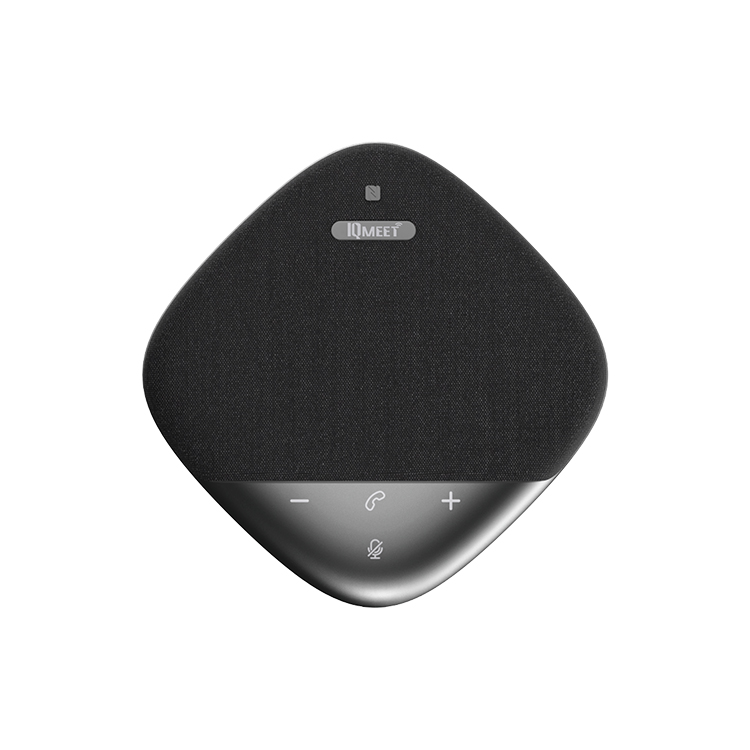
China Factory NFC Features AI Noise Reduction Built-in Dual Speakers Conference Speakerphone for Mobile Phone USB
Designed for noisy hybrid meeting rooms and training spaces. AI noise reduction, dual speakers and USB connectivity make it a useful companion for 360° room coverage when paired with an AI tracking camera.
View product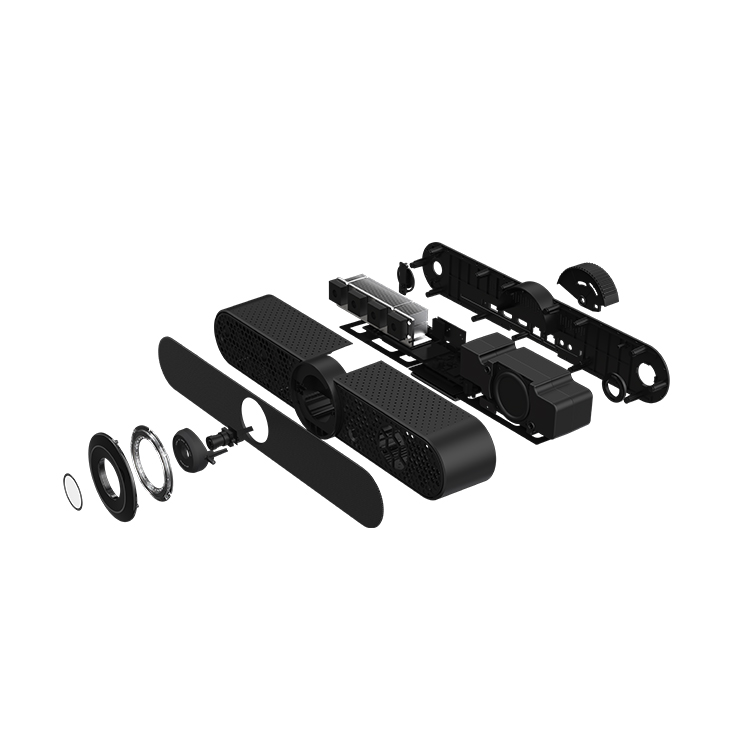
AI Auto-Tracking Webcam All-in-one 1080p 4k PC Mini Webcam for Video Calling and Conference
An AI auto-tracking webcam for presenters who move between whiteboard, lectern and audience. Its compact all-in-one format suits Yokohama seminar rooms and corporate training spaces with limited installation depth.
View product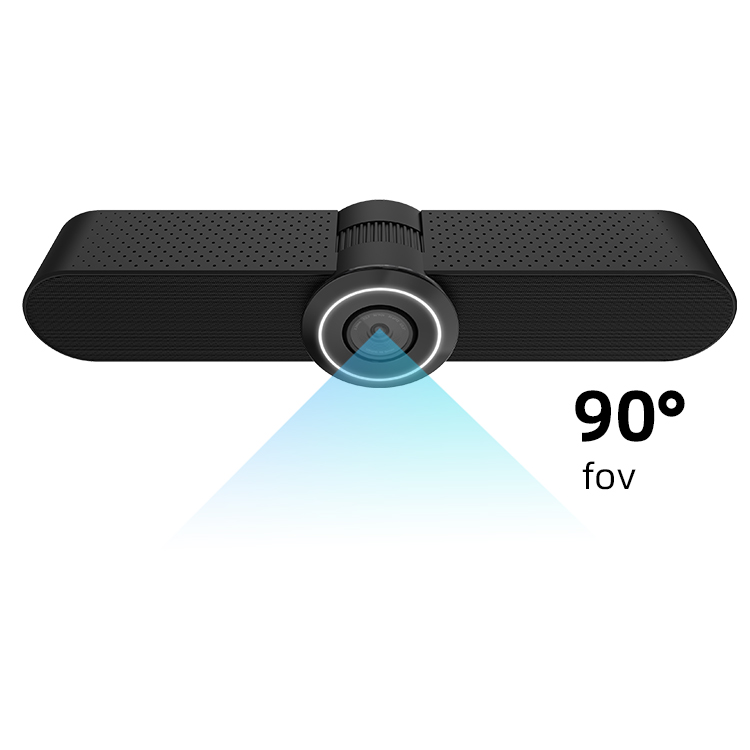
Conference Live AI Camera 4k 1080p 60fps USB Webcam Camera All in One Microphones and Speakers
A live conference AI camera with 4K/1080p60 video, microphones and speakers for lecture capture and streaming. A practical core unit for buyers who want a single USB camera system with audio built in.
View productWhat Yokohama Buyers Actually Need from a China Wholesale 360 Conference Room Camera for Lecture Capture
Yokohama is not a generic export market. A wholesale 360 conference room camera for lecture capture deployed in Yokohama must satisfy a different set of expectations from a standard webcam order: 100 V / 50 Hz site power, Japanese-language operation, quiet-room audio performance in Minato Mirai meeting spaces, large-room coverage near Shin-Yokohama and university campuses, and predictable integration with Zoom, Microsoft Teams, Google Meet and room AV control systems.
That is why serious buyers compare suppliers on more than the camera specification sheet. They ask whether the supplier can provide a complete capture ecosystem, document proof of manufacturing control, support OEM branding, provide export documentation, and answer pre-sales engineering questions in a clear, verifiable way. For SEO and procurement teams, this page is structured around those buying questions rather than a single product pitch.
- Room coverage: true 360° stitching, ultra-wide lenses or AI auto-tracking with a second camera.
- Audio quality: microphone array, echo cancellation, noise reduction and speaker output sized for the room.
- Yokohama compliance: 100–240 V adapters, 50/60 Hz, PSE where applicable, VCCI and RoHS documentation.
- Supplier credibility: SGS onsite verification, trade capacity, test-lab evidence and OEM/ODM records.
Primary buying intents behind this search
- Find China wholesale 360 conference room camera suppliers and exporters serving Yokohama.
- Compare lecture capture cameras with built-in microphones, speakers and AI tracking.
- Validate OEM/ODM, Japanese language support, certifications and after-sales terms.
- Request a catalog or quotation after shortlisting suppliers with public verification.
Why Yokohama Is a Strong Market for AI Lecture Capture Cameras
Yokohama combines one of Japan’s most active port economies with a dense education and corporate training ecosystem. Buyers are not only upgrading lecture halls; they are specifying capture systems for evidence-based teaching, remote attendance, internal training and international conferencing.
Hybrid lectures are now expected
Universities and training providers in Yokohama need recorded lectures and live sessions that remote students can follow without a dedicated camera operator. AI auto-tracking and wide-angle room coverage reduce the labour required to produce usable lecture video.
Audio is the real quality test
A 4K image cannot rescue a lecture recording with poor speech intelligibility. Buyers increasingly bundle the camera with speakerphones, soundbars and voice pickup devices so that the capture system works as an audio-visual system rather than a webcam accessory.
Japanese-language operation matters
Local technicians and lecturers expect clear setup guidance, Japanese-language quick-start material and predictable control logic. For distributors, language support is not a translation afterthought; it is part of deployment risk management.
Port-city procurement discipline
Yokohama’s trade culture rewards suppliers who can provide consistent export packing, traceable QC records and clear commercial terms. Wholesale buyers compare landed cost, not only unit price, and they expect documentation before a pilot is approved.
Where 360 Conference Room Cameras and Lecture Capture Systems Are Used in Yokohama
Different rooms demand different coverage strategies. A single camera specification rarely fits a small tutorial room, a large lecture theatre and a corporate boardroom at the same time.
University lecture halls
For large classes, the priority is continuous presenter visibility, readable whiteboard content and reliable speech pickup. A 4K AI camera can be paired with a voice pickup soundbar or speakerphone, while a document camera captures printed materials and handwritten notes. Recording can run through the room PC to the university’s learning management platform.
Minato Mirai meeting and training rooms
Corporate training suites often have glass walls, air-conditioning noise and mixed in-room/remote audiences. An all-in-one USB conference camera with microphone and speaker, supported by AI noise reduction, keeps setup simple while preserving a professional experience for Zoom, Teams and Google Meet sessions.
Smart podiums and teaching control
Lecturers in Yokohama universities often prefer a fixed teaching position. A digital smart podium with a touch screen and wireless microphone centralises display switching, audio control and source selection, while the capture camera handles the remote audience. This reduces the chance of cables being disconnected mid-lecture.
Language, vocational and seminar rooms
Seminar rooms need fast start-up and intuitive operation. Auto-tracking webcams are suited to presenters who move, while document cameras help when the class uses printed materials. For buyers deploying across many rooms, a standard USB camera and speakerphone kit simplifies spare-parts planning and technician training.
How to Specify a 360 Conference Room Camera for Lecture Capture Without Overspending
Use this checklist during supplier shortlisting. It translates room requirements into questions that a China manufacturer or exporter should answer with evidence, not assumptions.
Coverage and framing
Ask whether “360” means a true multi-sensor stitched view or an ultra-wide camera with AI framing. For lecture capture, the practical question is whether the remote viewer can see the presenter, the board and the audience question area without manual control. Confirm horizontal field of view, pan-tilt-zoom range and tracking behaviour.
Video performance
Check the native sensor resolution, frame rate and low-light handling. A 4K sensor with 1080p60 output is often more useful for lecture streaming than a higher-resolution sensor running at a low frame rate. Wide dynamic range matters in rooms with projector screens and bright windows.
Microphone and speaker architecture
Confirm microphone array size, pickup range, echo cancellation and noise reduction. For a large Yokohama lecture hall, built-in camera microphones may be insufficient; add a soundbar, speakerphone or voice pickup device. The best system is matched to room acoustics and seating layout.
Connectivity and control
USB UVC is essential for plug-and-play use with room PCs. Also check HDMI, audio in/out, RS-232 or network control where the camera will be integrated with a podium or AV switcher. For existing Yokohama installations, a camera that behaves as a standard USB device reduces commissioning time.
Power and installation environment
Yokohama buildings use 100 V / 50 Hz supply. Choose power adapters marked 100–240 V, 50/60 Hz and verify plug type, mounting hardware and cable length. Ceiling installation needs safe access for maintenance; wall mounting must respect sightlines and avoid blocking the whiteboard.
Privacy, security and management
Ask about privacy indicators, shutter options, local recording versus cloud recording, firmware update policy and device access control. For education buyers, a clear data-handling statement is part of procurement risk review. A camera should not introduce an uncontrolled cloud dependency into the classroom.
Information Gain for Yokohama Buyers: What Supplier Catalogues Often Leave Out
Most supplier pages show product photos and basic specifications. A serious Yokohama procurement review also checks power, language, compliance, installation and after-sales evidence before approving a sample.
| Requirement area | What to confirm with the China supplier | Why it matters in Yokohama |
|---|---|---|
| Power | 100–240 V adapter, 50/60 Hz input, plug type, PSE documentation where applicable. | Yokohama sits in eastern Japan’s 100 V / 50 Hz supply area. Adapter and plug compatibility should be confirmed before shipment. |
| EMC and safety | VCCI documentation where applicable, CE/FCC for re-export projects, RoHS and REACH material statements. | Universities and corporate buyers often require documentation before accepting imported AV equipment into managed buildings. |
| Language | Japanese quick-start guide, OSD or app language support, label and packaging localisation. | Technicians and lecturers need clear setup instructions. Language support reduces training time and service calls. |
| Network and privacy | UVC plug-and-play, local recording options, privacy indicator, firmware update and access-control policy. | Education settings need predictable data handling. A camera that works as a standard USB peripheral simplifies IT approval. |
| Room integration | Mounting options, audio in/out, USB extension, RS-232 or control API, compatibility with smart podiums. | Yokohama lecture halls often combine a podium, display, switcher and room PC. Integration should be confirmed before the tender stage. |
| After-sales | Spare parts, RMA process, warranty terms, English/Japanese support materials and sample testing plan. | Wholesale buyers need predictable support for multi-room rollouts, not only a one-off unit shipment. |
Yokohama Lecture Capture Trends: AI, 4K, Japanese UX and AV/IT Convergence
Buyer behaviour in Yokohama is shifting from standalone webcams toward managed classroom capture systems. These trends affect the questions distributors and exporters should prepare for in 2025 and beyond.
AI auto-framing is becoming expected
Lecturers do not want to stand still for the camera. AI framing that follows the presenter and includes the board is now a practical requirement in hybrid teaching. Suppliers that can explain tracking behaviour and fallback modes are easier to trust during procurement.
4K and 60 fps move into mainstream
4K sensors and 1080p60 output are becoming common in conference cameras. For lecture capture, smooth motion and readable board content matter more than a vague “HD” label. Buyers should ask for native resolution, output frame rate and low-light performance.
Japanese-language UX becomes a differentiator
As more rooms are operated by teaching staff rather than AV specialists, Japanese-language menus and clear quick-start guidance become commercial advantages. Distributors should request localisation samples before committing to a long-term OEM programme.
AV and IT procurement are converging
Yokohama campuses and offices are consolidating AV, IT and facilities purchasing. A camera system that integrates with room PCs, smart podiums, displays and network management is easier to standardise than a collection of separate devices. Documentation and API clarity become part of the product value.
Why Ruyden Is a Credible China Manufacturer for Yokohama Lecture Capture Projects
Ruyden Interactive Technology Group Co., Ltd. is an SGS onsite-verified manufacturer and exporter of interactive flat panels, interactive whiteboards, lecture capture systems, networked digital podiums and smart classroom AV integration solutions. The company is headquartered in the Fuzhou High-tech Zone, Fujian, China, and serves distributors, integrators and tender buyers worldwide.
For Yokohama buyers, the value is not only the product range. It is the ability to source a camera, speakerphone, smart podium and classroom control system from one supplier with a documented production and quality process. That reduces compatibility risk and simplifies technical communication between the Japanese project team and the factory.
- SGS onsite-verified: public assessment report, credit overview, trade capacity and transaction records.
- 19 years in industry: 82 verified staff across engineering, production, QC and export service.
- OEM / ODM capability: logo, boot screen, housing colour, packaging, software pre-installation and hardware configuration.
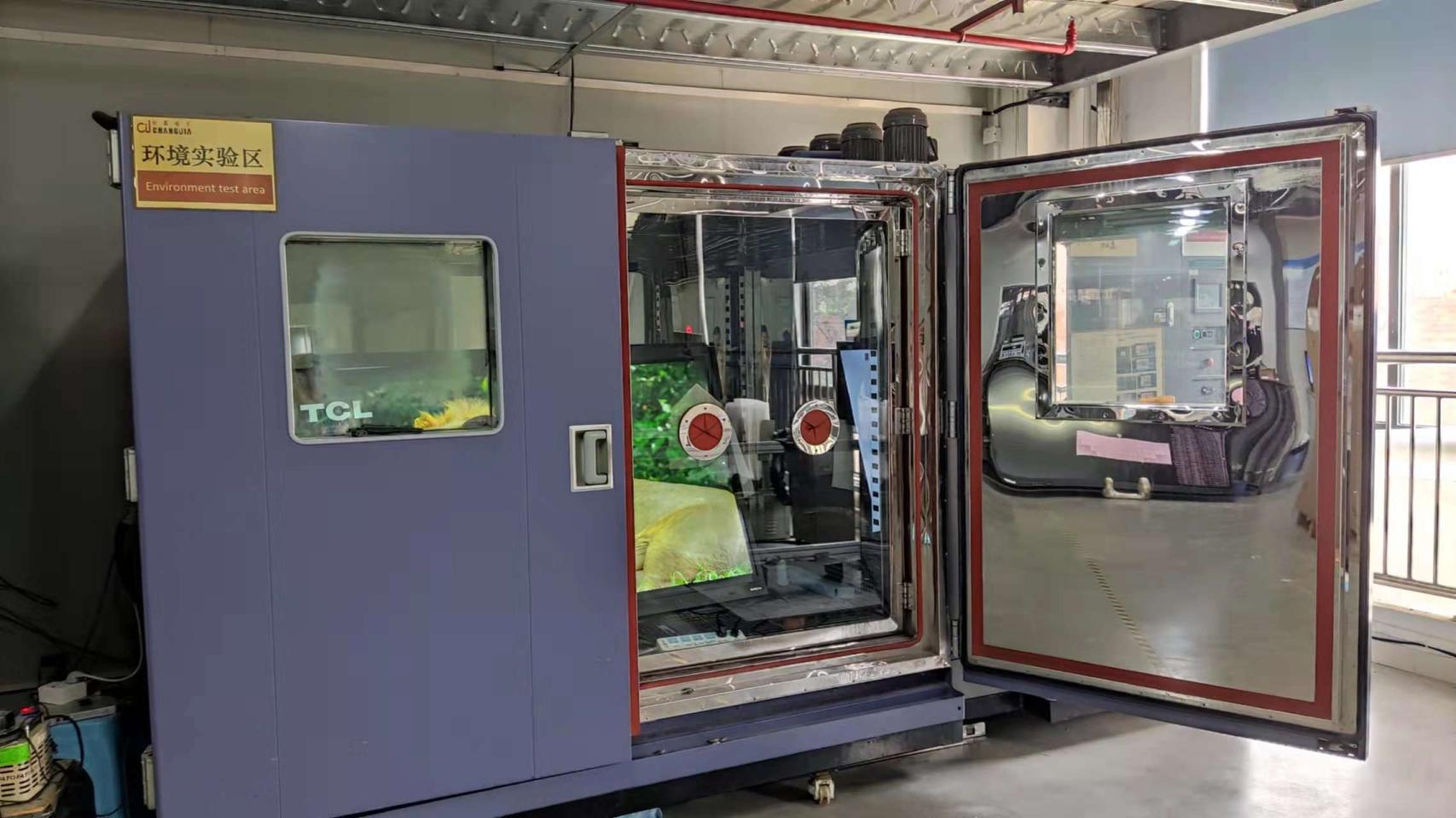
- In-house test lab: high/low temperature, drop, simulated transportation, salt spray, button life, insertion force, static, earth continuity and withstand voltage testing.
Confirmed by independent inspection records and company profile.
Long-term paid supplier membership and public trading records.
Engineering, production, QC and export service professionals.
Average score from verified buyer reviews and transactions.
Third-party verification
SGS onsite verification, credit overview, trade capacity, transaction level and trade history are publicly checkable. This is the information gain Yokohama procurement teams need when comparing unfamiliar exporters.
In-house manufacturing control
SMT, auto-insertion, PCB and final assembly are controlled under one roof. That protects custom designs and supports faster engineering changes for OEM lecture capture projects.
Smart classroom ecosystem
Interactive displays, interactive whiteboards, lecture capture cameras, networked digital podiums, 4K wireless presentation and AV/light/door control can be combined into one classroom solution.
OEM / ODM cooperation
Customisation can include logo, boot screen, housing colour, packaging, pre-installed software, language settings and hardware configuration. Sample approval is part of the documented workflow.
Reliability testing evidence
The test lab validates products under temperature, drop, transport vibration, salt spray, button life, insertion force, static, earth continuity and withstand voltage conditions.
Export and partner support
More than ten years of export experience supports distributors, system integrators and tender buyers. Documentation, export packing and after-sales communication are handled by an experienced team.

From Yokohama Inquiry to Delivered Lecture Capture System in Six Steps
A structured workflow keeps importers, distributors and AV integrators informed at every milestone, especially when Japanese-language packaging or 100 V accessories are part of the project.
01. Requirement review
Share room sizes, viewing distances, quantities, target market, voltage, language and compliance expectations. For Yokohama projects, confirm 100 V accessories and Japanese-language documentation requirements at the start.
02. Solution design
Engineers propose the camera, microphone, speaker, mounting and control configuration. Where true 360° stitching is required, the room layout and camera placement should be reviewed before a model is recommended.
03. Sample approval
Pre-production samples confirm image quality, tracking behaviour, audio pickup and physical finish. Distributors can also validate packaging, labels and quick-start guides before mass production.
04. Mass production
In-house SMT, PCB and assembly lines build the order. Production planning covers material control, firmware loading and customisation steps agreed during sample approval.
05. QC and testing
Reliability lab tests and final inspection are completed before packing. Test items can include temperature, drop, transport vibration, button life, electrical safety and functional checks.
06. Delivery and support
Export packing, shipping coordination and after-sales support are arranged. Yokohama buyers can discuss shipment to Yokohama Port or another logistics node, together with spare-parts and warranty terms.
Questions Yokohama Buyers Ask About China Wholesale Lecture Capture Cameras
These are the practical questions that arise during supplier comparison, sample approval and import planning for Yokohama education and corporate projects.
Can Ruyden supply a true 360 conference room camera for lecture capture?
Ruyden supplies AI conference cameras, auto-tracking webcams, all-in-one camera-speakerphone units, soundbars and speakerphones that can be configured for wide-area room coverage and lecture capture. If the project specifically requires true 360° stitched video, share the room layout, mounting height and viewing requirements so the engineering team can confirm the correct camera architecture or a multi-camera arrangement. This avoids treating “360” as a generic marketing label.
Do you ship wholesale orders to Yokohama Port?
Yes. Ruyden supports export shipping arrangements for international buyers, including shipments to Japanese ports and door-to-door logistics partners. Share your preferred Incoterms, destination, order quantity and whether the shipment should be palletised or carton-packed individually. Export packing and documentation can be discussed during quotation.
What voltage and certification points should Yokohama buyers check?
Yokohama uses a 100 V / 50 Hz supply. Confirm that power adapters are rated 100–240 V, 50/60 Hz and that the plug type is suitable for Japan. Depending on the product category and project requirements, buyers may also request PSE documentation where applicable, VCCI documentation, CE/FCC for re-export, and RoHS or REACH material statements. Always confirm the exact documentation package before ordering.
Can the camera work with Zoom, Microsoft Teams and Google Meet?
USB UVC camera models are designed for plug-and-play use with room PCs and common video conferencing platforms. The camera is recognised as a standard video device, while integrated or connected microphones and speakers handle audio. For large rooms, we recommend testing the complete camera and audio combination with the actual room PC, extension cables and display configuration before mass deployment.
Is Japanese-language support available for Yokohama distributors?
OEM and ODM projects can include language localisation for menus, quick-start guides, labels and packaging, subject to model capability and order requirements. Distributors should confirm the exact localisation scope during the sample stage. Providing Japanese-language setup material helps technicians install the system correctly and reduces avoidable after-sales requests.
How do you control quality before a wholesale shipment?
Production runs through in-house SMT, auto-insertion, PCB and assembly lines. Products are then checked in the reliability lab using test items such as high and low temperature, drop, simulated transportation, salt spray, button life, insertion force, static, earth continuity and withstand voltage testing. Final inspection is completed before export packing.
What is the MOQ and sample lead time for Yokohama projects?
MOQ and sample lead time depend on the model, customisation level and order schedule. Standard samples can usually be discussed first, while OEM projects require artwork, language files and packaging approval. Send your room count, target price, certification list and required delivery date so the export team can respond with a realistic plan rather than a generic promise.
How should a Yokohama buyer start a wholesale project with Ruyden?
Prepare a short brief: room types and sizes, expected quantities, camera and audio requirements, target platforms, whether you need OEM branding, voltage and language requirements, and any tender documentation. Send the brief to info@ruydentech.com or use the catalog request button on this page. The team can then recommend a product combination and sample plan.
Planning a Lecture Capture or Hybrid Classroom Rollout?
Talk to a manufacturer that can discuss cameras, audio, smart podiums, OEM branding, reliability testing and export documentation in one conversation. Share your room plan and target market, and receive a tailored wholesale configuration proposal.
