Eight Factory Products for Classroom Audio, Teaching and Hybrid Learning
These product families support a practical Hat Yai procurement strategy: start with the room, then match the audio, display, podium and capture hardware to the teaching workflow.
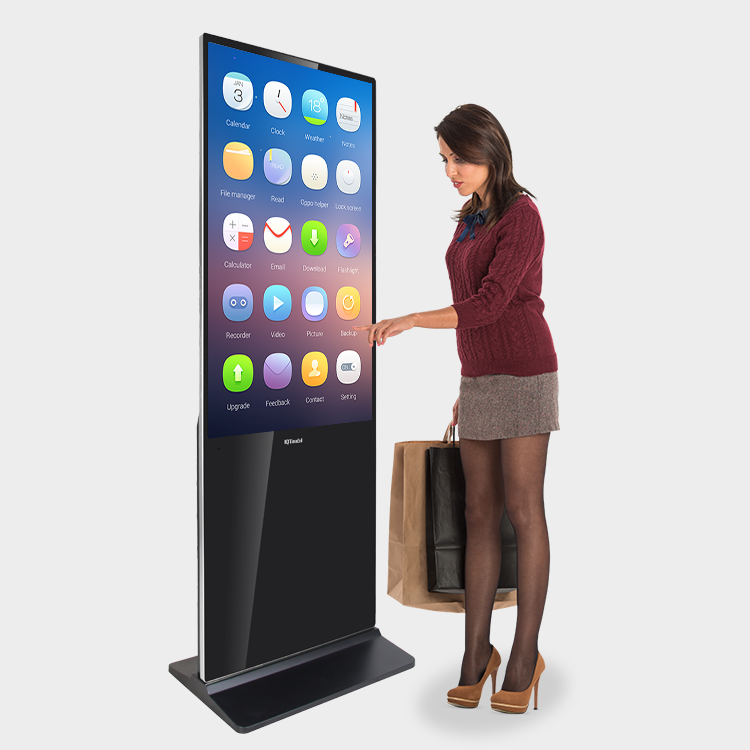
43inch Kiosk Touch Screen Floor Standing Advertising Kiosk Shopping Centre Digital Signage and Displays Outdoor Waterproof
Weather-ready digital signage for school entrances, training centers, hotel lobbies and wholesaler showrooms in Hat Yai.
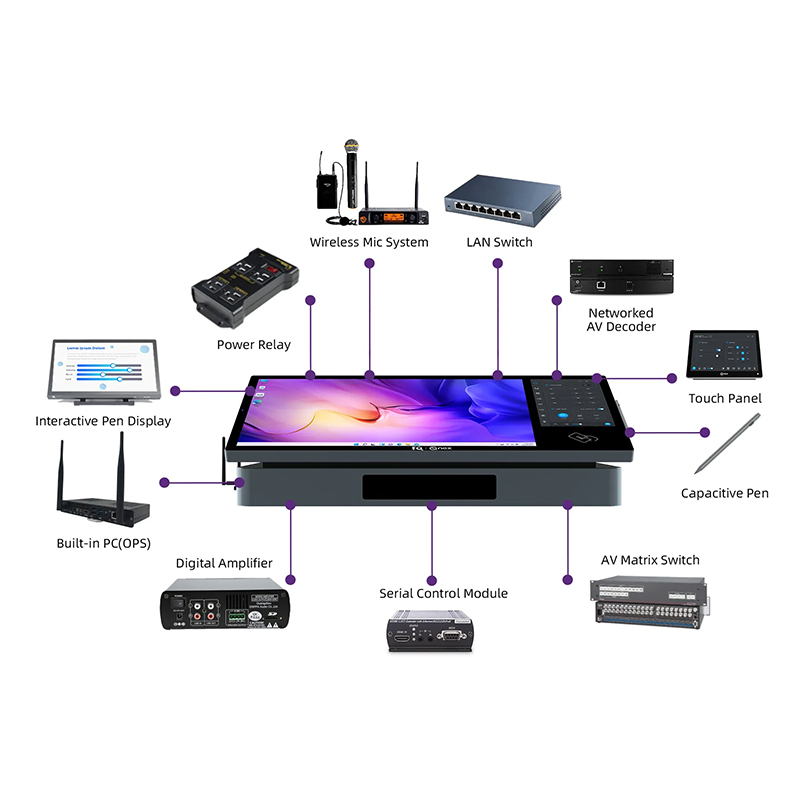
Android System Education Classroom Control Smart Digital Lectern Desktop Digital Podium
Centralizes teacher access to audio, display, lighting and source switching while simplifying daily classroom operation.
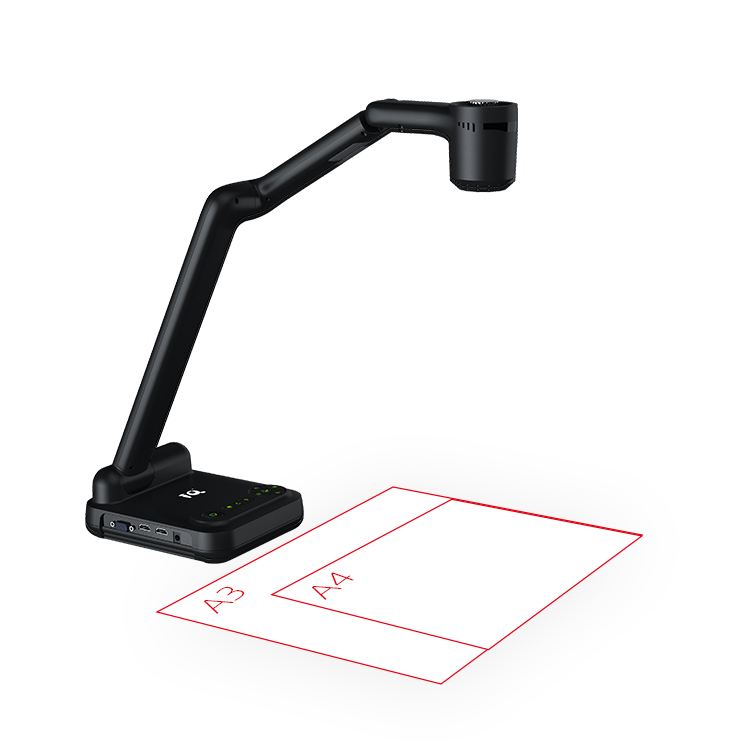
Portable Classroom Scanner Machine HD 8 Megapixel A4 Document Camera Scanner Visual Presenter with LED Fill-in Light
Useful for language teaching, exam review, handwriting demonstration and detailed material sharing in bilingual classes.
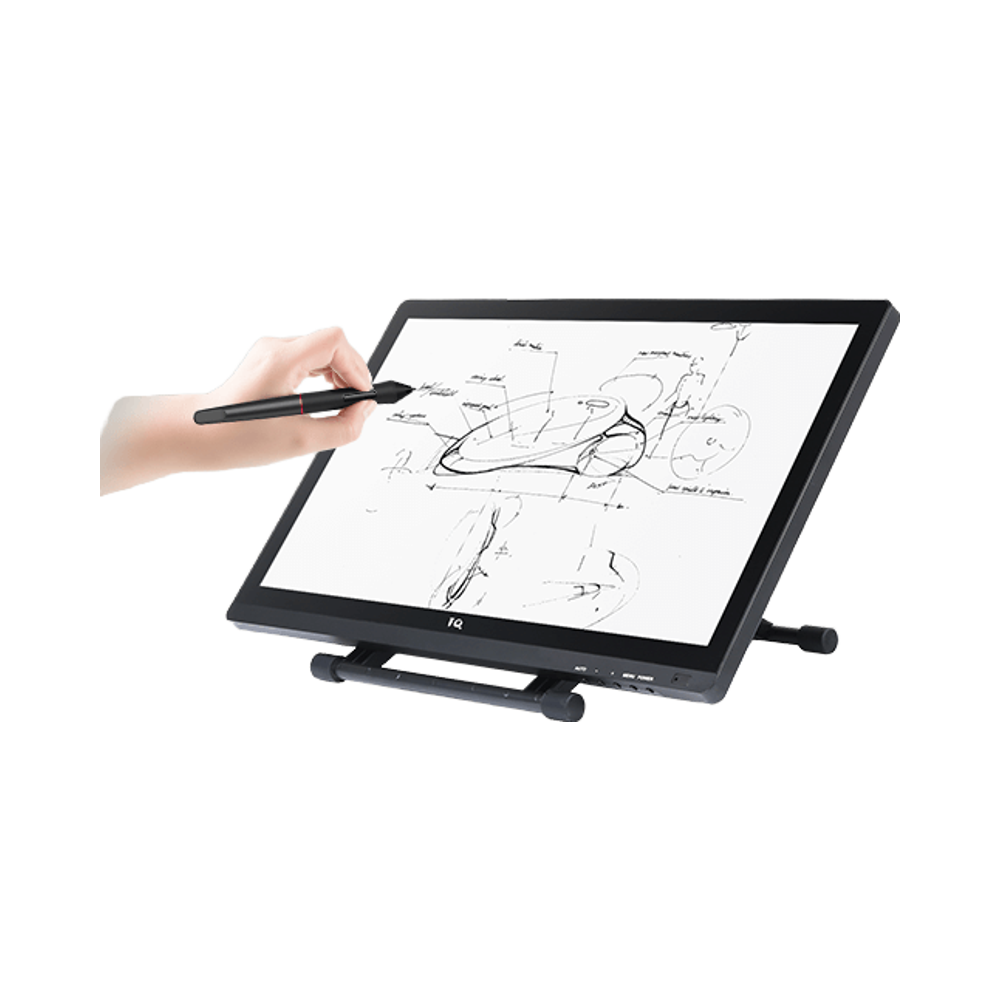
22" Touch Screen Digital Smart Podium with Wireless Microphone for Sale
A compact podium that improves teacher voice pickup while giving the presenter control over presentations and audio.
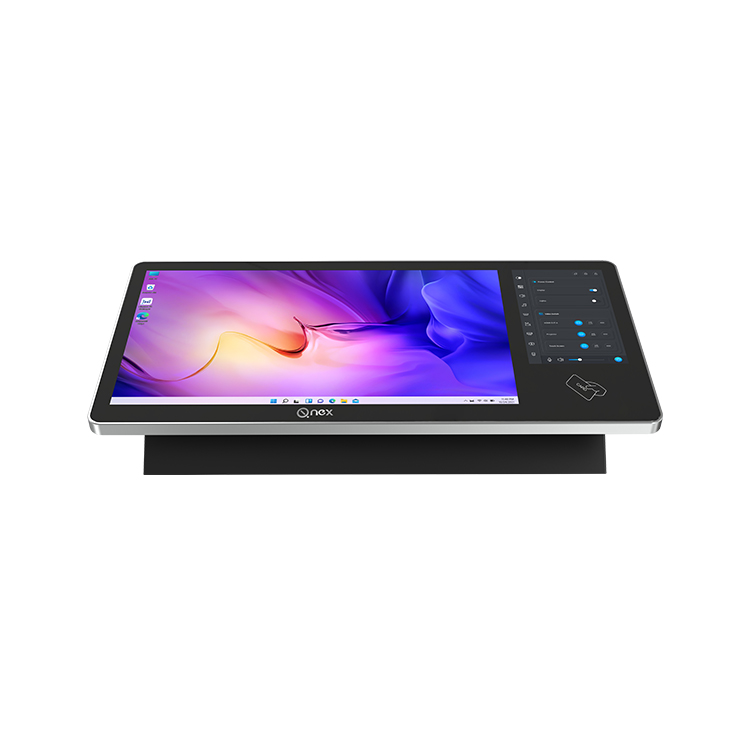
Dual Screens with Optical Bonding All-in-one Smart School Computer Desktop Digital Podium Pulpit for Classrooms
Designed for teachers who manage lesson content, audio sources and room devices from one console without switching desks.
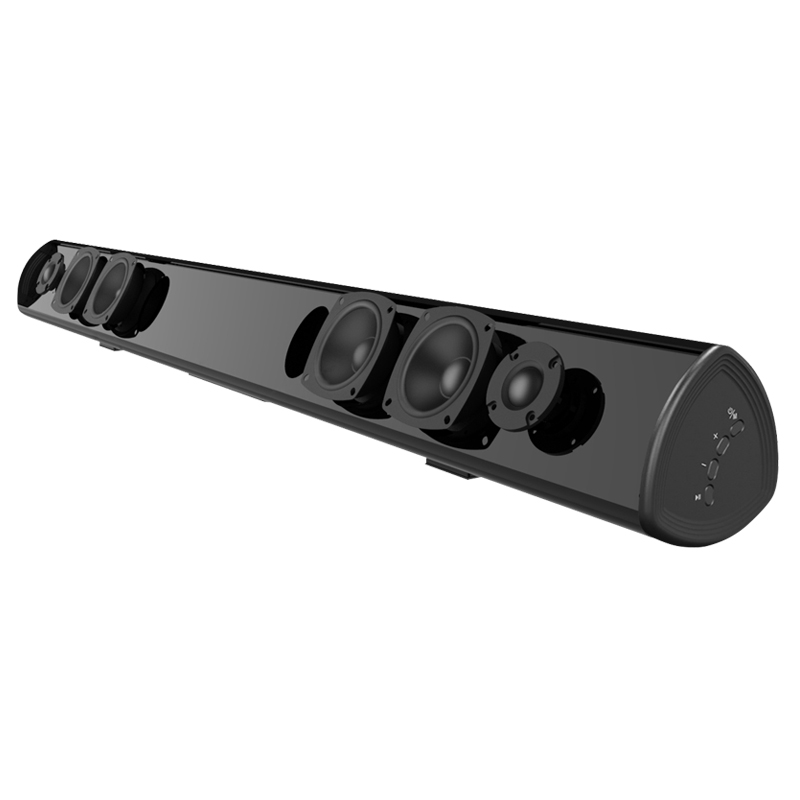
Voice Pick up Soundbar Sound Remote Speaker
A practical audio core for classrooms where speech clarity, voice pickup and clean installation matter more than bulky PA systems.
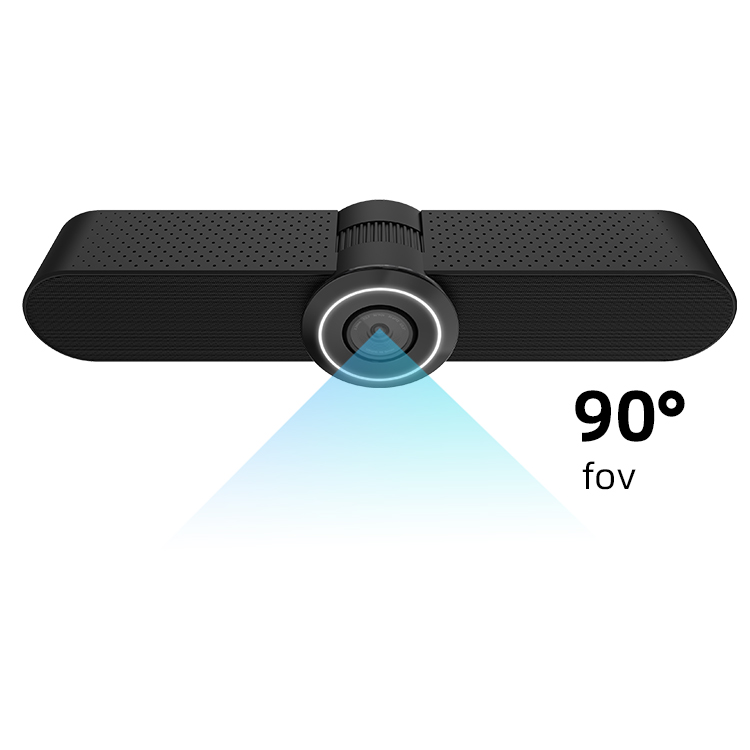
Conference Live AI Camera 4k 1080p 60fps USB Webcam Camera All in One Microphones and Speakers
Combines video, microphone and speaker functions for remote classes, recorded lectures and hybrid meetings.
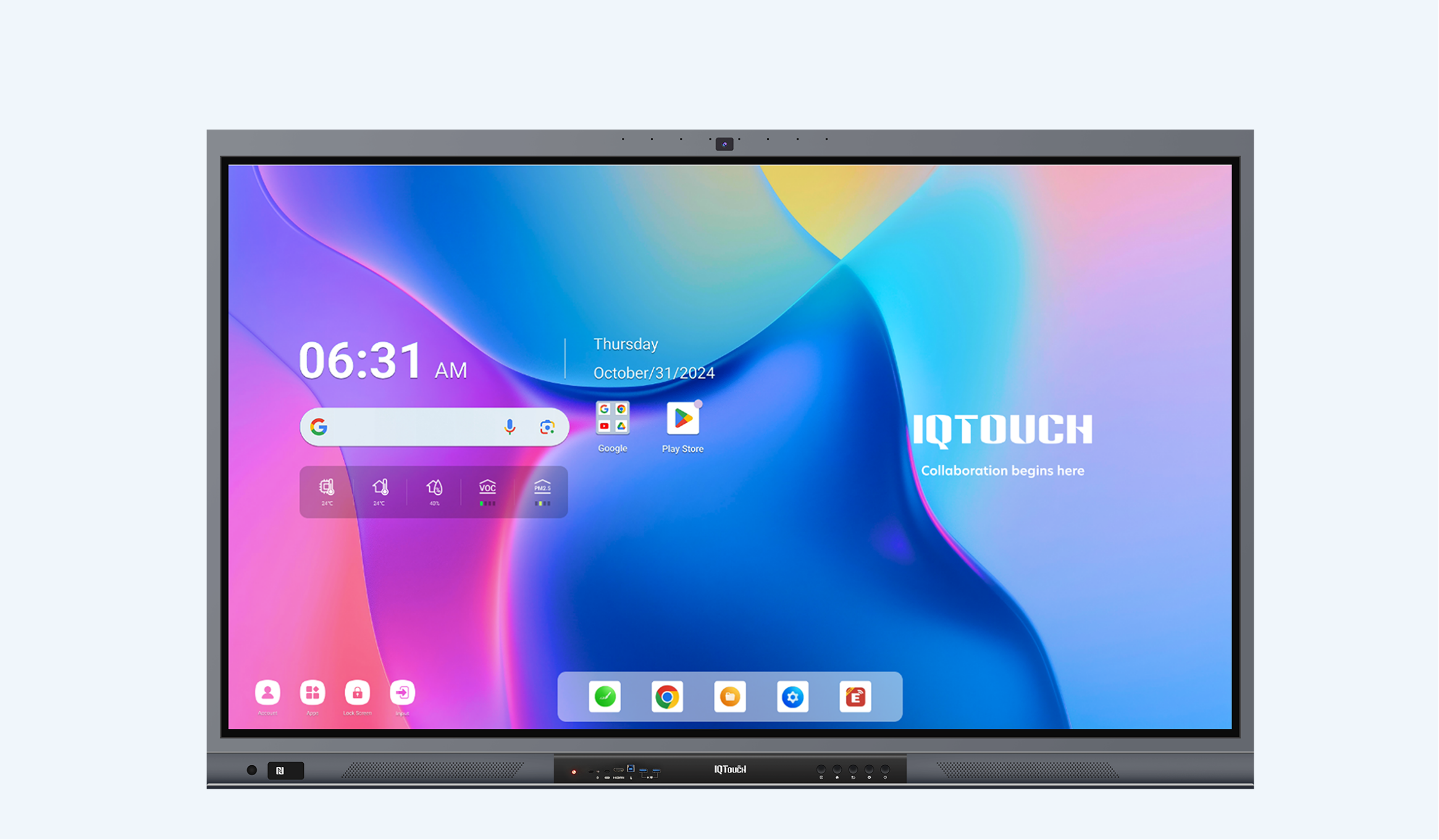
75 86 Inch Interactive Touch All in One Pc Electronic Interactive Whiteboard Smart Board Digital Price for Conference
Large-format touch display for classrooms, university seminar rooms, training centers and corporate meeting spaces.
Why Classroom Audio Is Becoming Core Infrastructure in Hat Yai
In Hat Yai, the buying conversation is moving from “one speaker and one microphone” to a complete classroom audio-visual system that supports bilingual teaching, hybrid learning and campus-wide control.
Hat Yai is a commercial, education and transport hub in southern Thailand. Schools, vocational colleges, universities, language centers, hotels and training facilities are investing in classrooms that can support clear speech, interactive content, remote participants and recorded lessons. For wholesalers and project integrators, this creates demand for a China wholesale classroom audio system factory that can supply the complete hardware set rather than isolated accessories.
A modern classroom audio system now includes voice pickup soundbars, wireless microphones, smart podiums, interactive displays, document cameras, AI conference cameras and control software. The system must be easy for teachers to operate, easy for IT teams to maintain and easy for wholesalers to stock with common spare parts. That is why the strongest Hat Yai suppliers will not only quote a product — they will help configure a room-ready bill of materials.
This buyer guide is written for Hat Yai school owners, procurement officers, AV distributors and system integrators. It focuses on product selection, local teaching scenarios, southern Thailand procurement trends, specification checkpoints and the factory advantages that reduce integration risk. The goal is to help buyers compare offers with better information instead of choosing on price alone.
- Match audio coverage to room size, ceiling height and seating layout.
- Confirm Thai and English user interfaces, fonts and documentation.
- Check 220–240V/50Hz power compatibility, plug types and safety documents.
- Plan spare parts, teacher training and after-sales response before placing a wholesale order.
Factory-Direct Does Not Mean “One-Size-Fits-All”
For a Hat Yai school, the best value comes from a factory that can combine audio, display, podium and control hardware into one tested configuration. That reduces compatibility problems, simplifies warranty responsibility and gives local wholesalers a stronger service story.
Where Classroom Audio and Smart Learning Systems Fit the Hat Yai Market
Hat Yai is not a single buyer segment. A wholesale offer becomes more competitive when it is adapted to the room types, language needs and service expectations of southern Thailand.
Government and Private Schools
Standard classrooms can use a 75–86 inch interactive board, a voice pickup soundbar and a wireless microphone podium. Teachers gain clear voice reinforcement without complex PA control.
Bilingual and Language Classrooms
Thai-English teaching, listening exercises and pronunciation practice benefit from consistent speech coverage, document camera display and low-feedback microphone placement.
University and Vocational Campuses
Lecture halls and training rooms need larger displays, dual-screen podiums, AI cameras and lecture capture. Hat Yai’s education corridor makes this a strong segment for integrators.
Hotels, Hospitals and Training Centers
Hospitality and corporate training spaces need hybrid meeting audio, conference cameras and signage. Wholesalers can serve these buyers alongside schools with one product ecosystem.
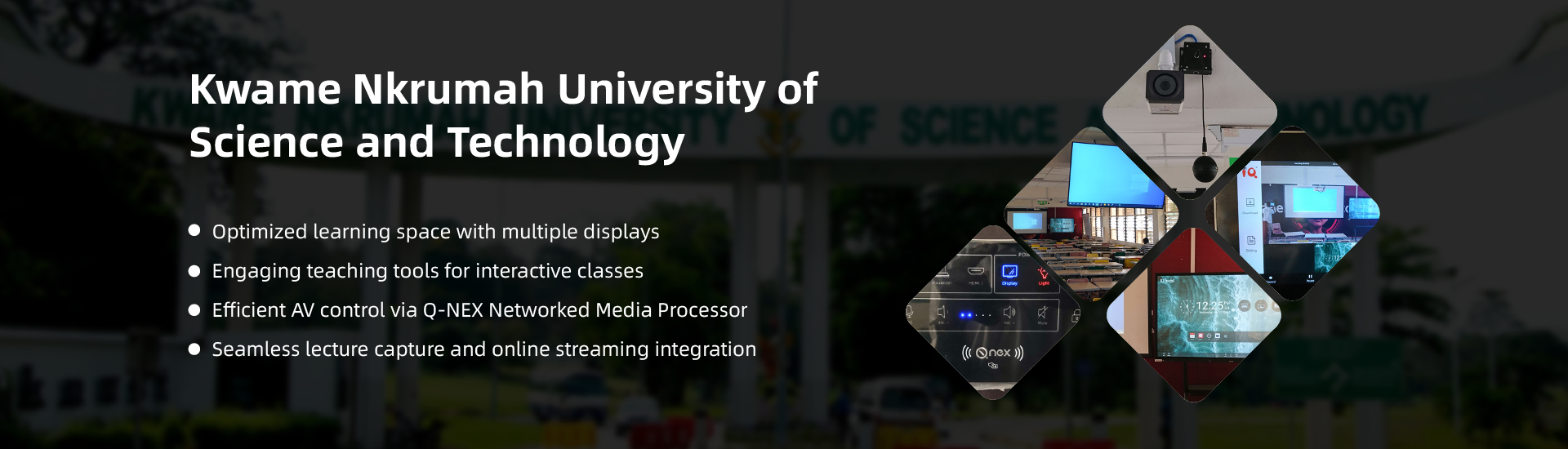
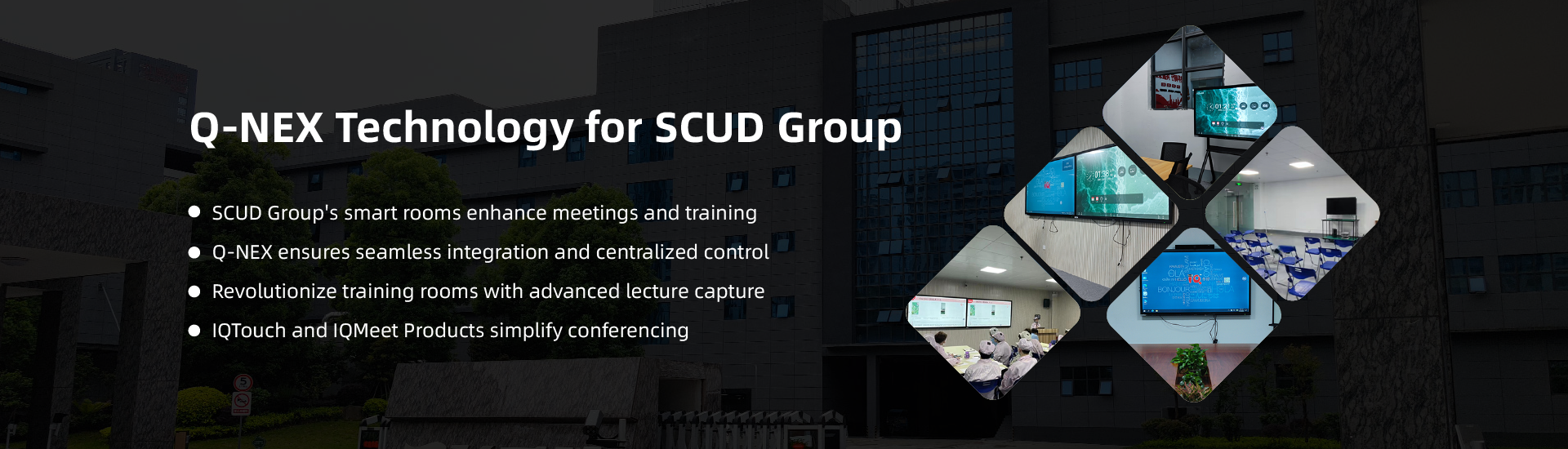
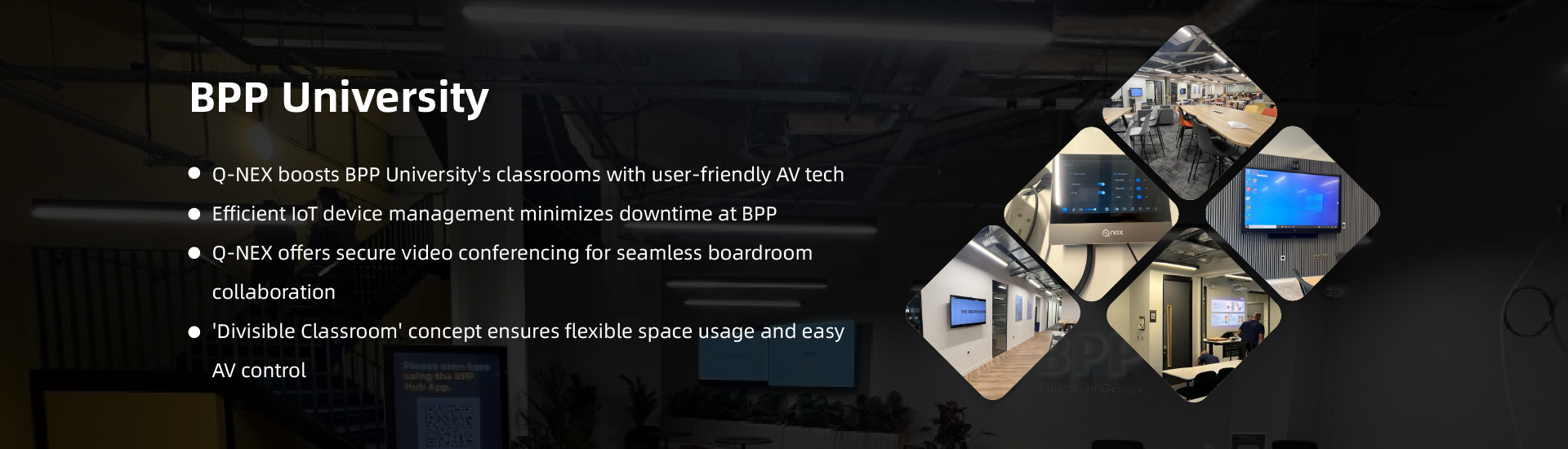
How the Eight Products Work as One Classroom Audio System
The strongest installation is modular: each layer can be specified separately, but the system is designed around the teacher’s voice, the student’s view and the IT team’s ability to manage the room.
-
Teacher Voice Layer
Voice pickup soundbar and wireless microphone podium deliver clear speech to every student, including the rear rows.
-
Visual Teaching Layer
75–86 inch interactive smart board presents lesson content, annotation and video without dimming room lights.
-
Content Capture Layer
8MP A4 document camera and AI conference camera support handwritten material, demonstrations and remote participation.
-
Control Layer
Android smart lectern or dual-screen digital podium consolidates source switching, audio control and room functions.
-
Campus Management Layer
Networked AV and school management allow IT teams to standardize settings, monitor rooms and support multiple buildings.
Recommended Configurations for Hat Yai Classroom and Training Projects
Use these configurations as a starting point for a wholesale quotation. Room dimensions and local installation conditions should always be verified before final ordering.
| Room Type | Recommended Display | Audio and Control | Capture and Support |
|---|---|---|---|
| Standard K–12 Classroom | 75–86 inch interactive smart board | Voice pickup soundbar + 22 inch smart podium with wireless microphone | Portable 8MP A4 document camera |
| Bilingual Language Room | 75–86 inch interactive display | Voice pickup soundbar + wireless microphone podium | Document camera + 4K AI conference camera |
| University Lecture Hall | 86 inch or larger interactive board | Dual-screen optical bonding digital podium + soundbar | AI camera, lecture capture, networked AV control |
| Corporate Training / Hotel Meeting Room | 75–86 inch interactive display | Smart lectern + voice pickup speaker | 4K AI webcam with microphone and speaker + 43 inch signage kiosk |
For tenders, request a room-by-room bill of materials, warranty terms and spare-parts list before comparing wholesale prices.
2025–2028 Trends Shaping Classroom Audio Demand in Hat Yai
Buyers are becoming more sophisticated. They want systems that improve speech clarity, support hybrid teaching and remain serviceable after installation.
AI Voice Pickup and Noise Control
Teachers expect hands-free voice reinforcement. Soundbars with intelligent pickup and noise reduction reduce fatigue and improve attention in larger classrooms.
Wireless Presentation and BYOD
Students and trainers use multiple devices. Wireless presentation and USB-friendly cameras simplify screen sharing and reduce cable faults.
Lecture Capture and Hybrid Learning
Universities and training centers need recorded lessons that combine teacher voice, board content and camera video. All-in-one AI cameras make this easier.
Centralized Campus AV Management
Schools are standardizing room settings across buildings. Networked podiums and central control reduce support visits and improve device uptime.
Thai-English User Experience
Local users need familiar language settings, clear icons and training materials. OEM buyers can specify Thai/English interfaces, labels and boot screens.
Compliance, Serviceability and Transparency
Procurement teams increasingly ask for third-party verification, safety documentation, spare-parts commitments and clear warranty responsibilities.
How to Specify a Classroom Audio System for Southern Thailand
A good specification prevents the most common installation problems: weak rear-row intelligibility, microphone feedback, incompatible voltage and unclear after-sales responsibility.
Speech intelligibility is the first performance target. In a typical classroom, aim for a comfortable speech-to-noise ratio at the rear row, then verify with a site walk test. The practical objective is not simply “louder sound” — it is consistent, natural speech that students can follow without strain.
For room acoustics, many classrooms fall within a 0.4–0.6 second reverberation-time planning range, but actual conditions depend on ceiling material, glass, tile and room volume. In highly reflective rooms, acoustic treatment and speaker positioning matter as much as amplifier power. For Hat Yai buildings with open corridors or mixed materials, a site survey is strongly recommended.
Power and environment also need attention. Thailand commonly uses 220–240V, 50Hz power, but plug type and circuit protection should be confirmed per site. For wireless microphones or Wi-Fi modules, confirm applicable radio and safety requirements with your importer before shipment. The factory can prepare the technical documents required for the product family, while final market access remains the importer’s responsibility.
Commissioning should include microphone gain-before-feedback adjustment, equalization, volume presets for live teaching and video playback, and a simple teacher handover. A complete system should be documented with source labels, warranty terms, spare-parts numbers and local service contacts.
Physical and Digital Checklist
Before order: room drawing, seat count, ceiling height, power points, network availability, existing display/projector, language settings and spare-parts list.
Before shipment: sample approval, packaging check, voltage confirmation, plug type, Thai/English labels, accessories list and warranty documentation.
After arrival: site survey, installation plan, teacher training, acceptance test and local after-sales escalation path.
What Hat Yai Wholesalers Should Verify Before Choosing a China Factory
Wholesale success depends on repeatable product quality, clear documentation and fast local support. Use these eight checkpoints when comparing classroom audio system suppliers.
Quote a Complete BOM
Ask for display, audio, podium, camera, cabling and accessories in one bill of materials to expose hidden gaps.
Confirm 220–240V/50Hz
Verify power input, plug type and protection requirements for Thailand and cross-border projects.
Review Thai/English UX
Confirm language settings, fonts, on-screen labels and teacher documentation before mass production.
Check Safety Documents
Ask which reports apply to the exact model and whether radio modules need separate market approval.
Validate Audio by Room
Request speaker placement guidance, microphone coverage data and feedback-control recommendations.
Plan Spare Parts
Confirm availability of microphones, power boards, remote controls, pens and common wear items.
Agree on RMA and Training
Define warranty terms, DOA policy, return process and teacher/installer training responsibilities.
Model Landed Cost
Compare freight, duty, VAT, clearance, inland delivery, installation and after-sales — not unit price alone.
Why Ruyden Is a Practical Factory Partner for Hat Yai Wholesalers
Ruyden Interactive Technology Group Co., Ltd. combines a broad smart classroom product line with verified manufacturing, OEM/ODM customization and export experience.
Ruyden is an SGS onsite-verified manufacturer and exporter of interactive flat panels, interactive whiteboards, lecture capture systems, networked digital podiums and smart classroom AV integration solutions. The company is headquartered in the Fuzhou High-tech Zone, Fujian, China, and has 19 years of industry experience with a verified team of 82 staff across engineering, production, quality control and export service.
The factory controls SMT, AI auto-insertion, PCB processing and final assembly under one roof. That structure supports OEM and ODM programs for logo, boot screen, housing color, packaging, software pre-installation, language settings and hardware configuration. For Hat Yai wholesalers, this means a product can be adapted to local presentation needs while keeping a consistent core platform.
Quality control includes an in-house reliability test lab with high and low temperature, drop, simulated transportation, salt spray, button life, insertion force, static, earth continuity and withstand voltage testing. These checks matter for export markets where equipment must survive long-distance shipping and high-use classroom environments.
Ruyden also supports one-stop smart classroom integration: interactive displays, lecture capture cameras, digital podiums, wireless presentation and centralized AV, light and door control. Buyers can start with one room, then scale to a campus rollout with a consistent product ecosystem.



Factory Verification Snapshot
SGS onsite-verified, 19 years in industry, 82 verified staff, 5.0/5 buyer rating and more than 10 years of export experience. International trade show participation: four times.
Address: Building 6, Innovation Park Phase I, No. 3 Keji East Road, Shangjie Town, High-tech Zone, Fuzhou, Fujian, China.
Factory Data That Supports Wholesale Decision-Making
For Hat Yai buyers, supplier credibility should be supported by third-party verification and transparent production capability.
Questions Hat Yai Schools, Wholesalers and Integrators Ask Most
These answers are written for practical procurement discussions. Final specifications and compliance requirements should always be confirmed for the exact model and project.
How do I choose a classroom audio system for Hat Yai schools?
Start with the room size, ceiling height, seating layout and teaching style. For a standard classroom, a voice pickup soundbar, wireless microphone and 75–86 inch interactive display are often sufficient. For lecture halls, add a dual-screen podium, AI camera and lecture capture. Confirm speech clarity at the back row through a demonstration or site test.
What voltage and plug type should be supplied for Thailand?
Thailand commonly uses 220–240V, 50Hz power. Confirm plug type, outlet layout and circuit protection for each site before ordering. For projects near the Malaysia border or involving imported equipment, verify the destination requirements with the local importer or electrical contractor.
Can the factory customize Thai language, logo and packaging?
OEM and ODM customization can include logo, boot screen, housing color, packaging, pre-installed software, language settings and hardware configuration. For Thai/English user interfaces, provide the exact translation and font requirements before sample approval to avoid rework.
How are products shipped to Hat Yai or Songkhla?
Most wholesale orders move by sea freight through Laem Chabang or Songkhla, followed by road delivery. Urgent samples can be shipped by air to Hat Yai International Airport. Confirm Incoterms, packing standards, insurance and inland delivery responsibilities with your freight forwarder.
Do you provide TISI, NBTC or other certification documents?
Certification requirements depend on the exact product, power system and radio modules. The factory can prepare applicable technical and safety documents, but the importer should confirm TISI, NBTC or other Thai market requirements with a local compliance consultant before shipment. Requirements can change, so verify before the order is finalized.
What is the MOQ and can I mix models in one order?
MOQ depends on the model, customization level and packaging requirements. Mixed orders are often possible for wholesalers and project buyers, but the final mix should be confirmed with the export team. A sample order can be discussed before a full classroom or campus rollout.
How should I compare warranty and spare-parts offers?
Ask for the warranty period, DOA policy, RMA process, response time and list of recommended spare parts. For schools, common spare items may include microphones, remote controls, power boards, stylus pens and mounting accessories. A clear local service plan is often more valuable than a lower initial unit price.
Can these systems integrate with existing projectors and classroom equipment?
Yes, in many projects. The smart podium and control layer can be specified around existing displays, projectors, audio sources and network infrastructure. Provide a site equipment list, connection photos and room drawings so the factory can recommend the correct interface, cabling and control configuration.
Planning a Classroom Audio, Smart Learning or Wholesale Program?
Share your room types, quantities, target grades or training environment, voltage requirements and preferred delivery terms. Our export team will prepare a tailored configuration proposal for your Hat Yai market project.
