Digital Signage Display Factories & Factory Serving Kawasaki
Factory-direct displays, kiosks, digital podiums, document cameras and conference AV for Kawasaki schools, hotels, banks, hospitals, offices and public spaces — backed by SGS-verified manufacturing, OEM/ODM flexibility and export experience.
Eight Factory-Direct Products for Digital Signage and Smart AV in Kawasaki
These eight products cover the most common Kawasaki buying scenarios: lecture halls, classrooms, hotel and bank lobbies, hospital queues, outdoor wayfinding, meeting rooms and document-sharing spaces. Every product link below is preserved from the original product range.
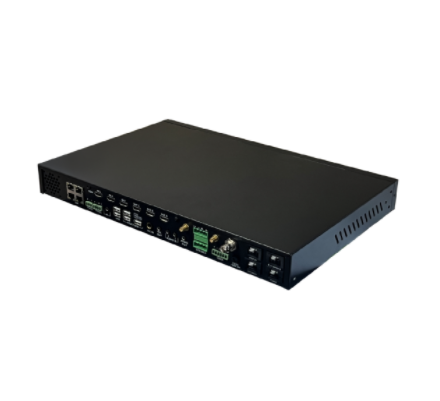
QNex Networked Media Processor for Digital Podium
Ideal for Kawasaki university lecture halls and corporate training rooms that need centralized display, audio and source control from a networked podium.
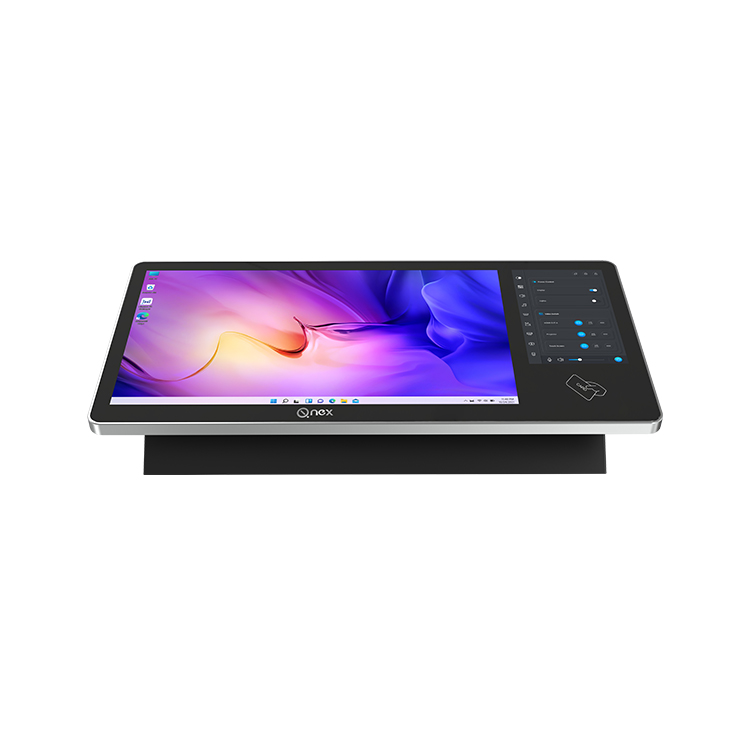
Dual Screens with Optical Bonding All-in-one Smart School Computer Desktop Digital Podium Pulpit for Classrooms
A high-visibility smart podium for Kawasaki classrooms and teacher stations where two screens, optical bonding and stable daily operation matter.
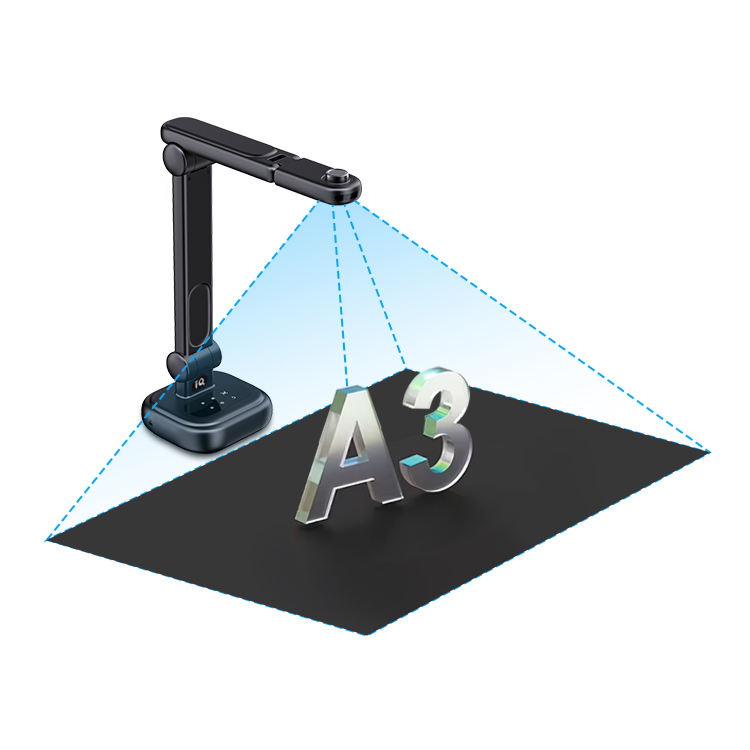
4K Camera Folding Design Live Annotation Adjustable LED Lighting Dual Stream A3 A4 Document Book Camera Scanner
Useful for Kawasaki schools, training centers and hybrid seminars that need clear document capture, live annotation and flexible LED lighting.
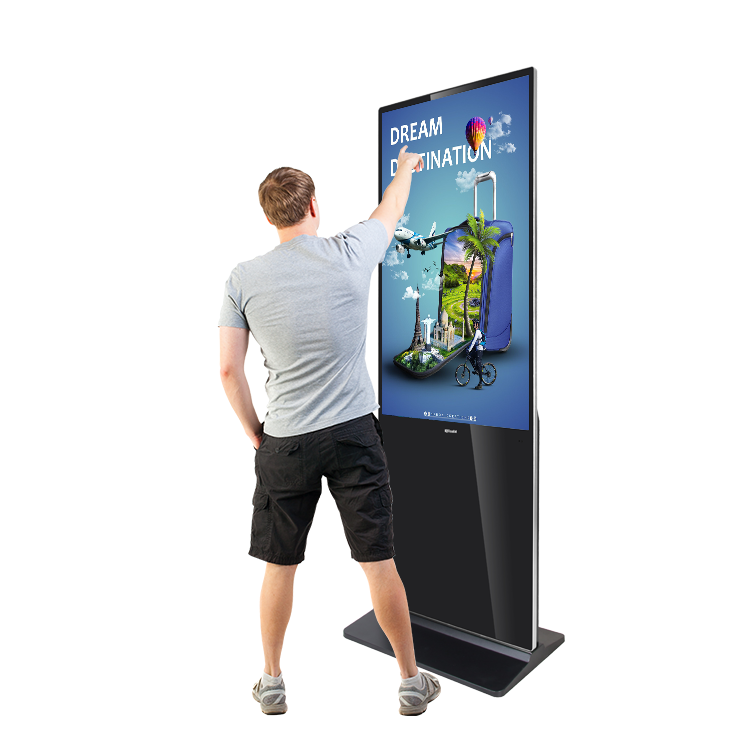
Wholesale 43inch Android Tablet Floor Standing Touch Kiosk for Hotel Bank School
A practical indoor signage kiosk for Kawasaki hotel lobbies, bank branches, school reception areas and hospital wayfinding zones.
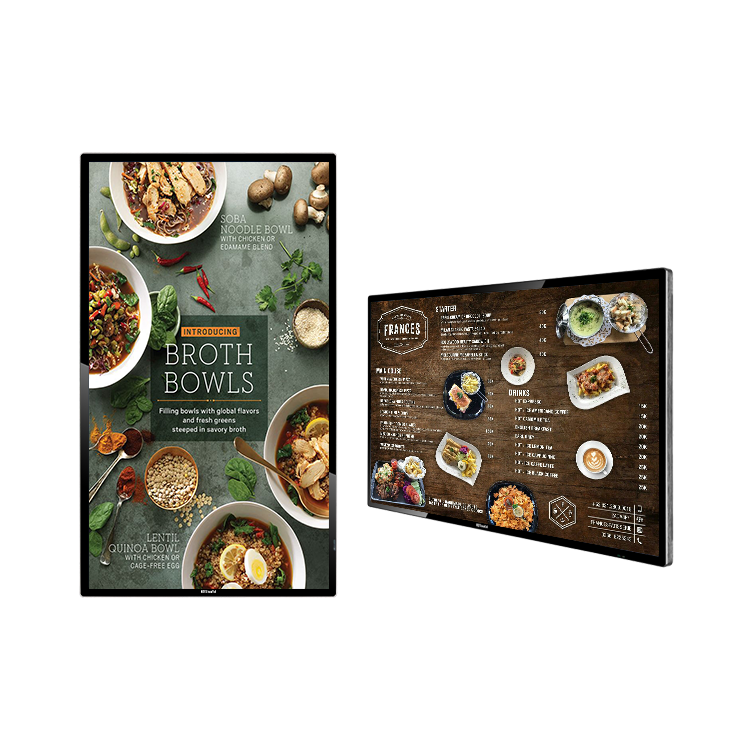
4K Kiosk Touch Screen Digital Signage Outdoor LED LCD Advertising Kiosk for School Hotel Hospitals
For Kawasaki outdoor advertising, campus entrances, hospital plazas and hotel forecourts where brightness and weather resistance are important.
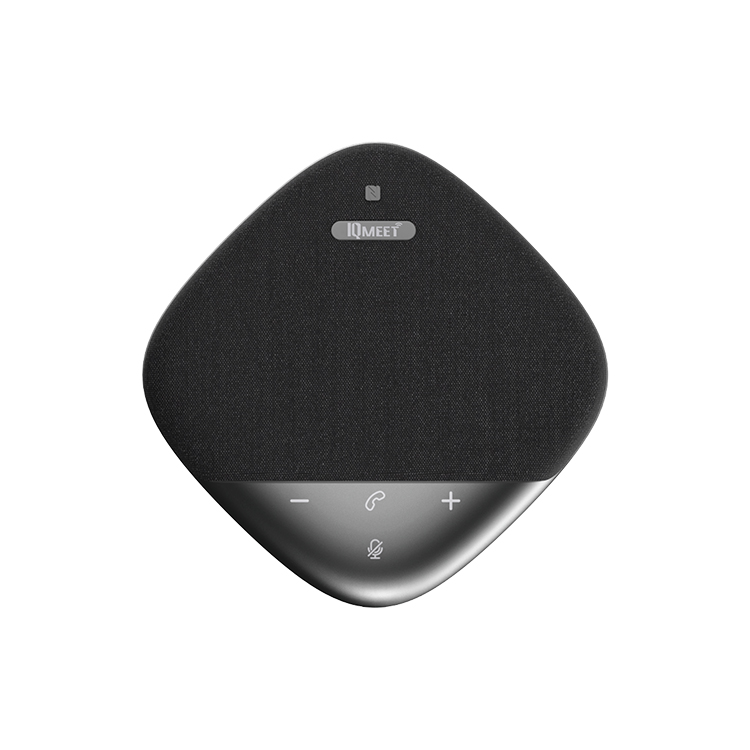
China Factory NFC Features AI Noise Reduction Built-in Dual Speakers Conference Speakerphone for Mobile Phone USB
Suits Kawasaki office huddle rooms and hybrid meetings that need clear voice pickup, USB or mobile connection and simple installation.
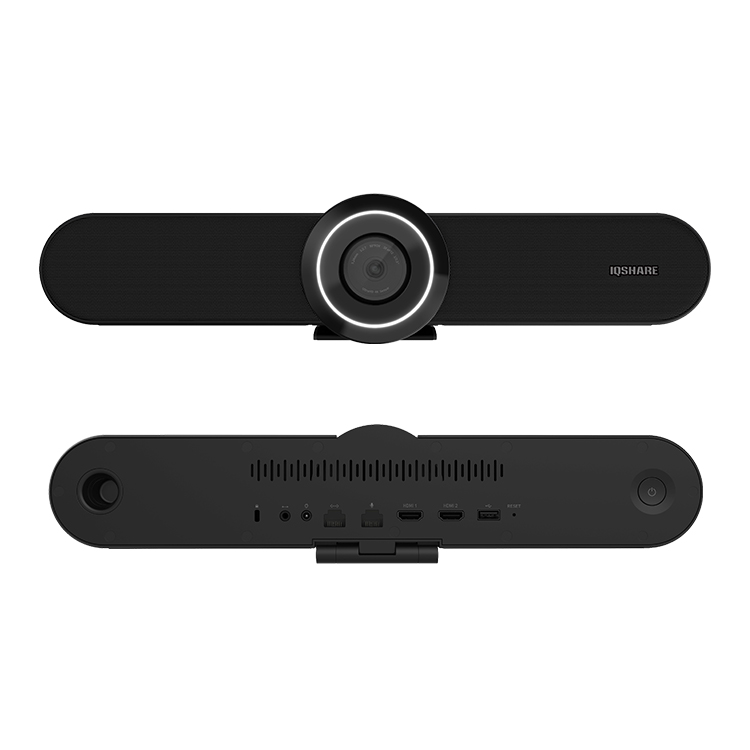
All in One Conference System USB Ultra HD 4K Outdoor Pc Webcam 4k Autofocus with Built in Speakerphone and 2 Mics
A compact all-in-one video bar for Kawasaki boardrooms, clinics and training rooms that need 4K autofocus, speakerphone and dual microphones.
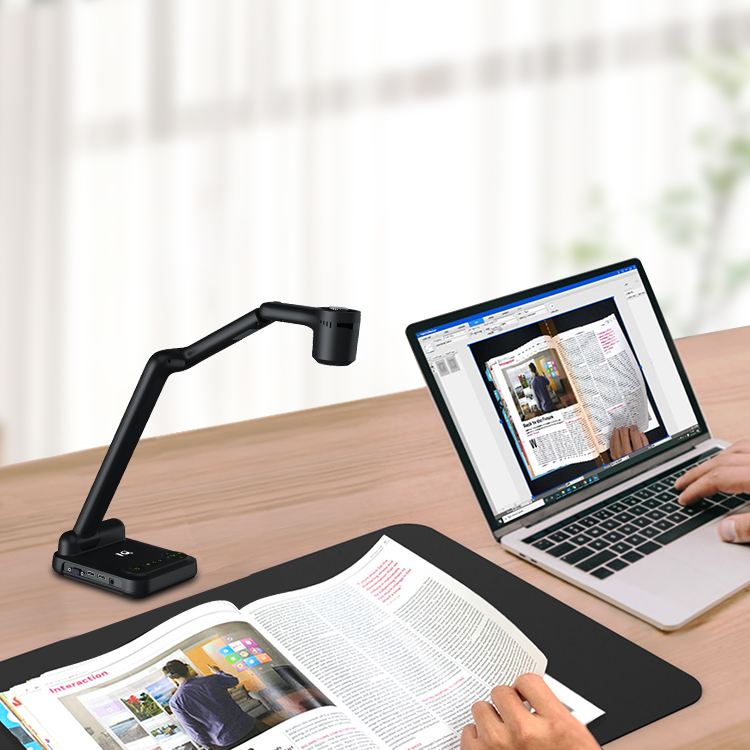
Wholesale 10x Optical Zoom Portable High Definition Live Image Document Camera Ceiling for School
Designed for Kawasaki schools and training rooms that need live image magnification, 10x optical zoom and portable classroom document sharing.
Why Kawasaki Buyers Compare a Factory Serving Kawasaki, Not Just a Product Price
Kawasaki is not a generic Japanese city for digital signage. From the commuter flows around Kawasaki Station and the knowledge workers of Musashi-Kosugi to the industrial waterfront along the Tama River, each district creates a different mix of visibility, durability and content-control requirements. A supermarket entrance, a hospital queue, a bank branch, a school corridor and a hotel conference floor may all use displays, but they do not share the same procurement logic. That is why Ruyden positions itself as a factory serving Kawasaki rather than a catalogue seller: the goal is to match the panel, kiosk, podium, camera or conference audio device to the actual room, power environment, language requirement and maintenance model.
For Kawasaki buyers, the strongest factory-direct advantage is not simply a lower unit price. It is the ability to control the specification before production: display brightness, Android or Windows configuration, logo and boot screen, Japanese-language interface, packaging, mounting, spare-parts planning and documentation. When a Kawasaki integrator or end user sources from a verified manufacturer, the project team can reduce compatibility risk across a classroom, hotel lobby, bank outlet or hospital waiting area instead of treating each screen as an isolated purchase.
Ruyden is an SGS onsite-verified manufacturer with 19 years of industry experience, 82 verified staff and a 5.0/5 buyer rating on verified transactions. The production base is in Fuzhou, Fujian, China, and serves Kawasaki buyers through export coordination, sample approval, Japanese market documentation support and long-term spare-parts planning. Buyers who need a Kawasaki-ready digital signage factory should ask for evidence, not only images: production lines, test reports, OEM/ODM proof, packaging standards and a clear after-sales route.
This page is written for Kawasaki procurement managers, AV integrators, school operators, hotel owners, bank facilities teams and hospital engineering departments that need a practical decision framework. The information gain is in the specification detail: what changes when a 43-inch indoor kiosk becomes an outdoor 4K advertising kiosk, why a digital podium needs networked media processing, when a conference speakerphone is more appropriate than a full video bar, and how classroom document cameras fit into blended learning. The right factory partner should make those trade-offs visible before the purchase order is issued.
Where Digital Signage and Smart AV Products Fit in Kawasaki
Kawasaki projects usually combine public-facing communication with staff-facing workflow tools. The same factory product range can be configured differently for a busy station area, a quiet hospital corridor, a school classroom or an office meeting floor.
Kawasaki Station & Retail Zones
Indoor Android kiosks and outdoor 4K advertising kiosks support wayfinding, promotions and queue communication. High-brightness panels and easy content updates matter more than advanced interactivity in many station-facing deployments.
Hotels & Offices in Musashi-Kosugi
Conference speakerphones, 4K all-in-one webcams and smart podiums fit hybrid meeting rooms near Musashi-Kosugi and Kawasaki Station. Buyers should match microphone coverage and camera field of view to room size.
Schools & Training Centers
Digital podiums, dual-screen teacher stations and portable 10x optical zoom document cameras improve lesson visibility in Kawasaki classrooms. A networked media processor helps teachers control displays and audio without complex cable changes.
Hospitals, Banks & Public Facilities
Floor-standing touch kiosks and outdoor signage support queue guidance, service information and emergency notices. In medical and financial environments, stable operation, clean installation and remote content review are high-priority requirements.
Kawasaki Digital Signage Trends That Affect Product Selection
Local buying behaviour is shifting from “one screen at a time” toward managed visual communication systems. For Kawasaki projects, the factory must support both hardware durability and content operations.
Japanese-First Interfaces & Accessibility
Kawasaki buyers increasingly request Japanese-language menus, clear fonts, high-contrast layouts and simple remote content scheduling. A factory-ready Android kiosk or digital podium should support localized UI without requiring a separate software vendor for every room.
100 V Power, Safety & Local Documentation
Japan’s 100 V environment and local compliance expectations make power-board quality, insulation, grounding and documentation important. Kawasaki procurement teams should confirm voltage configuration, plug type, PSE/VCCI requirements as applicable and final market documentation before mass production.
Outdoor Resilience Along the Kawasaki Waterfront
Humidity, salt air, wind-driven rain and strong summer heat make outdoor enclosures, anti-corrosion treatment, drainage design and testing evidence essential. The factory should explain IP protection, brightness, cooling and maintenance access, not only quote screen size.
Hybrid Meetings & Managed Campus Content
Kawasaki offices, schools and hospitals are integrating video conferencing, lecture capture and centralized signage management. Buyers increasingly prefer fewer suppliers and devices that can be diagnosed remotely, updated consistently and supported with spare parts.
Inside the Factory: How Verified Manufacturing Reaches Kawasaki Buyers
Ruyden’s production base in Fuzhou, Fujian, China, controls SMT, auto-insertion, PCB processing and final assembly in-house. For Kawasaki buyers, that means fewer hand-offs between design, production and quality control.
The original company profile shows an SGS onsite-verified supplier with 21 years of verified B2B trading, 82 verified staff and a 5.0/5 buyer rating. These are not decorative claims; they are useful procurement signals. A Kawasaki buyer can review the SGS assessment report, credit overview, trade capacity, transaction level, trade history and buyer reviews before committing to a sample order. For tender projects, that evidence can support supplier qualification and internal risk review.
Factory control is especially important when a Kawasaki project needs customization. If a school wants a Japanese-language digital podium interface, or a hotel wants a branded kiosk boot screen, or an integrator needs a specific Android configuration, the change should be handled by the factory that builds the product. Design-based customization has been verified by independent third-party inspection, covering logo, boot screen, housing colour, packaging, pre-installed software, language settings and hardware configuration. That reduces the risk of receiving a unit that looks correct but cannot be supported after installation.
Quality control is built around both routine production and environmental reliability. The in-house test lab includes high and low temperature testing, drop testing, simulated transportation testing, salt spray testing, button life testing, insertion force testing, static testing, earth continuity testing and withstand voltage testing. For Kawasaki, the salt spray and simulated transportation tests are particularly relevant: outdoor or semi-outdoor signage may face coastal humidity, while imported displays must survive long-haul logistics before installation.



- In-house SMT, automatic insertion, PCB and final assembly lines support volume orders and engineering changes.
- Reliability lab testing includes high/low temperature, drop, simulated transportation, salt spray and electrical safety checks.
- OEM/ODM customization can cover logo, boot screen, housing colour, packaging, software and hardware configuration.
- Public verification records include SGS assessment, credit overview, trade capacity, transaction level and trade history.
- Export packing and documentation are coordinated for Kawasaki buyers using Yokohama and Kawasaki port logistics routes.
- Spare-parts planning, remote technical response and sample approval help reduce downtime across multi-site rollouts.
Factory Advantages Kawasaki Buyers Can Verify Before Ordering
SGS Onsite Verification
Independent third-party verification supports Kawasaki tender reviews, distributor onboarding and internal supplier qualification. Public records reduce the need to rely only on sales presentations.
One Factory, Multiple Product Lines
Digital podium processors, Android kiosks, outdoor signage, conference speakerphones, 4K webcams and document cameras can be coordinated through one factory relationship, simplifying Kawasaki multi-room projects.
OEM / ODM Flexibility
Kawasaki buyers can request branding, Japanese-language menus, packaging, pre-installed software and configuration changes. Sample approval helps confirm look, feel and performance before mass production.
Long-Term Supply Planning
With 19 years of industry experience and more than 10 years of export experience, the factory can plan spare parts, documentation and repeat orders for Kawasaki projects that expand in phases.
What to Specify Before Requesting a Factory Quote for Kawasaki
A precise brief shortens sample approval and reduces total cost of ownership. Use the matrix below to identify the details that should be confirmed before a Kawasaki digital signage order moves to production.
| Procurement Area | Kawasaki-Specific Question | Factory Evidence to Request |
|---|---|---|
| Application Fit | Is the display for indoor wayfinding, outdoor advertising, a classroom podium or a meeting room? | Brightness, size, touch type, viewing distance, IP protection and installation drawings. |
| Power & Compliance | Will the unit operate on Japan’s 100 V supply, and which local documentation is required? | Power-board specification, plug type, insulation, grounding, withstand voltage and safety records. |
| Language & CMS | Should the interface, content scheduling and remote management be Japanese-first? | UI language support, CMS workflow, boot screen, software pre-installation and update plan. |
| Environment | Will the signage face humidity, salt air, strong sunlight, rain or public-space dust? | Salt spray, high/low temperature, simulated transportation, enclosure and cooling details. |
| Serviceability | How will a Kawasaki integrator or site team maintain the units after installation? | Spare parts list, remote diagnostics support, packaging protection and after-sales response process. |
Frequently Asked Questions from Kawasaki Buyers
Does Ruyden have a factory or showroom in Kawasaki?
Can you supply 100 V or Japan-ready configurations for Kawasaki projects?
How long does delivery to Kawasaki usually take?
Can the product interface, logo and packaging be customized for Kawasaki?
How do you protect outdoor signage from Kawasaki humidity and salt air?
What is the best way to start a Kawasaki digital signage inquiry?
Need a Factory-Direct Digital Signage Partner for Kawasaki?
Send your room types, product models, quantity, Japanese-language requirements and target schedule. The factory team will reply with a configuration proposal, sample plan and documentation checklist for your Kawasaki project.
