8 Digital Teaching Board and Smart-Classroom Products for Frankfurt Wholesale Buyers
These eight export-ready products cover the room-level buying pattern we see from Frankfurt education buyers: interactive display, visualiser or document camera, conferencing camera, capture control and networked podium processing. Each product link is preserved for direct review.
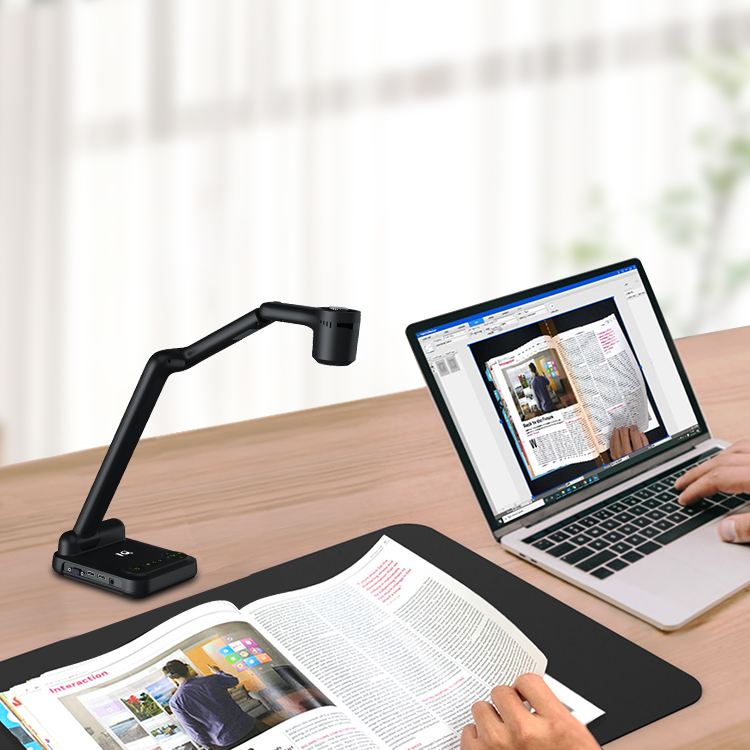 Document camera
Wholesale 10x Optical Zoom Portable HD Live Image Document Camera
Ceiling or portable capture for fine text, experiments and 3D objects. A strong fit for Frankfurt Gymnasium science rooms, vocational training and detailed demonstration teaching.
View product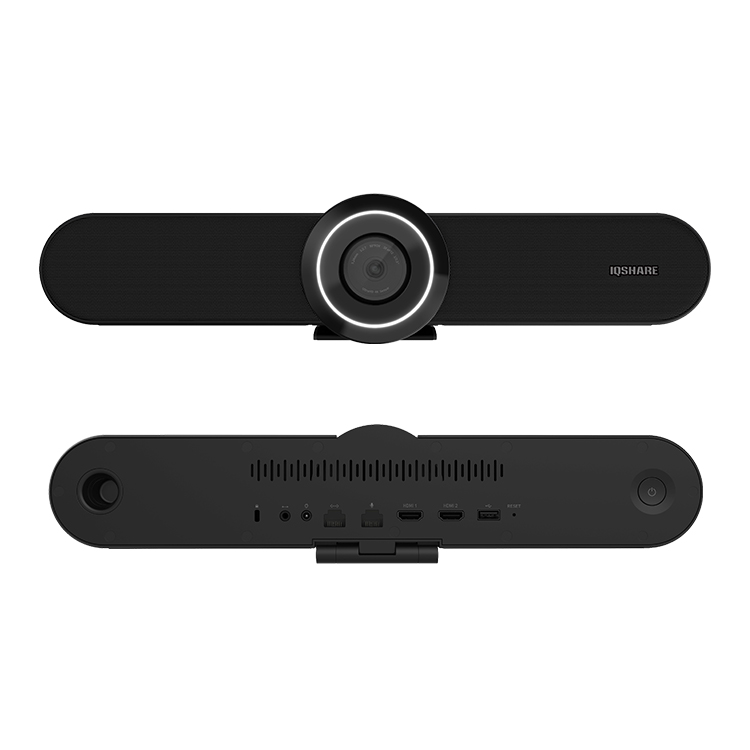 Hybrid meeting
All-in-One Conference System USB Ultra HD 4K Webcam with Speakerphone and 2 Mics
A room-ready conferencing unit for Frankfurt meeting rooms, law firms, finance training suites and university seminar rooms that need clean audio and video without cable clutter.
View product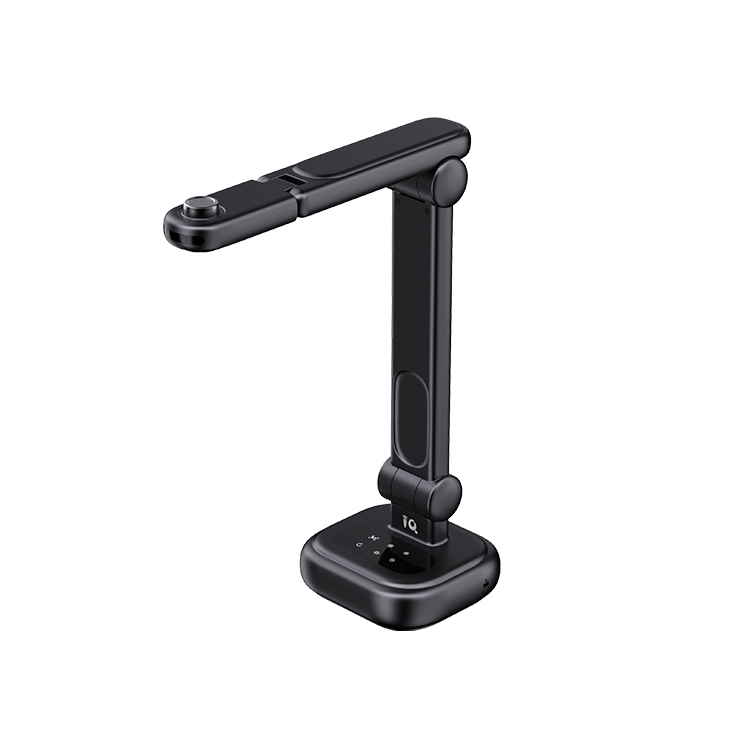 Annotation visualiser
4K Video Output and Real-Time Annotation Document Camera with Auto Focus
Ideal where teachers annotate worksheets, diagrams or object details live. Useful for bilingual classrooms, teacher training and hybrid lessons in the Rhine-Main region.
View product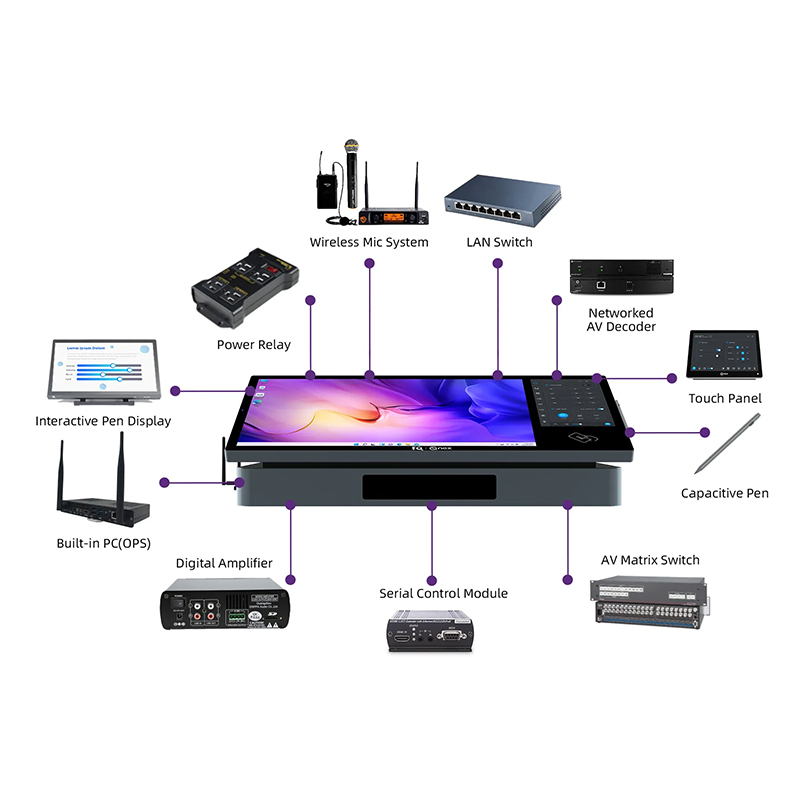 Digital podium
Android System Education Classroom Control Smart Digital Lectern
Brings display, AV and room control to the teacher’s desk. Suited to Frankfurt lecture theatres, training centres and public-sector rooms requiring a tidy control point.
View product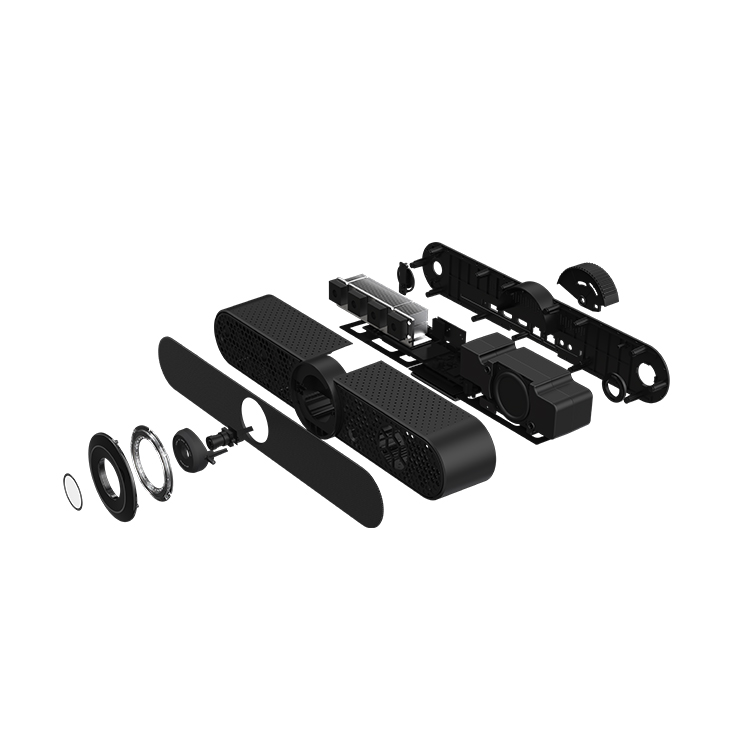 AI tracking camera
AI Auto-Tracking Webcam All-in-One 1080p / 4K Conference Camera
Hands-free tracking for lecturers, trainers and conference speakers. A practical match for hybrid teaching rooms, corporate learning spaces and recorded seminars.
View product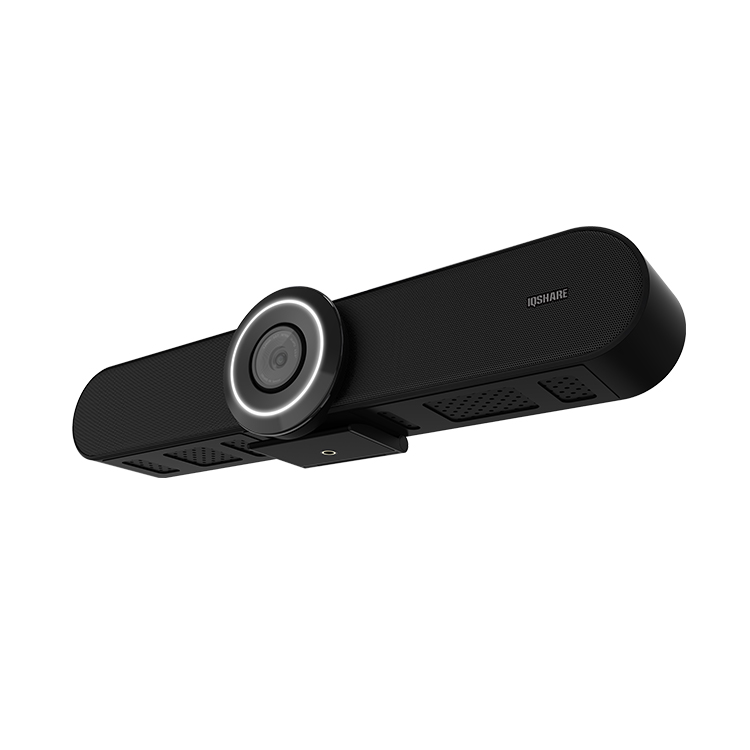 Conference kit
8MP Ultra HD 4K All-in-One Conference Webcam with Mic & Speaker
Desktop or stand-mounted conferencing for online classes, live streams and meeting rooms. Reduces the number of devices an integrator must commission in each hybrid room.
View product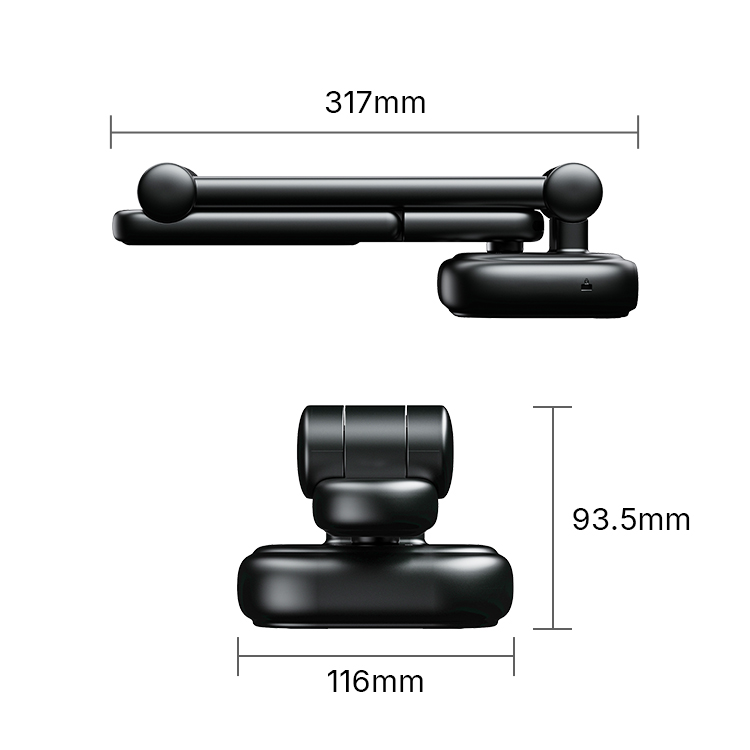 High-zoom visualiser
55x Digital Zoom Document Camera with Built-in Mic and Real-Time Annotation
For whole-desk capture plus close-up enlargement where camera flexibility matters. Useful for teacher demonstrations, geography, art, history and live annotation.
View product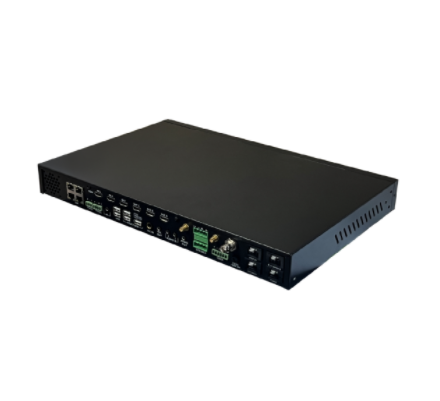 AV networking
QNex Networked Media Processor for Digital Podium
Central processing and control for networked podium deployments. Helps Frankfurt campus projects standardise AV operations across multiple rooms and buildings.
View productWholesale note: the mix above is intentionally modular. Buyers can combine interactive displays, visualisers, conferencing cameras and podiums in one project or stock programme, then confirm language, packaging, labelling and compliance documentation at quotation stage.
Verified supplier credentials
From one digital teaching board to a room-by-room teaching standard
Frankfurt is not a generic export market. The buying committee is often split between school leadership, IT, facility management, finance, accessibility stakeholders and an AV integrator. A school in the city centre may have constrained ceiling height and listed-building considerations; a campus in the Westend, Bockenheim or Riedberg may prioritise lecture capture and network control; a corporate learning suite in the Bankenviertel may care more about Teams or Zoom parity, speaker pickup and a clean table-top footprint.
For a digital teaching board exporter or wholesaler, that means a catalogue alone is not enough. The useful offer is a room-level bill of materials: 65–86 inch interactive flat panels for standard classrooms, 90–100 inch displays for large lecture halls, document cameras with 10x optical zoom for fine detail, 55x digital zoom visualisers for whole-desk capture, 4K conferencing cameras with AI tracking, and a networked digital podium for control. When those elements are pre-matched, Frankfurt buyers reduce interface risk, cable complexity and the chance of a tender specification that cannot be commissioned cleanly.
Two further details matter in Frankfurt. First, optical zoom is not the same as digital zoom: an optical document camera preserves fine text and object edges, while digital zoom enlarges an existing image and cannot recover missing detail. Second, 4K conferencing and 4K visualisers are valuable when the content includes handwriting, diagrams, 3D objects or split presenter-and-slide layouts, but they still need correct lighting, mounting, network design and user training. Buyers who specify these factors early receive more accurate samples and fewer site changes.
- Share a room schedule with farthest viewing distance, ceiling height, light sources and existing AV.
- State whether the room needs annotation, lecture capture, hybrid conferencing or all three.
- Define German or bilingual user interface, packaging language and documentation expectations.
- Confirm warranty, spare parts and after-sales responsibilities before tender submission.
Where digital teaching boards and smart-classroom products fit in Frankfurt
Frankfurt’s education and meeting estate is diverse. The most reliable procurement approach is to match each product to a real room type, not to force one display size or one camera onto every space.
K-12, Gymnasium and international schools
Standard classrooms usually need 65–86 inch interactive flat panels with responsive writing, annotation and low-friction screen sharing. A 10x optical document camera is valuable for science, mathematics and language demonstration; a 4K visualiser helps when teachers show textbooks, artwork or small objects. In Frankfurt’s bilingual and international school environment, German and English interface expectations should be confirmed early.
Universities and research campuses
Lecture halls, seminar rooms and applied-science labs often need 85–100 inch displays, 4K document cameras, lecture capture-friendly cameras and a digital lectern that centralises source selection and AV control. QNex networked media processing is relevant when several rooms need a repeatable control standard. For recorded teaching, confirm camera placement, presenter movement and whether auto-tracking is acceptable for the teaching style.
Bankenviertel corporate learning rooms
Frankfurt’s finance, legal and consulting employers need hybrid meeting and training spaces that behave well on Teams, Zoom and similar platforms. All-in-one 4K conference units with speakerphone and microphones reduce table-top complexity; AI auto-tracking cameras suit trainers who move between whiteboard and laptop. Screen size should match the farthest participant, not the largest available panel, and cable-free presentation should be tested with the client’s own laptops.
Vocational, public and Messe Frankfurt spaces
IHK training rooms, public agencies, exhibition support rooms and temporary teaching spaces benefit from portable podiums, compact visualisers and displays that can be moved or reconfigured. The 55x digital zoom document camera and Android smart digital lectern are practical where room use changes. For Messe cycles and event-led demand, buyers should plan spare cables, quick-release mounts and a short user checklist so temporary operators can run the room confidently.
Localized trends shaping Frankfurt education technology procurement
These are the practical trends our export team sees in specifications, tender questions and wholesale planning conversations around the Frankfurt and Rhine-Main market.
Hybrid-ready by default
Frankfurt rooms are increasingly specified for simultaneous in-room and remote participation. A display without camera, microphone and speaker planning is incomplete. Buyers now ask for tested combinations rather than individual devices, and they want one-page operating instructions for occasional users.
Tender-ready documentation
Public and publicly funded projects need clear statements on configuration, packaging, warranty, spare parts and compliance evidence. Exporters should be ready to review CE, RoHS, REACH, WEEE or other target-market requirements per project and confirm which technical documents are available before the order is placed.
Total cost of ownership
Frankfurt procurement teams compare purchase price with installation time, energy use, spare-part availability and service effort. A slightly more robust display or a modular podium can cost less over a five-year cycle than a low-cost unit that creates repeat site visits. Ask suppliers to explain failure points, maintenance access and replacement part lead times.
AV-over-IP and central control
Multi-room campus projects want fewer local variations. Networked media processors, digital podiums and standard display menus help create a repeatable operating model. The key procurement question is not only whether the hardware supports networking, but who configures it, how firmware is managed and how staff can recover from a simple source-selection issue.
German-language usability
Interface language, on-screen labels, quick-start cards and packaging text influence adoption. Bilingual schools may need English plus German; public institutions may expect German-first documentation. Customisation should include boot screens, software pre-installation and language settings where the order volume and timeline allow.
Mixed-SKU wholesale planning
Distributors and integrators increasingly prefer one supplier for displays, cameras, visualisers, podiums and media processors. A mixed-SKU order can simplify supplier management, but it must be backed by export packing, model-level test records and a clear spare-part strategy for the models kept in local stock.
Product recommendations for Frankfurt room types and procurement goals
Use this matrix as a starting point for a room-by-room specification. Final quantities, accessories and compliance documents should be confirmed against the actual floor plan, tendering rules and user requirements.
| Room or procurement goal | Recommended display | Capture and camera | Control and podium | Why this mix works |
|---|---|---|---|---|
| Standard K-12 or Gymnasium classroom | 65–75 inch interactive flat panel | 4K portable document camera with real-time annotation; optional 10x optical document camera | Wall or mobile stand; digital podium only where the room design supports it | Balances writing space, viewing distance and budget while giving teachers a reliable annotation workflow. |
| Science, art or detailed demonstration room | 75–86 inch interactive display | 10x optical zoom document camera plus 55x digital zoom visualiser where desk capture is needed | Simple source switcher or networked media processor for campus standardisation | Optical zoom preserves fine detail; the display remains large enough for students to follow annotations and examples. |
| University lecture theatre or seminar hall | 85–100 inch interactive flat panel or large-format display with annotation | 4K document camera, lecture capture-friendly camera, optional AI tracking | Android smart digital lectern and QNex networked media processor | Centralises source control for lecturing staff and supports recorded or streamed sessions across large audiences. |
| Hybrid corporate training room in the Bankenviertel | 65–75 inch display matched to the farthest participant | All-in-one 4K conference webcam with speakerphone and microphones; AI tracking where presenters move | Table-top control or simple source selection | Reduces device count, improves audio pickup and keeps the room usable for Teams, Zoom and other platforms. |
| Wholesale stock for integrators and resellers | 55–100 inch interactive panels in a planned size ratio | 10x optical document cameras, 55x digital zoom visualisers, 4K and AI conference cameras | Digital podiums, QNex processors and spare accessories | Enables one supplier relationship across room types while keeping fast-moving models available for project requirements. |
Why Ruyden is a credible exporter and wholesaler for Frankfurt buyers
Ruyden Interactive Technology Group Co., Ltd. is not a trading label. The company operates from the Fuzhou High-tech Zone in Fujian, China, with in-house SMT, auto-insertion, PCB and assembly lines plus a dedicated reliability test lab. These are the facts Frankfurt buyers can check during supplier due diligence.
SGS onsite-verified manufacturer
Ruyden has been onsite-verified by SGS Group. The supplier assessment report, credit overview, trade capacity, transaction level and trade history are publicly viewable, giving Frankfurt importers and tender teams a documented starting point for due diligence.
Verified OEM / ODM capability
Design-based customisation has been verified by an independent third-party inspection. Depending on volume and timing, buyers can discuss logo and boot screen, housing colour, packaging, pre-installed software, language settings and hardware configuration for German-speaking or bilingual users.
In-house SMT, PCB and assembly
The factory controls SMT, AI auto-insertion, PCB processing and final assembly under one roof. That structure helps protect custom hardware designs, supports faster engineering changes and reduces the risk of quality drifting between the sample and mass-production batches.
Reliability lab and electrical safety checks
Products are validated with high and low temperature, drop, simulated transportation, salt spray, button life, insertion force, static, earth continuity and withstand voltage testing. These checks support export markets with different transport conditions, humidity and site-handling realities.
19 years, 82 staff and 5.0 buyer rating
The company has 19 years in the industry, 82 verified staff and a 5.0 out of 5 buyer rating from verified reviews and transactions. A further 21 years of verified B2B trading and more than ten years of export experience support long-term supply relationships rather than one-off transactions.
Export packaging and project support
Export packing, automated packaging equipment and shipping coordination are part of the production workflow. The team has participated in international trade exhibitions four times and can support Frankfurt buyers with sample planning, mixed-SKU quotes, spare parts discussion and after-sales arrangements.

Manufacturing base: production, engineering and export operations in Fuzhou High-tech Zone.

Production workshop: assembly processes and in-line checks for interactive displays and podiums.

Team and operations: engineering, quality control, production and export service support.
Quality and compliance evidence that survives Frankfurt due diligence
For education and public-sector buyers, quality is not a slogan. It is a chain of evidence from sample approval to packaging validation and after-sales planning.
Design and pre-production control
Before mass production, the project scope should define the display size, resolution, touch function, operating platform, connectivity, camera or visualiser pairing, language settings and packaging artwork. A golden sample and approved configuration record reduce ambiguity for the factory, the integrator and the Frankfurt end user.
Reliability and electrical safety
The in-house test lab covers high and low temperature, drop, simulated transportation, salt spray, button life, insertion force, static, earth continuity and withstand voltage testing. These are practical checks for export shipments, daily classroom handling and long-term use in different building environments.
Packaging and final inspection
Export packaging, drop testing and simulated transportation help protect panels, podiums and cameras on the route to Frankfurt and onward to the installation site. Final inspection should match the approved sample, packing list, accessory list and label requirements before the shipment leaves the factory.
Compliance requirements such as CE marking, RoHS, REACH, WEEE or other EEA obligations depend on the final product configuration and the buyer’s target market. Ruyden reviews the requested scope per project and confirms which documentation and testing steps can be provided before order confirmation.
Six-step OEM/ODM and wholesale process for Frankfurt projects
A structured workflow keeps importers, distributors, integrators and tender teams aligned from the first room schedule to delivery and after-sales planning.
Requirement review
Share room sizes, farthest viewing distance, quantities, target market, language needs, tender documents and compliance questions.
Solution design
Engineers propose display sizes, camera or visualiser pairing, podium control, networking, packaging and branding options.
Sample approval
Pre-production samples confirm look, interface, configuration, accessories and packaging before the order is released.
Mass production
In-house SMT, PCB, auto-insertion and assembly lines build the agreed configuration under an approved change process.
QC and testing
Reliability tests, functional checks, label review and final inspection are completed before export packing.
Delivery and support
Shipping coordination, documents, user guidance and after-sales arrangements are confirmed for the Frankfurt project team.
FAQ from Frankfurt digital teaching board buyers
These are the questions export buyers often ask when comparing a direct manufacturer, a wholesale supplier and a local Frankfurt integrator.
Are you an exporter, a wholesaler, or a local Frankfurt distributor?
Ruyden is a manufacturer and exporter based in Fuzhou, China, supplying wholesale and project buyers who serve the Frankfurt and wider European market. We are not presenting ourselves as a local Frankfurt distributor. For German installation, local project management, import VAT or on-site service, the buyer usually works with a Frankfurt-area integrator or importer; we support that partner with factory pricing, product configuration, samples and export documentation.
Can we order a mixed wholesale shipment of boards, document cameras, webcams and digital podiums?
Yes, mixed-SKU planning is possible for wholesale and project orders. The practical mix depends on order quantity, model availability, packaging requirements and whether the buyer needs one configuration per room or a stock programme. We can combine interactive flat panels, document cameras with 10x optical or 55x digital zoom, 4K conference cameras, smart digital lecterns and networked media processors in a quotation so the buyer can compare the total programme.
How do you handle EU tender and compliance requirements such as CE, RoHS, REACH or WEEE?
Compliance evidence depends on the final model and configuration. For a Frankfurt tender, provide the exact requirements from the specification, including the target product category, voltage, wireless functions, packaging and marking obligations. We review the requested scope and confirm which technical documents, test reports or declarations can be prepared. CE marking and other EEA obligations must be confirmed against the final product and the legal responsibilities of the importer or authorised representative before the order is placed.
What display sizes are most common for Frankfurt schools and lecture rooms?
Standard classrooms often use 65–75 inch interactive flat panels, while larger classrooms and training rooms move to 85–86 inch and lecture halls to 90–100 inch. The better method is to calculate using the farthest viewer distance, then confirm ceiling height, sight lines, lighting and content density. A 75-inch display may be suitable around 5.5 m maximum viewing distance, 85–86 inch around 6.5 m and 100 inch around 7.5 m in guideline conditions.
Can interfaces, packaging and documentation be localized for German-speaking users?
Localisation options should be discussed per model and order volume. Typical possibilities include language settings, boot screen, logo, user labels, packaging artwork and quick-start documentation. For bilingual schools or international organisations in Frankfurt, English plus German may be required. Send the exact wording, language version and approval process early so it can be included in the sample plan and pre-production confirmation.
How is shipping to Frankfurt and the Rhine-Main region handled?
Shipping is planned around the product mix, volume, urgency and buyer’s preferred Incoterm. Samples and urgent project items may move by air, while volume orders may use sea or rail freight depending on the route and timeline. For Frankfurt, we coordinate export packing and documents with the buyer or their freight forwarder. The importer or their EU fiscal representative normally handles import clearance and VAT.
How do you protect quality before a shipment leaves the factory?
Production is supported by in-house SMT, auto-insertion, PCB and assembly lines. Inspection and reliability testing can include high and low temperature, drop, simulated transportation, salt spray, button life, insertion force, static, earth continuity and withstand voltage testing. Before shipment, the final check should compare the product configuration, accessories, labels and packaging against the approved sample and packing list.
What is the lead time and MOQ for OEM or ODM orders?
MOQ and lead time vary by model, customisation scope, sample approval, packaging requirements and production schedule. A logo-only order and a fully customised Android podium programme are not the same. Share the target quantity, required delivery window, destination and whether you need a sample first. The export team can then confirm a realistic MOQ, sample plan and production lead time in the quotation.
How are warranty, spare parts and after-sales handled?
Warranty and after-sales terms should be confirmed in the quotation or contract, including the model list, coverage period, diagnostic process, spare-parts arrangement and who performs local service in Germany. For Frankfurt projects, it is often practical for the importer or integrator to hold selected accessories and provide first-line support, with factory technical assistance for escalation. Discuss this before the tender is submitted so the responsibility split is clear.
How should a Frankfurt buyer start an inquiry?
Send a room schedule, the number of rooms, farthest viewing distance, target quantities, language requirements and any tender or compliance documents. If you are comparing models, state whether the priority is annotation, optical document detail, hybrid conferencing, lecture capture, central control or wholesale stock. That allows the export team to recommend a practical product mix instead of a generic catalogue list.
Send a room schedule and receive a product mix, sample plan and wholesale quote
Tell us the room types, display sizes under consideration, camera or visualiser needs, language requirements, target quantity and tender timeline. We will review the requirement and respond with a practical configuration for the Frankfurt market.
