8 Product Families for Document Imaging and Boston Meeting Rooms
These eight product families cover the practical workflow around document capture, hybrid collaboration, classroom presentation and public-facing self-service. Each product URL is preserved for direct technical review.
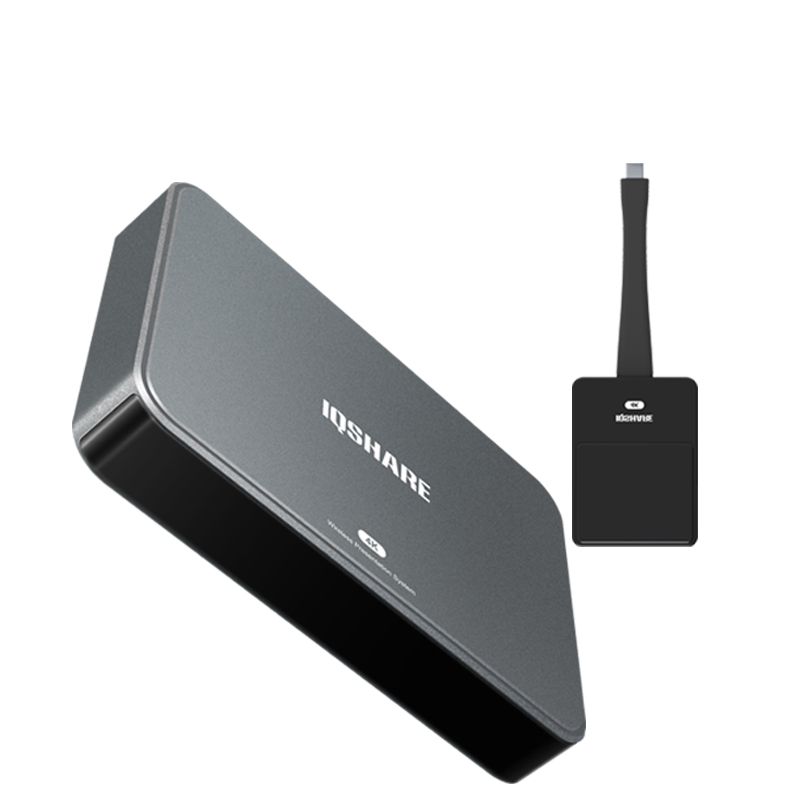
Hdm1 Wireless Transmitter Receiver 1 to 4 Anycast Wireless Screen Sharing Wireless Presentation System
Cable-free 4K sharing for Boston boardrooms, classrooms and hybrid meetings where presenters need fast handoff between laptops and displays.
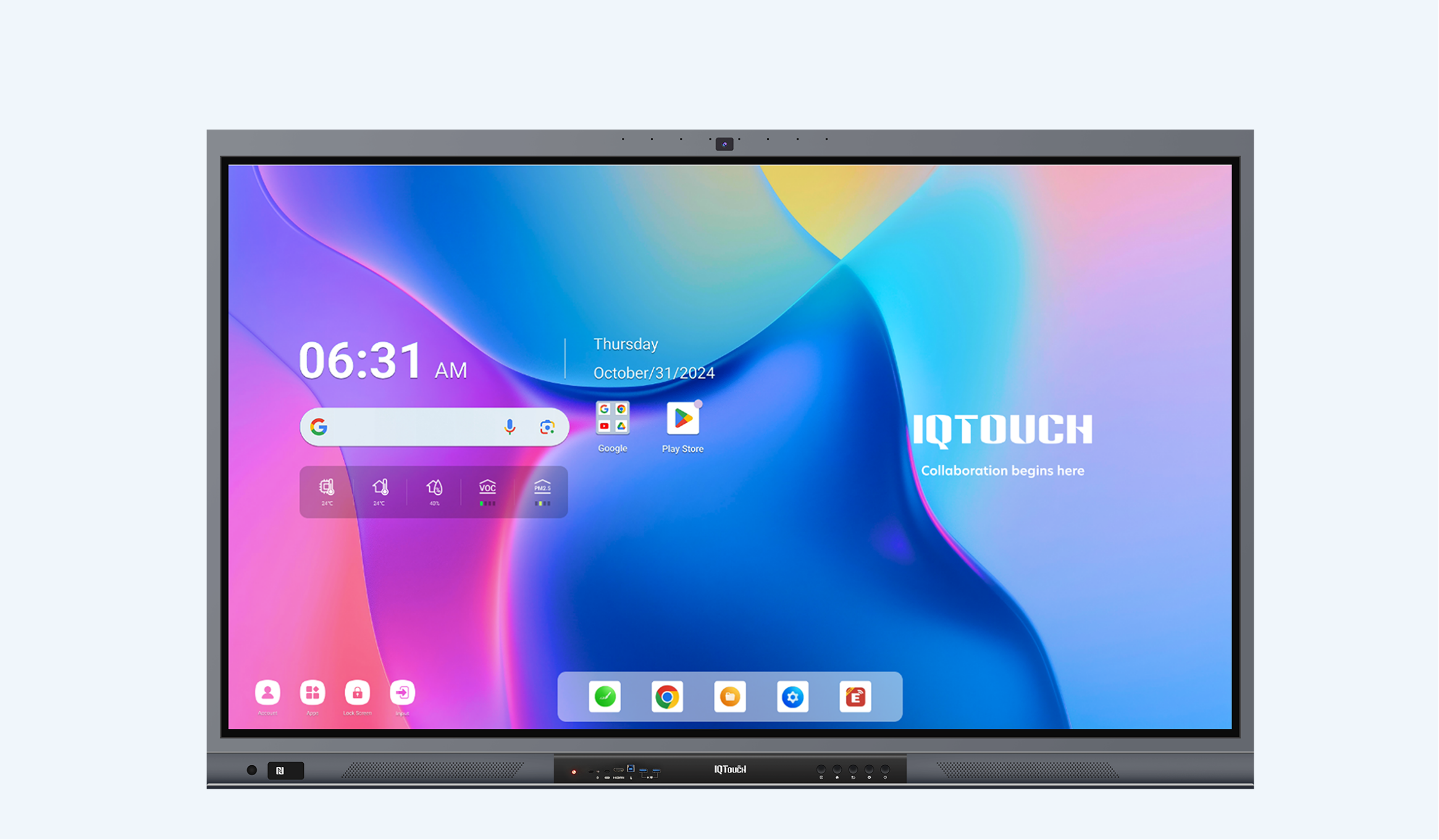
75 86 Inch Interactive Touch All in One Pc Electronic Interactive Whiteboard Smart Board Digital Price for Conference
Large-format annotation and presentation for university seminar rooms, training centers and corporate conference rooms in Boston.

All in One Conference System USB Ultra HD 4K Outdoor Pc Webcam 4k Autofocus with Built in Speakerphone and 2 Mics
Autofocus 4K video, built-in speakerphone and dual microphones for Boston telehealth, admissions interviews and hybrid team rooms.
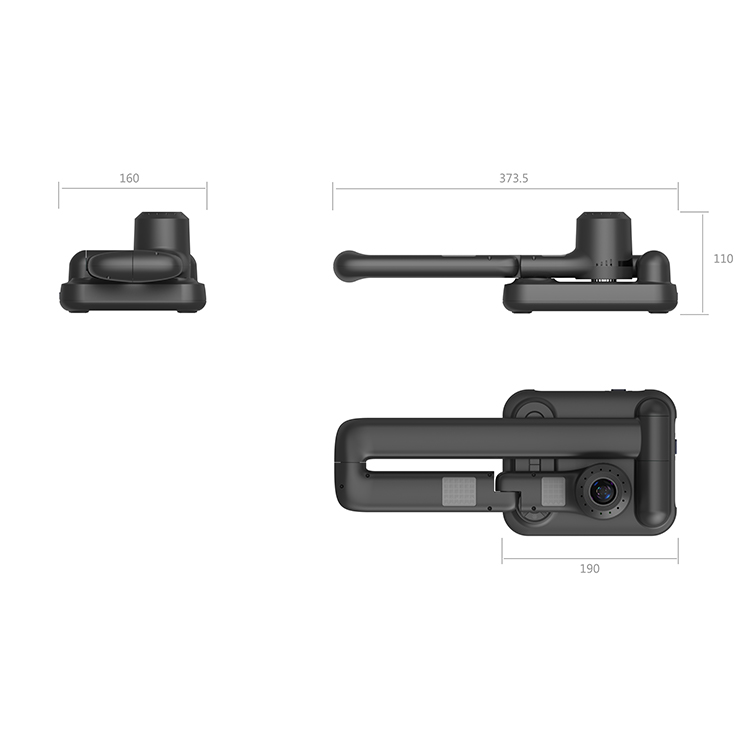
Extra Large Coverage 4k Camera 10x Optical Zoom Foldable Flatbed High Speed A4 Document Scanner Kiosk
Camera-based document capture with 10x optical zoom and foldable flatbed design for records, forms, archives and public counters.
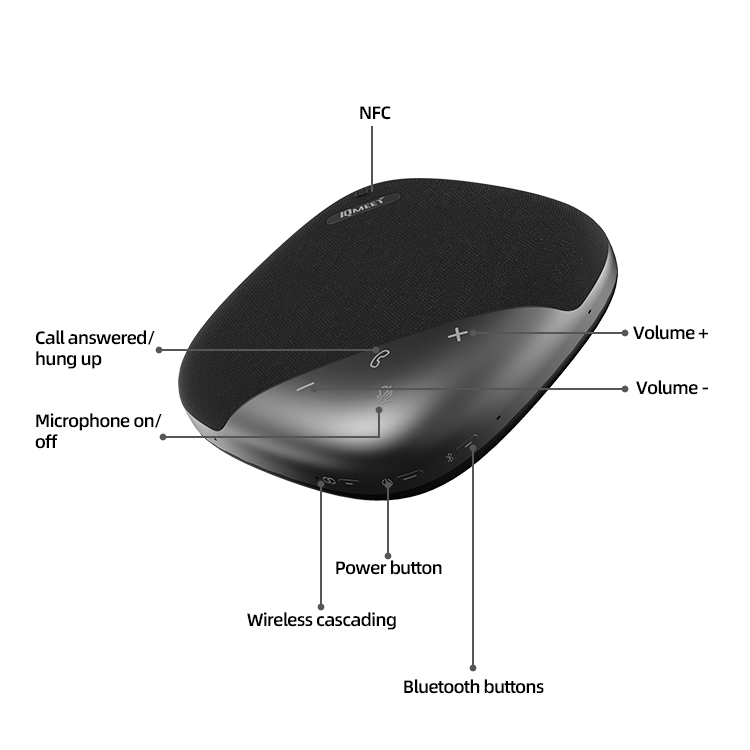
Home Theatre Omnidirectional USB Wireless Amplified Speakerphone Conference Powerful Sound Suitable for School and Conference
Room-filling audio for distance learning, conference calls and recorded presentations where speech clarity is essential.
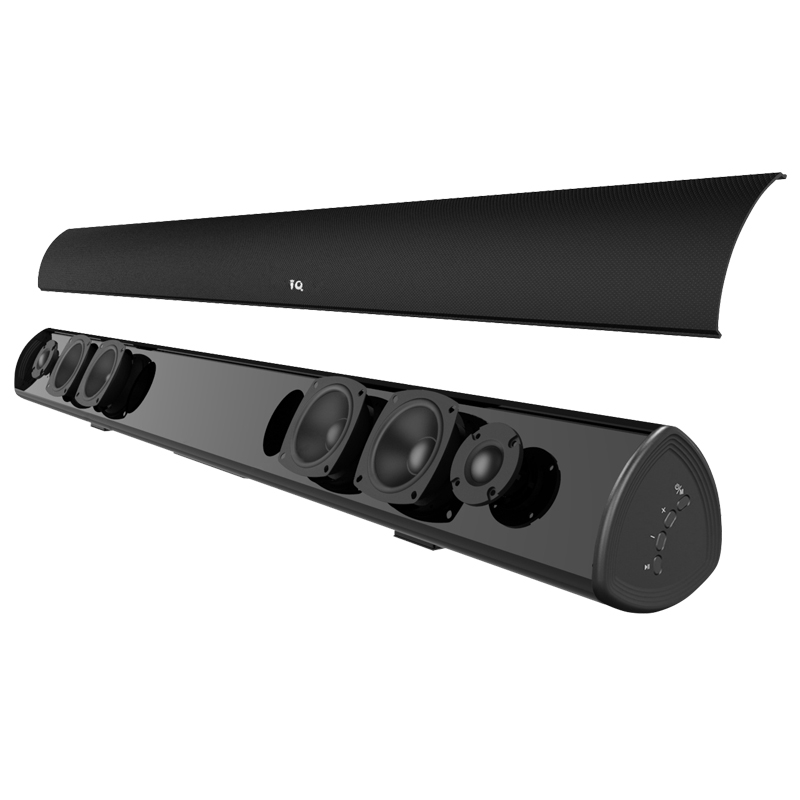
Soundbar for Meeting Room and Classroom Remote Control Speaker
Compact soundbar for presentation audio, video conferencing and classroom playback without complex AV rack equipment.
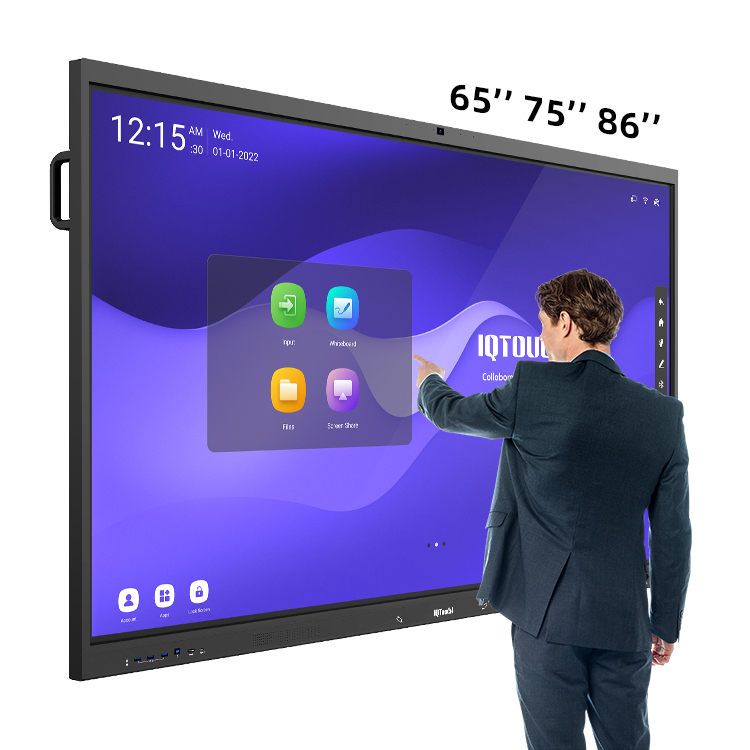
Dual System 4K 65 75 86 Inch Smart Board Interactive Electronic Whiteboard for Education and Conference
Dual-system flexibility for Boston schools and enterprises that need both Android convenience and Windows productivity.
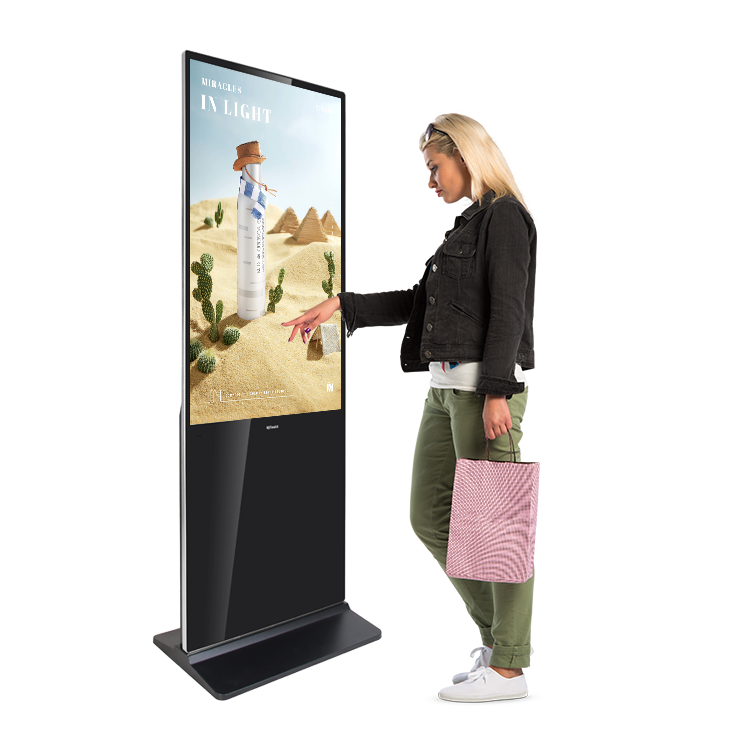
Android and Windows System Standing Floor Stand Information Kiosk Touch Screen for Shopping Mall
Self-service kiosk platform for public information, wayfinding, document intake and assisted digital workflows in busy Boston venues.
Why Boston Is a Document Imaging Camera Market, Not Just a Scanner Market
Boston’s economy runs on knowledge-intensive institutions: universities, hospitals, life-science companies, law firms, financial services, architecture practices, museums and public agencies. These organizations do not simply scan paper. They capture evidence, preserve history, support research, manage risk and serve students, patients, residents and stakeholders. A camera-based document imaging workflow is often the most practical way to digitize bound records, patient forms, identification documents, transcripts, permit files, construction plans and fragile archives without cutting or flattening the original.
A document imaging camera uses a high-resolution sensor, optical zoom, controlled illumination and software to crop, flatten, OCR and export files. The operational difference from a consumer scanner is speed with irregular documents: bound books, folders, stamps, signatures and materials that cannot be fed through an automatic document feeder. For Boston buyers, the right question is not “which scanner is cheapest?” It is “which capture station reduces rework, protects sensitive records and fits the way our staff or public users actually work?”
The most expensive device is the one that creates bottlenecks, produces files that cannot be found, or forces staff to rescan the same document twice. Boston labor rates, compliance expectations and real-estate constraints all reward a carefully specified capture workflow. That is why this guide focuses on optical clarity, document ergonomics, software interoperability and verifiable factory quality rather than a single headline specification.
Start With Optical Clarity
10x optical zoom is not the same as digital zoom. Optical zoom changes the lens, preserving detail for signatures, fine print, stamps and security features. Digital zoom enlarges pixels after capture and can add noise.
Design for the Document
Boston archives, clinics and registrar offices rarely handle only flat A4 pages. Plan for bound books, folders, IDs, glossy paper, curved book spines and public counter use.
Prove Software and Security Fit
Ask about TWAIN/WIA support, OCR languages, PDF/A export, redaction workflow, access controls and audit trails. A camera without the right software is only half a system.
Boston Buyer Lens
Use this checklist before sending a request for quotation to any document imaging camera factory or supplier serving the Boston market.
- Document types: loose pages, bound books, patient forms, legal exhibits, applications, permits, plans and archives
- Capture volume: average pages per hour, peak-hour queues and number of assisted stations
- Compliance needs: HIPAA, FERPA, Massachusetts records retention, ADA and Section 508 accessibility expectations
- Software fit: TWAIN/WIA, OCR language packs, PDF/A, searchable PDF, redaction and document management integration
- Service model: sample approval, spare parts, remote diagnostics, installation guidance and replacement process
- Supplier proof: SGS onsite verification, OEM/ODM capability, reliability testing and export experience
Pages per hour = 3,600 ÷ (capture seconds + review seconds + indexing seconds) × capture stations.
Cost per 10,000 pages = hardware amortization + operator labor + software licensing + QA rework + downtime.
Match the Capture Configuration to the Boston Workflow
A document imaging camera factory should help buyers avoid overbuying one specification and underbuying another. These recommendations connect common Boston use cases to practical configurations from the Ruyden product range.
| Boston Use Case | Recommended Configuration | Why This Fit Matters |
|---|---|---|
| University registrar and admissions | 4K 10x optical zoom A4 document scanner kiosk + OCR software + 86 inch interactive smart board for review sessions | Handles transcripts, applications, letters and irregular attachments while giving staff a large review surface for exceptions and audits. |
| Hospital and clinic front desk | Foldable flatbed document scanner kiosk + privacy-conscious local capture workflow + 4K conference camera for telehealth rooms | Supports consent forms, insurance cards and patient documents without relying on a shared feeder that can jam or damage originals. |
| Law firm and financial services | 4K camera scanner kiosk + searchable PDF/PDF-A export + interactive display for case review and client presentations | Balances defensible image quality with fast retrieval, redaction planning and secure review of multi-page records. |
| Public agency and records office | Standing touch screen kiosk + A4 document camera station + soundbar or speakerphone for assisted service counters | Combines public-facing guidance with assisted capture for permits, applications and records requests in high-traffic service spaces. |
| Hybrid meeting and training rooms | 4K wireless presentation + all-in-one conference webcam + omnidirectional speakerphone + remote-control soundbar | Creates a complete Boston hybrid room without cable clutter, while leaving room to add a document camera for live annotation. |
| Classroom and lecture capture | Dual-system 4K interactive smart board + wireless presentation + speakerphone or soundbar + optional document camera | Supports teaching, annotation, remote learners and recorded demonstration of documents, objects or printed materials. |
Where Document Imaging Cameras Create Value in Boston
Boston is not a single market. A solution for a university library, a Longwood clinic, a downtown law firm and a municipal records office should be configured differently.
Universities and Research Institutions
Registrar offices, admissions teams, libraries and research departments handle transcripts, applications, course materials, special collections and laboratory records. A camera-based station supports bound notebooks and fragile pages that cannot go through a feeder. Pair it with a large interactive display for review, training and accessible course content workflows.
Local advantage: fast capture for time-sensitive admissions cycles and archival projects across Boston’s dense higher-education ecosystem.
Hospitals, Clinics and Life Sciences
Patient forms, consent documents, insurance cards, credential files and laboratory documentation often require careful handling and privacy controls. A foldable capture kiosk can support assisted intake at service counters, while local processing options help organizations keep data inside approved systems.
Local advantage: flexible image capture supports hybrid care, clinical research and administrative teams near Boston’s medical and life-science corridors.
Legal, Insurance and Financial Services
Case files, claims, contracts, identity records and client documents need consistent image quality and searchable output. Optical zoom and controlled lighting help preserve signatures, stamps and fine print. A large interactive board can support case review, negotiation preparation and client presentations.
Local advantage: efficient document intake for Boston’s downtown professional-services firms and hybrid client teams.
Public Agencies and Records Offices
Permits, applications, deeds, public comments and case files often arrive on mixed paper. A standing kiosk plus assisted capture station can guide residents through document intake while producing consistent digital files. Plan for accessibility, multilingual prompts where supported, and clear retention rules.
Local advantage: a practical path for public-facing digital services that must remain usable for residents who still bring paper.
Architecture, Engineering and Construction
Plans, permits, as-built drawings, change orders and punch lists move between field offices and project teams. A camera station can quickly capture marked-up documents, while wireless presentation and interactive displays help project teams review revisions in conference rooms.
Local advantage: supports Boston’s active construction, renovation and infrastructure environment where information changes quickly.
Libraries, Museums and Archives
Fragile books, manuscripts, photographs and historical records require gentle handling, even lighting and color-conscious capture. Use book cradles, adjustable working heights and diffused illumination. Optical zoom helps resolve small text without moving delicate materials unnecessarily.
Local advantage: digital preservation and public access projects can proceed without sending rare originals through a high-speed feeder.
Local Trends Shaping 2025–2026 Document Imaging Procurement
Boston buyers are not only replacing scanners. They are rethinking capture points, compliance documentation and the relationship between paper records and hybrid collaboration spaces.
Hybrid Rooms Now Double as Capture Points
Conference rooms need wireless presentation, 4K cameras, speakerphones and displays that can also show a live document camera feed. A document imaging camera becomes part of the room’s collaboration toolkit, not a separate back-office device.
AI OCR Moves Into the Workflow
OCR is becoming more useful for searchable PDFs, form extraction and indexing. Boston buyers should still plan for human verification, exception handling and audit trails. AI output without governance can create new compliance risk.
Compliance Is a Design Requirement
HIPAA, FERPA, Massachusetts records practices, ADA expectations and internal security reviews shape device selection. Ask suppliers for technical documentation, data-flow descriptions and configuration options that support your policies.
Procurement Rewards Verifiable Suppliers
Public and institutional buyers increasingly look for third-party verification, documented trade capacity, test-lab evidence, OEM capability and clear after-sales plans. A lower unit price can be offset by installation delays, spare-part gaps or rework.
How to Specify a Document Imaging Camera for Boston Deployments
Use this checklist to compare factory-direct suppliers on the variables that determine real operating performance, not just brochure resolution.
| Specification Area | What to Ask For | Why It Matters in Boston |
|---|---|---|
| Optical system | 4K sensor, true 10x optical zoom, autofocus, low-distortion lens; request sample images at maximum working height | Fine print, signatures, stamps and identification details must remain readable after OCR and archival export. |
| Capture surface | Foldable flatbed/kiosk design, A4/letter support, adjustable format for bound books and irregular files | Registrar, legal, library and clinic records rarely arrive as perfectly flat single sheets. |
| Lighting and glare | Diffused LED illumination, flicker-free operation, adjustable brightness and glare control for glossy paper | Laminated IDs, glossy photographs and plastic folders can produce hot spots that hide information. |
| Software and OCR | TWAIN/WIA support, SDK availability, OCR language packs, searchable PDF, PDF/A export, batch naming and redaction planning | Images must enter existing document systems and be retrievable by staff, auditors or public-records teams. |
| Data security | Local capture option, controlled storage paths, user access rules, encryption support and audit-friendly export logs where available | Healthcare, education, legal and public-sector records require a clear data-flow review before deployment. |
| Ergonomics and accessibility | Counter-height planning, anti-glare viewing, clearly marked capture area, one-button operation and multilingual prompts where supported | Public-facing stations in Boston must work for residents, students and staff with varied needs and language backgrounds. |
| Reliability testing | High/low temperature, drop, simulated transportation, salt spray, button life, insertion force, static, earth continuity and withstand voltage testing | Export shipments and daily public use demand more than a lab-only performance demo. |
| Service and spares | Pre-sales configuration, sample approval, export packaging, replacement-part plan, remote troubleshooting and installation guidance | Boston projects often run on tight academic, clinical or fiscal calendars; downtime can be more costly than the device. |
A Better Way to Compare Total Cost
Do not compare only the kiosk price. Build a simple cost model that includes the operator, the software and the cost of rework.
If review time falls by 5 seconds per page, the annual saving can outweigh a small hardware discount. If image quality forces a rescan, the true cost doubles.
- Measure capture seconds with the actual document mix, not a clean test sheet.
- Include indexing and quality-check time, not just scan time.
- Ask for sample files exported to PDF/A, searchable PDF and OCR formats.
- Test bound material, glossy paper, colored stamps and handwriting.
Illustrative Boston Buyer Scoring Model
This is a decision aid, not a survey. It reflects common criteria heard in institutional and public-sector document capture projects.
Company Strengths Boston Buyers Can Verify
Ruyden Interactive Technology Group Co., Ltd. combines in-house electronics manufacturing, OEM/ODM customization, reliability testing and a broad smart-collaboration portfolio. For Boston buyers, that can reduce supplier fragmentation and improve documentation quality.
Education and enterprise AV experience supported by independent supplier verification.
Long-term platform records and trade history that buyers can review before sampling.
Engineering, production, quality control and export service professionals.
Average score from verified buyer reviews and transaction records as published in our profile.
SGS Onsite-Verified Factory
Our public company profile includes third-party verification, credit overview, trade capacity and trade history. Boston procurement teams can review the evidence before requesting samples.
OEM / ODM Customization
Design-based customization has been verified by independent third-party inspection. Options include logo, boot screen, housing color, packaging, software pre-installation and hardware configuration.
In-House Electronics Production
SMT, auto-insertion, PCB and assembly lines support consistent production and protect custom hardware designs. This is valuable for buyers who need factory accountability, not just trading support.
Reliability Test Laboratory
Testing includes high and low temperature, drop, simulated transportation, salt spray, button life, insertion force, static, earth continuity and withstand voltage checks. The goal is stable performance after export and daily use.
One-Stop Product Ecosystem
Interactive flat panels from 55 to 100 inches, interactive whiteboards, lecture capture, digital podiums, 4K wireless presentation, document scanner kiosks, speakerphones and soundbars can be sourced together.
Export Service for Boston Projects
Our export team supports configuration review, sample planning, export packaging, shipping coordination and after-sales communication. Final service scope is documented in your quotation.

Factory Infrastructure
Production and assembly capacity under one operating system supports repeat orders and customization.

Production Workshop
Trained operators and controlled process steps help maintain consistency from sample to mass production.

Engineering and Export Team
Technical review, documentation and export communication help reduce project risk for overseas buyers.
From Boston Requirement to Factory Delivery in Six Clear Steps
A structured workflow helps importers, distributors, integrators and end users stay aligned from the first specification to final delivery.
Requirement Review
Share room types, document mix, quantities, target software, privacy requirements and any Boston-specific compliance or installation constraints.
Solution Design
Engineers propose document camera configuration, kiosk format, software options, AV accessories and branding approach for your project.
Sample Approval
Pre-production samples confirm image quality, capture geometry, software behavior, look and feel, and packaging before mass production.
Mass Production
In-house SMT, auto-insertion, PCB and assembly lines build the order under factory process controls.
QC and Testing
Reliability lab checks and final inspection help verify electrical safety, durability and shipment readiness.
Delivery and Support
Export packing, shipping coordination, technical documentation and after-sales communication support your Boston rollout.
Common Questions from Local Buyers and Integrators
These answers help procurement teams, facilities managers and AV integrators prepare a clearer request for quotation.
Can you ship document imaging camera kiosks to Boston and provide installation guidance?
Yes. We support export buyers with export-grade packaging, product documentation, configuration review and installation guidance. For multi-site Boston deployments, we can discuss staged shipments, sample approval and remote commissioning support. Final delivery terms, lead time and service scope depend on the model, quantity, customization and destination, and are confirmed in your quotation.
Which camera configuration is best for bound books, archives and fragile records?
For bound materials, choose camera-based capture with adjustable height, diffuse lighting and a book-friendly working surface. A foldable flatbed A4 document scanner kiosk can handle loose pages, forms and irregular documents, while an overhead camera setup can better accommodate bound volumes and delicate originals. Ask for sample images of curved pages, small text, stamps and colored paper before approving the configuration.
How should we evaluate privacy and sensitive-document handling?
Start with a data-flow review. Ask whether capture can remain local, where files are stored, who can access them and how exports are logged. For HIPAA, FERPA or Massachusetts records projects, the device alone does not create compliance; your policies, software configuration and retention controls do. Our team can provide technical information to support review by your compliance, IT and legal stakeholders.
Do you support OEM and ODM customization for Boston distributors and integrators?
Yes. Our design-based customization capability has been verified by independent third-party inspection. Common options include logo and boot screen, housing color, packaging, pre-installed software, language settings, hardware configuration and accessory bundling. For public tenders or institutional vendors, we can point you to company profile, assessment, trade capacity and transaction records for your supplier review.
What is the usual sample and production lead-time process?
Share the intended use case, document types, software requirements, target quantity and delivery window. Our export team will confirm whether a standard or customized sample is appropriate, what tests should be witnessed, and the estimated production schedule. Lead time varies with component availability and customization. Early sample approval is especially important for scanner kiosks, interactive displays and room systems.
Can your equipment integrate with existing Boston AV and meeting-room systems?
Our portfolio includes interactive flat panels from 55 to 100 inches, 4K wireless presentation, conference cameras, speakerphones, soundbars, lecture capture, digital podiums and touch kiosks. This can simplify sourcing for integrators, but compatibility still depends on your existing room control, network policies and software stack. Provide your system details and our team can help confirm the technical questions your integrator should validate.
Request a Factory-Direct Document Imaging Camera Proposal
Send your room types, document formats, estimated capture volume, privacy requirements and target installation date. Our engineering and export team will respond with a product shortlist, sample plan and production schedule.
Please include quantities, destination, software requirements and any Boston-specific compliance or installation needs.
