8 Products for Osaka Interactive Classroom and Meeting Room Projects
The following eight products are frequently evaluated together when an Osaka buyer asks for an infrared interactive whiteboard, a visualizer-supported classroom or a hybrid meeting room package. Product links are preserved for specification checks.
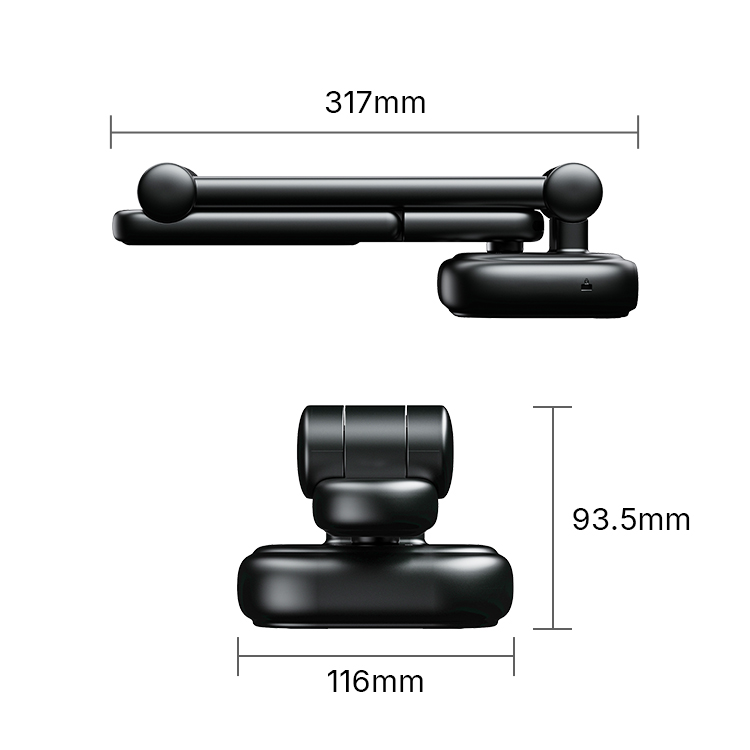
55x Digital Zoom Built in Mic Real-time Annotation Capabilities Document Cameras or Visualizers with High Capture
Useful for science demonstrations, printed material and detailed objects in Osaka classrooms and training rooms that need live annotation beside an IR display.
View specifications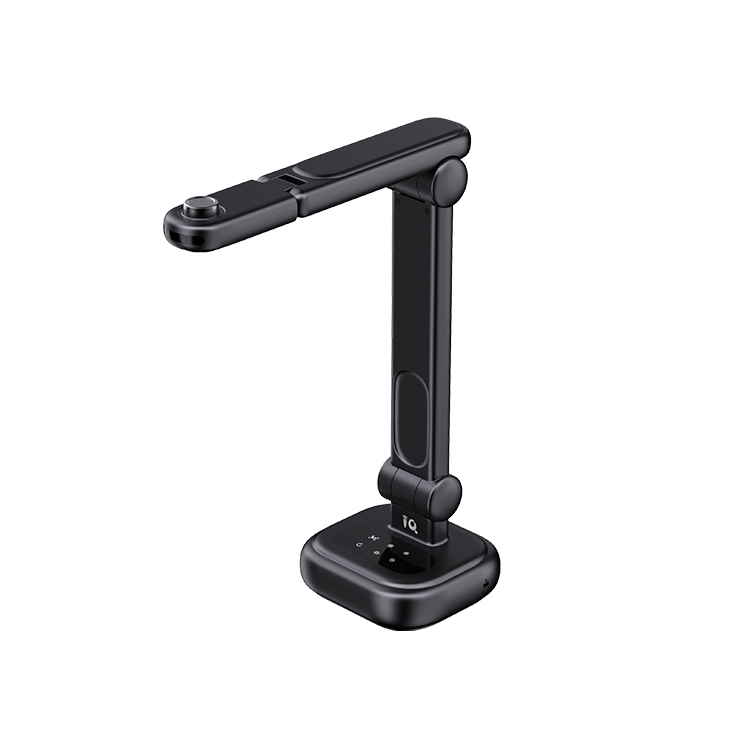
4K Video Output and Real-time Annotation Capabilities Document Camera Portable Visualizer with Auto Focus
A flexible visualizer for mobile teaching carts, seminar rooms and hybrid lessons where instructors move between rooms.
View specifications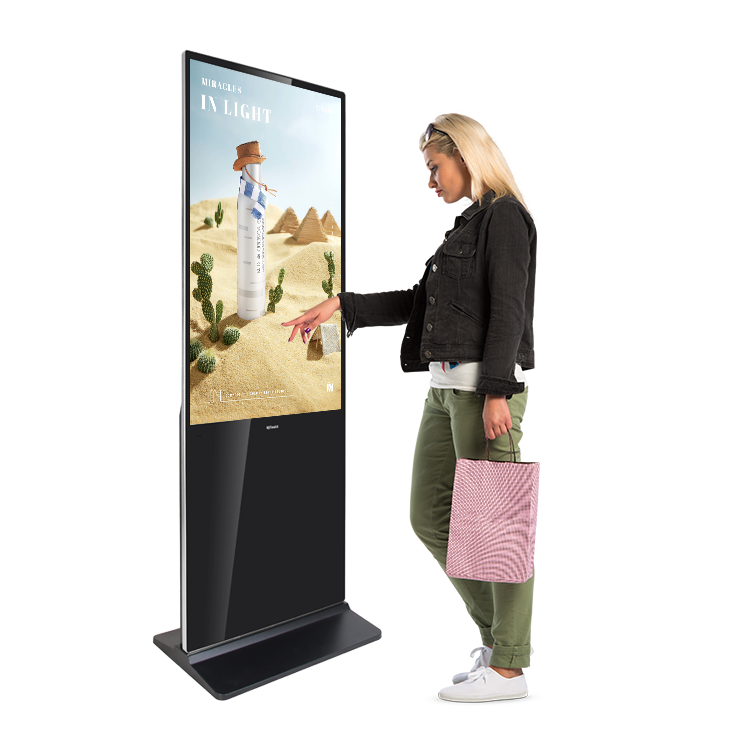
Android and Windows System Standing Floor Stand Information Kiosk Touch Screen for Shopping Mall
For Osaka retail lobbies, campus wayfinding, exhibition venues and multilingual information points that need a durable interactive screen.
View specifications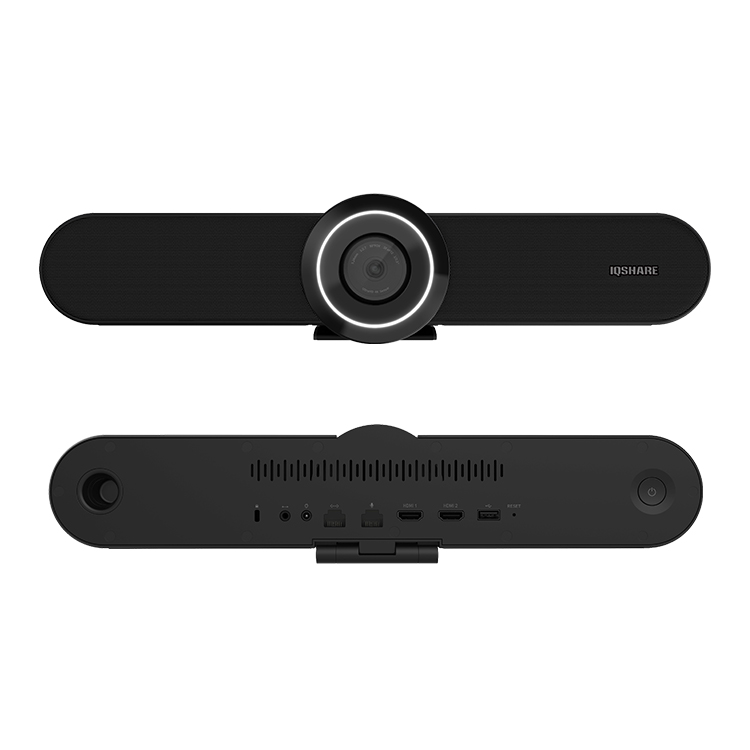
All in One Conference System USB Ultra HD 4K Outdoor Pc Webcam 4k Autofocus with Built in Speakerphone and 2 Mics
An all-in-one USB conference camera for hybrid meetings in Umeda, Honmachi and Nakanoshima offices where quick deployment matters.
View specifications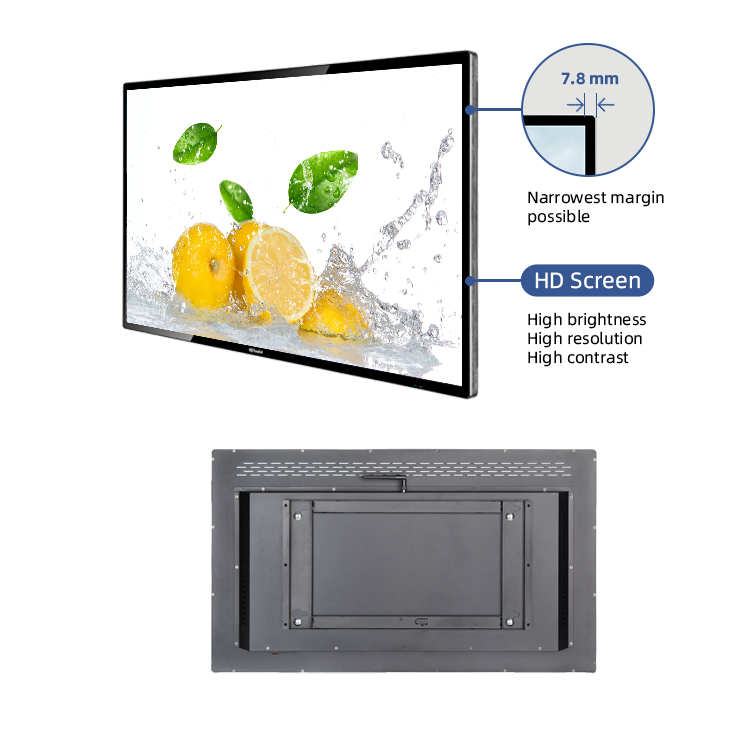
Interactive Touch Screen 10/13/15/22/32/43/49/55/65 Inch Android LCD Monitor Kiosk Wall Mounted Advertising Display
Supports reception displays, retail communication, room booking information and campus announcements in compact to large formats.
View specifications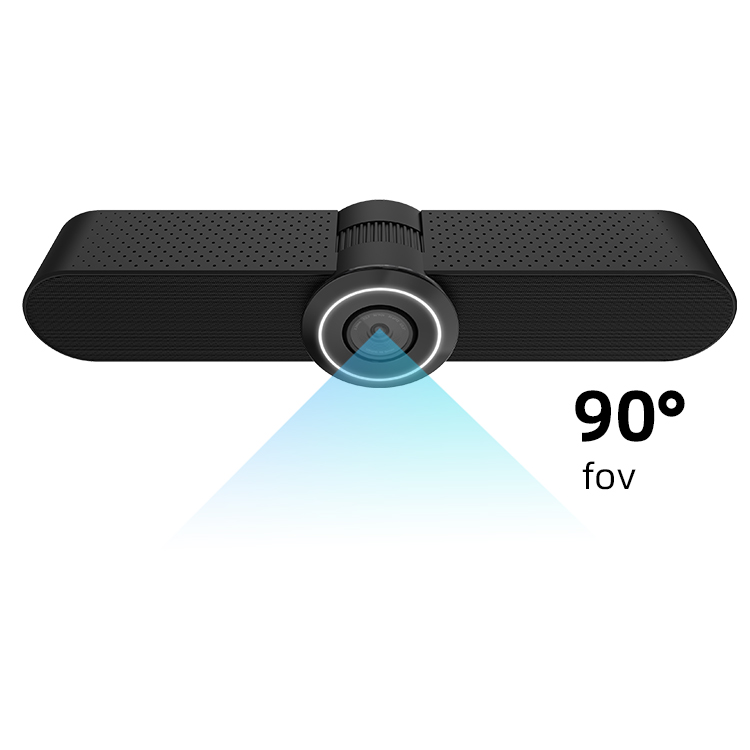
Conference Live AI Camera 4k 1080p 60fps USB Webcam Camera All in One Microphones and Speakers
For lecture capture, remote classes and executive meeting rooms that need smart framing, clear audio and simple USB connectivity.
View specifications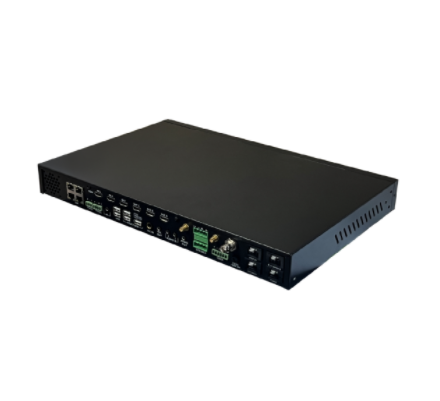
QNex Networked Media Processor for Digital Podium
Centralizes AV routing and podium control for lecture halls, seminar rooms and smart classrooms that need networked operation.
View specifications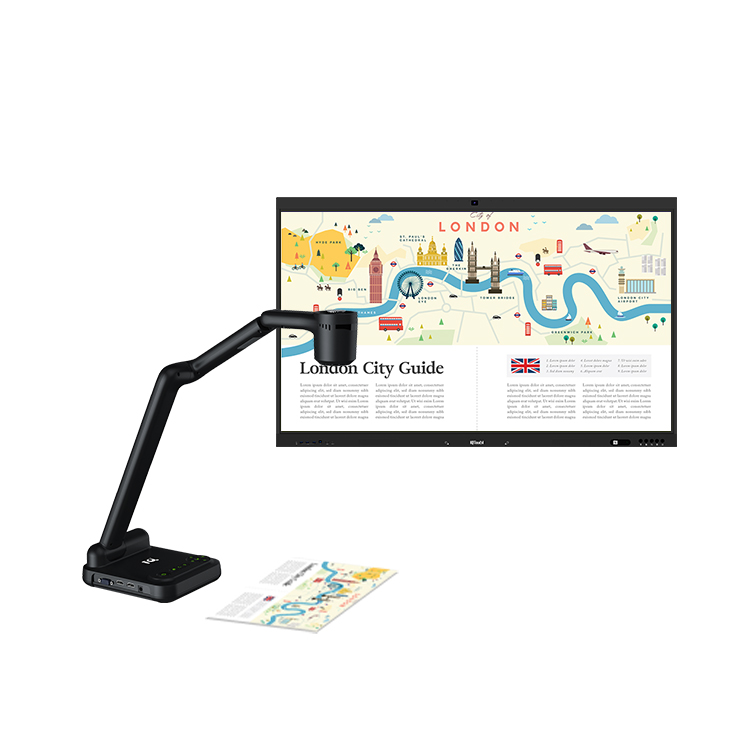
A3 A4 8 Megapixel Scanner Machine Large Document Camera Portable Ocr Document Scanner
A practical scanner for exam offices, administrative departments and paper-heavy workflows that need OCR-ready digital capture.
View specificationsWhy Osaka Buyers Still Specify Infrared Interactive Whiteboards
Osaka is not simply a smaller version of the Tokyo procurement market. It combines municipal and private school boards, universities, vocational colleges, life-science and manufacturing clusters, a dense SME network, and a strong base of AV integrators. For education and corporate buyers, the purchase decision is rarely about a display alone. It is about a room outcome: a board that is legible from the back row, supports Japanese handwriting and presentation files, works with existing lecture capture, and can be serviced without disrupting the timetable.
In that context, an infrared interactive whiteboard is more than a product keyword. Infrared touch uses emitters and receivers around the frame to detect finger or stylus contact. For Osaka classrooms and meeting rooms, the practical benefits are durable touch response, support for bare fingers or gloves in cooler months, stable annotation across Windows, Android and common software, and straightforward serviceability in large-format displays.
Ruyden works as a factory-direct OEM/ODM supplier rather than a catalogue middleman. That matters to Osaka wholesalers and system integrators because a tender quotation often needs consistent panel sizes, spare-parts planning, Japanese-language UI preparation, boot-screen branding, packaging control and reliable export documentation. Our role is to make those details repeatable across a single room, a campus refresh or a multi-site corporate rollout.
For a more accurate quotation, measure the farthest viewer distance before comparing prices per inch. The same 75-inch display can feel generous in a small seminar room and undersized in a deep lecture hall. The most useful information gain in this category is not another list of touch points; it is the discipline to match screen size, viewing distance, software workflow, capture needs and service access at the same time.
Osaka specification insight
Use this checklist before approving an IR interactive whiteboard sample.
- Measure last-row eye distance, ceiling height and natural light; confirm mounting wall material and service access.
- Ask for touch scan rate, writing latency, palm rejection and Japanese handwriting behavior under real classroom software.
- Review supplier verification, test-lab evidence and model-specific certificates before comparing final price.
- Plan for visualizers, conference cameras, wireless presentation and podium control as part of the same room BOM.
How Osaka and Kansai Buyers Use IR Interactive Displays
Different rooms create different procurement intent. A municipal classroom, a university lecture hall and a corporate boardroom may all request an IR interactive whiteboard, but the accessories and acceptance criteria should not be identical.
Municipal and private K-12 classrooms
For 30–40 students, 75–86 inch displays are a common starting point. Buyers often ask for anti-glare glass, Japanese handwriting, durable pen input and wall-mount safety. Pair the board with a document camera for science demonstrations and worksheet annotation.
Recommended bundle: interactive display + visualizer + wall mountUniversity lecture halls and seminar rooms
Campuses around Suita, Toyonaka and Higashiosaka often need 90–100 inch displays, lecture capture, networked digital podiums and remote-class support. AI cameras and QNex podium processors reduce operating complexity for teaching staff.
Recommended bundle: large display + capture camera + podium processorCorporate meeting rooms in Umeda and Honmachi
Osaka business districts favor fast, cable-light meetings. A 55–75 inch display with 4K wireless presentation and an all-in-one conference camera supports BYOD teams, client presentations and hybrid calls without fixed-room complexity.
Recommended bundle: display + 4K conference camera + wireless presentationPublic facilities, retail and training centers
Osaka’s commercial and public spaces often need information kiosks, wall-mounted advertising displays and paper-to-digital scanning. These products complement IR classrooms by extending the same supplier relationship into reception, wayfinding and administration.
Recommended bundle: kiosk + wall display + A3/A4 OCR scanner2026 Procurement Trends for Osaka Interactive Display Wholesalers
The keyword may remain “infrared interactive whiteboard,” but buyer intent now includes language readiness, hybrid AV, third-party evidence and future serviceability. These trends are visible in education refreshes and corporate upgrades across Kansai.
Japanese-language readiness
Japanese UI, terminology and handwriting expectations are now part of acceptance. Buyers should approve language files, boot-screen branding and manual wording during sampling, not after delivery.
Hybrid-by-default meeting rooms
Osaka offices increasingly expect one-touch screen sharing, USB conference cameras and clear audio. The display is becoming the anchor of a room ecosystem rather than a stand-alone presentation screen.
Evidence-based supplier selection
Wholesalers and tender teams want more than a product photograph. SGS verification, trade history, test-lab evidence and transparent company records reduce onboarding risk for Kansai channel partners.
Space-flexible classrooms
Mobile stands, wall mounts and compact digital podiums help schools adapt rooms quickly. Buyers now ask how a display will be moved, serviced and secured — not only how bright it is.
OEM/ODM for local channels
Osaka distributors often need their own brand, packaging and software configuration. Design-based customization verified by independent inspection helps shorten proposal cycles for local B2B channels.
Coastal humidity and transport resilience
Osaka Bay proximity makes corrosion resistance and packaging protection relevant. Salt spray, drop, simulated transportation and electrical safety testing should be discussed during supplier qualification.
Size and Configuration Matrix for Osaka Rooms
Use the room, not the price list, as the starting point. For 16:9 displays, AV integrators often begin with a 6× screen-height viewing guideline and then adjust for content, lighting and sightlines.
| Room type | Suggested display | Complementary products | Why it works for Osaka buyers |
|---|---|---|---|
| Small meeting room | 55–65 inch IR interactive display | 4K conference camera, wireless presentation | Fits Umeda and Honmachi offices with limited wall space; fast BYOD setup for client meetings. |
| Standard K-12 classroom | 75–86 inch IR interactive whiteboard | Document camera, wall mount, stylus kit | Balances legibility for 30–40 students with daily handwriting, annotation and visualizer use. |
| Large classroom or training room | 85–90 inch interactive display | Lecture capture camera, digital podium, wireless presentation | Supports hybrid training, remote observers and presenter control from one podium. |
| University lecture hall | 90–100 inch interactive display | QNex media processor, AI camera, lecture capture | Improves back-row visibility and centralizes AV control for faculty and technicians. |
| Public information area | 43–65 inch wall display or floor kiosk | Android kiosk, advertising display, OCR scanner | Supports wayfinding, announcements and multilingual information in high-traffic spaces. |
These are planning guidelines, not fixed rules. Share a floor plan, ceiling height, lighting condition and expected software stack for a room-by-room recommendation.
Why Ruyden Is a Low-Risk IR Interactive Whiteboard Supplier for Osaka Wholesalers
Ruyden Interactive Technology Group Co., Ltd. is an SGS onsite-verified manufacturer and exporter of interactive flat panels, interactive whiteboards, lecture capture systems, networked digital podiums and smart classroom AV integration solutions. The company profile, assessment report, credit overview, trade capacity and transaction history are publicly available for independent review.
SGS onsite-verified factory
Independent third-party verification supports distributor onboarding, tender prequalification and buyer due diligence for Osaka projects.
19 years in the industry
Long-term experience in education AV and export supply, with 21 years of verified B2B trading history and more than 10 years of export experience.
82 verified staff
Engineering, production, quality control and export service professionals support OEM/ODM workflows from sample approval to shipment.
5.0 / 5 buyer rating
Verified buyer reviews and transactions provide an additional trust signal beyond a product brochure or price quotation.
In-house manufacturing control
SMT, auto-insertion, PCB and assembly lines are controlled under one roof, helping protect custom designs and respond to engineering changes.
One-stop smart classroom ecosystem
Displays, lecture capture, digital podiums, wireless presentation and centralized AV control can be quoted as one compatible room solution.
Numbers Osaka Buyers Can Check
These figures come from independent third-party inspection and verified platform records. Review the live records before approving a wholesale supply agreement.
Confirmed by the latest independent inspection report.
Continuous paid supplier membership and public trade history.
Engineering, production, QC and export service professionals.
Average score from verified reviews and transactions.
Quality Evidence for Osaka Tenders and Distributor Onboarding
For B2B buyers, trust is easier to verify than to debate. Ruyden’s factory control covers incoming materials, SMT, auto-insertion, PCB processing, assembly, storage and packaging. Production is supported by an in-house reliability test lab that includes high and low temperature, drop, simulated transportation, salt spray, button life, insertion force, static, earth continuity and withstand voltage testing.
This is particularly relevant for Osaka projects where a display may be installed near coastal humidity, moved between rooms, or used continuously in public facilities. The goal is not to add more test names to a brochure; it is to reduce dead-on-arrival risk, packaging damage and early-life failures after the container arrives.
Design-based customization has been verified by independent third-party inspection. Logo, boot screen, housing color, packaging, pre-installed software, language settings and hardware configuration can be reviewed during sampling.


From Osaka Inquiry to Delivered Smart Classroom
A documented six-step workflow keeps wholesalers, integrators and project owners aligned from the first requirement review to after-sales support.
Requirement review
Share room types, last-row distance, quantity, target market, language requirements and tender documents.
Solution design
Engineers propose display sizes, visualizers, capture cameras, podium control and software configuration.
Sample approval
Pre-production samples confirm touch feel, writing latency, Japanese UI, branding and packaging.
Mass production
In-house SMT, PCB, auto-insertion and assembly lines build the approved configuration.
QC and testing
Reliability lab checks and final inspection are completed before export packing.
Delivery and support
Export packing, shipping coordination, spare-parts planning and after-sales communication.
Common Local Procurement Questions About Infrared Interactive Whiteboards
These are the questions most often raised by Osaka schools, wholesalers, distributors and system integrators during early-stage sourcing.
Which infrared interactive whiteboard size is best for an Osaka classroom?
Start with the farthest viewer, not the budget. For a typical 30–40 student classroom, 75–86 inches is a practical starting point. Small seminar rooms often use 55–65 inches, while lecture halls usually need 90–100 inches. If the back row is deep, the ceiling is high, or the content includes detailed text, go larger. Share a floor plan for a room-by-room recommendation.
Can you provide Japanese-language UI, manuals or training materials?
We support language settings, boot screens and software-level localization. Manuals, quick-start guides and training content can be configured through OEM/ODM review. Buyers should approve Japanese terminology, file formats and screen flows during sampling. Local integrators can provide on-site teacher training if required.
What documents can support Osaka procurement and distributor onboarding?
The public verification set includes the SGS onsite assessment report, credit overview, trade capacity, transaction level, trade history, ratings and reviews. Model-specific certificates and test records should be confirmed against your tender requirements before quotation approval.
Why choose infrared touch instead of capacitive touch?
Infrared touch is robust and cost-effective for large-format displays, supports finger, stylus and glove input, and is generally straightforward to service. Capacitive touch can provide a glass-like feel, but overlay compatibility and repair economics should be checked for education use. The right choice depends on room traffic, writing workflow, budget and service model.
What is the MOQ and lead time for wholesale orders to Osaka?
MOQ and lead time depend on display size, customization, software, model mix, quantity and component supply. Share your target quantities, tender schedule and required delivery window. Our export team will confirm the factory schedule, sample plan and export packing requirements before you commit.
Can you supply a complete room package, not just the board?
Yes. We can bundle interactive displays, document cameras, lecture capture cameras, conference cameras, wireless presentation, networked media processors for digital podiums, kiosks and scanners. A single supply plan reduces compatibility risk for Osaka system integrators and simplifies spare-parts communication.
How do you protect quality during ocean transport to Osaka?
Export-grade packaging is supported by drop and simulated transportation validation, plus in-process inspection and final functional checks. Carton markings, pallet configuration and spare-parts kits can be specified. For high-value campus projects, we recommend agreeing the packing method during sample approval.
Do you offer OEM/ODM branding for Japanese distributors?
Yes. Design-based customization has been verified by independent inspection. Common options include logo, boot screen, housing color, packaging, pre-installed software and hardware configuration. Brand-sensitive buyers should approve artwork, language files and golden samples before mass production.
How do we start an Osaka project with Ruyden?
Use the Inquire Now button or email info@ruydentech.com with room types, quantities, target market, certification needs and delivery port. Include any tender documents or preferred display sizes. Our export team will reply with a tailored configuration proposal and the next sample or quotation step.
Request an Osaka-Specific Infrared Interactive Whiteboard Proposal
Talk to the factory team that builds, tests and documents the display ecosystem. Share your room schedule, quantities, language requirements and target delivery window to receive a practical configuration proposal for Osaka and the Kansai region.
