Multimedia Teaching Equipment Manufacturer & Factory serving Nagoya
A procurement-ready guide for Nagoya schools, universities, training centers and AV integrators: interactive flat panels, lecture capture, digital podiums, classroom audio and touch kiosks from an SGS onsite-verified factory.
Eight multimedia teaching products for Nagoya classrooms, lecture halls and training spaces
These are practical starting points for Nagoya procurement teams. Product URLs are preserved exactly. Each model can be reviewed against room size, Japanese-language UI needs, 100V power planning, installation method, local integrator requirements and tender documentation before quotation.
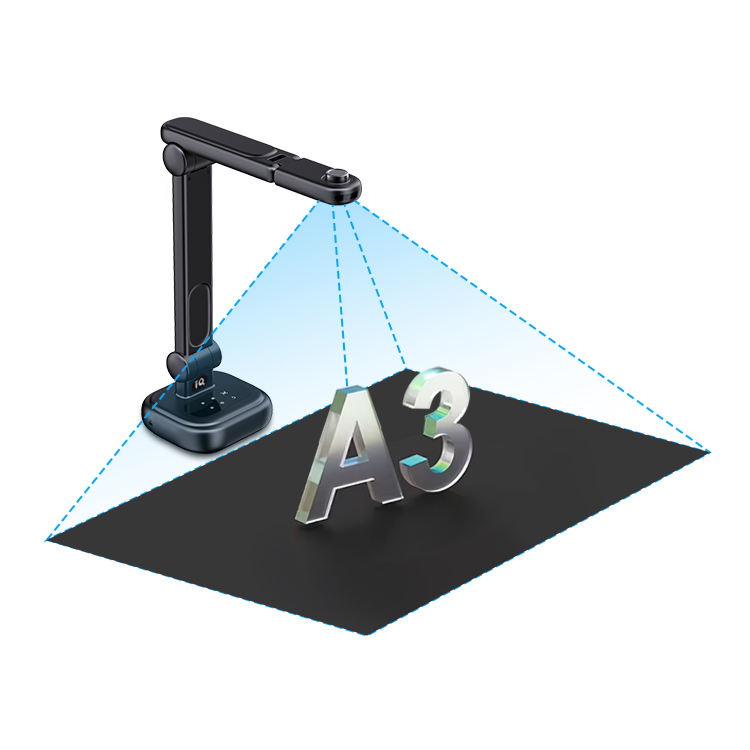
4K Camera Folding Design Live Annotation Adjustable LED Lighting Dual Stream A3 A4 Document Book Camera Scanner
Recommended for Nagoya university seminars and training rooms that need visualiser-style document capture, annotation and LED lighting for recorded lessons.
Nagoya fit: hybrid seminar rooms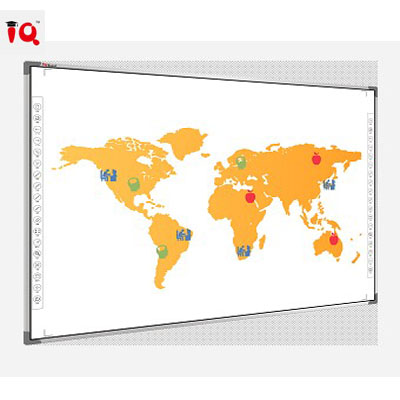
School Board Class Board IQBoard IR 82" 2 Points Touch 2 Users Interactive Whiteboard for School
An 82-inch two-user touch board for whole-class writing, annotation and shared exercises. Suited to Nagoya elementary, junior high and special-needs classrooms where simplicity matters.
Nagoya fit: GIGA-style classrooms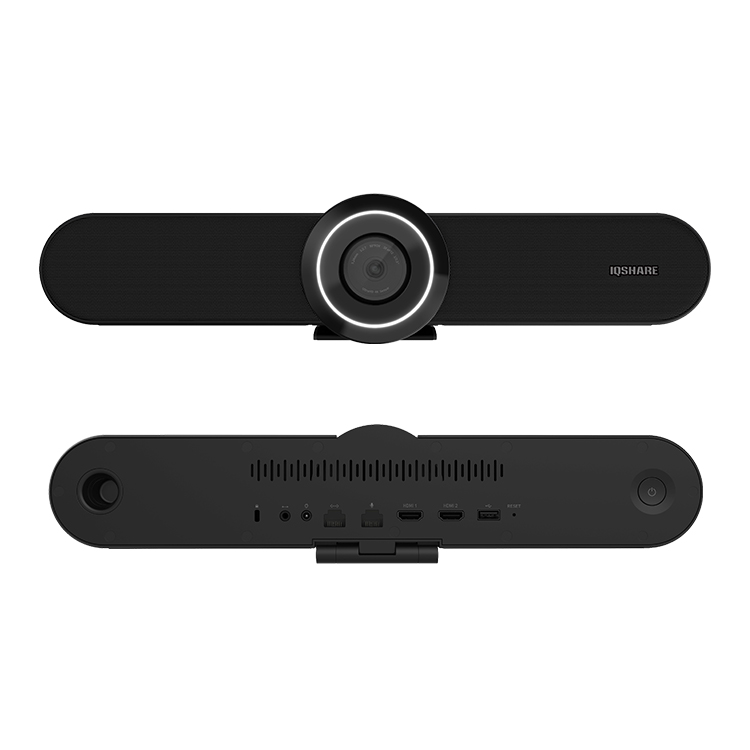
All in One Conference System USB Ultra HD 4K Outdoor Pc Webcam 4k Autofocus with Built in Speakerphone and 2 Mics
4K autofocus webcam with speakerphone and dual microphones for conference rooms, online classes and interview rooms in Nagoya companies with distributed teams.
Nagoya fit: Meieki and Sakae meeting rooms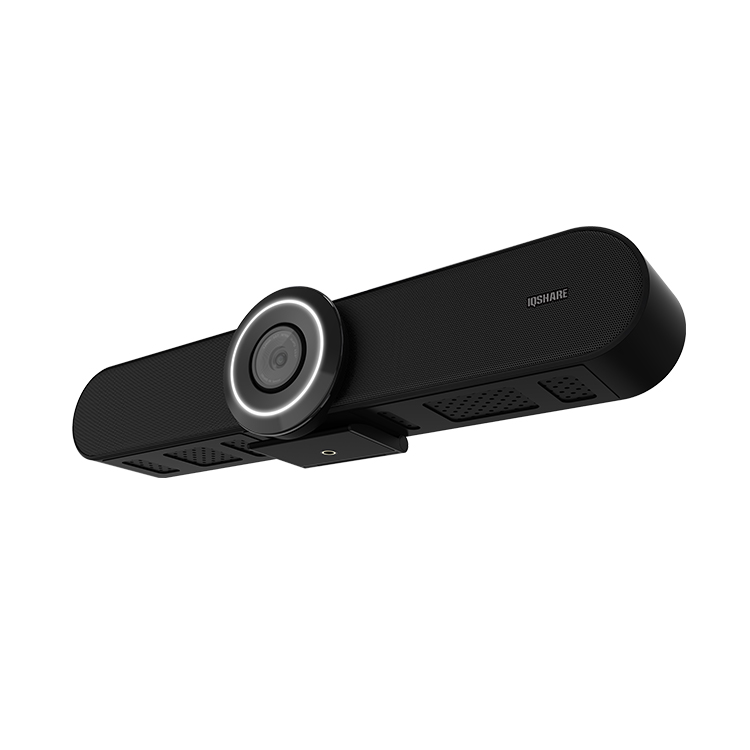
8MP Ultra HD 4K Conference Desktop All in One Webcam Stand Built-in Mic & Speaker for Online Classe Meeting Live Stream
All-in-one desktop 4K camera with stand, microphone and speaker for small meeting rooms and live classes where AV rack space is limited.
Nagoya fit: small training rooms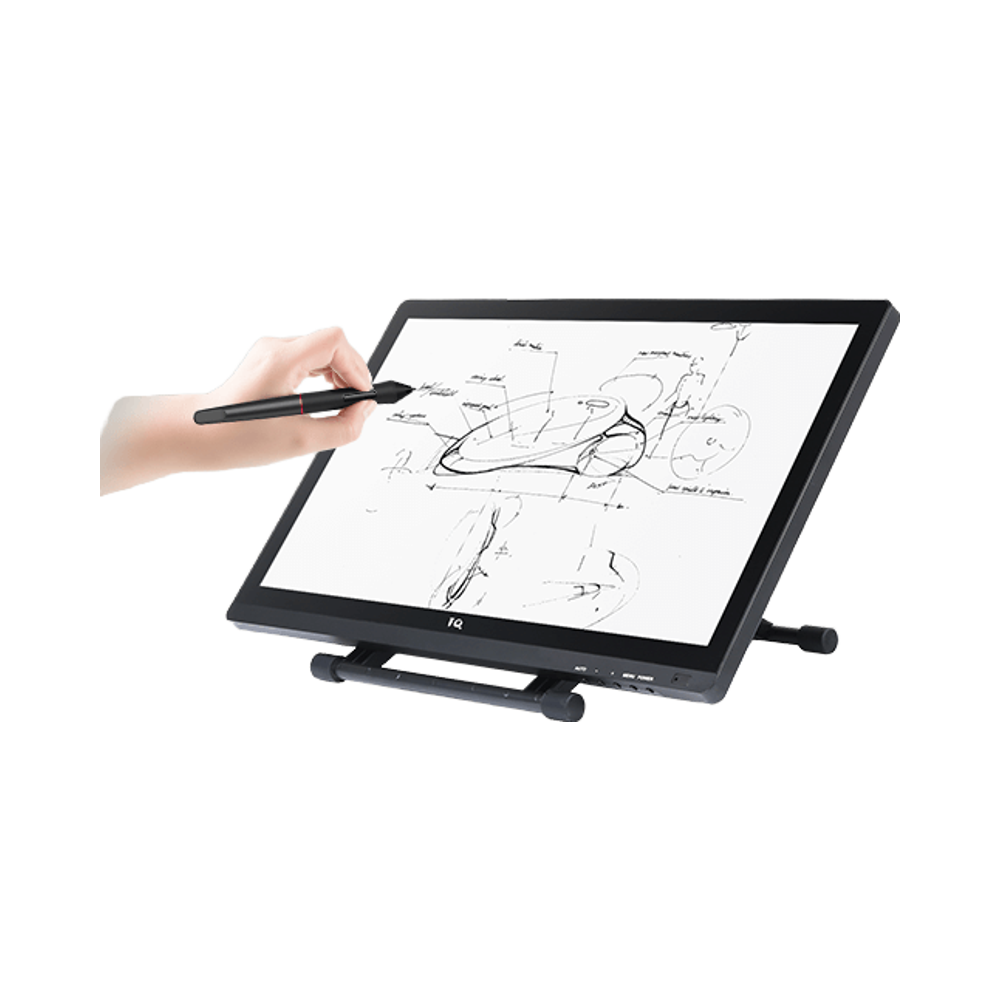
22" Touch Screen Digital Smart Podium with Wireless Microphone for Sale
22-inch touch smart podium with wireless microphone for lecture control, annotation and classroom device operation in universities and corporate academies.
Nagoya fit: lecture hall control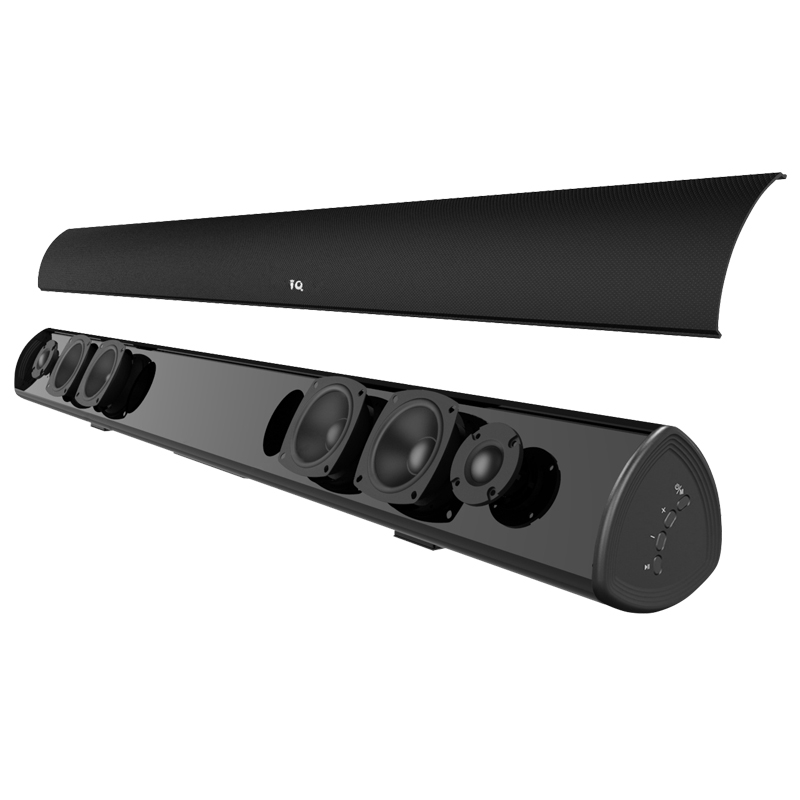
Soundbar for Meeting Room and Classroom Remote Control Speaker
Remote-control soundbar that clarifies speech in larger rooms and supports hybrid lessons, meetings and recorded training sessions.
Nagoya fit: speech clarity for large rooms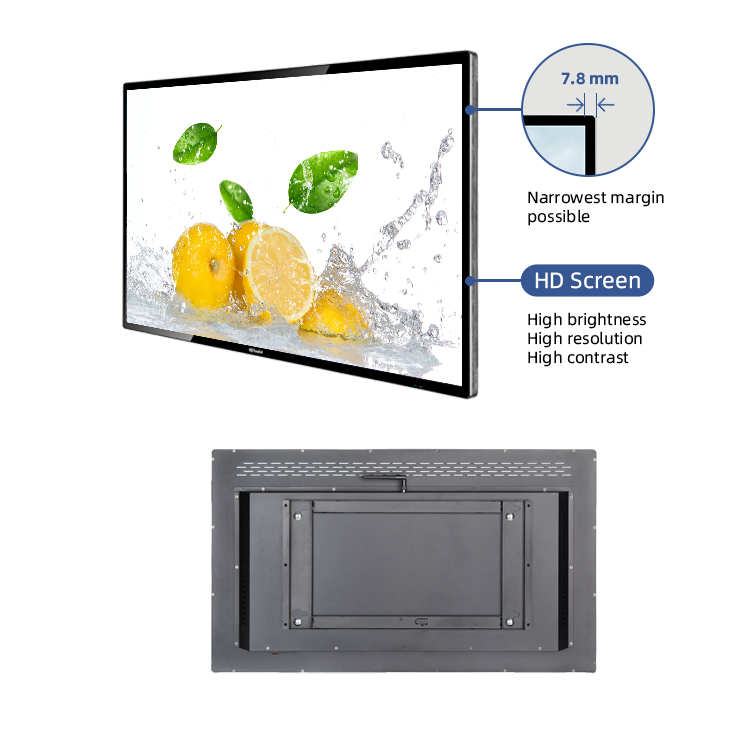
Interactive Touch Screen 10/13/15/22/32/43/49/55/65 Inch Android LCD Monitor Kiosk Wall Mounted Advertising Display
Android LCD monitor kiosk from 10 to 65 inches for wayfinding, announcements and interactive information in Nagoya campuses, receptions and public venues.
Nagoya fit: campus information points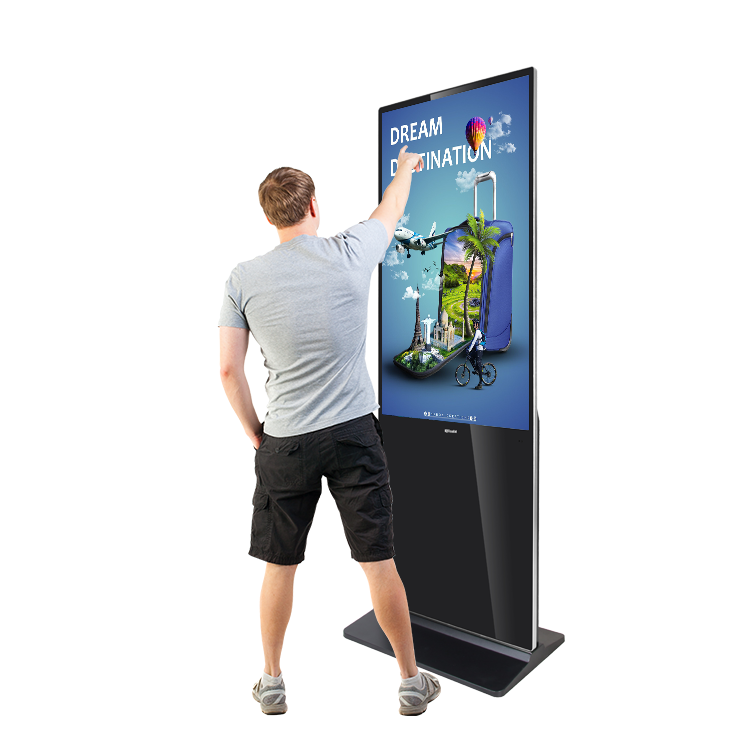
Wholesale 43inch Android Tablet Floor Standing Touch Kiosk for Hotel Bank School
43-inch Android floor-standing touch kiosk for hotels, banks, schools and public service points. Suitable for self-service check-in and information access.
Nagoya fit: self-service and receptionA multimedia teaching equipment manufacturer built for Nagoya-style procurement scrutiny
Nagoya procurement teams increasingly evaluate multimedia teaching equipment as infrastructure, not as a one-off device purchase. A classroom display must support daily Japanese-language lessons, connect to existing AV and network hardware, survive high-use environments and remain serviceable after installation. That is why a credible factory discussion should cover three proof points: manufacturing control, integration depth and documentation that can survive a tender review.
Ruyden Interactive Technology Group Co., Ltd. is based in the Fuzhou High-tech Zone, Fujian, China. We are SGS onsite-verified, have 19+ years in the industry and have built a product ecosystem covering 55–100 inch interactive flat panels, interactive whiteboards, lecture capture systems, networked digital podiums, wireless presentation systems, classroom audio and AV control. The factory controls SMT, auto-insertion, PCB processing and final assembly, and operates a reliability test lab. That means custom housing, boot screen, software pre-installation, language pack, packaging and hardware configuration can be reviewed with the team that builds the unit—not a trading intermediary.
For Nagoya buyers, the practical benefit is fewer hand-offs between specification, sample approval, production, inspection and delivery. Our export team can support project discussions around room schedules, local integrator coordination, port delivery planning and after-sales spare-parts expectations. We do not treat compliance as an afterthought; model-level documentation and configuration review can be prepared against the final bill of materials for Japanese procurement teams and their local partners.
Where multimedia teaching equipment delivers value in Nagoya
Nagoya is not a generic export market. Its education, industrial training and public-sector buyers often need technology that supports precision, continuity and low-friction daily use. These three scenarios reflect the most common local requirements we see in project discussions.
Nagoya K-12 and special-needs classrooms
Elementary and junior high schools in Nagoya and across Aichi need whole-class visibility, simple pen-and-finger input and low teacher training load. An interactive whiteboard or flat panel should support Japanese-language lesson content, group annotation and quick switching between digital materials and traditional board work.
Recommended models include the 82-inch IQBoard whiteboard and 55–75 inch interactive flat panels, paired with wireless presentation or a document camera for lesson capture.
Priority: simplicity, durability, teacher confidenceUniversities and research seminar rooms
Nagoya University, Nagoya Institute of Technology and other Aichi higher-education institutions often need recorded lectures, hybrid seminars and large-room readability. A lecture capture camera, networked podium, ceiling or room audio and a 85–100 inch display can form a practical teaching core without overcomplicating the room.
For seminar rooms, the 4K folding document camera and 22-inch smart podium are useful for live annotation, visualiser work and lecture control.
Priority: capture quality, room control, recording workflowAichi manufacturing training and enterprise meetings
The Aichi industrial corridor relies on continuous technical training, supplier communication and engineering onboarding. Training rooms and meeting spaces around Meieki, Sakae and the broader Nagoya area benefit from 4K conference cameras, speakerphones, soundbars and touch kiosks that support clear communication and self-service information.
Wall-mounted or floor-standing Android kiosks are also suitable for reception, wayfinding and shared training schedules.
Priority: communication clarity, simple operation, serviceabilityFour procurement trends shaping multimedia teaching in Nagoya
Local requirements are moving from “Can the screen display content?” to “Can this teaching platform remain dependable, inclusive and supported across its life cycle?” These trends are useful for specification meetings, tender documents and distributor planning.
Recorded and hybrid learning becomes a baseline
Nagoya universities and training providers increasingly expect lecture capture, live annotation and remote observation to work as normal teaching functions, not add-on experiments. Buyers should ask for camera, microphone, display and podium compatibility before comparing prices.
Japanese UI and teacher-first operation
Japanese-language menus, clear icons and short training paths reduce adoption risk. For Nagoya schools and companies, a localized interface can be more valuable than an unused advanced feature. Final language packs, boot screens and manuals should be reviewed during sample approval.
Accessibility and inclusive classroom design
Large-format displays, speech clarity, caption-ready presentation workflows and easy zooming support inclusive teaching. Nagoya special-needs classrooms and public training venues benefit when visual content remains readable from the back of the room and audio is intelligible without constant adjustment.
Evidence-led procurement and life-cycle budgeting
Japanese procurement teams often need documentation for internal review, tender evaluation and local integrator approval. The best quotation is not only a unit price; it includes model configuration, test evidence, warranty terms, spare-parts planning, shipping schedule and escalation contacts.
A useful Nagoya buying question
Before comparing two multimedia teaching equipment quotations, ask: “What evidence shows this system will still be supportable in year three?” A factory that controls SMT, PCB, assembly and reliability testing can usually answer with clearer traceability than a supplier that only assembles imported kits.
Why education buyers and AV integrators consider Ruyden
The original factory profile contains several advantages that matter directly to Nagoya projects: verification, production control, customization capability, product breadth and long-term export experience. The most useful way to evaluate them is to connect each advantage to a procurement risk.
SGS onsite verification reduces supplier uncertainty
Ruyden has been onsite-verified by SGS Group. Assessment reports, credit overview, trade capacity, transaction level and trade history are available through public verification links. For Nagoya distributors and tender buyers, this supports internal due diligence before a sample order or framework discussion.
19+ years of industry experience
Longevity in education AV matters because schools and universities need continuity. Our team has 19+ years in the industry and 10+ years of export experience, with a verified staff of 82 people across engineering, production, quality control and export service functions.
Design-based OEM/ODM customization
Custom logo, boot screen, housing color, packaging, software pre-installation, language settings and hardware configuration can be discussed around the final project. Design-based customization has been verified by an independent third-party inspection, which is useful when a Nagoya distributor needs a differentiated product line.
In-house production and reliability testing
Our factory integrates SMT, auto-insertion, PCB processing, assembly and testing. The reliability lab covers high and low temperature, drop, simulated transportation, salt spray, button life, insertion force, static, earth continuity and withstand voltage testing. This helps protect units before they are shipped to Nagoya.
One-stop smart classroom ecosystem
Buyers can source interactive displays, lecture capture cameras, networked digital podiums, wireless presentation, webcams, stylus pens, soundbars, kiosks and classroom AV control from one supplier. This simplifies compatibility review, spare-parts planning and integrator coordination.
Export support for Nagoya delivery planning
We can support export packing, shipping coordination, documentation preparation and after-sales communication. For projects targeting Nagoya Port or local warehouses, the export team can align the production schedule with sample approval, installation dates and distributor stock planning.
Factory evidence for Nagoya procurement files
Photographs alone do not replace an audit, but they help buyers understand whether production is organized, whether testing is in-house and whether the supplier can support a complete smart classroom program rather than a single SKU.

Factory facility
Production, engineering and export service functions operate around the same manufacturing base, supporting faster configuration review and production follow-up.

Production workshop
In-house process control covers key stages of interactive display manufacturing, helping protect custom designs and batch consistency.

Team and operations
Engineering, production, QC and export service staff coordinate on samples, mass production and shipment preparation.
Interactive panel size selector for Nagoya rooms
Screen size is one of the most common specification mistakes. The guide below uses the practical 6× screen-height viewing rule often applied by AV integrators. Final selection should still be checked against room layout, ceiling height, seating, lighting and content type.
Product recommendation matrix for common Nagoya teaching spaces
Use this matrix as an early specification tool. It is not a substitute for a site survey, but it helps procurement teams align room type, display format and supporting equipment before requesting samples or quotations.
Small classroom or huddle room
Suggested display: 55–65 inch interactive flat panel. Add a 4K desktop conference webcam and wireless presentation for hybrid meetings.
Best for: tutoring, interview rooms, small group work and satellite offices in Nagoya.
Standard K-12 classroom
Suggested display: 65–75 inch interactive display or 82-inch IQBoard whiteboard. Add document camera and soundbar where lesson capture or speech clarity is required.
Best for: Nagoya elementary and junior high schools with daily whole-class teaching.
University seminar and lecture room
Suggested display: 85–90 inch panel with 4K capture camera, networked podium and classroom audio. Consider live annotation and lecture recording.
Best for: Aichi universities, research seminars, continuing education and hybrid lecture programs.
Auditorium or large training hall
Suggested display: 90–100 inch panel or multiple display strategy with lecture capture, podium control and centralized AV. Plan viewing distance and audio coverage early.
Best for: Nagoya conference venues, corporate academies, public training centers and auditoriums.
From a Nagoya inquiry to a repeatable delivery model
A structured workflow reduces the risk that a good sample does not become a reliable shipment. This is especially important when schools, universities or distributors need multiple rooms delivered in phases.
Requirement review
Share room types, seating capacity, target quantities, Japanese-language requirements, voltage planning, installation method and desired certification documentation.
Solution design
Our team proposes display size, capture configuration, audio, podium, wireless presentation and control options around the actual teaching workflow.
Sample approval
Pre-production samples confirm look, feel, UI language, boot screen, packaging and performance before mass production.
Mass production
In-house SMT, PCB, auto-insertion and assembly lines build the approved configuration with batch consistency.
QC and testing
Reliability lab checks and final inspection are completed before export packing. Documentation can be prepared for buyer review.
Delivery and support
Export packing, shipping coordination to Nagoya Port or the nominated warehouse, and after-sales communication support keep the project moving.
Common local purchasing questions
These are the questions most often raised by Nagoya-area schools, distributors, integrators and enterprise buyers when evaluating a China-based multimedia teaching equipment factory.
Can you deliver multimedia teaching equipment to Nagoya Port and support export documents?
Yes. We regularly support export packing and shipping coordination. For Nagoya projects, please confirm the preferred Incoterm, destination port or warehouse, expected delivery window and whether your customs broker requires specific document formats. The export team can align production and shipment milestones with your local integrator or distributor schedule.
Can the products be configured for Japan 100V power and Japanese-language use?
Power configuration, plug type, language pack, boot screen and manual requirements should be reviewed against the final model and order quantity. Japan-bound projects commonly require 100V planning and Japanese UI review, so these points should be confirmed during sample approval. We recommend listing voltage, frequency, plug standard and language requirements in the inquiry so the quotation reflects the correct configuration.
What certification or documentation can be prepared for a Japanese tender?
Documentation requirements vary by buyer, model and project. Typical review items may include product specifications, test reports, RoHS-related declarations, EMC documentation, power configuration information, packing details, warranty terms and model-level certificates where available. Please send the tender checklist early so our team can confirm what can be supported before quotation. We avoid promising generic compliance without matching it to the exact model and bill of materials.
What is the usual MOQ and lead time for a Nagoya pilot project?
MOQ and lead time depend on the product family, customization level, sample approval date and production schedule. A pilot may combine several models—for example, interactive displays, a camera, a soundbar and a podium—so the quotation should be built around the full configuration. Share your target room count, installation dates and distributor stock plan, and our export team can propose a realistic sample and production schedule.
How do you recommend the right display size for Nagoya classrooms and lecture halls?
Start with viewing distance, room layout, ceiling height and content type. As a general guide, 65–75 inch displays suit many standard classrooms, 85–90 inch displays suit large classrooms and seminar halls, and 90–100 inch displays are appropriate for lecture halls and auditoriums. The size selector above provides a starting point, but a floor plan review is more reliable than screen size alone.
Can you work with a local Nagoya integrator for installation and after-sales support?
Yes. Many overseas projects are delivered with a local integrator responsible for installation, cabling, commissioning and first-line support. We can provide product information, configuration details, packing lists, user documentation and remote technical communication to help the local team prepare. For long-term distributor relationships, spare-parts planning and service-level expectations should be discussed during the quotation stage.
Can we customize products for a Japanese distributor brand?
OEM and ODM discussions can cover logo, boot screen, housing color, packaging, software pre-installation, language settings and hardware configuration. Design-based customization has been verified by an independent third-party inspection. For Nagoya distributors, the most efficient path is to define the target market, estimated annual volume, required certifications and sample schedule before the first design review.
Planning a smart classroom, lecture hall or training-room rollout?
Talk to the factory team, not a generic call center. Share your room types, quantities, Japanese-language requirements, delivery target and tender documentation needs. We will help turn the requirement into a practical configuration proposal for Nagoya and the wider Aichi market.
