OEM/ODM Document Visualizer Factory & Suppliers for Philadelphia
SGS-verified manufacturing for interactive displays, smart podiums, lecture capture, conference audio, webcams and kiosks — built for Philadelphia schools, universities, healthcare training rooms, legal meeting spaces and public-sector procurement.
Eight Products for Philadelphia Document Visualization and Smart-Room Rollouts
When buyers compare OEM/ODM document visualizer factory & suppliers for Philadelphia, the strongest shortlist is usually built around room outcomes rather than a single product photo. A document visualizer workflow needs a clear display, reliable audio, a capture device, a control point and content-sharing hardware. The eight models below form a practical bundle for schools, universities, healthcare training centers, legal teams, museums and government facilities in Philadelphia.
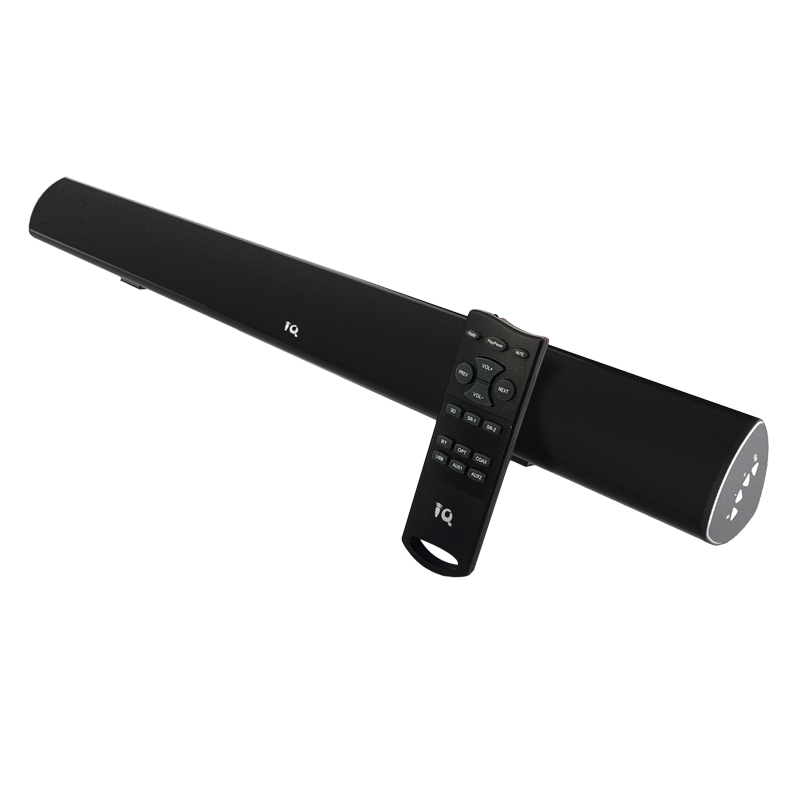
IQSoundbar Wholesale Office Conference Room Audio Sound Bar TV Soundbar with Subwoofer Active Speaker
An audio backbone for Philadelphia conference rooms, training labs and hybrid classrooms. The active soundbar with subwoofer supports speech clarity during video-based document review, remote instruction and board meetings. OEM logo, packaging and market-specific configuration are available through project review.
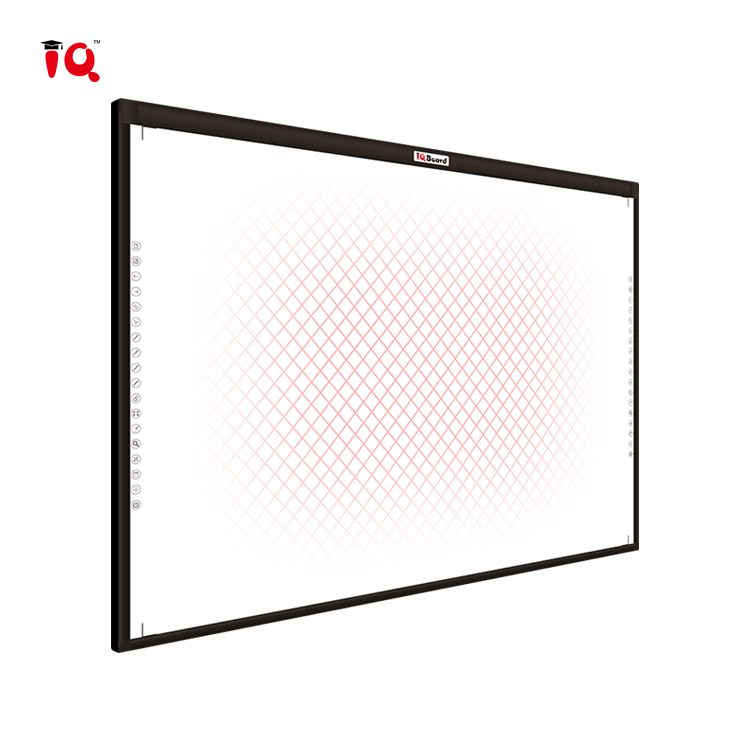
IQ Board No Projector Portable Smart Board China Interactive Whiteboard
A projector-free interactive board for schools and organizations that need flexible deployment. It suits Philadelphia facilities with historic architecture, limited wall space or shared-room schedules. Teachers can annotate, share documents and move the board between rooms without a fixed installation, while OEM software and branding options remain available.
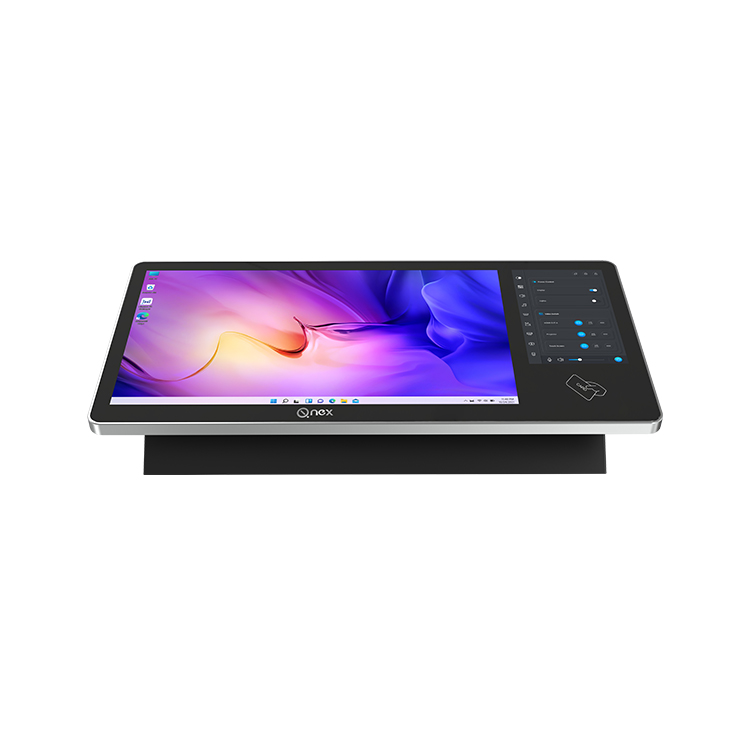
Dual Screens with Optical Bonding All-in-one Smart School Computer Desktop Digital Podium Pulpit for Classrooms
Designed for lecture halls, training rooms and presentation spaces where the instructor needs a central control point. The dual-screen, optical-bonding podium combines computer access, document display and classroom control in one lectern. For Philadelphia universities and corporate learning centers, this reduces cable clutter and helps standardize teaching workflows.
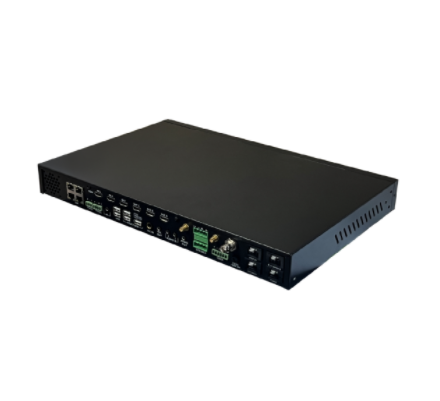
QNex Networked Media Processor for Digital Podium
A control and media-processing module for smart podiums and connected classrooms. It helps integrators centralize switching, presentation and room management across multiple spaces. For Philadelphia higher-education and public-sector projects, this is useful when a campus wants phased upgrades instead of replacing every AV component at once.
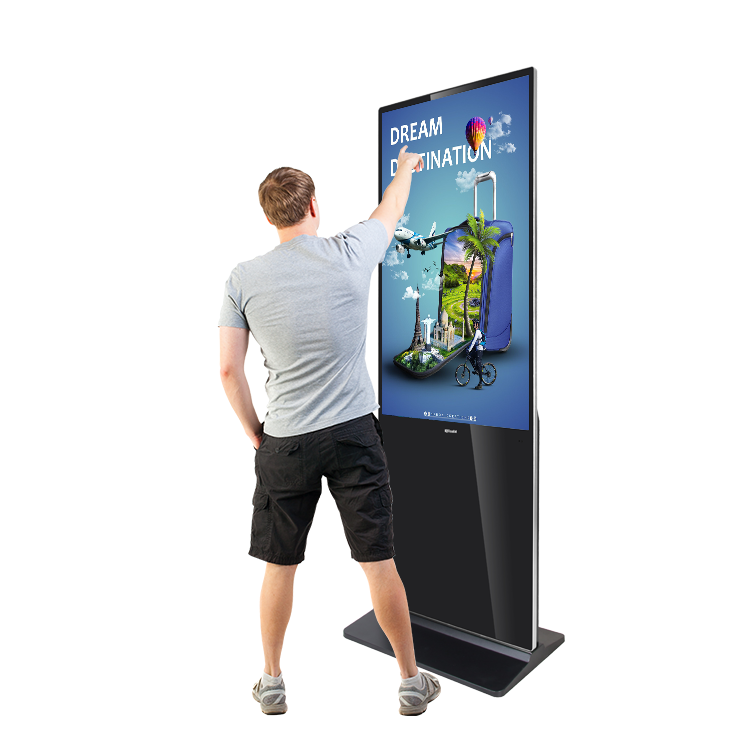
Wholesale 43inch Android Tablet Floor Standing Touch Kiosk for Hotel Bank School
A floor-standing Android touch kiosk for wayfinding, admissions information, branch communication, museum interpretation and campus directories. Philadelphia buyers can use it in lobbies, career centers and public venues where accessibility and clear self-service content matter. The kiosk format is especially relevant for retrofit spaces with limited wall-mounting options.
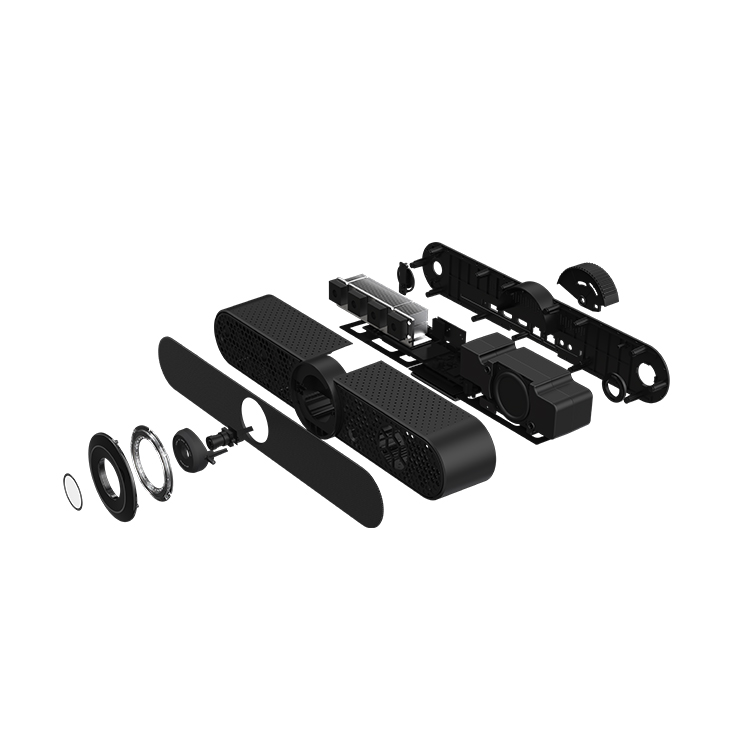
AI Auto-Tracking Webcam All-in-one 1080p 4k PC Mini Webcam for Video Calling and Conference
A compact capture endpoint for hybrid instruction, telehealth training, legal presentations and executive meetings. AI auto-tracking keeps the presenter in frame while the all-in-one design simplifies deployment with displays, podiums and conference audio. It is a practical component of a document visualizer ecosystem when the room needs presenters, whiteboards or physical documents shown clearly to remote participants.
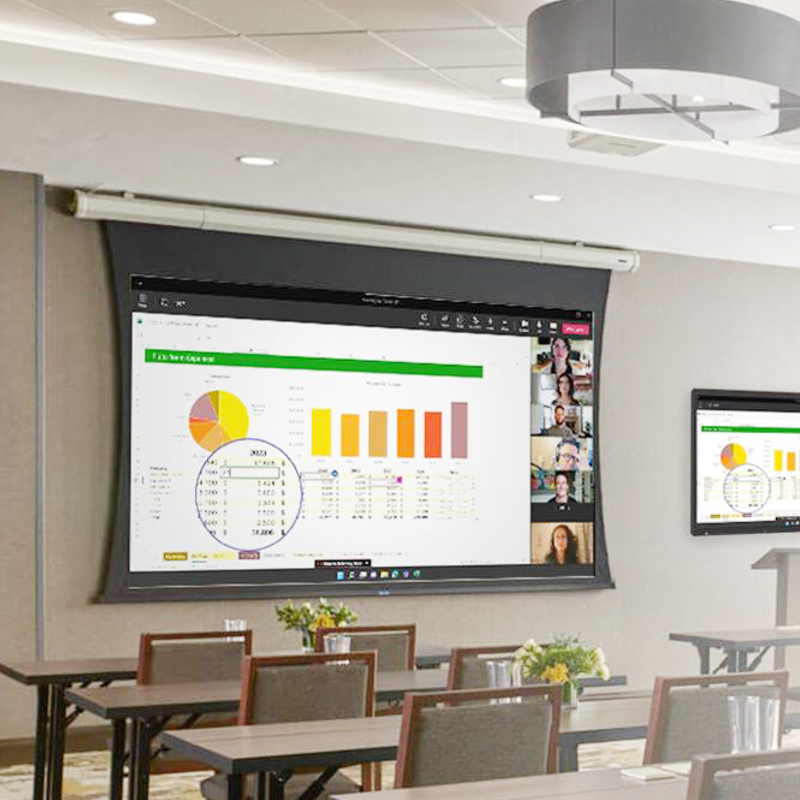
Multi-functional Teaching Android and Windows OPS System Interactive Flat Panel Smart Board Price for School Teaching
An Android and Windows OPS interactive flat panel for daily teaching and collaborative document annotation. Available in multiple sizes for K-12 classrooms, higher-education seminar rooms and corporate training rooms. This model is relevant for Philadelphia projects that need a familiar whiteboard experience, OPS flexibility and OEM identity across a campus rollout.
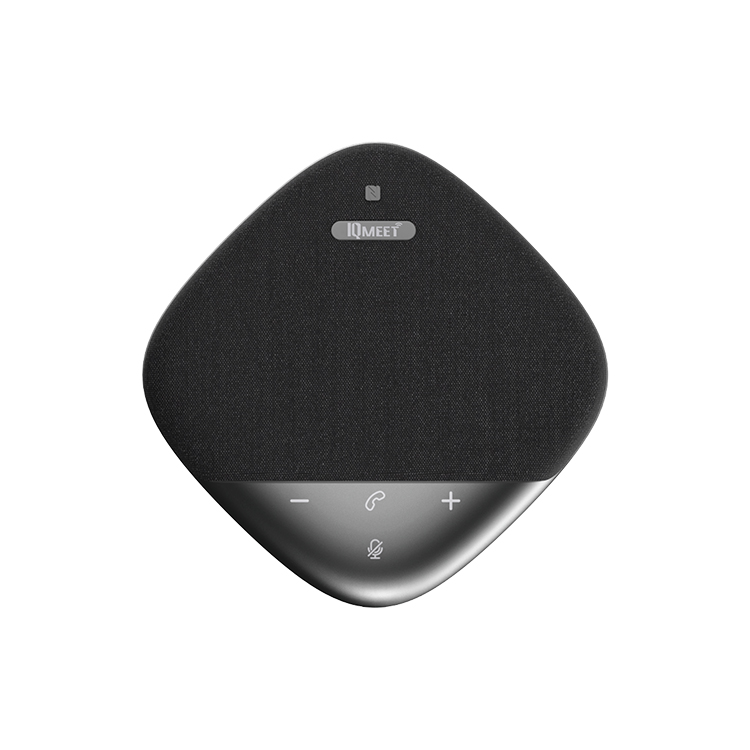
China Factory NFC Features AI Noise Reduction Built-in Dual Speakers Conference Speakerphone for Mobile Phone USB
A conference speakerphone for remote meetings, interviews, training rooms and document-review sessions. AI noise reduction and built-in dual speakers help keep speech intelligible in rooms with HVAC noise or hard surfaces. For Philadelphia teams, it pairs well with IFPs, webcams and soundbars to create complete hybrid meeting kits for multiple departments.
Why Ruyden Is a Qualified OEM/ODM Document Visualizer Factory for Philadelphia Projects
Ruyden Interactive Technology Group Co., Ltd. is headquartered in the Fuzhou High-tech Zone, Fujian, China, with in-house SMT, PCB, auto-insertion, assembly and reliability-testing capabilities. For Philadelphia buyers, that factory-level control matters because education and public-sector procurement teams increasingly ask for verifiable evidence before approving a supplier. A polished catalogue is not enough; the supplier should be able to explain how hardware is built, how customization is controlled and how quality is proven.
The term document visualizer often describes only one part of a room: the camera, display or documentation workflow used to show physical materials to an audience. In practice, a reliable visualizer project combines an interactive display, room audio, a capture device, a podium control point and network-ready media processing. Ruyden’s product range addresses those layers together, which reduces compatibility risk for distributors, AV integrators and facilities teams working with Philadelphia schools, universities and enterprises.
The company has been onsite-verified by SGS Group, and its design-based customization capability has been independently inspected. Public verification links cover SGS assessment, credit overview, trade capacity, transaction level, trade history and buyer feedback. These records support due diligence for procurement teams comparing OEM/ODM document visualizer factory & suppliers for Philadelphia, especially when a project must be defended to finance, IT, accessibility and facilities stakeholders.
- In-house SMT, AI insertion, PCB and final assembly protect custom hardware requirements.
- Reliability tests include high/low temperature, drop, simulated transportation, salt spray, button life, insertion force, static, earth continuity and withstand voltage.
- OEM/ODM customization can cover logo, boot screen, housing color, packaging, software pre-installation, language settings and hardware configuration.
Where Philadelphia Buyers Use Visualizer Displays, Podiums and Conference AV
Philadelphia is not a generic AV market. Historic buildings, dense university campuses, public-sector procurement rules and mixed hybrid-work patterns all influence the right configuration. The scenarios below show how the eight products can be matched to local room types and buying committees.
School District of Philadelphia K-12 Classrooms
For K-12 classrooms, a 65-inch to 75-inch interactive panel is often the practical starting point, paired with a portable smart board where room scheduling is shared. Teachers can use the visualizer workflow to annotate worksheets, demonstrate problem solving and keep remote students engaged. Mobile deployment helps in older buildings where wall mounting, cabling or room conversion is constrained.
University City Lecture Halls and Seminar Rooms
Higher-education buyers in and around University City often need 85-inch to 100-inch displays, lecture capture and a digital podium that lets instructors control presentation sources from one place. A networked media processor can support phased upgrades across departments, while the AI auto-tracking webcam captures presenters for hybrid courses, continuing education and research seminars.
Center City Legal, Financial and Corporate Meetings
Center City meeting rooms often require clear document review, secure presentation switching and reliable audio for remote participants. A 55-inch to 75-inch display paired with a conference speakerphone, soundbar and AI webcam creates a complete hybrid meeting kit. Legal teams can use the setup for evidence review, contract discussion and training while keeping the room layout simple.
Healthcare, Life Sciences and Training Centers
Philadelphia’s healthcare and life-sciences training environments need dependable audio, clear visuals and flexible room control. The conference speakerphone and interactive display support clinical training, remote case discussion and simulation debriefs. A floor-standing kiosk can be used for wayfinding, patient education, staff announcements or training-center information in high-traffic areas.
Museums, Cultural Venues and Public Information
Museums, cultural organizations and public agencies can use the 43-inch Android kiosk for interpretive content, wayfinding and accessible information. Interactive panels and audio products can support donor presentations, education rooms and event spaces. When historic interiors limit mounting options, freestanding kiosks and portable boards reduce installation complexity while preserving the building’s character.
Government, Integrators and Public-Sector Procurement
Public-sector projects and systems integrators often need documented supplier evidence, repeatable configurations and clear after-sales planning. Ruyden’s SGS verification, trade records and in-house testing history help support due diligence. Digital podiums, networked processors and displays can be specified as a phased standard across facilities instead of one-off purchases.



2026 Philadelphia Visualizer Trends: Hybrid Instruction, Retrofits and Procurement Evidence
Philadelphia buyers are not simply replacing projectors. They are planning rooms that must work for in-person teaching, remote collaboration, recorded sessions and public-service workflows. These trends should shape the questions asked of every OEM/ODM document visualizer supplier.
Hybrid-first teaching and meetings
Rooms are expected to show documents, presenters and remote participants clearly on day one. Displays, webcams, speakerphones and lecture capture are increasingly planned as one package rather than separate purchases.
Retrofit-friendly technology
Historic buildings and older classrooms can make wall cutting and cable routing difficult. Portable smart boards, floor-standing kiosks, mobile stands and compact podiums help Philadelphia teams deploy without major construction.
Evidence-based procurement
Public-sector and education buyers need supplier transparency. SGS verification, trade capacity, transaction history and test-lab records are now part of the practical shortlisting process, not just background information.
Lifecycle and integration planning
Campus and facility teams prefer phased standards that can expand over multiple budget cycles. Networked media processors, digital podiums and consistent display families reduce future compatibility and spare-parts risk.
Interactive Display Sizing and Room Fit for Philadelphia Procurement
The most common specification mistake is ordering a panel that is too small for the room. Use this practical matrix, based on the approximate 6× screen-height viewing rule used by AV integrators, to align display size with Philadelphia room types and add-on hardware.
| Panel size | Typical Philadelphia room | Approx. max viewing distance | Recommended add-ons |
|---|---|---|---|
| 55" | Huddle rooms, small tutoring spaces, reception areas, branch offices | ≈ 4 m | USB webcam, conference speakerphone, wireless presentation |
| 65" | Small classrooms, meeting rooms for 6–10 people, training breakout rooms | ≈ 5 m | Speakerphone, stylus pen, portable board if rooms are shared |
| 75" | Standard K-12 classrooms, mid-size conference rooms, nonprofit training rooms | ≈ 5.5 m | Mobile stand or wall mount, digital podium, soundbar |
| 85" / 86" | Large classrooms, university seminar rooms, corporate boardrooms | ≈ 6.5 m | Smart podium, AI auto-tracking webcam, lecture capture |
| 90" | Seminar rooms and small lecture halls in higher education | ≈ 7 m | Networked podium, lecture capture camera, room audio |
| 100" | Lecture halls, auditoriums, large training centers, public presentation spaces | ≈ 7.5 m | Lecture capture and live broadcast, central AV control, networked media processor |
Distances are guideline values for 16:9 displays. Ruyden engineers can review floor plans, seating layout, lighting and installation constraints to recommend panel size, mounting and system configuration per room.
Verified Manufacturing Advantages and Information Gain for Procurement Teams
Philadelphia buyers comparing suppliers should ask for information that is difficult to verify from a typical trading page. Ruyden’s advantage is the combination of factory processes, documented customization, export experience and a product family that works together across classrooms, lecture halls and meeting rooms.
Core electronics production remains under factory control, which helps protect custom designs, maintain consistency across repeat orders and respond faster to engineering changes during an OEM/ODM program.
Quality control includes high and low temperature, drop, simulated transportation, salt spray, button life, insertion force, static, earth continuity and withstand voltage testing. These tests are relevant for equipment that will travel from China to Philadelphia and then operate in daily school or office environments.
Customization can include logo, boot screen, housing color, packaging, pre-installed software, language settings and hardware configuration. Independent verification of design-based customization gives buyers a stronger document trail for internal approval.
Interactive displays, digital podiums, lecture capture, conference audio, webcams and kiosks can be sourced from one supplier relationship. This simplifies compatibility review, spare-parts planning and training for integrators serving multiple Philadelphia sites.
More than ten years of export experience supports Incoterms review, export packing, labeling and shipping coordination. Buyers can request the documentation needed for purchasing, customs and internal compliance reviews.
SGS assessment, credit overview, trade capacity, transaction level, trade history and reviews are publicly viewable. That transparency helps Philadelphia procurement teams compare claims against evidence before requesting samples or placing a production order.
From Philadelphia Room Brief to Production Delivery in Six Steps
A structured workflow keeps facility owners, distributors and integrators aligned from the first layout review to final installation planning.
Requirement review
Share room sizes, seating, quantity, target market, electrical requirements, software preferences and any certification or tender requirements.
Solution design
Engineers propose display sizes, audio and capture components, podium configuration, software settings and OEM/ODM branding options.
Sample approval
Pre-production samples confirm appearance, interface, performance, packaging and labeling before mass production begins.
Mass production
In-house SMT, PCB, auto-insertion and assembly lines execute the approved configuration with production-stage checks.
QC and testing
Reliability testing and final inspection are completed before export packing, with records available for project documentation.
Delivery and support
Export packing, shipping coordination, documentation and after-sales support help Philadelphia buyers plan installation and long-term service.
Common Questions from Philadelphia Schools, Integrators and Procurement Teams
These are the practical questions buyers ask before shortlisting an OEM/ODM document visualizer factory and requesting samples or project pricing.
Can Ruyden ship visualizer displays and AV products to Philadelphia?
Yes. Ruyden supports export projects for buyers across the United States, including Philadelphia and the surrounding region. Shipping terms can be reviewed for your order size, destination, Incoterms and installation schedule. Export packing, labeling and documentation are coordinated as part of the quotation process.
Do you support 120V/60Hz power and U.S. plug requirements?
Power configuration should be confirmed model by model and order by order. Before quotation, share the target installation location, room type and electrical requirements so the engineering team can confirm the appropriate power specification, plug type, labeling and accessory configuration for the Philadelphia project.
How can buyers verify quality before placing a production order?
Start with the public SGS assessment, trade records, credit overview and buyer reviews. Then request a pre-production sample, packaging review and the applicable test documentation. Ruyden’s reliability lab covers temperature, drop, simulated transportation, salt spray, button life, insertion force, static, earth continuity and withstand voltage testing.
Can you customize a visualizer room package for a Philadelphia school or integrator?
Yes. OEM/ODM options can include branding, boot screen, packaging, language settings, pre-installed software and hardware configuration. A room package can combine displays, digital podiums, webcams, conference audio and kiosks based on the room schedule and budget. The final proposal should document model numbers, quantities, accessories and responsibilities.
Will your products work with existing classroom or conference AV systems?
Compatibility depends on the existing displays, switching, control, network and audio infrastructure. Ruyden products support common presentation and connectivity workflows, and the networked media processor can help integrate podium and room-control functions. Provide existing equipment details and a floor plan so the technical team can review interfaces and recommend the right configuration.
What lead time should a Philadelphia buyer plan for?
Lead time depends on model, order quantity, customization, testing scope and shipping method. A sample approval stage is recommended before mass production, especially for branded or multi-room projects. Share your project deadline and installation window early so the export team can build a realistic schedule with production, QC, packing and transport milestones.
Request a Philadelphia-Specific OEM/ODM Visualizer Proposal
Send your room list, quantity, target brand, electrical requirements, certification needs and installation deadline. Our export team will return practical model recommendations, dimensions, packaging notes and next steps for samples or production planning.
