8 Product Recommendations for Tokyo Visualizer and Smart-Classroom Projects
These eight models reflect the practical buying path for an optical zoom document camera supplier serving Tokyo: capture the detail, share it wirelessly, present it on a classroom display, and control the room from a smart podium. Every product URL below is preserved for direct review.
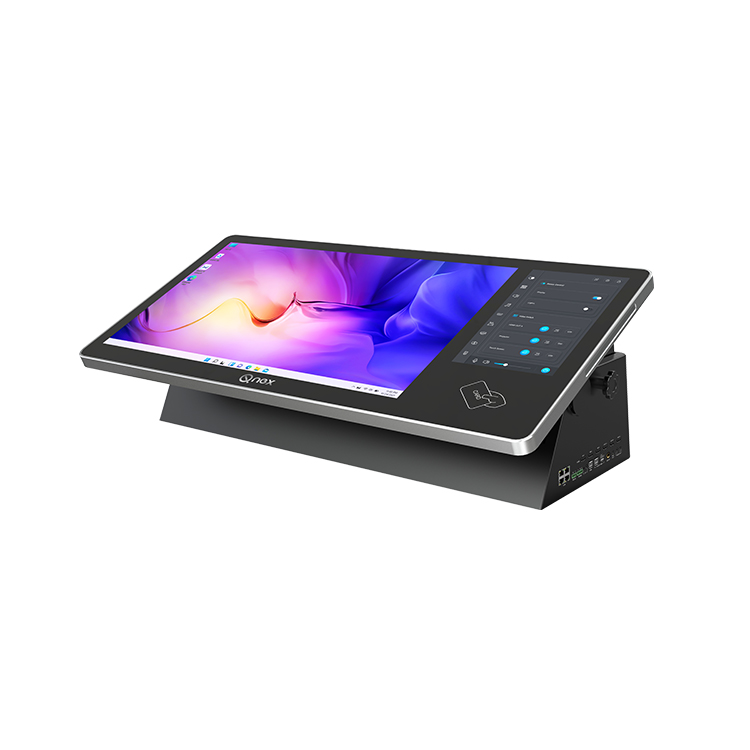
China Supplier Educational Equipment Customizable Integrated Multifunctional Desktop Digital Podium Factories
View product →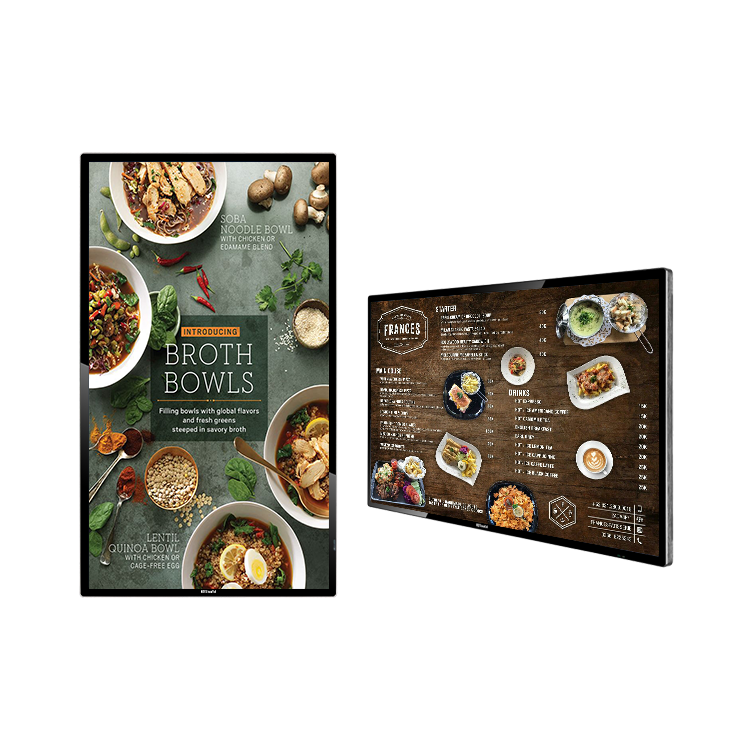
4K Kiosk Touch Screen Digital Signage Outdoor LED LCD Advertising Kiosk for School Hotel Hospitals
View product →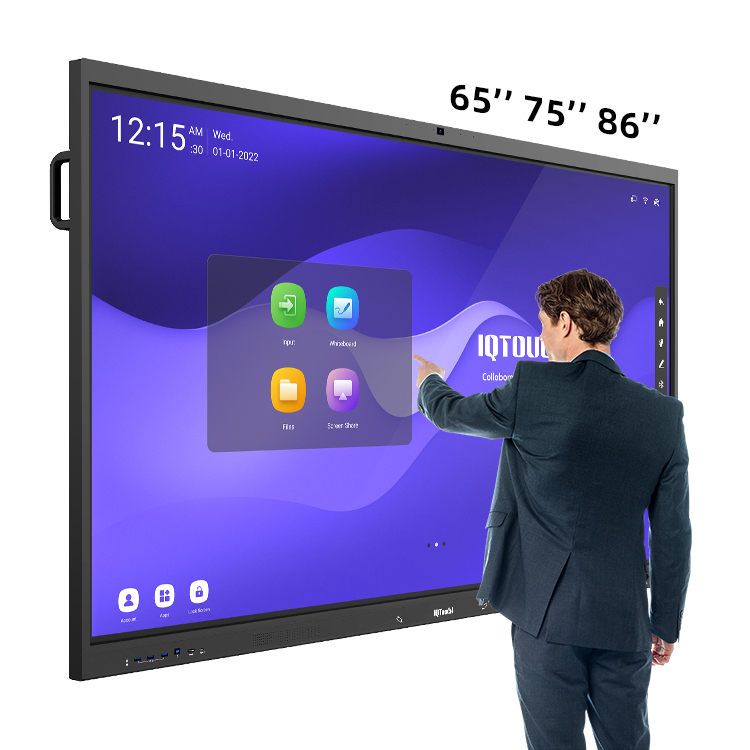
Dual System 4K 65 75 86 Inch Smart Board Interactive Electronic Whiteboard for Education and Conference
View product →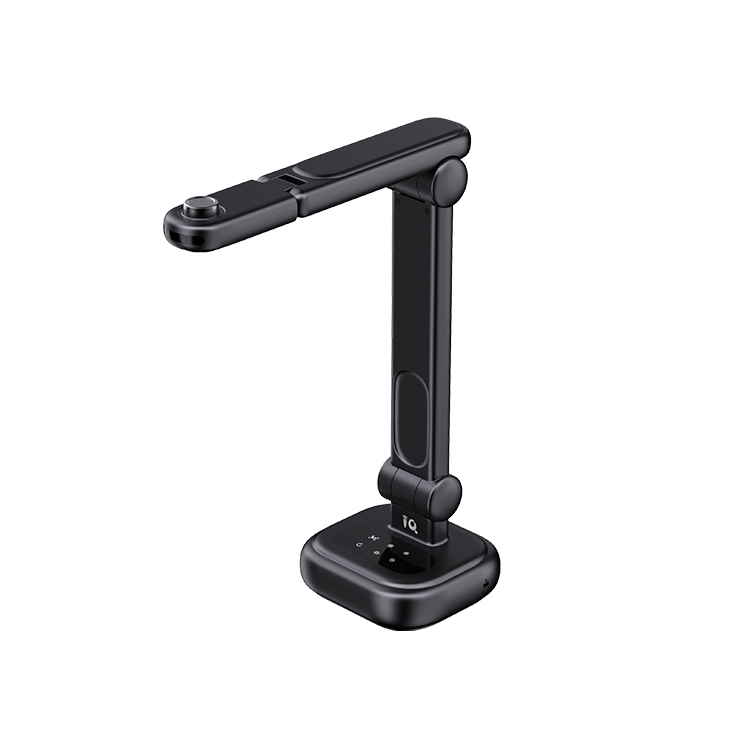
4K Video Output and Real-time Annotation Capabilities Document Camera Portable Visualizer with Auto Focus
View product →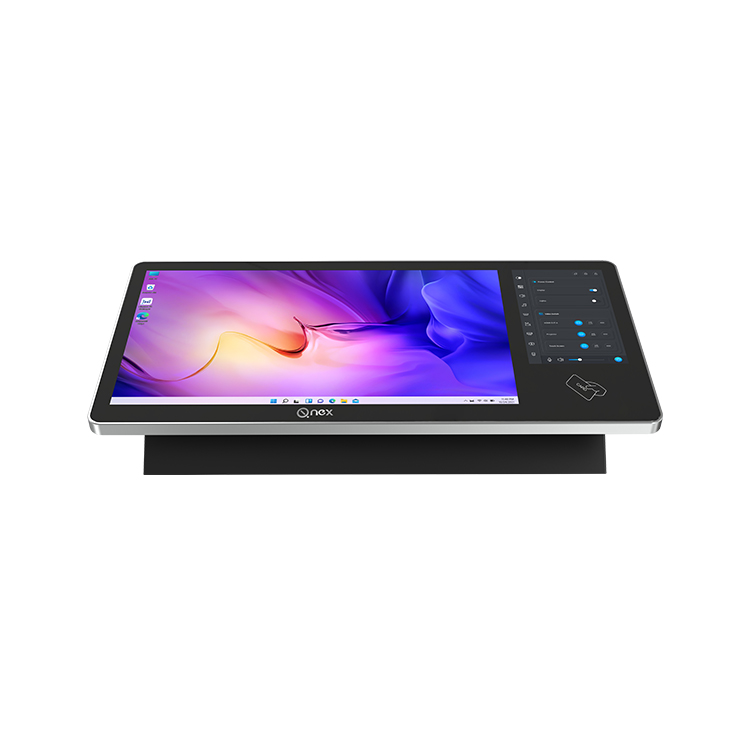
Dual Screens with Optical Bonding All-in-one Smart School Computer Desktop Digital Podium Pulpit for Classrooms
View product →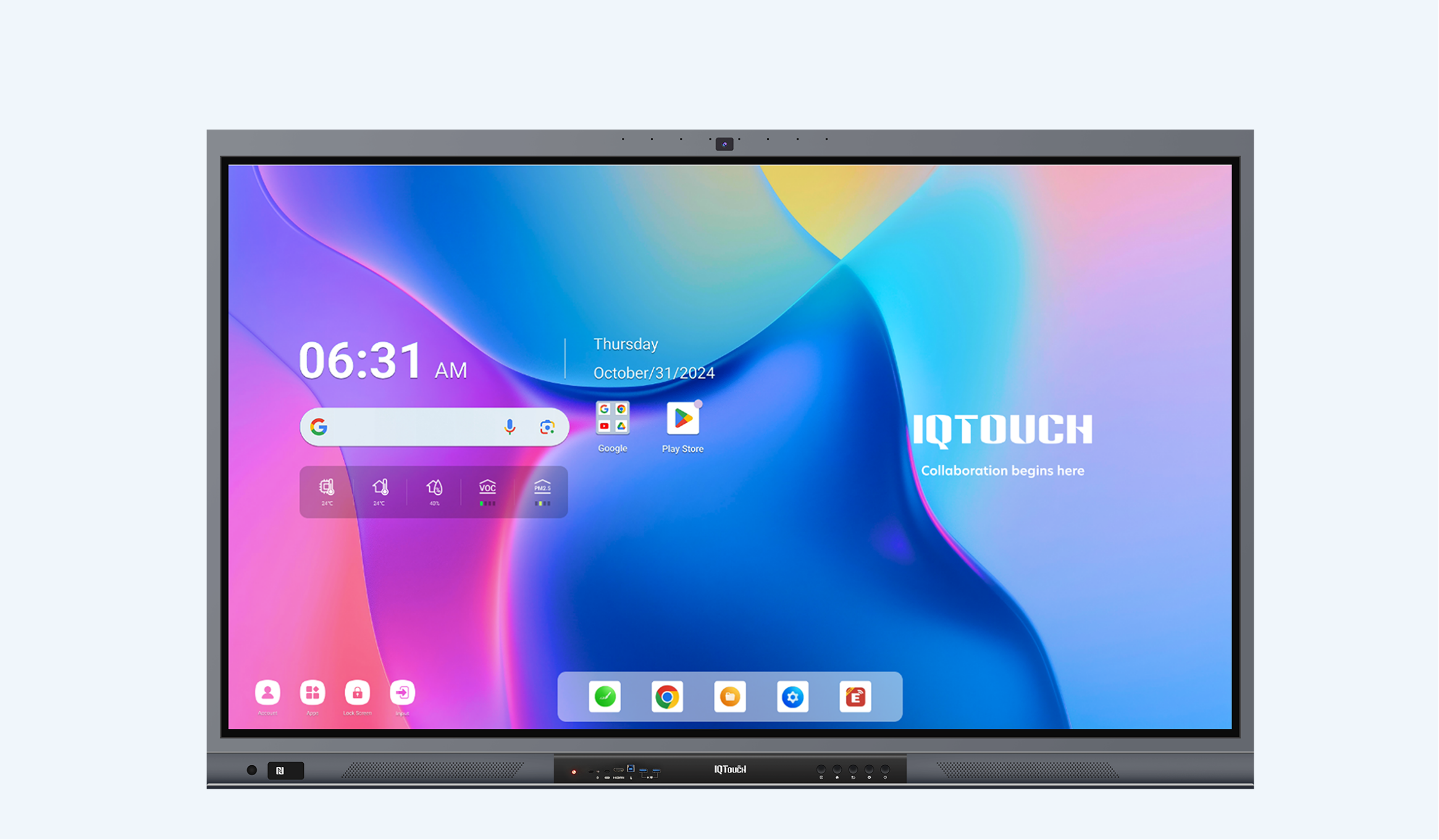
75 86 Inch Interactive Touch All in One Pc Electronic Interactive Whiteboard Smart Board Digital Price for Conference
View product →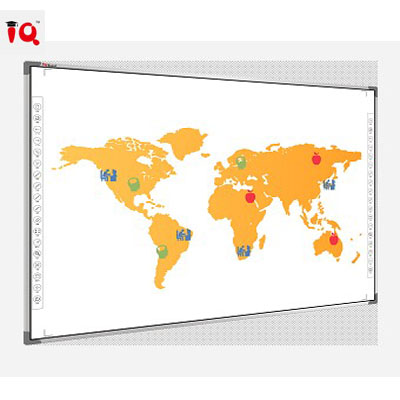
School Board Class Board IQBoard IR 82" 2 Points Touch 2 Users Interactive Whiteboard for School
View product →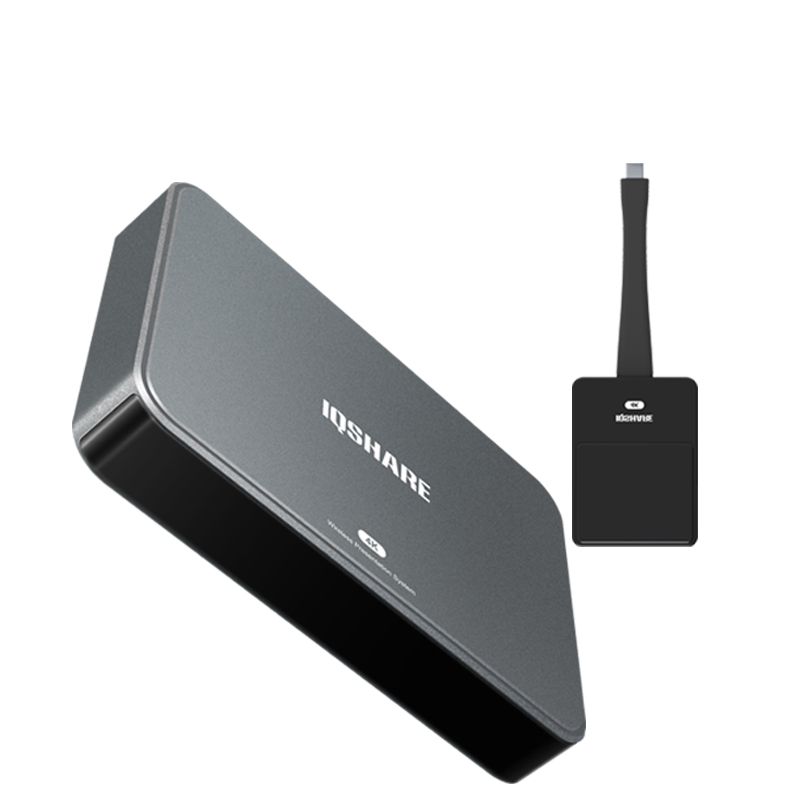
Hdm1 Wireless Transmitter Receiver 1 to 4 Anycast Wireless Screen Sharing Wireless Presentation System
View product →Why “Optical Zoom” Is the Specification Tokyo Buyers Actually Need
A Tokyo buyer searching for an optical zoom document camera factory usually has a practical problem: students at the back of the room cannot see handwriting, small components, textbook diagrams or a teacher’s live demonstration. Digital zoom enlarges pixels; optical zoom enlarges the image before it reaches the sensor. That difference becomes visible in 4K lesson capture, hybrid classrooms and large lecture rooms. The right supplier should therefore be evaluated on image fidelity, teacher workflow, local power compatibility, documentation and after-sales discipline — not on lens magnification alone.
Resolution that survives the zoom
An optical zoom document camera keeps fine detail readable when a teacher magnifies a science experiment, a printed passage or a detailed diagram. For Tokyo classrooms using 4K displays and lecture capture, this preserves the information students need instead of showing enlarged pixels.
Teacher-first operation
Teachers should not need an AV technician to start a lesson. Auto focus, one-touch annotation, HDMI and USB output, and clearly labelled controls reduce setup time. Japanese-language quick guides and optional custom labels make the device easier to adopt across multiple schools or departments.
Hybrid learning and lecture capture
In Tokyo universities and corporate training rooms, the document camera often feeds a lecture capture system or video conference. Stable 4K output, real-time annotation and predictable focus help remote participants see the same material as the room, which supports inclusive learning and training records.
Procurement durability
Tokyo procurement teams compare total cost of ownership, not just sample price. A factory-direct supplier should provide spare parts planning, packaging validation, compliance documents, warranty terms and clear escalation paths so that a single faulty unit does not disrupt an entire school rollout.
| Decision factor | Digital-only visualizer | Optical zoom document camera | Why it matters in Tokyo |
|---|---|---|---|
| Detail at distance | Enlarges existing pixels; small text and fine parts can become soft. | Magnifies before the sensor captures the image; detail remains cleaner. | Large classrooms, lecture halls and demonstration-based lessons need readable detail from the back row. |
| Inspection and annotation | Works for general material but loses confidence on tiny objects. | Better for components, handwriting, maps, diagrams and science demonstrations. | Tokyo schools and universities often use visualizers for STEM, language teaching and teacher training. |
| Hybrid capture quality | Compression and digital zoom can reduce clarity on video platforms. | Cleaner source image supports 4K display, recording and live broadcast. | Remote students and corporate trainees expect readable slides, documents and live demonstrations. |
| Total cost of ownership | Lower entry price, but may require replacement sooner if requirements rise. | Higher initial specification, but a more future-ready classroom asset. | Tokyo procurement cycles favour documented reliability, spare parts and long service life. |
Where Optical Zoom Visualizers Fit in Tokyo Learning and Meeting Spaces
Tokyo is a dense, mixed-market city: public schools, private schools, universities, language academies, corporate training centres and municipal facilities each buy for different reasons. A single visualizer specification rarely fits every room. The scenarios below show how the same factory platform can be configured for different local uses.
K-12 science and mathematics
Teachers can show small science apparatus, geometry constructions, textbook diagrams and handwritten worked examples on a large display. Optical zoom is especially useful when the object is small but the classroom is full, and when students need to follow each step in real time.
University lectures and seminars
In lecture halls, a visualizer can feed a projector, interactive display or lecture capture system. Real-time annotation and 4K output help remote students see documents, research materials and live demonstrations. Networked podiums and capture cameras can be combined for a complete room solution.
Corporate training and hybrid meetings
Tokyo training rooms often double as video conference rooms. A document camera allows a presenter to show contracts, product samples, printed workflows or annotated diagrams without passing materials around, while remote participants see the same detail through the meeting platform.
Municipal and public-sector training
Public agencies need simple, reliable operation and clear documentation. A factory-direct supplier can support tender documents, consistent model naming, spare parts planning and multi-site delivery to different wards or facilities.
Inclusive and special-needs education
Visualizers help enlarge printed materials, objects and teacher demonstrations for students who benefit from stronger visual access. Smooth auto focus and stable illumination matter because students may follow the image for long periods during a lesson.
Design, publishing and quality review
Tokyo creative and engineering teams can use a visualizer for design reviews, printed proofs, material samples and small-part inspection. Combined with a 4K display and wireless sharing, the camera becomes a practical visual inspection station rather than a classroom-only device.
Local Trends That Change the Specification and Supplier Choice
A supplier serving Tokyo must translate global product capability into local buying reality. Electrical planning, Japanese-language interfaces, compact room layouts, mixed AV estates and long-term service expectations all influence the final configuration.
100 V / 50 Hz planning
Tokyo operates on 100 V / 50 Hz. Specify a 100–240 V adapter or the correct local power accessory, confirm plug type, and request documentation for your compliance review. Do not assume that a generic export power supply is acceptable for a school tender.
Japanese-language usability
Japanese menus, labels, quick-start cards and training materials reduce adoption friction. For OEM projects, boot screens, packaging, software pre-sets and hardware labels can be customized under a documented approval process.
Compact rooms and retrofit
Many Tokyo classrooms and meeting rooms are space-efficient. A portable visualizer with a small footprint, flexible arm and simple cable management is easier to retrofit than a fixed ceiling system, especially where existing displays and podiums must remain in use.
TCO and local support
Buyers increasingly evaluate response time, spare-parts availability and remote diagnostics alongside unit price. A factory that controls production can support faster technical answers, consistent replacement parts and clearer warranty coordination than a trading intermediary.
- Confirm 100–240 V adapter, Japanese plug option and power label requirements.
- Request Japanese-language quick guide, menu screenshots and training notes.
- Review PSE/VCCI or other compliance expectations with your import adviser.
- Plan delivery to Tokyo via Narita, Haneda, Tokyo or Yokohama according to volume.
- Agree spare-parts kit, warranty process and remote troubleshooting channel.
- Validate sample image quality with real teaching materials before a tender.
Why Ruyden Reduces Risk for Tokyo Buyers
Ruyden Interactive Technology Group Co., Ltd. is an SGS onsite-verified manufacturer and exporter of interactive flat panels, interactive whiteboards, lecture capture systems, networked digital podiums and smart-classroom AV integration solutions. For an optical zoom document camera project, the advantage is not only the visualizer itself: it is the ability to match the camera with displays, podiums, wireless presentation and control systems from one qualified factory ecosystem.
Education AV specialist with a long manufacturing track record.
Engineering, production, QC and export service professionals.
Long-term paid global supplier membership and transaction history.
Average score from verified buyer reviews and transactions.
SGS onsite-verified manufacturing
Independent third-party inspection supports supplier due diligence. Buyer teams can review the assessment report, credit overview, trade capacity and transaction history instead of relying only on marketing claims.
In-house SMT, PCB and assembly
Ruyden controls SMT, auto-insertion, PCB and final assembly under one roof. This helps protect custom designs, maintain batch consistency and respond quickly when a Tokyo project requires a hardware or labeling change.
Reliability test lab
Quality validation includes high and low temperature, drop, simulated transportation, salt spray, button life, insertion force, static, earth continuity and withstand voltage testing before shipment. This matters for products that will be moved between rooms, floors and campuses.
Verified OEM / ODM customization
Design-based customization has been verified by an independent third-party inspection. Buyers can discuss logo, boot screen, housing color, packaging, software pre-installation, language settings and hardware configuration.
One connected classroom ecosystem
Displays, lecture capture, digital podiums, wireless sharing and AV control can be sourced together. That reduces compatibility risk and simplifies RFQs for Tokyo distributors, integrators and education tender buyers.
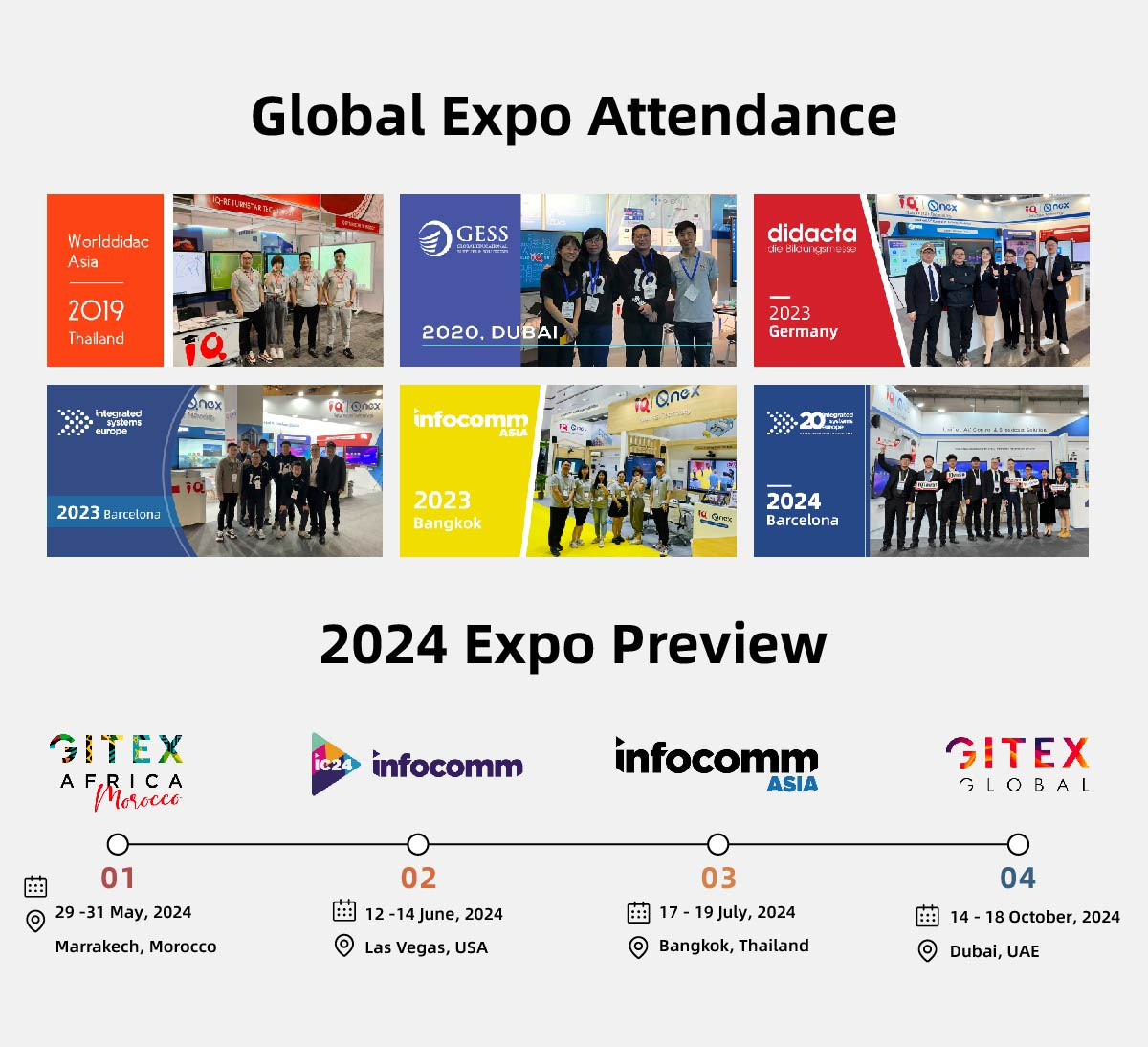
Export experience and exhibition history
More than ten years of export experience and participation in international trade shows support buyer communication across languages, documents and shipping requirements. The company also offers video introductions and public verification records.



From Inquiry to Tokyo Delivery in Six Clear Steps
A documented process keeps distributors, school boards and integrators aligned. For an optical zoom document camera project, the most important early step is validating real teaching materials and local power, language and compliance expectations — before mass production begins.
Requirement and room review
Share room type, viewing distance, quantity, target users and existing display or podium equipment. Tokyo buyers should also confirm power, plug type and compliance requirements.
Optical zoom configuration
Engineering proposes camera, lens, output, annotation and accessory options. Determine whether HDMI, USB, wireless sharing or lecture capture integration is required.
Sample validation
Test a sample with actual textbooks, handwriting, small objects and presentation materials. Review Japanese-language interface, labels and quick-start documentation at this stage.
Production and QC
In-house SMT, PCB and assembly lines build the order. Reliability testing and final inspection are completed before packing, with batch records available for project follow-up.
Japan-ready documentation
Export packing, product labels, manuals, compliance documents and shipping marks are prepared according to the agreed project scope and destination requirements.
Delivery and after-sales
Coordinate delivery to Tokyo through the agreed logistics route. Plan spare parts, warranty handling and remote technical support before the first installation day.
Procurement Questions Local Buyers Ask Most
These are the practical questions raised by Tokyo schools, universities, distributors and corporate buyers when evaluating an overseas optical zoom document camera factory or supplier.
Can you supply an optical zoom document camera to Tokyo with a Japanese plug?
Yes. Specify 100 V / 50 Hz planning and the required plug type at inquiry stage. The factory can quote the appropriate 100–240 V adapter or power accessory and prepare labels and documentation according to the agreed project scope. Always confirm final compliance requirements with your importer or testing adviser.
Do you provide Japanese-language UI, labels and manuals?
Japanese-language configuration can be discussed as part of an OEM/ODM project. Typical customization includes menu language, quick-start guide, packaging labels, boot screens and training notes. Final content and approval steps should be documented before mass production.
How long does delivery to Tokyo usually take?
Timing depends on configuration, quantity, testing and shipping method. Samples are commonly sent by express air freight, while bulk orders may move by air or sea through Tokyo, Yokohama, Narita or Haneda routes. Confirm the production schedule and latest delivery estimate with the export team before committing to an installation date.
What documents can you provide for PSE, VCCI, import and tenders?
Documentation support depends on the final product and project. Buyers can request product specifications, test reports, packing lists, commercial invoices, certificate copies, company verification links and other agreed documents for tender or import review. Compliance responsibility should be confirmed with your local regulatory adviser.
What is the MOQ for OEM/ODM customization?
MOQ depends on the level of customization, model and order mix. Logo, packaging, language and configuration changes can affect tooling, minimum batches and lead time. Share the target model, quantity and customization scope, and the factory can provide a project-specific quotation.
Can we test a sample before a Tokyo school or campus rollout?
Yes. Sample validation is strongly recommended. Test the visualizer with actual teaching materials, classroom lighting, display resolution and video conferencing tools. Evaluate focus speed, annotation, cable connections and Japanese-language usability before approving mass production.
How is after-sales support handled for projects in Japan?
Discuss the warranty terms, spare-parts kit, remote diagnostics process and escalation contacts before ordering. For multi-site rollouts, agree on a replacement strategy and a simple fault-report template so that local installers can resolve issues quickly with factory support.
Why choose a factory-direct supplier instead of a local reseller?
A factory-direct relationship can give buyers clearer access to production, customization, QC records and spare-parts planning. A local reseller may still be useful for installation or service, so many Tokyo projects combine a factory supplier with a trusted local integration partner.
Need a Tokyo-ready optical zoom document camera configuration?
Share your room type, quantity, target market, Japanese-language requirements and compliance documents. Our team can recommend a visualizer configuration and matching display, podium, wireless sharing and lecture capture options for your project.
Email: info@ruydentech.com
Factory: Fuzhou High-tech Zone, Fujian, China
Verification and product documents available on request.
