8 Teaching Visualizer & Smart-Room Products Recommended for San Antonio Projects
These eight products map directly to the practical jobs San Antonio buyers describe most often: showing a science experiment to a full classroom, recording a lecture, equipping a hybrid conference room, guiding visitors through a campus, or giving a podium presenter one control surface. Product URLs are preserved exactly. For bundle pricing, room-by-room configuration, or a mixed container quote, use the catalog button.
A note on the “top 10” question: San Antonio buyers should not treat an online list as a substitute for a factory audit. The most defensible shortlist combines verifiable manufacturing evidence, a room-fit demonstration, export documentation, spare-parts planning, and a local installation path. The eight products below are best understood as high-fit building blocks for a San Antonio teaching-visualizer or smart-room deployment.
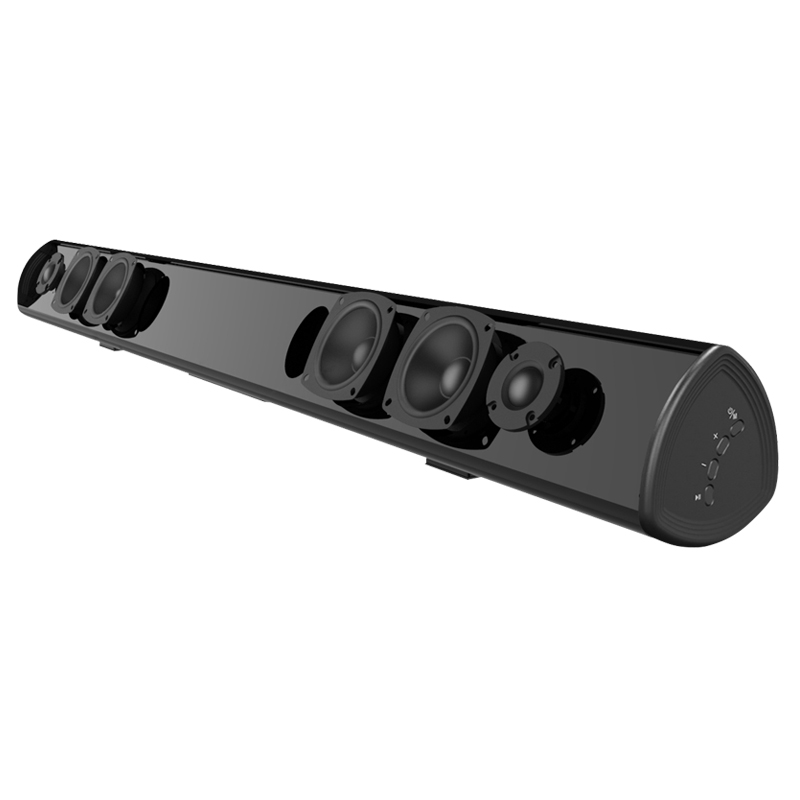
Voice Pick up Soundbar Sound Remote Speaker
A voice-pickup soundbar and remote speaker for classrooms, huddle rooms, and training spaces where clear speech matters more than loud volume.
San Antonio fit: K-12 rooms, charter schools, and corporate training rooms needing intelligible audio for in-room and remote learners.
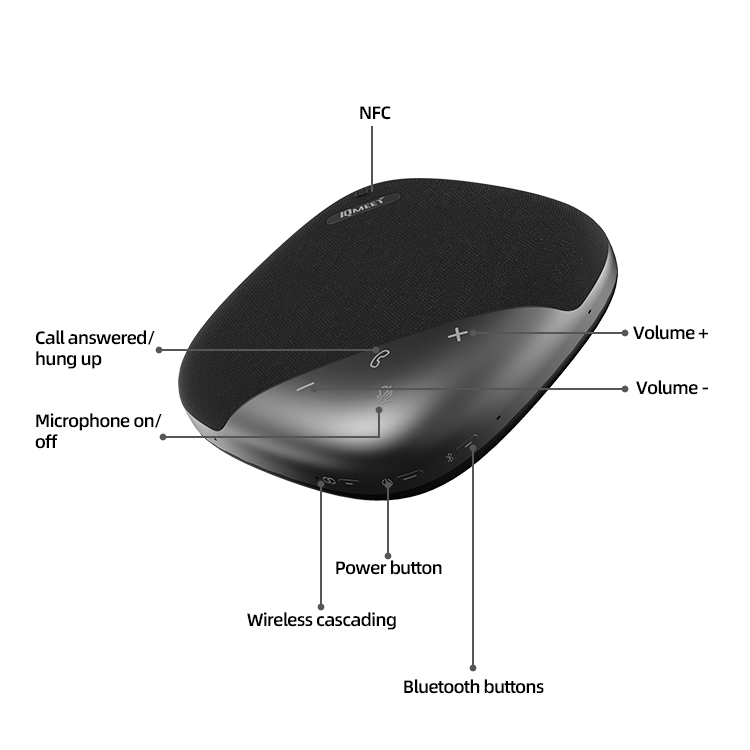
Home Theatre Omnidirectional USB Wireless Amplified Speakerphone Conference Powerful Sound Suitable for School and Conference
An omnidirectional amplified speakerphone for hybrid instruction, parent conferences, telehealth simulation, and medium-size meeting rooms.
San Antonio fit: healthcare training, higher-education seminar rooms, and district conference spaces that need 360° voice pickup.
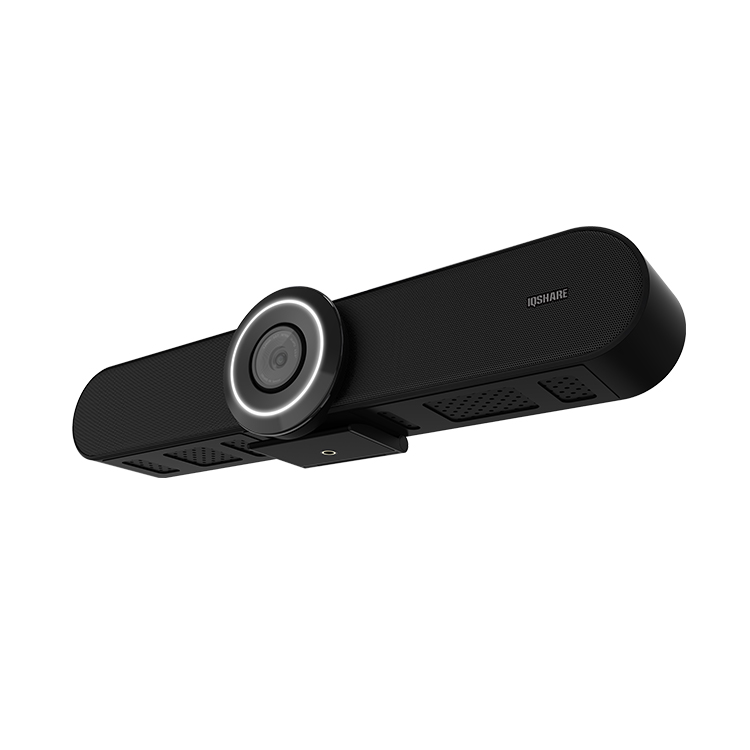
8MP Ultra HD 4K Conference Desktop All in One Webcam Stand Built-in Mic & Speaker for Online Classe Meeting Live Stream
A desktop 4K all-in-one webcam with microphone and speaker for online classes, live streaming, lecture capture, and remote observation.
San Antonio fit: HyFlex classrooms, workforce training, and telemedicine-style simulation rooms where a fast USB setup matters.
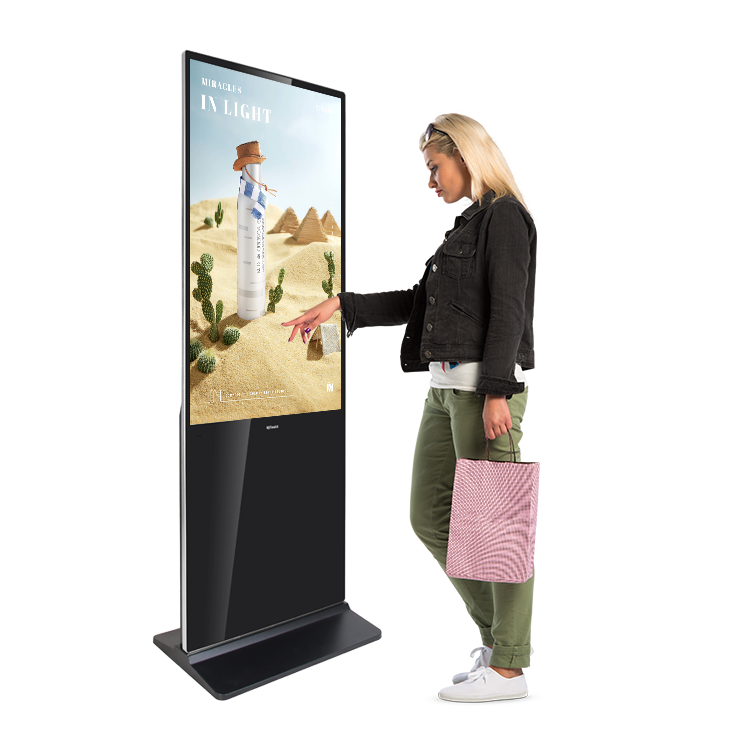
Android and Windows System Standing Floor Stand Information Kiosk Touch Screen for Shopping Mall
A freestanding touch kiosk with Android and Windows system options for wayfinding, enrollment information, library services, and event directories.
San Antonio fit: campus welcome centers, museums, hospitality venues, and public-sector lobbies with high visitor traffic.
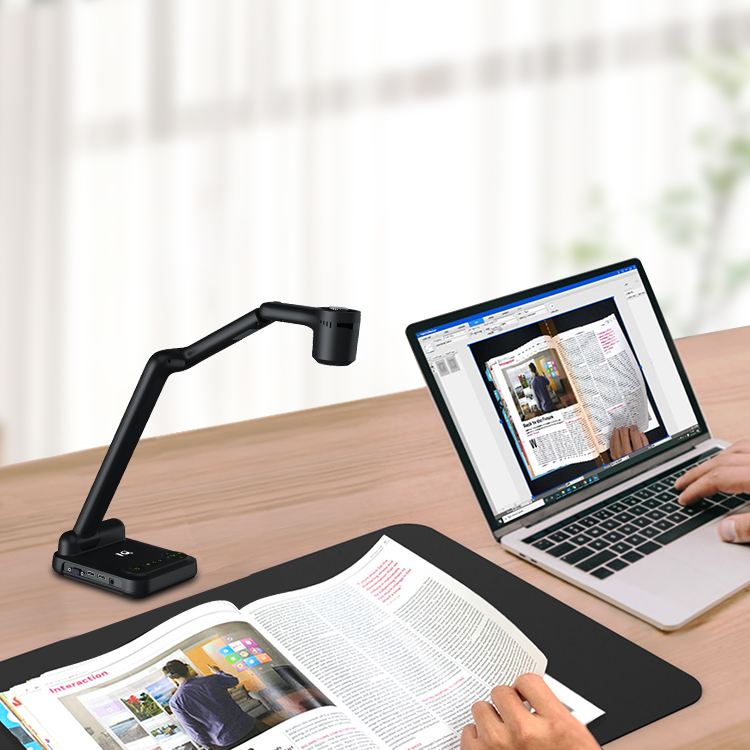
Wholesale 10x Optical Zoom Portable High Definition Live Image Document Camera Ceiling for School
A portable 10x optical zoom document camera for live image demonstration of textbooks, lab work, dissections, circuit boards, and fine detail.
San Antonio fit: the core teaching visualizer for STEM, CTE, nursing, and industrial training programs where optical zoom beats digital cropping.
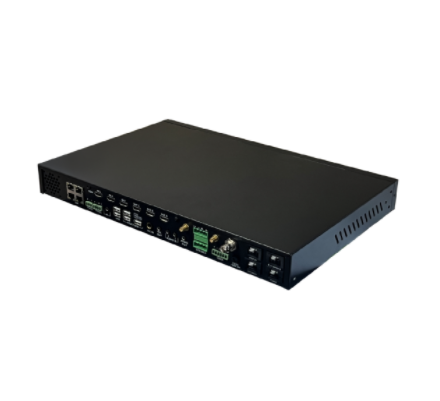
QNex Networked Media Processor for Digital Podium
A networked media processor for digital podium and smart-classroom integration, helping consolidate source switching, processing, and presentation control.
San Antonio fit: university lecture halls, district training centers, and multi-device rooms where IT teams need a cleaner AV architecture.
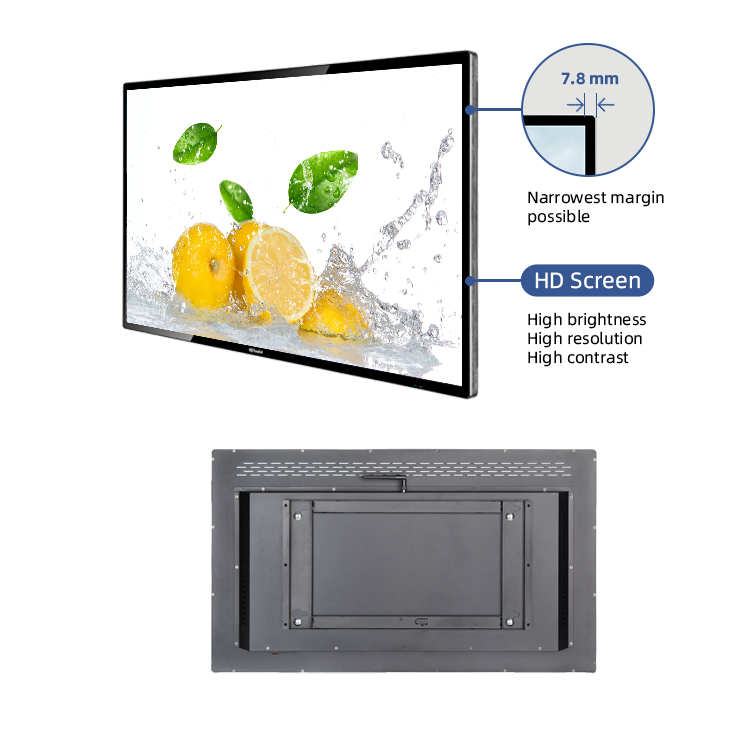
Interactive Touch Screen 10/13/15/22/32/43/49/55/65 Inch Android LCD Monitor Kiosk Wall Mounted Advertising Display
A multi-size Android LCD touch display for wall-mounted communication, room scheduling, digital signage, training prompts, and interactive exhibits.
San Antonio fit: campus communications, clinic waiting areas, training labs, and visitor centers needing flexible sizes and CMS-friendly deployment.
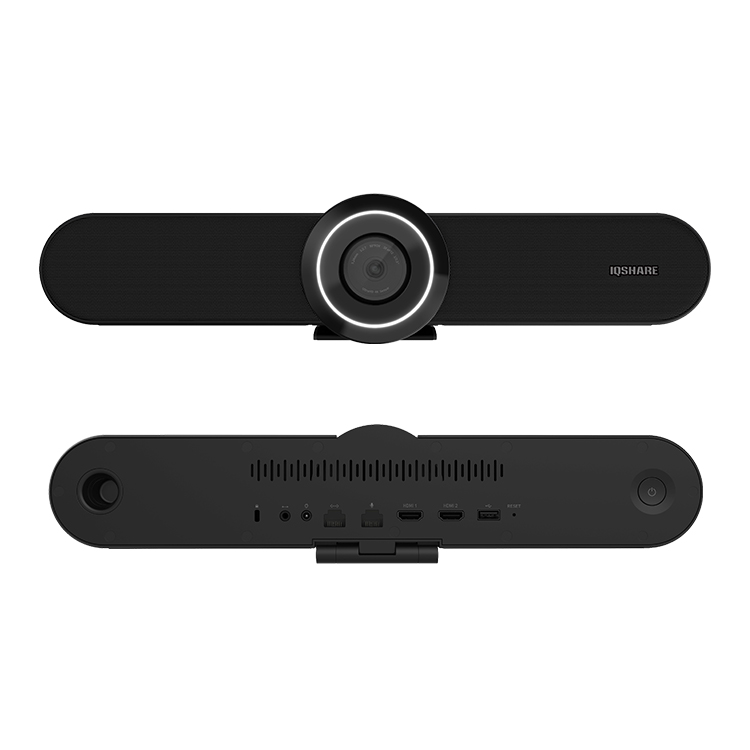
All in One Conference System USB Ultra HD 4K Outdoor Pc Webcam 4k Autofocus with Built in Speakerphone and 2 Mics
A 4K autofocus USB conference camera with built-in speakerphone and dual microphones for outdoor, industrial, and remote-observation training.
San Antonio fit: field training, manufacturing floors, safety drills, and remote expert coaching where a simple USB camera must handle variable light.
How to use this shortlist: start with the teaching task, not the screen size. A document camera with 10x optical zoom should be specified before the display, because the visualizer determines whether students can see fine detail. For hybrid rooms, pair the visualizer with an all-in-one 4K camera and a voice-pickup speakerphone. For lecture halls, begin with the podium processor, camera, and display-control architecture. If you need a consolidated bill of materials, use Get Catalog.
Top 10 Signals San Antonio Buyers Should Verify Before Choosing a Teaching Visualizer Exporter
The strongest local SEO result is not a list of names without evidence. It is a repeatable scorecard that helps San Antonio procurement teams separate a genuine education-AV manufacturer from a directory listing, a broker, or a catalog reseller.
Factory verification
Ask for an onsite third-party audit, production-line photos, and a named factory address. Verify SMT, PCB, assembly, and testing capability, not only a product catalog.
Optical zoom evidence
A teaching visualizer should provide true optical zoom for fine detail. Confirm 10x optical capability, frame rate, focus behavior, low-light handling, and live-image latency.
Audio pickup quality
For hybrid rooms, voice pickup, echo control, and speaker coverage matter as much as image quality. Request a live demonstration in a noisy room, not only a spec sheet.
Network and control fit
Digital podium processors, kiosks, and cameras must fit your VLAN, guest network, device-management, and room-control policies. Ask how source switching and remote support are handled.
OEM / ODM evidence
If branding matters, verify customization beyond a sticker: boot screen, logo, housing color, packaging, pre-installed software, language settings, and hardware configuration.
Texas-ready reliability
San Antonio heat, dust, transport vibration, and power variation should be addressed by real test evidence: high/low temperature, drop, simulated transport, salt spray, static, and voltage testing.
Export documentation
Confirm Incoterms, packing standards, HS codes, lead times, country-of-origin statements, and commercial documents required by your district, university, or purchasing cooperative.
Spare parts and RMA
A void in after-sales planning can erase the savings from a low unit price. Ask for a spare-parts list, warranty terms, RMA workflow, and failure-analysis process.
Local installation path
For San Antonio projects, pair the exporter with a local AV integrator who can handle mounting, cabling, network configuration, training, and site-level service.
Total cost of ownership
Compare freight, duties, installation, training, spares, and downtime—not just unit price. The best exporter is the one that makes the whole deployment predictable.
Localized Teaching Visualizer Use Cases Across San Antonio, Texas
San Antonio is not a single market. A Bexar County K-12 classroom, a university lecture hall, a healthcare simulation lab, and a hospitality training center all need different image, audio, and control choices. The four scenarios below show how to frame the specification before requesting a quote.
K-12 classrooms and charter schools
Use a portable 10x optical document camera as the teaching visualizer, then add a voice-pickup soundbar and an all-in-one 4K webcam for hybrid lessons. For fast-moving charter networks, standardize a cart-based kit so rooms can be equipped without ceiling work. The practical goal is not a “smart classroom” label; it is a teacher being able to show a worksheet, a calculator, a science demonstration, or a student’s work in under a minute.
Higher education and workforce lecture halls
UTSA-area, Alamo Colleges-area, and private training providers often need lecture capture, podium control, and reliable presentation switching in large rooms. Start with a networked media processor for the podium, pair it with a 4K all-in-one camera, and specify displays or projection based on viewing distance. Recorded lectures and workforce credentials require predictable audio and a repeatable start-up sequence for adjunct instructors.
Healthcare simulation and military training
San Antonio’s healthcare and defense ecosystem places unusual demands on visual detail. A 10x optical document camera can show injection technique, instrument handling, or small component inspection, while a 4K autofocus camera supports remote observation. The best configuration includes clean audio, simple USB connectivity, and a plan for capturing or streaming without overcomplicating the instructor’s workflow.
Corporate, civic, and hospitality training
Hotels, corporate learning centers, civic meeting rooms, and museum spaces need touch kiosks, wall-mounted displays, and clear conference audio. A floor-standing kiosk can support visitor wayfinding or event schedules; a wall-mounted Android display can handle room booking and announcements; a wireless speakerphone can make hybrid meetings usable without a technician. Buyers should prioritize remote content updates and durable 24/7 operation.
Six San Antonio Trends Shaping Teaching Visualizer and Smart-Room Procurement
Search intent around “exporter” and “exporters” often hides a more practical question: what kind of classroom, training, or public-space project is this product going into? These six trends help distributors, integrators, and end users frame a more accurate request for proposal.
HyFlex and dual-mode learning remain a baseline expectation
San Antonio schools and universities continue to support students who are in the room and online at the same time. That makes microphone pickup, camera framing, and visualizer latency part of the core lesson design—not optional accessories. Buyers should test a real lesson rather than only a product demo.
CTE, STEM, and healthcare simulation demand fine detail
Career and technical education, nursing programs, advanced manufacturing, and health science pathways need close-up image quality. Optical zoom is especially important when instructors demonstrate small parts, circuit boards, or clinical technique to a large cohort.
Military and public-sector training prioritizes repeatability
Joint Base San Antonio–area training teams and contractors often value fast start-up, simple USB connectivity, and predictable maintenance over feature complexity. Documentation, spare parts, and training for non-technical instructors can matter more than a long specification sheet.
Charter and private-school growth rewards modular kits
New or expanding campuses may not have the time or budget for a full construction project. Portable visualizer kits, mobile displays, wireless speakerphones, and plug-and-play webcams let a school standardize a classroom without waiting for a ceiling mount or electrical redesign.
Procurement scrutiny is moving toward total cost
Districts, universities, and city departments increasingly ask for evidence of warranty support, spare-parts planning, and training. A low unit price without a support path creates hidden cost. San Antonio buyers should compare landed cost, installation, and service response—not catalog price alone.
IT and AV convergence changes the buying committee
Network teams now review kiosks, cameras, and podium processors before purchase. A teaching visualizer exporter that understands VLANs, guest networks, device management, and cybersecurity questions is easier to integrate with San Antonio IT departments than one that only sells hardware.
A Practical Product-to-Room Map for San Antonio Buyers
Use this table as an early planning tool. Final configuration still depends on room dimensions, ceiling height, lighting, network policy, and the teaching workflow.
| San Antonio space | Recommended core products | Why this combination works | Specification checkpoint |
|---|---|---|---|
| K-12 classroom | 10x optical document camera + voice-pickup soundbar + 4K all-in-one webcam | Shows fine detail, supports hybrid students, and gives teachers simple USB or HDMI operation. | Check mounting height, teacher reach, lighting, and whether the room has a wired network drop. |
| University lecture hall | QNex networked media processor + 4K conference camera + large display or projection system | Creates a controlled podium workflow and captures a clear view of the presenter and board. | Review source switching, audio routing, lecture-capture integration, and IT security requirements. |
| Healthcare / military simulation | 10x optical visualizer + omnidirectional speakerphone + 4K autofocus camera | Supports close-up technique demonstration, remote observation, and clear two-way instruction. | Confirm low-light performance, camera placement, microphone coverage, and privacy rules. |
| Lobby / campus communications | Floor-standing touch kiosk + wall-mounted Android LCD display | Delivers wayfinding, schedules, alerts, and enrollment information in high-traffic areas. | Plan content management, remote updates, power protection, and accessibility placement. |
Why Ruyden Is a Defensible Shortlist Candidate for San Antonio Import Projects
Ruyden Interactive Technology Group Co., Ltd. is a China-based, SGS-verified manufacturer and exporter—not a San Antonio retail storefront. That distinction is important. San Antonio buyers should evaluate the factory for engineering, quality, customization, and export reliability, then pair it with a local integrator for installation, network configuration, and site service.
Manufacturer, not a middleman
In-house SMT, auto-insertion, PCB processing, and final assembly give buyers a direct path to the team that controls production changes and quality records.
Verified OEM / ODM capability
Design-based customization has been third-party inspected. Options include logo, boot screen, housing color, packaging, pre-installed software, language settings, and hardware configuration.
Reliability lab under one roof
High and low temperature, drop, simulated transportation, salt spray, button life, insertion force, static, earth continuity, and withstand voltage testing help address export-market conditions.
Connected product ecosystem
Interactive panels, document cameras, lecture capture cameras, digital podium processors, wireless presentation, and AV control can be specified as one coherent room architecture.
Documentation for procurement
Public SGS assessment, credit overview, trade capacity, transaction level, trade history, and buyer ratings support tender, distributor onboarding, and import compliance reviews.
Export support beyond the box
Configuration review, sample approval, export packing, shipping coordination, technical documentation, spare-parts planning, and after-sales communication are part of the B2B project path.

Factory footprint
Production and testing controlled under one manufacturing organization.
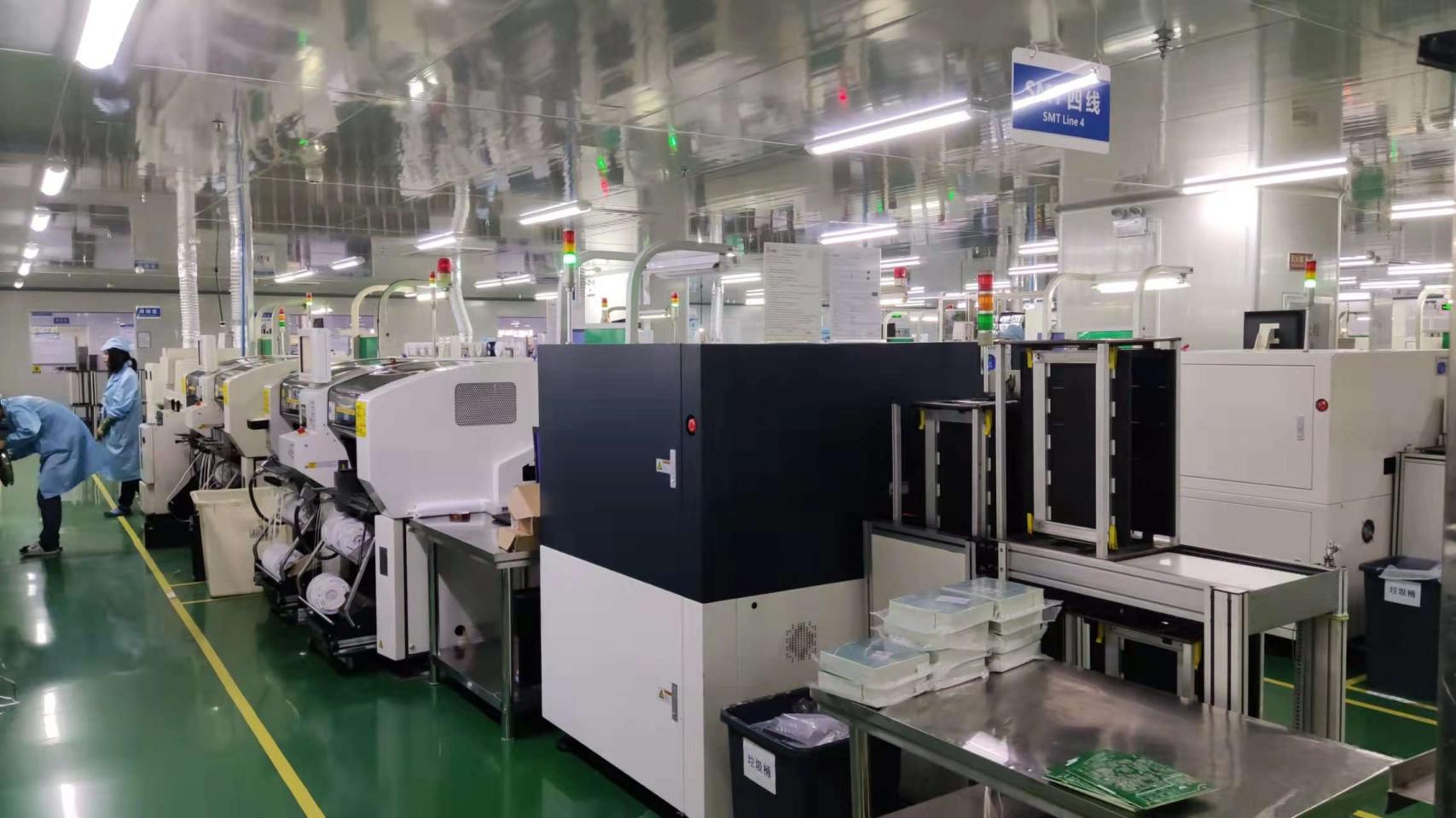
SMT process
High-precision board placement supports consistent electronics quality.
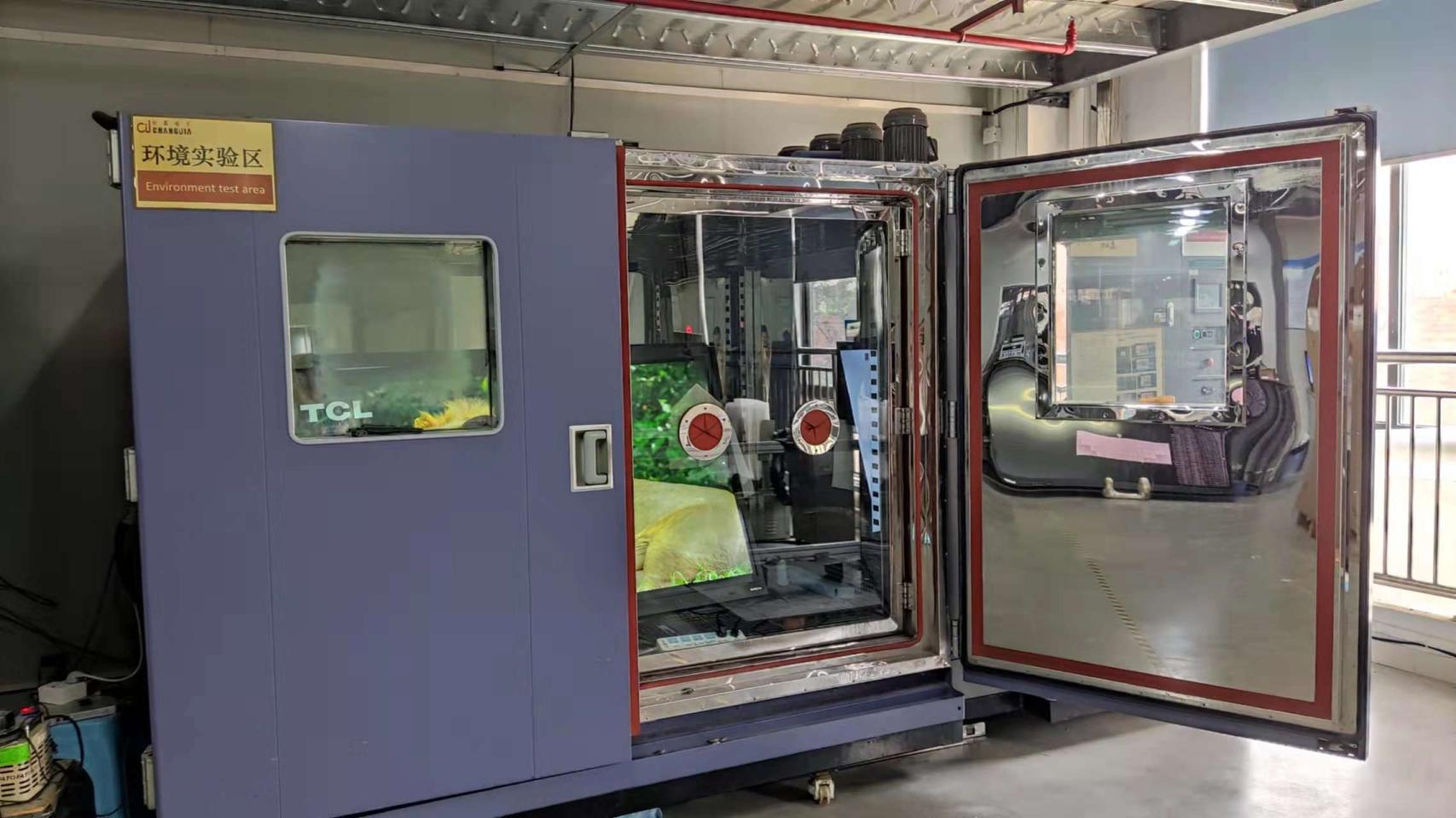
Thermal testing
Climate testing helps validate operation in demanding export markets.
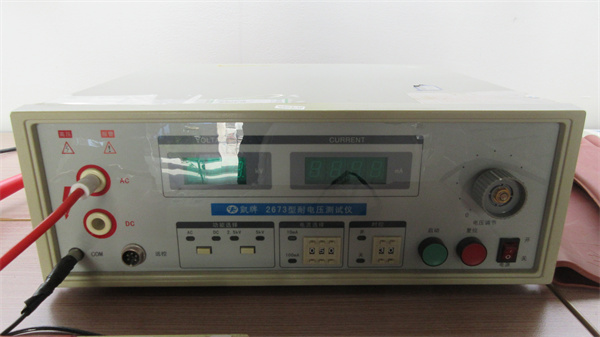
Safety validation
Withstand voltage and grounding checks support electrical safety review.
Review the Evidence Before You Shortlist an Exporter
San Antonio buyers can review public supplier records before requesting samples or issuing a purchase order. Transparency shortens the evaluation cycle and reduces risk for districts, universities, integrators, and corporate procurement teams.
Common Questions San Antonio Buyers Ask About Teaching Visualizer Exporters
These answers are written for school districts, universities, integrators, healthcare training teams, and corporate buyers who need a practical path from product research to a delivered room.
Is Ruyden a San Antonio–based company?
No. Ruyden is a China-based manufacturer and exporter. For San Antonio projects, the practical model is direct factory supply combined with a local AV integrator for installation, network coordination, and onsite service. Buyers should verify the factory independently and confirm the local service plan before ordering.
What is a teaching visualizer, and why does optical zoom matter?
A teaching visualizer is a document camera used to show a live image of books, lab work, devices, or demonstrations. Optical zoom uses lens movement to magnify the image without losing detail, while digital zoom enlarges pixels. For STEM, healthcare, and technical training, 10x optical zoom is usually a better long-term choice than a cheaper digital-only camera.
Which products fit a standard San Antonio K-12 classroom?
A high-fit starter kit includes a portable 10x optical document camera, a voice-pickup soundbar, and a 4K all-in-one USB webcam. This combination supports in-room demonstration and hybrid instruction with relatively simple installation. Larger rooms may need a wall-mounted or mobile display and a dedicated audio device.
Can the products handle San Antonio heat and long-distance shipping?
Buyers should ask for test evidence rather than assume. Ruyden’s manufacturing operation includes high and low temperature, drop, simulated transportation, salt spray, static, earth continuity, and withstand voltage testing. Project teams should still confirm installation ventilation, power protection, and warranty terms with the local integrator.
How do we verify OEM and ODM customization capability?
Request evidence of design-based customization, not just logo printing. Ask how boot screens, housing colors, packaging, pre-installed software, language settings, and hardware configuration are controlled. For school branding or distributor programs, confirm approval steps and sample validation before mass production.
What documents should a public-sector buyer request?
Typical requests include product specifications, warranty terms, country of origin, packing details, lead time, shipping terms, and spare-parts information. Districts, universities, and city departments may also require vendor registration, insurance evidence, accessibility documentation, or cooperative purchasing alignment. Provide the purchasing office requirements early in the quote process.
Can the exporter support multiple rooms or a phased rollout?
Yes, but the configuration should be standardized by room type. For example, define a K-12 classroom kit, a lecture-hall kit, and a lobby kiosk package separately. Phased rollouts should include spare parts, labeling, training materials, and a clear RMA process so later phases do not depend on memory or informal communication.
How should a San Antonio buyer start an inquiry?
Share the room types, room count, target installation window, display sizes, network constraints, and any procurement documentation requirements. If you need a consolidated catalog or preliminary bill of materials, use the Get Catalog button. Include whether you already have a local integrator or need support coordinating installation.
From San Antonio Requirement to Export Delivery in Four Clear Steps
A disciplined process protects both the buyer and the installation partner. The objective is to make the first room repeatable, then scale the same configuration across campuses or departments.
Define the teaching task
Document what must be shown, captured, streamed, or controlled. Include room size, viewing distance, lighting, audio, and IT policy.
Validate the configuration
Match visualizer, camera, audio, display, and control products to the room. Request a sample or live demonstration for critical teaching tasks.
Confirm export and service
Lock Incoterms, packing, lead time, warranty, spare parts, and local installation responsibilities before the purchase order.
Standardize and scale
After the first room is accepted, document the bill of materials, training steps, and support workflow for additional San Antonio spaces.
Need a Teaching Visualizer, Kiosk, or Smart-Room Bill of Materials?
Send your room types, quantities, installation window, and procurement requirements. Our export team can prepare a configuration proposal, catalog package, and sample plan for your San Antonio project—while your local integrator handles onsite installation and service.
