Eight Factory-Direct Display Configurations for Oklahoma City Buyers
These models cover the practical range requested by Oklahoma City integrators, schools, hospitals, retailers and public-space operators: from a compact floor-standing kiosk to large-format interactive boards, outdoor advertising, conference cameras, media processing and smart podiums.
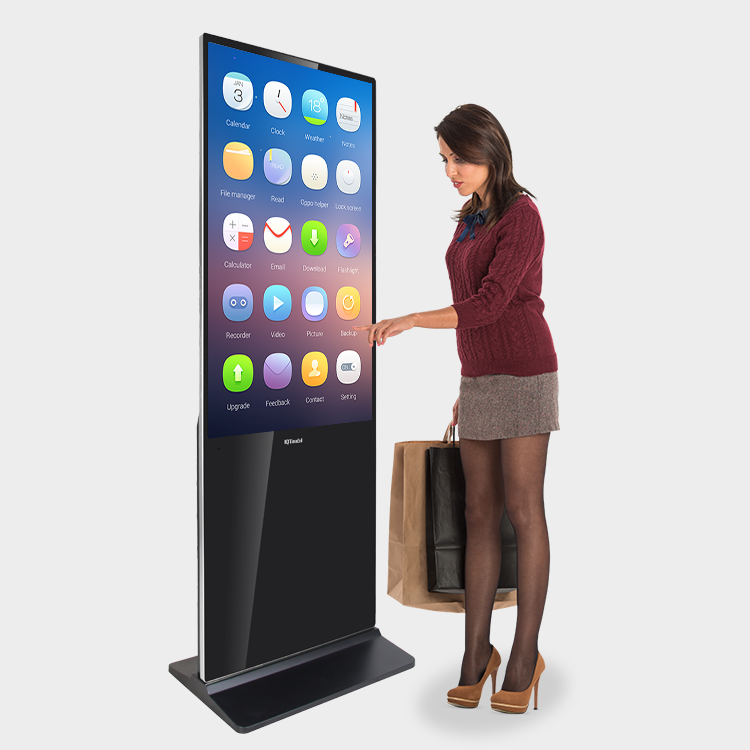
43inch Kiosk Touch Screen Floor Standing Advertising Kiosk Shopping Centre Digital Signage and Displays Outdoor Waterproof
Suited to covered entries, queue zones and shopping centre walkways where weather protection and a slim footprint matter.
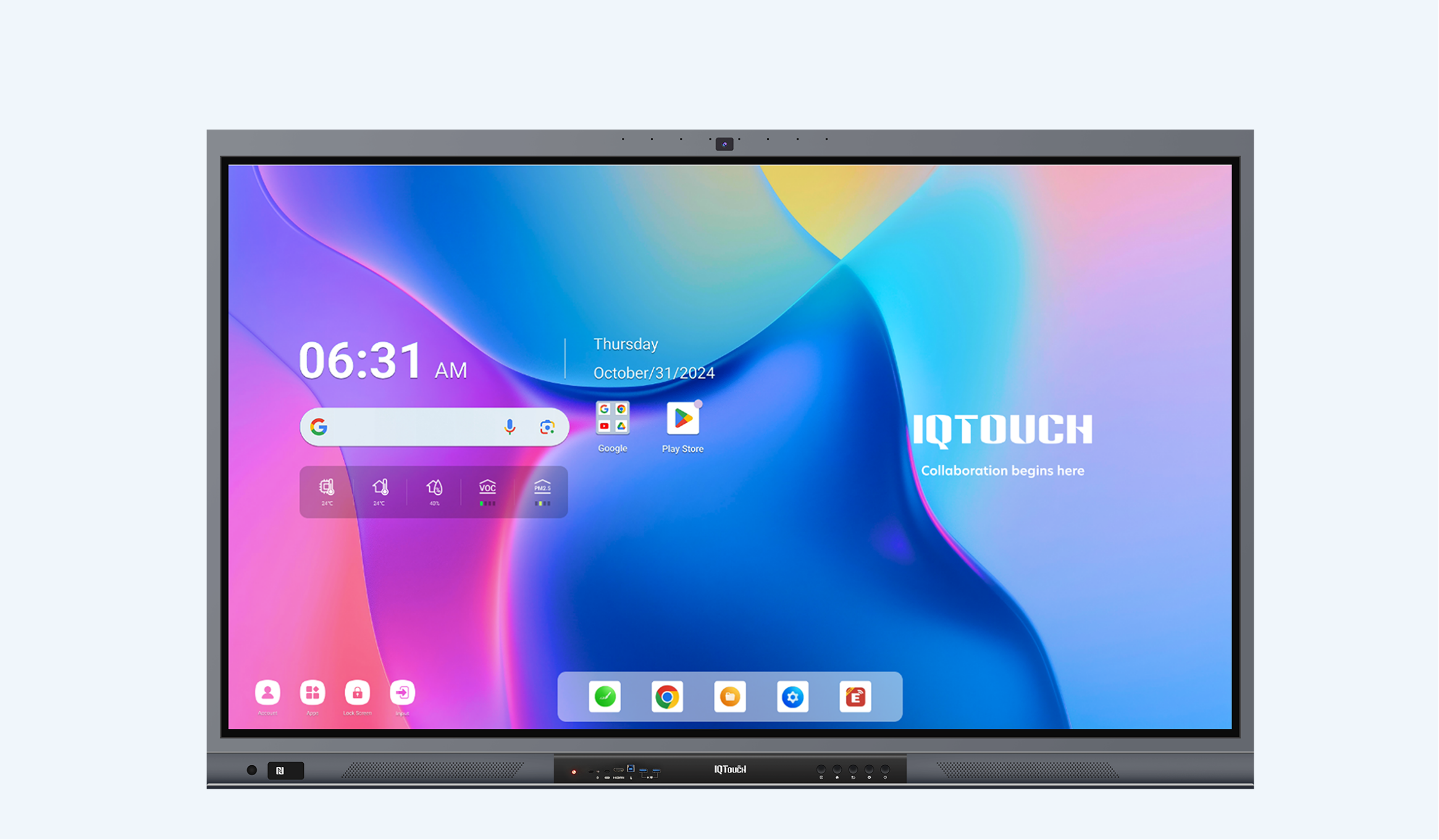
75 86 Inch Interactive Touch All in One Pc Electronic Interactive Whiteboard Smart Board Digital Price for Conference
Large-format collaboration for boardrooms, training rooms and classroom walls where multi-touch writing and screen sharing are daily needs.
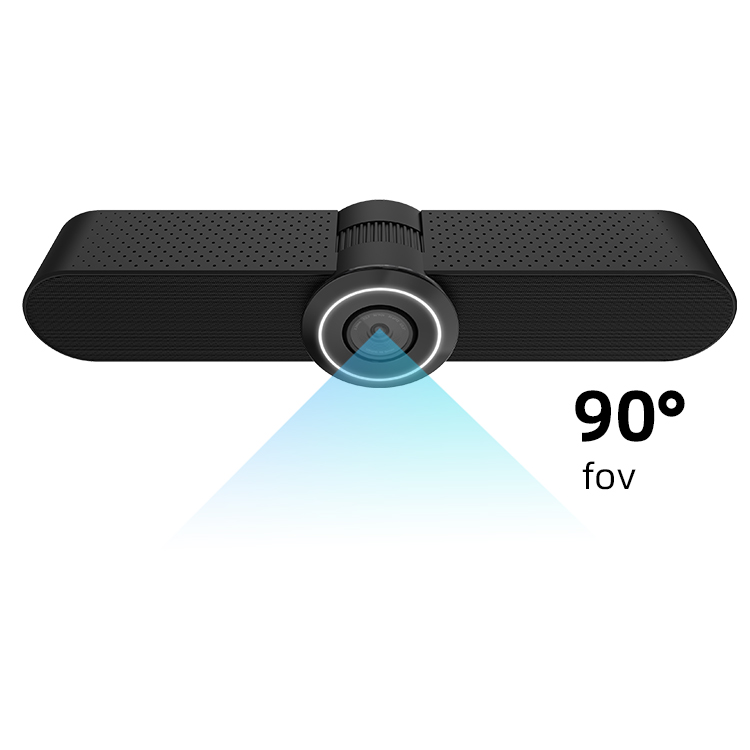
Conference Live AI Camera 4k 1080p 60fps USB Webcam Camera All in One Microphones and Speakers
A practical room kit for hybrid meetings, telehealth consultations and training spaces that need clear video and integrated audio.
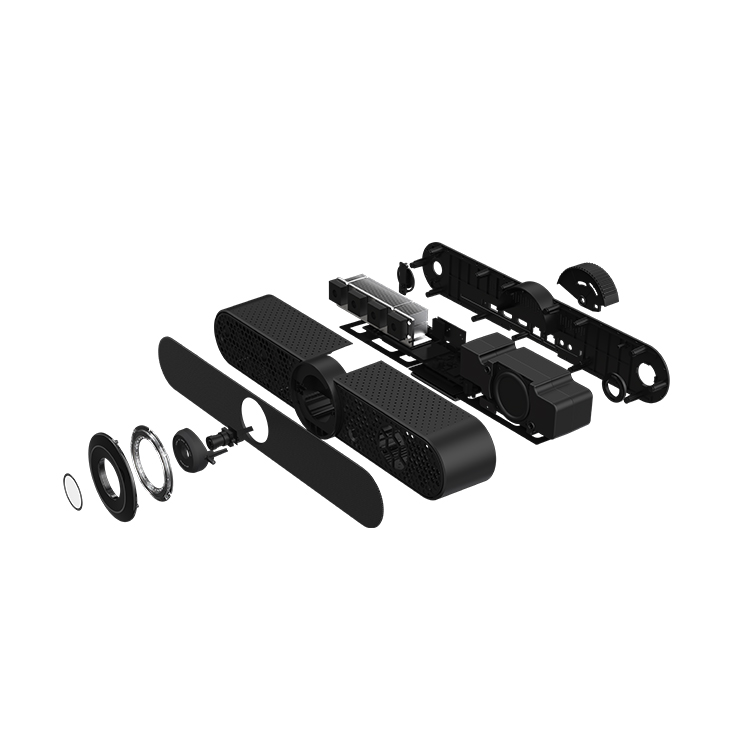
AI Auto-Tracking Webcam All-in-one 1080p 4k PC Mini Webcam for Video Calling and Conference
For lecture capture, executive briefing rooms and training studios where the camera must follow a presenter without an operator.
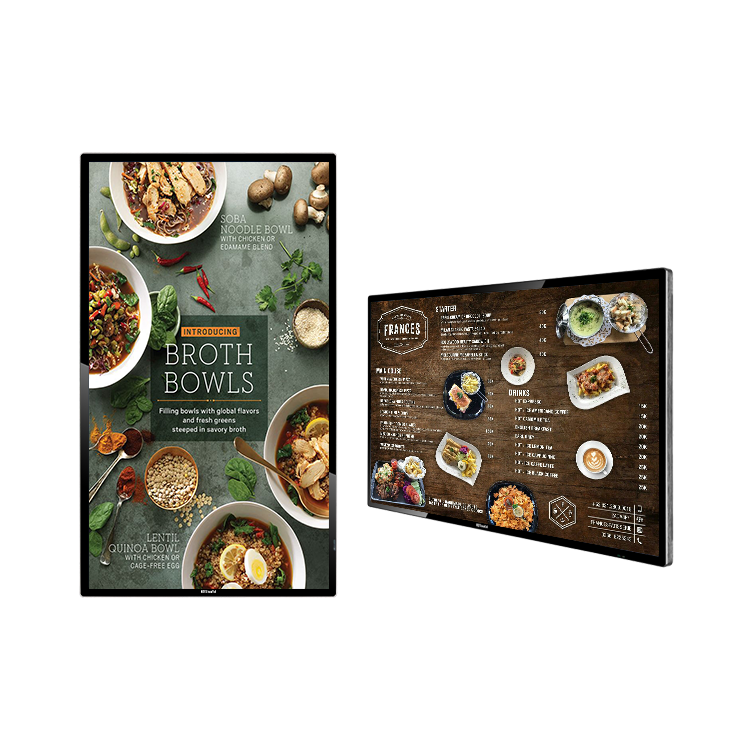
4K Kiosk Touch Screen Digital Signage Outdoor LED LCD Advertising Kiosk for School Hotel Hospitals
An outdoor-ready advertising and wayfinding platform for campuses, hospital entrances, hotels and public plazas.
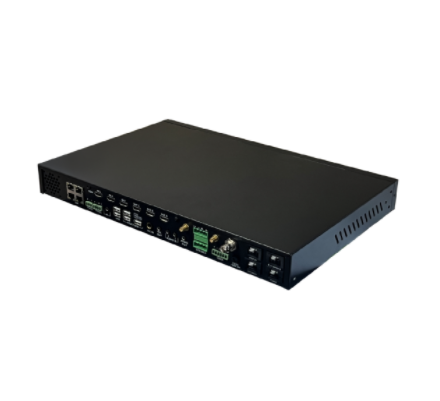
QNex Networked Media Processor for Digital Podium
Central media processing for smart podiums and connected classrooms, simplifying source switching, control and room integration.
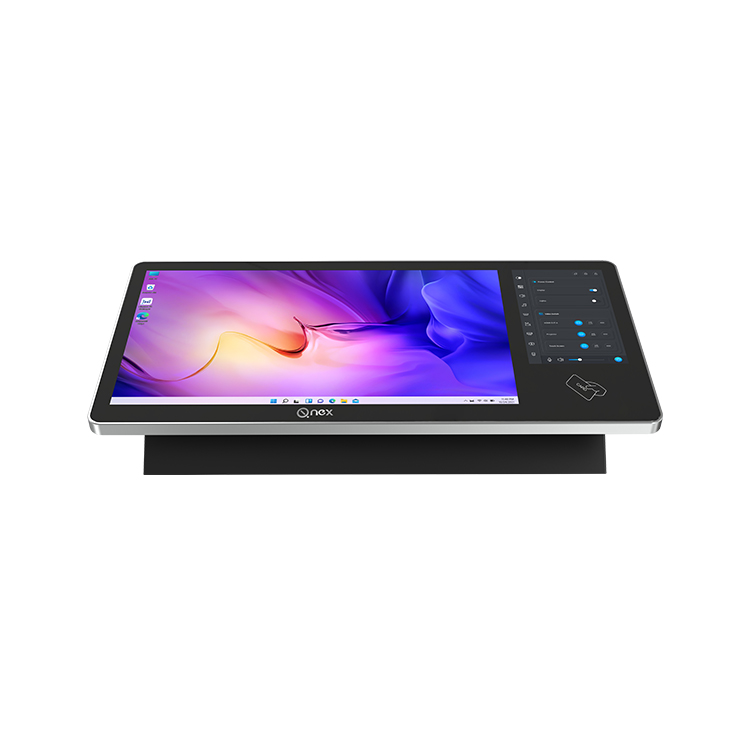
Dual Screens with Optical Bonding All-in-one Smart School Computer Desktop Digital Podium Pulpit for Classrooms
For districts and universities that want a lectern-based teaching console with dual-screen control and a cleaner classroom workflow.
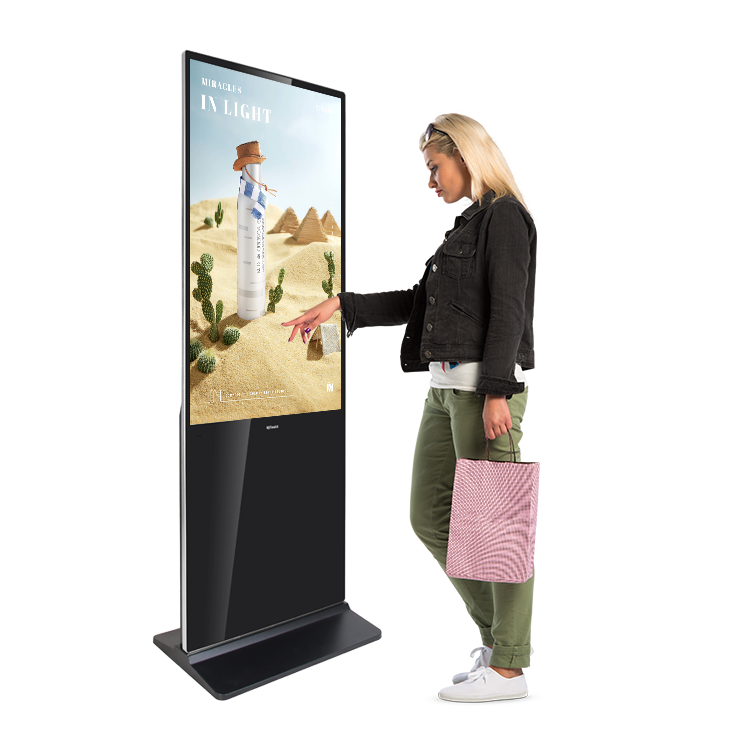
Android and Windows System Standing Floor Stand Information Kiosk Touch Screen for Shopping Mall
A flexible indoor information kiosk for malls, lobbies, visitor centres and service counters that need Android or Windows operation.
Factory-Direct Touch Screen Digital Signage for a City That Uses Public Space Differently
Oklahoma City’s display demand is not concentrated in one building type. It reaches from Bricktown and the downtown convention corridor to Scissortail Park, the Innovation District, Will Rogers World Airport, suburban school campuses, energy and logistics facilities, clinics, retail plazas and MAPS 4 public-space projects. Each site brings a different mix of viewer distance, ambient light, weather exposure, network access and content ownership.
That is why a “touch screen digital signage supplier for Oklahoma City” should be evaluated as an engineering and procurement partner, not as a catalog of screen sizes. A kiosk that performs in a shaded mall corridor may fail on a west-facing plaza in July; a 4K interactive panel that looks excellent in a demonstration room may become hard to read in a glazed lobby unless the buyer specifies anti-glare glass, brightness, thermal design and content contrast.
Ruyden supports Oklahoma City projects from the factory side. Our production model covers interactive flat panels, touch screen kiosks, outdoor digital signage, conference cameras, networked digital podiums and the control hardware that connects them. Public records identify Ruyden as SGS onsite-verified, with 19 years in the industry, 82 verified staff, 21 years of verified B2B trading and a 5.0/5 buyer rating. For buyers who must defend a recommendation internally, those facts matter as much as the specification sheet.
Information gain for Oklahoma City buyers: request a site-specific configuration that addresses sun path, storm exposure, ADA reach, content fallback and remote monitoring—not just a unit price. The lowest quote often hides the cost of a failed outdoor deployment, a content update bottleneck or a spare-parts delay.

Factory-built, tender-ready
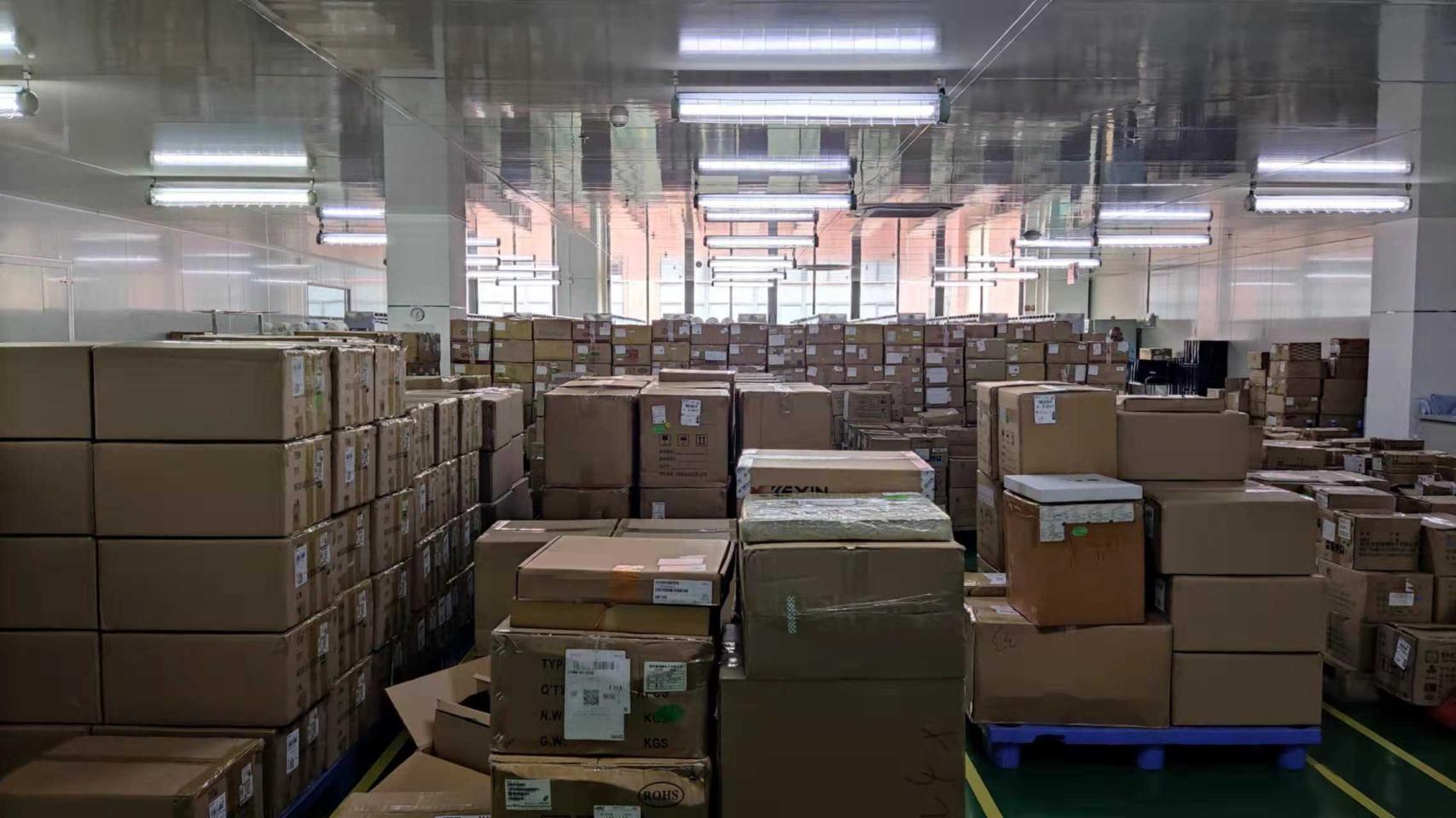
In-house SMT, PCB and assembly; a dedicated testing lab; design-based OEM/ODM customization; and export documentation support for project buyers.
What Oklahoma City Tenders Should Specify Before Comparing Price
A display is only as reliable as the environment it is specified for. These four decisions separate a durable Oklahoma City installation from a short-lived screen purchase.
Brightness, glass and thermal load
For uncovered plazas and parking structures, specify 2,500–5,000-nit outdoor-rated displays, auto-brightness, anti-reflective or AG glass, and a thermal path. An IP65 front alone does not solve heat. Ask for operating-temperature data, airflow requirements and cleaning instructions.
Storm-season resilience and power quality
Oklahoma City’s severe-weather season makes surge protection, sealed cable entry, serviceable filters and optional UPS or remote reboot valuable. Specify wind rating and anchoring for freestanding kiosks, plus a content fallback if the network drops.
Accessibility and public safety
Touch controls should sit within a comfortable forward reach. ADA guidance commonly references a 15–48 inch reach range, but the design team should confirm details with the Authority Having Jurisdiction. Use rounded edges, anti-tip bases, clear instructions and a maintenance plan for high-touch surfaces.
Content operations and privacy
A CMS must schedule promotions, emergency notices, wayfinding and language variants. For cameras in public areas, define retention and signage. For kiosks, confirm offline caching and remote device health, because a blank screen is a facilities problem, not just a marketing problem.
Where Touch Screen Signage Earns Its Budget in Oklahoma City
A display is justified when it reduces friction or creates revenue. The strongest Oklahoma City use cases usually fall into six clusters, each with different hardware, content and service expectations.
Downtown, Bricktown and convention visitors
Interactive wayfinding, event schedules, ticket upsell and restaurant directories work best where visitors have short dwell time and high decision pressure. Prioritize sunlight-readable displays, vandal-resistant touch interfaces and content that can be updated by a venue team, not only by a developer.
- Outdoor-rated kiosks and bright panels
- Multilingual and event-mode content
- Remote health monitoring
K-12, CareerTech and university spaces
Oklahoma City-area educators need reliable interactive panels, digital podiums and lecture capture for hybrid teaching, workforce training and community programs. Room size determines the panel: 65–75 inch for small classrooms, 86–100 inch for lecture halls and large training rooms.
- Multi-touch writing and annotation
- AI conference and lecture cameras
- Networked podiums and AV control
Hospitals, clinics and public service
Healthcare and civic waiting areas need calm, accessible information design. Touch kiosks can support wayfinding, check-in guidance and service directories, but privacy, cleanability and ADA reach must be designed in from the start. Camera-enabled devices should have clear retention rules.
- Quiet, high-contrast interfaces
- ADA reach and cleanable surfaces
- Privacy-by-default camera settings
Retail, hospitality and food service
Floor-standing touch kiosks and digital displays can guide shoppers, show menus, promote loyalty programs and reduce queue confusion. In high-traffic Oklahoma City locations, specify service access, spill-resistant surfaces and a CMS workflow that lets staff publish same-day promotions without a support ticket.
- 43–55 inch floor kiosks
- Scheduled promotions and menus
- Simple content ownership
Logistics, energy and manufacturing campuses
Visitor check-in, safety dashboards, training-room displays and wayfinding help large employers communicate consistently across shifts. These buyers often care more about uptime and integration than visual novelty, so network resilience and remote management belong in the tender.
- Information kiosks and room displays
- Network failover and remote reboot
- Large-text safety content
MAPS 4, parks and public venues
Public-space investment increases expectations for interactive wayfinding, event information, emergency messaging and accessible digital services. Outdoor displays should be specified for heat, wind, rain and service access—not purchased as indoor screens with an outdoor label.
- Outdoor IP-rated kiosks
- Weather and emergency content modes
- Serviceable filters and spares
Oklahoma City Market Trends That Should Shape Your 2025–2026 Display Plan
Oklahoma City buyers are not simply adding more screens. They are consolidating hardware, reducing service calls and asking for content systems that can respond to public needs.
Public-space experience investment
MAPS 4 projects, park programming and downtown activation raise the bar for wayfinding and event communication. Buyers should plan for content updates, accessibility and maintenance access before choosing a kiosk enclosure.
Hybrid learning and workforce training
Schools and employers want room systems that connect displays, cameras, microphones and podiums. A one-vendor ecosystem reduces compatibility risk, but only if the supplier documents how each component is controlled and serviced.
Climate-resilient outdoor hardware
Hot summers, dust, wind-driven rain and storm events make thermal engineering and surge protection essential. Specify serviceable filters, replacement parts and a realistic cleaning schedule; otherwise the lowest-cost outdoor kiosk becomes the highest-cost maintenance item.
Consolidation of signage and AV control
Operators want fewer dashboards. Ask whether the CMS can integrate with room control, emergency messaging and network monitoring through documented APIs or standard protocols. Closed systems can lock a campus into one supplier far longer than expected.
A Six-Step Procurement Sequence for Oklahoma City Projects
This is the sequence we recommend for schools, integrators, facilities teams and public agencies that need a defensible purchase decision.
Define the site intent
Is the screen for wayfinding, advertising, check-in, teaching, hybrid meetings or emergency messaging? Record viewer distance, lighting, sightlines, network access and who owns content.
Write the content and accessibility brief
Specify languages, ADA reach, touch height, text contrast, emergency modes and privacy rules. For outdoor sites, include weather and service access in the same brief.
Match hardware to the environment
Choose brightness, IP rating, glass treatment, thermal design, mounting and power protection. Confirm whether Android or Windows operation is required and how updates will be managed.
Review a sample or pilot
Approve the display, touch response, CMS workflow, camera performance and packaging. A pilot should test the real content owner, not only the supplier’s demo content.
Verify factory QA and documentation
Ask for inspection records, production-line evidence and test-lab scope. Confirm power configuration, labelling, packaging and spare-parts lists before mass production.
Plan delivery and lifecycle support
Align shipping, installation, commissioning, warranty and content support. For Oklahoma City projects, name the party responsible for filters, cleaning, spare parts and remote troubleshooting.
How to Compare Touch Screen Digital Signage Factories, Not Just Quotes
A factory-direct quotation can be attractive, but the real difference appears after installation: whether the enclosure survives an Oklahoma summer, whether the CMS can be updated without a technician, and whether the supplier can provide the same board or part six months later.
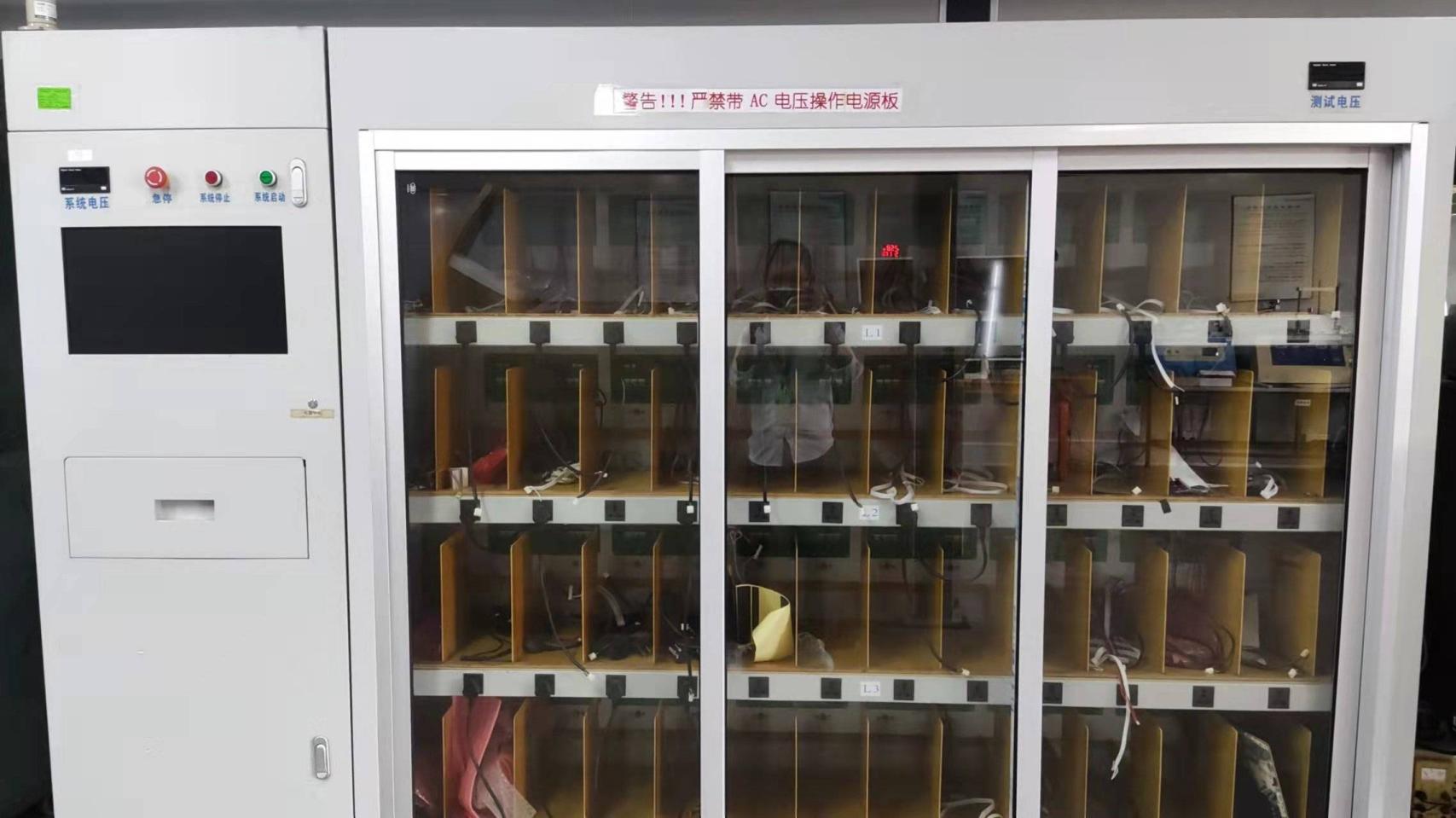
Start by verifying the factory rather than a trading label. Ask for the SGS onsite assessment record, production video, line photographs, test-lab evidence and the names of the processes carried out in-house. Ruyden’s public profile describes in-house SMT, PCB and assembly, design-based customization verified by independent inspection, and a test lab covering high and low temperature, drop, simulated transportation, salt spray, button life, insertion force, static, earth continuity and withstand voltage testing.
Then compare whether customization is genuinely design-based. Logo and boot-screen changes are not enough for distributors or tender buyers. Ask how housing color, packaging, software pre-installation, language settings, hardware configuration and accessory kits are controlled—and how changes are documented between sample approval and mass production.
Finally, price the lifecycle, not only the unit. Include spare parts, service access, CMS training, replacement freight and remote-support responsibilities. A higher initial quote can be the lower total cost when it prevents a dark outdoor kiosk in a public plaza or a classroom system that requires a site visit for every content change.
Factory review checklist
- Independent verification and matching company identity
- In-house SMT, PCB, assembly and reliability testing evidence
- Design-based OEM/ODM options, not label-only customization
- Clear specifications for indoor versus outdoor use
- Documented power, network, CMS and privacy requirements
- Spare-parts list, service access and export packaging plan
Why Ruyden Is a Practical Factory Partner for Oklahoma City Buyers
For a project buyer, credibility should be measurable. These are the public verification points and production capabilities that support distributor onboarding, tender review and long-term supply planning.
Confirmed through independent inspection records referenced on our company profile.
Long-term trading record that supports repeat-order and project-supply discussions.
Engineering, production, QC and export service professionals supporting global buyers.
Average score from verified buyer reviews and transaction records.
SGS onsite-verified manufacturer
Ruyden has been onsite-verified by SGS Group, with assessment, credit, trade capacity, transaction level, trade history and review records available for independent review.
In-house manufacturing control
SMT, PCB, auto-insertion and final assembly carried out under one roof help protect custom designs, maintain consistency and respond faster to engineering changes.
Design-based OEM / ODM customization
Customization can cover logo, boot screen, housing color, packaging, pre-installed software, language settings and hardware configuration—documented from sample to mass production.
Reliability testing before shipment
Our test lab covers high and low temperature, drop, simulated transportation, salt spray, button life, insertion force, static, earth continuity and withstand voltage testing.
Connected product ecosystem
Displays, touch kiosks, lecture capture cameras, conference webcams, networked podiums and AV control can be specified as separate products or as one coordinated room solution.
Export and project support
More than ten years of export experience supports packaging, documentation, sample coordination and after-sales communication for distributors, integrators and tender buyers.

Questions Local Buyers Ask Before Sourcing Touch Screen Digital Signage
These answers are written for procurement teams, integrators, facilities managers and education buyers who need a practical starting point.
Are you a factory or an Oklahoma City reseller?
We are a factory-direct supplier based in Fuzhou, China, serving Oklahoma City projects through export support and project coordination. We do not claim a local Oklahoma City showroom unless one is appointed for a specific project. Buyers can review our SGS onsite verification, trade capacity and company records before requesting samples or pricing.
Can you supply both indoor and outdoor touch screen digital signage for Oklahoma City weather?
Yes. We offer indoor floor-standing kiosks, interactive panels, outdoor advertising kiosks and related display hardware. For Oklahoma City, outdoor projects should specify brightness, IP rating, anti-glare glass, thermal design, surge protection, wind anchoring and service access. Share the exact site conditions and we will help define a suitable configuration rather than applying one outdoor label to every location.
Do you support OEM/ODM customization and US power requirements?
Yes. Design-based customization has been verified by an independent third-party inspection. Typical options include logo and boot screen, housing color, packaging, software pre-installation, language settings and hardware configuration. For US power and compliance, tell us the destination and application so the correct voltage, plug, labelling and documentation requirements can be confirmed for your order.
How do you handle shipping and delivery to Oklahoma City?
We support export packing and documentation, and can coordinate with your freight forwarder or discuss shipping terms for your project. Many US deliveries move through West Coast ports and then by rail or truck to the Midwest. The right plan depends on unit size, quantity, installation schedule and whether the site can receive a full container or needs staged delivery.
What quality evidence can we review before placing an order?
Buyers can review public verification records, request production-line photographs or video, examine test-lab scope and ask for the inspection plan for their order. Our testing scope includes high and low temperature, drop, simulated transportation, salt spray, button life, insertion force, static, earth continuity and withstand voltage testing. For tender submissions, confirm in advance which documents your agency requires.
How do we request pricing or a pilot for an Oklahoma City project?
Send the site type, indoor or outdoor conditions, estimated quantity, preferred screen size, content owner, installation date and any accessibility or certification requirements. Photos, floor plans or a sample content screen are helpful. Our export team will review the brief and respond with a configuration proposal and next-step sample plan.
Send Your Oklahoma City Project Brief to the Factory
Share your room or site details, quantity, indoor/outdoor conditions, target sizes and content requirements. We will review the brief against our display, kiosk, camera and smart-podium capabilities and recommend a configuration that is practical to install, operate and maintain.
