Why Baltimore Buyers Are Reconsidering the USB Visual Presenter
Baltimore’s visual presentation market is shaped by older school buildings, a dense higher-education and healthcare base, and procurement teams that reward documented evidence over sales claims. A USB visual presenter—also called a document camera, visualizer or USB overhead camera—turns a textbook page, circuit board, anatomy model, medication label or product sample into a live video source for Google Meet, Microsoft Teams, Zoom or a lecture-capture platform.
Unlike a fixed ceiling camera, a USB visual presenter is portable, familiar to teachers and easy to retrofit into rooms that were not designed for AV. The USB UVC interface is the key. A well-designed UVC visualizer generally works without a driver, which reduces deployment friction across managed Chromebooks, Windows laptops, Macs and interactive displays.
For Baltimore buyers, the practical question is not simply “which camera is cheapest?” It is “which supplier can deliver repeatable image quality, UVC compatibility, test evidence, spare parts and OEM control to a Maryland procurement schedule?”
- ✓Factory-controlled visual products: document cameras, webcams, speakerphones, soundbars and kiosks that can be staged as one visual-presentation portfolio.
- ✓Baltimore retrofit fit: USB plug-and-play, portable mounting, LED fill lighting and A4/A3 capture for rooms with mixed lighting and limited AV infrastructure.
- ✓Procurement-ready support: SGS verification, OEM branding, packaging customization, QC records and export documentation for distributor, integrator and tender use.
What Makes a Visual Presenter Fit Baltimore Rooms?
A Baltimore deployment succeeds when the device is easy to move, easy to clean, easy to support and easy to prove in a bid package. These four buying themes drive most successful projects.
One-cable teaching
UVC-class USB output reduces driver installation and simplifies support for managed school, hospital and agency devices.
Text-first clarity
High-resolution capture, auto focus and LED fill light help students read worksheets, labels, books and 3D demonstration objects.
Factory-level control
Logo, boot screen, housing color, packaging, language settings and hardware configuration can be aligned to your brand or tender.
Lower lifetime friction
Spare parts, cable planning, DOA policy and firmware support often matter more than a small unit-price difference.
8 Factory-Configured Products for Baltimore Visual Presentation Projects
These are not random marketplace accessories. They support common Baltimore use cases: classroom demonstration, hybrid meeting audio, clinical simulation, campus wayfinding and portable document capture.
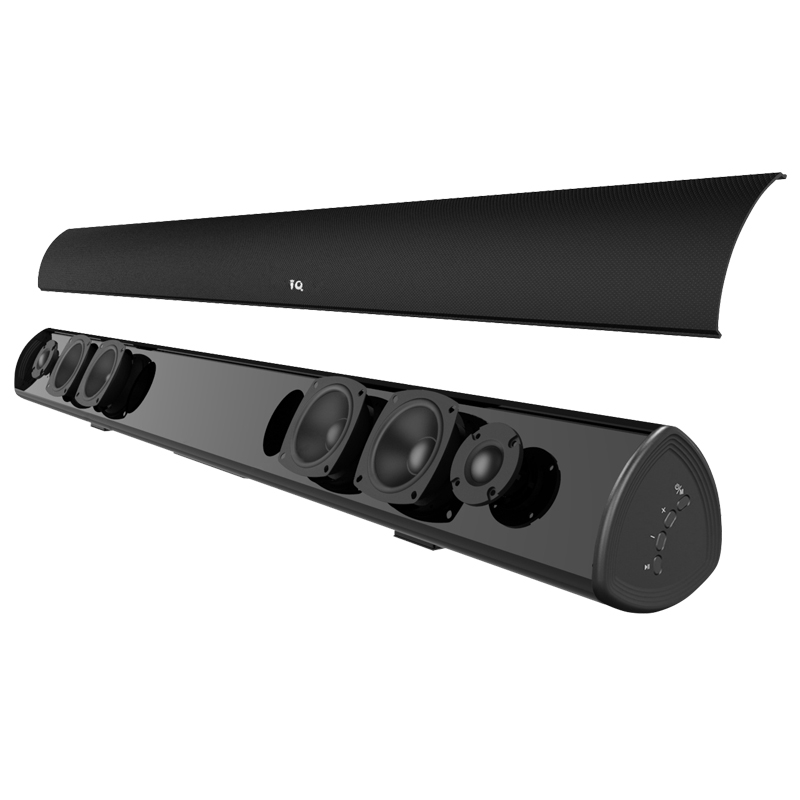
Soundbar for Meeting Room and Classroom Remote Control Speaker
Recommended for Baltimore huddle rooms and hybrid classrooms that need clear voice pickup with simpler controls.
View product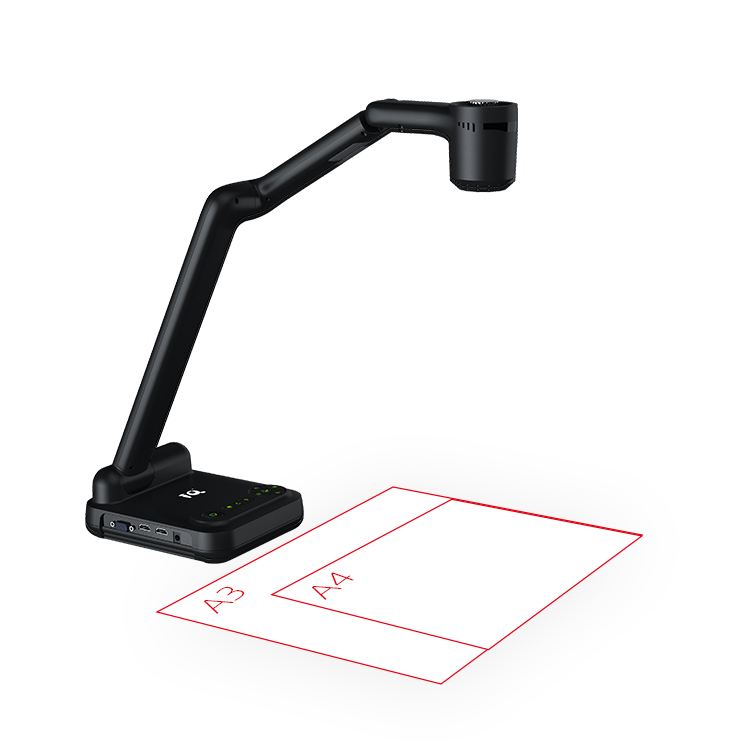
Portable Classroom Scanner Machine HD 8 Megapixel A4 Document Camera Scanner Visual Presenter with LED Fill-in Light
A practical entry visualizer for K-12, tutoring and nurse education; the LED fill light helps in older rooms with mixed lighting.
View product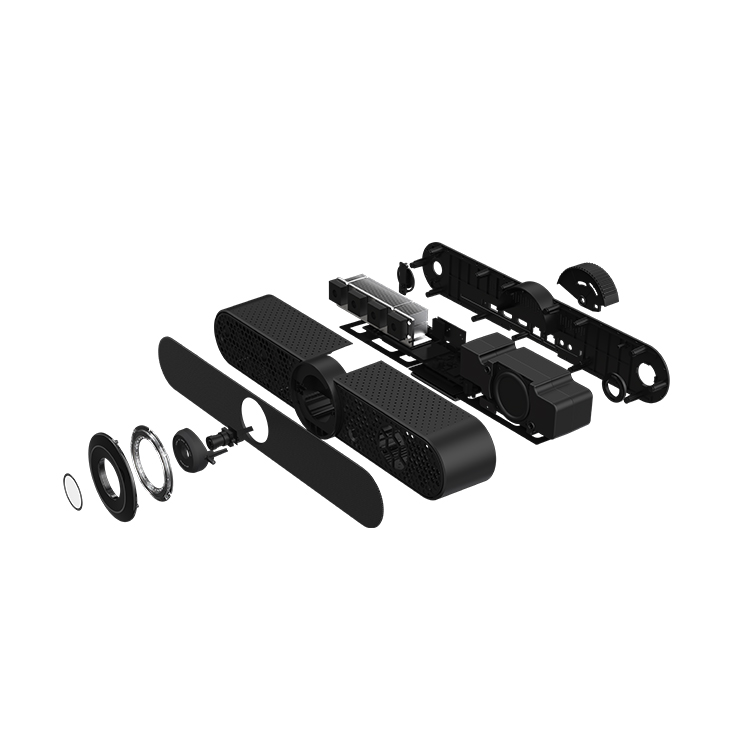
AI Auto-Tracking Webcam All-in-one 1080p 4k PC Mini Webcam for Video Calling and Conference
Useful for instructor tracking, tele-consultation and hybrid meetings where a presenter may move while demonstrating.
View product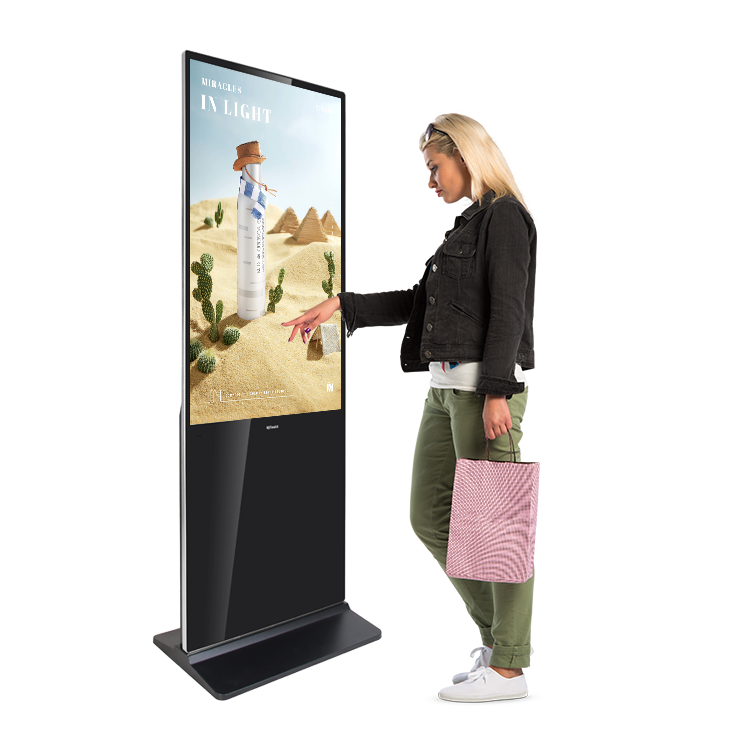
Android and Windows System Standing Floor Stand Information Kiosk Touch Screen for Shopping Mall
Suitable for campus wayfinding, library directories, public-service points and Baltimore visitor information areas.
View product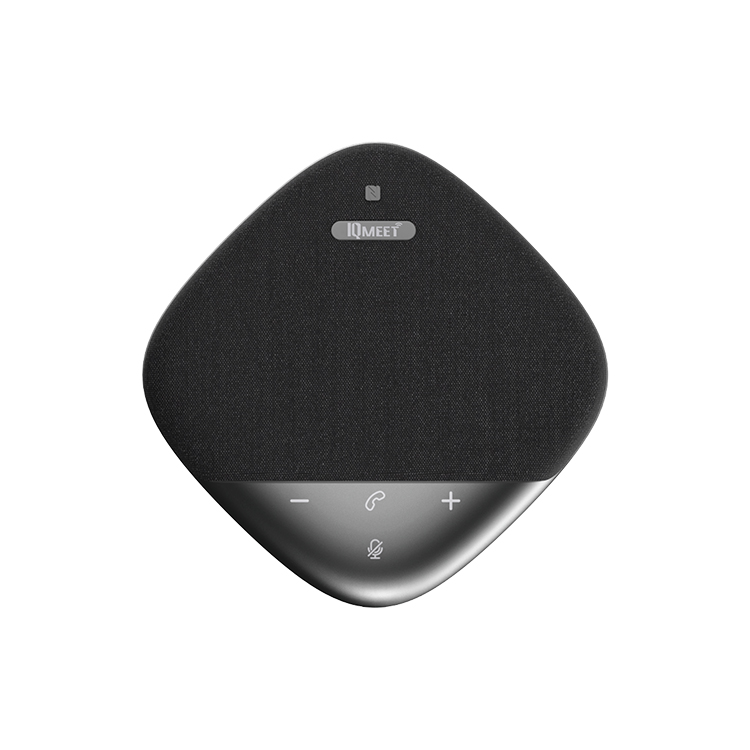
China Factory NFC Features AI Noise Reduction Built-in Dual Speakers Conference Speakerphone for Mobile Phone USB
Connects to BYOD training rooms and flexible hybrid spaces where Baltimore teams need audio without fixed AV infrastructure.
View product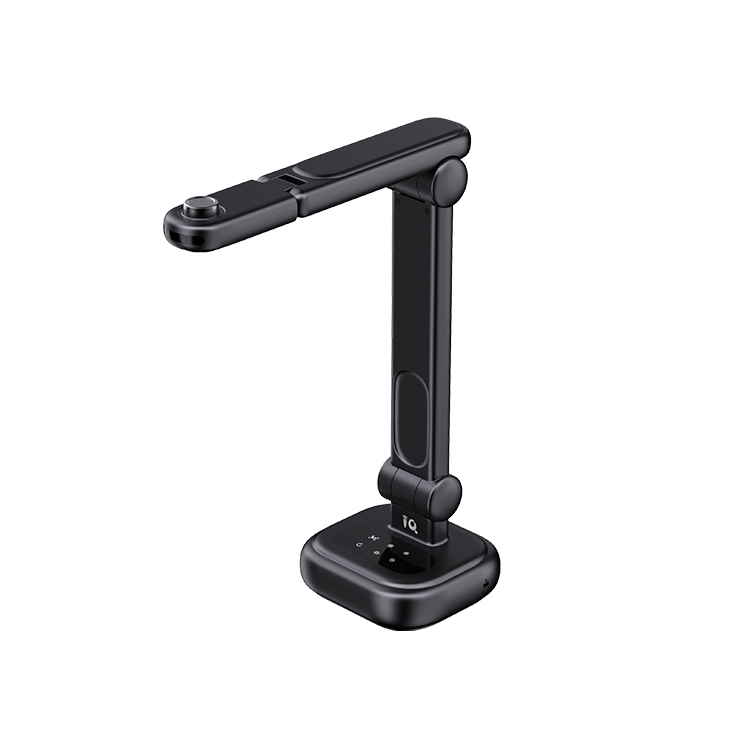
4K Video Output and Real-time Annotation Capabilities Document Camera Portable Visualizer with Auto Focus
A strong all-round visual presenter for classrooms, simulation labs and training rooms that need crisp text and live annotation.
View product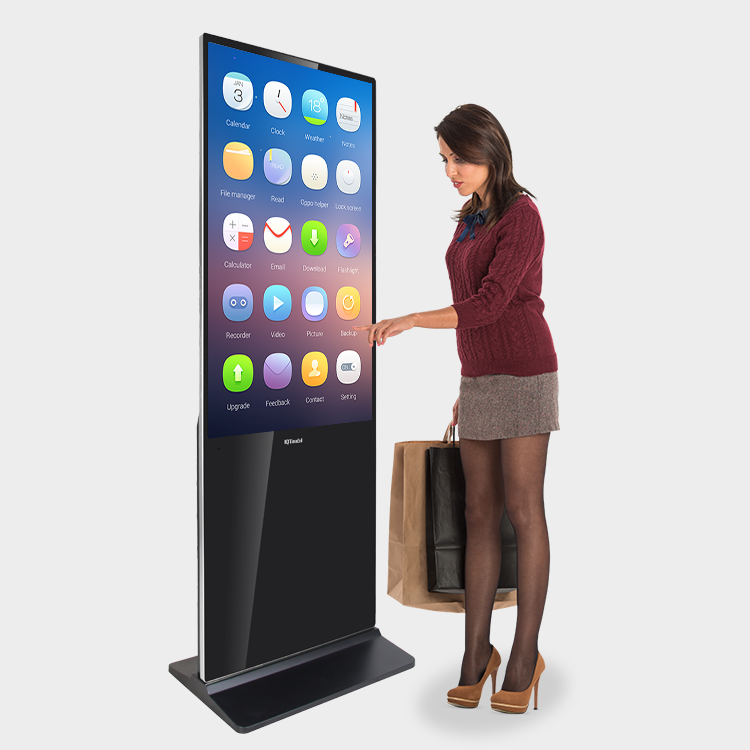
43inch Kiosk Touch Screen Floor Standing Advertising Kiosk Shopping Centre Digital Signage and Displays Outdoor Waterproof
For covered outdoor or high-traffic public spaces near stadiums, transit, campuses and waterfront venues.
View product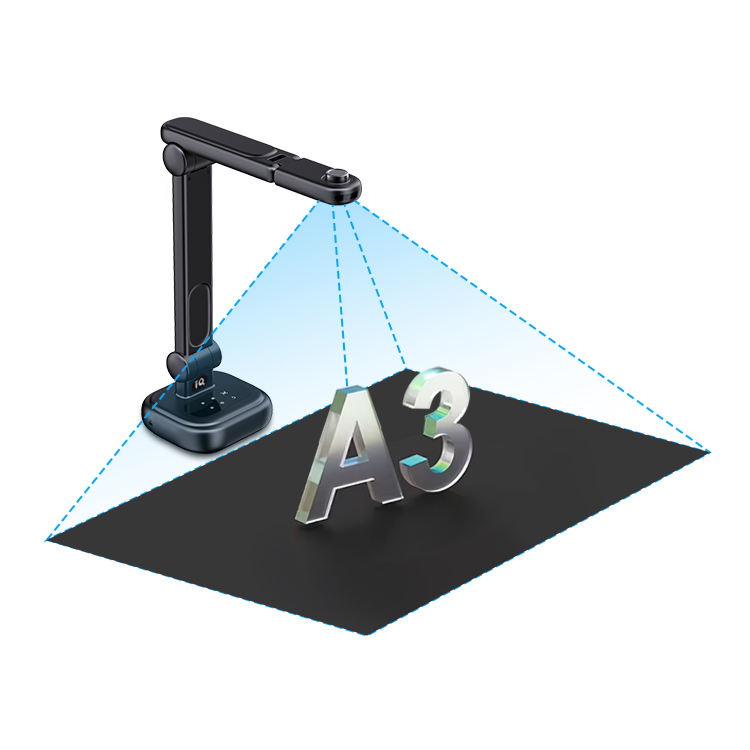
4K Camera Folding Design Live Annotation Adjustable LED Lighting Dual Stream A3 A4 Document Book Camera Scanner
Recommended for libraries, archives and advanced classrooms where A3 books, maps or large specimens are demonstrated.
View productWhere USB Visual Presenters Create Measurable Value in Baltimore
Baltimore is not a single purchasing environment. A visual presenter specified for a historic school building, a hospital simulation lab, a state agency training room and a waterfront visitor center should not be specified in the same way.
Baltimore City and County K-12 classrooms
Older buildings and shared mobile carts favor portable A4 visualizers with USB output, LED fill light and simple controls. Teachers can show worksheets, science experiments, math manipulatives and student work without a fixed ceiling camera.
Higher education and health sciences
Institutions across Baltimore use visual capture for anatomy models, engineering components, art conservation, nursing skills and evidence-based teaching. 4K annotation and dual-stream models support recording, live critique and assessment.
Hospitals and clinical simulation
Simulation labs often need close-up views of manikins, devices, labels and procedure steps. Specify cleanable surfaces, cable management and workflow approval with infection-control and IT security teams before deployment.
Government and public agencies
Maryland and Baltimore procurement teams commonly request documentation, origin information, security review and accessible support. A factory that can provide test records and OEM control reduces bid-stage uncertainty.
Corporate, port and logistics training
Baltimore’s port, distribution, manufacturing and professional-services employers use visual presentation to inspect materials, demonstrate processes and train distributed teams. Pair a document camera with a speakerphone and AI webcam for a complete BYOD room.
Museums, libraries and community spaces
For object study, archives, public programming and wayfinding, a folding A3 visualizer and touch kiosk can support exhibitions, library services and community outreach without complex AV renovation.
Baltimore Trends That Should Shape Your Visual Presenter Specification
The strongest proposals connect product features to local workflows, procurement realities and total cost of ownership—not just resolution numbers.
UVC standardization
Districts and agencies benefit when USB visualizers behave like standard cameras across Chromebooks, Windows, macOS and interactive panels.
Career and technical education
Maryland’s education investment environment is increasing attention on career pathways, teacher development and evidence-rich classroom practice.
Hybrid healthcare learning
Clinical training, continuing education and simulation require close-up capture that can be recorded, annotated and reviewed.
Security and sustainability
Public buyers increasingly ask about network dependency, repairability, packaging waste, power draw and supply-chain documentation.
Specification priority map for Baltimore pilots
A visual presenter can look impressive in a showroom and fail in a real classroom. Use a structured field test with the room, lighting, cable route and managed device that will actually be used.
The most useful test is simple: place a textbook page with 9-point text at the back of the demonstration area, open a video-call app, and check focus, motion, glare and legibility at the far end of the room.
What a Baltimore Buyer Can Verify Before Ordering
Ruyden Interactive Technology Group Co., Ltd. is an SGS onsite-verified manufacturer and exporter of interactive displays, lecture capture systems, digital podiums, USB visual presenters, conference cameras, speakerphones and kiosks. Our public profile is built around verifiable capability, not anonymous trading.
Education and enterprise AV manufacturing experience.
Engineering, production, QC and export service professionals.
International project support for distributors and integrators.
Verified transaction and review record on the supplier platform.

Factory Building
Production and engineering under documented factory operations.

Production Workshop
Assembly, testing and packing workflows for education AV products.

Team & Operations
Engineering, production and export support aligned to buyer requirements.
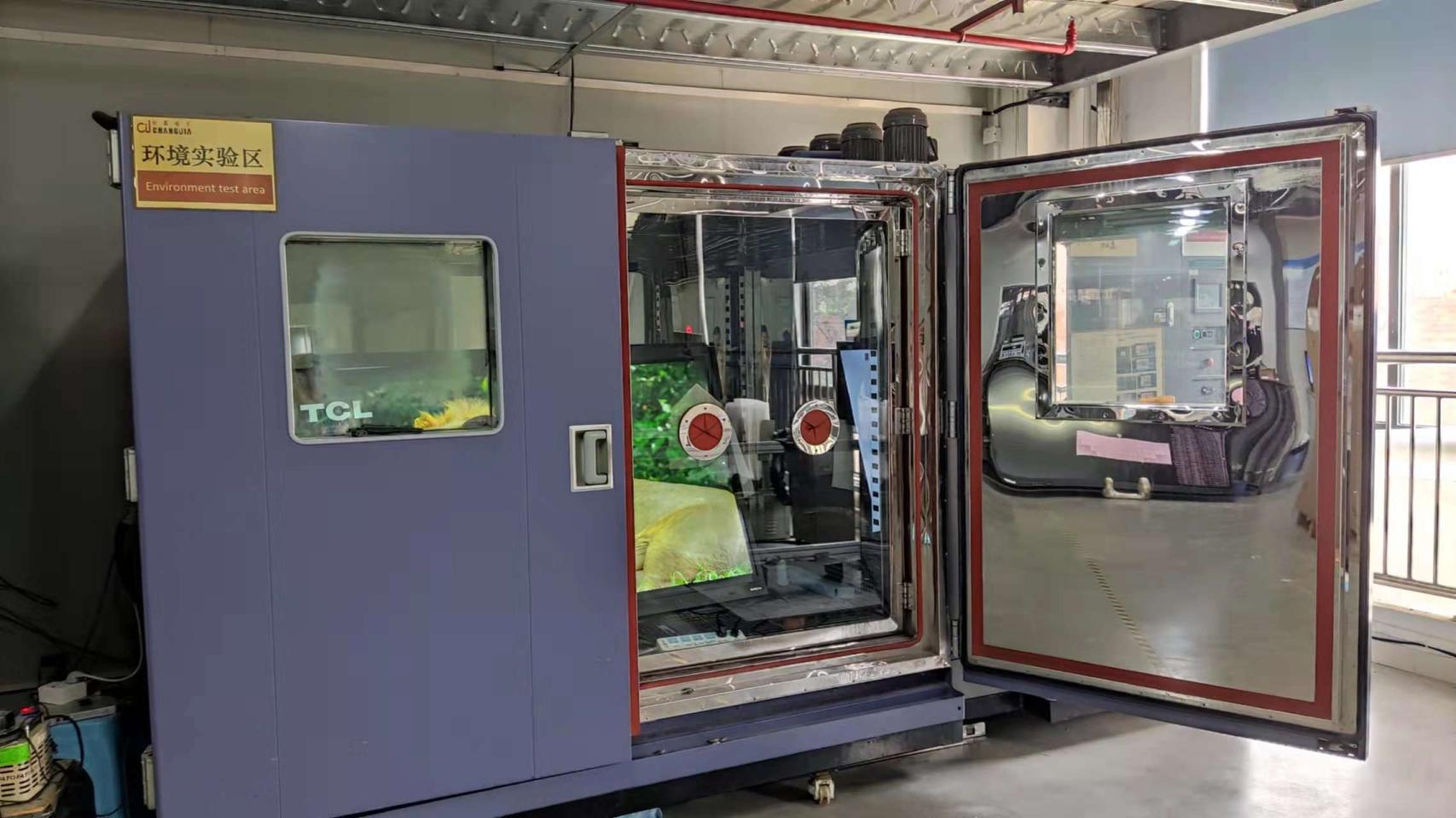
Temperature Testing
Reliability validation for hot, cold and transport-exposed environments.
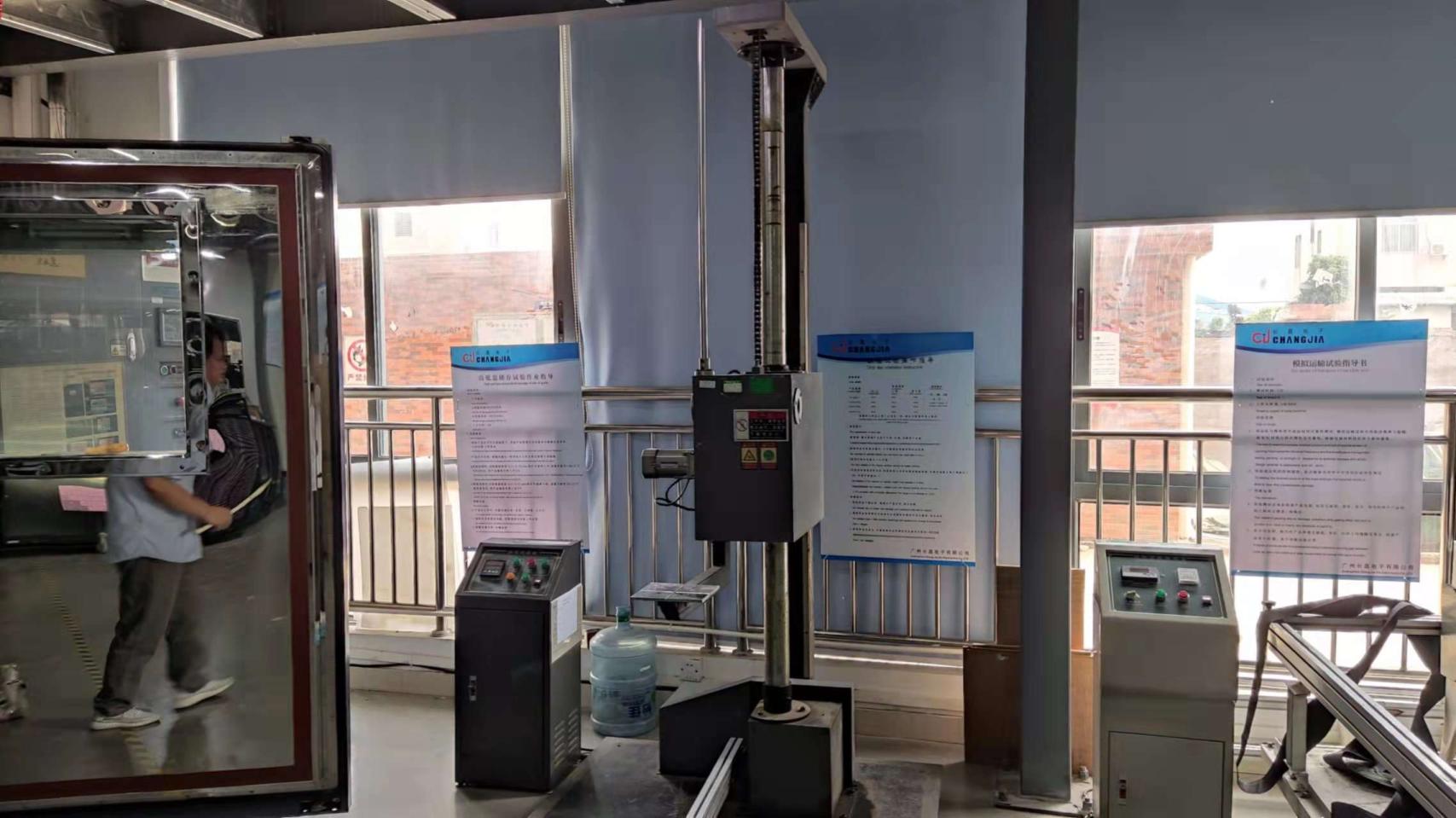
Drop Testing
Packaging and product protection for long-distance export handling.
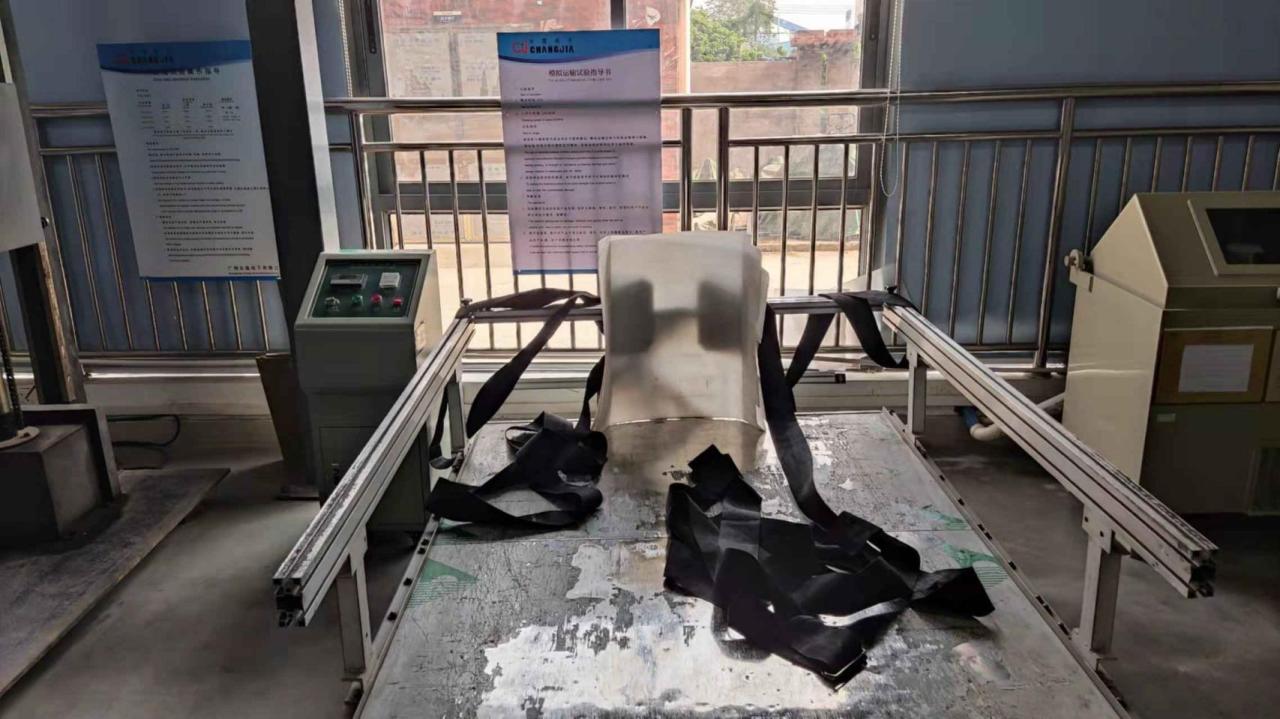
Transport Simulation
Vibration and transit checks designed to reduce arrival damage.
In-house manufacturing and OEM control
Ruyden combines SMT, auto-insertion, PCB processing, final assembly, packaging and reliability testing. That structure lets us protect custom designs, respond to engineering changes and maintain consistency for repeat orders.
For Baltimore distributors, integrators, school districts and healthcare buyers, common customization requests include logo, boot screen, housing color, packaging, pre-installed software, language settings and hardware configuration. Design-based customization has been verified by an independent third-party inspection.
Quality evidence you can request
The factory test lab covers high and low temperature, drop, simulated transportation, salt spray, button life, insertion force, static, earth continuity and withstand voltage testing. Product-specific reports should be confirmed before a bid is submitted.
For procurement files, ask for the applicable model datasheet, UVC descriptor or compatibility statement, power requirements, packaging dimensions, country of origin, HTS information and available compliance documents. Certifications vary by model and destination, so they must be verified—not assumed.
A Practical Evaluation Matrix for USB Visual Presenters in Baltimore
Use this matrix to compare suppliers on evidence, not adjectives. It is especially useful when a Baltimore school, hospital or agency asks for a pilot before a full rollout.
| Criterion | Baltimore-specific question | Evidence to request | Risk if skipped |
|---|---|---|---|
| Image quality | Can it show 9-point text, a small label and a moving hand without blur at the back of the room? | Resolution and frame rate, lens specification, field-of-view, sample recording, live demo | Teachers zoom digitally, image noise increases and students cannot read the source material. |
| UVC compatibility | Does it work on the district’s managed Chromebooks, Windows laptops, Macs and interactive panels? | UVC statement, USB descriptor, power draw, tested host-device list, no-driver setup guide | IT support tickets multiply and a pilot fails because of software, not hardware. |
| Room fit | Can it be moved, stored and cabled safely in older buildings, shared classrooms or clinical spaces? | Dimensions, weight, folding range, mount options, cable length, recommended USB extension method | The camera blocks sightlines, cables become trip hazards or the device is not used. |
| Lighting and focus | Does auto focus hunt under mixed window light, LED classroom lighting or clinical task lighting? | Low-light performance evidence, LED fill light control, focus lock option, glare guidance | Demonstrations look washed out, shadows hide detail and teachers abandon the device. |
| OEM and support | Can the supplier control branding, packaging, firmware, spare parts and after-sales response? | Factory audit, customization samples, DOA policy, warranty terms, spare-parts list, firmware process | Every issue becomes a marketplace return instead of an engineering or supply-chain solution. |
| Procurement documentation | Can the supplier support Maryland procurement, distributor onboarding and tender evaluation? | SGS report, trade records, compliance documents, country of origin, HTS code, packaging and pallet data | Bid delays, compliance uncertainty and avoidable back-and-forth with purchasing teams. |
Factory-direct model
Best for OEM branding, custom packaging, engineering changes, test evidence and repeat container orders. Requires more internal project management and planning.
Baltimore-area integrator
Best for installation, local service, staging and same-day support. Adds cost, but can be the right choice for complex clinical rooms or multi-building rollouts.
Marketplace reseller
Best for urgent single-unit purchase when specifications are simple. Weakest option for tenders, spare-parts continuity, custom firmware and accountable after-sales.
From Baltimore Requirement to Factory Delivery in Six Steps
Project brief
Share room count, A4 or A3 material, host devices, mounting constraints, target budget and any Maryland procurement requirements.
Sample test
Test auto focus, LED fill light, USB cable length, software compatibility and image legibility with the actual room lighting.
Configuration
Confirm resolution, output, packaging, logo, boot screen, language and accessory plan for the Baltimore rollout.
Evidence pack
Compile datasheets, test records, compliance documents, origin information and commercial terms for internal approval.
Pilot to rollout
Start with representative classrooms, clinics or meeting rooms; collect teacher and IT feedback before scaling.
Delivery and support
Coordinate export packing, shipping, spare parts and after-sales contact before the shipment leaves the factory.
Common Local Questions About USB Visual Presenter Factories and Suppliers
These are the questions that most often appear in Baltimore and Maryland sourcing conversations, pilot reviews and distributor onboarding.
Can a USB visual presenter work with Baltimore City or County school devices?
A UVC-class visual presenter is usually driverless, but districts may restrict USB devices or managed software. Run a pilot on the actual Chromebooks, Windows laptops, Macs and interactive panels. Ask the supplier for UVC documentation, power draw and a no-driver setup guide.
Which model is better for A4 worksheets versus A3 books?
For worksheets, notebooks and small objects, an 8MP A4 model with LED fill light is often sufficient. For libraries, archives, maps, large textbooks and specimens, choose a folding A3/A4 dual-stream visualizer with adjustable lighting and annotation support.
Do you offer OEM branding and Baltimore-specific packaging?
Yes. Common options include logo, boot screen, housing color, packaging artwork, language settings, pre-installed software and hardware configuration. Custom packaging should be tested for pallet, courier, loading dock and school delivery environments.
How should we plan shipping to Baltimore?
Confirm production lead time, carton dimensions, pallet count, loading-dock requirements and delivery appointment rules. Ocean freight to the US East Coast and air freight are both common; the right lane depends on pilot timing, volume and budget.
What compliance documents can be supplied?
Available documents depend on the model and destination. Buyers commonly request SGS verification, test records, RoHS/REACH information, EMC or safety reports where applicable, country of origin and HTS details. If TAA review applies, confirm eligibility before bidding.
What after-sales plan should a Baltimore buyer require?
Ask for DOA terms, warranty coverage, spare camera units, cables, power adapters, firmware support and a named technical contact. For multi-site rollouts, consider a Baltimore-area integration partner for on-site service while keeping factory support for OEM and spare parts.
Need a Factory Quote for USB Visual Presenters or Classroom Capture?
Send room count, A4/A3 requirements, host devices, OEM branding needs, target delivery window and any Maryland procurement documentation. We will review the configuration and recommend a practical product mix for your Baltimore pilot or rollout.
